
Full-body red light therapy buyers usually compare two formats: an open blanket-style mat and an enclosed sleep bag. The mat gives you easier positioning, better airflow, and more control over which body area gets direct exposure. The sleep bag surrounds the body, reduces repositioning, and creates a more contained recovery session. The better choice depends on comfort, coverage, heat tolerance, and how often you can realistically use the device at home.
What Is the Difference Between a Red Light Therapy Blanket and a Sleep Bag?
A red light therapy blanket and a sleep bag both serve full-body light therapy needs, but they create different user experiences. The main difference is simple: a blanket-style format stays open and flexible, while a sleep bag surrounds the body during the session.
What Is a Red Light Therapy Blanket?

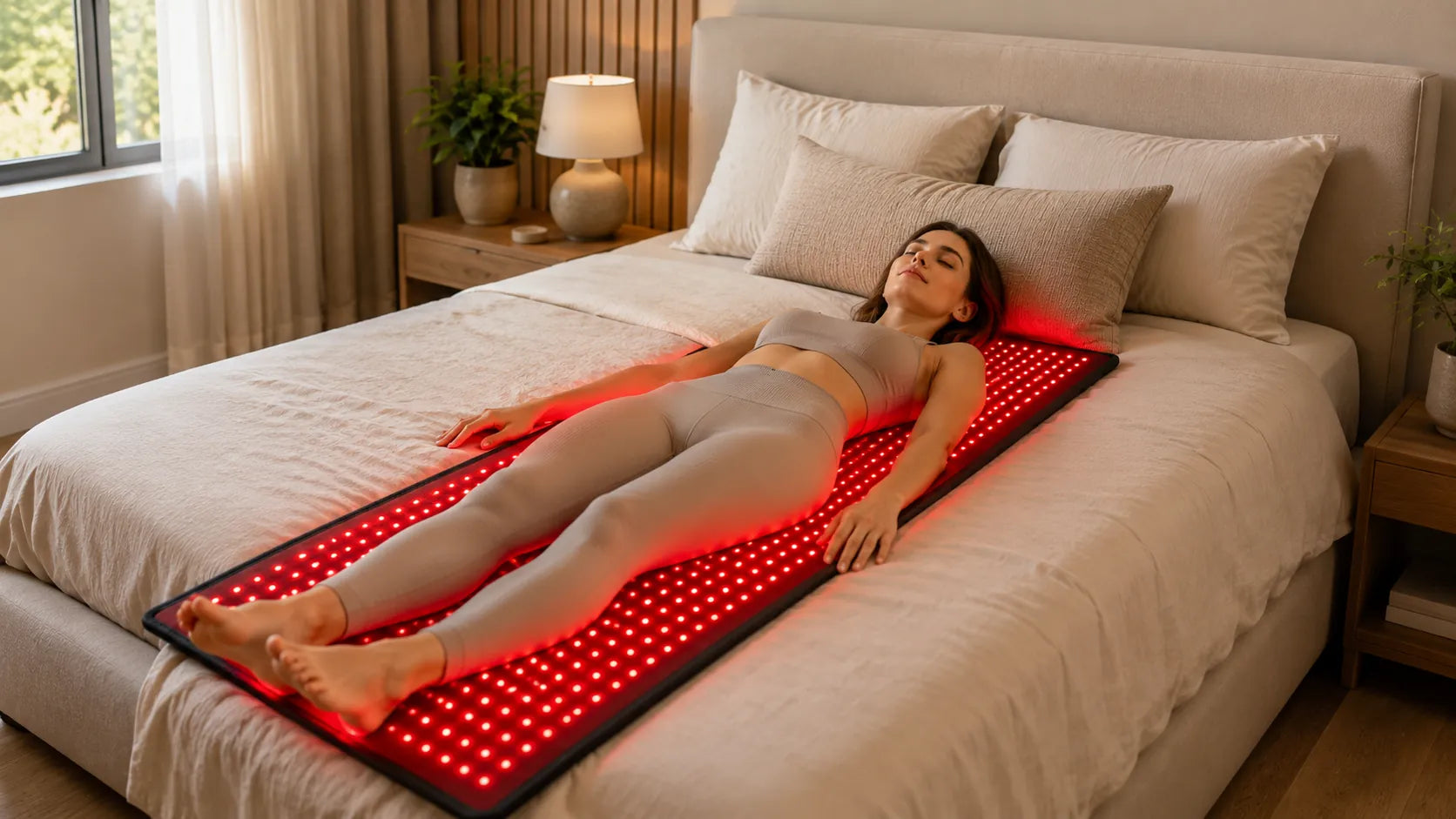
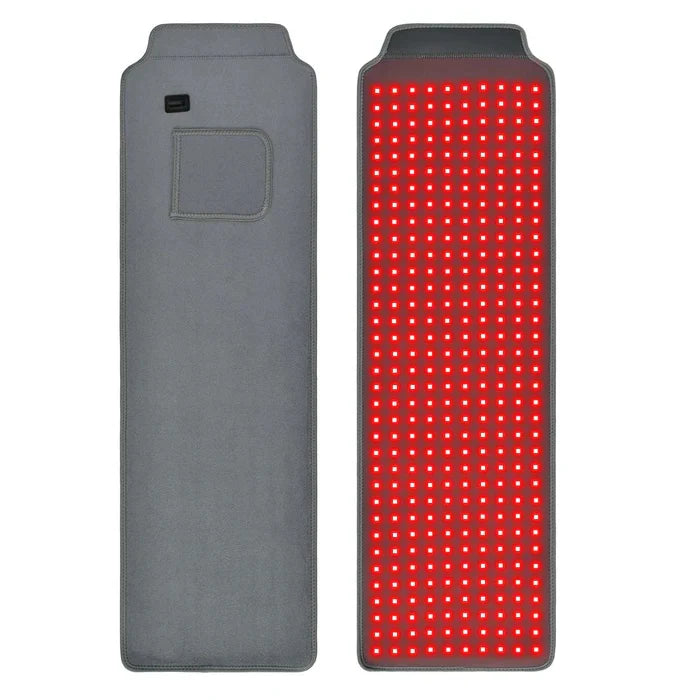
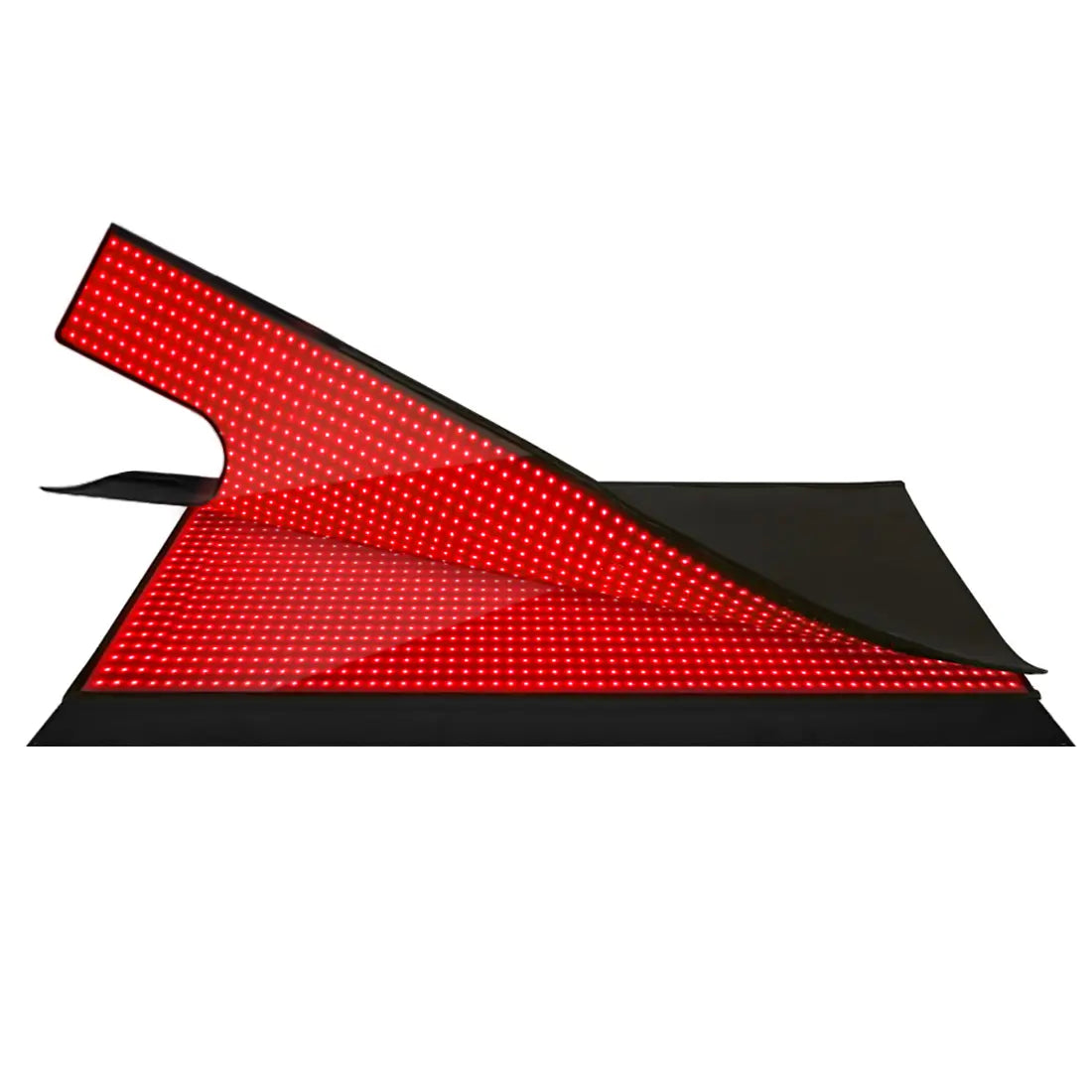
A red light therapy blanket is usually a flexible, mat-like device that lies flat on a bed, floor, sofa, or recovery area. Some people call it a blanket because it can cover a larger part of the body than a small wrap or pad.
In many product categories, it may also be called a:
- Full-body mat
- Therapy mat
- Flexible light therapy pad
- Blanket-style red light therapy device
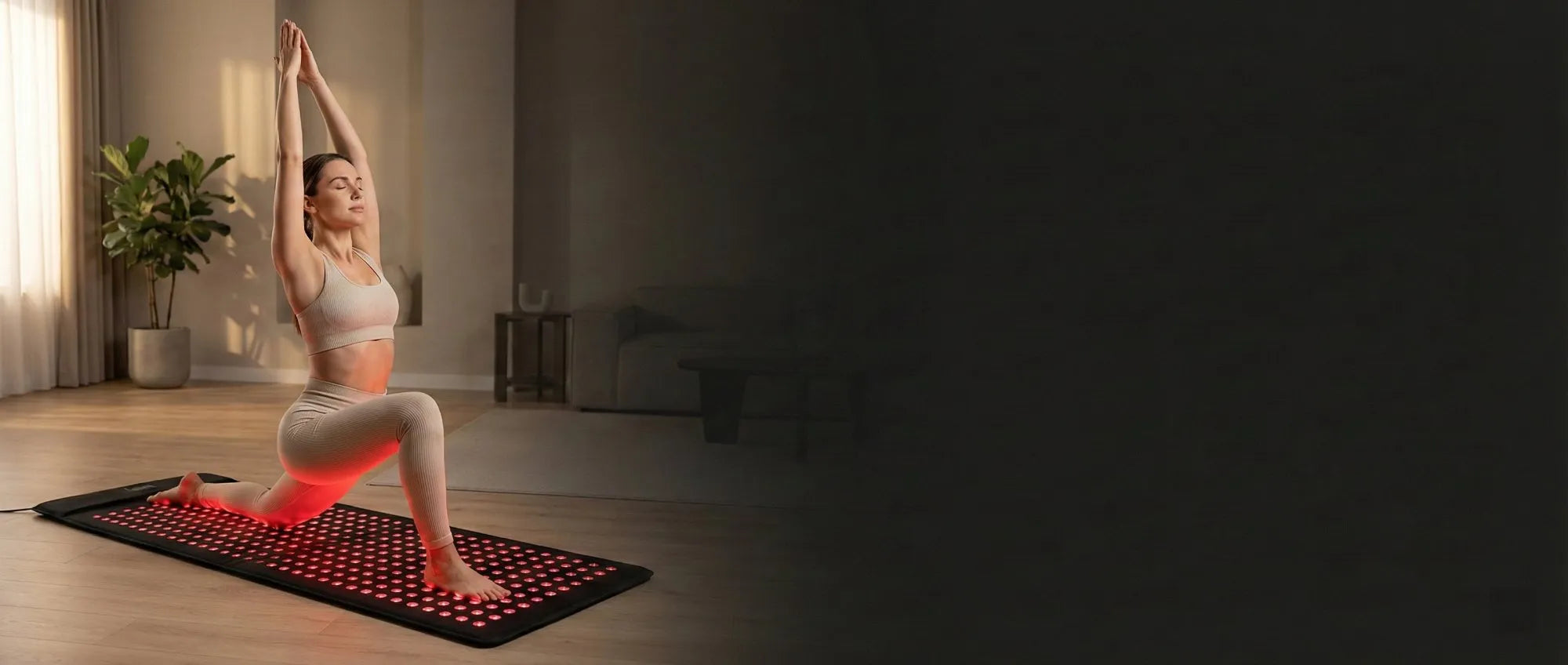
Its main feature is openness. You can lie on it, place it under your back or legs, or adjust your position during a session. That makes it useful for post-workout recovery, back relaxation, leg care, or a short evening session.
What Is a Red Light Therapy Sleep Bag?

A red light therapy sleep bag has a more enclosed shape. It opens wide enough for you to lie inside, then wraps around the body during use.
This design feels closer to a sleeping bag or recovery cocoon. The goal is to create broader body exposure with less repositioning. For buyers who want one still, full-body session, the enclosed format may feel simpler than moving a mat around different body areas.
Do They Use the Same Type of Light?
Both formats usually use red and near-infrared light.
Red light is commonly associated with surface-level skin and wellness routines. Near-infrared light is often used in devices designed for deeper tissue exposure.
These devices are not UV tanning tools, and they should not be treated as medical replacements. They are best used as timed home wellness devices, following the product’s safety, distance, and session-length instructions.
Quick Comparison: Blanket vs Sleep Bag
| Feature | Blanket-Style Format | Sleep Bag Format |
| Session Feel | Open, flexible, easy to adjust | Enclosed, immersive, more fixed |
| Body Position | Easier to shift during use | Better for lying still |
| Coverage Style | Depends on placement and contact | Surrounds more of the body at once |
| Best Fit | Users who want flexibility | Users who want a set recovery ritual |
| Comfort Concern | May need repositioning | May feel warm or enclosed |
Which Full-Body Red Light Therapy Option Feels More Comfortable?
Comfort depends on three practical factors: airflow, movement, and heat tolerance. If any of these feel wrong, long sessions become harder to keep up with.
A red light therapy blanket usually feels better for people who want room to move. Because the format stays open, you can shift your shoulders, bend your knees, sit up, or adjust body contact during the session. It is also easier to cool down, which matters if you get warm quickly or dislike enclosed spaces.
A red light therapy sleep bag feels better for people who prefer stillness. The covered design can feel calming during an evening session, especially after workouts, travel, or long hours at a desk. It also helps users stay in one position instead of constantly adjusting the device.
However, the same enclosed feel can be a drawback. If you dislike warmth, tightness, or lying still, a sleep bag may feel restrictive. If you want quick targeted use for the knees, lower back, or shoulders, an open blanket-style mat is usually easier to manage.
Comfort Check Before You Buy
| Choose a Blanket-Style Format If You... | Choose a Sleep Bag Format If You... |
| Get warm easily | Like a cocoon-like session |
| Prefer airflow | Prefer lying still |
| Move around during sessions | Want fewer position changes |
| Want targeted use on different areas | Want a more complete full-body feel |
| Share the device with different users | Use it mainly for your own fixed routine |
Is a Red Light Therapy Sleep Bag Better for Full-Body Coverage?
For full-body coverage, a red light therapy sleep bag usually has the practical advantage. Its enclosed shape lets light reach the front, back, and sides of the body during one timed session, so you spend less effort turning over or moving the device.
That makes the sleep bag a better fit for buyers who want one broad recovery session for the back, legs, hips, shoulders, and torso. It also suits people who prefer a fixed routine after workouts, travel, or long hours at a desk.
A red light therapy blanket can still work for full-body use, but coverage depends more on how you position your body. The area closest to the device gets the most direct exposure. To reach another area, you may need to shift, turn over, or fold the mat around the body.
That extra control is useful if you do not need full-body exposure every time. For example, runners may want to focus on the legs one day, while desk workers may care more about the lower back and hips. In that case, the blanket-style format can feel more practical than a full enclosure.
The simple answer: choose the sleep bag if you want broader coverage with fewer position changes. Choose the blanket-style format if you want more control over which areas receive direct exposure.
One important note: a red light sleeping bag is meant for timed sessions, not overnight sleep. Follow the product’s session length, intensity, and eye-safety instructions. Staying inside longer does not guarantee better results and may increase discomfort.
Choose the Full-Body Red Light Therapy Design That Fits Your Routine Best
The right choice comes down to the problem you want to avoid. If you do not want heat, tightness, or a fixed lying position, an open blanket-style format is the more comfortable long-term fit. If your main frustration is uneven coverage or constant repositioning, a red light therapy sleep bag is the better match. A good full-body device should fit your comfort limits first, then your recovery goals.
FAQs about Red Light Therapy Blankets
Q1. Do Red Light Therapy Blankets Really Work?
Yes. Red light therapy blankets can be effective when the LEDs sit close to the skin and deliver red and near-infrared wavelengths at an appropriate intensity. Their value is broad, convenient exposure: back, legs, hips, shoulders, and torso can receive light during one timed session. For best results, use clean skin, follow the recommended session length, and stay consistent for several weeks.
Q2. Does Red Light Therapy Work Through a Blanket?
No, red light therapy should not be used through a regular fabric blanket. Fabric blocks, scatters, or absorbs much of the light before it reaches the skin, which can reduce the session’s effectiveness. A red light therapy blanket works because the LEDs are built into the device itself and positioned close to the body during timed use.
Q3. Do I Need Full-Body Red Light Therapy?
No, you do not need full-body red light therapy if your goal is limited to one area, such as the face, knees, shoulders, or lower back. A full-body device makes sense when you want broader exposure, less repositioning, or one recovery session for multiple areas. For targeted concerns, a smaller panel, wrap, or pad may be enough.
Q4. How Many Times a Week Should You Do Full-Body Red Light Therapy?
Most people use full-body red light therapy about 3 to 5 times per week, depending on the device, intensity, session length, and personal tolerance. Beginners should use the lower end of the recommended range and increase gradually if the skin and eyes tolerate it well. Follow the product manual first, since dosing varies by device design and output.
Q5. What Are the Negatives of Red Light Therapy?
The main negatives are inconsistent results, time commitment, possible warmth, temporary redness, eye discomfort, and sensitivity in certain users. People taking photosensitizing medications or those with light-sensitive conditions should be cautious. At-home devices also vary widely in power and coverage, so results can differ. Using longer sessions than recommended may increase irritation without improving benefits.