
Red light therapy offers a non-invasive option for supporting scalp health and hair growth when used with the right parameters, but results depend heavily on device specifications, consistent application, and the underlying cause of hair thinning. Clinical studies have explored low-level light therapy for androgenetic alopecia, but device parameters and outcomes vary across studies. This evidence-based guide provides practical protocols based on common photobiomodulation ranges while emphasizing that hair loss has multiple causes, so outcomes with red light therapy vary by diagnosis and underlying cause.

Before starting any light-based routine, it is essential to understand that this article only discusses comfort and setup advice for at-home use. It does not constitute medical advice, diagnosis, or treatment. If you have persistent discomfort, sudden hair loss, existing scalp conditions, or are pregnant, photosensitive, or taking medications that increase light sensitivity, consult a qualified healthcare professional.
Understanding How Red Light Therapy May Support Scalp Health
Red and near-infrared light interact with cells in the scalp through photobiomodulation, potentially improving cellular energy production and blood flow in targeted areas. However, marketing claims should be treated cautiously because response depends on the cause of hair loss, treatment consistency, and device parameters.
Because photosensitivity can increase light-related risk, users should review medications and scalp conditions before starting a light-therapy routine. If hair loss is sudden, patchy, painful, or linked with scalp inflammation, readers should seek medical evaluation rather than relying only on at-home light therapy.
Key Evidence-Based Parameters for Scalp Protocols
Successful at-home use typically aligns with these heuristic thresholds derived from common photobiomodulation literature and device guidance. These ranges help filter devices and create realistic expectations.
Wavelength remains one of the most important starting points. Most studies and consumer devices target 630-680 nm in the red spectrum, with 650-660 nm frequently cited as a sweet spot for scalp applications. Near-infrared wavelengths around 800-850 nm are sometimes included as a secondary band for deeper tissue support, but red light is the primary focus for hair growth protocols.
Irradiance at the scalp surface should ideally fall between 5-100 mW/cm² for practical home use. Below this range, sessions may need to be significantly longer to reach meaningful fluence, while values much higher can lead to faster dosing but may cause discomfort or require careful distance management.
Session duration commonly ranges from 5-20 minutes per treatment. Shorter sessions risk under-dosing unless irradiance is high, while longer sessions beyond 20-30 minutes often add little benefit once weekly targets are met.
Treatment frequency of 3-7 sessions per week is typical. Less than 2 sessions weekly is often too infrequent for noticeable effects, while daily use is acceptable only when individual sessions remain short and total weekly exposure stays moderate.
Weekly fluence, calculated as irradiance (mW/cm²) × minutes per session × sessions per week × 0.06, generally falls in the 20-60 J/cm² range for scalp protocols. Staying below 10-15 J/cm² per week may make results harder to evaluate, while exceeding 60-100 J/cm² weekly is usually unnecessary and can reduce adherence.
Heuristic Threshold Ranges for Scalp Red Light Therapy
Illustrative threshold bands for judging whether a scalp red light therapy device/protocol falls within a plausible effective range.
View chart data
| Category | Lower bound | Upper bound |
|---|---|---|
| Wavelength (nm) | 630.0 | 680.0 |
| Irradiance (mW/cm²) | 5.0 | 100.0 |
| Session time (min) | 5.0 | 20.0 |
| Frequency (times/week) | 3.0 | 7.0 |
| Weekly dose (J/cm²) | 20.0 | 60.0 |
Heuristic threshold ranges from the provided threshold_table module; illustrative boundaries only, not clinical efficacy data.
These values are modeled decision thresholds, not universal clinical cutoffs. Exact efficacy can shift with device geometry, beam coverage, hair density, and individual response. Treat them as practical rules of thumb and always follow your specific device's instructions.

Device Types and Positioning for Effective Scalp Coverage
Different devices require distinct positioning strategies to ensure even light delivery across the scalp.
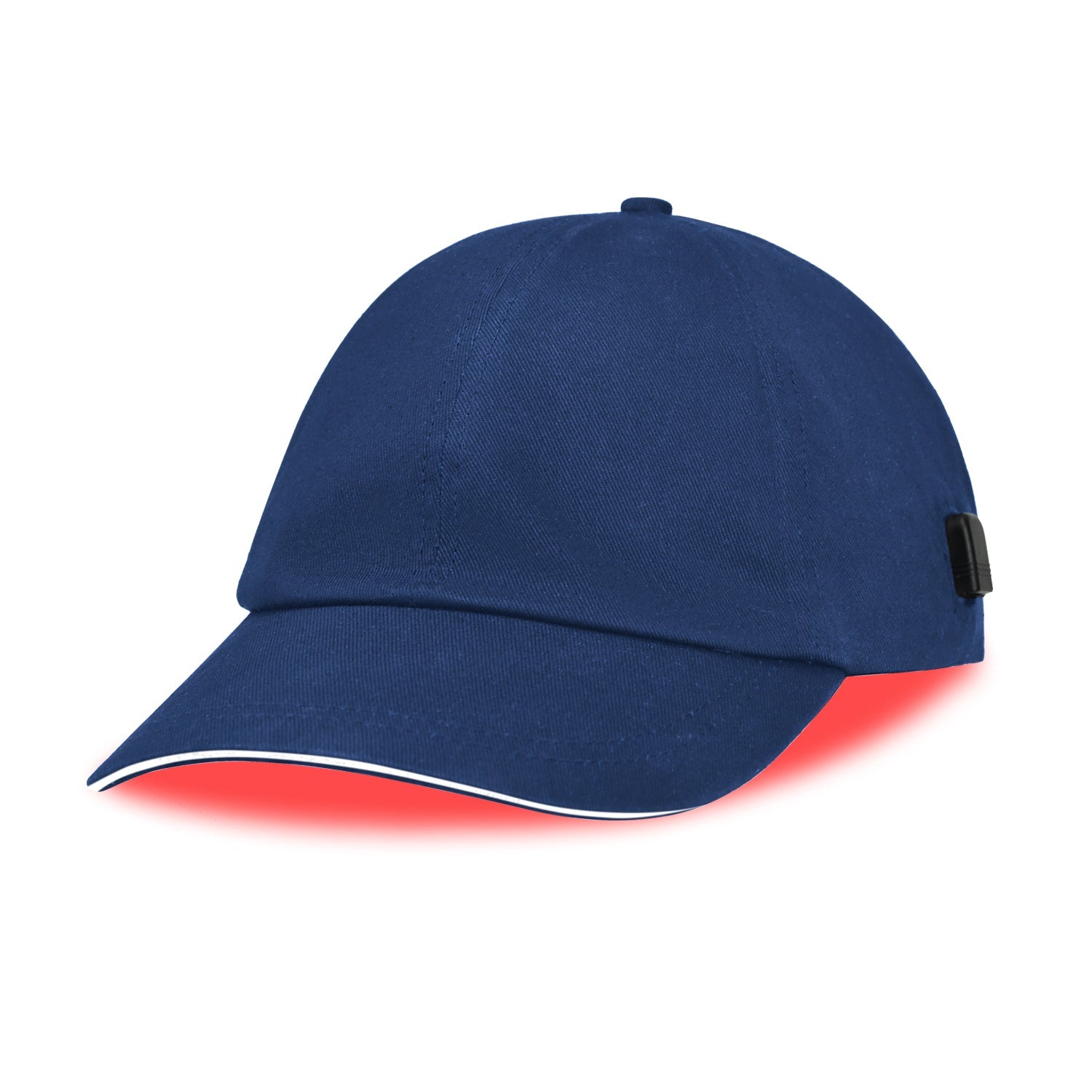
Targeted caps and helmets are generally the most convenient for consistent scalp treatment. They sit directly on the head, minimizing distance variation and allowing hands-free use. Look for models that provide good temporal and crown coverage, and part hair or use in sections if density is high to improve light penetration.
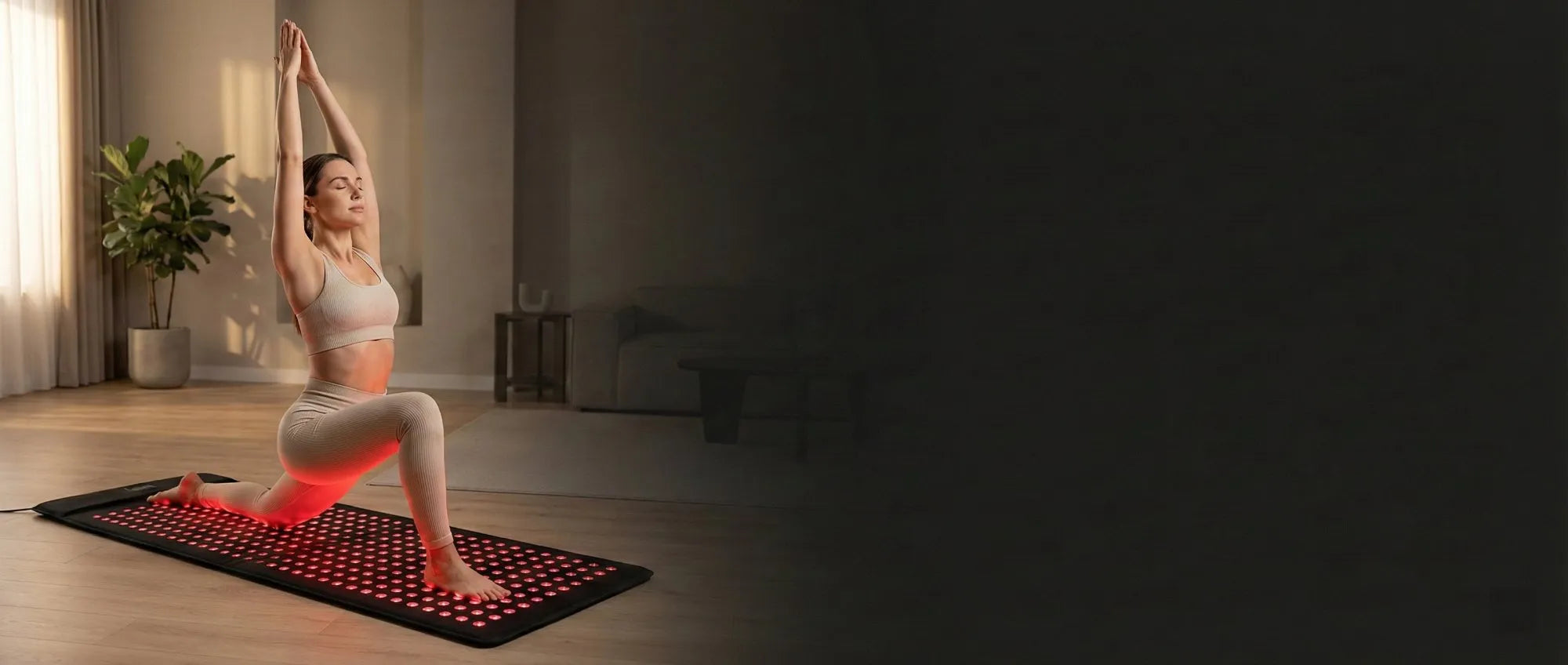
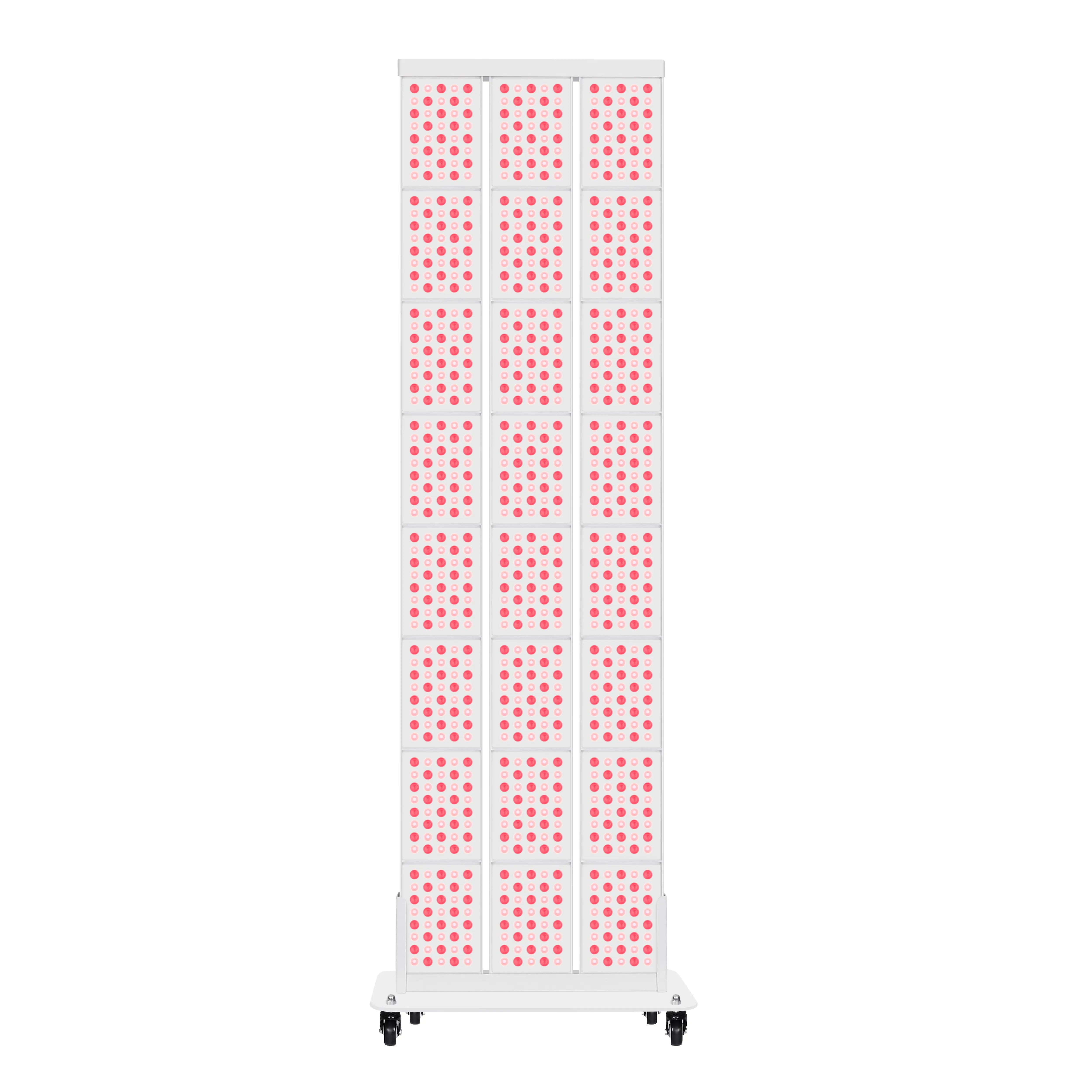
Full-body or large panels can be used for the scalp but demand more attention to positioning. Sit or stand approximately 6-12 inches from the panel with the head tilted slightly back or forward in sections. Use a mirror or timer to ensure 5-10 minutes per major scalp zone (crown, hairline, sides). This approach works best for users who already own a panel for other body areas and can integrate scalp sessions into an existing routine.
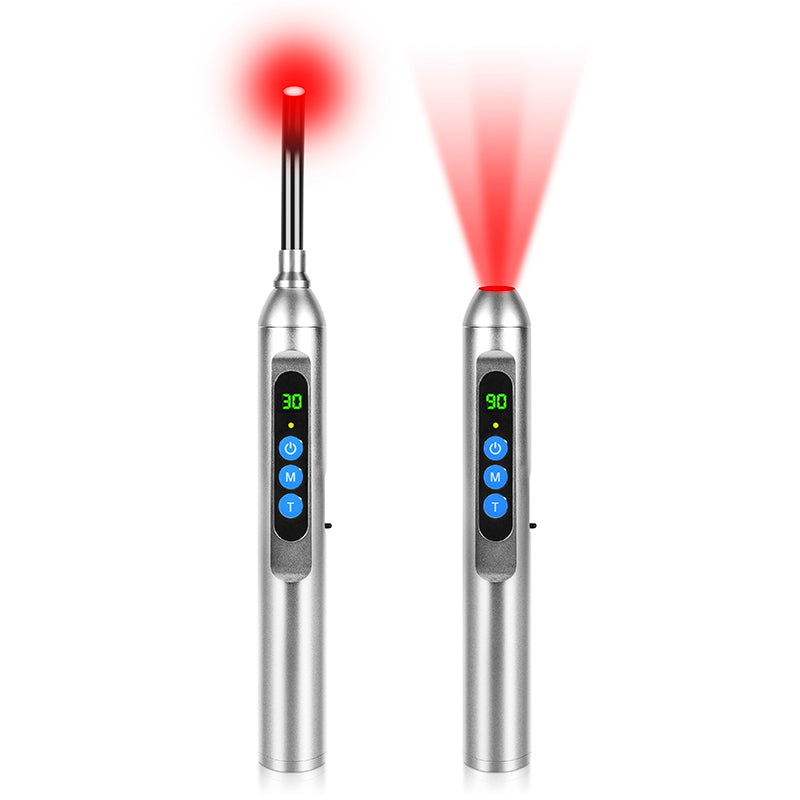
Handheld or comb-style devices require slow, methodical movement across the scalp in a grid pattern, spending several seconds per square inch. These are better for spot treatment or travel but can be time-intensive for full scalp coverage.
Proper distance and even exposure matter more than the exact device type. Hair blocks light, so consistent parting or thinning the treatment area temporarily can improve outcomes.
How Often to Use Red Light Therapy for Hair Growth
A common practical schedule is 3-4 sessions per week for most users, balancing efficacy with adherence. Some protocols allow daily short sessions of 5-10 minutes when the device is comfortable and easy to use, while others recommend rest days to prevent overstimulation.
Consistency over months matters more than intensity in any single week. Many users report evaluating progress after 3-6 months of regular use. If no improvement is seen after this period at adequate parameters, reassess both the protocol and the underlying cause of hair loss with a professional.
Stop or reduce treatment if you experience scalp burning, persistent redness, headache, eye discomfort, or worsening shedding that persists beyond the initial adjustment period.
Stacking Red Light Therapy with Other Hair Loss Treatments
Red light therapy can be combined with other approaches, but timing and caution are important.
When using alongside topical treatments like minoxidil, many users apply the topical after the light session to avoid potential light absorption interference. For microneedling, allow 24-48 hours between sessions to let the scalp recover.
Always introduce one change at a time to identify what works for your scalp. Stacking is most suitable for users already committed to a multi-step routine who can maintain consistency without increasing irritation.
Scenario-Based Device and Protocol Selection
The best choice often depends on lifestyle and goals rather than one universally superior device.
Busy users with limited patience for setup usually benefit more from caps or helmets because they reduce daily friction and improve long-term adherence. Those with established grooming routines or who already own a versatile panel may prefer using it for scalp sessions, especially if multi-area use is a priority.
Users already applying minoxidil or performing microneedling often pair best with hands-free caps that fit easily into a complex schedule. Standalone users seeking simplicity typically favor easier-to-use targeted devices over panels that require active positioning.
Before purchasing, audit your available time, existing hair care steps, and willingness to commit to consistent sessions. The protocol you will actually follow is more valuable than the theoretically optimal one.
Safety Considerations and When to Seek Professional Advice
Red light therapy is generally well-tolerated when used within recommended parameters, but it is not appropriate for everyone. Avoid use if you have active scalp infections, photosensitivity disorders, or are taking medications known to increase light sensitivity.
Eye protection is essential even with scalp-focused devices. Never shine light directly into the eyes. Pregnant individuals or those with certain medical conditions should consult a doctor before beginning treatment.
This article only discusses comfort/setup advice. It does not constitute medical advice, diagnosis, or treatment. If persistent discomfort occurs or existing eye conditions are present, qualified professionals should be consulted.
Creating Your Personal Red Light Therapy Scalp Protocol
- Choose a device that delivers wavelengths in the 630-680 nm range with adequate irradiance at the scalp.
- Start with 3 sessions per week of 10 minutes each, adjusting based on your device's guidelines.
- Ensure even coverage by parting hair or moving the device systematically.
- Track consistency and any changes in shedding or density over 12-24 weeks.
- Combine with healthy scalp habits including gentle cleansing, nutrition, and stress management.
- Re-evaluate with a clinician if no progress is observed after 4-6 months.
Success with red light therapy for hair growth is highly individual. Focus on realistic expectations, proper device selection, and sustainable routines rather than chasing dramatic before-and-after claims. By following evidence-aligned parameters and listening to your body, you can determine whether this approach fits into your personal hair health strategy.