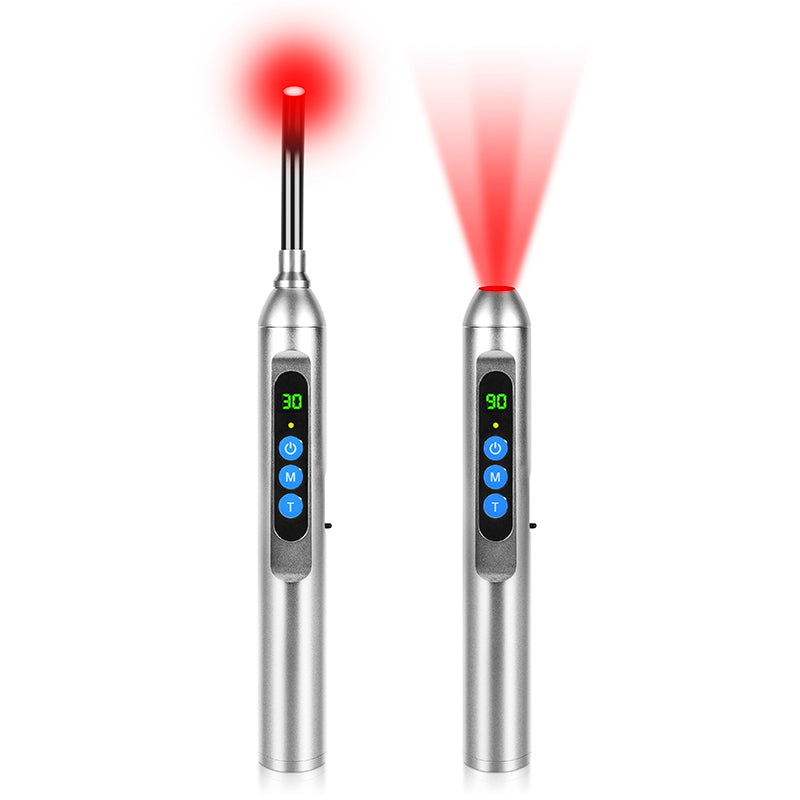

Red Light Therapy for Acupuncturists: Enhancing Treatment
Medical Disclaimer: The following information is intended for licensed acupuncture practitioners and healthcare professionals. It is for educational purposes only and does not constitute medical advice, diagnosis, or treatment. Red light therapy (RLT) should be used as a complementary modality within the practitioner's legal scope of practice. Practitioners should advise patients that RLT is not a replacement for conventional medical care and should refer patients to specialists when symptoms persist or indicate underlying pathology.
Summary
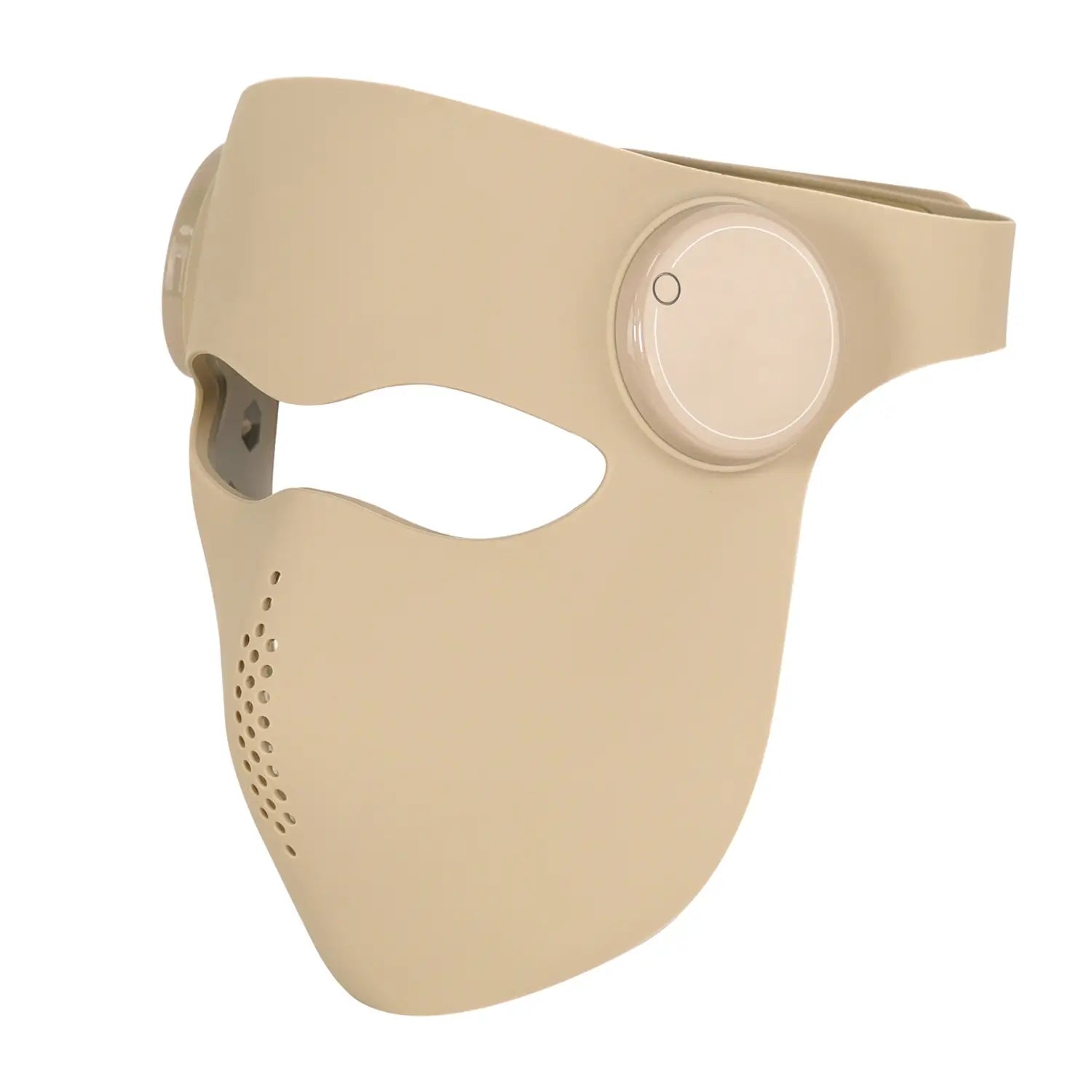
Integrating red light therapy (RLT) into acupuncture practice—often referred to as "Photo-Acupuncture"—offers a synergistic approach that may enhance traditional needle treatments. By applying specific wavelengths, typically 660nm (red) and 850nm (near-infrared), practitioners can leverage photobiomodulation (PBM) to support cellular repair and modulate pain pathways. This non-invasive, evidence-based method allows practitioners to amplify the therapeutic effects of acupuncture points, potentially improving patient outcomes in diverse clinical settings.
Key Takeaways
- Synergistic Mechanism: RLT and acupuncture both target the body's natural healing systems. PBM provides cellular energy (ATP) that may enhance the biological response to needle stimulation.
- Wavelength Selection: 660nm is generally preferred for superficial points and skin health, while 850nm penetrates more deeply into muscle and joint tissues, making it suitable for chronic musculoskeletal issues.
- Flexible Integration: RLT can be applied pre-treatment to relax fascia, simultaneously with needles to boost point activation, or post-treatment to minimize minor inflammation.
- Safety Standards: To support patient safety and clinical reliability, practitioners should prioritize devices that align with IEC 60601-2-57:2026 standards for irradiance and EMF safety.
- Patient Accessibility: RLT provides a valuable "needle-free" alternative for sensitive patients while adhering to Traditional Chinese Medicine (TCM) diagnostic frameworks.
Understanding the Synergy Between Photobiomodulation and Acupuncture
The integration of red light therapy into acupuncture is an evolution of the practitioner's ability to influence bioenergetic and physiological systems. While traditional acupuncture manipulates Qi and stimulates the nervous system via mechanical signals, photobiomodulation (PBM) uses light to trigger photochemical reactions within the mitochondria. Research suggests this process increases the production of adenosine triphosphate (ATP), which can accelerate tissue repair and modulate oxidative stress.
When applied to acupuncture points (acupoints), red and near-infrared light act as a "photonic stimulus." This dual-modality approach is often effective because PBM can "prime" the tissues. For example, clinical observations suggest that applying red light to a point like ST36 (Zusanli) before needling may increase local microcirculation, potentially making the point more responsive to subsequent mechanical stimulation.
How to Integrate Red Light Therapy into Your Clinical Workflow
Successful integration requires a structured approach that respects TCM principles and PBM dosing requirements. Practitioners typically utilize one of three protocols:
- Pre-needle Priming: Applying RLT for 5–10 minutes before insertion. This is often used for patients with significant muscle tension, as the light therapy may help relax the fascia and desensitize local pain receptors.
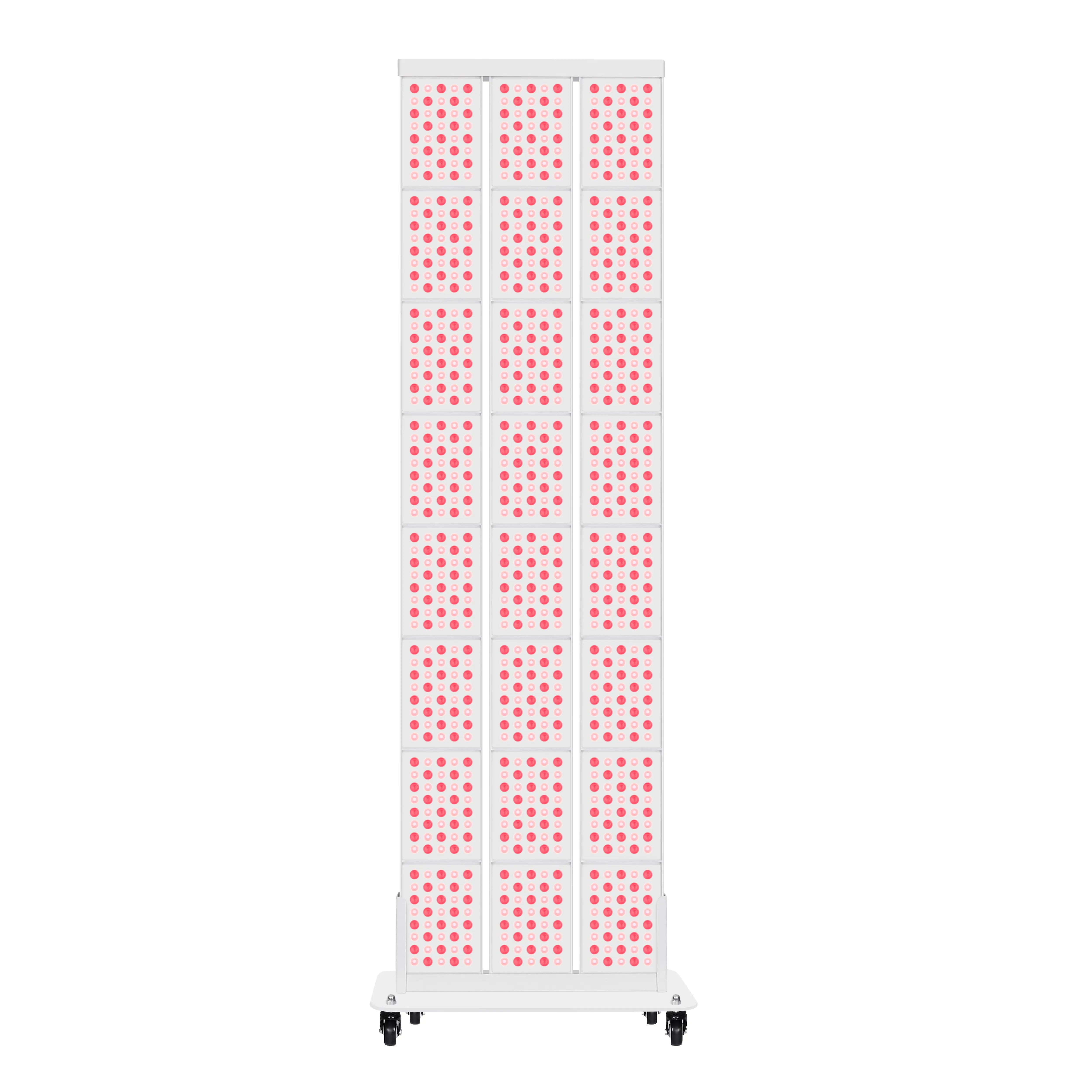
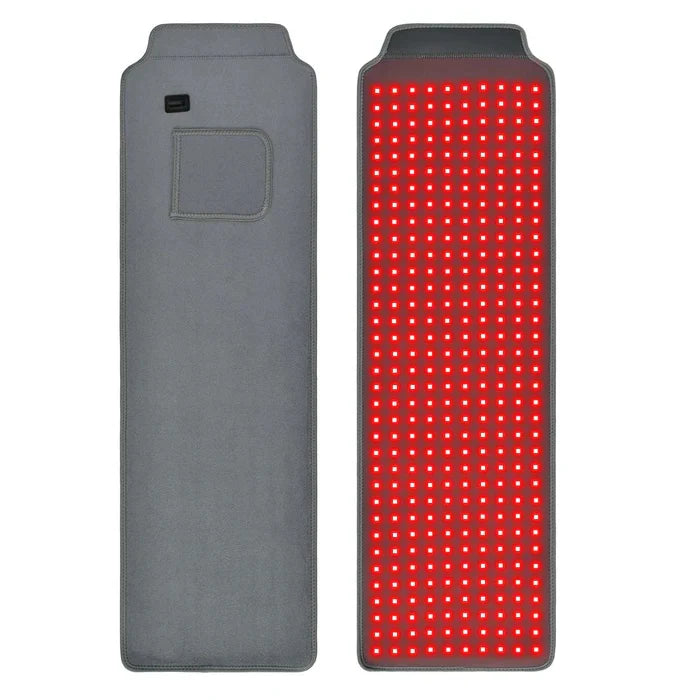
- Simultaneous Application: Using RLT panels or handheld devices while needles are retained. This is frequently employed to "charge" the local area, potentially deepening the impact on chronic conditions.
- Post-needle Recovery: Applying light after needle removal to soothe the skin and address any minor micro-trauma, helping the patient feel revitalized.
Clinical Note: These protocols are based on current practitioner experience and the Arndt-Schulz principle of dose-response. The choice of protocol should be adjusted based on the patient's specific condition and sensitivity levels.
Technical Specifications and Dose Calculation
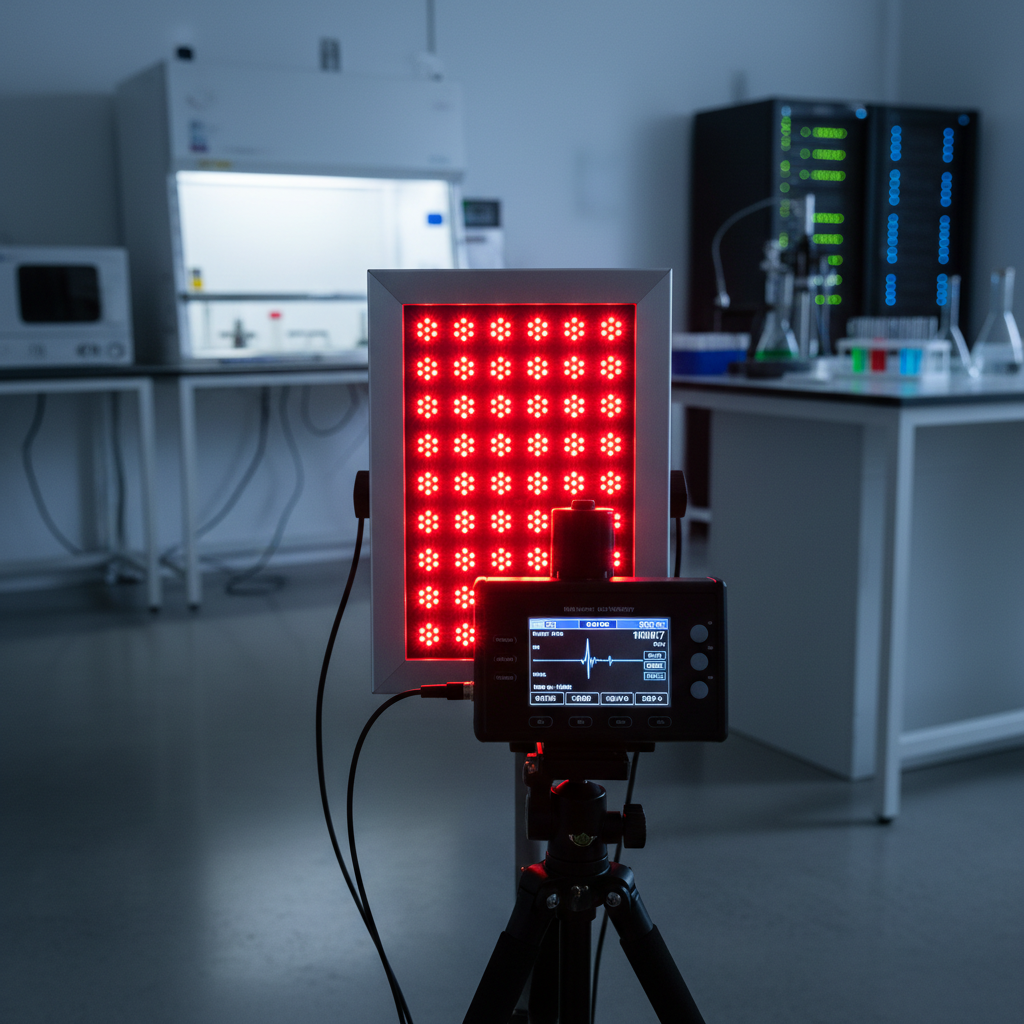
Selecting professional RLT equipment is critical for maintaining clinical standards. Unlike consumer devices, professional tools must provide verifiable irradiance.
The "Sweet Spot" for Irradiance
For most acupuncture applications, an irradiance of 50–100 mW/cm² at the treatment distance is considered a clinical "sweet spot." This range is derived from PBM literature (such as the World Association for photobiomodulation Therapy guidelines) as being sufficient for therapeutic penetration without inducing thermal discomfort.
Clinical Dose Calculation Example
To ensure safety and efficacy, practitioners should calculate the total energy delivered (Joules). Use the following formula:
Formula: Energy (J/cm²) = [Irradiance (mW/cm²) × Time (seconds)] / 1000
- Example: If your device delivers 60 mW/cm² and you treat a point for 5 minutes (300 seconds):
60 × 300 = 18,00018,000 / 1000 = 18 J/cm²
Note: Most clinical protocols for chronic pain suggest a target dose between 10 J/cm² and 30 J/cm² per treatment area.

Comparison of Light Therapy Modalities in Acupuncture
| Feature | Laser Acupuncture | LED-Based Red Light Therapy |
|---|---|---|
| Light Source | Coherent Laser Diode | Non-Coherent LED |
| Beam Profile | Highly Collimated (Point-Specific) | Divergent (Area-Specific) |
| Primary Use | Precise point stimulation | Broad tissue treatment and point clusters |
| Safety Class | Often Class 3B or 4 (Requires goggles) | Usually Class 1 or 2 (Lower risk) |
| Clinical Flexibility | High for specific points | High for systemic and regional treatments |
Clinical Benefits and Evidence
The combination of RLT and acupuncture has shown promise in managing conditions involving chronic pain and inflammation. By stimulating mitochondria at acupoints, practitioners may achieve a more significant analgesic effect than with needles alone. This is likely supported by the light-induced release of nitric oxide (NO), which promotes vasodilation.
- Musculoskeletal Health: For osteoarthritis or chronic low back pain, the anti-inflammatory properties of 850nm light complement the nervous system modulation of acupuncture.
- Neurological Support: In cases of peripheral neuropathy, preliminary studies suggest PBM may support nerve fiber repair while acupuncture addresses systemic imbalances.
- Special Populations: RLT offers a gentle alternative for pediatric, geriatric, or needle-phobic patients, maintaining the integrity of TCM diagnostic frameworks without the use of invasive needles.
Safety Protocols and Regulatory Compliance
As of 2026, the regulatory landscape for clinical light therapy has matured. The IEC 60601-2-57:2026 standard addresses the safety of non-laser light source equipment in professional environments. Practitioners should verify that their devices are compliant to ensure irradiance accuracy and minimal EMF exposure.
Adhering to the Arndt-Schulz Law is essential: a "Goldilocks" dose is required. While low doses may stimulate healing, excessively high doses can inhibit it. Regular calibration of equipment is recommended to maintain the integrity of treatment protocols.

FAQ
How does red light therapy differ from traditional laser acupuncture? Laser acupuncture uses a focused, coherent beam to stimulate a single point with high precision. LED-based RLT uses non-coherent light covering a broader area, making it ideal for treating multiple points or providing systemic benefits to surrounding tissues.
Can I use red light therapy on patients who are sensitive to needles? Yes. RLT is an excellent non-invasive alternative. By applying light to the same acupoints used in traditional needling, you can still trigger therapeutic pathways, making your practice more accessible to needle-phobic patients.
What are the most effective wavelengths for acupuncture? The most common clinical wavelengths are 660nm (red) for superficial points and skin issues, and 850nm (near-infrared) for deeper structures like joints and muscles.
Is it safe to use RLT while needles are in the patient? Generally, yes. Simultaneous application can enhance point stimulation. Ensure the light source is positioned at the manufacturer-recommended distance to maintain correct irradiance and avoid mechanical interference with the needles.
How long should a typical session last? Integration usually lasts 15–30 minutes. Pre-treatment priming often requires 5–10 minutes, while simultaneous application during needle retention typically lasts 20 minutes. Always calculate the total Joules to avoid overstimulation.
Do I need special training? While the transition is often intuitive for acupuncturists, specific training in photobiomodulation is highly recommended. Understanding dose-response curves and safety protocols is essential for professional liability and patient care.
References
Government / Standards / Regulators
- IEC 60601-2-57:2026 - Medical electrical equipment - Safety of non-laser light source equipment
- IEEE 1789-2015 - Recommended Practices for Modulating Current in LEDs
Industry Associations / Research Institutes
- World Association for photobiomodulation Therapy (WALT) - Dosage Guidelines
- North American Association for Photobiomodulation Therapy (NAALT)
Academic / Whitepapers
- Frontiers in Neuroscience: Photobiomodulation and the Nervous System
- Journal of Acupuncture and Meridian Studies: Light Therapy Integration
- Youlumi Whitepaper: Photobiomodulation Standards: Irradiance, EMF, and Safety