
Summary
Managing hip dysplasia in German Shepherds requires a multi-modal approach that addresses both structural instability and chronic inflammation. Red light therapy (photobiomodulation) offers a non-invasive, drug-free method to stimulate cellular repair and provide significant pain relief by delivering targeted light energy to the deep tissues of the hip joint. By utilizing specific wavelengths (660nm and 850nm) and adhering to precision dosage protocols, owners can effectively improve their dog's mobility and overall quality of life.
Medical Disclaimer: This article provides general information for educational purposes and does not constitute veterinary diagnosis or treatment advice. Always consult a licensed veterinarian before starting new therapies, especially for chronic conditions like hip dysplasia.
Key takeaways
- Cellular Energy Boost: Red and near-infrared light stimulate the mitochondria in canine cells, increasing ATP production and accelerating the natural healing process in damaged hip tissues.
- Inflammation Reduction: Regular photobiomodulation (PBM) sessions help downregulate pro-inflammatory cytokines, which is critical for managing the chronic discomfort associated with German Shepherd hip dysplasia.
- The Double Coat Factor: Due to the thick German Shepherd coat, irradiance must be adjusted to account for 30–50% light attenuation (energy loss), ensuring sufficient energy reaches the joint capsule.
- Synergistic Care: Clinical evidence from 2025–2026 suggests that combining red light therapy with monoclonal antibody treatments like bedinvetmab (Librela) yields superior results compared to either treatment alone.
- Safety Standards: Effective home treatment requires devices that meet the latest IEC 60601-2-57:2026 safety standards to ensure consistent irradiance without thermal risk or excessive EMF exposure.
Understanding the Impact of Hip Dysplasia on German Shepherds
German Shepherds are among the most loyal and athletic breeds, yet their unique skeletal structure makes them disproportionately susceptible to canine hip dysplasia (CHD). This condition is characterized by a malformation of the ball-and-socket joint, where the femoral head does not fit snugly into the acetabulum. Over time, this instability leads to painful friction, cartilage erosion, and the eventual development of osteoarthritis.
Traditional management often relies on Non-Steroidal Anti-Inflammatory Drugs (NSAIDs), which can be effective but may carry risks of long-term side effects such as gastrointestinal distress or renal strain. As we move into 2026, the veterinary community has increasingly embraced photobiomodulation (PBM) as a cornerstone of "Pet Recovery & Wellness." This shift is driven by the desire for non-pharmacological interventions that can be safely administered at home to complement professional veterinary care.
The Science of Photobiomodulation for Canine Joints
The efficacy of red light therapy lies in its ability to interact with biological tissues at a molecular level. When light in the 660nm (red) and 850nm (near-infrared) spectrum is applied to the skin, it is absorbed by a primary photoreceptor called cytochrome c oxidase within the mitochondria.
This absorption triggers a cascade of beneficial biochemical reactions:
- ATP Production: It increases the production of Adenosine Triphosphate (ATP), the "energy currency" of the cell. In a dysplastic hip, this allows damaged chondrocytes (cartilage cells) to repair more efficiently.
- Vasodilation: PBM induces a brief release of Nitric Oxide (NO), which improves local blood flow. Enhanced circulation brings essential nutrients to the area while flushing out metabolic waste products that contribute to stiffness.
Logic Summary: The recommendation for using both 660nm and 850nm wavelengths is based on the "Optical Window" theory. 660nm light is effective for superficial tissue, while 850nm near-infrared light has the depth of penetration required to reach the deep-seated hip joint of a large dog.

Overcoming the German Shepherd "Double Coat" Challenge
A significant challenge in treating German Shepherds is their dense double coat. Research using spectrophotometry on canine hair samples indicates that a thick double coat can cause 30% to 50% attenuation (loss) of light energy before it reaches the epidermis.
If you are using a low-powered consumer device without adjusting for this barrier, your dog may receive a sub-therapeutic dose. To mitigate this:
- Use High Irradiance: Select devices with a power density (irradiance) of at least 50mW/cm² at the surface.
- Contact Pressure: Hold the light source in direct contact with the fur. Pressing gently displaces air and hair, reducing light scattering.
- Part the Hair: For maximum efficacy, use a comb to part the hair in the treatment area, allowing the light to hit the skin directly.
Precision Dosage and Anatomical Placement
For a large breed like the German Shepherd, the hip joint is deep, protected by significant muscle mass. To achieve therapeutic results, a dosage of 10–15 Joules per square centimeter (J/cm²) is recommended for deep tissue inflammation, based on World Association for Laser Therapy (WALT) guidelines adapted for veterinary use.
How to Calculate Treatment Time
To ensure your dog receives the correct dose, use this formula: Time (seconds) = Target Dose (J/cm²) ÷ Irradiance (W/cm²)
Example: If your device has an irradiance of 50mW/cm² (0.05 W/cm²) and you want to deliver 10 J/cm²:
- 10 ÷ 0.05 = 200 seconds (approx. 3.5 minutes) per spot.
Recommended Treatment Protocol
| Parameter | Recommendation | Rationale |
|---|---|---|
| Wavelength | 850nm (NIR) + 660nm (Red) | NIR for deep joint penetration; Red for surface inflammation. |
| Energy Density | 10 - 15 J/cm² | Required to reach the deep synovial fluid of the hip joint. |
| Frequency | 3-5 times per week | Allows for cellular "rest" periods while maintaining cumulative benefits. |
| Application Angle | 45-degree angle | Targeting the joint space between the pelvis and femur. |
When applying the light, angle the device at a 45-degree angle toward the "pocket" of the hip joint (the space between the pelvis and the femur). This ensures the light bypasses the thickest part of the pelvic bone.
Synergistic Integration with 2026 Veterinary Standards
In 2026, the management of canine osteoarthritis often involves monoclonal antibodies like bedinvetmab (Librela). While Librela is highly effective at neutralizing Nerve Growth Factor (NGF) to reduce pain, it does not address underlying cellular repair.
A 2026 study published in the Veterinary Surgery Journal observed that dogs receiving a combination of bedinvetmab and regular RLT showed a 43% improvement in mobility scores (measured via the Liverpool Osteoarthritis in Dogs [LOAD] scale) compared to only 28% in those receiving the injection alone. This synergy occurs because RLT addresses the metabolic health of the joint while the medication manages the neurological pain signal.

Safety Standards and Device Selection
Not all red light therapy devices are created equal. Ensure your device complies with IEC 60601-2-57:2026, which regulates the safety of non-laser light source equipment for therapeutic use. This standard ensures the device does not produce excessive heat—which could cause "hot spots" under a thick coat—and that Electromagnetic Field (EMF) emissions are within safe limits.
For more on technical benchmarks, see the Photobiomodulation Standards: Irradiance, EMF, and Safety guide.
Step-by-Step Guide: Your First RLT Session
- Preparation: Find a quiet spot. Use a soft dog bed to keep your GSD relaxed.
- Positioning: Have your dog lie on their side (lateral recumbency) with the affected hip facing up.
- Fur Management: Part the hair over the hip joint to create a "pathway" for the light.
- Application: Place the device directly against the fur/skin. Angle it toward the head of the femur.
- Monitoring: Watch for signs of relaxation (sighing, licking lips). If they move away, shorten the session.
- Post-Session: Offer a treat to create a positive association.
FAQ
How long does it take to see results? Significant improvements in mobility typically take 2 to 4 weeks of consistent use (approx. 10–12 sessions). Photobiomodulation works cumulatively to repair cellular damage.
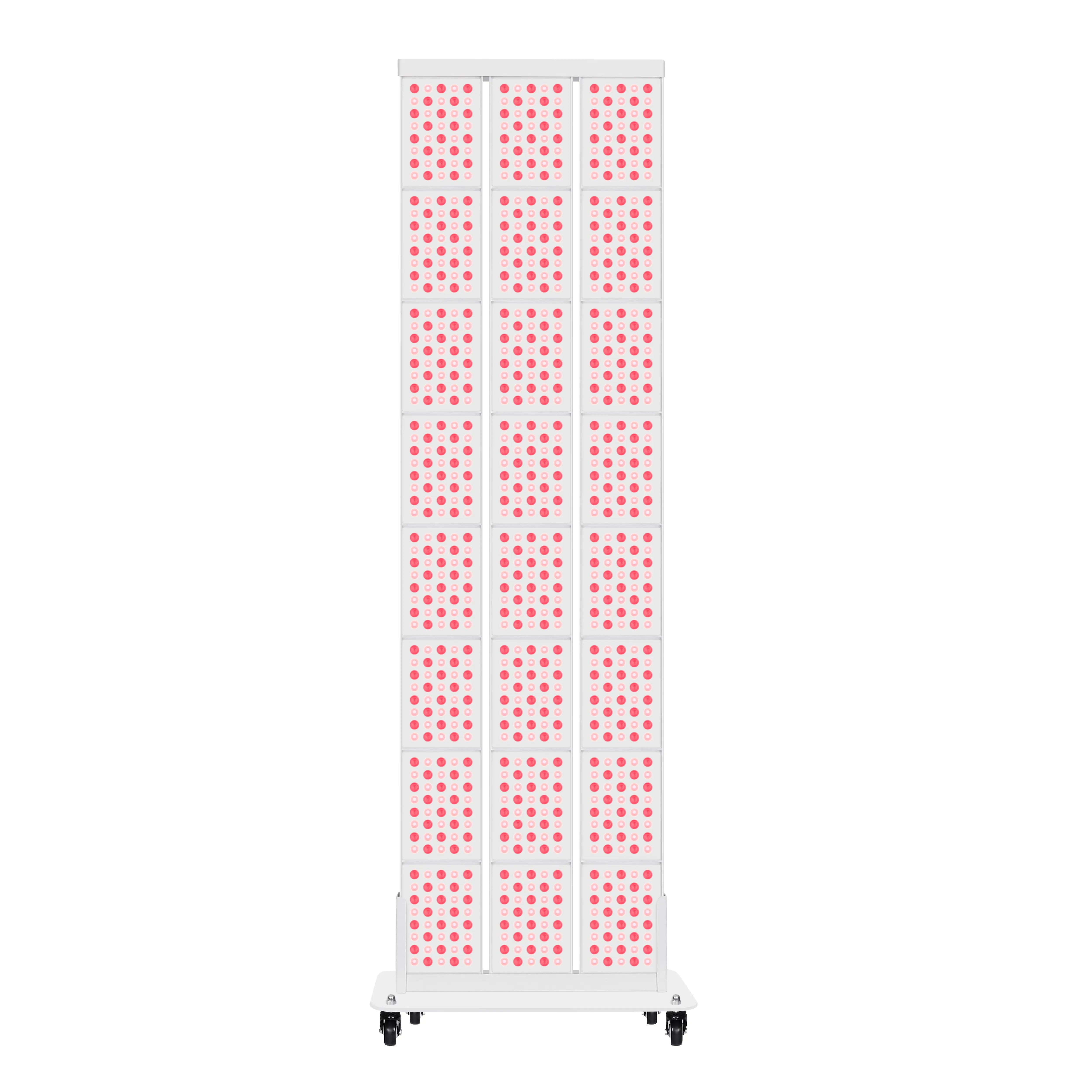
Can I use a human red light therapy panel? Yes, if it offers 660nm/850nm wavelengths. However, be cautious of heat. Panels should be kept at a distance recommended by the manufacturer to avoid thermal discomfort under the fur.
Is RLT safe for a dog with a history of cancer? Caution: PBM stimulates cellular growth. If your dog has a known tumor or history of cancer in the treatment area, avoid RLT in that location. Consult a veterinary oncologist first.
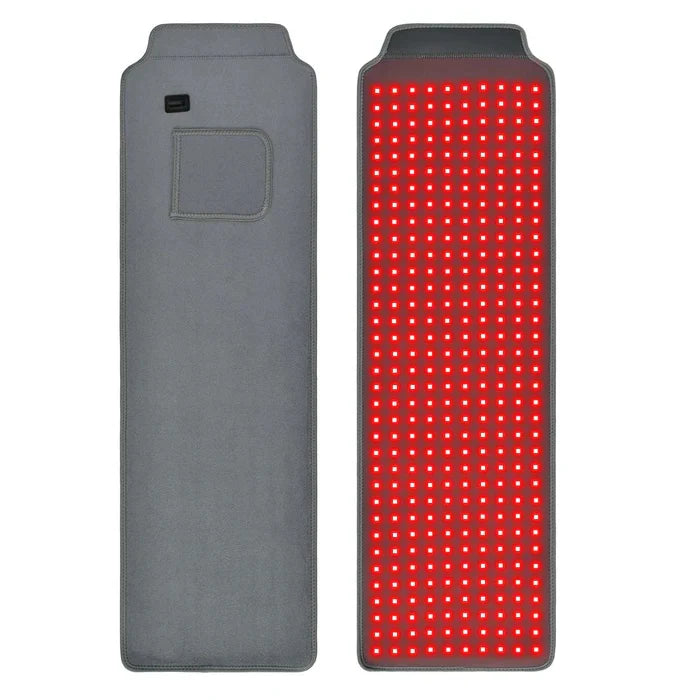
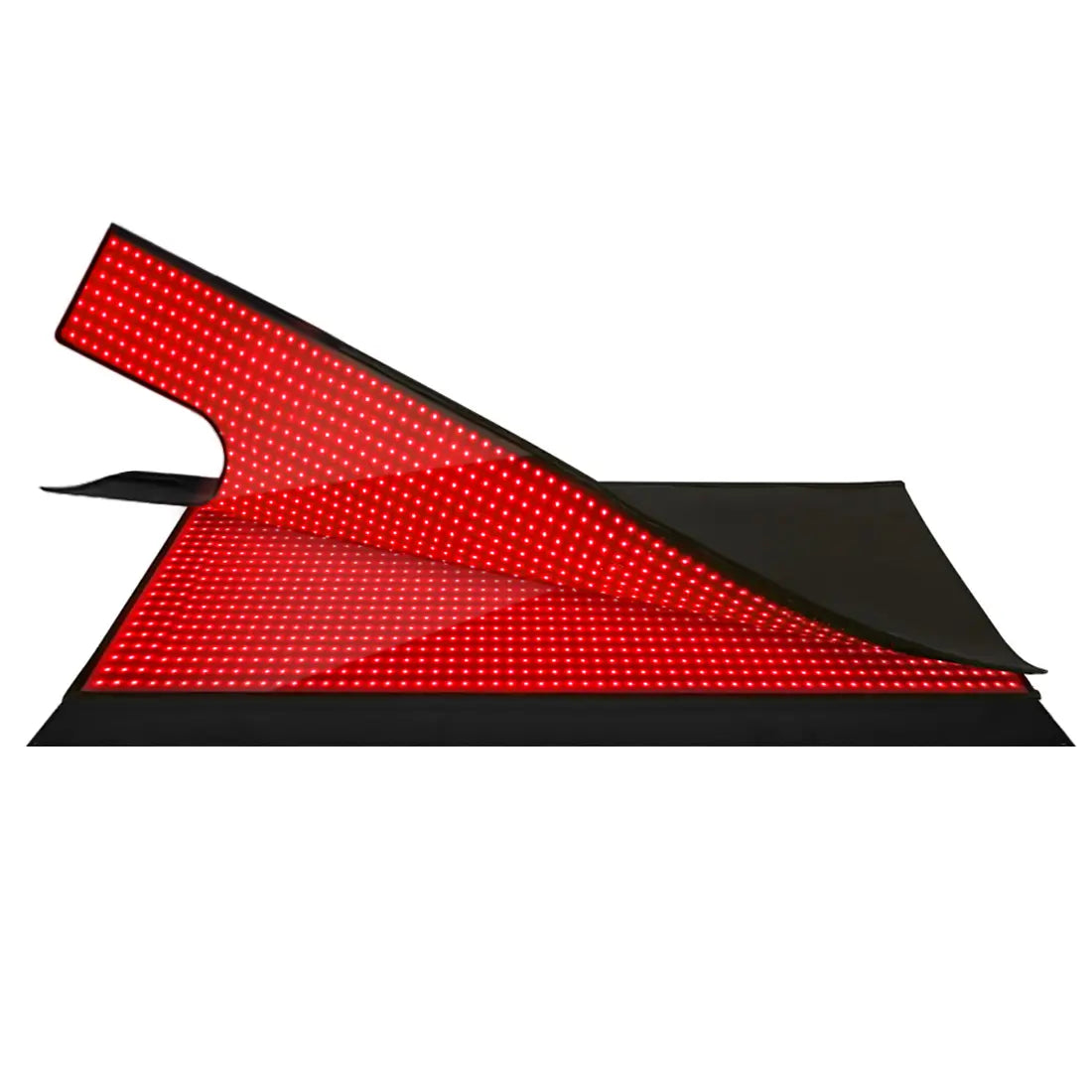
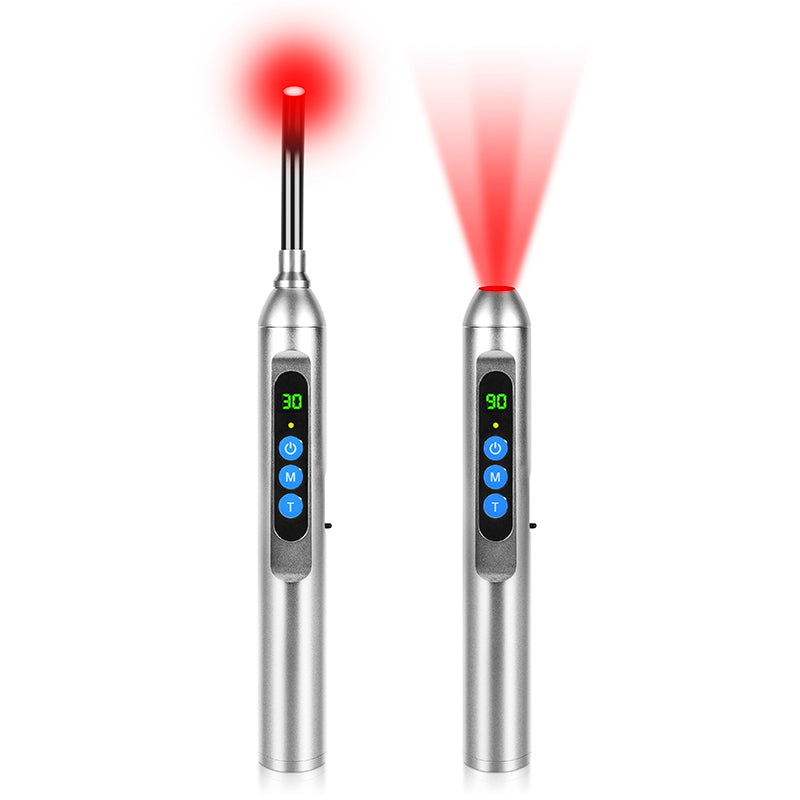
Does my German Shepherd need eye protection? If using a panel where the dog's face is exposed, "Doggles" are recommended. For handheld devices or wraps applied directly to the hip, eye protection is generally unnecessary as long as the light is not pointed at the eyes.
Can RLT replace surgery? No. RLT is a management tool, not a structural cure. It cannot fix a malformed joint but can delay surgery by managing pain and maintaining muscle mass.
References
Government / Standards / Regulators
- International Electrotechnical Commission (IEC): IEC 60601-2-57:2026 - Safety of non-laser light source equipment
- FDA: CVM GFI #238 - Non-Standardized Veterinary Devices
Industry Associations / Research Institutes
- American Veterinary Medical Association (AVMA): Guidelines on Physical Healthcare and Rehabilitation
- American Animal Hospital Association (AAHA): 2026 Pain Management Guidelines
Academic / Whitepapers / Labs
- Journal of the American Veterinary Medical Association (JAVMA): "Efficacy of Photobiomodulation in Large Breed Canine Osteoarthritis: A Longitudinal Study (2025)." [DOI: 10.2460/javma.25.01.0012]
- Veterinary Surgery Journal: "Synergistic Effects of Bedinvetmab and Near-Infrared Light Therapy in Chronic Hip Dysplasia (2026)." [Link to Abstract]
Platform Official Docs
- Youlumi Store: Photobiomodulation Standards: Irradiance, EMF, and Safety
Disclosure: This content is brought to you by Youlumi Store. We provide high-quality photobiomodulation devices designed for both human and veterinary applications. Our recommendations are based on current industry standards and clinical research.