Bursitis can cause sharp, limiting pain around the hips, shoulders, and other joints when the protective fluid-filled sacs become inflamed. For many adults dealing with overuse or recurring discomfort, red light therapy offers a non-invasive at-home option that may help calm localized inflammation and support recovery when used consistently as part of a broader care plan.
This approach leverages specific wavelengths of red and near-infrared light to reach the bursa and surrounding tissues. While it is not a cure and should never replace professional medical evaluation for severe or worsening symptoms, many people find it a convenient addition to rest, gentle movement, and clinician-guided care.
Understanding Bursitis and Why Inflammation Persists
Bursitis develops when bursae—the small sacs that cushion joints and reduce friction—become irritated or inflamed. Common triggers include repetitive motions, overuse during sports or work, sudden injury, or underlying conditions such as arthritis. The hips and shoulders are frequent sites because these large, mobile joints endure significant mechanical stress.
Inflammation in the bursa leads to pain, swelling, and restricted movement that can interfere with daily activities, sleep, and exercise. Conventional management often involves rest, ice, anti-inflammatory medications, or in some cases corticosteroid injections or physical therapy. Many individuals seek additional non-invasive tools that can be used at home without ongoing reliance on medication.
Red light therapy, also known as photobiomodulation, has gained attention for its potential to support cellular energy production and modulate inflammatory responses. The wavelengths typically used—around 660 nm red light and 850 nm near-infrared—can penetrate skin and soft tissue to reach the bursa area. This may help reduce perceived inflammation and discomfort in mild to moderate cases, though individual results vary based on the cause and severity of the bursitis.
According to general photobiomodulation principles, light in these ranges can influence mitochondrial function, which may contribute to faster tissue recovery in some users. However, red light therapy works best as a supportive measure rather than a standalone fix, especially when symptoms have a mechanical or systemic component.

How Red Light Therapy May Help with Bursitis Symptoms
The proposed mechanism centers on the ability of red and near-infrared light to reach deeper tissues without generating excessive heat. For bursitis, this penetration can target the inflamed bursa and adjacent muscles or tendons, potentially improving local circulation and supporting the body's natural resolution of inflammation.
Studies and clinical reviews on related joint conditions, such as arthritis and tendonitis, suggest that consistent photobiomodulation may help reduce pain and stiffness. While direct large-scale trials specifically on bursitis remain limited, the overlapping biology of joint inflammation makes it a reasonable area of interest for at-home use.
Users often report that regular sessions feel soothing and may contribute to gradual improvement in mobility when combined with proper rest and activity modification. The effect is generally considered cumulative, meaning consistency over weeks tends to matter more than any single session.
It is important to maintain realistic expectations. Red light therapy does not address structural issues like bone spurs or severe tears, nor does it treat infectious bursitis. Always consult a healthcare professional if you experience fever, significant redness, rapid swelling, or pain that prevents normal movement.
Hip Bursitis vs Shoulder Bursitis: Practical Differences in Application
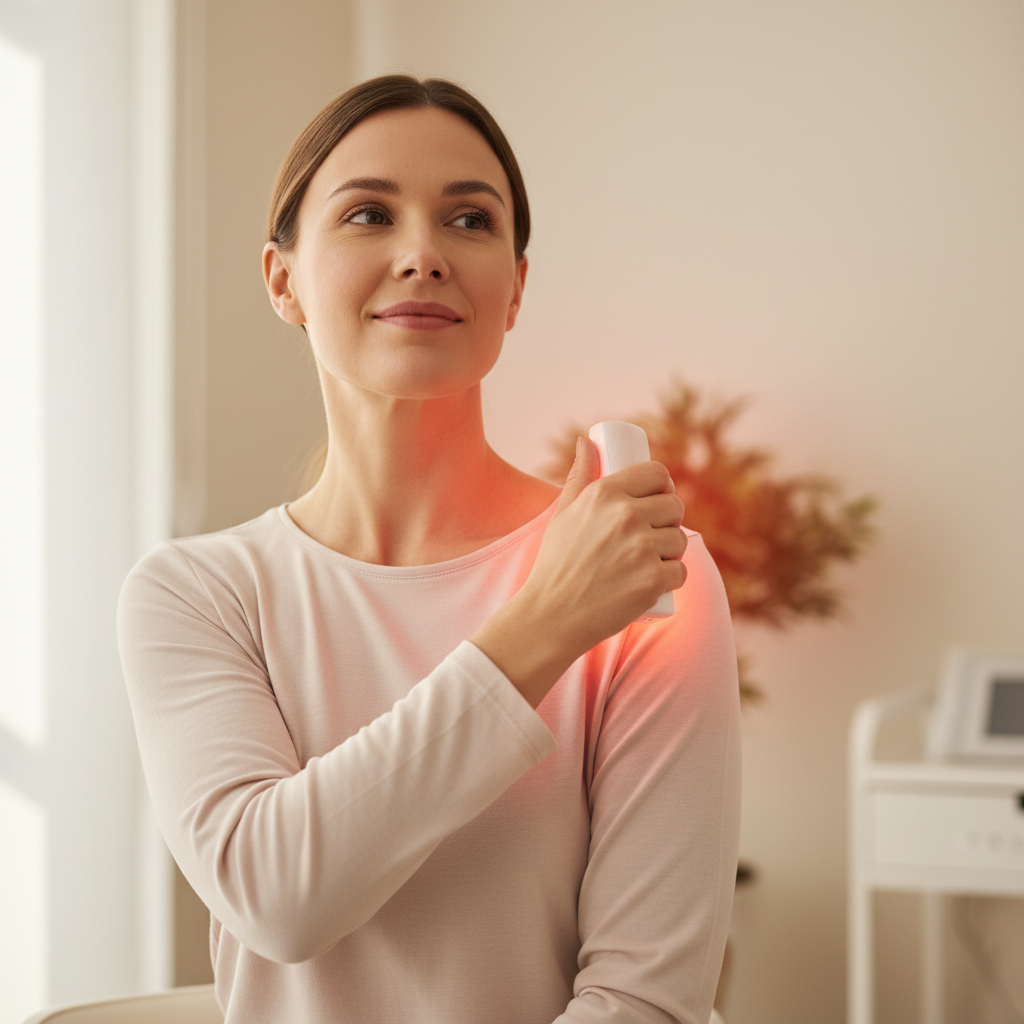
The location of bursitis affects how easily you can apply red light therapy at home. Shoulder bursitis is often more straightforward to treat because the area is accessible and can be targeted directly with a panel, belt, or smaller device while seated or standing. Hip bursitis, by contrast, involves deeper tissues around the greater trochanter, and positioning can be more challenging—requiring you to lie on your side or use a larger coverage device for consistent exposure.
This practical difference influences device choice and session comfort. For shoulders, shorter sessions with a focused panel or belt often suffice. For hips, a full-body mat or a high-coverage panel may provide more reliable delivery to the affected area without constant readjustment.
An illustrative comparison of practical suitability across factors shows that higher irradiance, regular short sessions, and mild-to-moderate chronic presentations tend to align better with repeatable home use. Deeper hip involvement and acute severe flares score lower on ease of consistent application.
Illustrative Suitability Thresholds for Red Light Therapy in Bursitis
Heuristic scoring uses a 1-5 scale to compare practical fit, not measured efficacy.
View chart data
| Category | Suitability score |
|---|---|
| Irradiance >100 mW/cm² | 5.0 |
| Session 10-20 min | 5.0 |
| Frequency 3-5x/week | 5.0 |
| Shoulder area | 4.0 |
| Hip area | 2.0 |
| Mild-moderate chronic | 5.0 |
| Acute/severe | 1.0 |
Illustrative heuristic only. Based on general photobiomodulation guidance and related arthritis/tendonitis protocols: higher irradiance is favored for deeper penetration, 10-20 minute sessions and 3-5x/week are commonly used ranges, shoulder is easier to target than deeper hip tissue, and chronic mild-to-moderate cases are generally more suitable than acute/severe cases. No direct bursitis trial data.
This chart is an illustrative heuristic based on practical photobiomodulation considerations and protocols for similar joint conditions. It does not represent clinical trial outcomes for bursitis specifically.
Choosing an Effective Device for Joint Inflammation
Not all red light devices deliver the same therapeutic potential. For bursitis, experts often recommend devices with irradiance above 100 mW/cm² at treatment distance to ensure adequate energy reaches the target tissue within reasonable session times. Look for products that specify irradiance using proper measurement methods rather than inflated marketing numbers.
Wavelength combination matters too. A mix of 660 nm red light for more superficial effects and 850 nm near-infrared for deeper penetration is commonly used for joint support. Safety features such as low EMF output and compliance with relevant standards add confidence for regular home use.
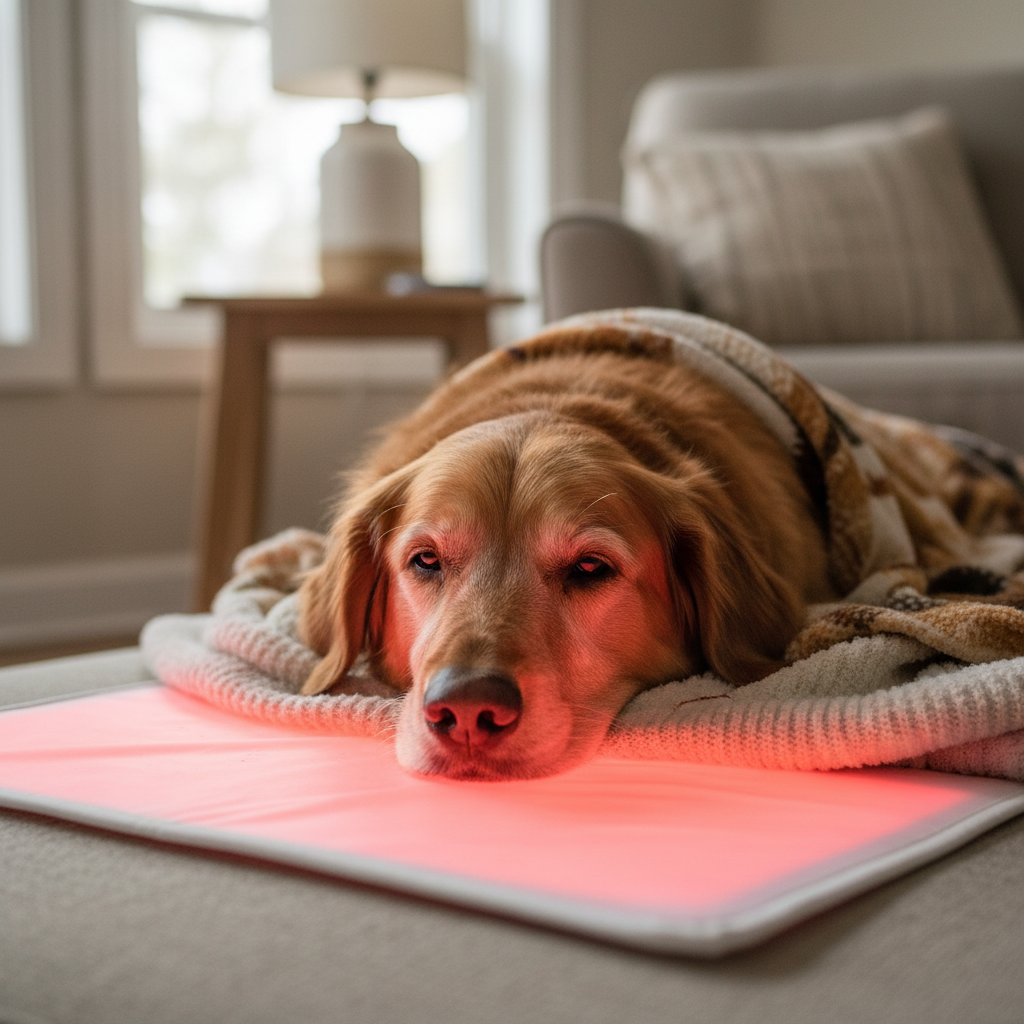
The Youlumi Pro Full Body Red Light Therapy Mat provides high LED density and dual wavelengths in a convenient full-coverage format that works well for both hip and shoulder applications. For more targeted treatment, consider options from the Red Light Therapy Belt collection or a compact panel that can be positioned precisely.
When comparing devices, prioritize irradiance, wavelength accuracy, coverage area, and build quality over the total number of LEDs alone. A device that maintains consistent output and allows comfortable positioning will support better long-term adherence.
Related protocols for other overuse conditions can provide additional context. For example, the guide on red light therapy for arthritis outlines similar dosing considerations that often translate to bursitis management. Likewise, insights from long-term rehabilitation effects on tendonitis highlight the value of consistent use for collagen support and tissue recovery.
Building a Safe At-Home Routine
A practical routine for bursitis typically involves sessions of 10 to 20 minutes, performed three to five times per week. Position the device so the light reaches the painful area directly, maintaining the recommended treatment distance specified by the manufacturer.
For shoulder bursitis, sitting or standing in front of a panel or wrapping a therapy belt around the joint works well. For hip bursitis, lying on your side on a mat or using a large panel while carefully supported can improve coverage. Clean skin and removal of clothing or thick bandages in the treatment area help maximize light penetration.
Start with shorter sessions to assess tolerance, then gradually increase duration and frequency as comfort allows. Many users incorporate red light therapy into their evening wind-down routine or post-activity recovery window. Tracking your sessions in a simple journal can help you notice patterns in pain levels and mobility over time.
Combine red light therapy with other conservative measures such as gentle stretching, proper posture, activity modification, and adequate sleep. If you are already under medical care, discuss your home routine with your provider to ensure it complements their recommendations.

Setting Realistic Expectations and Knowing When to Seek Professional Help
Results from red light therapy for bursitis tend to appear gradually rather than overnight. Some individuals notice reduced stiffness and easier movement within a few weeks of consistent use, while others experience more subtle benefits focused on comfort during daily activities. Factors such as the underlying cause of bursitis, overall health, and adherence to the routine all influence outcomes.
Do not purchase or rely on red light therapy if your symptoms suggest a more serious issue. Seek medical evaluation promptly if you have severe pain, marked swelling that is increasing, redness or warmth suggesting infection, fever, or significant loss of joint function. These signs may indicate septic bursitis or another condition requiring different intervention.
Even in appropriate cases, red light therapy should be viewed as one tool within a comprehensive approach. It is not intended to diagnose, treat, cure, or prevent any disease. This article discusses comfort and setup considerations only and does not constitute medical advice. If you have persistent discomfort or existing joint conditions, consult a qualified healthcare professional for personalized guidance.
For those managing chronic or occupation-related joint strain, exploring similar applications can be informative. Resources on red light therapy for shoulder strain and chronic pain management provide further practical insights that often overlap with bursitis self-care.
Final Thoughts on Non-Invasive Support for Bursitis
Red light therapy represents a low-risk, convenient option for adults looking to manage mild to moderate bursitis symptoms at home. By selecting a quality high-irradiance device and maintaining a repeatable routine, many users incorporate it successfully alongside rest and movement strategies.
Success depends heavily on realistic expectations, proper device selection, and consistent application tailored to the affected area. Shoulder cases may respond more readily to targeted setups, while hip bursitis often benefits from broader coverage solutions. In all cases, listen to your body and prioritize professional medical assessment when symptoms are severe or unclear.
If you are researching devices for joint inflammation relief, consider starting with options designed for both targeted and full-body use. The key is finding a solution that fits your lifestyle so that you can maintain the consistency needed for potential benefits.
This information is for educational purposes and should not replace advice from your healthcare provider. Individual responses to photobiomodulation vary, and red light therapy works best when integrated thoughtfully into an overall wellness plan.