



Many senior dogs face increasing stiffness, reluctance to move, and visible discomfort as they enter their golden years, often due to conditions like osteoarthritis. While red light therapy cannot reverse aging or cure joint disease, it is frequently explored by pet owners as a gentle, non-drug supportive option that may help reduce inflammation and support daily comfort when used alongside veterinary care.

As dogs age, degenerative joint changes become common. Canine osteoarthritis is a chronic, progressive condition that can cause pain, inflammation, and reduced mobility in older dogs. This official resource from Cornell University College of Veterinary Medicine explains the impact on quality of life and the importance of early recognition and management.
Recognizing Signs of Mobility Decline in Senior Dogs
Owners are often the first to notice subtle changes before a formal diagnosis. Common observations include difficulty rising after rest, hesitation before stairs or jumping into a car, slower walks, altered posture, or reduced enthusiasm for play. These behavioral shifts frequently reflect underlying joint discomfort rather than simple “old age.”
This Cornell guide on recognizing pain in dogs highlights how changes in movement, posture, or daily activity can signal pain-related issues that deserve veterinary attention.
Important note: This article discusses comfort and setup considerations for at-home supportive tools. It does not constitute veterinary medical advice, diagnosis, or treatment. If your dog shows signs of discomfort or has existing health conditions, consult a qualified veterinarian before starting any new therapy.
How Photobiomodulation May Support Senior Dogs
Photobiomodulation (PBM), commonly called red light therapy, uses specific wavelengths of red and near-infrared light to interact with cells. In veterinary literature it is discussed as a noninvasive option that may help modulate inflammation and support tissue repair, although protocols and the strength of evidence are still evolving. Studies in canine models exist, yet the overall evidence base remains limited and not yet definitive for all claims.
For senior dogs, the appeal lies in its non-pharmaceutical nature. Rather than relying solely on medication, some caregivers incorporate PBM as part of a broader plan that includes weight management, gentle exercise, environmental modifications, and prescribed treatments. This review on photobiomodulation in veterinary medicine provides background on its proposed mechanisms while underscoring the need for cautious interpretation.
Myth vs Reality: Common Misconceptions
Several overstated ideas circulate about red light therapy for aging pets. Here are key corrections grounded in available evidence:
-
Myth: Red light therapy is a proven standalone cure for arthritis or end-of-life mobility loss. Reality: It is better viewed as one possible adjunct in a multimodal care plan. Senior-dog mobility support usually combines veterinary diagnosis, pain control, weight management, and home modifications rather than depending on any single intervention.
-
Myth: Visible improvement after one or two sessions means the therapy is fully optimized. Reality: Short-term comfort changes do not guarantee long-term benefits or the ideal dosage. Protocols continue to evolve, and individual responses vary.
-
Myth: Any red light device will work equally well for every senior dog. Reality: Factors such as coat color and thickness, the dog’s specific conditions, overall health, and device specifications all influence outcomes. Veterinary guidance helps determine whether a given approach is appropriate.
These corrections help set realistic expectations during a dog’s later years.
Evidence Boundaries and What to Expect
Current veterinary evidence for photobiomodulation in dogs with osteoarthritis is described as limited in systematic reviews. While some controlled studies have been conducted, strong efficacy claims would overstep the data. Benefits, when observed, tend to appear as part of comprehensive care rather than in isolation.
Realistic expectations focus on modest improvements in comfort and willingness to move rather than dramatic reversal of age-related decline. Consistency over weeks is typically needed, and results can differ widely between dogs. Always prioritize professional evaluation first.
Red Light Therapy for Senior Dog Mobility: Where It Fits and Where Vet Priority Comes First
Illustrative fit map based on evidence boundaries, not measured outcomes.
View chart data
| Series | Complementary use fit | Need for veterinary evaluation | Evidence confidence | Home-use caution burden | Suitability as standalone care |
|---|---|---|---|---|---|
| Supportive fit | 4.0 | 2.0 | 2.0 | 3.0 | 1.0 |
| Vet-first priority | 1.0 | 5.0 | 2.0 | 4.0 | 1.0 |
Illustrative scoring based on evidence boundaries: senior dogs with arthritis/mobility loss often need multimodal care; photobiomodulation evidence is limited/evolving; veterinary consultation is required first; home use should be cautious near eyes/sensitive areas; red light therapy is not a cure or standalone treatment.
This illustrative radar chart highlights where red light therapy may serve as a complementary element versus situations where veterinary evaluation must take clear priority. The scores reflect evidence boundaries rather than clinical trial measurements.

Safe Home Use Guidelines for Older Dogs
Safety remains paramount with senior pets. Senior dogs with suspected arthritis or chronic pain should be evaluated by a veterinarian before starting any home light-therapy routine. Particular caution is advised near the eyes and other sensitive tissues.
Practical checkpoints before beginning include:
- Obtain veterinary clearance, especially if your dog has cancer, eye conditions, photosensitivity, or complex medical issues.
- Choose devices with appropriate irradiance and wavelength specifications suitable for animal use.
- Start with shorter sessions (typically 5–15 minutes depending on the area) and observe your dog’s response.
- Maintain consistent but gentle schedules rather than sporadic intense treatments.
- Monitor for any signs of irritation or behavioral changes and stop if concerns arise.
This authoritative guide on veterinary red light therapy protocols for pets outlines dosage considerations and mat benefits that many owners find helpful for arthritis and mobility support.
The master guide to red light therapy for pets and animals further details protocols, the impact of fur color on light penetration, and general safety standards for dogs.
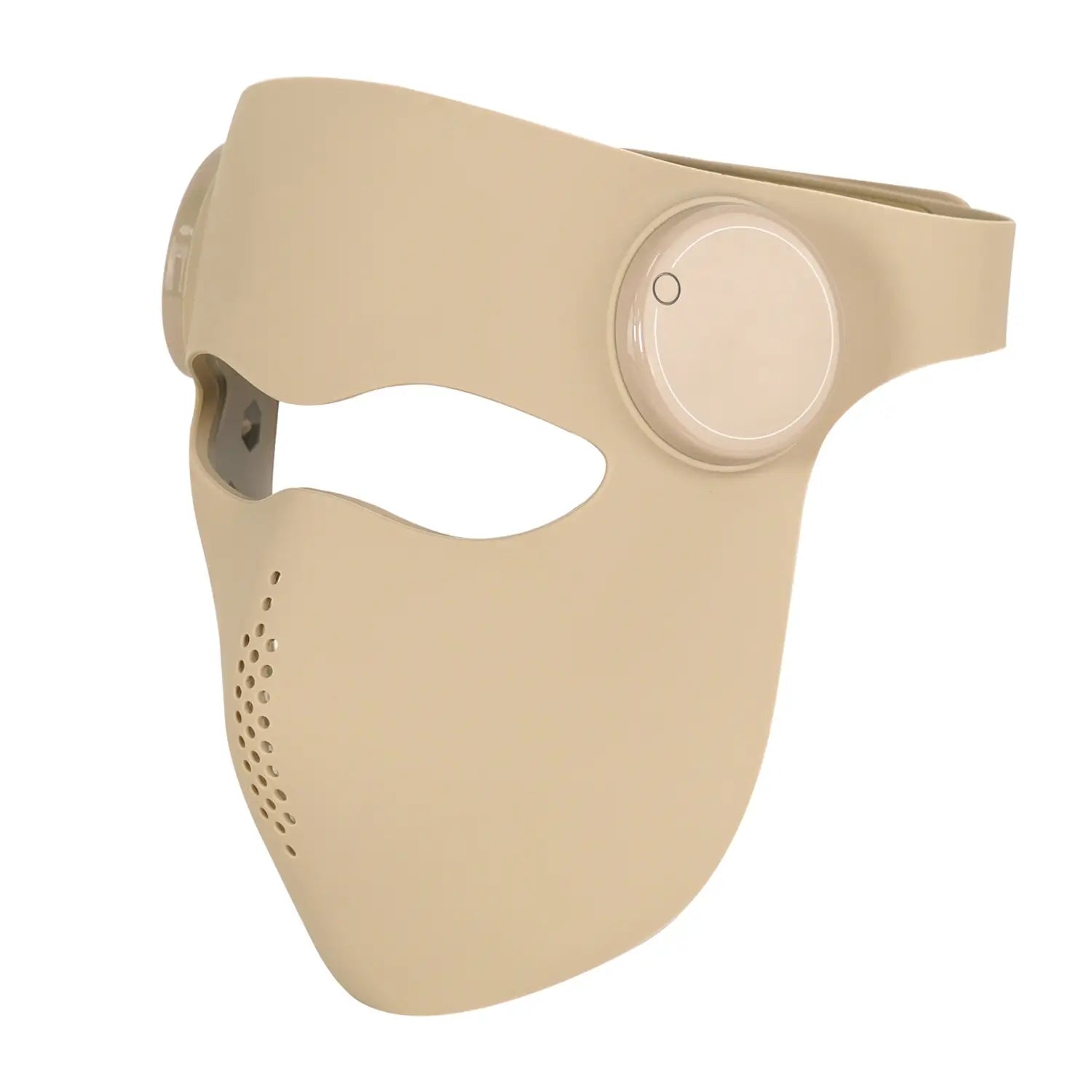
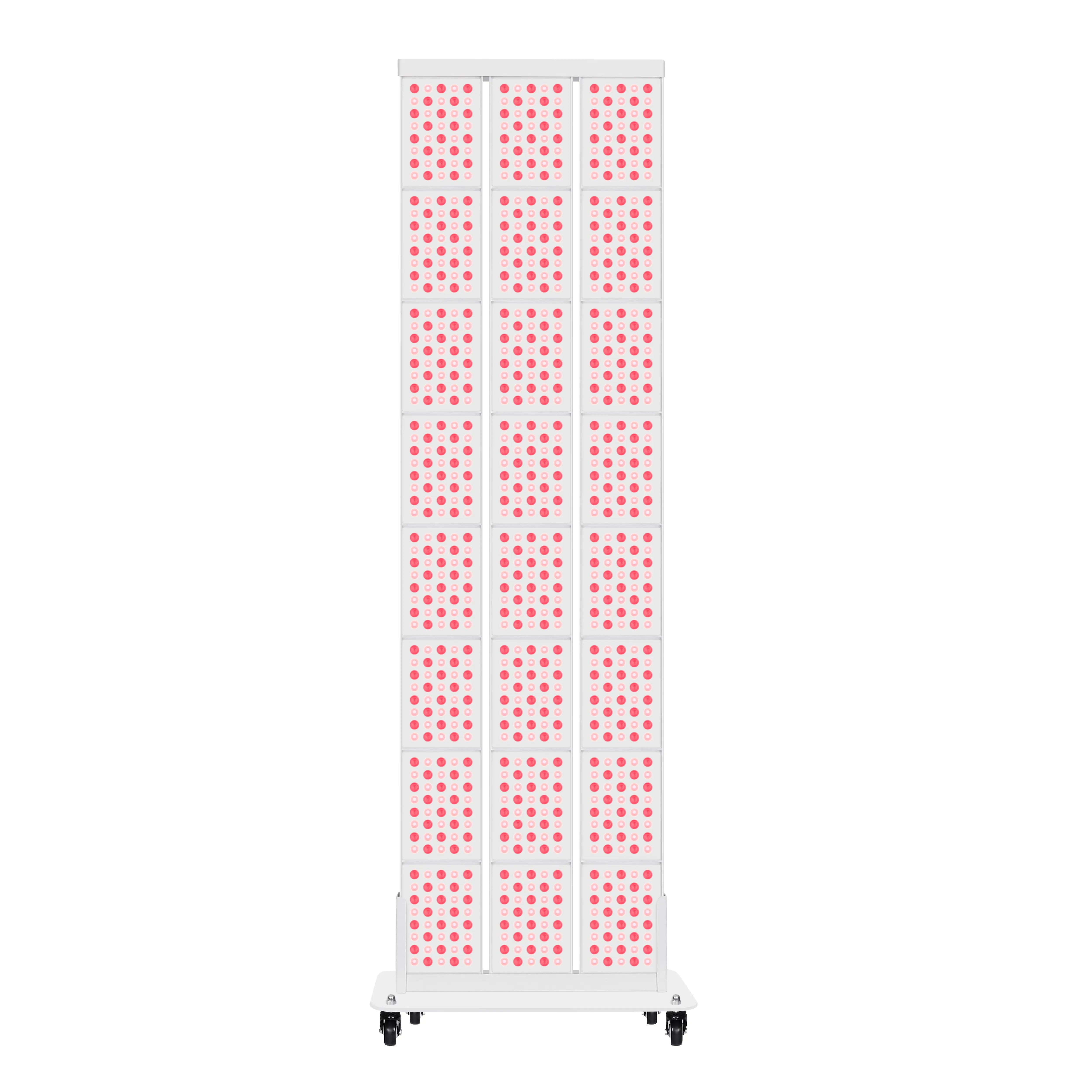
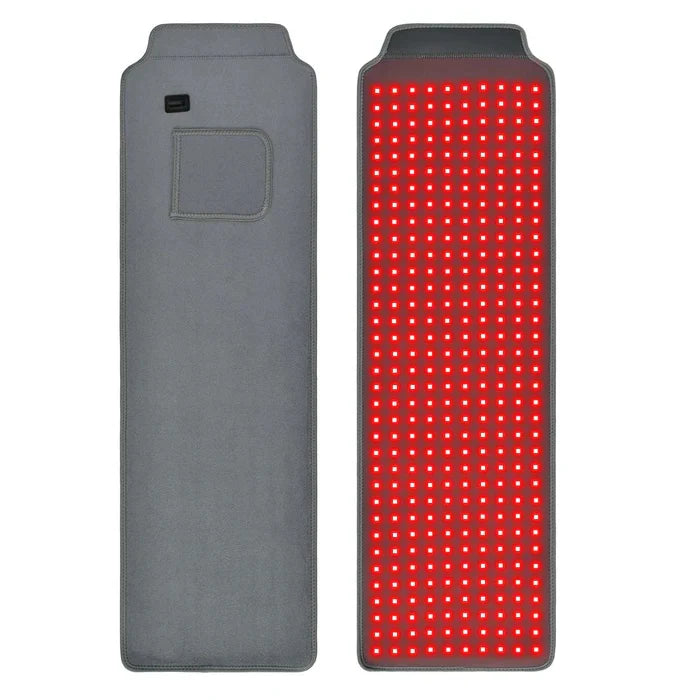
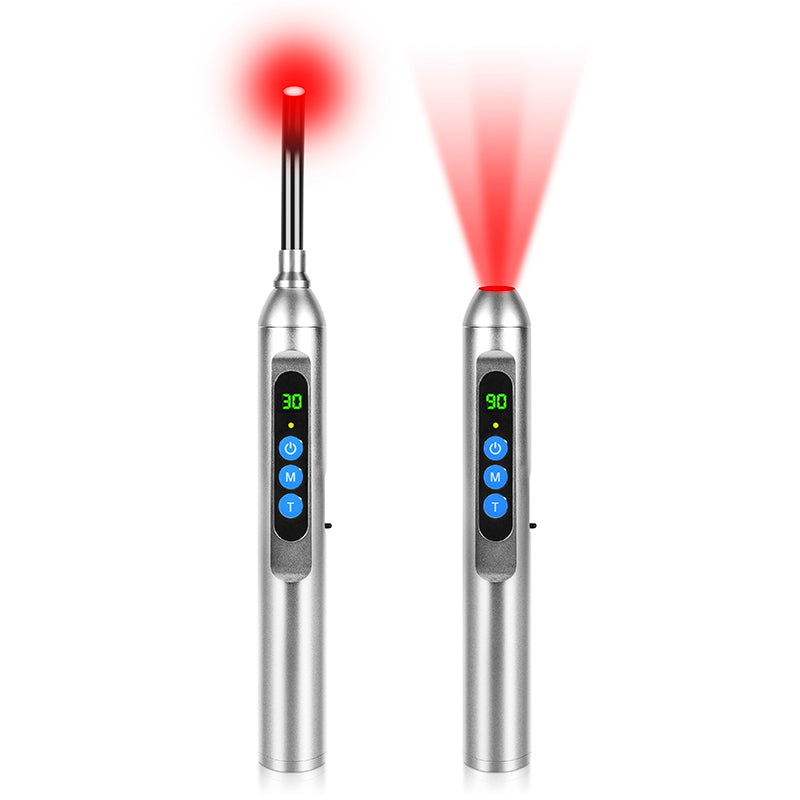
For targeted joint support, many caregivers consider full-body or localized options. The Youlumi Pro Full Body Red Light Therapy Mat with 650nm and 850nm wavelengths is one device designed for at-home wellness routines. Smaller targeted tools such as red light therapy belts can also be positioned over hips or other problem areas under veterinary guidance.
Setting Realistic Expectations for End-of-Life Comfort
The goal for most families is not perfect mobility but meaningful quality-of-life improvements during a dog’s final years. Red light therapy may contribute to comfort and ease of movement for some dogs, yet outcomes depend heavily on the individual animal, concurrent treatments, and the progression of underlying conditions.
Focus on observable daily improvements—easier rising, more willingness to walk short distances, or relaxed posture—rather than expecting dramatic reversals. Track changes over several weeks of consistent use while continuing all recommended veterinary care.
When the other approach is more suitable: If your dog has advanced disease, shows no response after a reasonable trial, or experiences any adverse effects, red light therapy may not be the right addition. In such cases, palliative care discussions with your veterinarian become the priority.
How to Decide Whether to Try Red Light Therapy for Your Senior Dog
Use this practical checklist to evaluate fit:
- Has your dog received a recent veterinary evaluation for the mobility changes?
- Are you prepared to incorporate the therapy into a multimodal plan rather than as the sole intervention?
- Does the chosen device meet basic safety and irradiance standards suitable for pets?
- Can you commit to consistent short sessions without causing stress to your dog?
- Will you monitor closely and discontinue if no benefit or any negative signs appear?
If several answers are “no,” it may be wiser to focus first on veterinary-recommended adjustments to environment, weight, or medications.
For additional context on related conditions, see the article on red light therapy for German Shepherds managing hip dysplasia, which discusses breed-specific considerations that often apply to other large senior dogs as well.
This technical analysis of red light therapy for muscle recovery explains cellular mechanisms that may relate to supporting older muscles and joints.
Final Thoughts
Red light therapy offers a drug-free option that some pet owners find helpful in supporting senior dog comfort and mobility, yet it works best as one component of thoughtful, veterinarian-guided care. By recognizing signs early, maintaining realistic expectations, and prioritizing safety, families can make informed decisions that honor their dog’s quality of life in its later years.
This article only discusses comfort and setup considerations. It is not medical advice. Persistent discomfort or pre-existing conditions require evaluation by a qualified veterinary professional.
References