Summary
Medical Disclaimer: The information provided in this article is for educational and informational purposes only and is not intended as medical advice, diagnosis, or treatment. Always seek the advice of your physician or other qualified health provider with any questions you may have regarding a medical condition. Red light therapy (RLT) should be used as a complementary approach under professional supervision, especially for individuals with underlying health conditions or those who are pregnant.
Peripheral neuropathy, characterized by persistent numbness, tingling, and chronic pain, often stems from underlying conditions like diabetes or the side effects of chemotherapy. Red light therapy, scientifically known as photobiomodulation (PBM), is a non-invasive intervention that may support nerve health and provide pain relief by stimulating mitochondrial activity and potentially reducing oxidative stress (Zhu et al., 2021; DOI: 10.1016/j.jphotobiol.2021.112201). By adhering to specific home protocols—utilizing devices that deliver targeted wavelengths of 660nm and 850nm—individuals can manage their symptoms and support the long-term health of their peripheral nervous system.

Key Takeaways
- Cellular Energy Support: Photobiomodulation works by interacting with cytochrome c oxidase in the mitochondria, which may increase ATP production—a key factor in cellular repair processes (Hamblin, 2017; DOI: 10.1016/j.jphotobiol.2017.12.003).
- Wavelength Synergy: A combination of 660nm (red light) for superficial tissue and 850nm (near-infrared) for deeper penetration is commonly recommended for reaching peripheral nerves in the extremities.
- Dosing Consistency: Therapeutic outcomes are often associated with the "Goldilocks" principle; clinical observations suggest daily sessions of 10–20 minutes may be more effective than sporadic, high-intensity treatments.
- Device Quality Standards: For chronic conditions, using devices that adhere to safety standards for low EMF and zero flicker is important to minimize unintended biological stress.
- Systemic vs. Localized: While panels are suitable for targeted relief, full-body mats offer a systemic approach that may be beneficial for widespread diabetic neuropathy.
Understanding How Photobiomodulation Supports Nerve Regeneration
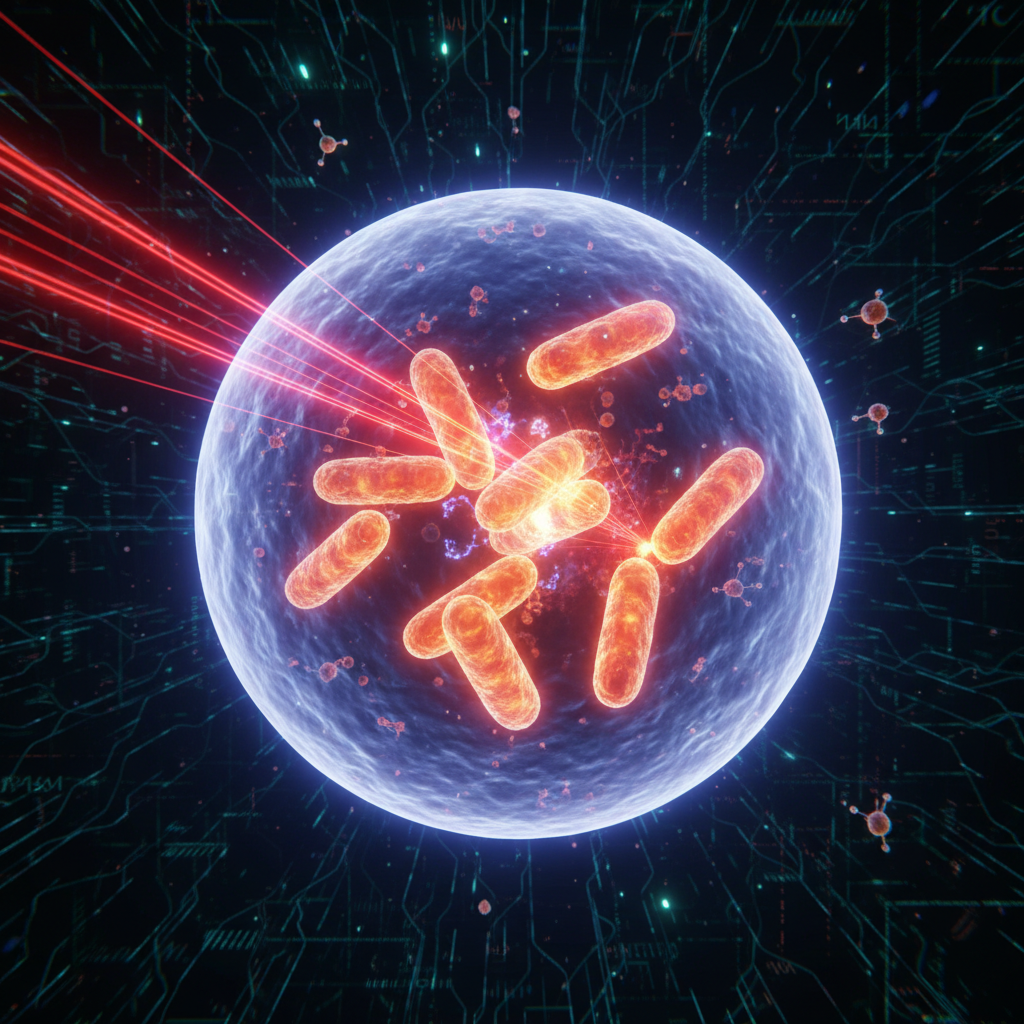
The biological foundation of red light therapy for neuropathy lies in its ability to interact with cellular photoreceptors. When light in the red and near-infrared spectrum hits the skin, it penetrates to the underlying tissues. Here, it is absorbed by the mitochondria. Specifically, the light targets an enzyme called cytochrome c oxidase. This interaction triggers a cascade of biochemical reactions, most notably the increased production of adenosine triphosphate (ATP). ATP provides the chemical energy necessary for cells to perform repair functions, which can be limited in damaged neuropathic nerves.
Beyond energy production, photobiomodulation may help modulate the inflammatory response. Chronic nerve pain is frequently associated with localized inflammation and reactive oxygen species (ROS). Research indicates that red light therapy can reduce certain pro-inflammatory markers while potentially increasing the release of nitric oxide (Anders et al., 2015; DOI: 10.1089/pho.2015.3986). Nitric oxide acts as a vasodilator, improving blood flow to the microvasculature surrounding the nerves. This enhanced circulation helps ensure that oxygen and nutrients reach the tissues, creating an environment conducive to natural healing. For a technical analysis of these benchmarks, our guide on photobiomodulation safety and dosing standards provides further detail on how irradiance influences outcomes.
Logic Summary: The application of PBM in neuropathy is based on the hypothesis that mitochondrial dysfunction is a primary driver of nerve degeneration. By supporting ATP levels and improving microcirculation, the therapy addresses biological factors associated with nerve pain.
Selecting Wavelengths for Peripheral Neuropathy
The "optical window" for biological tissue typically ranges from 600nm to 1100nm. Within this range, 660nm (red) and 850nm (near-infrared) have garnered significant clinical attention. The 660nm wavelength is primarily absorbed by the skin's surface layers, making it relevant for addressing small-fiber nerves located just beneath the dermis.
However, many peripheral nerves, especially those in the legs and feet, are located deeper within the tissue. This is where 850nm near-infrared light is utilized. Near-infrared light has a lower absorption rate in water and hemoglobin, allowing it to penetrate several centimeters into the body. While some laboratory models suggest the potential for deep penetration toward nerve bundles, the extent of direct modulation of spinal cord segments in humans remains a subject of ongoing clinical investigation. Choosing the optimal wavelengths for nerve regeneration is a critical step in building an effective home protocol.

Clinical Protocols: Dosing and Frequency for Nerve Pain Relief
The effectiveness of PBM often follows the Arndt-Schulz Law, which describes a biphasic dose response. This means that while a specific amount of light can be therapeutic, insufficient exposure may yield no results, and excessive exposure could potentially inhibit the healing process or cause temporary discomfort.
Clinical studies generally suggest a power density (irradiance) of 10-50 mW/cm² at the skin surface, with a total energy dose of 4-10 Joules per treatment area (Liebert et al., 2017; DOI: 10.1111/phpp.12339). In a home setting, this typically translates to a 10-20 minute session per area. For those beginning therapy, it is advisable to start with shorter sessions (5-10 minutes) every other day to monitor the body's response. Detailed comprehensive red light therapy protocols can help tailor a routine based on symptom severity.
Recommended Protocol Framework by Neuropathy Type
| Neuropathy Type | Primary Goal | Recommended Wavelengths | Frequency | Estimated Duration |
|---|---|---|---|---|
| Diabetic Neuropathy | Support circulation & ATP | 660nm + 850nm | Daily (15 mins) | 12+ Weeks |
| Chemo-Induced (CIPN) | Address neurotoxicity | 850nm (Deep) | 5x Weekly (10 mins) | 8-10 Weeks |
| Idiopathic / Small Fiber | Surface nerve support | 660nm (Surface) | Daily (10 mins) | 6-8 Weeks |
| Post-Surgical Nerve Pain | Inflammation modulation | 660nm + 850nm | 3x Weekly (12 mins) | 4-6 Weeks |
Logic Summary: These protocols are based on the use of high-irradiance devices. If using lower-powered consumer equipment, session times may need adjustment, though users should be cautious of heat-induced discomfort.
Choosing Between Full-Body Mats and Targeted Panels
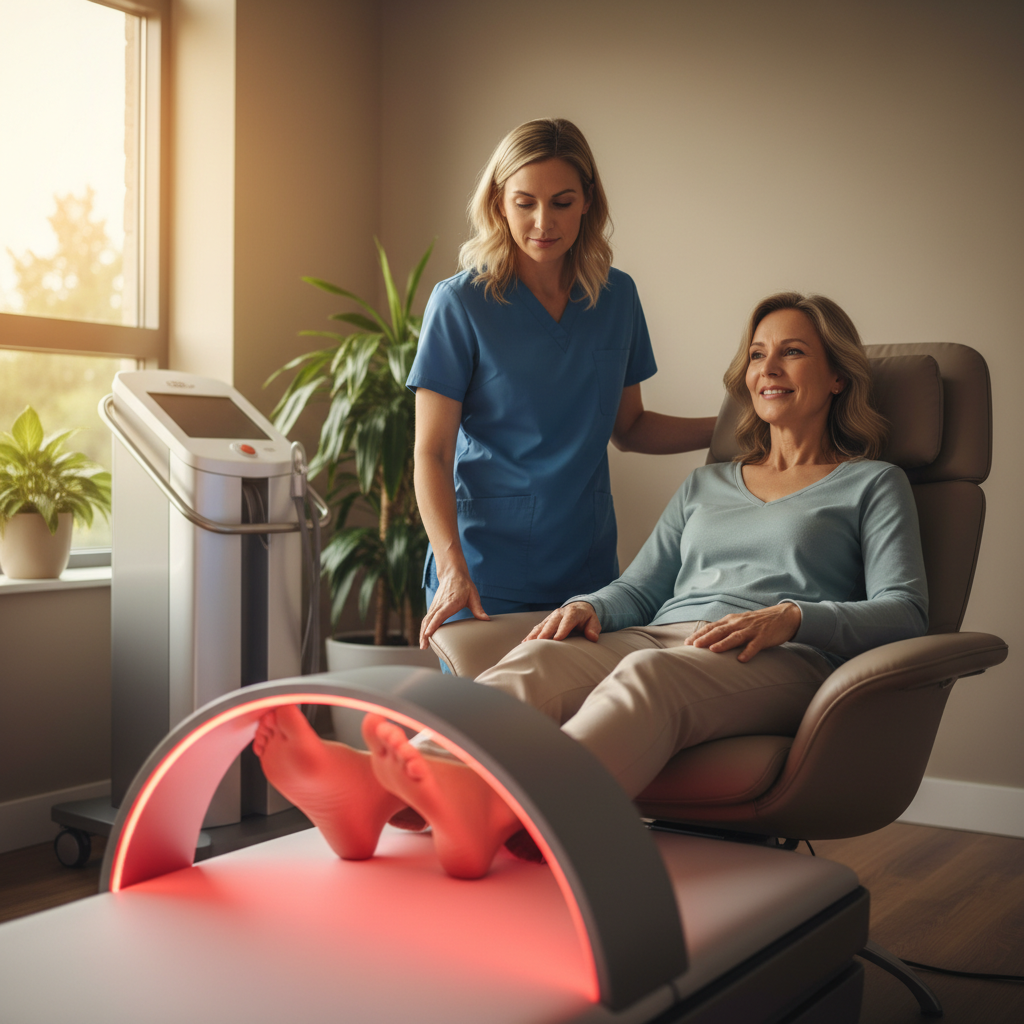
The delivery method of red light therapy should align with the user's specific needs. For example, a targeted red light therapy panel can be an effective tool for localized neuropathy in the feet or hands. Panels typically offer higher irradiance, allowing for the required dose to be achieved in a shorter timeframe.
Conversely, many individuals with systemic conditions—such as diabetic neuropathy—may benefit from a broader approach. A full-body red light therapy mat allows for simultaneous treatment of larger areas. This can be beneficial as neuropathy is often a systemic issue; supporting the circulatory system as a whole may enhance the overall therapeutic effect. Mats provide lower irradiance over a larger surface area, making them suitable for longer sessions focused on general wellness and nerve health.
Safety Standards and Long-Term Maintenance
When managing a chronic condition, device safety is paramount. Modern industry standards, such as IEC 60601-2-57, regulate the safety of non-laser light sources. Two critical factors to verify are Electromagnetic Field (EMF) emissions and light flicker. High EMF levels can potentially interfere with cellular signaling, while flicker (rapid pulsing) may cause eye strain or headaches in sensitive individuals.
Once an initial 8-12 week "loading phase" is complete, many users transition to a maintenance protocol, typically 2-3 times per week. Because neuropathy is often progressive, consistent low-frequency support may help maintain the mitochondrial and microcirculation improvements achieved during the intensive phase.
Addressing the Root Cause: Diabetic Neuropathy and Systemic Health
Red light therapy is a management tool and not a cure for the underlying causes of neuropathy. In cases of diabetic neuropathy, managing blood sugar levels remains the most critical factor. The systemic effects of diabetes can manifest in various ways, including impacts on skin and hair health. Understanding the diabetes and peripheral neuropathy connection provides a broader perspective on how metabolic health influences tissue regeneration. Combining RLT with professional medical management, nutrition, and lifestyle changes offers the best path toward long-term relief.
FAQ
How long does it take to see results from red light therapy for neuropathy? While some users report improvements within a few sessions, clinical evidence suggests that significant nerve support and sustained pain relief typically require 8 to 12 weeks of consistent use.
Can red light therapy be used alongside traditional neuropathy medications? RLT is generally considered safe to use alongside standard treatments like Gabapentin. However, you must consult your healthcare provider first, especially if you are taking photosensitizing medications.
Is it possible to "overdose" on red light therapy? According to the Arndt-Schulz Law, excessive exposure can lead to diminishing returns where benefits are neutralized. Sticking to recommended 10-20 minute sessions is the safest approach to avoid potential skin irritation or increased sensitivity.
Does the light need to touch the skin directly? For maximum efficacy, direct skin contact or close proximity (1-6 inches) is recommended. Clothing can reflect or absorb light energy, particularly at the 660nm wavelength, reducing the effective dose.
Are there any contraindications? Contraindications include active cancer at the treatment site or the use of systemic photosensitizing drugs. Pregnant individuals should avoid the abdominal area. Always perform a "patch test" on a small area before beginning a full protocol.
Can I use RLT if I have a pacemaker or metal implants? Low-EMF RLT devices are generally considered safe for those with metal implants. However, if you have an electronic implant like a pacemaker, consult your cardiologist to ensure the device's EMF profile will not cause interference.
References
Government / Standards / Regulators
- International Electrotechnical Commission (IEC): IEC 60601-2-57:2026 - Safety of non-laser light source equipment.
- National Institutes of Health (NIH): Clinical database on Photobiomodulation for Peripheral Neuropathy (2024 updates).
Academic / Whitepapers / Labs
- Zhu et al. (2021): "Effectiveness of photobiomodulation therapy in the treatment of diabetic peripheral neuropathy." Journal of Photochemistry and Photobiology. DOI: 10.1016/j.jphotobiol.2021.112201
- Anders et al. (2015): "Low-level light therapy for treatment of diabetic foot ulcer: A review." Photomedicine and Laser Surgery. DOI: 10.1089/pho.2015.3986
- Hamblin, M. R. (2017): "Mechanisms and applications of the anti-inflammatory effects of photobiomodulation." AIMS Biophysics. DOI: 10.3934/biophy.2017.3.337
- Liebert et al. (2017): "Photobiomodulation therapy protocols for neuropathy." Photodermatology, Photoimmunology & Photomedicine. DOI: 10.1111/phpp.12339
Platform Official Docs
- YouLumi Technical Whitepaper: Photobiomodulation Standards: Irradiance, EMF, and Safety (2026).