

Frozen shoulder, also known as adhesive capsulitis, can make simple daily tasks feel impossible due to pain and severe stiffness that limits range of motion. Many people in the painful or stiff phases look for non-invasive options to support comfort and complement their physical therapy. Red light therapy, or photobiomodulation, is being explored in research as a potential adjunct that may help ease discomfort and support mobility efforts at home, though evidence remains emerging and it does not replace standard care.

Understanding Frozen Shoulder and Its Challenges
Frozen shoulder involves inflammation and fibrosis in the shoulder joint capsule that leads to pain, stiffness, and restricted movement. The condition often progresses through three stages: a freezing phase dominated by increasing pain, a frozen phase where stiffness becomes the primary limitation, and a thawing phase where gradual improvement occurs. Recovery can take months or even years, and progress often feels slow or unpredictable.
As this Harvard Health guide explains, frozen shoulder usually improves through time and consistent rehabilitation rather than a quick fix. Standard approaches focus on physical therapy, gentle stretching, and sometimes corticosteroid injections. This makes it important to view any home tool, including red light therapy devices, as supportive rather than curative.
How Red Light Therapy May Support Frozen Shoulder
Photobiomodulation is being studied as a non-invasive adjunct for adhesive capsulitis. Some research has investigated 650 nm diode laser application, though this does not establish a single best wavelength or universal protocol. The general idea is that specific light wavelengths may influence cellular energy production, potentially helping to modulate inflammation and discomfort in deep tissues.
Evidence for red light therapy in frozen shoulder is still developing, and claims must remain conservative. It may help reduce perceived pain enough to make daily movement or prescribed exercises more tolerable, but it should not be described as curing frozen shoulder. Results vary by individual stage, severity, consistency of use, and integration with other therapies.
For broader context on how photobiomodulation interacts with inflammation and pain pathways, see our guide on whether red light therapy is anti-inflammatory.
Wavelengths and Dosage Considerations for Shoulder Support
Common wavelengths studied in pain and joint research include red light around 660 nm and near-infrared around 850 nm. Penetration depth differs between these, with near-infrared reaching deeper tissues that may be relevant for shoulder joint structures. However, optimal parameters for frozen shoulder are not firmly established.
Our photobiomodulation standards guide discusses technical benchmarks such as irradiance measurement, safe dosage in Joules per square centimeter, and the importance of accurate device specifications. Readers should look for devices that provide transparent irradiance data rather than inflated claims.
Practical home use often involves sessions of 10-20 minutes per area, several times per week, but exact dosing should be guided by device instructions and professional advice. Always prioritize safety and avoid over-treatment.
Practical Home Protocol for Red Light Therapy
A simple at-home approach focuses on consistency without complexity. Position the device over the affected shoulder, ensuring good skin contact or the recommended distance. Many users apply it in the morning or evening when stiffness or discomfort is noticeable.
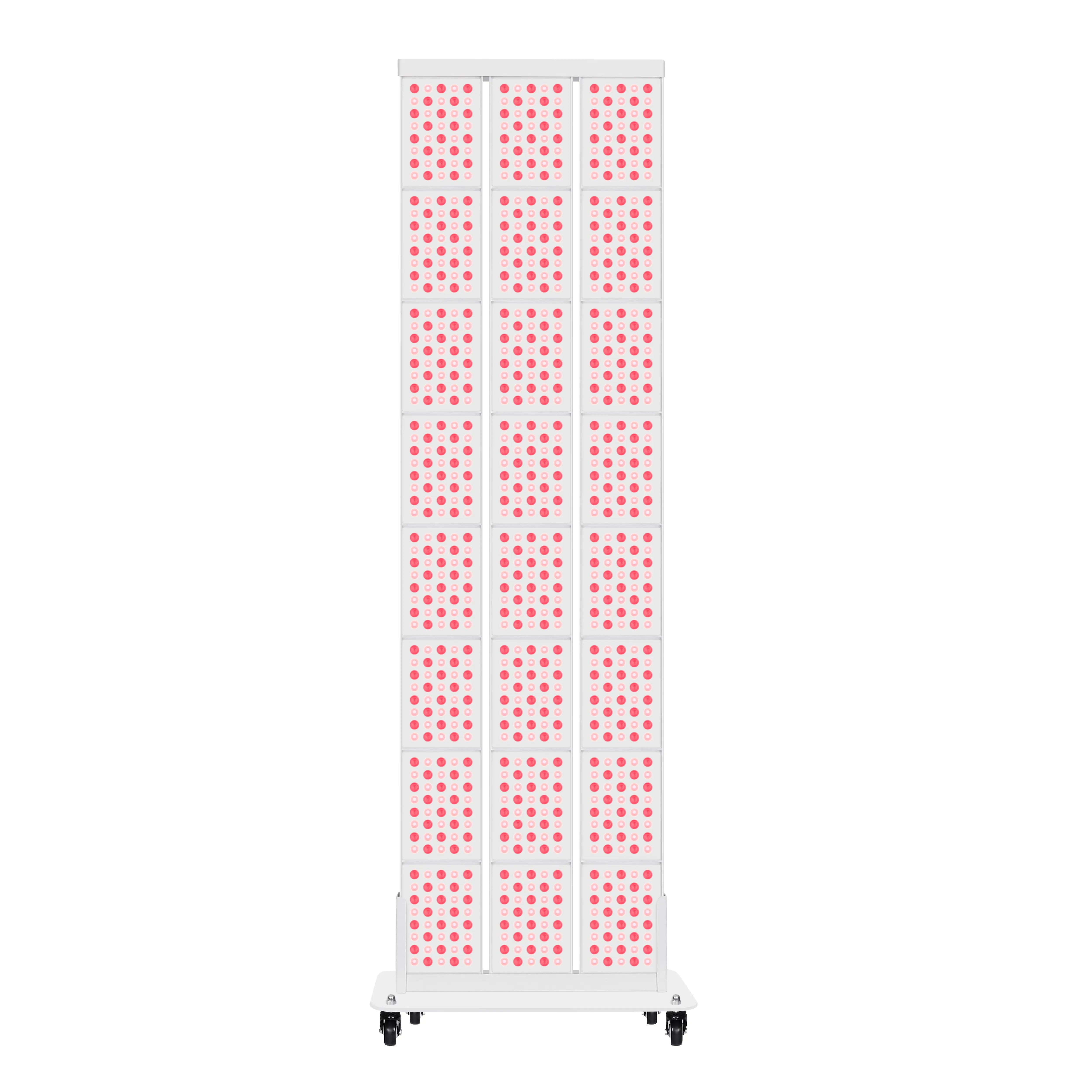
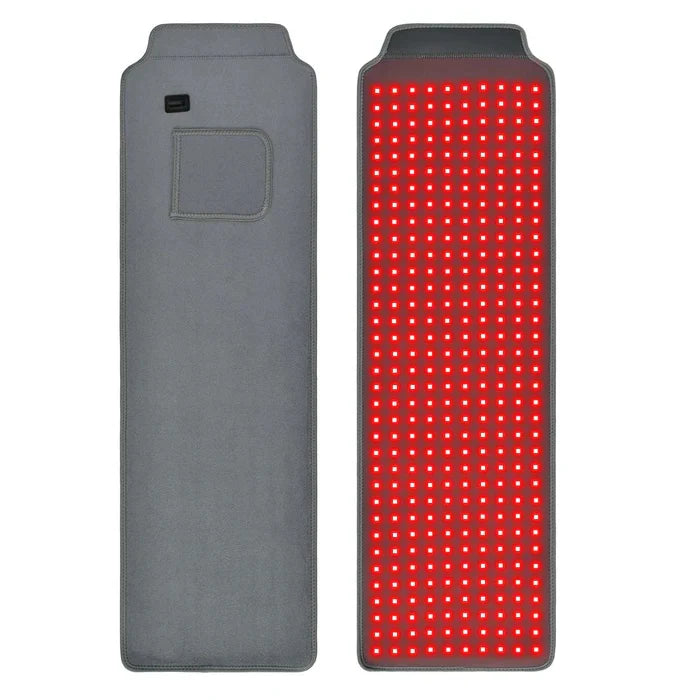
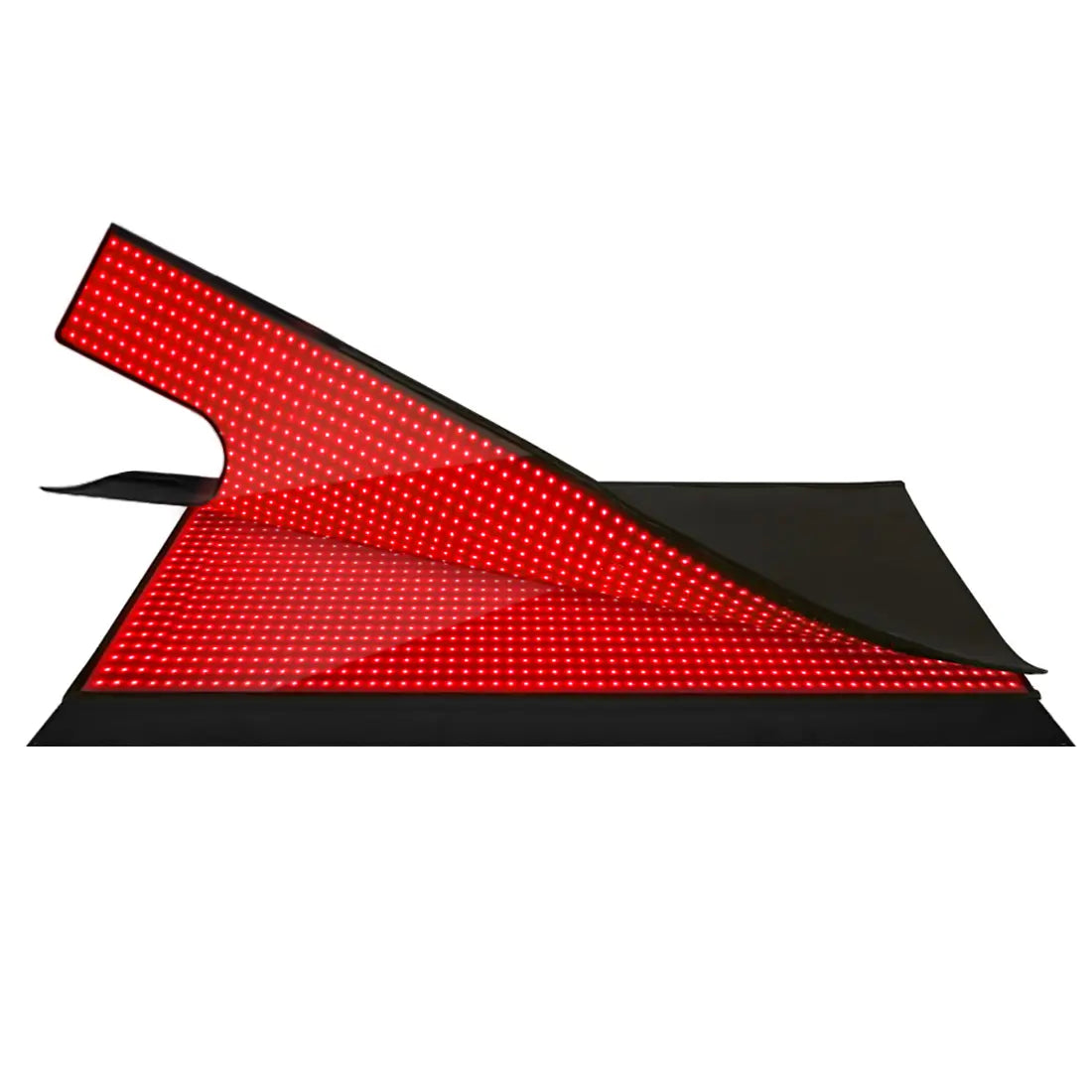
For targeted shoulder application, a flexible belt-style device allows hands-free use during gentle movement or rest. Larger panels can also be used while seated. Combine sessions with prescribed mobility exercises when pain allows.
Here is an illustrative chart showing relative fit across frozen shoulder stages. It is a heuristic visualization to help frame when red light may serve as a comfort adjunct versus when physical therapy and mobility work should remain the primary focus. Values are not clinical measurements.
Phase-Based Fit for Red Light Therapy in Frozen Shoulder
Use this to show when red light may be a supportive adjunct for pain-oriented care and when physical therapy / mobility work should dominate across adhesive capsulitis stages.
View chart data
| Category | Red light as adjunct | PT / mobility work | Relative fit: red light | Relative fit: PT / mobility |
|---|---|---|---|---|
| Freezing (painful) | 4.0 | 2.0 | 4.0 | 2.0 |
| Frozen (stiff) | 3.0 | 4.0 | 3.0 | 4.0 |
| Thawing | 2.0 | 5.0 | 2.0 | 5.0 |
Illustrative scenario-based chart built from the provided stage framework and the cited emerging 650 nm evidence context. Values are heuristic relative-fit scores, not clinical measurements or cure claims.

Integrating Red Light Therapy with Physical Therapy and Mobility Work
Red light therapy works best as part of a broader plan. Use it to support comfort between physical therapy sessions or before gentle stretching when pain is a barrier to movement. It does not replace professional rehabilitation or medical evaluation.
Common non-operative treatments for adhesive capsulitis include physical therapy and, when appropriate, corticosteroid injections. Mobility work remains central because shoulder disorders directly affect movement and function. A practical checklist before starting any home light protocol includes:
- Confirm your diagnosis with a healthcare professional
- Discuss the addition of photobiomodulation with your physical therapist or doctor
- Start with short sessions and monitor how your shoulder responds
- Continue prescribed exercises and stretching on days you use the device
- Track range of motion weekly to gauge overall progress
- Reassess with a provider if there is no functional change after several weeks
For similar joint support approaches, readers have found value in our red light therapy guide for knee pain and meniscus issues.
Realistic Expectations and Timelines
Expect gradual support rather than dramatic overnight changes. Some people notice reduced discomfort within a few weeks of consistent use, but this varies widely. Frozen shoulder recovery timelines are inherently long, and red light therapy should be seen as one possible comfort tool within that journey.
Ongoing clinical research continues to explore treatments for adhesive capsulitis. Current evidence positions photobiomodulation as an area of interest, not a proven standalone solution. Manage expectations by focusing on measurable improvements in daily function and pain levels rather than complete resolution from one modality.
When Red Light Therapy May Not Be the Best Next Step
Home red light therapy is not ideal for everyone. It makes less sense when stiffness rather than pain is the dominant issue, or when significant range-of-motion loss requires supervised mobilization. In the frozen phase, prioritizing physical therapy usually offers higher value for restoring function.
Do not delay medical evaluation, imaging, or prescribed rehabilitation while testing devices. If progress stalls, professional reassessment is essential. Red light therapy should never replace standard care for shoulder injuries and disorders.
Choosing a Suitable Device for Shoulder Use
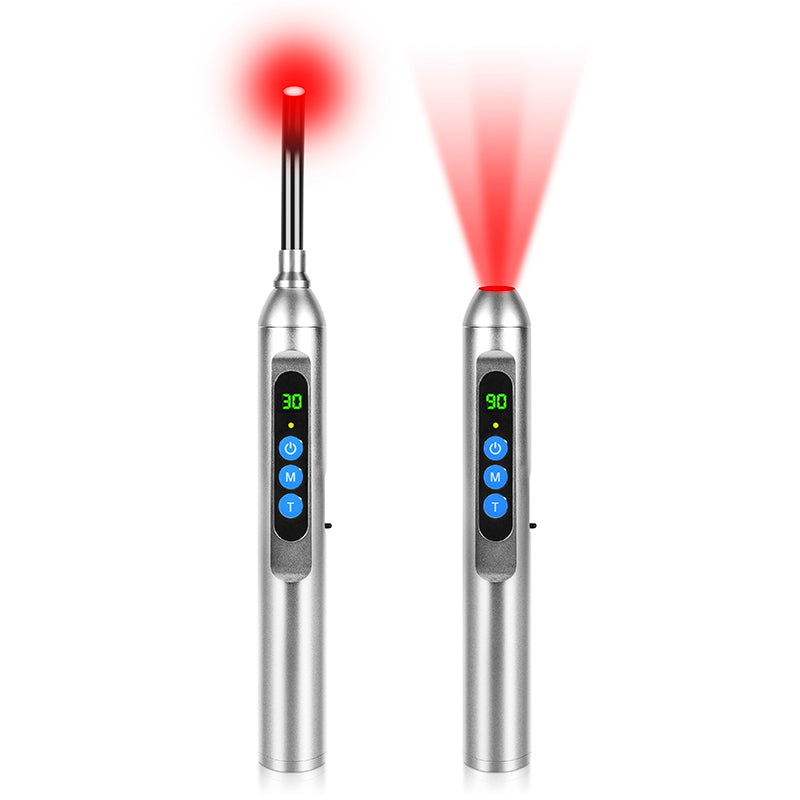
Targeted devices such as flexible belts allow comfortable, hands-free application directly over the shoulder. Larger panels work well for broader coverage or when treating multiple areas. Look for transparent specifications on wavelength, irradiance, and safety features.
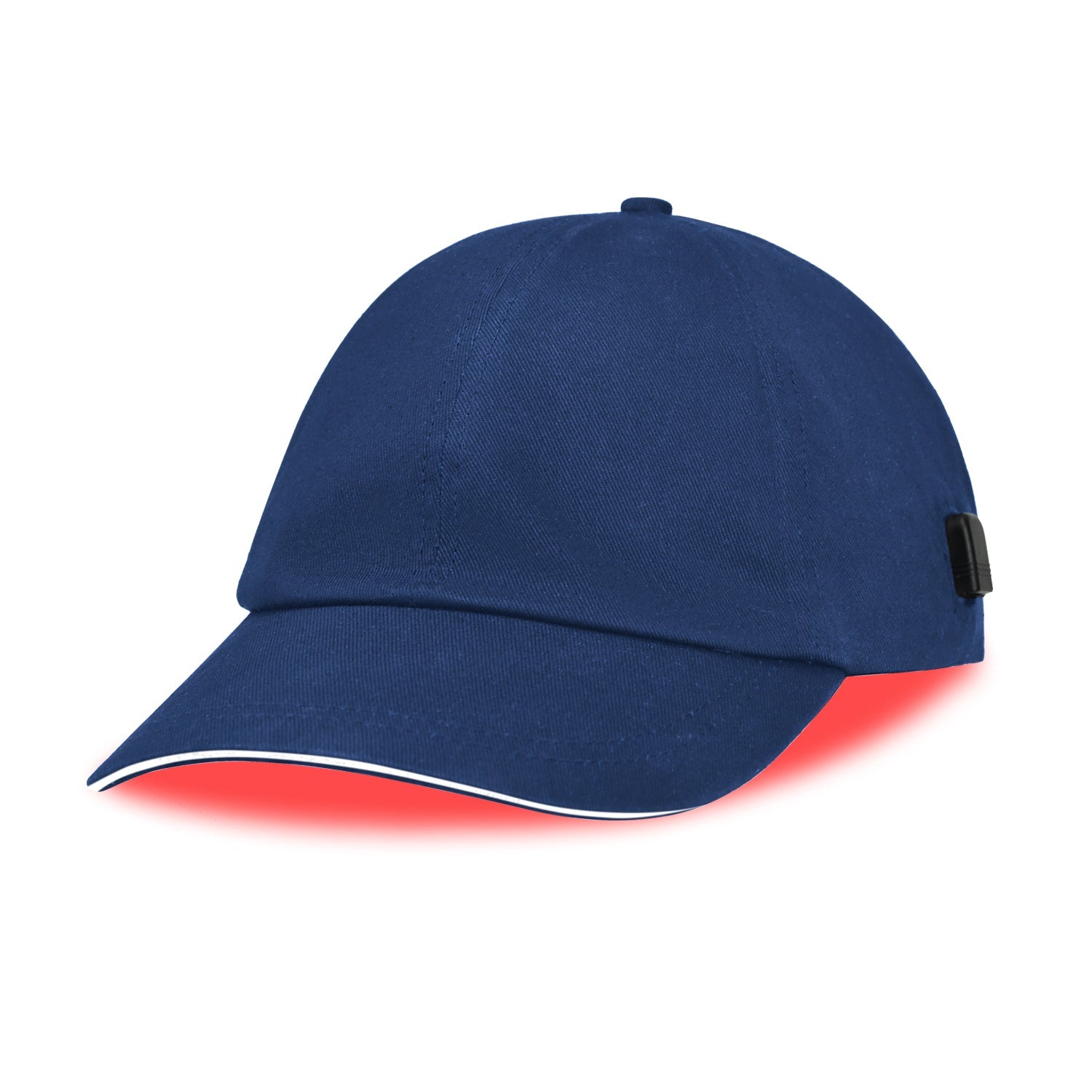
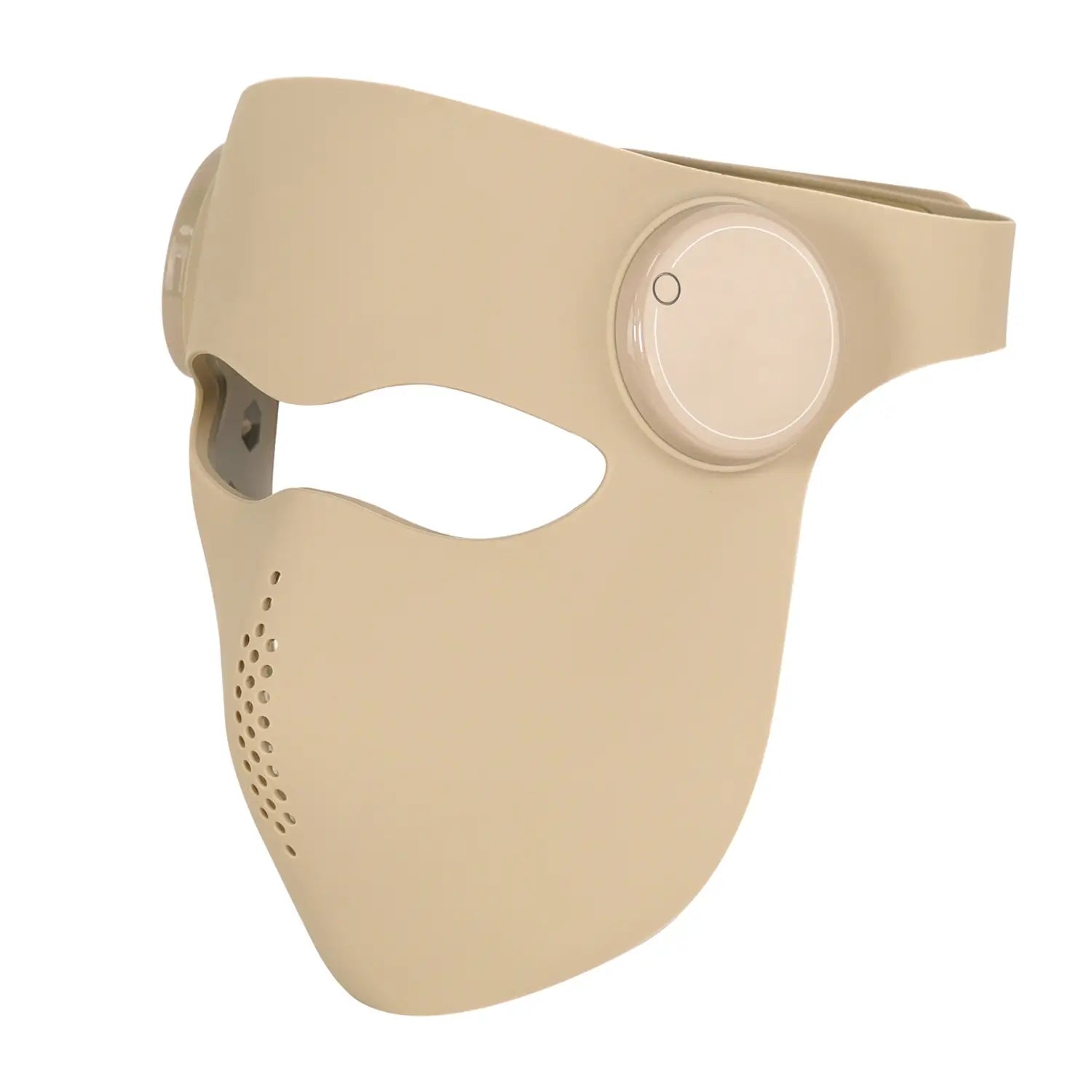
Consider options like the YOULUMI Red Light Therapy Belt for portable shoulder targeting or full-size red light therapy panels for versatile home use. Full-body mats can provide additional systemic support during recovery periods.
Our master guide to red light therapy for chronic pain offers further device considerations and dosing insights relevant to joint discomfort.
Safety and Important Boundaries
This article discusses comfort and setup considerations for red light therapy as a potential adjunct. It does not constitute medical advice, diagnosis, or treatment. Red light therapy is not proven to cure frozen shoulder and results vary. If you have persistent discomfort, existing shoulder conditions, or any concerning symptoms, consult a qualified healthcare professional.
Always follow device safety guidelines, start conservatively, and integrate any new tool into a plan developed with your care team.
Red light therapy may feel supportive for some people managing the painful aspects of frozen shoulder, particularly when used alongside physical therapy and mobility work. The key is realistic expectations, consistent application where appropriate, and prioritizing professional guidance for long-term shoulder health and restored range of motion.