
Summary
Red light therapy for hair growth, technically known as photobiomodulation (PBM), utilizes specific wavelengths of light between 630nm and 670nm to stimulate cellular metabolism within hair follicles, effectively extending the growth phase of the hair cycle. By optimizing mitochondrial function and increasing blood flow to the scalp, clinical protocols demonstrate significant improvements in hair density and thickness for individuals with androgenetic alopecia, provided that treatment parameters such as irradiance and frequency are strictly maintained.

Key takeaways
- Wavelength Precision: Wavelengths in the 650nm-660nm range are most effective for penetrating the scalp to reach the base of the hair follicle.
- Consistency is Critical: Clinical results typically require a minimum of 12 to 24 weeks of consistent use, following a structured 3-to-5-day weekly protocol.
- Cellular Mechanism: The therapy works by stimulating cytochrome c oxidase in the mitochondria, which increases ATP production and reduces oxidative stress in the follicle.
- Technical Standards: Effective home devices must meet rigorous scientific standards for photobiomodulation regarding irradiance (30-100 mW/cm²) and safety to ensure therapeutic results.
- Maintenance Phase: Once desired growth is achieved, a reduced maintenance schedule is necessary to sustain the biological improvements in the hair follicles.
How Photobiomodulation Stimulates Hair Follicles
The biological foundation of red light therapy for thinning hair lies in the principle of photobiomodulation. When the scalp is exposed to specific red light wavelengths, usually around 660nm, the light energy is absorbed by chromophores within the mitochondria of the hair follicle cells. The primary target is the enzyme cytochrome c oxidase. This absorption triggers a cascade of biochemical events: increased adenosine triphosphate (ATP) production, modulation of reactive oxygen species, and the release of nitric oxide. These changes collectively shift hair follicles from the telogen (resting) phase back into the anagen (active growth) phase.
Furthermore, this process enhances local microcirculation. By increasing the diameter of the blood vessels and improving blood flow to the dermal papilla, the follicles receive a more robust supply of oxygen and essential nutrients. This improved environment not only supports the growth of new hair but also helps to reverse the miniaturization of existing follicles, leading to thicker, more resilient hair shafts over time.
Logic Summary: This mechanism assumes that the hair follicles are still viable (not completely scarred over). The efficacy of PBM is dose-dependent, meaning both the intensity (irradiance) and the duration of exposure must fall within a specific "therapeutic window" to be effective without causing inhibitory effects.
Clinical Evidence and Efficacy for Thinning Hair
Extensive clinical research has validated the use of red light therapy for hair loss results. Multiple randomized, double-blind, sham-controlled trials have demonstrated that both men and women experiencing androgenetic alopecia show significant increases in terminal hair counts after several months of treatment. For instance, a meta-analysis of clinical trials involving low-level light therapy (LLLT) showed an average increase of 15 to 20 hairs per square centimeter compared to control groups.
It is important to understand that clinical results and realistic expectations vary based on the stage of hair loss. The therapy is most effective for individuals in the early to moderate stages of thinning. While it can significantly improve density and slow the progression of loss, it is rarely a "cure" for complete baldness where the follicles have been dormant for many years.

The 12-Week Science-Backed Protocol
To achieve measurable results, users must follow a structured schedule. The following protocol is based on common parameters used in successful clinical trials and is designed to optimize the biological response of the scalp tissues.
Phase 1: Follicle Stimulation (Weeks 1-4)
During the first month, the goal is to "prime" the follicles and initiate the cellular changes necessary for growth.
- Frequency: 5 sessions per week.
- Duration: 20-25 minutes per session.
- Focus: Establishing a consistent routine and allowing the scalp to adapt to the light energy.
Phase 2: Growth Activation (Weeks 5-8)
In the second month, the focus shifts to sustaining the increased ATP production and blood flow.
- Frequency: 4 sessions per week.
- Duration: 25-30 minutes per session.
- Focus: Maximizing the time follicles spend in the anagen phase.
Phase 3: Consolidation and Assessment (Weeks 9-12)
The final phase of the initial protocol aims to solidify the gains made and assess the early visible changes.
- Frequency: 3-4 sessions per week.
- Duration: 25-30 minutes per session.
- Focus: Monitoring for reduced shedding and the appearance of "baby" hairs.
| Protocol Phase | Weekly Frequency | Session Duration | Primary Biological Goal |
|---|---|---|---|
| Weeks 1-4 | 5 Days | 20-25 Minutes | Mitochondrial Priming |
| Weeks 5-8 | 4 Days | 25-30 Minutes | Anagen Phase Extension |
| Weeks 9-12 | 3-4 Days | 25-30 Minutes | Density Consolidation |
| Maintenance | 2-3 Days | 20 Minutes | Sustained Follicle Health |
Logic Summary: This protocol assumes the use of a device with an irradiance of approximately 40-60 mW/cm². If using a lower-powered device, session times may need to be extended. Conversely, exceeding these frequencies does not necessarily lead to faster results and may lead to diminishing returns due to the biphasic dose-response curve.
Why Wavelength and Irradiance Matter
Not all red light is created equal. For hair growth, the precision of the wavelength is paramount. While 630nm is often used for surface skin treatments, 660nm is generally preferred for the scalp because it offers a better balance of absorption and penetration depth, reaching the dermal papilla where hair growth originates. Some advanced protocols also incorporate 850nm near-infrared light to reach even deeper tissues and further reduce inflammation.
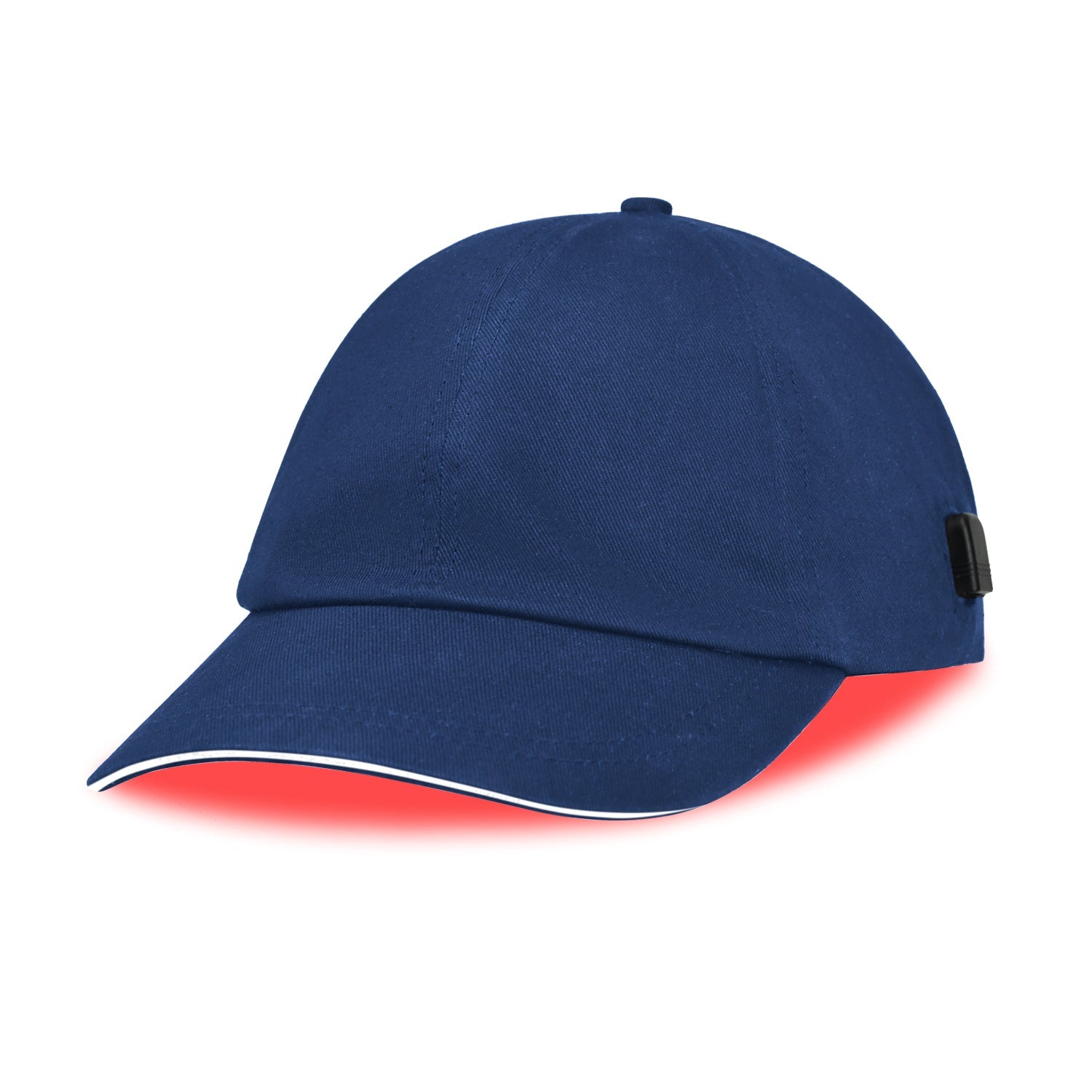
Irradiance, measured in milliwatts per square centimeter (mW/cm²), determines the "power" of the light reaching the skin. A device with too low irradiance will require prohibitively long session times to deliver a therapeutic dose (measured in Joules). For home use, a YouLumi red light therapy cap is engineered to provide the optimal treatment frequency for hair growth by delivering consistent, high-irradiance light across the entire scalp simultaneously.
Technical Validation of Home Devices
With the proliferation of consumer light therapy products, technical validation has become a critical concern. As of 2026, the industry has moved toward stricter compliance with standards such as IEC 60601-2-57:2026, which regulates the safety and performance of non-laser light source equipment for medical use. When selecting a device, it is vital to look for laboratory-grade spectroradiometry data rather than relying on manufacturer claims that may use "solar meter" readings, which often inflate irradiance figures.
Key technical specifications to verify include:
- Wavelength Accuracy: Ensure the device peaks within the 650nm-660nm range.
- Flicker Modulation: High-quality devices should follow IEEE 1789-2015 standards to minimize flicker, which can cause eye strain or headaches in sensitive individuals.
- EMF Emissions: Low-EMF designs are preferred for devices that sit directly against the head for extended periods.
Long-Term Maintenance and Expectations
A common misconception is that red light therapy provides a permanent fix. Because the underlying causes of hair thinning—such as genetics (DHT sensitivity) or hormonal changes—persist, the follicles require ongoing stimulation to maintain their improved state. After the initial 12-to-24-week intensive phase, a maintenance schedule of 2 to 3 sessions per week is typically recommended.
Users should also be aware of the "shedding phase." In the first few weeks of treatment, some individuals notice a temporary increase in hair shedding. This is actually a positive sign; it indicates that the therapy is pushing old, weak hairs out of the follicles to make room for new, stronger hairs entering the anagen phase. This transition is a normal part of the biological reset.
Safety and Combination Therapies
While red light therapy is non-invasive and has an excellent safety profile, certain safety considerations for red light therapy should be observed. It is generally safe to combine PBM with other treatments like topical minoxidil or finasteride. In fact, some studies suggest a synergistic effect, where the increased blood flow from red light therapy improves the absorption and efficacy of topical medications.
However, individuals with a history of skin cancer on the scalp or those taking photosensitizing medications (such as certain antibiotics or retinoids) should consult a healthcare provider before starting treatment. It is also recommended to avoid using the therapy immediately after applying heavy oils or styling products, as these can reflect or absorb the light before it reaches the skin. For a comprehensive look at available options, you may explore the complete range of red light therapy caps.
FAQ
Does red light therapy work for hair growth on completely bald spots? Red light therapy is most effective where hair follicles are still active but miniaturized. If an area has been completely bald for many years and the follicles have been replaced by scar tissue, the therapy is unlikely to stimulate new growth. It is best used as a preventative measure or to treat thinning and early-stage loss.
How long does it take to see results from a red light therapy cap? Most users begin to see a reduction in hair shedding within 4 to 8 weeks. Visible improvements in hair density and thickness typically take 12 to 24 weeks of consistent use, as this aligns with the natural hair growth cycle. Patience and adherence to the protocol are essential for success.
Can I use red light therapy every day for faster results? Using the therapy more than once a day or every single day is not recommended. The biological response follows a biphasic curve, meaning there is an optimal dose; exceeding this dose can actually lead to "inhibitory" effects where the benefits are neutralized. Stick to the 3-to-5-day weekly schedule for the best outcomes.
Is red light therapy safe for color-treated hair? Yes, red light therapy does not use UV rays and does not generate significant heat, so it will not fade or damage color-treated hair. It is a "cold" light therapy that focuses on cellular stimulation rather than thermal effects.
Do I need to wash my hair before each session? While you don't need to wash your hair every time, it is best to use the device on a clean scalp. Built-up products, dry shampoo, or heavy oils can create a barrier that reduces the amount of light energy reaching the hair follicles. For maximum penetration, use the cap on dry, clean hair.
Are there any side effects to using a red light therapy cap? Side effects are rare and generally mild. Some users may experience temporary scalp redness, a slight tingling sensation, or a mild headache if the device is too tight. These symptoms usually resolve shortly after the session ends. If you have sensitive skin, start with shorter sessions to assess your tolerance.
References
Government / Standards / Regulators
- International Electrotechnical Commission (IEC): IEC 60601-2-57:2026 - Medical electrical equipment - Particular requirements for the basic safety and essential performance of non-laser light source equipment
- IEEE Standards Association: IEEE 1789-2015 - Recommended Practices for Modulating Current in High-Brightness LEDs for Mitigating Health Risks to Viewers
- FDA: CFR - Code of Federal Regulations Title 21 - Light-Based Devices for Hair Growth
Industry Associations / Research Institutes
- North American Association for Photobiomodulation Therapy (NAALT): Clinical Guidelines for Scalp PBM
- World Association for Photobiomodulation Therapy (WALT): Dosage Recommendations for Hair Loss
Academic / Whitepapers / Labs
- Journal of Dermatological Treatment: "Low-level light therapy for androgenetic alopecia: A 24-week, randomized, double-blind, self-comparison, separate-site study" (2025)
- Lasers in Surgery and Medicine: "The biological mechanisms of photobiomodulation in the hair follicle" (2024)
- YouLumi Whitepaper: Photobiomodulation Standards: Irradiance, EMF, and Safety (2026)
Community
- Hair Loss Forums (Reddit/HairLoss): User-reported timelines and device comparisons (Intent discovery only; not authoritative)