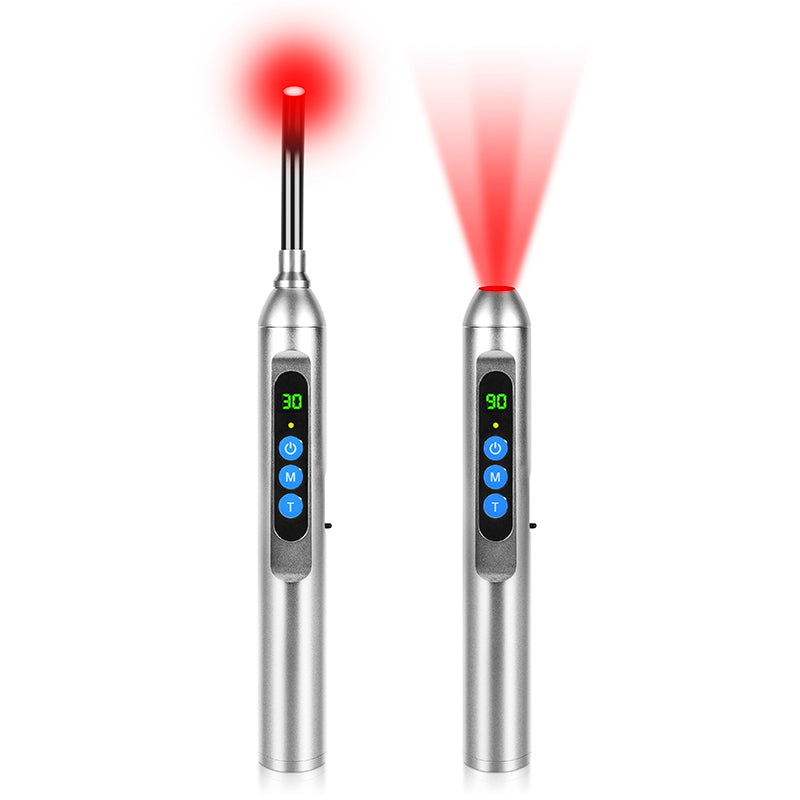

Firefighters pay for every call with their bodies. Years of hauling gear, dragging hose, climbing stairs in full turnouts, working on wet, unstable surfaces, and absorbing heat and smoke translate into a predictable cluster of chronic problems: shoulder and knee damage, low‑back pain, tendonitis, post‑surgical scars, and, for some, stubborn neuropathic pain and burn complications.
As a long‑time “light therapy geek” who also cares deeply about practical performance and pain control, I am always asking one question: which technologies actually move the needle for people who load their bodies as hard as firefighters do, without just swapping pain for new risks like opioid dependence?
Red light therapy, more formally called photobiomodulation, keeps coming up in that conversation. It is marketed heavily in wellness circles, but underneath the hype there is real, peer‑reviewed science on musculoskeletal pain, wound healing, burns, and chronic inflammation. The evidence is not flawless and it is not firefighter‑specific, but it is strong enough that cancer centers, academic pain clinics, and rehabilitation teams are integrating it as an adjunct.
This article walks through what red light therapy is, how it works at the cellular level, what the best studies actually show, and how a firefighter with chronic injuries can approach it intelligently as part of a broader strategy rather than as a magic fix.
I will stay firmly inside what the published data support, leaning on sources such as Cleveland Clinic, MD Anderson Cancer Center, University of Arizona Health Sciences, PubMed Central reviews, and wound‑care and sports‑medicine studies. Where I extrapolate from athletes or surgical patients to firefighters, I will say so explicitly rather than pretending we already have firefighter‑specific trials.
What Exactly Is Red Light Therapy?
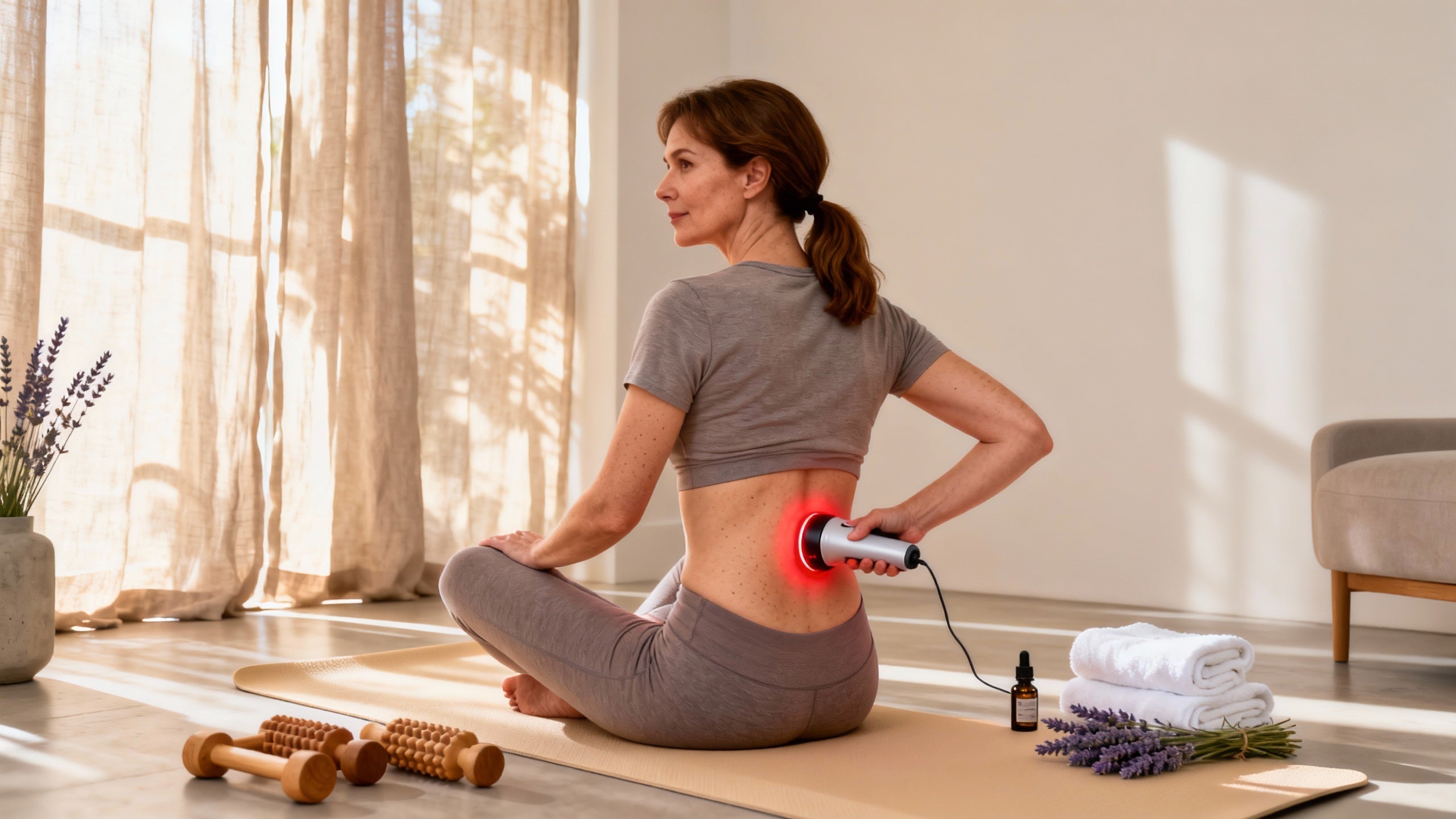
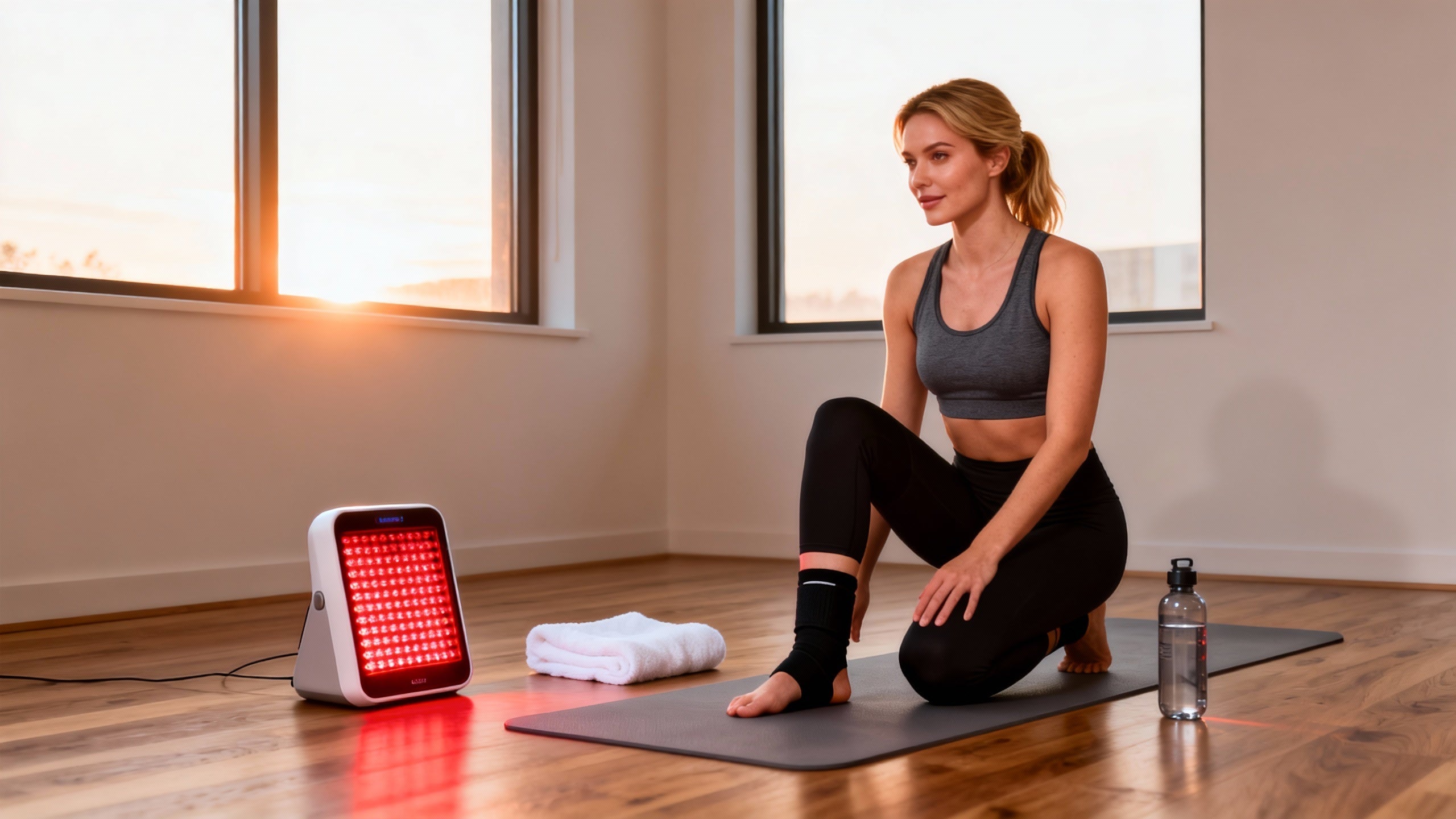
Red light therapy is a form of photobiomodulation, which means using non‑heating light to change biological processes. Medical centers such as Cleveland Clinic and MD Anderson describe it as low‑level red or near‑infrared light, delivered by LEDs or low‑power lasers, aimed at skin or deeper tissues to stimulate healing, reduce inflammation, and relieve pain.
The light typically falls in the visible red range around 630–700 nanometers and the near‑infrared range around roughly 780–1,000 nanometers. A practical way to think about it:
Red light tends to influence more superficial tissues, such as skin, superficial fascia, and tendons close to the surface. Near‑infrared penetrates more deeply into muscle, joint, and even bone. One clinical source notes that red and near‑infrared light can reach on the order of about 1.2 inches below the skin, depending on wavelength and tissue type.
Unlike tanning beds, red light therapy devices do not use ultraviolet light, so they are not delivering the kind of radiation that damages DNA and increases skin cancer risk. Properly used devices also produce very little heat at the tissue level, which is why you will see terms like “cold laser” or “low‑level laser.”
Red light therapy is already accepted in mainstream medicine as part of photodynamic therapy, where a photosensitizing drug plus red light is used to treat certain skin conditions and superficial cancers. The stand‑alone, drug‑free form used for pain and recovery is newer and remains “investigational” for many indications, but major institutions acknowledge that it can measurably alter cellular biology.

Why Firefighters’ Chronic Injuries Put Any Therapy To The Test
By the time a firefighter has ten or twenty years on the job, the injury profile often looks more like a pro athlete’s than a typical desk worker’s. Repeated strain on the same joints, awkward lifts in confined spaces, jumps from heights, and heavy gear worn on the back and shoulders all contribute to:
Chronic joint pain, especially knees, hips, shoulders, and spine.
Tendon and ligament issues, including rotator cuff tendinopathy, Achilles or patellar tendonitis, and elbow overload.
Post‑surgical pain and delayed recovery after orthopedic repairs or spine procedures.
Burns, scars, and skin graft sites that never feel quite right.
Neuropathic symptoms in the feet or hands, particularly in those who also have diabetes or chemotherapy exposure.
Under standard care, these problems are managed with a mix of physical therapy, strength work, load management, non‑steroidal anti‑inflammatory drugs, injections, and, far too often, long‑term opioid prescriptions. A rehabilitation review on photobiomodulation therapy in musculoskeletal conditions, published in a journal indexed on PubMed Central, explicitly frames red and near‑infrared light as a way to fill the gap between pain that is too severe for “just exercise” and the risks of chronic drug therapy.
That is exactly the gap many firefighters live in.

How Red Light Therapy Works Inside Your Tissues
Red light therapy is not magic; it is cell biology. Several lines of research, including mechanistic reviews in PubMed Central, have mapped out a coherent chain of events from photons to pain relief.
Cellular Energy And Mitochondrial “Tuning”
The best‑studied target for red and near‑infrared light is cytochrome c oxidase, a key enzyme in the mitochondrial electron transport chain. When these chromophores absorb photons in the red and near‑infrared range, several things happen:
Mitochondria generate more ATP, the energy currency cells use for repair, protein synthesis, and ion balance.
Nitric oxide that had been temporarily bound to cytochrome c oxidase is released, freeing mitochondria to use oxygen more efficiently.
Secondary signaling molecules, including a brief pulse of reactive oxygen species and shifts in calcium levels, activate transcription factors that control gene expression.
A comprehensive review on the anti‑inflammatory effects of photobiomodulation highlights that these changes trigger “tertiary” effects such as increased cell survival, proliferation, migration, and production of new proteins, all of which are crucial in tissue repair and recovery from microtrauma.
For a chronically overloaded firefighter knee, for example, more efficient mitochondria in chondrocytes, fibroblasts, and endothelial cells can mean better repair capacity between shifts.
Inflammation And Immune Re‑balancing
Chronic pain in joints, tendons, and muscles is often less about damage that never heals and more about inflammation that never fully resolves. Here the evidence for photobiomodulation is particularly robust.
Mechanistic studies report that red and near‑infrared light can:
Down‑regulate classic pro‑inflammatory mediators such as tumor necrosis factor alpha, interleukin‑1 beta, interleukin‑6, cyclooxygenase‑2, prostaglandins, and reactive nitrogen species.
Up‑regulate anti‑inflammatory mediators, and shift macrophages away from an M1, “fight and inflame” phenotype toward a more reparative profile.
Reduce oxidative stress by increasing antioxidant defenses and normalizing excessive reactive oxygen species in diseased or stressed tissues.
A PubMed Central review on the anti‑inflammatory mechanisms of photobiomodulation even calls reduction of inflammation “one of the most reproducible effects” across joint disorders, traumatic injuries, lung disorders, and brain inflammation.
This maps directly to the chronic tendonitis, arthritic joints, and muscle overload that are endemic in fire service work.
Circulation, Microcirculation, And Lymphatic Flow
Another pillar mechanism involves blood flow. A clinic that focuses on circulation and red light therapy describes how red and near‑infrared photons prompt endothelial cells to release nitric oxide, leading to vasodilation, improved blood flow, and better delivery of oxygen and nutrients. At the microvascular level, red and near‑infrared light support angiogenesis, the growth of new capillaries, which is especially relevant in poorly perfused or scarred tissues.
Better microcirculation also supports more efficient removal of metabolic waste and inflammatory byproducts. The same clinic notes that red light therapy appears to stimulate lymphatic flow, which can reduce swelling and allow tissues to move from the inflammatory phase into the healing phase more efficiently.
In practical firefighter terms, a chronically swollen ankle after countless sprains or a thick, tight scar over a graft site is a circulation problem as much as a structural one. Improving microcirculation does not replace mechanical rehab, but it can make that rehab more productive.
Nerve Signaling And Pain Modulation
Photobiomodulation also seems to act directly on pain pathways. The musculoskeletal pain review mentioned earlier explains that low‑intensity laser or LED light in the near‑infrared range is absorbed in the lipid membrane of nerve cells. This temporarily alters ion channel behavior and the sodium‑potassium pump, making nociceptor nerves less likely to fire.
The same paper describes how redox changes from photobiomodulation can depolymerize microtubules in thinly myelinated A‑delta fibers and unmyelinated C fibers, reduce mitochondrial membrane potential, and limit activity of sodium, potassium, and ATPase pumps. That combination suppresses pro‑inflammatory mediators such as prostaglandin E2, interleukin‑6, and tumor necrosis factor alpha, and even reduces acetylcholine‑mediated muscle spasm.
Clinically, this can translate into:
Analgesia within ten to twenty minutes after a session in some patients.
Temporary normalization of hyper‑excitable pain fibers in chronic conditions, provided treatments are repeated regularly, because the microtubule structures recover over about a day.
For firefighters with neuropathic foot pain or chronic back pain with a strong nerve component, this direct modulation of nerve firing is a key piece of the puzzle.
Wound Healing, Burns, And Scar Remodeling
Beyond muscles and joints, visible and near‑infrared light also influence wound and scar biology. A Nature‑journal study in mice, summarized in recent research notes, reported that visible light exposure accelerated skin wound closure and reduced scar formation, linked to modulation of STAT3 signaling, angiogenesis, and macrophage behavior.
Human data are even more relevant. A 2018 review of controlled wound‑healing trials concluded that red light therapy significantly improved tensile strength and wound contraction in both open and sutured incisions. A randomized sternotomy study in ninety post‑cardiac surgery patients found that those receiving red light therapy had significantly less pain, less coughing pain after a month, reduced incision bleeding, fewer wound ruptures, and fewer blood‑related complications compared with controls.
A systematic review of forty studies in plastic and reconstructive surgery reported that low‑level light therapy supported acute wound healing and improved burn scar appearance, and small trials in children with hypertrophic scars and in burn patients found substantially better scar outcomes with red light exposure and no reported adverse events.
For firefighters who have undergone orthopedic surgery or survived burn injuries, those scar‑focused effects are highly relevant.
What The Research Shows: From Athletes To Chronic Pain
Red light therapy has been studied across diverse populations. None of these trials focus on firefighters, but many use models of injury and recovery that mirror fireground realities.
Acute Sports Injuries: A Playbook For Overuse And Sprains
One of the more striking studies comes from a university sports medicine clinic and is archived in PubMed Central. Over fifteen months, clinicians treated 395 acute musculoskeletal injuries in varsity athletes with an 830 nanometer LED device delivering 60 joules per square centimeter over twenty minutes per session, usually starting as soon as possible after injury.
For a subgroup of sixty‑five athletes with detailed follow‑up, the average time to safe return to full participation was about 9.6 days, compared with historically anticipated recoveries of around 19.2 days for the same types and severities of injuries. That is roughly a fifty percent reduction in time away from sport, with a statistically significant difference despite the modest sample size.
Pain scores on a standard visual analog scale improved by two to eight points, and all athletes finished with pain scores of zero. Mild hamstring and knee injuries typically required four to six sessions to reach that point, while most ankle sprains needed only two to three sessions. No adverse events or pain flares were recorded; athletes reported only mild warmth and high satisfaction.
This is not a randomized controlled trial; it compares real‑world outcomes to historical controls and so cannot prove causation. But as a stress test in a demanding, high‑load population with acute strains and sprains, it provides credible evidence that near‑infrared photobiomodulation can speed functional recovery when integrated into modern sports medicine.
For firefighters, who experience many of the same sprain and strain patterns on unstable terrain or stairs, the mechanism and magnitude of benefit in this athletic context are highly suggestive.
Chronic Joint Pain, Arthritis, And Tendinopathy
Chronic knee, hip, back, and shoulder pain are where most firefighters feel the grind. Here the photobiomodulation literature is broader but more heterogeneous.
A rehabilitation review on low‑intensity laser and LED therapy for musculoskeletal pain reports:
Randomized trials in non‑specific knee pain where adding multi‑wavelength photobiomodulation to standard chiropractic or physical therapy produced about a fifty percent improvement in pain, roughly fifteen percent better than placebo plus standard care, with benefits maintained at one‑month follow‑up and improved physical functioning.
Meta‑analyses of knee osteoarthritis showing reduced pain at the end of treatment and at follow‑up up to twelve weeks, especially when recommended doses were used, such as energy deliveries of at least four joules per site with 780–860 nanometer light or at least one joule per site at 904 nanometers directed at the joint line and synovium.
A small trial in patients after total hip replacement where photobiomodulation delivered forty joules across five sites over the incision led to pain reductions roughly eighty‑two percent greater than placebo immediately after surgery and evidence of modulated inflammatory markers.
Evidence across neck, shoulder, and low‑back pain, as well as temporomandibular disorders and fibromyalgia, suggesting that when dosing is appropriate, photobiomodulation can significantly reduce pain intensity and sometimes improve tender‑point counts and quality of life metrics.
At the same time, the same review and other analyses point out that some trials have shown no advantage over placebo, especially when the delivered dose was likely too low. That aligns with the mechanistic “biphasic dose response” curve described earlier, where too little light does nothing and too much can actually be inhibitory.
One important contextual note: a comprehensive anti‑inflammatory photobiomodulation review cites Cochrane reviews that found good evidence for photobiomodulation in rheumatoid arthritis and some evidence for osteoarthritis, but also emphasizes that many clinical trials focus on symptom measures such as pain and range of motion rather than direct inflammatory markers.
In other words, the joint‑pain picture is encouraging but not bulletproof. For a firefighter with degenerative knee changes, photobiomodulation is best viewed as a way to reduce inflammatory pain and stiffness and possibly slow progression, not as a replacement for mechanical load management, strengthening, or, when truly necessary, surgical intervention.
Burns, Wounds, And Scars
Burns and surgical scars are unfortunately not rare in this population, and the evidence base here is surprisingly robust.
The wound‑healing review mentioned earlier summarizes controlled trials where red and near‑infrared light significantly improved tensile strength and wound contraction. The sternotomy trial in ninety cardiac surgery patients showed less pain and fewer wound complications. A systematic review of twenty‑two burn‑treatment trials over seventeen years found that low‑level light therapy consistently accelerated burn wound repair, reducing early inflammation, increasing tissue formation, and promoting new blood vessel growth.
Case series in diabetic patients with third‑degree burns who were candidates for amputation reported complete healing within eight weeks when split‑thickness grafts were combined with red and near‑infrared light, and none of those patients ultimately required amputation.
In plastic surgery and scar‑focused research, a systematic review of forty animal and human studies found that low‑level light therapy aided acute wound healing and improved burn scar appearance, while a small pediatric trial and a burn‑scar study in adults both recorded substantially better scar scores in treated areas with no meaningful side effects.
For a firefighter recovering from a graft or dealing with function‑limiting hypertrophic scars over joints, those findings are directly relevant, especially when red light therapy is integrated into a carefully supervised wound‑care and rehabilitation program.
Chronic Pain, Fibromyalgia, And Systemic Inflammation
Beyond specific joints and scars, chronic widespread pain and fatigue syndromes can show up after years of cumulative stress, shift work, and trauma. Fibromyalgia is a good example, and it has been studied in photobiomodulation research.
A larger clinical trial in one hundred sixty women with fibromyalgia used a multi‑wavelength device combining a super‑pulsed near‑infrared laser and red and infrared LEDs. Participants were allocated to placebo, exercise, photobiomodulation, or photobiomodulation plus exercise. Both exercise and photobiomodulation alone produced pain reductions around fifty percent greater than placebo, but the combination of exercise and light therapy yielded the greatest decreases in pain and tender points.
A systematic review and meta‑analysis concluded that photobiomodulation is a noninvasive, well‑tolerated option for fibromyalgia that can meaningfully decrease pain. Other studies, not all positive, emphasize again that dosing and protocol design matter.
Add to that the University of Arizona Health Sciences research on green light therapy delivered through the eyes, where chronic migraine and fibromyalgia patients experienced about fifty percent reductions in pain intensity and flare‑up frequency after one to two hours of nightly exposure for ten weeks, and it becomes clear that the nervous system and inflammatory pathways are highly responsive to carefully dosed light.
Chronic pain in firefighters is multifactorial, but these data support the idea that photobiomodulation could be one useful tool among many to calm sensitized nervous systems and chronically inflamed tissues.
Where The Evidence Is Preliminary Or Overhyped
It is just as important to know where the science is thin. Stanford dermatology experts, Cleveland Clinic, and other academic sources point out that:
Claims about dramatic athletic performance enhancement, major boosts in systemic energy, or sleep and mood transformations from red light therapy are not yet backed by large, rigorous trials, even if mechanistic arguments make them sound plausible.
Some wound‑healing and scar‑improvement studies show no long‑term difference between treated and untreated areas by six weeks, suggesting that red light may accelerate early phases without changing the final cosmetic outcome.
Many popular uses, such as weight loss, cellulite removal, or treatment for depression and seasonal affective disorder with red light alone, lack solid evidence; respected medical centers explicitly caution against relying on red light for these goals.
Device marketing often outpaces the science; at‑home panels, caps, and beds may not deliver the wavelengths or power densities used in research, and “FDA cleared” usually means a device meets safety standards for a general category, not that it has been proven effective for a specific claim.
For a high‑risk population like firefighters, this means red light therapy should be reserved for indications with decent evidence, such as musculoskeletal pain, certain neuropathies, and wound and scar support, rather than as a catch‑all cure.
Evidence Snapshot For Firefighter‑Relevant Problems
The table below summarizes how current research lines up with issues firefighters commonly face. It is not exhaustive, but it can anchor expectations.
Firefighter‑Relevant Issue |
Type Of Evidence |
Key Findings |
Caveats |
Acute sprains and strains (ankle, knee, hamstring) |
University athlete pilot study with 830 nm LED |
Roughly fifty percent faster return to play and large pain reductions with several sessions starting soon after injury; no adverse events reported. |
Not randomized; uses historical controls; athletic rather than firefighter population. |
Chronic knee and hip osteoarthritis |
Meta‑analyses and randomized trials |
Photobiomodulation can reduce pain and stiffness and improve function when delivered at adequate doses to joint lines over several weeks. |
Some trials negative, especially when doses are too low; advanced structural damage still needs mechanical solutions. |
Post‑operative pain and incision healing |
Small randomized trial in hip arthroplasty and sternotomy study in cardiac surgery |
Significant reductions in immediate post‑operative pain and improved early wound parameters when red light therapy is added. |
Small sample sizes; protocols vary; must be coordinated with surgical team. |
Chronic neck, shoulder, and back pain |
Multiple trials and reviews in musculoskeletal pain |
Red and near‑infrared light can reduce pain intensity and improve function, particularly as part of a multimodal rehabilitation program. |
Heterogeneous protocols; not all studies positive; effect sizes modest to moderate. |
Burn wounds and hypertrophic scars |
Systematic reviews, animal models, and small human trials |
Faster burn wound healing, better scar appearance, and improved graft outcomes in some studies; no major safety signals. |
Some data from animals; requires integration with high‑quality burn care; long‑term cosmetic impact varies. |
Fibromyalgia‑like chronic pain and fatigue |
Randomized trials and meta‑analyses |
Photobiomodulation and exercise both reduce pain, and the combination can be most effective; light therapy is well tolerated. |
Not specific to firefighters; protocols can be time‑intensive; not a cure but a symptom‑management tool. |
Peripheral neuropathy (diabetic or chemotherapy‑related) |
Systematic reviews in pain and therapy journals |
Red and near‑infrared light improved nerve regeneration and reduced burning and tingling symptoms in several trials. |
Data sets are still relatively small; dosing and long‑term durability need more research. |
Pros And Cons For Firefighters With Chronic Injuries
Red light therapy has a very specific sweet spot in a firefighter’s recovery toolkit. Understanding both its strengths and limitations is essential before you invest your time and money.
Potential Advantages
Red light therapy is noninvasive, generally painless, and does not involve drugs. Sessions typically last ten to twenty minutes and are described by patients in rehabilitation and sports‑medicine clinics as comfortable, with only mild warmth. For someone already juggling medications, injections, and physical therapy, that alone is attractive.
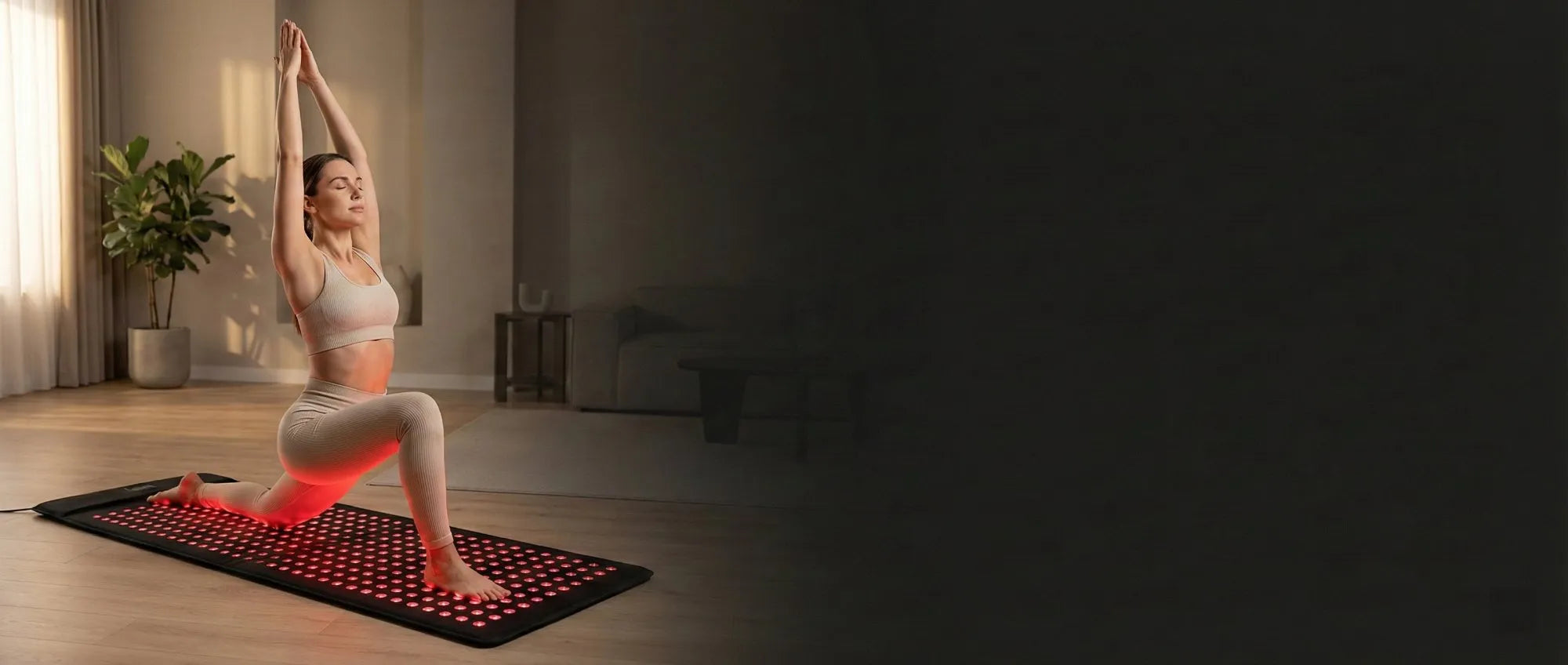
Because the light penetrates a modest distance beneath the skin, larger panels or full‑body beds can treat multiple joints and muscle groups in one session, which matters when you have a knee, back, and shoulder all complaining at once after a night of calls.
Clinical data suggest that, when used as part of a rehabilitation protocol, photobiomodulation can:
Accelerate recovery from acute sprains and strains.
Reduce chronic inflammatory pain and improve range of motion in arthritic joints.
Support better wound healing and potentially improve scar quality after surgeries or burns.
Provide an opioid‑sparing effect by reducing the intensity of pain that otherwise demands strong medication.
From a “veteran optimizer” perspective, red light therapy is appealing because it acts on so many leverage points at once: mitochondrial efficiency, inflammation, circulation, nerve signaling, and tissue regeneration.
Limitations, Risks, And Reality Checks
The flip side is equally important.
The effects are dose‑dependent and follow a biphasic response. Too little light does nothing; too much can blunt beneficial responses or, at very high intensities, irritate the skin. The sweet spot can vary between individuals, and few commercial devices disclose their true power density at specific distances in a way you can verify easily.
Most of the strongest data come from controlled clinical environments using devices with known specifications and operators who know how to target and dose specific tissues. At‑home devices are often less powerful, less consistent, and rarely used with the rigor seen in trials.
Not every study is positive. Osteoarthritis trials, temporomandibular disorder treatments, and fibromyalgia protocols have produced mixed results, especially when devices or dosing were suboptimal. Photobiomodulation is not a guaranteed fix for every chronic pain condition.
Safety is good but not perfect. Short‑term use appears safe and non‑toxic, and red light does not use cancer‑causing ultraviolet radiation. However, high intensities have produced skin redness and blistering in at least one early‑stage trial, and there is real risk of eye damage if lasers or high‑power LEDs are viewed directly without protection. Cancer centers and dermatology societies recommend protective goggles and careful skin monitoring.
Photobiomodulation is generally not recommended directly over areas of active carcinoma, active infection, or over the thoraco‑abdominal or pelvic region during pregnancy, according to musculoskeletal pain reviews. People taking photosensitizing medications or with a history of skin cancer or significant eye disease are advised by sources like WebMD and Cleveland Clinic to consult their physicians before use.
Finally, cost and time matter. Sessions in clinical settings can cost on the order of tens of dollars per session, sometimes around eighty dollars or more, and meaningful benefits usually require multiple sessions per week for several weeks, followed by a taper or maintenance schedule. Home devices shift costs upfront and may be more convenient, but their true effectiveness is harder to predict.
For a firefighter already wrestling with shift work fatigue and limited recovery windows, a therapy that demands three or more appointments per week is only useful if it fits into the broader plan without crowding out sleep, strength work, and mobility practice.
How To Approach Red Light Therapy If You Are A Firefighter
If you are considering red light therapy for chronic injuries, the goal is to think like a scientist and an athlete at the same time: build a rational framework, run a structured experiment, and measure outcomes honestly.
Start With A Solid Diagnosis And Baseline Plan
No light device can compensate for an undiagnosed meniscus tear, a rotator cuff rupture, or unstable vertebrae. Your first step should be a thorough evaluation with an orthopedist, sports‑minded primary care physician, or physical therapist familiar with the demands of fire service work.
Clarify:
What structures are structurally damaged versus inflamed or sensitized.
Which issues truly require surgical or interventional solutions.
Which can realistically be improved through strength, mobility, movement retraining, and load management.
Red light therapy belongs, if at all, in that third category, as an adjunct to evidence‑based rehabilitation. Chronic, unexplained pain without appropriate work‑up is not the place to start experimenting with devices.
Work With Qualified Providers And Medical‑Grade Devices When Possible
Academic pain centers and some orthopedic and rehabilitation clinics now offer photobiomodulation as part of multimodal care. These environments are valuable because:
Devices have known wavelengths and power densities.
Protocols are based on published parameters from trials rather than guesswork.
Clinicians can integrate light therapy with your physical therapy, manual therapy, medications, and work restrictions.
Institutions such as MD Anderson’s Pain Management Center and major university health systems explicitly position red light therapy as part of a supervised pain‑management plan, particularly in complex cases such as cancer‑related pain.
If you do not have access to a large medical center, look for sports‑medicine or physical‑therapy practices that use photobiomodulation in conjunction with standard care rather than as a stand‑alone “miracle tool.” Ask very specific questions: which wavelengths are used, what energy doses per area are delivered, how long sessions last, and how dosing is tailored over time.
Understand What A Realistic Protocol Looks Like
Trial designs provide a blueprint for reasonable expectations.
In non‑specific knee pain, one randomized trial delivered twelve photobiomodulation sessions over four weeks, three sessions per week, as an adjunct to standard rehabilitation, and measured clear improvements in pain and function that persisted at a thirty‑day follow‑up.
In osteoarthritis meta‑analyses, protocols that were effective typically directed several joules of energy per treatment point around the joint line, several times per week, over roughly three to four weeks.
In the varsity‑athlete acute injury study, most injuries received between two and six twenty‑minute sessions, often in repeated cycles of three treatment days followed by three recovery days.
In fibromyalgia, the more intensive protocols involved treatment of multiple tender points in each session and, in some cases, schedules extending over ten weeks.
These patterns tell you that a single session before a heavy training day is unlikely to transform a chronic firefighter injury. Consistency over weeks, paired with active rehabilitation, is what has been studied.
At home, if you choose to use a panel or smaller device, recognize that you are, in effect, running a personal trial. Treat it with that seriousness: keep the distance to the skin consistent, track session duration accurately, and avoid the temptation to simply “double the time” when you get impatient.
Track Outcomes Like A Data‑Driven Athlete
As a self‑described light therapy nerd, I encourage you to treat this as an experiment rather than as a belief system. Before starting, document:
Your average pain levels in the target area at rest and during specific tasks such as climbing stairs, stepping into the apparatus, or performing overhead work.
Any medications you take regularly and your current doses.
Functional limitations such as range of motion in degrees, number of calls after which your knee or back flares, or sleep disruptions due to pain.
Then, over six to eight weeks of combined rehabilitation and red light therapy, track those same metrics weekly. Look for trends rather than day‑to‑day noise.
If you see no meaningful change after a reasonable, well‑dosed trial, it may not be the right modality for you, and there is no shame in moving on. If you see consistent, measurable improvements in function and pain, especially with stable or reduced medication use, you have evidence that photobiomodulation is earning its keep in your program.

FAQ
Is Red Light Therapy Safe For Firefighters With Elevated Cancer Risk?
Red light therapy uses visible red and near‑infrared wavelengths, not ultraviolet, and major medical centers report no evidence that it causes cancer. In fact, red light is used in supportive cancer care for problems such as oral mucositis. However, many rehabilitation and pain‑management protocols recommend avoiding direct treatment over areas of active carcinoma, and people with a history of skin cancer are generally advised to consult their oncologist or dermatologist before starting treatment. For firefighters with elevated occupational cancer risk, that consultation step is essential.
Can Red Light Therapy Replace Surgery Or Structural Repairs?
No. The best evidence for photobiomodulation is in reducing inflammatory pain, improving circulation, supporting tissue repair, and modulating nerve signaling. It does not knit torn ligaments back together, reverse severe joint deformity, or stabilize grossly unstable spines. Several sports‑medicine and university hospital sources emphasize that red light therapy shows the most promise in inflammatory and superficial conditions and in the recovery phase, not as a remedy for advanced structural damage. It can, however, be a useful adjunct before and after surgery to manage pain and support healing under medical supervision.
Does Red Light Therapy Help With Lung Damage Or Smoke Inhalation?
Mechanistic reviews describe photobiomodulation’s anti‑inflammatory effects in lung tissue in animal models, and some researchers have suggested potential applications in lung disorders. However, this is not an established clinical treatment for smoke inhalation or chronic lung disease in humans. If you have respiratory issues from firefighting, your primary care physician, pulmonologist, or occupational medicine specialist should drive your management plan. At present, red light therapy should not be viewed as a substitute for evidence‑based pulmonary care.

Closing Thoughts
If you strip away the marketing buzzwords and influencer testimonials, red light therapy is a targeted way to push on a set of biological levers that matter deeply for firefighters: mitochondrial efficiency, inflammation, circulation, nerve excitability, and tissue repair.
The literature, while imperfect, shows meaningful benefits for the kinds of musculoskeletal injuries, post‑surgical recoveries, burns, scars, and chronic pain syndromes that are over‑represented in fire service careers. It also makes clear that light is a medicine with a dose‑response curve, that more is not always better, and that red light therapy works best when it is woven into a disciplined program of diagnosis, rehabilitation, and lifestyle adjustment rather than used as a stand‑alone gadget.
If you are a firefighter living with chronic injuries, the most resilient path forward is to keep stacking small, evidence‑based advantages. When used thoughtfully and under professional guidance, red light therapy can be one of those advantages.

References
- https://lms-dev.api.berkeley.edu/red-light-therapy-research
- https://digitalcommons.cedarville.edu/cgi/viewcontent.cgi?article=1013&context=education_theses
- https://healthsciences.arizona.edu/news/stories/exploring-phototherapy-new-option-manage-chronic-pain
- https://pmc.ncbi.nlm.nih.gov/articles/PMC4846838/
- https://patients.sonoran.edu/treatment/cold-laser-and-led-light-therapy/
- https://med.stanford.edu/news/insights/2025/02/red-light-therapy-skin-hair-medical-clinics.html
- https://www.brownhealth.org/be-well/red-light-therapy-benefits-safety-and-things-know
- https://www.mainlinehealth.org/blog/what-is-red-light-therapy
- https://www.mdanderson.org/cancerwise/what-is-red-light-therapy.h00-159701490.html
- https://my.clevelandclinic.org/health/articles/22114-red-light-therapy