

If you live with arthritic joints, you already know the story: stairs shrink your world, long walks turn into negotiations with your knees, and the idea of “just moving more” feels like an insult. As someone who has spent years experimenting with red and near‑infrared light on my own joints and with clients, I see the same pattern again and again. Standard arthritis care is very good at suppressing pain for a while, but not great at helping joints behave younger.
Red light therapy sits in an interesting middle ground. It is not a miracle cure, despite what glossy ads suggest. But it is also not fringe woo anymore. Mechanistically and in early clinical data, especially for osteoarthritis and general musculoskeletal pain, there is enough signal that a serious wellness optimizer should at least understand what it can and cannot do.
This guide is my best attempt to translate that science into a practical, grounded roadmap for using light intelligently on arthritic joints, particularly knees and hips.
Arthritis 101: Why Joints Hurt And Stiffen Over Time
Arthritis is not one disease. The Centers for Disease Control and Prevention estimates that nearly 60 million adults in the United States live with some form of it, making arthritis the leading cause of disability in the country. The CDC and major academic centers describe arthritis as inflammation or swelling of one or more joints that progressively damages cartilage, bone, and surrounding tissues, reducing range of motion and quality of life rather than spontaneously healing.
Two types dominate the landscape. Osteoarthritis is the classic “wear‑and‑tear” degenerative joint disease. Over decades, cartilage that normally cushions the ends of bones thins and frays. The underlying bone reacts by thickening and forming spurs. Knees, hips, and the spine carry most of the burden, particularly in people who are older, overweight, or exposed to repetitive joint stress at work or in sports. Symptoms start subtly: joint pain during or after activity, morning stiffness that slowly loosens, a feeling of scraping or grinding when you bend, and a progressive loss of flexibility.
Rheumatoid arthritis is a different beast. It is an autoimmune disease where the immune system attacks the lining of joints, causing chronic inflammation and, over time, destruction of cartilage and bone. Rheumatoid arthritis can also affect organs like the skin, lungs, heart, and kidneys. Pain, warmth, swelling, and stiffness are often more systemic, and flares come in waves.
Mainstream authorities like the CDC, Johns Hopkins, and major rheumatology societies align on a difficult truth: we do not have a cure for osteoarthritis or rheumatoid arthritis. Treatment goals are to manage pain and inflammation, preserve function, and delay or avoid surgery. Medications range from over‑the‑counter acetaminophen and non‑steroidal anti‑inflammatory drugs to corticosteroids and disease‑modifying drugs for rheumatoid arthritis. They work, but they carry real risks, including increased cardiovascular events and gastrointestinal problems with long‑term NSAID use, bone loss and diabetes with corticosteroids, and infection risk with immune‑suppressing drugs.
On the mechanical side, physical therapy, exercise, and weight loss are powerful, evidence‑backed tools that should never be skipped. Invasive options like viscosupplementation injections or joint replacement are appropriate when conservative care fails, but they are major decisions.
This therapeutic reality is why many people look for non‑drug, non‑surgical tools that can support tissue health at the cellular level. That is exactly the niche where red light therapy, also called photobiomodulation, may fit.

What Red Light Therapy Actually Is (And Isn’t)
Cleveland Clinic, University Hospitals, and WebMD all describe red light therapy in very similar ways. It is a noninvasive treatment that uses low levels of red or near‑infrared light, typically in the 600 to about 900 or 1000 nanometer range, to influence cellular processes. It is also known as low‑level laser therapy, low‑level light therapy, photobiomodulation, or simply LED light therapy.
Crucially, this is not ultraviolet light. Unlike tanning beds or midday summer sun, these devices do not emit UV radiation that damages DNA and increases skin‑cancer risk. Properly used, red and near‑infrared devices produce gentle warmth at most, rather than burning.
Interest in red light therapy actually came from NASA experiments on plant growth and wound healing in space. Since then, medical researchers have used similar wavelengths in photodynamic therapy for some skin cancers and psoriasis, and have explored broader applications in skin rejuvenation, wound repair, nerve pain, and musculoskeletal conditions.
For joint and arthritis work, there are three key distinctions to understand.
First, red versus near‑infrared. Red light in the 600 to 700 nanometer range primarily affects skin and superficial tissues. Near‑infrared light, roughly 800 to 1000 nanometers, penetrates deeper into muscle, joint capsules, and even bone. Knee osteoarthritis and hip arthritis are deep‑tissue problems, so most joint‑focused protocols lean heavily on near‑infrared, often combined with red for surface and circulation benefits.
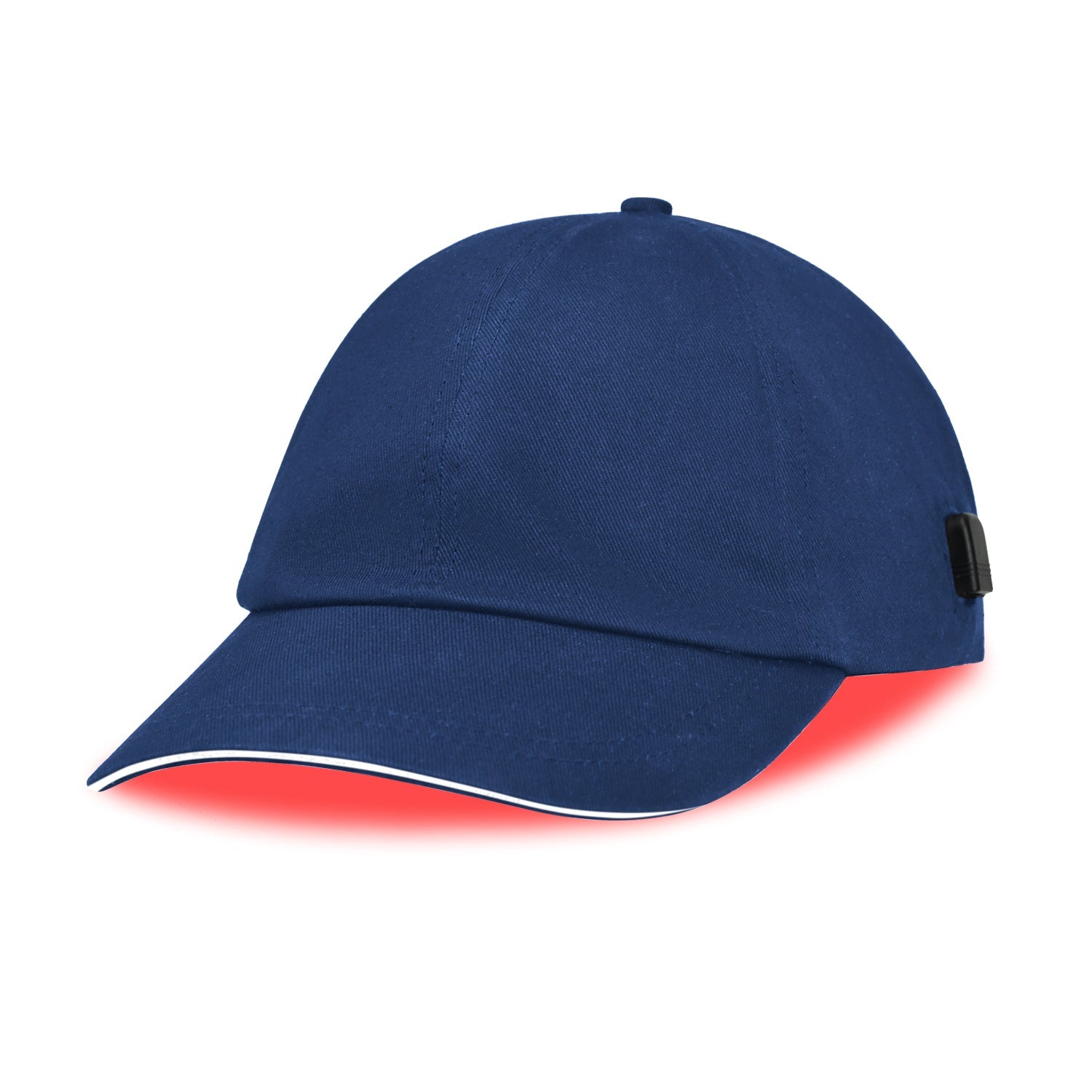
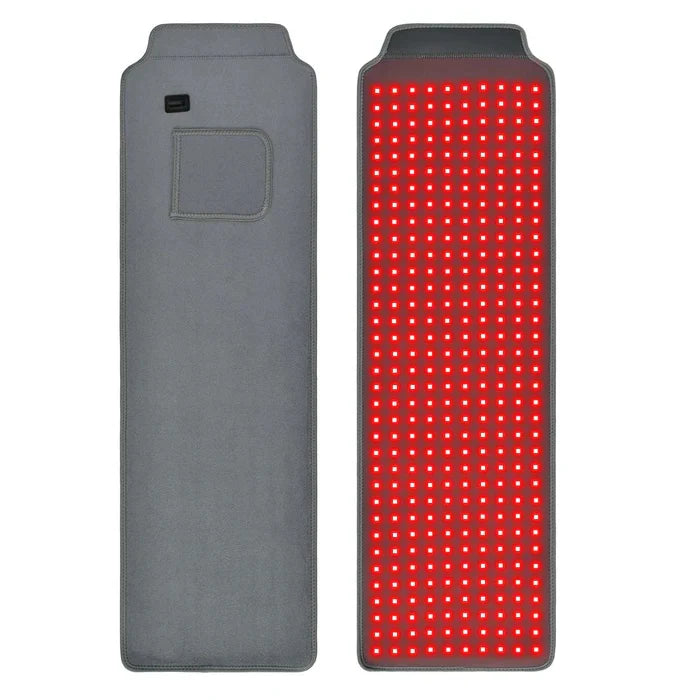
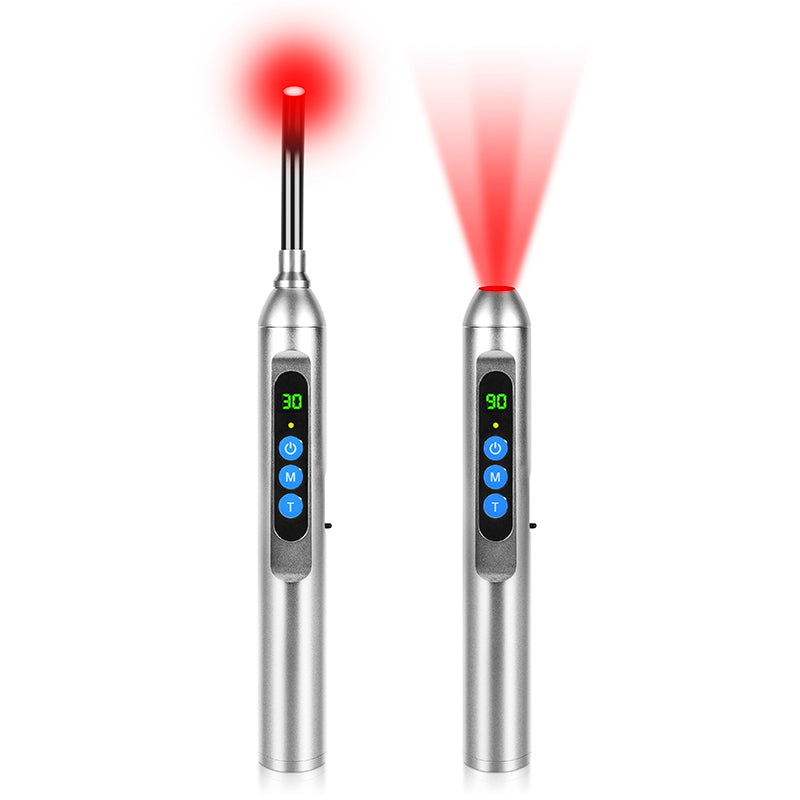
Second, LED panels versus lasers versus pads. Lasers produce coherent, focused beams and have historically dominated early research. LEDs create non‑coherent light over a broader area and are easier to scale into panels, wraps, and pads. A large preclinical and clinical body of work now uses both, and a major pain‑control review notes that properly dosed LED‑based photobiomodulation can match low‑level lasers in musculoskeletal conditions. LED pads that contour around knees or shoulders, for example, are increasingly common and are cleared by the Food and Drug Administration for temporary relief of arthritis‑related pain and stiffness.
Third, clinic versus home devices. Dermatology offices and some pain clinics use higher‑output, well‑calibrated systems. Consumer panels and wearables are often less powerful. Cleveland Clinic and WebMD both emphasize that this makes home devices generally safe but also slower‑acting and more variable in their results. You exchange clinical precision for convenience and cost savings.
From a biohacker’s standpoint, the most honest way to describe red light therapy for joints is this: it is light‑driven cell modulation, not “burning” or “heating” your arthritis away. If you understand what that modulation does, you can start to see where it may help.

How Red And Near‑Infrared Light Interact With Arthritic Joints
Mitochondria, Cytokines, And The Inflammation Switch
Across a comprehensive arthritis review and several mechanistic papers, the core story is consistent. Red and near‑infrared photons are absorbed by a key mitochondrial enzyme called cytochrome c oxidase. That absorption nudges the electron transport chain, increasing adenosine triphosphate production and modulating reactive oxygen species. In plain language, local cells get more energy and a controlled oxidative “signal” that can flip genes and messenger molecules in a more anti‑inflammatory direction.
In rheumatoid and osteoarthritis models, photobiomodulation has repeatedly downregulated classic pro‑inflammatory cytokines such as tumor necrosis factor alpha, interleukin‑1 beta, and interleukin‑6. At the same time, it can increase anti‑inflammatory and regulatory factors like transforming growth factor beta. Studies show reductions in cyclooxygenase‑2 and prostaglandin E2, enzymes and mediators that NSAIDs also target, but here the trigger is light rather than a pill.
This immunomodulation is not abstract. In rodent arthritis models, properly dosed light over affected joints reduces visible synovial inflammation, swelling, and inflammatory cell infiltration. In some clinical cohorts, similar cytokine shifts appear in blood samples after series of treatments, along with improved pain scores and functional measures like walking distance or joint range of motion.
When I look at that mechanism, what I see is not “light as a drug,” but light as a way to bump a dysregulated joint environment away from a chronic fire toward a more controlled simmer.
Cartilage And Bone: Protection Versus Regeneration
The harder question is whether red light can actually preserve or restore cartilage. Preclinical research is surprisingly encouraging here, but we need to be careful not to leap from mice to miracle cures.
In cell culture experiments, cartilage cells stimulated with inflammatory molecules like tumor necrosis factor alpha rapidly ramp up destructive enzymes such as MMP‑3 and MMP‑13 that chew through collagen and aggrecan, the main components of healthy cartilage matrix. When those chondrocytes are exposed to properly chosen LED light parameters, several studies report a dual effect: catabolic enzymes drop, while genes for type II collagen and aggrecan climb.
One mouse model of early knee osteoarthritis used surgical destabilization of the medial meniscus to trigger cartilage breakdown. When joints were treated three times per week for six weeks with a 940 nanometer LED at an energy density around 52 joules per square centimeter, weight‑bearing symmetry improved by roughly a third, and histologic scoring showed about half the cartilage damage of untreated osteoarthritic controls. Cartilage samples from treated knees had less MMP‑3 protein and more collagen II, consistent with a chondroprotective effect.
A broader systematic review of rodent and rabbit knee osteoarthritis studies found similar patterns. Across many protocols using red and near‑infrared light at doses of roughly 2 to 50 joules per square centimeter, cartilage often looked smoother and more organized, with higher proteoglycan and type II collagen content and lower matrix‑degrading enzymes.
Bone cells also respond to photobiomodulation in ways that matter for arthritic joints and post‑surgical recovery. Reviews of bone healing models show that red and near‑infrared light can increase osteoblast proliferation, alkaline phosphatase activity, and mineralization at carefully chosen doses, while excessive doses tip into inhibitory or even cytotoxic territory. In extracted tooth and calvarial bone models, near‑infrared LED or laser treatments accelerated new bone formation and improved microarchitecture.
Taken together, the preclinical data suggest that light cannot rebuild a fully destroyed joint, but it may help preserve cartilage and bone in earlier‑stage osteoarthritis by rebalancing the catabolic versus anabolic activity of joint cells.
Pain Signaling, Nerves, And Fast Relief
Pain relief often shows up faster than structural change, which is why many people report feeling better after just a handful of sessions.
A large review on photobiomodulation for musculoskeletal pain describes several nerve‑level mechanisms. Near‑infrared light around 900 nanometers interacts strongly with lipid membranes, altering sodium and potassium flux and stabilizing the sodium‑potassium pump on sensory nerve fibers. That can dampen nociceptive action potentials in the C and A‑delta fibers that signal pain, sometimes within 10 to 20 minutes of an adequate dose.
At the same time, red and near‑infrared light reduce local prostaglandin E2 and inflammatory cytokines, relieve muscle spasm by blocking acetylcholine in overactive muscle, and improve microcirculation. Multiple randomized trials in non‑specific knee pain, knee osteoarthritis, low back pain, postoperative hip surgery, and fibromyalgia show statistically significant reductions in pain scores versus placebo when evidence‑based doses are used, often with reductions in analgesic medication use.
In my own practice, this dual timescale is important. You can feel analgesia and range‑of‑motion changes within a week or two, especially if your baseline inflammation is high. Deeper structural support is more of an eight‑week and beyond project and will always depend on movement, loading, and metabolic health, not just light alone.
What The Human Evidence Says For Arthritis And Knee Pain
Laboratory and animal studies are compelling, but the real question is what happens in actual people with arthritic knees, hips, and hands.
Clinical research in this space is still maturing. Cleveland Clinic and University Hospitals both describe red light therapy as an emerging therapy with promising but not definitive evidence across many indications, including joint pain. WebMD echoes this, noting that data for rheumatoid arthritis show modest improvements in pain and morning stiffness while evidence for osteoarthritis is more mixed.
Yet when you zoom in specifically on photobiomodulation for knee osteoarthritis and musculoskeletal pain, the signal becomes clearer.
A meta‑analysis that pooled 22 randomized controlled trials with over 1,000 participants found that properly dosed photobiomodulation, delivered alone or with exercise, significantly reduced knee osteoarthritis pain compared with placebo at the end of treatment and at follow‑up ranges from one to twelve weeks. The same review emphasized “properly dosed” for a reason. Trials that used subtherapeutic parameters, such as very low energy per treatment spot, often showed no advantage over sham treatment.
Another randomized trial in non‑specific knee pain across several clinics used a multi‑wavelength light protocol as an adjunct to physical therapy or chiropractic care. Over twelve sessions in four weeks, pain scores improved by roughly half, with about fifteen percent more improvement in the active light group than in placebo. Physical function also improved and benefits persisted at a thirty‑day follow‑up.
Clinic and wellness center reports, while not the same as blinded trials, line up with these results. Facilities using FDA‑cleared joint pads and panel systems often report that clients with osteoarthritis feel reduced stiffness and easier walking within three to five sessions when they stick to recommended schedules of ten to twenty minutes two or three times per week.
At the same time, not every study shows benefit. The large arthritis photobiomodulation review points out that inconsistent outcomes track closely with inconsistent parameters: wavelength, power density, energy per area, treatment frequency, and exact joint targeting. Light is not a “more is always better” intervention. It follows a biphasic dose response where too little does nothing and too much can blunt or reverse the benefit.
From a practical standpoint, the way I interpret the evidence is this. If your arthritis is very advanced, with significant structural damage and bone deformity, red light therapy is unlikely to make your X‑rays look dramatically different. It may still give meaningful symptom relief, but expectations should be modest. If your osteoarthritis is earlier stage and you combine well‑designed light protocols with strength training, weight management, and sensible loading, the odds of a worthwhile benefit go up significantly.
Devices, Dosing, And Parameters That Actually Matter
When you start shopping for devices, the options range from under‑powered beauty gadgets to serious medical pads and panels. Rather than chasing brand names, focus on a few core technical details that the research keeps pointing back to.
The first is wavelength. For joint work, both clinical experience and preclinical studies cluster around red light in the 630 to about 670 nanometer range and near‑infrared light in the 800 to 940 nanometer range. A detailed mouse study in early knee osteoarthritis found that a 940 nanometer LED at about 52 joules per square centimeter produced the strongest protection against cartilage matrix degradation and pain‑like behavior, outperforming 625, 810, and 1050 nanometer settings in that model. Pain‑control guidelines for human knee osteoarthritis recommend at least 4 joules per treatment point at 780 to 860 nanometers, or at least 1 joule per point at 904 nanometers, applied directly over the joint line and synovium.
The second is energy dose and treatment time. The animal systematic review suggests that doses around 10 to 20 joules per square centimeter often create a good balance between cartilage protection and inflammation reduction, while some higher doses around 50 can still be beneficial but must be carefully controlled. In clinical practice with commercial pads and panels, this typically translates into ten to twenty minute sessions per joint, delivered two or three times per week, with the light as close to the skin as device safety allows. Some providers and wellness centers recommend daily twenty‑minute sessions for about eight weeks in more stubborn arthritis.
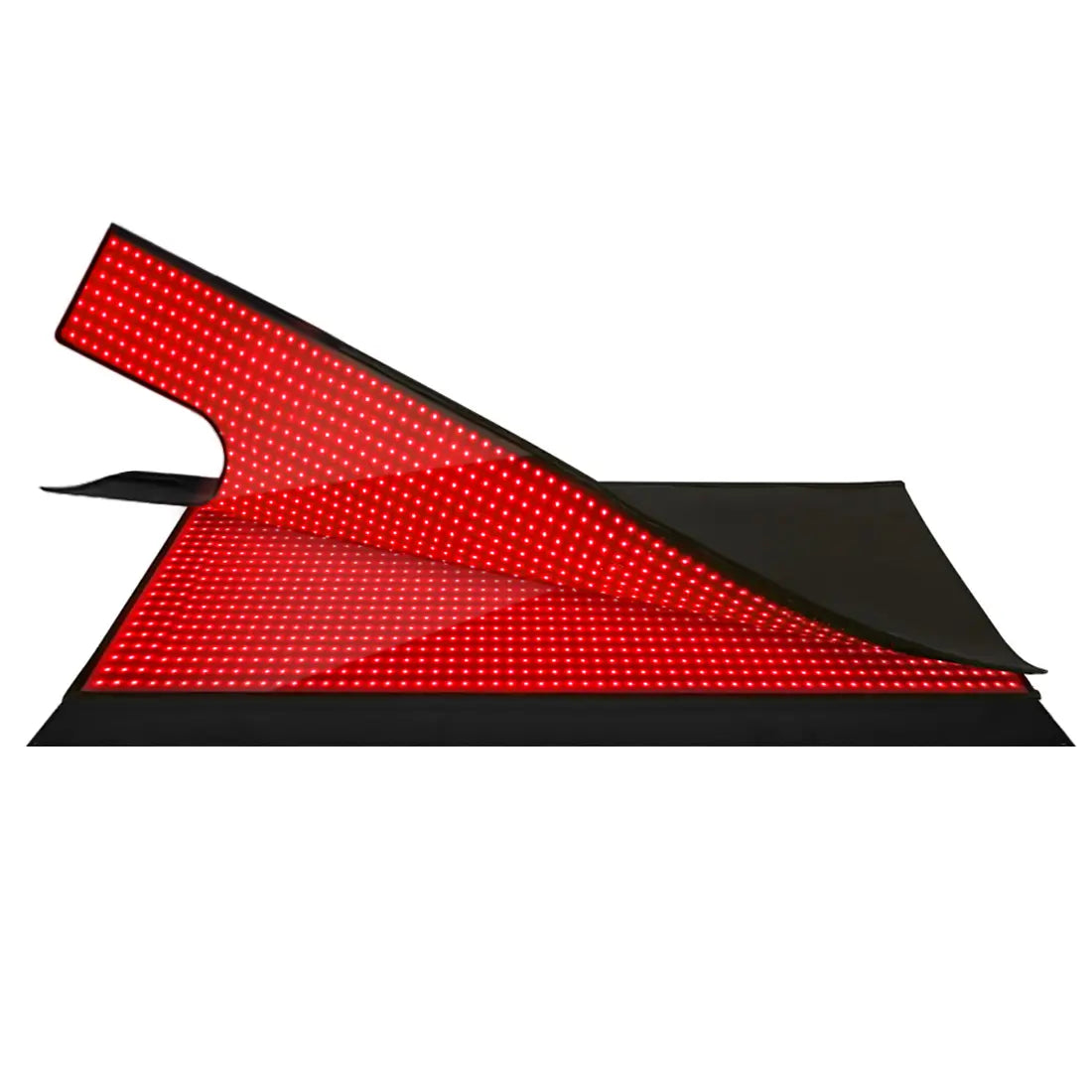
The third is coverage and ergonomics. For knee arthritis, devices that physically wrap or contour around the joint, such as flexible LED pads or purpose‑built knee systems, have a big advantage over flat panels. The closer and more perpendicular the LEDs are to the skin, the more consistent the dose through the entire joint region. Some knee‑specific systems combine near‑infrared lasers with red LEDs to reach both the articular cartilage and the capsule and tendons.
A simple way to visualize the tradeoffs is to compare common options.
Device type |
Typical strengths |
Typical limitations |
Clinic light pads |
Calibrated dosing, deep coverage, monitored by professionals, FDA clearances |
Per‑session cost, need to travel, rarely covered by insurance |
Home wrap or pad |
Good joint contact, convenient, can match research wavelengths and doses |
Upfront cost, requires user discipline and eye protection |
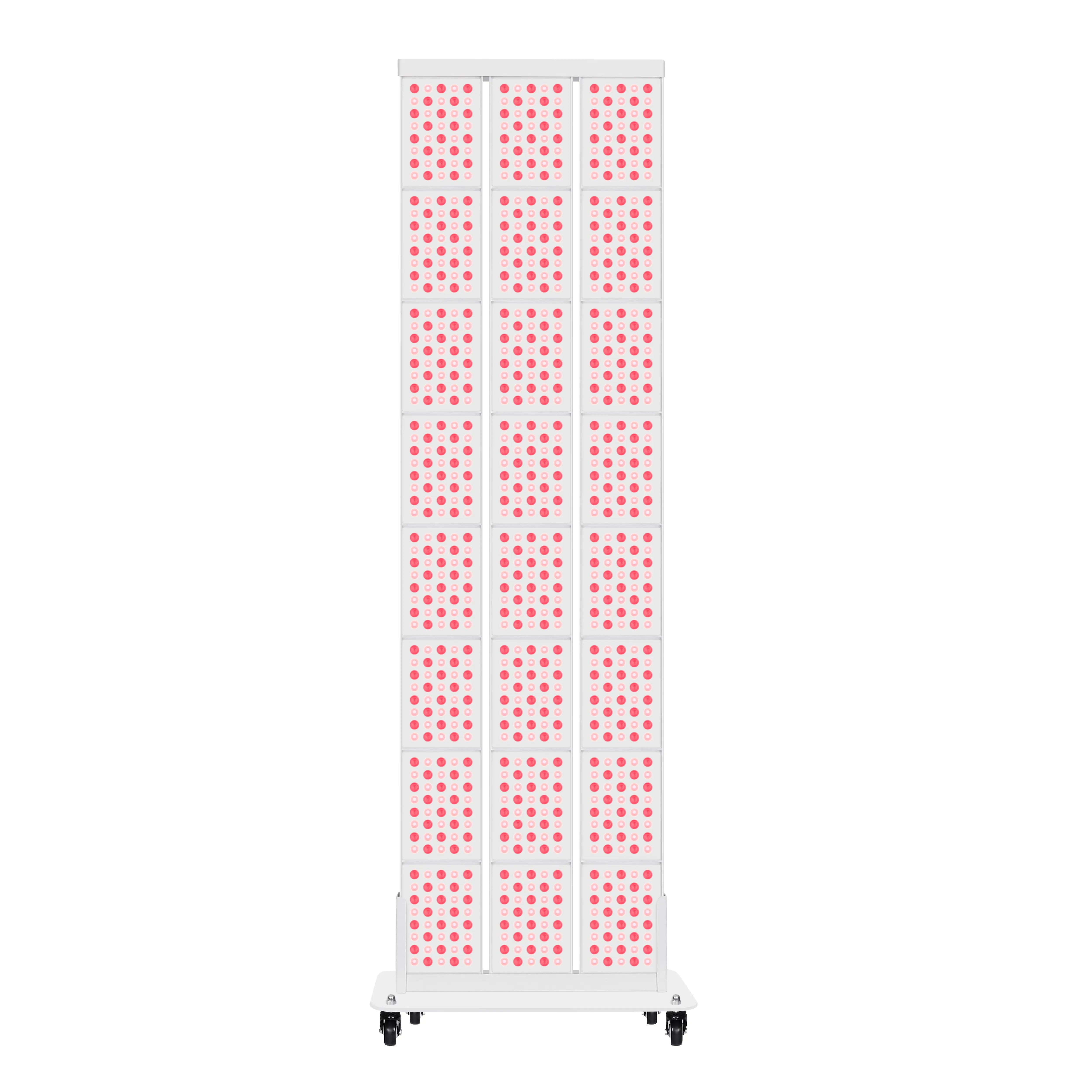
Large wall panel |
Excellent for full‑body wellness, muscle recovery, skin |
Harder to target deep joints precisely, awkward for knees without extra positioning |
Beauty‑only devices |
Affordable, easy entry |
Often under‑powered for deep joint or cartilage work |
To put cost in perspective, WebMD notes that red light sessions at clinics or spas often run around $80 or more per visit. If you did twice weekly sessions for eight weeks, that could add up to roughly $1,280 before any maintenance visits. A mid‑range home wrap or pad designed for joints may cost several hundred dollars up front. If you are the kind of person who will actually use it consistently, the math quickly favors owning your primary device and supplementing with occasional clinic sessions when you want calibrated protocols.
Building A Smart Arthritis Light Protocol At Home
Here is how I would walk a friend through setting up a red light therapy plan for, say, moderate knee osteoarthritis, assuming they have cleared it with their physician or rheumatologist.
The starting point is an honest baseline. Over a week, track your average knee pain on a simple zero‑to‑ten scale at rest and after activity, your morning stiffness duration, and key functions like how far you can comfortably walk or how many stairs you can manage without stopping. These numbers will become your scoreboard.
Next, select or confirm a device that hits the basics. Look for red and near‑infrared wavelengths in the 630 to 850 or 940 nanometer range, a manufacturer that discloses power and energy dosing, and a design that lets you get the LEDs within a few inches of the joint. If you can find confirmation that the device is FDA‑cleared for temporary relief of arthritis‑related pain or musculoskeletal aches, even better. Shield your eyes with goggles or wraparound sunglasses during every session, especially with bright panels or near‑infrared lasers.
For the first two weeks, aim for ten to fifteen minutes per knee, three times per week, with the device positioned directly over the joint line and front of the knee. If your system allows, add a second position behind the knee for another ten minutes, especially in larger legs. Most individuals tolerate this schedule easily, and preclinical work suggests that three sessions per week is enough to start shifting inflammation markers.
During this ramp‑up, do not change everything else in your life at once. If you add a new supplement stack, start a vigorous exercise program, and launch light therapy in the same week, you will not know which lever did what. The exception is basic movement. Light without strengthening is a wasted opportunity. Simple low‑impact exercises such as walking, stationary biking, and basic hip and thigh strengthening should already be in place or gently added.
By weeks three and four, pay attention to trends rather than single days. If your average pain scores have dropped a point or more, morning stiffness is shorter, or daily steps creep upward without extra discomfort, you are probably on a good track. At this point, some people choose to increase to four or even five shorter sessions per week, especially if their device is lower powered, while keeping total weekly exposure similar.
If, after six to eight weeks of consistent use, your numbers look the same and you feel no difference in joint comfort or function, it is reasonable to either stop or adjust variables with professional guidance. Light is not obligated to work for every joint in every person, and sunk‑cost fallacy can be strong when you own a shiny device.
My personal bias is to integrate red light therapy as one piece of a broader “joint health protocol” that includes strength training, metabolic health, and weight management. When those foundations are in place, light becomes a way to nudge cell biology in your favor, rather than a futile attempt to shine your way out of a bad lifestyle.

Safety, Risks, And Who Should Think Twice
One of the reasons photobiomodulation has gained traction is its safety profile. Cleveland Clinic notes that red light therapy appears safe and largely free of side effects when used short‑term and as directed. University Hospitals and WebMD agree that serious medical risks are low, and that the primary risk for most people is financial: spending time and money without guaranteed benefit.
That said, there are real considerations.
Overuse and misuse can damage skin or eyes, especially with more powerful devices. Leaving a panel inches from your skin for far longer than recommended, or staring into bright LEDs without protection, is asking for trouble. Short‑term skin redness or dryness is occasionally reported; true burns are rare but possible with high‑intensity devices misapplied. Long‑term safety data over many years of daily whole‑body exposure are still limited.
Professional guidelines for photobiomodulation in pain control list a few clear contraindications. Active cancer in the treatment area is generally a no‑go, since stimulating cell activity in a tumor is not desirable. Known areas of infection should be avoided. Pregnant individuals are usually advised to avoid direct treatment over the abdomen or pelvis. Many consumer health sources add that anyone with a history of skin cancer, serious eye disease, or who uses medications that increase light sensitivity should talk with their doctor first.
Another non‑trivial risk is false confidence. Because red light therapy is non‑pharmaceutical and marketed as “natural,” it is easy to treat it like a magic eraser and ignore evidence‑backed interventions like disease‑modifying drugs for rheumatoid arthritis or structured strength training for osteoarthritis. Light should complement, not replace, treatments with strong outcome data unless your physician specifically guides that change.

Pros And Cons For The Serious Wellness Optimizer
If you are deciding whether to make red light therapy part of your arthritis game plan, it helps to see the tradeoffs side by side.
Aspect |
Upside for arthritis and joint pain |
Downside or limitation |
Mechanism |
Directly modulates inflammation, cartilage enzymes, nerve signaling, circulation |
Parameter‑sensitive; wrong dose or wavelength can mean little or no benefit |
Symptom relief |
Often reduces pain and stiffness, can improve range of motion and function |
Not universal; some trials show minimal difference versus placebo |
Structure support |
Preclinical data show cartilage and bone protection in early osteoarthritis |
Human structural regeneration evidence is limited; cannot reverse advanced destruction |
Safety |
Noninvasive, drug‑free, generally low side‑effect profile |
Eye protection required; long‑term whole‑body exposure data still emerging |
Practicality |
Home devices allow consistent, flexible treatment schedules |
Requires discipline; quality devices are a meaningful investment |
Compared with NSAIDs and corticosteroid injections, red light therapy trades off fast, reliable symptom suppression for a slower, potentially more foundational effect with far fewer systemic side effects. Compared with surgery, it offers a way to possibly delay or avoid invasive procedures, especially in early‑stage disease, but will not correct mechanical issues like severe ligament tears or bone deformities.
For many of my fellow “light geeks,” the realistic goal is not miracle cartilage regrowth. It is stacking the deck. If you can shave a point or two off your pain scale, reclaim a few thousand extra steps per day, and keep your favorite activities going several more years before needing more aggressive interventions, that is a big win.
FAQ: Red Light Therapy For Arthritic Joints
Is red light therapy a cure for osteoarthritis or rheumatoid arthritis? No. Major medical organizations are clear that neither osteoarthritis nor rheumatoid arthritis currently has a cure. Photobiomodulation should be viewed as an adjunct that can reduce pain, stiffness, and inflammatory signaling, and possibly protect joint structures in earlier stages. It does not replace disease‑modifying drugs for autoimmune arthritis or the need for mechanical correction when joints are structurally destroyed.
How long does it usually take to notice a difference? This is highly individual, but patterns from clinical reports are fairly consistent. Some people feel pain relief or looser movement within a few sessions, especially when inflammation is pronounced. Many wellness centers that use LED panels and pads report noticeable improvements within three to five sessions and more substantial change over two to eight weeks of consistent use. If nothing has shifted after six to eight weeks of disciplined, appropriately dosed treatment, the likelihood of a dramatic late benefit is lower.
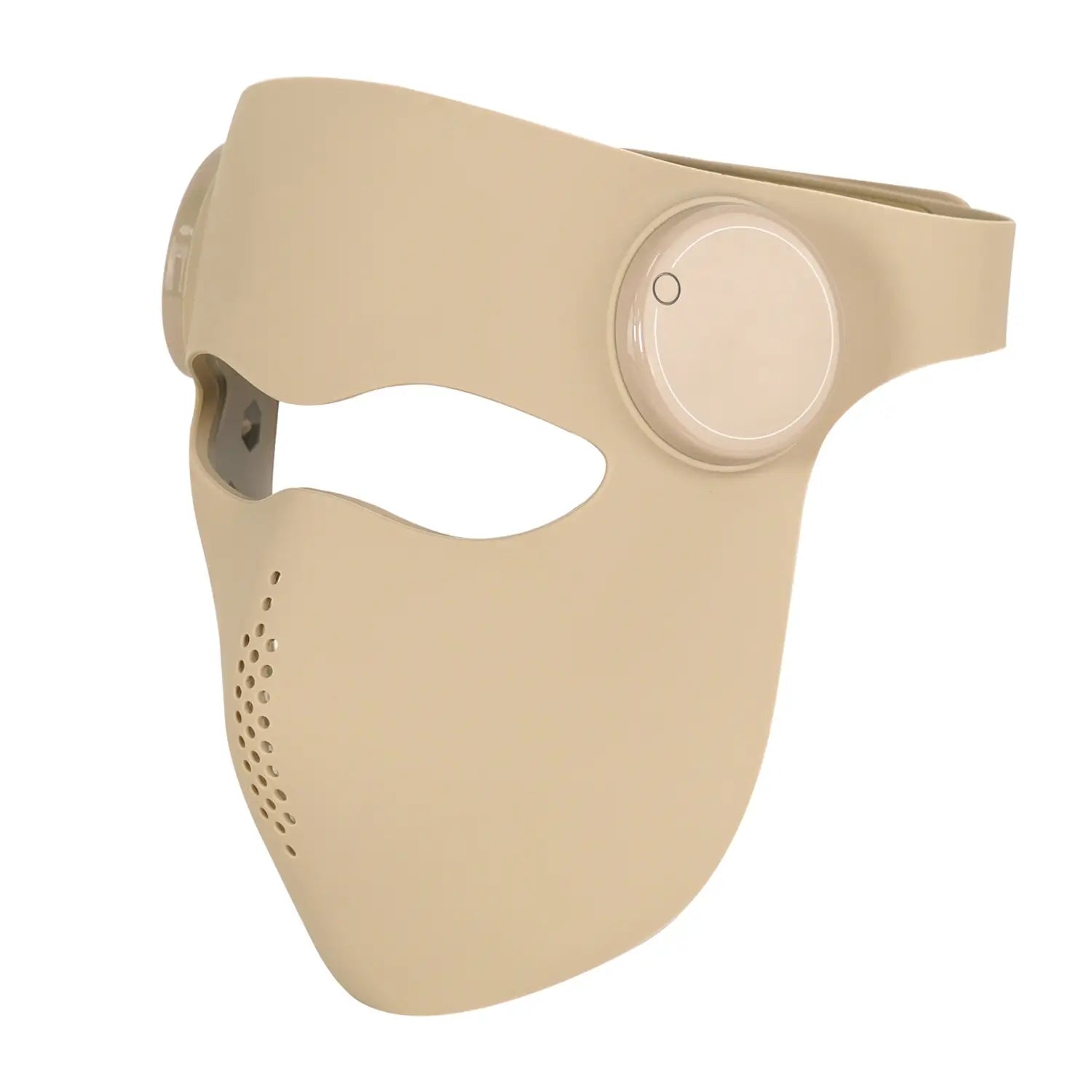
Can I just buy a cheap beauty mask and use it on my knees? You can, but expectations should be adjusted. Beauty‑oriented devices are usually optimized for superficial skin work with modest power output and may not deliver enough near‑infrared energy to meaningfully affect deep joint tissues. For arthritic knees, devices that combine red and near‑infrared light, disclose power and energy dosing, and physically wrap around the joint are far more aligned with the parameters used in musculoskeletal studies. Even then, there are no guarantees; you are buying an evidence‑informed tool, not a guaranteed outcome.
Stepping back, here is how I see it after years of obsessing over light and joints. Red and near‑infrared therapy will not make you bionic, but when you respect the science, aim for evidence‑based doses, protect your eyes, and pair sessions with smart movement and metabolic health, light becomes a powerful ally. Arthritic joints may always have a story to tell, but with the right photons at the right dose, that story does not have to end in a chair.
References
- https://www.academia.edu/24826821/Photodynamic_treatment_has_chondroprotective_effects_on_articular_cartilage
- https://open.clemson.edu/cgi/viewcontent.cgi?article=4564&context=all_dissertations
- https://dukespace.lib.duke.edu/bitstreams/cbfe03c3-d456-41d4-83b1-f933ff9574da/download
- https://ui.adsabs.harvard.edu/link_gateway/2022Photo...9..618S/PUB_HTML
- https://scholarworks.indianapolis.iu.edu/bitstreams/4f9ec751-5dd6-4bc3-81a1-edcf3503359a/download
- https://pmc.ncbi.nlm.nih.gov/articles/PMC10531845/
- https://hammer.purdue.edu/ndownloader/files/38465855
- https://scholarshare.temple.edu/bitstreams/9a86e080-b9c0-4660-9ecc-3c5f71777410/download
- https://dspace.mit.edu/bitstream/handle/1721.1/153473/black-rblack-phd-be-2022-thesis%20copy.pdf?sequence=1&isAllowed=y
- https://www.mona.uwi.edu/fms/wimj/system/files/article_pdfs/wimj-iss1-2021_21_25.pdf