
If you write code for a living, your retina is doing heavy lifting that would make a data center jealous. Long stretches of deep focus, multiple monitors, dark mode, late-night pushes before a release – it is the perfect recipe for digital eye strain. Over the last decade I have experimented with red light therapy panels, targeted periocular devices, and clinic-grade setups with programmers and other screen-heavy professionals. Used wisely, red light can become a powerful adjunct for eye comfort and long-term visual resilience, but only if you understand both the evidence and its limits.
This article walks through what digital eye strain actually is, how red light therapy might help, what the science really says, and how a cautious, programmer-friendly protocol could look in the real world.
Why Programmers Get Digital Eye Strain
Digital eye strain – often called computer vision syndrome – is not “in your head.” It is a well-described cluster of ocular, visual, and even neck–back symptoms that show up when you use screens for prolonged periods. A comprehensive review in a medical journal describes digital eye strain as discomfort and vision-related issues caused by extended use of desktops, laptops, tablets, e-readers, and cell phones. A large survey of more than 10,000 adults in the United States found that about sixty-five percent reported symptoms; during the pandemic, prevalence in children alone climbed to roughly fifty to sixty percent.
For programmers, several mechanisms gang up on your eyes at the same time. When you stare at code, your blink rate drops from a typical eighteen to twenty-two blinks per minute down to roughly four to seven. That is a huge change in how often your eyelids refresh and spread tears across the eye surface. The tear film destabilizes, producing dryness, burning, and that sandy, gritty feeling at the end of the day.
At the same time, your ciliary muscles – the focusing system that keeps your near vision locked onto the screen – are working continuously. Prolonged near work can trigger accommodative and vergence symptoms such as blurred distance vision after coding, trouble refocusing when you look up, or even double vision in susceptible people. Add in poor posture, monitors that are too high or too close, and you now have extraocular symptoms: headaches, neck and shoulder pain, and fatigue.
Researchers have shown that even two hours of continuous device use is enough to trigger digital eye strain in many users. For programmers and remote workers routinely logging six to twelve hours of screen time, symptoms are not a surprise – they are almost guaranteed unless you are actively managing them.
Traditional fixes focus on ergonomics and behavior. That includes dialing in screen distance and angle, following the 20–20–20 rule (every twenty minutes, look at something about twenty feet away for twenty seconds), increasing blink frequency, and limiting discretionary screen time. These fundamentals still matter. Red light therapy is not a substitute for them; it is a potential layer on top.

What Red Light Therapy Actually Is
Red light therapy, often referred to as photobiomodulation, uses low levels of red and near-infrared light to nudge biological processes rather than burn or cut tissue. The Cleveland Clinic notes that these devices use red or near-infrared wavelengths to act on mitochondria – the “power plants” inside your cells – increasing energy production so cells can repair, grow, and modulate inflammation. Unlike ultraviolet light, which can damage DNA, these longer wavelengths are non-ionizing and non-thermal at the doses used for therapy.
Historically, red light moved from NASA plant research to dermatology. Stanford dermatology experts point out that it has strong evidence for two main skin applications: supporting hair regrowth in thinning areas and producing modest wrinkle reduction through collagen stimulation. Clinics use panels, masks, and laser arrays for skin rejuvenation, while at-home devices offer weaker outputs with more modest, variable results.
In the eye space, red light therapy remains an emerging frontier. Several eye-focused clinics and companies describe using deep red light around six hundred thirty to six hundred seventy nanometers, and sometimes near-infrared light in the mid-eight hundred range, to support retinal and ocular surface health. Mechanistically, the story is similar: these wavelengths appear to stimulate mitochondrial function, increase adenosine triphosphate (ATP) production, widen blood vessels, and calm inflammatory pathways.
The retina is particularly interesting from a bioenergetic perspective. The American Academy of Ophthalmology highlights research showing that the retina has more mitochondria than any other tissue in the body, and that age-related vision decline may be driven in part by mitochondrial dysfunction. Short-wavelength blue light tends to decrease mitochondrial energy output, while longer deep red wavelengths around six hundred seventy nanometers appear to improve it in experimental settings.
The key idea is simple but powerful: by gently “recharging” tired retinal and ocular surface cells and improving local circulation, red light might support recovery from the oxidative stress and muscular workload that come with long days of coding.

How Red Light Might Help Tired Programmer Eyes
The research is still evolving, but several plausible mechanisms connect red light therapy with relief of programmer-style eye fatigue.
Mitochondria, ATP, and the Retina
Several groups, including researchers publishing in The Journals of Gerontology and Nature’s Scientific Reports, have tested short exposures of deep red light around six hundred seventy nanometers on aging human retinas. In one study, adults over forty stared at a specific red light source for about three minutes each morning over a week. Color contrast sensitivity, a practical measure of retinal performance, improved by up to about twenty percent, particularly in people older than forty. In another trial described by the American Academy of Ophthalmology, a single three-minute exposure improved color contrast by an average of seventeen percent on the blue–yellow axis and twelve percent on the red–green axis, with the effect persisting for about a week, but only when the exposure happened in the morning.
The proposed mechanism is mitochondrial. Deep red light is thought to improve the efficiency of mitochondrial pumps, increasing ATP output in cones and other retinal cells. Separate reviews on digital eye strain point out that the retina may lose up to about seventy percent of its ATP production capacity over a lifetime. If red light can temporarily nudge that back up, it makes sense that visual performance and resilience could improve, at least transiently.
For programmers, that translates into a potential buffer against low-light contrast issues, subtle color-perception fatigue, and that feeling that your vision “fades” over the course of a long day. However, these studies are small and experimental, with carefully controlled wavelengths and dosages. They are promising signals, not definitive cures.
Inflammation, Tear Film, and Dry Eye
Digital eye strain is tightly linked to dry eye, especially when decreased blinking leads to tear film instability. Several articles reviewed by ophthalmology outlets describe using red or near-infrared light over closed eyelids or around the eyelids in people with Meibomian gland dysfunction – a common dry eye driver where the oily layer of the tear film is compromised.
One clinical trial in patients with Meibomian gland dysfunction used a device that applied red light over the lids for about three minutes at least twice a week over three months. Around ninety percent of participants reported relief from symptoms such as burning and grittiness, and objective measures like tear break-up time improved. Eye care clinics that offer low-level light therapy for dry eye emphasize that the anti-inflammatory and circulation-enhancing effects seem to help unblock glands, improve tear quality, and reduce ocular surface inflammation.
For programmers battling end-of-day dryness, this is highly relevant. Some wellness technology companies also cite a 2022 randomized trial in digital screen users (PMCID: PMC8897458) where low-level light therapy reduced subjective eye strain, stabilized the tear film, and decreased ocular surface inflammation. While details differ among devices, the general pattern is that carefully dosed, periocular red light can make the ocular surface more resilient.
Muscle Fatigue and Focusing Strain
When you focus on near screens for hours, the ciliary muscle that adjusts your lens is essentially holding an isometric contraction. Anecdotally, many programmers describe this as a tight, pressure-like sensation deep in the orbit. Some red light therapy practitioners have proposed that by improving local circulation and modulating inflammation in and around the orbit – particularly the temples, forehead, and upper cheekbones – red and near-infrared light can relax periorbital muscles and indirectly ease that focusing strain.
Articles aimed at students and remote workers describe devices that target these periocular zones rather than shining directly into the eyes. Users often report relief of pressure around the eyes, fewer tension headaches, and an easier time refocusing after breaks. The exact muscle-level mechanisms are less well-studied than retinal effects, but from a systems perspective it is plausible: if you improve blood flow and lower inflammatory mediators in the muscles that support your visual system, they fatigue more slowly.
Sleep, Circadian Rhythm, and Blue Light
Blue light around four hundred fifty nanometers is a double-edged sword. During the day it helps maintain alertness and mood, but at night it suppresses melatonin and shifts the circadian rhythm in an unhelpful direction. Screen-heavy professionals often front-load their day with blue-rich monitors and then continue into the evening, which can fragment sleep.
Several wellness and medical sources note that red light, especially when used in the evening in a dark room, does not suppress melatonin and may even support its production. Clinic-based guidance for eye-focused red light often recommends using sessions about one hour before bedtime in a dark environment. In practice, when I have programmers swap harsh overhead lighting for warmer, red-enriched light in the last hour of work, many report deeper sleep and better morning visual stamina. While this may be partly behavioral – less late-night stimulation in general – aligning evening light with the body’s circadian biology is consistent with the evidence.
Better sleep is not a trivial side benefit. Digital eye strain research repeatedly emphasizes that systemic fatigue and overall body tension amplify visual symptoms. Reducing that load can make your eyes more resilient the next day.

What The Science Actually Shows So Far
To keep expectations realistic, it helps to look at the main evidence clusters, not just marketing promises.
Short Deep-Red Exposures in Aging Eyes
The most widely cited experiments for retinal red light involve deep red light around six hundred seventy nanometers in older adults. Studies reported in The Journals of Gerontology and summarized by the American Academy of Ophthalmology and All About Vision show that:
- A single three-minute exposure of deep red light to one eye can measurably improve color contrast sensitivity for about a week in adults between thirty-eight and seventy years old, with gains of roughly twelve to seventeen percent in color contrast metrics.
- Repeated daily three-minute exposures over two weeks in adults over forty improved contrast sensitivity by up to around twenty percent, with less effect in younger participants.
- These benefits appear when exposures are delivered in the morning, not later in the day, hinting at a circadian or metabolic component.
These are controlled, carefully dosed laboratory studies using specific devices. They demonstrate that the aging retina is responsive to brief deep-red stimulation but do not tell us how often, how long, or how safely programmers should use consumer panels near their eyes. They also do not show that red light can fix refractive errors like myopia, or replace glasses.
Digital Eye Strain and Screen Users
For working-age coders, a more direct line of evidence comes from screen-user studies. The randomized trial referenced by several device makers (PMCID: PMC8897458) looked at people with screen-induced eye strain and used a low-level light therapy protocol. Participants reported lower subjective eye strain, and investigators saw better tear film stability and less ocular surface inflammation.
Other articles focused on remote workers and students describe similar patterns: when red or near-infrared devices are applied around the eyes and temples for a few minutes per session, several times per week, users report reduced fatigue, dryness, and focusing difficulty. These reports align with what I have seen in practice, but most data sets are small, and many devices are sold by the same companies promoting the studies.
Dry Eye and Meibomian Gland Dysfunction
For dry eye specifically, there is somewhat more structured data. Eye care publications describe a clinical trial in fifty-two patients with Meibomian gland dysfunction where an external device applied red-light-enhanced energy over closed eyelids for three minutes at least twice weekly for three months. Around ninety percent of participants reported symptom relief, and objective measures of tear quality improved.
Other small studies and case series show similar results, suggesting that red light can serve as an adjunctive treatment alongside traditional dry eye therapies like warm compresses, lid hygiene, and prescription drops. However, expert reviews emphasize that while early data are promising, the field still lacks large, long-term, randomized trials that could elevate these protocols to definitive standard of care.
Age-Related Eye Disease and Serious Pathology
A broader body of work, largely in small human cohorts and animal models, explores red and near-infrared light in conditions such as age-related macular degeneration, glaucoma, inherited retinal degeneration, optic nerve injury, and corneal wounds. Some studies suggest improved visual acuity, faster healing, reduced edema, or better survival of retinal cells.
For example, one five-year clinical study in older adults with macular degeneration reportedly found improvements in visual acuity and retinal swelling with red light therapy and no adverse effects. Animal studies show that wavelengths around six hundred seventy and eight hundred thirty nanometers can protect photoreceptors in models of retinal degeneration and reduce corneal damage in injury models.
These data support red light as a potentially valuable adjunct in specialist care for serious eye disease, but they do not justify self-medicating advanced conditions with consumer devices. Expert groups and institutions such as Cleveland Clinic and All About Vision consistently emphasize that red light therapy for eye health is experimental, that device safety and dosimetry are highly variable, and that people with existing eye disease or on light-sensitizing medications should be under the care of an ophthalmologist.

Pros and Cons for Programmers Considering Red Light Therapy
For someone living in front of a code editor, it helps to weigh tangible upsides against realistic downsides.
Potential Upsides
Red light therapy is non-invasive, does not involve pharmaceuticals, and at appropriate doses uses non-UV wavelengths with a favorable short-term safety record in dermatology and musculoskeletal medicine. For the eyes, preliminary trials and clinical practice reports suggest several possible benefits: reduced subjective eye fatigue in screen users, improved tear film metrics in some dry eye patients, and short-term enhancements in color contrast sensitivity in older adults after deep-red exposure.
Programmers often appreciate one more tool that fits into existing routines. A short morning red light session before diving into email, or an evening session to transition out of blue-light mode, can become a ritual that supports both eye comfort and overall recovery. Full-body or large-panel setups may also provide ancillary benefits for muscle recovery and mood, though evidence for systemic effects is more mixed.
From a systems-thinking perspective, anything that improves sleep quality, lowers low-grade inflammation, and enhances microcirculation will indirectly help your visual system tolerate the coding workload better.
Real Limitations and Risks
The first limitation is evidence quality. Outside of skin and hair, red light research is still dominated by small trials, heterogeneous protocols, and, in some cases, manufacturer-sponsored studies. Cleveland Clinic and academic reviews stress that many non-dermatologic uses lack robust, randomized, placebo-controlled human data. For eye applications, this caution is even more important because the retina and optic nerve are delicate.
Second, dosimetry is messy. Clinic devices are calibrated for wavelength, intensity, and duration. At-home panels vary enormously in actual power output, beam spread, and spectrum. As Stanford experts note in dermatology, even in clinic settings, cross-study comparisons are hard because parameters differ so much. More is not always better; high doses can negate benefits – a biphasic dose response.
Third, eye safety is not fully settled. At least one commercial LED mask has been recalled due to potential eye risks. Eye health institutions caution that misusing light-based devices can damage eyes, and at-home long-term ocular safety data are limited. Some sources explicitly advise against shining red light directly into the eyes with non-ocular devices, recommending treatment of the surrounding tissues instead. Others use carefully regulated eye-specific devices over closed lids in clinical settings. For a programmer using a general-purpose panel at home, it is wise to err on the conservative side.
Fourth, cost and expectations matter. Quality devices can run from under one hundred dollars for small wands into the hundreds or thousands for large panels or full-body beds. Benefits, when present, tend to be modest and require consistent use over time. Hospitals and universities emphasize that red light therapy is unlikely to reverse structural problems such as significant cataracts, advanced glaucoma, or ligament-like mechanical issues; it is best viewed as a supportive recovery modality, not a magic upgrade for your vision.
Finally, there are contraindications. People with photosensitive conditions, certain retinal diseases, severe dry eye, eye infections, or those using medications that increase light sensitivity should not experiment on their own. Best-practice guidelines from eye care professionals stress the importance of consulting an eye doctor before starting red light therapy for any eye-related goal.
How I Integrate Red Light Therapy into a Programmer-Friendly Routine
When I work with engineers, designers, and remote workers, I never start with gadgets. The foundation is always digital hygiene and ergonomics because the digital eye strain literature makes it very clear that these factors drive most of the problem.
Once screen habits and setups are tuned, red light can be layered on strategically.
Locking in Digital Hygiene First
The digital eye strain review literature converges on several pillars that belong in every programmer’s toolkit. Screen time should be clustered where possible, with discretionary use limited when you can afford it. The 20–20–20 habit is underrated: every twenty minutes, look at something about twenty feet away for roughly twenty seconds. It sounds trivial, but it gives the ciliary muscle a chance to relax and reduces accommodative fatigue.
Blink awareness is another surprisingly powerful practice. During intense debugging, consciously softening your gaze and allowing complete blinks helps restabilize the tear film. Adjusting monitor distance so that screens sit roughly at arm’s length, with the top of the screen slightly below eye level, reduces neck strain and encourages a more natural gaze angle. Reflections and glare should be minimized with appropriate lighting and, when needed, anti-reflective coatings on glasses.
Red light therapy is dramatically more effective layered onto this foundation rather than used in isolation.
Choosing the Right Kind of Red Light Device
Because the market is noisy, it helps to categorize devices by how they are used and what role they can realistically play for a programmer.
Device type |
Typical wavelengths and use |
Potential role for programmers |
Key cautions |
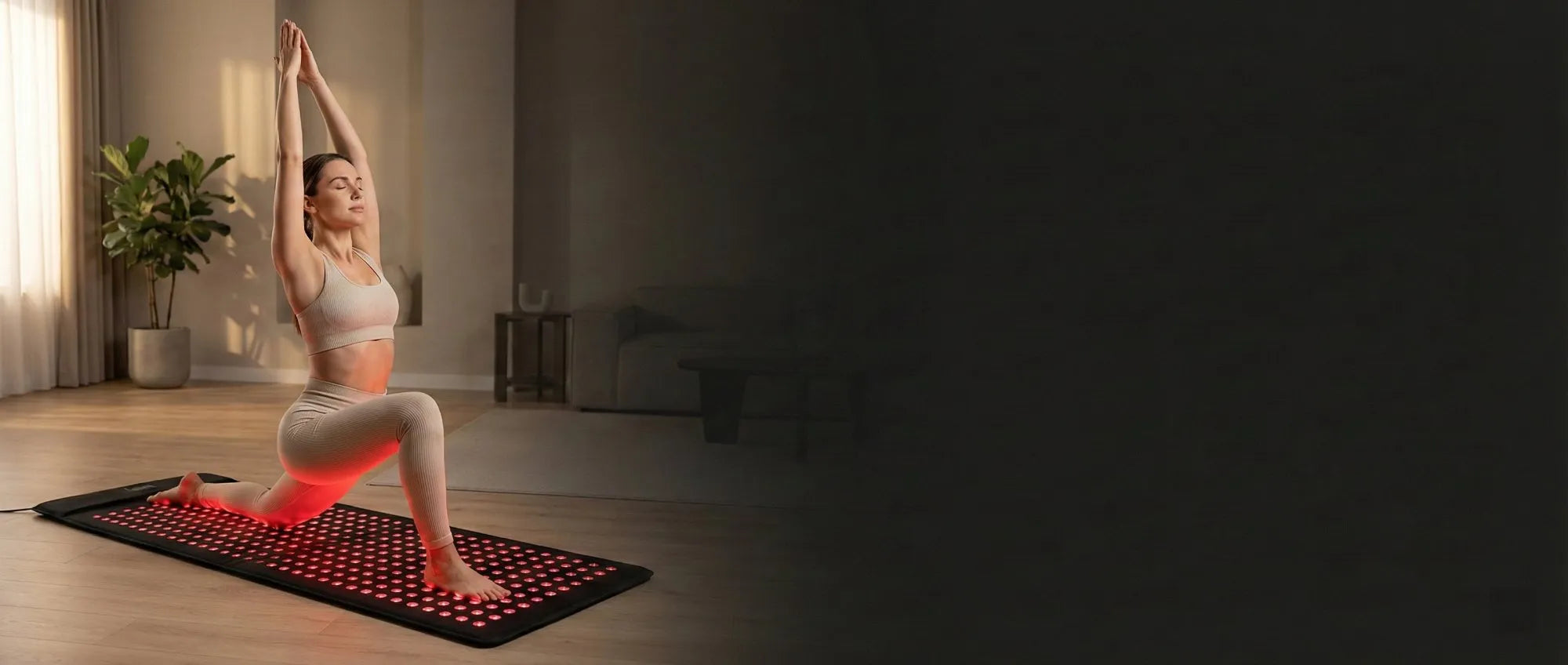
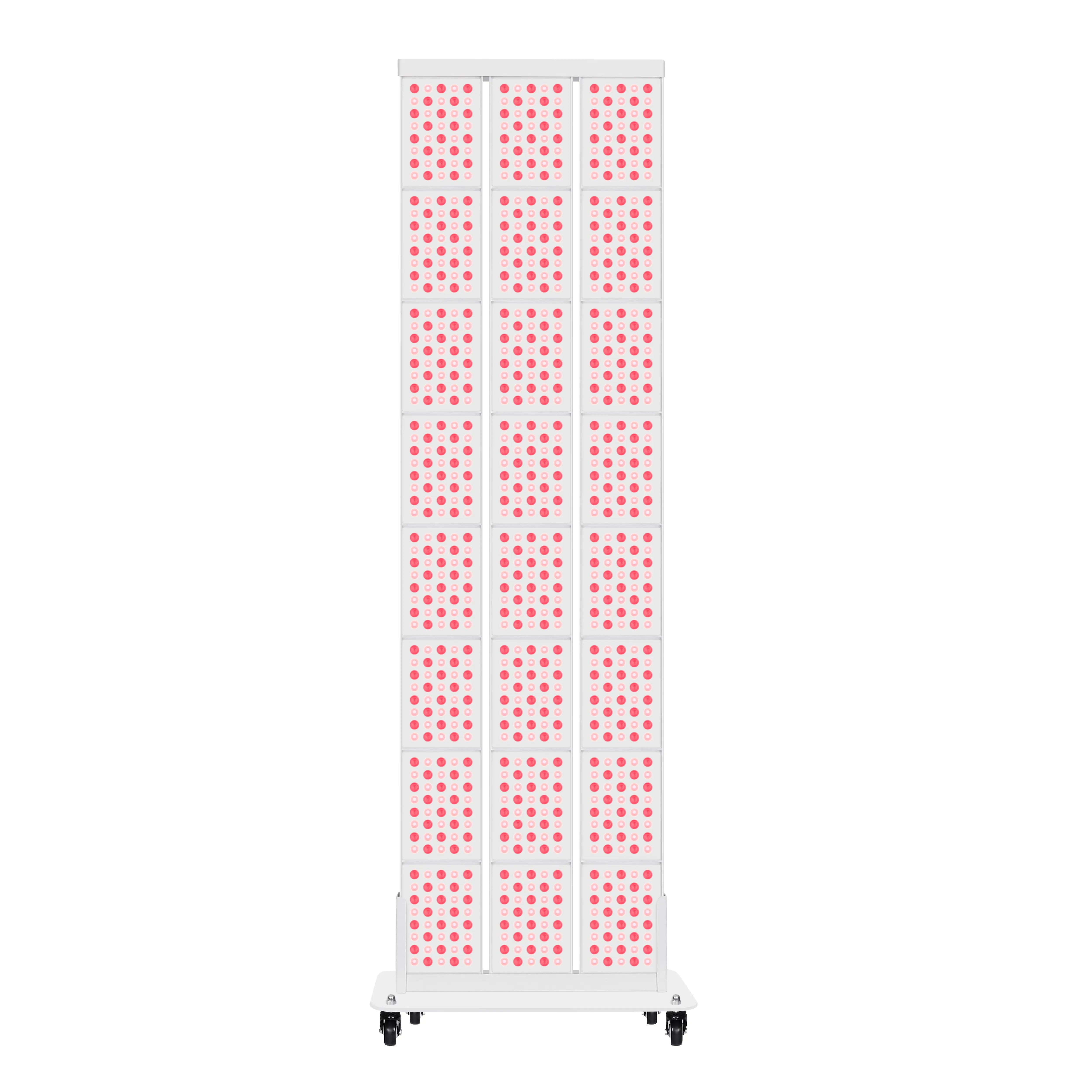
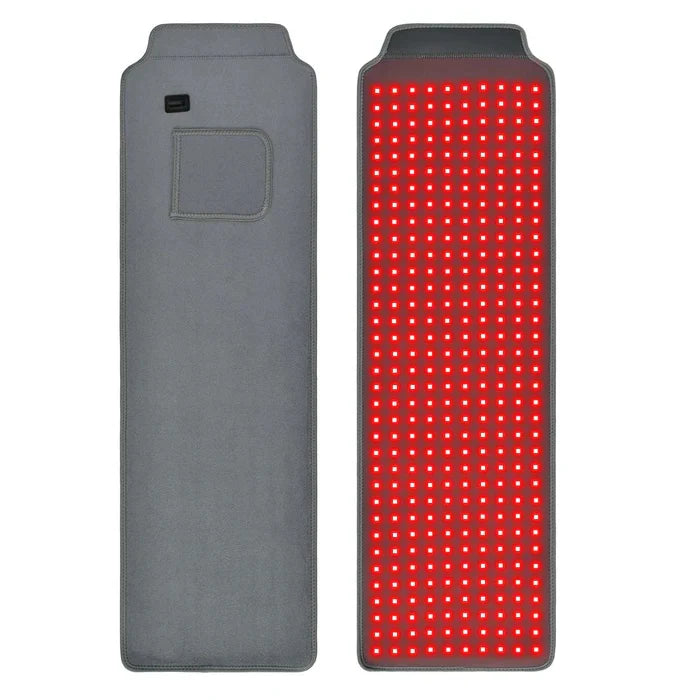
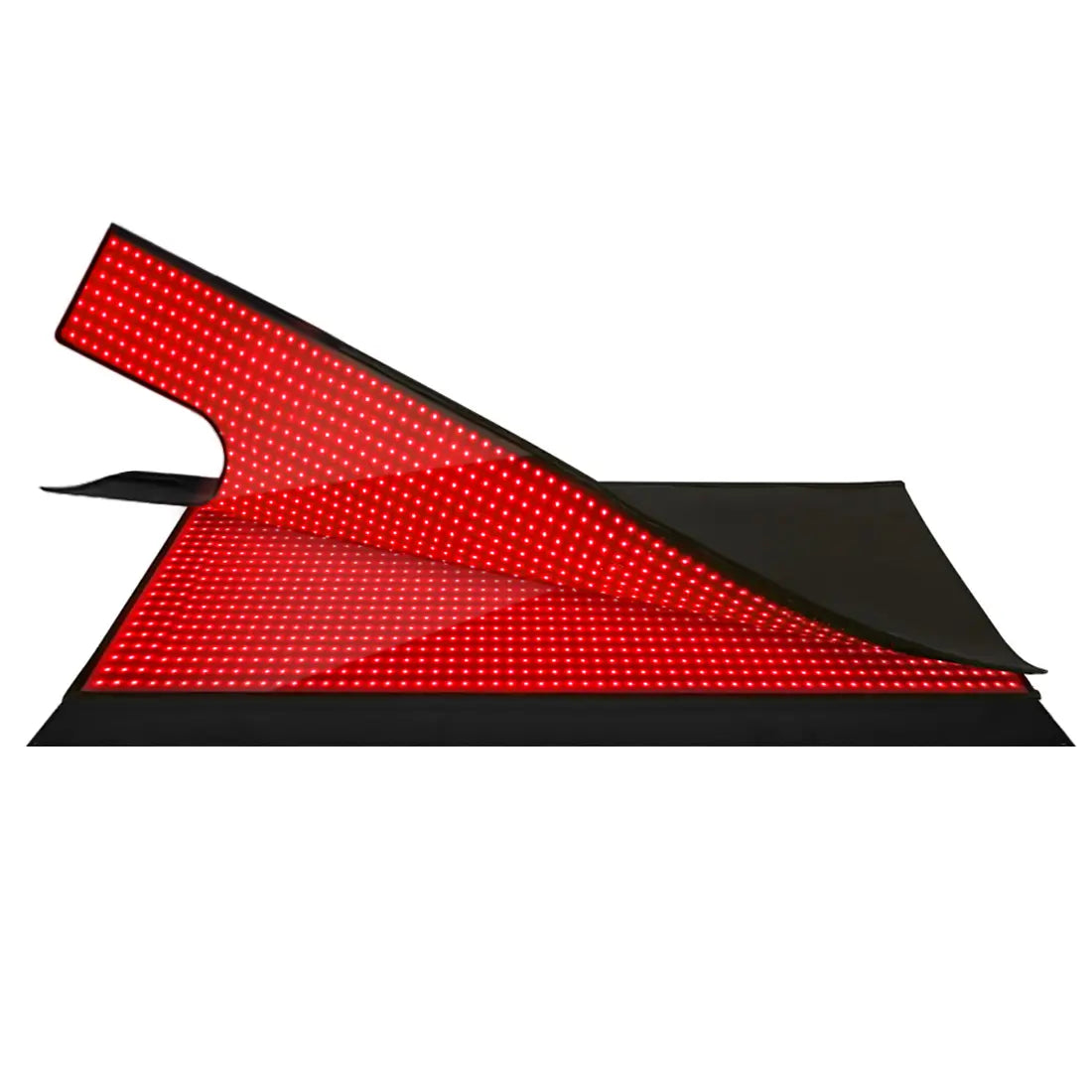
Full-body pod or large wall panel |
Mixed red and near-infrared LEDs, whole-body exposure for 10–20 minutes |
General recovery, mood, systemic inflammation support |
Not eye-specific; avoid staring directly at LEDs |
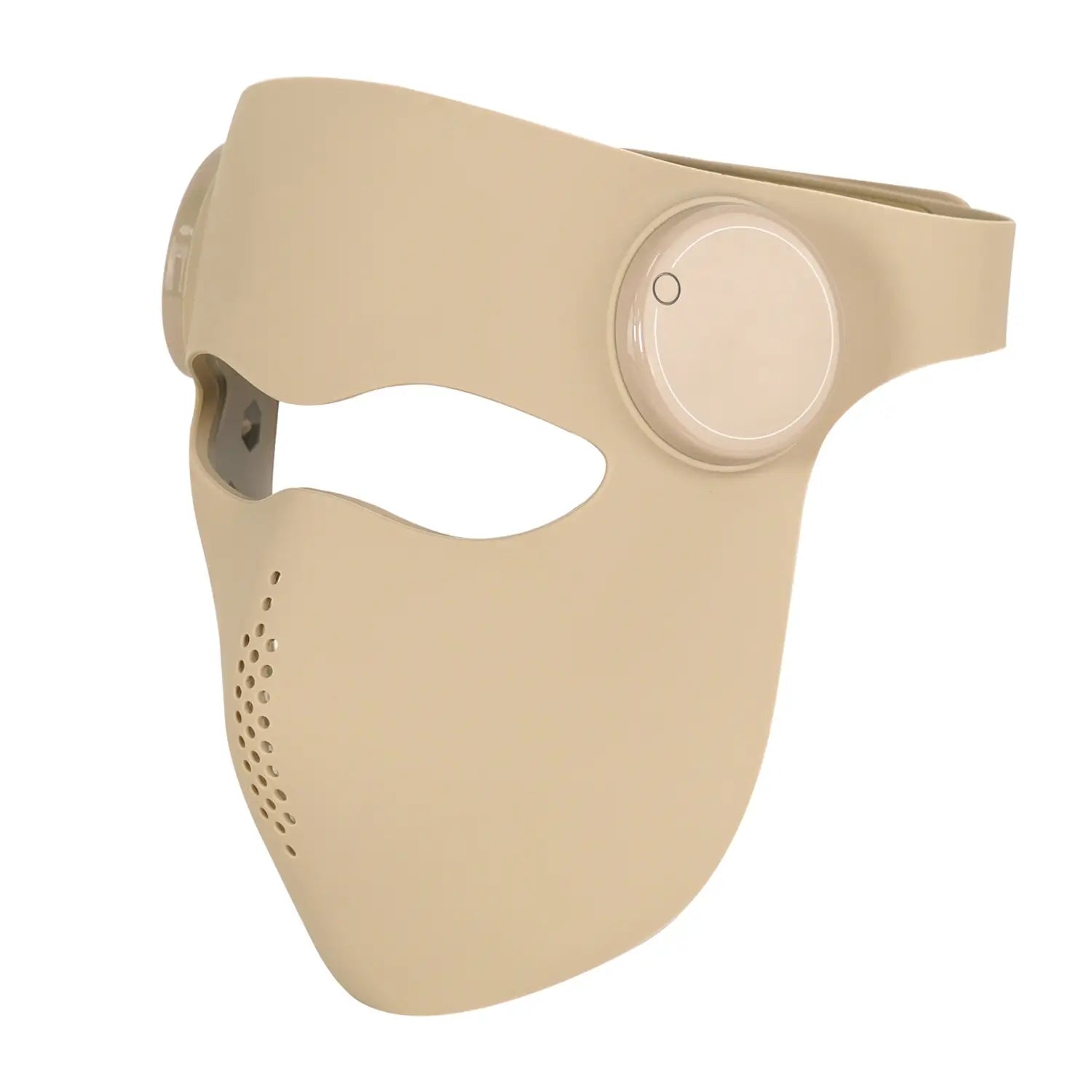
Desk or facial panel |
Primarily visible red, shorter distance to face for several minutes |
Periocular and facial relaxation during breaks |
Use visible red for eye-adjacent work; keep sessions brief |
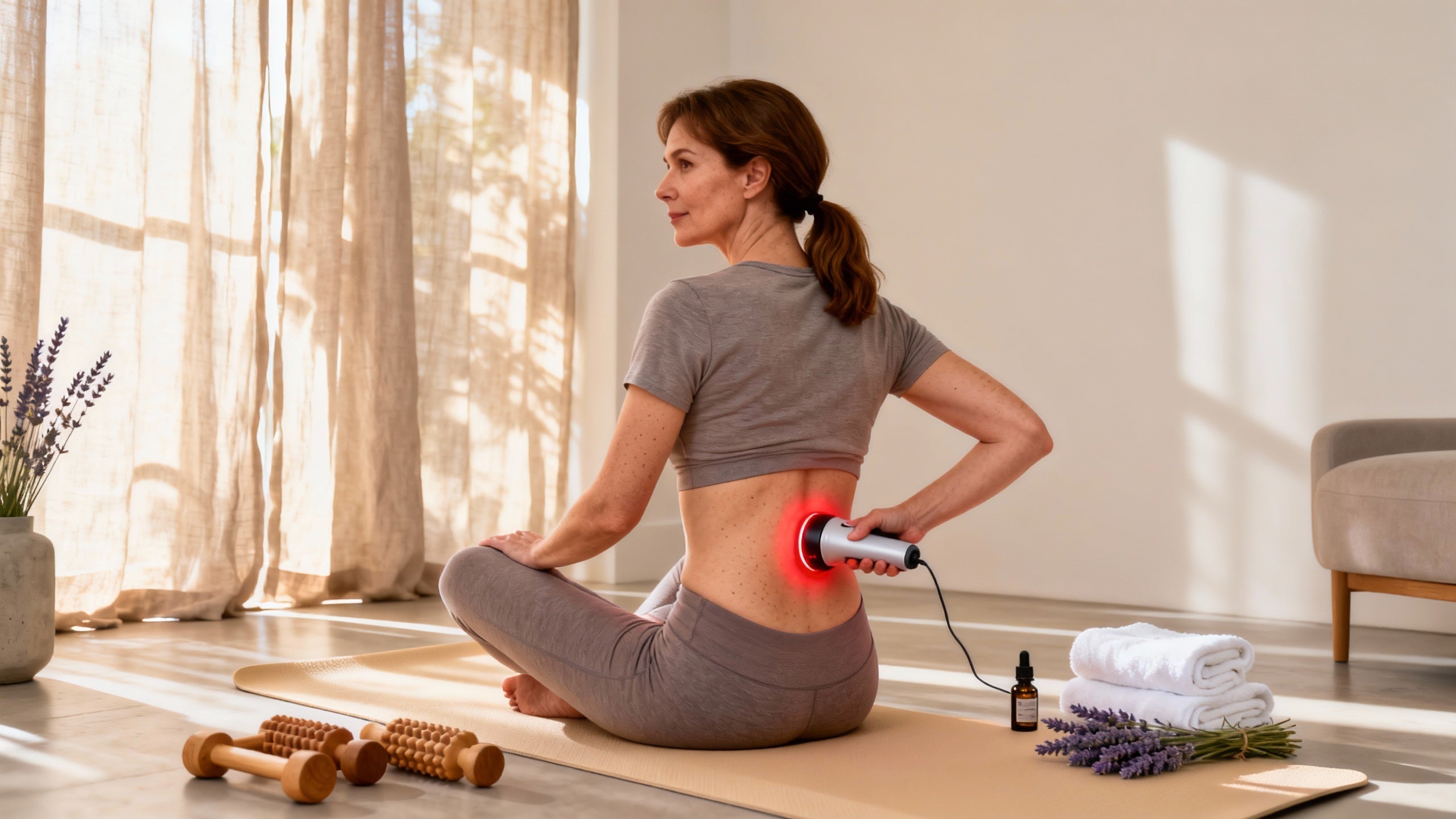
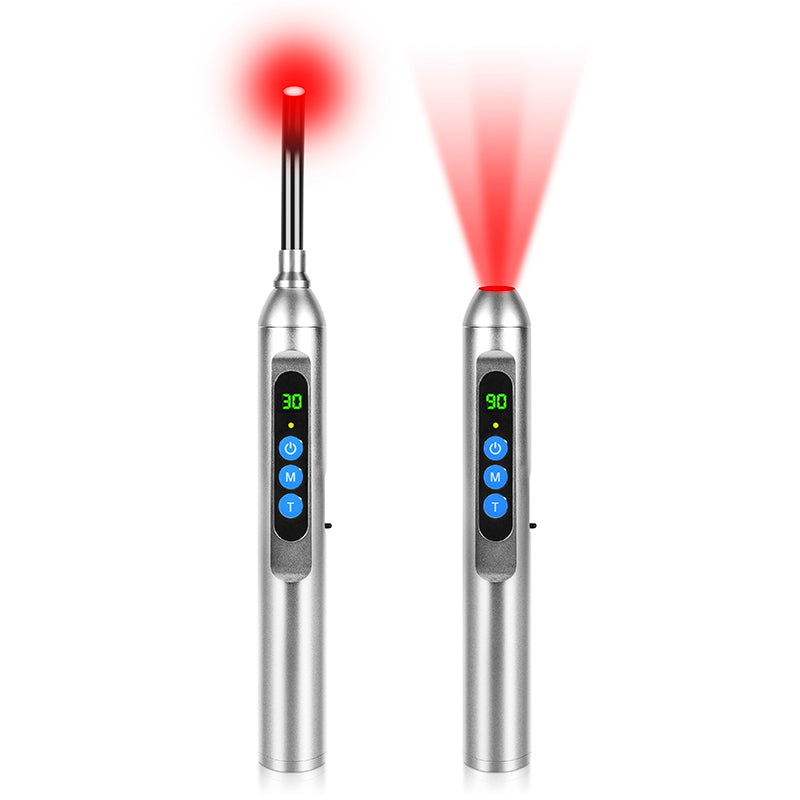
Targeted periocular handheld device |
Red or red plus near-infrared light to temples, brows, cheekbones |
Local relief of tension, sinus-related pressure, ocular surface support |
Follow manufacturer protocols; avoid direct retinal exposure |
Eye-specific medical device |
Carefully controlled light through goggles or over closed lids |
Dry eye treatment, Meibomian gland dysfunction, supervised retinal support |
Use only under eye doctor supervision |
For a self-directed programmer, the safest entry point is typically a visible-red desk or facial panel used around the eyes, not directly into them, or a targeted periocular device from a reputable manufacturer that is explicitly designed to avoid retinal overexposure. Eye-specific medical devices are best reserved for collaboration with an ophthalmologist or optometrist.
A Conservative, Evidence-Informed Use Pattern
In my own practice and experiments with coders, I gravitate toward protocols that echo published research without trying to copy laboratory conditions exactly. The pattern looks something like this.
Morning is the prime window for retinal mitochondria, based on University College London research showing that deep-red benefits were time-of-day dependent. A programmer might sit at arm’s-length from a visible-red panel for three to five minutes while keeping the gaze slightly averted or eyes gently closed. This delivers light to the periocular tissues and possibly to the retina through the lids, but it avoids the high-intensity direct staring that laboratory protocols use under supervision.
For programmers who struggle with evening wind-down and sleep, a second, lower-intensity session in a dim room, again for a few minutes, can be paired with shutting down screens. Combining this with warm, low-blue room lighting reduces melatonin suppression and signals the body that the coding sprint is over.
For dry, tired eyes, periocular devices that bathe the temples, brow, and upper cheekbones in red or red plus near-infrared light for three to ten minutes can be used several times per week. Clinics treating Meibomian gland dysfunction often schedule sessions two or more times weekly for several months, so thinking in multi-week blocks rather than single uses makes sense. Many programmers like to use this during a mid-afternoon break away from the keyboard.
Regardless of device, the principles are the same: start with shorter sessions, watch for any irritation, headaches, or visual disturbances, and back off or stop if they occur. Use eye protection or keep eyes closed when directed by the manufacturer, and never point high-intensity beams directly into open eyes unless a licensed eye care professional has explicitly prescribed and is supervising that protocol.
Finally, any history of eye disease, unexplained vision changes, severe dry eye, recent eye surgery, or photosensitive medical conditions is a red flag. In those cases, a conversation with an ophthalmologist or optometrist comes before any self-experiment with light.
When You Should Not Self-Experiment
Red light therapy looks deceptively gentle, but that does not mean it is appropriate for everyone to use freely around the eyes. Articles aimed at vision improvement and eye wellness list several groups that should avoid unsupervised use: individuals with macular disease, severe dry eye, corneal disease, glaucoma, retinal vascular problems, eye infections, optic nerve damage, or medically dilated pupils, as well as people with systemic photosensitivity or those on light-sensitizing medications.
All About Vision and other eye health platforms emphasize that despite encouraging early data for dry eye and age-related retinal decline, there is not yet enough evidence to declare red light therapy universally safe or protective for eyes, especially with consumer devices. They recommend consulting an eye doctor before starting any light-based eye treatment and focusing first on proven protective strategies such as ultraviolet protection and regular comprehensive eye exams.
For a programmer, that translates into a simple rule: if your eye health is anything other than straightforward, you get your eye-care professional on board before you put photobiomodulation anywhere near your eyes.
FAQ: Red Light Therapy and Programmer Eyes
Can red light therapy fix my prescription or stop my myopia from worsening?
Current research does not show that red light therapy can reliably reverse nearsightedness or eliminate the need for glasses. Some studies suggest it may support retinal function and possibly influence myopia progression, but this remains experimental. For now, think of red light as a potential way to improve comfort and support retinal health, not as a replacement for corrective lenses or established myopia control strategies.
Is it safe to stare at a red light panel while coding?
Staring directly at a bright panel for long periods is not advisable. Laboratory studies that involve looking into a red light source use tightly controlled wavelengths, intensities, and exposure times, and they are conducted under expert supervision. Eye health institutions caution that misusing light devices can harm the eyes. For self-care, use panels indirectly around the eyes, keep sessions short, and follow the manufacturer’s safety instructions, including eye protection when indicated.
How long until I notice any benefit?
In controlled aging-retina studies, improvements in color contrast were seen within days of starting short daily exposures. For dry eye, clinical trials often run for weeks to months with multiple sessions per week. In real-world programmer routines, people who respond typically notice changes – slightly less end-of-day grit, easier refocusing, fewer headaches – after several sessions, not after a single use. If nothing changes after a few weeks of consistent, cautious use, it may not be worth continuing.
Can I skip ergonomics and just rely on red light?
No. The strongest, most consistent evidence for reducing digital eye strain comes from optimizing viewing conditions, posture, blink habits, and screen time, not from any gadget. Red light therapy should be viewed as an adjunct layered on top of good digital hygiene, not as a shortcut around it.
Red light therapy, when you understand its mechanisms and limitations, can be a valuable ally in a programmer’s eye-care stack. Treat it with the same respect you give to a powerful library: read the documentation, understand the edge cases, and integrate it thoughtfully into a codebase of solid fundamentals – ergonomic setups, smart screen habits, and professional eye care. That is how you turn a trendy modality into a durable advantage for your eyes and your career.
References
- https://pmc.ncbi.nlm.nih.gov/articles/PMC9434525/
- https://med.stanford.edu/news/insights/2025/02/red-light-therapy-skin-hair-medical-clinics.html
- https://www.brownhealth.org/be-well/red-light-therapy-benefits-safety-and-things-know
- https://www.aao.org/eyenet/article/red-light-improves-vision-of-aging-eye
- https://my.clevelandclinic.org/health/articles/22114-red-light-therapy
- https://www.uclahealth.org/news/article/5-health-benefits-red-light-therapy
- https://www.uhhospitals.org/blog/articles/2025/06/what-you-should-know-about-red-light-therapy
- https://www.rojolighttherapy.com.au/combating-eye-strain-in-remote-workers-with-red-light-therapy-at-home/?srsltid=AfmBOooGI_4jdPOCUMFjMhMoA29LrcPt9L3SzIVmAgdG0t74jkLHizXL
- https://www.eyedoctorkaty.com/blog/discover-the-healing-power-of-red-light-therapy-for-inflammation-and-dry-eye-relief.html
- https://www.luminouslabs.health/blog/how-red-light-therapy-can-help-with-digital-eye-strain