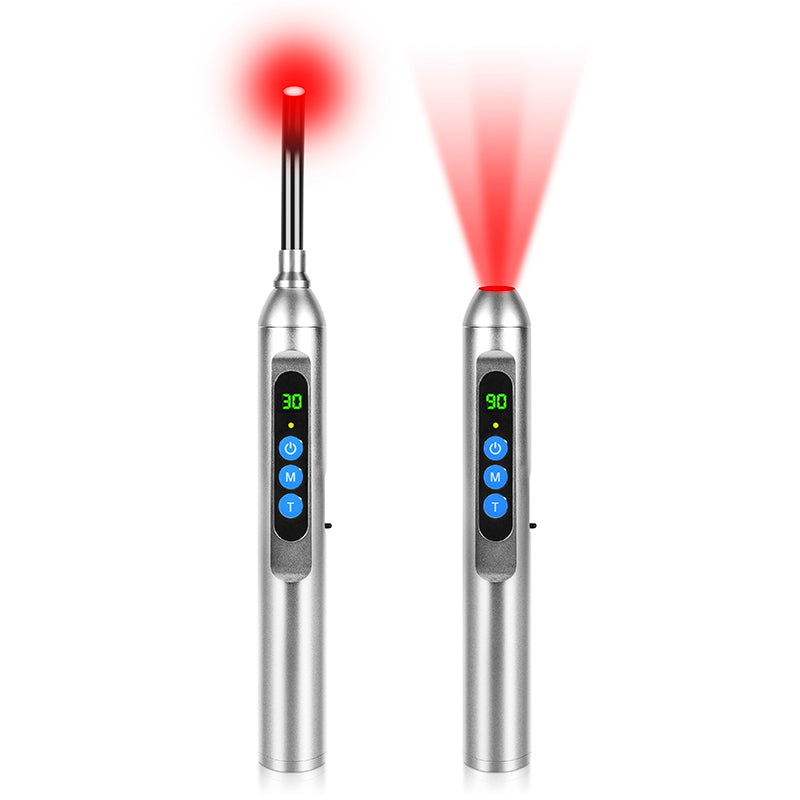

Summary: Red light therapy may help some seniors hurt less, move more comfortably, and feel better in their own skin, but today it’s a gentle adjunct to proven care—not a stand‑alone cure.
How Red Light Therapy Works in an Aging Body
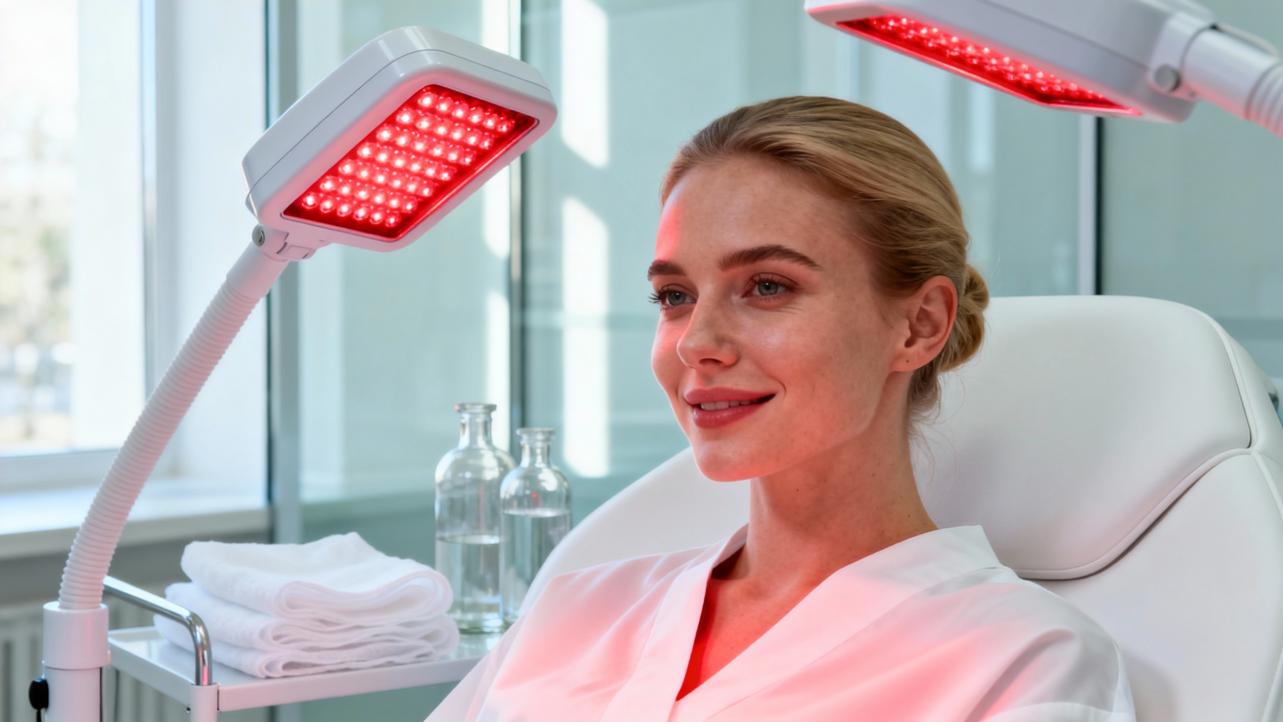
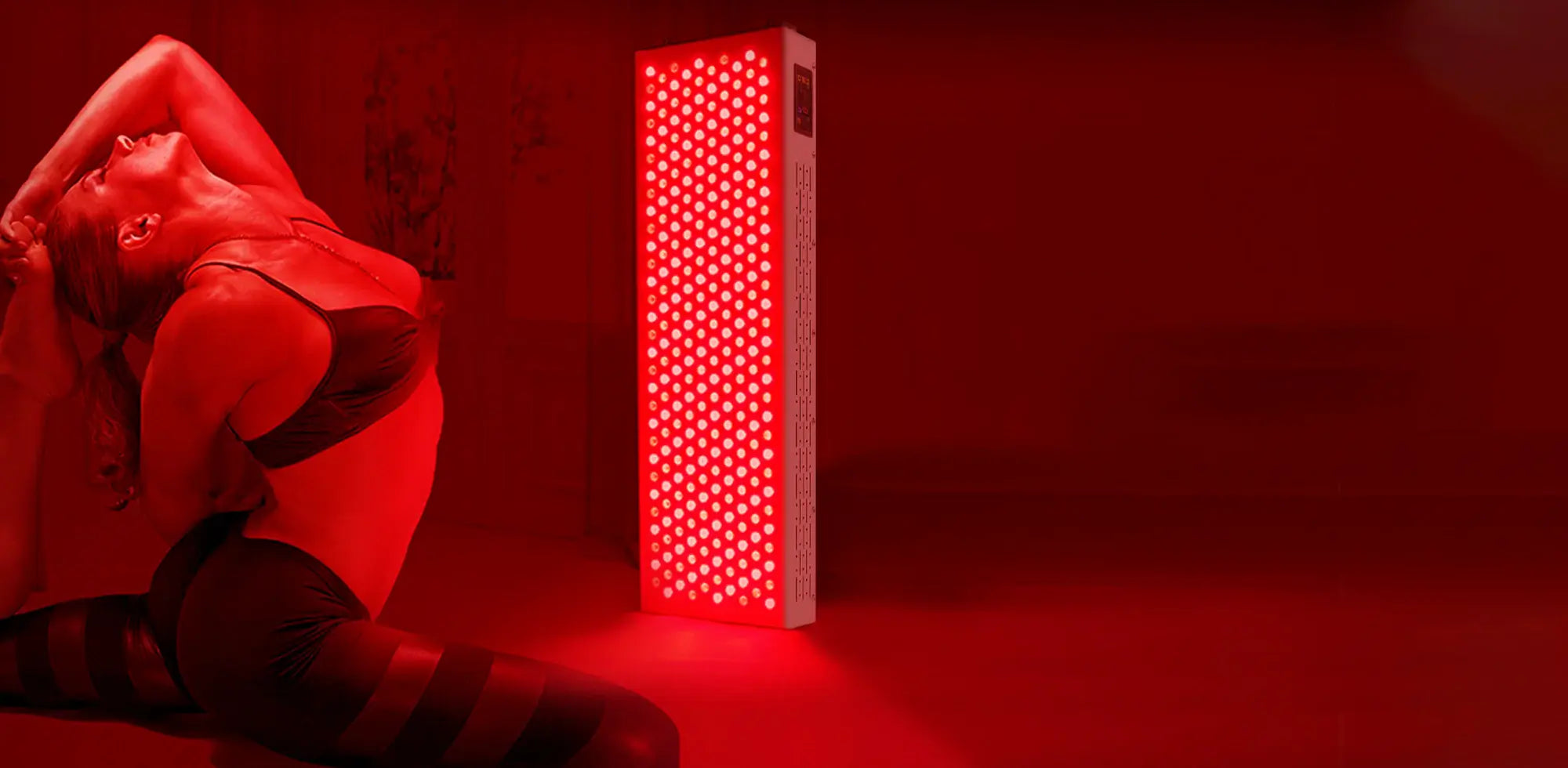
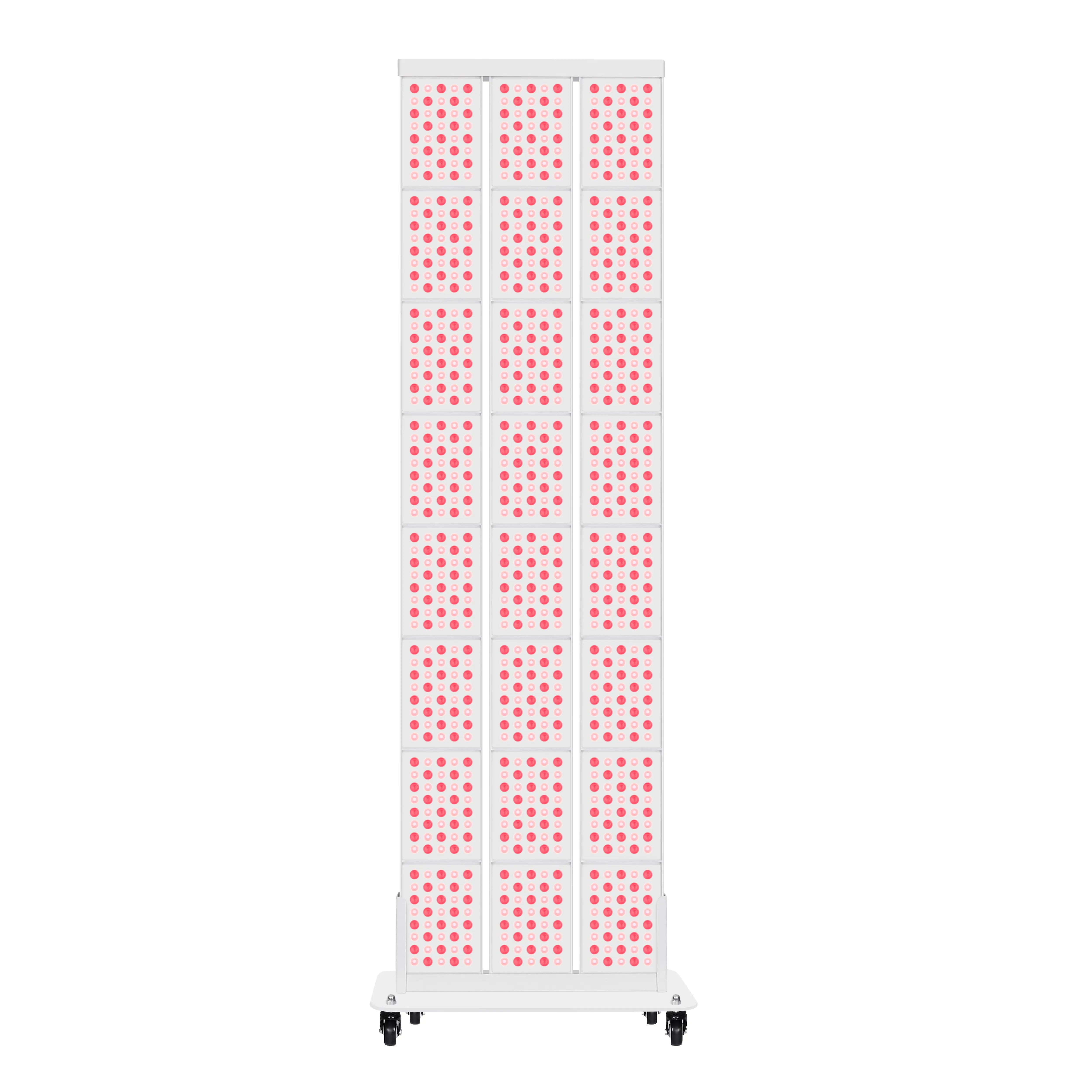
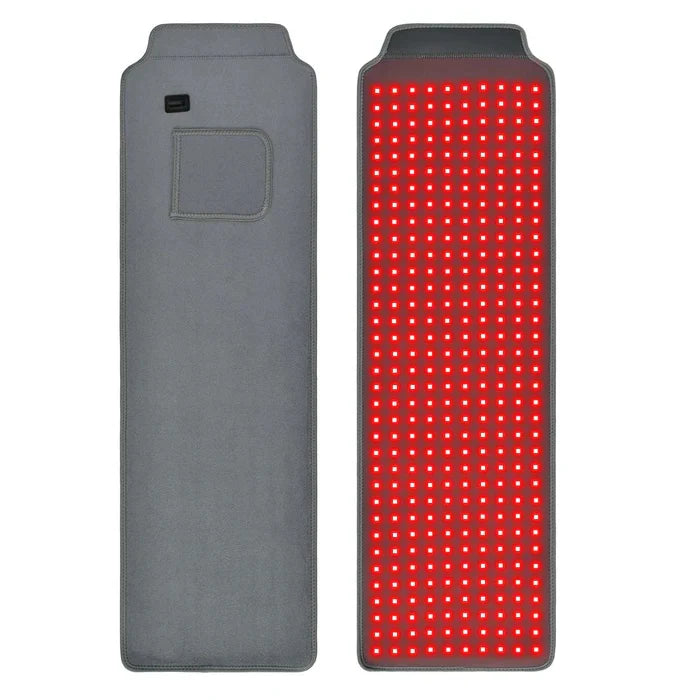
Red light therapy, or photobiomodulation, uses low‑level red and near‑infrared wavelengths (roughly 630–850 nm) from LEDs or low‑energy lasers to nudge biology, not burn or heat it. Cleveland Clinic and WebMD describe a common mechanism: light is absorbed by mitochondria, boosting cellular energy (ATP), collagen and fibroblast activity, blood flow, and anti‑inflammatory signaling in skin and superficial tissues.
From a “light‑therapy geek” perspective, that’s exactly where older cells struggle. As mitochondria slow with age, even small gains in energy and repair can translate into better tissue resilience, faster recovery from micro‑injuries, and slightly calmer inflammation.

Pain, Mobility, and Daily Comfort
Chronic joint and muscle pain is one of the biggest quality‑of‑life killers in later life, and medications bring their own baggage: GI bleeding, kidney strain, sedation, and more, as University of Arizona pain researchers point out. A 2021 review cited by University Hospitals and a WebMD summary of 11 trials both suggest red light can produce short‑term reductions in inflammatory pain, tendon problems, fibromyalgia symptoms, and rheumatoid arthritis stiffness.
But there are guardrails. For advanced osteoarthritis or structural damage, experts at University Hospitals and WebMD agree red light will not “rebuild” a knee; it mainly helps inflamed, superficial tissues. Stanford dermatology experts also stress that systemic claims for chronic pain remain modest and reversible—benefits tend to fade after treatment stops.
In practice, if a senior’s pain drops even 10–20%, that can mean walking the block without another pill, or tolerating physical therapy better. That’s meaningful, but it’s not magic.

Skin, Wound Healing, and Confidence
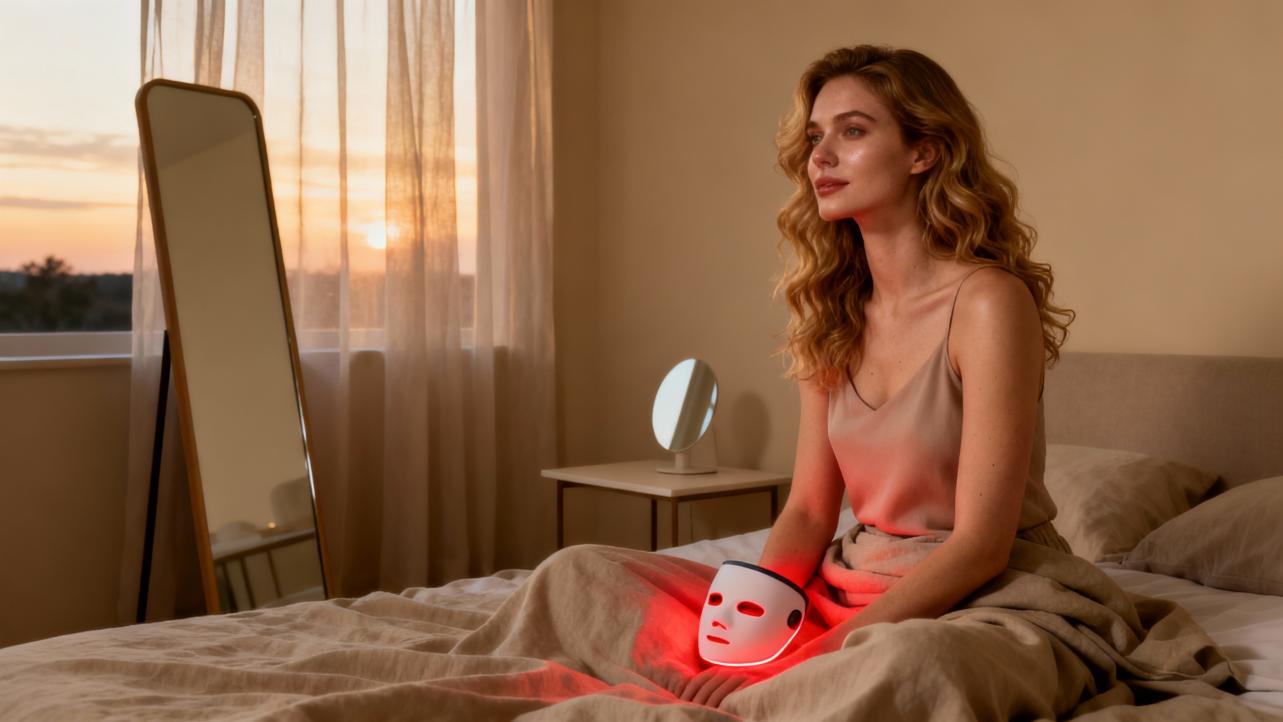
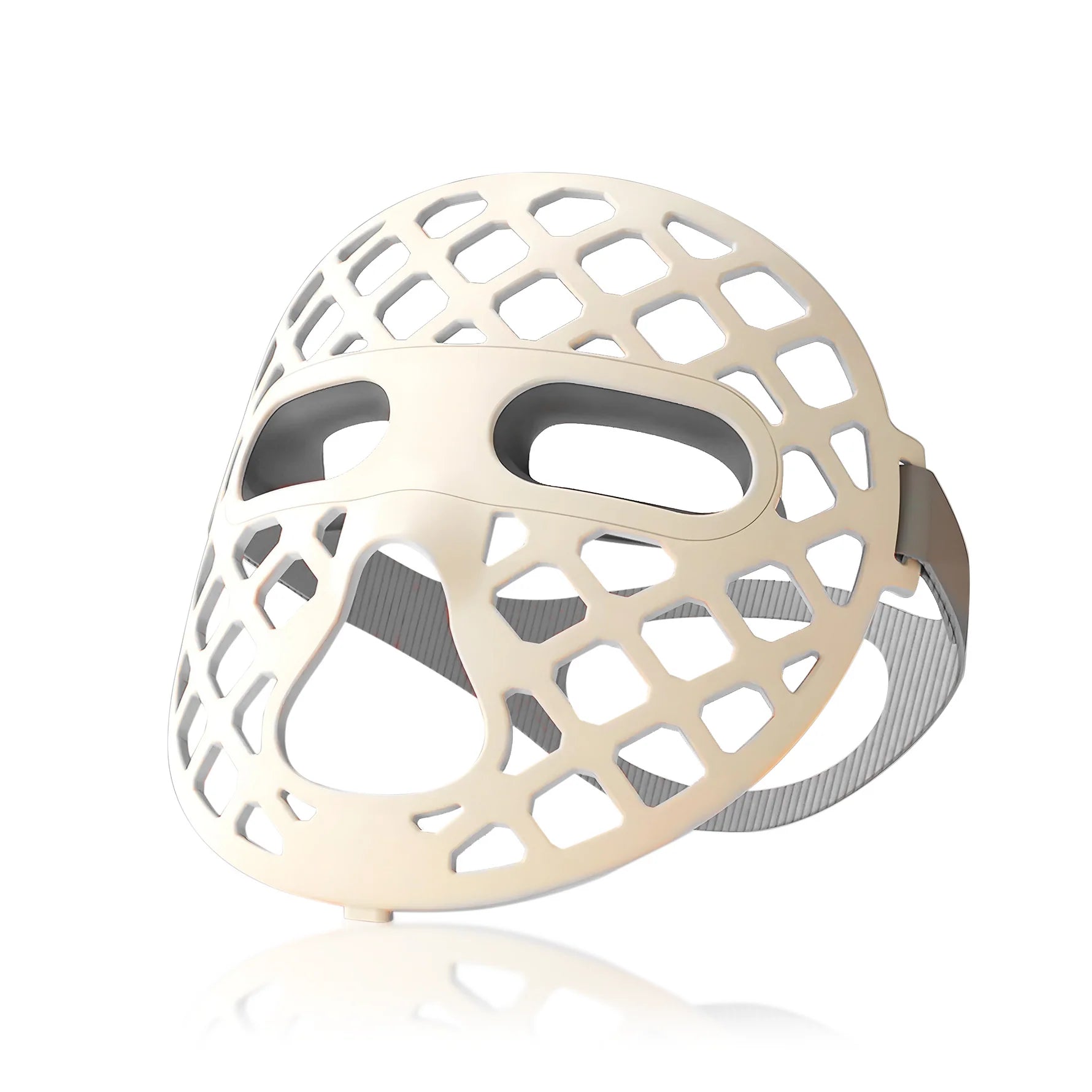
Aging skin thins, bruises easily, and heals slowly, which can quietly erode confidence and independence. In a home‑use mask study of 20 adults ages 45–70, twice‑weekly 12‑minute sessions with a 630 nm red‑LED mask over three months produced progressive improvements in wrinkles, firmness, dermal density, texture, and pore size, with benefits still visible a month after stopping (Lucibel/Dior study in Aesthetic Surgery Journal).
MaleExcel highlights a separate clinical trial where about 30 red‑light sessions over two months increased skin elasticity by roughly 12% and improved skin‑tone uniformity by about 33%. Stanford dermatologists and UCLA Health both note that evidence is strongest for modest wrinkle softening and hair regrowth when red light is used consistently over months.
For seniors, that’s not just vanity. More resilient skin lowers the risk that every bump to a shin turns into a weeks‑long wound, and feeling more “like yourself” in the mirror often lifts mood and social engagement.

Brain, Mood, and Sleep: Where Evidence Is Emerging
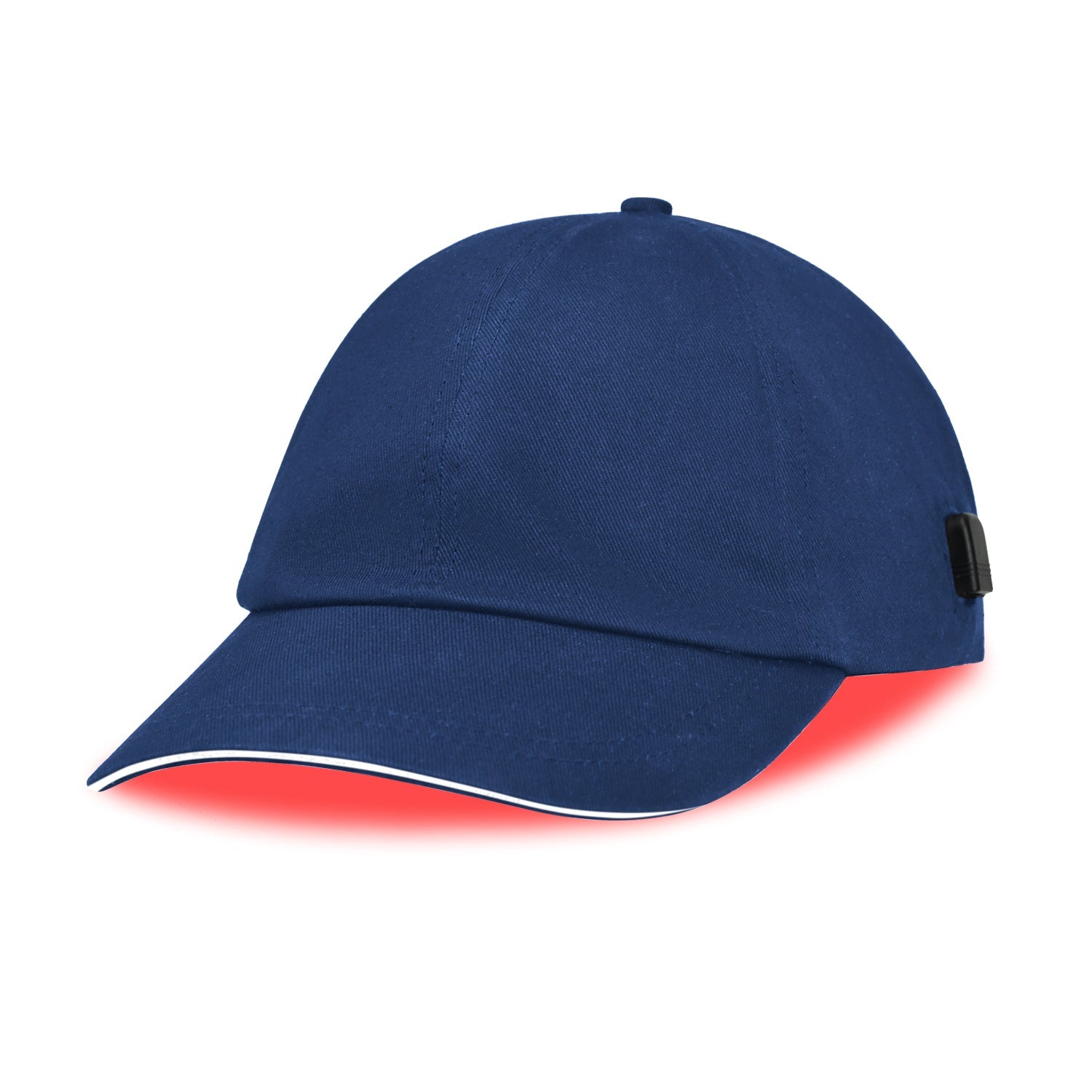
Here the story is more mixed. A WebMD review of 10 small dementia photobiomodulation studies found reported benefits across all of them; in one 12‑week trial with head and intranasal red/near‑infrared light (just five participants), memory, sleep, and irritability all improved. UCLA Health describes a 2021 eight‑week study in mild to moderate dementia where 6‑minute daily brain‑directed red light led to measurable cognitive gains without significant side effects.
Yet when researchers in Pennsylvania tested light therapy in long‑term‑care residents, it was bright blue light—not dim red—that improved cognition and reduced anxiety scores compared with a red‑light placebo (Royer and colleagues, Journal of the American Medical Directors Association). Harvard and OHSU sleep scientists likewise emphasize that bright morning light (around 10,000 lux for 30–60 minutes) has decades of data for mood and sleep, especially in people who spend most of their time indoors.
For sleep quality specifically, MaleExcel cites a small study in female athletes where 30 minutes of red light before bed improved sleep and boosted melatonin. That’s intriguing for older adults with insomnia, but it hasn’t yet been robustly tested in seniors.
Important nuance: Stanford and Cleveland Clinic experts caution that claims about red light “treating dementia” or fixing systemic disease are still ahead of the evidence, even if early studies look promising.
Smart, Safe Ways for Seniors to Experiment
Across Cleveland Clinic, WebMD, UCLA Health, and Stanford, the safety picture is reassuring: red light therapy is noninvasive, avoids UV, and serious side effects are rare when directions are followed. Short‑term issues tend to be mild—temporary redness, warmth, or eye strain at higher intensities—but long‑term safety data in seniors are still limited, and FDA “clearance” usually speaks to low risk, not guaranteed effectiveness.
If I were designing a trial run for an older family member, I’d do it this way (always in partnership with their clinician):
- Check medical fit first: review medications, skin cancer history, serious eye disease, and implants with a primary care doctor or dermatologist.
- Dial in daylight: aim for about 30 minutes of bright outdoor light or a 10,000‑lux light box most mornings to anchor mood and sleep.
- Pick one target: choose a specific goal (e.g., knee pain or facial skin quality) instead of hoping for a whole‑body cure.
- Start low, go slow: use the device at the manufacturer’s distance for 10–20 minutes, a few times per week, for roughly 2–3 months before judging it.
- Track quality‑of‑life wins: weekly, note pain scores, walking tolerance, sleep quality, and mood; if nothing shifts meaningfully after a few months, it’s reasonable to stop.
Used this way, red light therapy becomes what I see as its real role for seniors: a low‑risk, evidence‑informed nudge that can amplify the benefits of movement, medications, and good light hygiene—without pretending to replace them.

References
- https://www.health.harvard.edu/blog/light-therapy-not-just-for-seasonal-depression-202210282840
- https://pubmed.ncbi.nlm.nih.gov/21683660/
- http://shimberg.ufl.edu/publications/Lighting.Effects.on.Older.Adults.Visual.and.Nonvisual.Performance.A.Systematic.Review.pdf
- https://healthsciences.arizona.edu/news/stories/exploring-phototherapy-new-option-manage-chronic-pain
- https://pure.psu.edu/en/publications/light-therapy-for-seniors-in-long-term-care