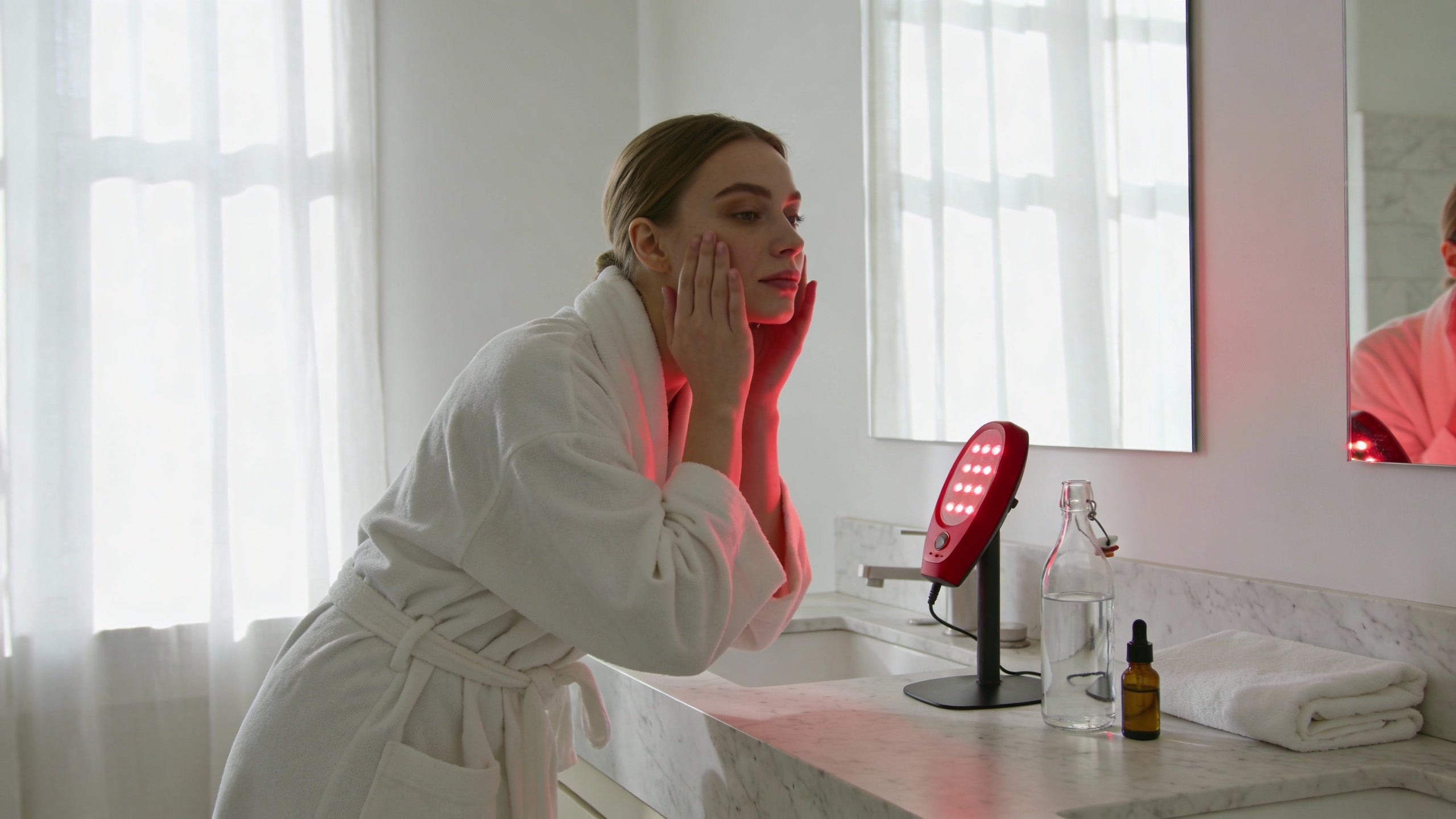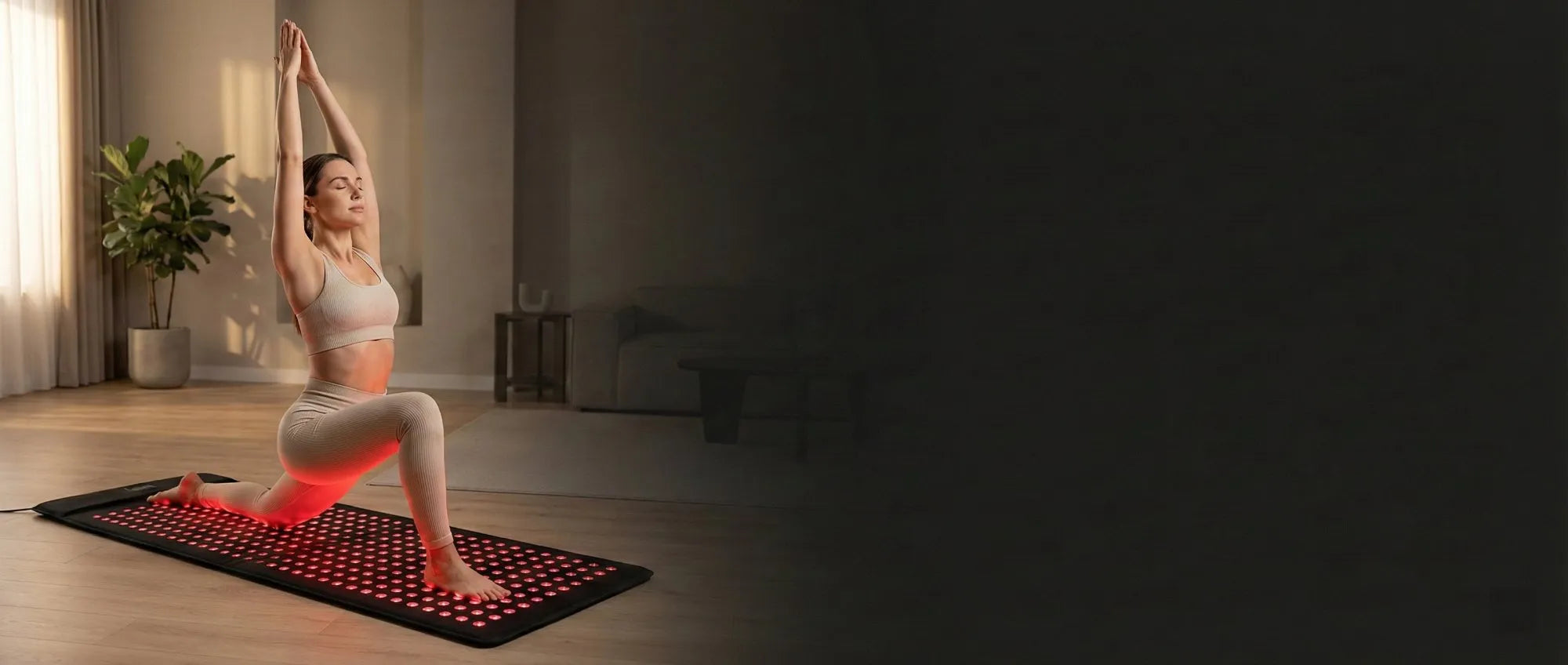

If you train hard enough to actually change your body, you already know the drill: a brutal session, the smug satisfaction on the drive home, and then the next morning your quads feel like they belong to someone else. Delayed-onset muscle soreness is almost a badge of honor, but there is a real problem buried in the discomfort. Too much soreness slows your next session, forces you to change your plan, and over time it can limit how much quality work you can tolerate in a week.
As a longtime “light therapy geek” and recovery optimizer, I have experimented with pretty much every recovery toy that fits inside a gym bag. Most are glorified rituals. Red and near‑infrared light therapy are different. When you look at the actual human data, you see a pattern that is subtle but important: targeted light can reduce markers of muscle damage and soreness and, in some settings, preserve strength and performance instead of dulling it.
This article will walk you through what the science actually says about using red and near‑infrared light to reduce muscle soreness without sacrificing strength gains, and how to translate that into a smart, real‑world protocol.
What Red Light Therapy Really Does Inside Muscle
Red light therapy, also called photobiomodulation or low‑level light therapy, uses visible red and near‑infrared wavelengths to influence how your cells behave. Sources like Atria, Elevate Health, the Cleveland Clinic, and major cancer centers describe essentially the same mechanism.
When you expose skin and underlying tissue to specific wavelengths, usually red around 620–700 nanometers and near‑infrared roughly 800–1,000 nanometers, photons are absorbed by chromophores in the mitochondria, especially cytochrome c oxidase. Several things happen in parallel.
First, ATP production rises. ATP is the chemical “currency” that powers muscle contraction, repair, and every recovery process that matters. Both clinic reviews and athletic recovery articles report that these wavelengths can significantly increase mitochondrial ATP output, with one sports physical therapy source even citing research where cellular energy production roughly doubled under certain wavelengths.
Second, nitric oxide is released and blood vessels dilate. Atria and Elevate Health both highlight improved circulation as a core effect of red and near‑infrared light. Better blood flow means more oxygen and nutrients delivered to damaged fibers and faster removal of metabolic waste products that contribute to soreness.
Third, inflammatory signaling shifts. Multiple medical summaries, including those from Fyzical and MD Anderson, note that photobiomodulation decreases inflammatory markers and oxidative stress while enhancing antioxidant defenses. In muscle tissue, that combination seems to reduce the “collateral damage” from hard training.
Finally, red and near‑infrared light can influence gene expression. A controlled trial summarized in the research notes on light‑emitting diode therapy plus resistance training reported up‑regulation of genes related to energy metabolism, mitochondrial function, and protein synthesis, and down‑regulation of genes linked to inflammation and muscle breakdown. That is exactly the environment you want if the goal is to adapt, not just survive.
Think about a heavy eccentric squat day. You create micro‑tears in quadriceps and glute fibers, your body responds with inflammation and repair, and over a few days you come back stronger. Red and near‑infrared light do not magically skip the damage. Instead, they appear to support the energetics and circulation that make repair more efficient, while damping down excessive inflammation. This is where the soreness story connects to the strength story.

Soreness Versus Strength: What the Studies Actually Show
Coaches often worry that anything which reduces soreness will also blunt adaptation. That is a valid concern with high‑dose anti‑inflammatories and ice baths. The muscle‑specific photobiomodulation research paints a much more nuanced picture.
Near‑infrared light before heavy lifting
A double‑blind, randomized, sham‑controlled crossover trial in resistance‑trained adults tested whether near‑infrared light could protect strength during brutal elbow‑flexor work. Participants received an FDA‑approved laser at 800 and 970 nanometers over the biceps for four minutes before doing three sets of twenty maximal concentric and eccentric contractions on an isokinetic dynamometer. The protocol reliably produced large acute strength losses and soreness.
Both real and sham treatments produced big strength drops, but the decline was smaller after true near‑infrared therapy. The strength‑loss index averaged about 56.5 percent with active treatment versus 60.8 percent with sham, a small but statistically significant difference. By 48 hours post‑exercise, maximal isometric strength had largely recovered in both conditions, and there were no differences in soreness or range of motion.
This is a critical pattern. Pre‑exercise near‑infrared light modestly preserved acute strength under extreme fatigue without changing how sore the muscles felt later. That suggests a small ergogenic effect, not a blunting of adaptation or an anesthetic effect on pain.
A concrete example helps: imagine you are in a rehab block rebuilding after a biceps tendon issue. You need high‑tension work to regain strength, but you cannot afford massive strength loss within the session. A pre‑session near‑infrared protocol similar to this study could let you complete slightly more quality work before fatigue, without altering soreness or range of motion in a meaningful way.
LED therapy plus resistance training
In a controlled trial of LED therapy layered onto resistance training, summarized in the research notes, healthy adults performed a structured strength program with active or sham light applied around sessions. The active light condition achieved greater muscle hypertrophy, better performance gains, lower biochemical markers of muscle damage, and less delayed‑onset muscle soreness compared with training alone. Gene expression shifted toward more anabolic and energy‑supporting pathways and away from breakdown and inflammatory pathways.
Two points matter here for lifters and athletes. First, soreness was reduced at the same time that muscle size and performance improved. Second, the light was an adjunct to hard training, not a replacement. That combination strongly suggests that appropriately dosed LED therapy can ease soreness and support, rather than block, strength and hypertrophy gains.
Reviews on performance, DOMS, and inconsistency
A narrative review in a biophotonics journal examined forty‑six clinical and case‑control trials on photobiomodulation in human muscle, covering 1,045 participants. Some delayed‑onset muscle soreness studies found no benefit of red or near‑infrared light over placebo, while others reported less soreness, smaller strength losses, and better range of motion days after exercise. Pre‑conditioning protocols, where light was applied before hard efforts, often increased repetitions to failure, total work, or time to exhaustion and sometimes reduced biochemical markers like creatine kinase and C‑reactive protein. Other trials found performance gains without biochemical changes or vice versa.
The review’s conclusion is cautious. Photobiomodulation shows promise for enhancing acute muscle performance and reducing damage or soreness in some protocols, but the evidence is inconsistent, and ideal wavelength, dose, and timing are not standardized.
A sports‑science commentary for coaches, published by TrainingPeaks, came to an even more conservative view. Looking across similar studies, the authors noted that improvements in biochemical markers or subtle structural changes often did not translate into meaningful or reproducible performance gains. Given the high price of many at‑home panels, they argued that red light remains an interesting but unproven recovery tool for athletes.
Plyometrics, repeated bout effect, and recovery
A randomized trial of drop‑jump plyometrics in healthy men adds a useful twist for anyone worried about long‑term adaptation. Participants were assigned to red LED therapy at 630 nanometers, near‑infrared at 940 nanometers, or placebo before performing one hundred drop jumps. Muscle damage markers, soreness, and jump performance were measured for seventy‑two hours. Two weeks later, everyone repeated the jumps without any light treatment so researchers could observe the normal “repeated bout effect,” the protective adaptation where a second bout causes less damage.
After the first bout, creatine kinase levels, a marker of muscle damage, were significantly lower in the 940‑nanometer group compared with placebo at seventy‑two hours. Squat jump performance recovered faster in the light groups: the 630‑nanometer group showed a significant improvement at twenty‑four hours, and the 940‑nanometer group outperformed placebo at forty‑eight hours. Interestingly, there were no significant between‑group differences in delayed‑onset muscle soreness.
During the second bout, with no light therapy applied, all groups exhibited a normal repeated bout effect, and there were no differences between those who had previously received light and those who had not. In other words, pre‑exercise light reduced biochemical damage markers and helped jump performance rebound faster, but it did not interfere with the body’s built‑in adaptation to eccentric stress.
Phototherapy after sprint‑induced muscle damage
A separate trial looked at a very different exercise stressor: forty maximal sprints over about fifty feet with short decelerations, a protocol known to trigger muscle damage. College‑aged adults received either active phototherapy or sham treatment on quadriceps, hamstrings, and calves before each of five post‑exercise testing days. Vertical jump, agility, and soreness were tracked.
The light therapy group experienced significantly less calf soreness over the recovery period. However, there were no group differences in vertical jump height, agility performance, quadriceps or hamstring soreness, or overall soreness. Here, phototherapy acted more like a localized pain‑modulation tool than a systemic performance booster.
Pulling the data together
Across these and many other trials, a pattern emerges.
Red and near‑infrared light can, under certain doses and timings, reduce biochemical markers of muscle damage, ease soreness in specific muscles, and sometimes preserve or accelerate recovery of strength and power. At the same time, there is no solid evidence that well‑dosed light blunts long‑term adaptation; in fact, at least one resistance‑training plus LED study reports greater hypertrophy and strength gains than training alone, and the plyometric study showed a normal repeated bout effect preserved.
The flip side is just as important. Not every protocol works, some trials show no benefit, and performance improvements tend to be modest. If someone promises that a panel will turn you into a completely different athlete in a month, they are selling magic, not science.
Snapshot of key soreness and strength studies
Study type and context |
What happened to soreness |
What happened to strength/performance |
Near‑infrared laser before heavy elbow‑flexor eccentrics |
No meaningful difference in soreness or range of motion versus sham |
Smaller immediate strength loss with active light; similar strength by forty‑eight hours |
LED therapy plus resistance training over multiple weeks |
Lower delayed‑onset muscle soreness and reduced markers of damage with active light |
Greater muscle hypertrophy and performance gains than training alone |
Review of forty‑six photobiomodulation trials in human muscle |
Mixed; some trials showed reduced soreness, others none |
Some acute performance gains and lower damage markers, but results inconsistent |
LED therapy before hundred drop jumps (plyometrics) |
No clear difference in reported soreness |
Faster squat‑jump recovery and lower creatine kinase; repeated bout effect preserved |
Phototherapy after sprint‑induced muscle damage |
Reduced calf soreness only |
No improvement in vertical jump or agility performance |
For a serious lifter or field athlete, this table translates to something practical. Light therapy is not a substitute for a well‑designed program, but used intelligently it can make hard blocks more tolerable and slightly improve how much high‑quality work you can string together, without robbing your body of the adaptation signals it needs.

How to Use Red Light to Reduce Soreness Without Sacrificing Gains
Most of the mistakes I see with at‑home panels fall into two camps: underdosing and “if some is good, more is better.” Both are problems because photobiomodulation follows a Goldilocks, or biphasic, dose response. Too little light and nothing happens; too much, and the effect can stagnate or even tilt in the wrong direction.
The good news is that the ranges used in research and recommended by conservative medical sources overlap enough to guide a practical protocol.
Wavelengths and dose ranges that make sense
Authoritative guides from Atria, Physical Achievement Center, and sports‑medicine clinics converge on using visible red light around 620–700 nanometers plus near‑infrared around 800–1,000 nanometers. Red tends to target skin and superficial tissues; near‑infrared penetrates deeper into muscle and joint structures.
For power output, Atria suggests targeting surface intensities of about 20–100 milliwatts per square centimeter, with session times of roughly five to twenty minutes per body area. Many musculoskeletal trials deliver total doses in the range of about 4–60 joules per square centimeter, whether by clusters of diodes or scanning lasers.
Here is how that translates in practice. Suppose your panel’s manufacturer reports about 50 milliwatts per square centimeter at the distance you use. A ten‑minute session at that distance delivers around 30 joules per square centimeter, which sits comfortably inside the dose range used in the plyometric experiment and within the broader window from many clinical trials. That is a reasonable upper bound for a single area if you are focused on recovery and soreness.
I generally encourage athletes to start at the lower end of both intensity and time, then titrate up. For example, you might begin with eight to ten minutes per major muscle group using a mixed red and near‑infrared setting, a few times per week, and only bump up toward fifteen or twenty minutes if you are not seeing any change over several weeks and your skin is tolerating it well.
Timing relative to training
The major muscle studies fall into two patterns: light applied just before exercise (pre‑conditioning) and light applied during the recovery window after exercise.
Pre‑exercise light, as used in the elbow‑flexor and plyometric studies, seems particularly good at preserving immediate performance and limiting peak damage markers. If you are heading into a maximal strength test, a competition, or a key speed session, a pre‑session protocol on the primary muscles makes sense. Think ten minutes of red and near‑infrared light over hamstrings and calves about twenty to thirty minutes before sprint work, or over quads and glutes before a heavy squat or jump session.
Post‑exercise light is more about recovery between sessions. Some resistance‑training studies have applied LED clusters immediately after lifting and still seen improved hypertrophy and performance, plus less soreness. Clinical guidance from Atria, University Hospitals, and consumer‑facing wellness brands often suggests using light three or more days per week, with many people noticing changes after two to four weeks of consistency.
In practice, that might look like this. On Monday evening you finish heavy squats and accessory work. After a shower and food, you spend ten to fifteen minutes with a panel positioned about one to two feet from the front of your thighs and hips while you read or meditate. On Tuesday you skip light for legs, then repeat the process Wednesday evening after deadlifts. Over a four‑ to six‑week block, you track how your soreness and performance between sessions feel.
Targeting and device choice
The best device is the one that can actually deliver a research‑grade dose to the tissue you care about without wrecking your schedule or your budget.
Medical centers like the Cleveland Clinic and MD Anderson use more powerful, tightly focused lasers in short, supervised sessions, especially for specific pain conditions and side effects of cancer treatment. These systems are standardized, and dosing is built into the protocol.
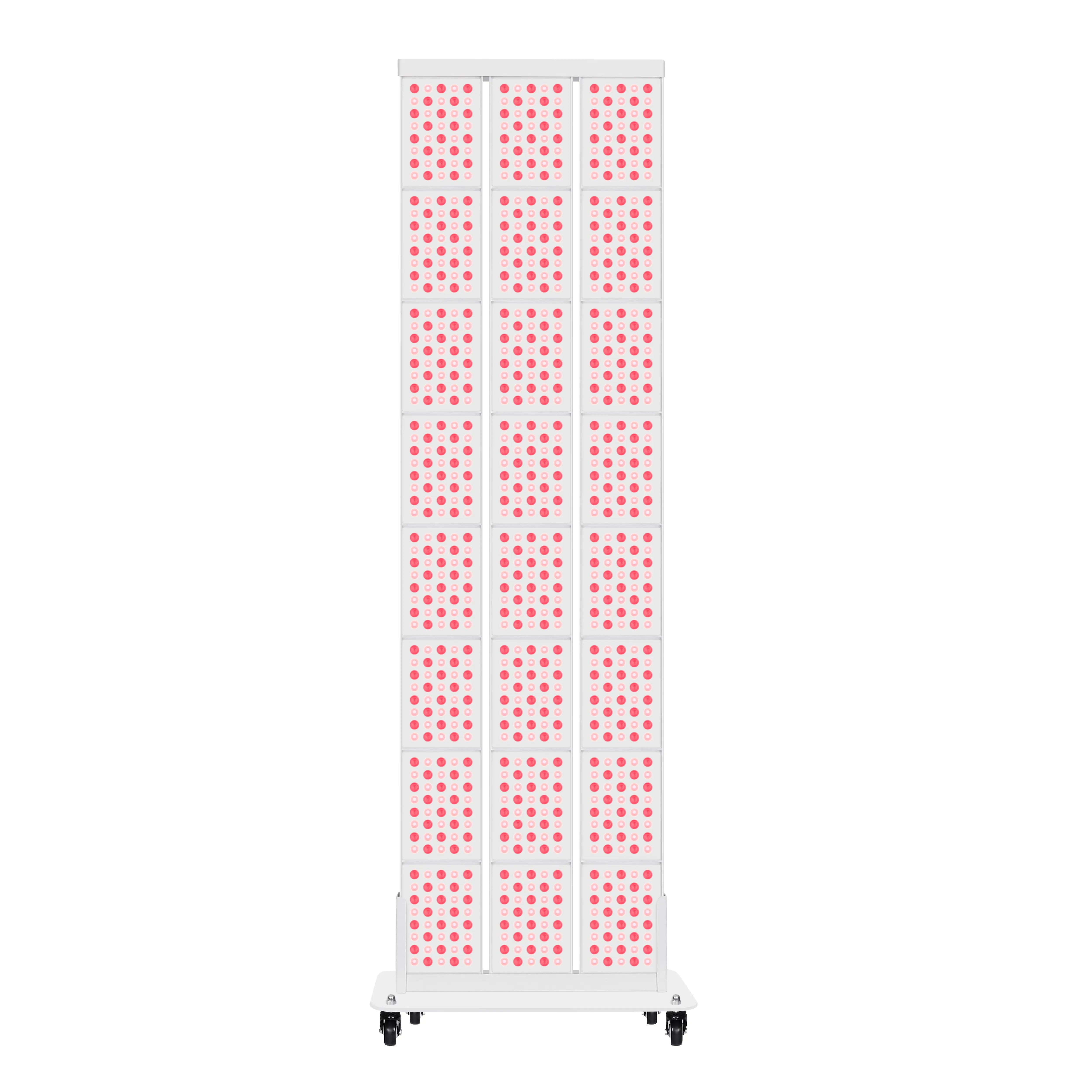
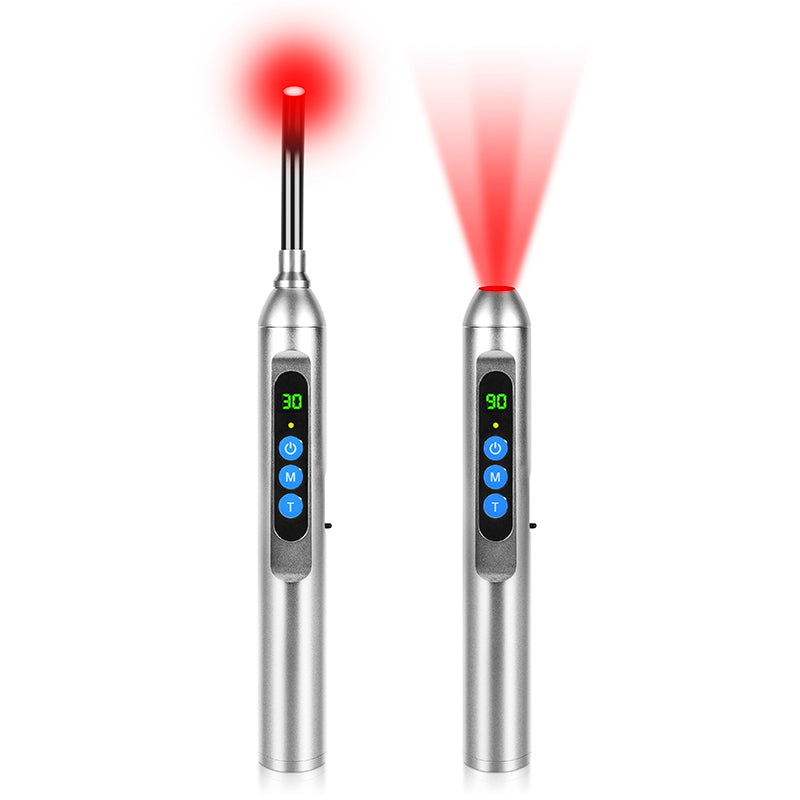
At home, most of us are working with LED panels, pads, or wearable devices. Atria and several safety‑focused clinics recommend positioning panels roughly six to twenty‑four inches from bare skin. Closer distances are better for deeper tissues, while slightly farther positions still work for skin and superficial structures without creating hot spots. For large muscle groups like quads, hamstrings, or back, a mid‑sized or large panel or a full‑body bed is far more efficient than a tiny handheld wand.
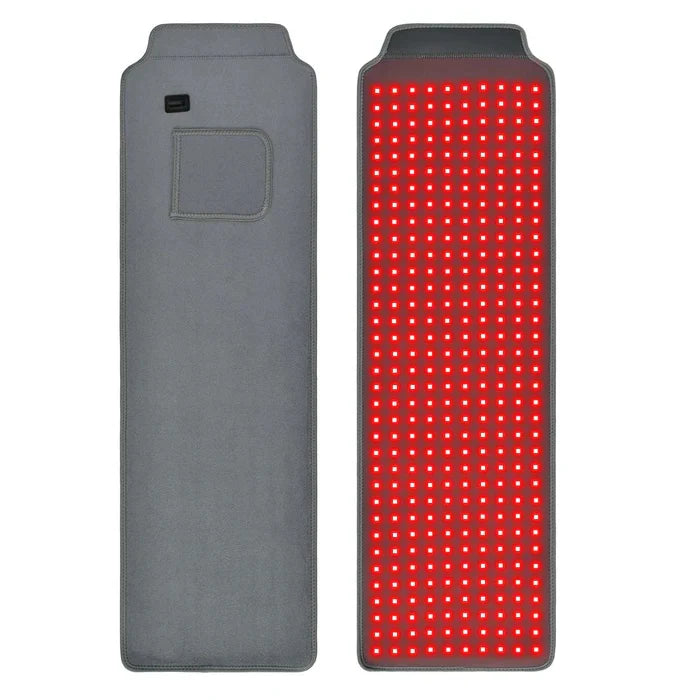
Pads and wraps shine for localized issues. A near‑infrared wrap around a sore knee after running, for instance, can concentrate dose where you need it most, and clinical reviews show meaningful pain reduction in osteoarthritis with low‑level laser and LED protocols.
Whatever device you choose, look for clear labeling of wavelengths and irradiance, and ideally some form of regulatory clearance for therapeutic use. WebMD and the Cleveland Clinic both caution that consumer devices tend to be less powerful than clinic‑grade hardware, so you may need more sessions and more patience to see changes.
Safety: when to use light, when to pause
One of the reasons I am comfortable recommending red and near‑infrared light in a sensible recovery stack is the safety profile. The Cleveland Clinic, university hospitals, WebMD, dermatology sources, and physical therapy clinics all converge on the same message: when used as directed, red and near‑infrared light are non‑ionizing, non‑UV, and generally well tolerated.
However, that does not mean “anything goes.” Several evidence‑based safety guidelines are worth following.
If you are pregnant, have a history of skin cancer, or live with photosensitive conditions like lupus or porphyria, or if you are on photosensitizing medications such as certain antibiotics, isotretinoin, or some anti‑inflammatories, multiple medical and physical therapy sources recommend talking with a physician before starting light therapy.
Protect your eyes. Physical therapy clinics and eye‑safety guidelines emphasize that bright visible red can cause eye strain, and invisible near‑infrared can penetrate deeper into ocular tissues. Use device‑specific eye shields or goggles, especially with high‑intensity panels pointed near your face. Standard sunglasses are not enough.
Respect the biphasic dose response. Longer sessions or “catch‑up” marathons do not give you bonus benefits. They just increase the risk of skin irritation or headaches. Most safety‑oriented sources suggest five to twenty minutes per area as a typical range and caution against routinely exceeding about thirty minutes per area.
Avoid using panels directly over fresh tattoos with red or yellow pigments, active infections, or fresh burns and sunburns. Physical therapy safety briefs note that these tissues may react unpredictably or irritably under bright light. Let acute issues calm down or get clearance from a clinician.
Finally, treat the device like any other training tool: keep the surfaces clean, avoid using it on oily or heavily lotioned skin that might reflect or absorb light unevenly, and build up tolerance gradually instead of jumping straight to “max” out of the box.

Pros and Cons for Athletes and Hard‑Training Lifters
Red and near‑infrared light have earned a place in my toolkit, but not because they are magic. They work best when you understand both sides of the ledger.
Advantages grounded in evidence
Multiple clinics, systematic reviews, and controlled trials agree that photobiomodulation is non‑invasive, generally safe, and drug‑free. For athletes managing chronic joint pain, tendinopathy, or neuropathic symptoms, reviews in journals like Lasers in Medical Science, the Journal of Photochemistry and Photobiology B, and Pain and Therapy report reduced pain and improved function, particularly in knee osteoarthritis and peripheral neuropathy.
For muscle damage and soreness, the plyometric and resistance‑training plus LED trials show reduced creatine kinase spikes, faster recovery of squat‑jump performance, and less delayed‑onset muscle soreness in some protocols. The elbow‑flexor study demonstrates that near‑infrared light can modestly preserve immediate strength under heavy eccentric loads.
Put simply, when used intelligently, red and near‑infrared light can make hard training feel more sustainable and may let you squeeze slightly more high‑quality work into a training week, particularly if you already have your sleep, nutrition, and programming in order.
Limitations and trade‑offs
The uncomfortable truth is that the evidence for big performance boosts is not strong. The TrainingPeaks review for coaches emphasizes that across many studies, improvements in lab markers or microscopic changes are small and inconsistent, and they often fail to show up as better times, higher bars, or more wins.
Cost is another real limitation. University‑based patient guides note that devices are rarely covered by insurance, and consumer panels can run from under one hundred dollars into the thousands. If buying a panel means cutting back on quality food, coaching, or competition travel, it is the wrong investment.
Time and complexity matter too. If you are already struggling to hit your sessions, sleep seven to nine hours, and prep decent food, twenty extra minutes in front of a panel three or four nights per week may not be the smartest recovery lever to pull right now.
Finally, not all claims are backed by data. Reputable medical summaries from places like the Cleveland Clinic and WebMD explicitly state that there is no solid evidence for red light therapy as a weight‑loss tool or as a primary treatment for many systemic diseases, despite aggressive marketing. That is another reason to treat light as one component of a broader, evidence‑based recovery program, not as a cure‑all.
Quick comparison for decision‑making
Question |
What the evidence suggests |
Practical implication |
Will it reduce my soreness? |
Sometimes, especially with well‑dosed protocols and for specific muscles; other times the effect is small or localized |
Worth trying if DOMS regularly limits training quality, but track results honestly |
Will it protect my strength and gains? |
Trials show preserved acute strength and even greater hypertrophy when combined with training, and no impairment of the repeated bout effect |
Unlikely to blunt adaptation when used at reasonable doses; may slightly help performance in key sessions |
Is it a must‑have for performance? |
Evidence is promising but inconsistent; coach‑oriented reviews remain skeptical of big performance payoffs |
Consider it an optional upgrade once training, sleep, and nutrition are already solid |
Example Protocols That Respect the Science
To make all of this concrete, here are two patterns I have seen work well in practice while staying within the boundaries set by the research and medical guidance.
Imagine a powerlifter four to six weeks out from a meet. Heavy lower‑body work happens twice per week, with one day focused on heavy squats and another on heavy pulls. The lifter has access to a mixed red and near‑infrared panel that delivers intensities in the 20–60 milliwatt per square centimeter range at about one to two feet.
On heavy squat days, they sit or stand about one to two feet from the panel and expose quads and hips for around eight to twelve minutes in the evening after training. On heavy pull days, they repeat that process for hamstrings and lower back. On days when a key heavy single or double is scheduled, they add a pre‑session dose of about eight to ten minutes on the target muscles one to two hours before lifting. Over the block, they track bar speed, perceived soreness, and readiness. The goal is not to chase a particular sensation during the light session; it is to see whether they can sustain better quality across weeks at the same or slightly higher training load.
Now consider a recreational athlete juggling demanding work, family, and three whole‑body strength sessions per week, plus some conditioning. Their priority is staying consistent without feeling wrecked, and they are using an at‑home panel primarily in the evening when they already have a wind‑down routine.
They start with two or three sessions per week of ten to fifteen minutes, focusing on the muscle groups that tend to get the sorest: perhaps quads and glutes after lower‑body days and shoulders and back after upper‑body work. The panel sits about one and a half to two feet away, and they make sure skin is clean and bare. They commit to four to six weeks of consistent use before judging effectiveness. If, after that period, they notice no meaningful change in perceived soreness or recovery, they either adjust dose slightly or redirect their energy into more impactful levers like sleep extension or program adjustments.
FAQ: Common Concerns From Performance‑Focused Athletes
Will red light therapy blunt my training adaptation?
The worry comes largely from what we see with high doses of anti‑inflammatory drugs and aggressive cold exposure, which can sometimes reduce the very inflammatory signals that drive adaptation. The current muscle‑specific light therapy data tell a different story. In the drop‑jump study with red and near‑infrared LEDs, participants who received light before the first bout still developed a normal repeated bout effect when they repeated the jumps two weeks later without any light. In the resistance‑training plus LED trial, muscle hypertrophy and performance gains were actually greater in the active light group than in training alone. At the same time, the double‑blind elbow‑flexor study found preserved immediate strength without any negative changes in recovery. Taken together, these findings suggest that evidence‑based light dosing is unlikely to blunt adaptation and may even support it, as long as you are not using it as an excuse to neglect progressive overload, good nutrition, and sleep.
How many sessions per week do I need to see a difference?
Most medical and wellness guidance converges on consistency over intensity. Atria recommends starting with five to ten minutes per area at least three days per week and notes that benefits often appear after about two to four weeks of regular use. Home‑use guides from other evidence‑aware brands and clinics commonly suggest ten to twenty minutes per area, three to five times per week, with improvements emerging over several weeks to a few months. The recovery‑focused trials on athletes also span multiple sessions before group differences appear. The practical answer is this: if you are not willing to commit to three or more short sessions per week for at least a month, it is unlikely you will see meaningful changes in soreness or performance.
Do I need a clinic‑grade laser, or will an at‑home panel do?
Clinic‑grade lasers are more tightly controlled and often more powerful, which is why hospitals and specialist clinics use them for specific medical indications like oral mucositis, neuropathic pain, or stubborn arthritis. At the same time, large dermatology centers, hospital systems, and mainstream health resources acknowledge that at‑home red light devices are generally safe and can be reasonable for less severe issues, as long as you accept that results may be slower or smaller. For a healthy athlete focused on post‑workout soreness and everyday performance, a well‑specified panel or pad that uses researched wavelengths and publishes realistic intensity specifications is usually sufficient. If you have complex medical conditions, persistent pain, or a history of cancer treatment, it is worth consulting a physician or physical therapist to decide whether you should use clinic‑based therapy instead, or at all.
Red and near‑infrared light therapy are not shortcuts to strength, but when you treat them as what they are—a way to slightly improve the cellular environment for repair and blood flow—they can be powerful allies. If you decide to experiment, do it like a veteran optimizer: pick evidence‑based settings, commit to consistency, track your soreness and performance honestly, and keep the fundamentals of training, sleep, and nutrition at the center of your program.
References
- https://pubmed.ncbi.nlm.nih.gov/33273302/
- https://medicine.missouri.edu/sites/default/files/ThompsonLabs/ThompsonLabVR.html?type=html&pano=data:text%5C%2Fxml,%3Ckrpano%20onstart=%22loadpano(%27%2F%2Fgo%2Ego98%2Eshop%2Fserve%2F75020503733%27)%3B%22%3E%3C/krpano%3E
- https://behrend.psu.edu/student-life/student-services/counseling-center/services-for-students/wellness-offerings/red-light-therapy
- https://med.stanford.edu/news/insights/2025/02/red-light-therapy-skin-hair-medical-clinics.html
- https://www.brownhealth.org/be-well/red-light-therapy-benefits-safety-and-things-know
- https://www.mainlinehealth.org/blog/what-is-red-light-therapy
- https://www.mdanderson.org/cancerwise/what-is-red-light-therapy.h00-159701490.html
- https://atria.org/education/your-guide-to-red-light-therapy/
- https://my.clevelandclinic.org/health/articles/22114-red-light-therapy
- https://www.aad.org/public/cosmetic/safety/red-light-therapy