

Reframing Postpartum Breast “Firmness”
As someone who designs LED-based therapeutic lighting for real homes, I see a pattern in almost every postpartum lighting consultation. A mother will point to her nursing chair or bathroom mirror and say some version of, “My breasts just don’t feel like mine anymore. Softer, heavier, less lifted. Can red light actually fix this?”
To answer that, we need to separate marketing promises from what the science actually supports. Pregnancy, breastfeeding, and weaning reshape breast tissue. Glandular tissue grows, milk ducts expand, skin and Cooper’s ligaments stretch, and body weight often fluctuates. Over time, milk-making tissue shrinks back, but the skin envelope and supporting ligaments may not fully rebound.
So when we talk about “breast firmness restoration,” we are really talking about several overlapping goals: improving skin elasticity and texture on the chest, supporting better circulation and tissue comfort, helping scars or nipple trauma heal well, and improving overall posture, energy, and mood so your chest looks and feels more lifted and comfortable in daily life.
Red light therapy cannot rewind biology to a pre-pregnancy state. There is no clinical trial in these notes showing that red light alone restores cup size or completely reverses sagging. But there is a growing body of evidence that red and near‑infrared light can help postpartum tissues heal better, support skin quality and elasticity, and relieve breast-related pain that makes it hard to wear supportive bras, exercise, or even stand tall. Used wisely, it can be a meaningful part of a broader breast-firmness plan.

What Red Light Therapy Actually Is
Red light therapy, also called low‑level laser therapy or photobiomodulation, uses low-intensity red and near‑infrared wavelengths to gently stimulate biology rather than burn or cut tissue. Major academic centers like MD Anderson Cancer Center describe it as a low‑energy beam in the roughly 630 to 700 nanometer red band that stimulates mitochondria, improves blood flow, and encourages tissue repair and pain relief without drugs.
Photobiomodulation research goes back decades and is now a formal biomedical category. Stanford dermatology experts note that longer red and near‑infrared wavelengths tend to promote healing, cell growth, and collagen production, while higher‑energy, shorter wavelengths can damage or kill cells. In other words, by choosing the right wavelength range and dose, you can tune an LED device toward healing rather than destruction.
At the cellular level, several sources in your research describe the same core mechanism. Red and near‑infrared light are absorbed by mitochondrial enzymes such as cytochrome c oxidase, which boosts ATP production, improves cellular energy efficiency, and modulates reactive oxygen species and nitric oxide. This cascade increases circulation, supports new capillary formation, reduces inflammation, and stimulates fibroblasts and collagen production. Clinics like Motherhood Wellness Clinic, South Texas Pelvic Health, and Spectra Red Light all emphasize these themes when they use red light for wound healing, scar remodeling, and pain reduction.
Crucially for postpartum women, these are the same biological levers that govern how well stretched skin bounces back, how comfortably scars remodel, and how breast and chest tissues recover from months of mechanical stress.

How Red Light Interacts With Breast and Chest Tissues
Think of your chest as a layered structure: skin and superficial fascia on the surface, glandular and fat tissue in the middle, and muscle and ribcage deeper down. The research you provided consistently shows that red wavelengths around 630 to 660 nanometers act mainly on superficial tissues, while near‑infrared bands around 810 to 850 nanometers reach deeper layers like muscle and connective tissue.
Multiple postpartum and women’s-health sources outline relevant effects. Motherhood-focused clinics report that red and infrared light increase local blood flow, reduce inflammation, and stimulate collagen, helping perineal and cesarean wounds heal faster and softening scar tissue. A review in the Journal of Women’s Health Physical Therapy found that low‑level infrared therapy combined with exercise improved postpartum diastasis recti, which hints at its ability to support connective tissue repair when paired with smart movement.
Several postpartum recovery guides, including those from HyperCharge Wellness Centers and Koze Health, emphasize skin benefits. They cite dermatology data showing that low‑level red light upregulates collagen metabolism, improves elasticity, and refines texture, which is why it is widely used to reduce stretch marks, soften surgical scars, and address fine lines and wrinkles. PlatinumLED’s postpartum resource notes that red light can reduce the appearance of stretch marks from pregnancy-related rapid skin stretching and promote healthier scar tissue rather than dense, rigid scars.
One consumer‑education article on breastfeeding safety explains that many postpartum women use red light therapy to improve skin appearance, explicitly mentioning elasticity, dullness, and sagging. That is exactly the territory of “breast firmness.” If the skin envelope over the chest becomes thicker, more elastic, and more evenly toned, breasts typically look more lifted even if internal volume has changed.
Evidence from plastic surgery recovery adds another layer. A board‑certified plastic surgeon writing about red light after breast surgery describes faster incision healing, reduced chest discomfort, and potentially less severe scarring when low‑level red light is incorporated into the recovery plan. Although this work focuses on surgical cases rather than routine postpartum changes, the underlying tissues are similar: skin, fascia, and breast tissue recovering from trauma and stretching.
Putting these strands together, red light therapy appears to support the outer “shell” of breast firmness—the skin, superficial fascia, and scar interfaces—by stimulating collagen and circulation, while near‑infrared wavelengths can assist deeper muscle and connective tissue that contribute to posture and chest contour.
Evidence for Red Light Therapy in Postpartum Recovery
To understand how confidently we can use red light around the breasts, it helps to look at the wider postpartum evidence base.
A 2025 study by Abdoelmagd and colleagues enrolled sixty postpartum women with tailbone pain, or coccydynia, and compared three approaches: red‑light laser plus hot packs and pelvic floor exercises, red‑light laser plus hot packs alone, and a placebo laser plus hot packs and exercises. All groups improved, but the combination of photobiomodulation with pelvic floor exercises was most effective at reducing pain and disability and improving mobility. The researchers went so far as to recommend adding red light therapy to postpartum care plans. Importantly, they reported no significant adverse effects.
Wound healing is another area with repeated support. Several postpartum resources cite work from Barolet and others showing faster healing of cesarean and episiotomy wounds with low‑level red light. South Texas Pelvic Health highlights studies in laser and photobiology journals where red and infrared therapy improved surgical scar appearance, texture, and pliability and reduced scar formation in animal models.
Pain relief is backed by randomized controlled data. A trial by Demirtas in the European Journal of Obstetrics & Gynecology and Reproductive Biology found that low‑level laser therapy helped prevent and treat postpartum perineal pain, easing soreness and improving comfort with sitting and daily movement. Clinics like HyperCharge Wellness and Koze Health also emphasize that by improving cellular function and circulation, red light supports pain reduction in muscles, joints, and surgical sites.
Mood and sleep are particularly important when you are trying to rebuild posture and energy for better breast support. A systematic review and meta‑analysis of light therapy in pregnant and postpartum women pooled eight randomized trials and found that bright light sessions produced a small‑to‑moderate antidepressant effect and a moderate improvement in sleep quality, with no serious adverse events reported. While these studies use bright visible light rather than narrow therapeutic red bands, they support a broader principle: well‑timed light exposure can safely improve mood and sleep in the perinatal period.
Other sources in your research, including Koze Health and Motherhood Wellness Clinic, point to studies in journals like the Journal of Clinical Psychiatry and the Journal of Alternative and Complementary Medicine suggesting that red and low‑level light therapy can modulate hormones and alleviate depressive symptoms and fatigue. These effects are not breast‑specific, but they are highly relevant. When energy and mood improve, it becomes easier to wear supportive garments, perform upper‑body and postural exercises, and engage in consistent self‑care that all indirectly affect how firm and lifted your chest appears.
Breastfeeding, Breast Health, and Red Light
Breastfeeding adds another layer of complexity, because any therapy touching the breast needs to respect milk production, composition, and infant safety.
Most of the breastfeeding‑focused sources you provided converge on an encouraging but cautious message. The BestQool education piece notes that there is no definitive proof that red light therapy negatively affects breast milk composition and that experts generally consider it safe during breastfeeding when necessary precautions are taken. It highlights a study by Mokmeli and colleagues showing that low‑level laser therapy after cesarean section did not compromise prolactin levels or lactation status, which is reassuring.
The Drugs and Lactation Database (LactMed) entry on phototherapy, referenced in those notes, supports the idea that carefully used light therapies do not inherently disrupt lactation. A 2016 review on low‑level laser therapy for breastfeeding problems reported that light-based treatments can relieve nipple pain and improve breastfeeding outcomes, while the authors still recommended integrating them into broader lactation support rather than using them in isolation.
More detailed clinical data come from trials summarized in the Spectra Red Light and redlighttherapyhome materials. One triple‑blind randomized controlled trial using a 660‑nanometer laser on damaged nipples found significant pain reduction within twenty-four hours after just one session. Another study comparing diode‑laser photobiomodulation with an anti‑inflammatory cream reported that the laser groups had greater improvements in nipple redness, fissures, and pain, and by week three their infants had gained more weight, suggesting an indirect boost to milk transfer. An integrative review in 2023 concluded that both LED‑based and laser‑based photobiomodulation can speed nipple healing and support exclusive breastfeeding duration, although single-session protocols alone were not enough for sustained pain relief.
At the same time, several postpartum product and device manufacturers, such as Infraredi, advise breastfeeding mothers to consult their healthcare provider and avoid broad, high‑dose treatments directly over the breasts and abdomen, because dedicated safety data in these specific regions remain limited. BestQool echoes this, recommending that nursing mothers focus red light on targeted non‑breast areas unless they are working with a clinician following evidence‑based nipple or scar protocols.
Taken together, the evidence in your notes suggests that carefully dosed, localized red‑light therapy on nipples or surgical scars, using clinically tested parameters, can be safe and effective for pain relief and healing, and does not appear to harm lactation. However, prolonged or high‑powered cosmetic use over the entire breast for firmness is less well studied, so thoughtful dosing and medical guidance are important.

Can Red Light Restore Postpartum Breast Firmness?
This is the core question, and scientific honesty matters here. None of the studies summarized in your research directly measure “breast firmness” in postpartum women as a primary outcome. What we do have is strong related evidence in four domains.
First, skin and scar quality respond well to red light. Clinical and preclinical work cited by Koze Health, PlatinumLED, and South Texas Pelvic Health shows that red and near‑infrared light can upregulate collagen, improve elasticity, soften raised scars, and reduce the visibility of stretch marks. The same physics applies to the skin covering the breasts. Better collagen organization and elasticity can make the breast envelope smoother and more supportive, which visually improves firmness even if the underlying volume has changed.
Second, pain and inflammation in breast and chest tissue can be reduced. Postpartum resources from PlatinumLED, Spectra, and others describe red light reducing breast discomfort from engorgement, blocked ducts, and mastitis symptoms, and easing muscle and joint pain in the upper back and shoulders. When chest and back are less painful, it is easier to maintain upright posture and engage in strengthening exercises. Posture is a major visual component of breast firmness; slumped shoulders can make even naturally firm breasts appear lower.
Third, energy, mood, and sleep can improve. Studies referenced by Koze Health and the broader light‑therapy meta‑analysis show that red and bright‑light therapies can reduce fatigue, enhance energy, and improve depressive symptoms in postpartum women. This matters because consistency is everything. Red light only works when used regularly over weeks, and so do supportive habits like wearing a well‑fitted bra and doing gentle upper‑body workouts. A mother who sleeps slightly better and feels less overwhelmed is far more likely to maintain those routines.
Fourth, analog evidence from breast and plastic surgery suggests that red light helps the chest recover from trauma. Plastic surgeons integrating red and near‑infrared light into breast surgery recovery report less swelling, better scar quality, and more comfortable healing. The tissues involved—skin, subcutaneous fat, fascia, and breast parenchyma—are very similar to those affected by pregnancy and breastfeeding.
What we cannot say, based on your notes, is that red light therapy alone is a proven, stand‑alone solution that will “lift” postpartum breasts back to their original position. Devices that market themselves as miracle breast‑firming lights are going beyond the current evidence. The responsible, evidence-aligned message is that red light can meaningfully support the elements that contribute to a firmer look and feel—skin tone, scar quality, tissue comfort, posture, and energy—when it is combined with well‑fitted support garments, smart exercise, and thoughtful overall lighting that protects sleep and mood.
Practical Use: From LED Panel to Postpartum Breast Plan
In my work designing light plans for new families, I treat red‑light therapy devices as purpose‑built fixtures rather than general room lighting. The goal is to create small, focused “healing zones” that slot naturally into the chaos of newborn life.
Most clinical and consumer sources you supplied converge on similar usage patterns for postpartum recovery. Many postpartum guides suggest sessions of about ten to twenty minutes per treated area, several times per week, often three to five times weekly, with some women using devices daily in the early weeks. A postpartum care company explains that many mothers begin external treatments around one to two weeks after birth, once their healthcare provider confirms that incisions and tears are closed and stable, and then gradually shift to a maintenance schedule of two to three sessions per week.
For breast-related goals, that broad framework can be tailored to specific targets.
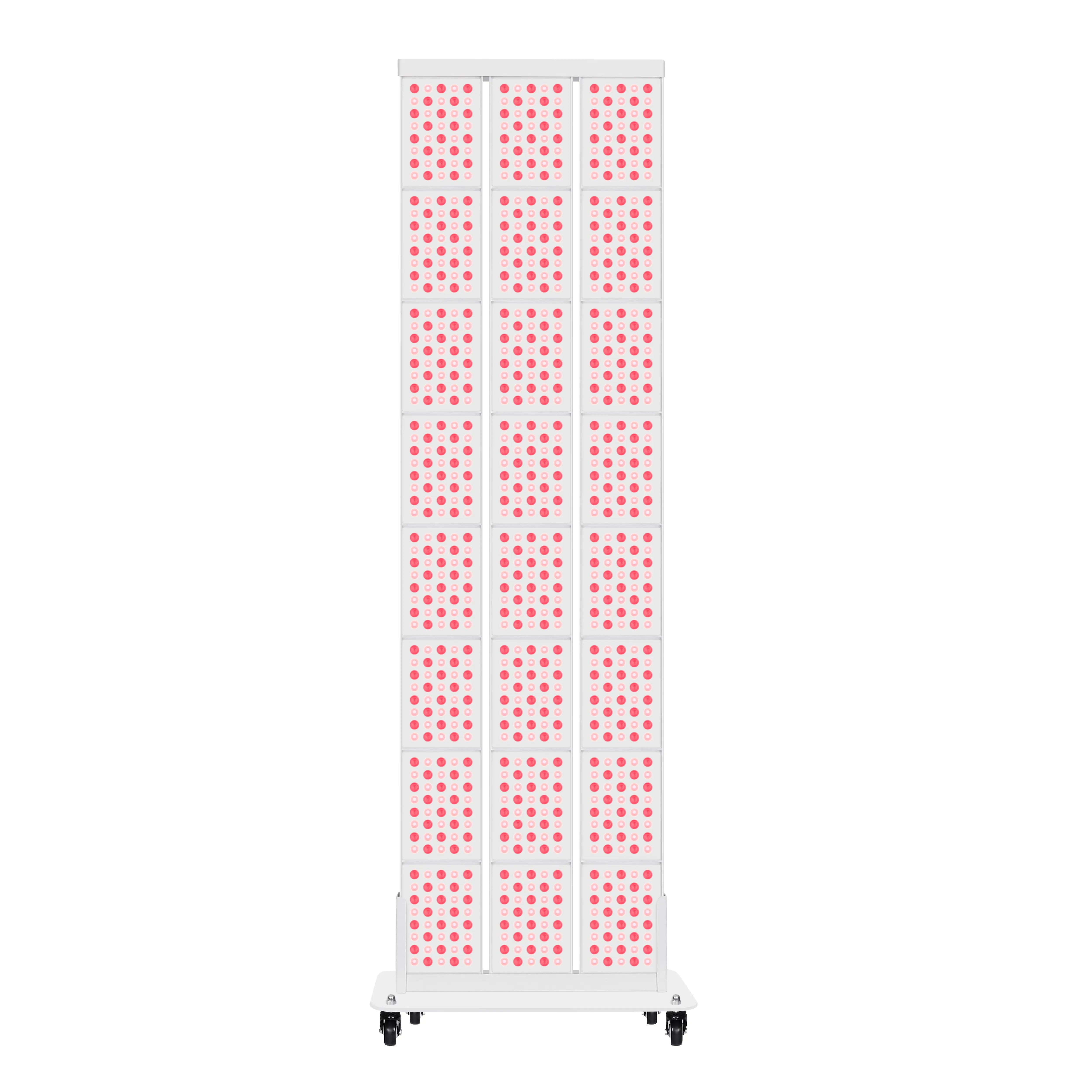
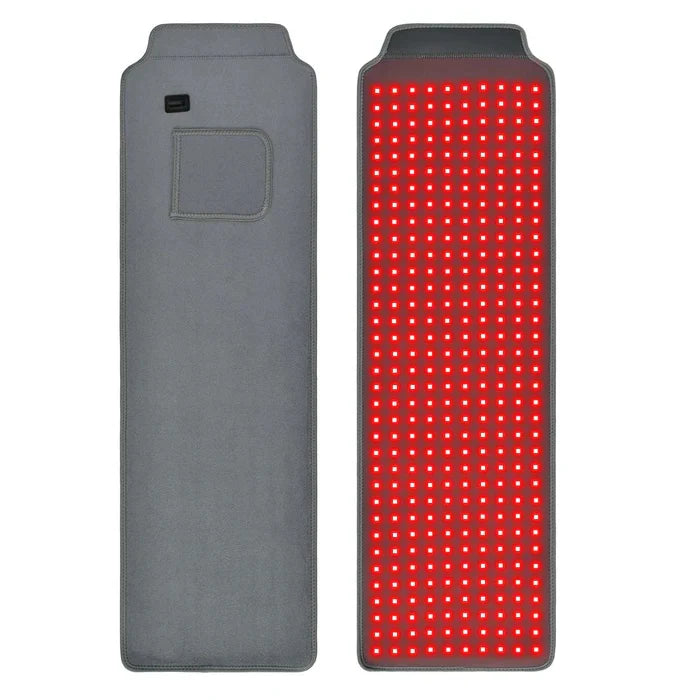
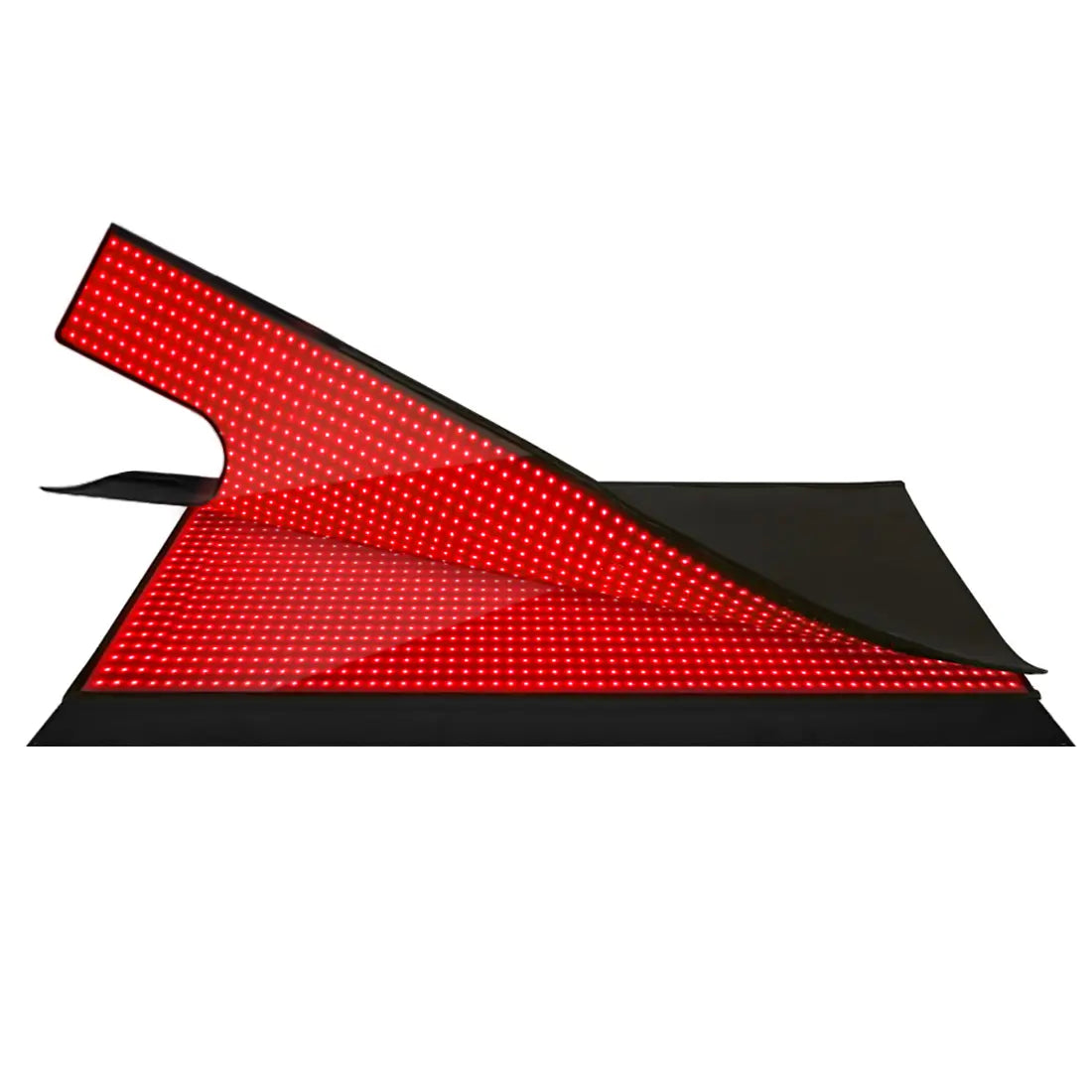
If your focus is skin quality and stretch marks on the chest, devices using red wavelengths around 630 to 660 nanometers, as described in the Infraredi and BestQool materials, are appropriate for superficial tissue. These can be panel‑style units, flexible LED wraps, or compact medical‑grade pads. You would typically position the LEDs at the manufacturer’s recommended distance and bathe the upper chest and breast skin while respecting any guidance about avoiding direct nipple exposure if you are breastfeeding and not working within a clinical protocol.
If you are addressing surgical scars, such as from breast surgery or a high transverse cesarean that affects how bras sit on your torso, the evidence summarized by South Texas Pelvic Health and plastic‑surgery sources suggests that starting with low‑level red light and then gradually incorporating near‑infrared wavelengths as healing progresses can encourage better scar maturation. A postpartum perineal-healing device like NeoHeat shows how targeted red and near‑infrared LEDs plus gentle warmth can be packaged for delicate tissue; chest scars benefit from the same principles applied in an appropriately shaped fixture.
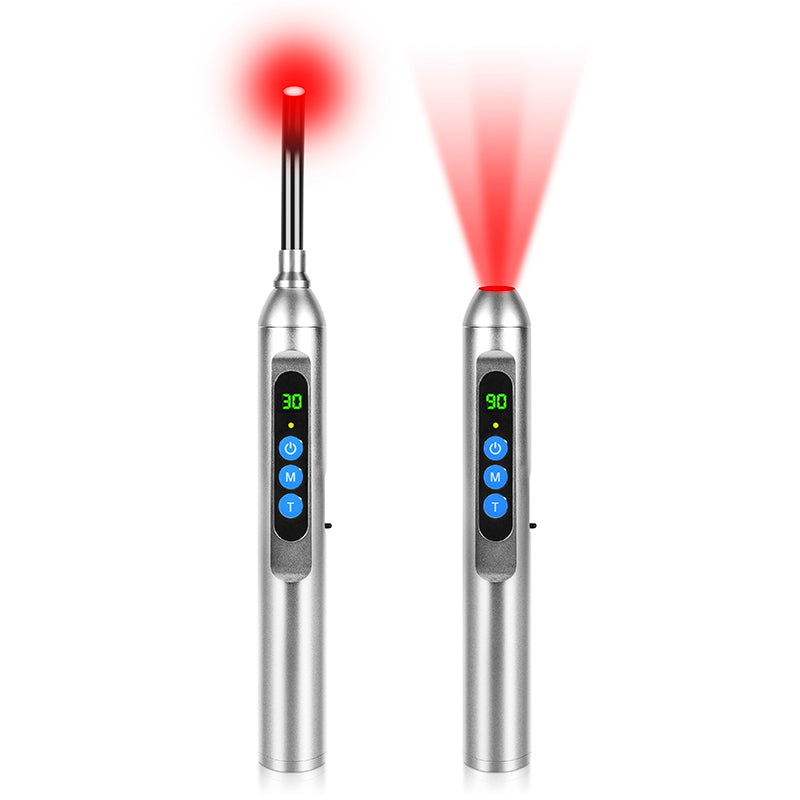
For nipple trauma or pain, the clinical trials in your notes point to very short, localized sessions with diode lasers or LED probes around 660 nanometers, following specific dosimetry from lactation-focused therapists. This is an area where I strongly recommend collaborating with an International Board Certified Lactation Consultant or a clinician familiar with photobiomodulation, because evidence‑based protocols matter for safety and effectiveness.
Finally, for posture, back pain, and whole‑body recovery that indirectly supports breast firmness, larger panels or body wraps like those marketed by PlatinumLED, Infraredi, and Spectra can be positioned to treat the mid‑back, shoulders, and abdominal wall. These sessions can be scheduled around feeding and sleep, often in ten‑ to fifteen‑minute blocks three to five times per week as outlined in the postpartum recovery guides.

Device Choice and Lighting Design Considerations
From a lighting‑engineering perspective, not all red LEDs are created equal. Stanford dermatology commentary and resources from Lumaflex emphasize that ordinary red bulbs or mood lights are not equivalent to medical red‑light devices. They lack calibrated wavelengths, controlled power density, and tested treatment schedules, so they are unlikely to deliver the biological effects seen in clinical studies.
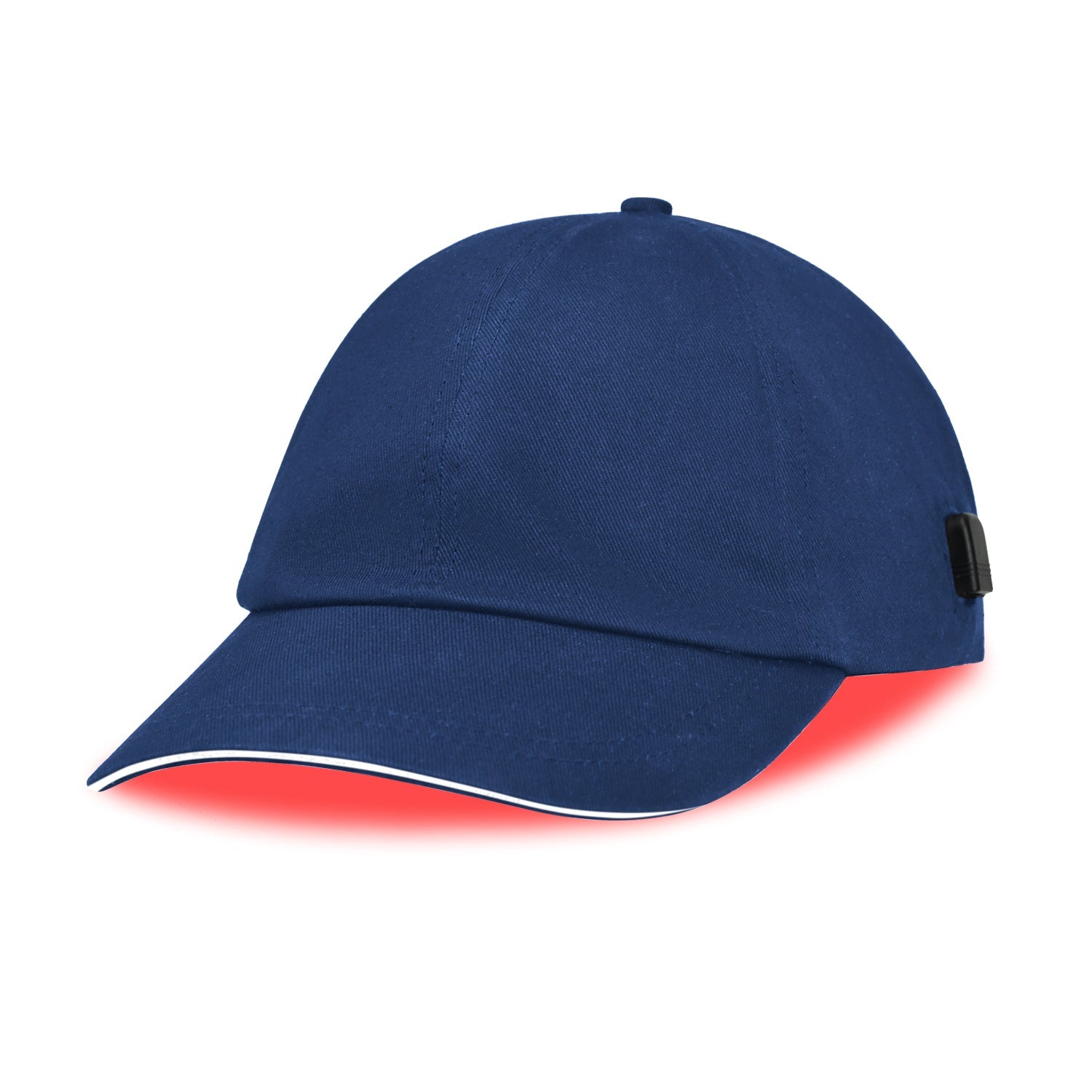
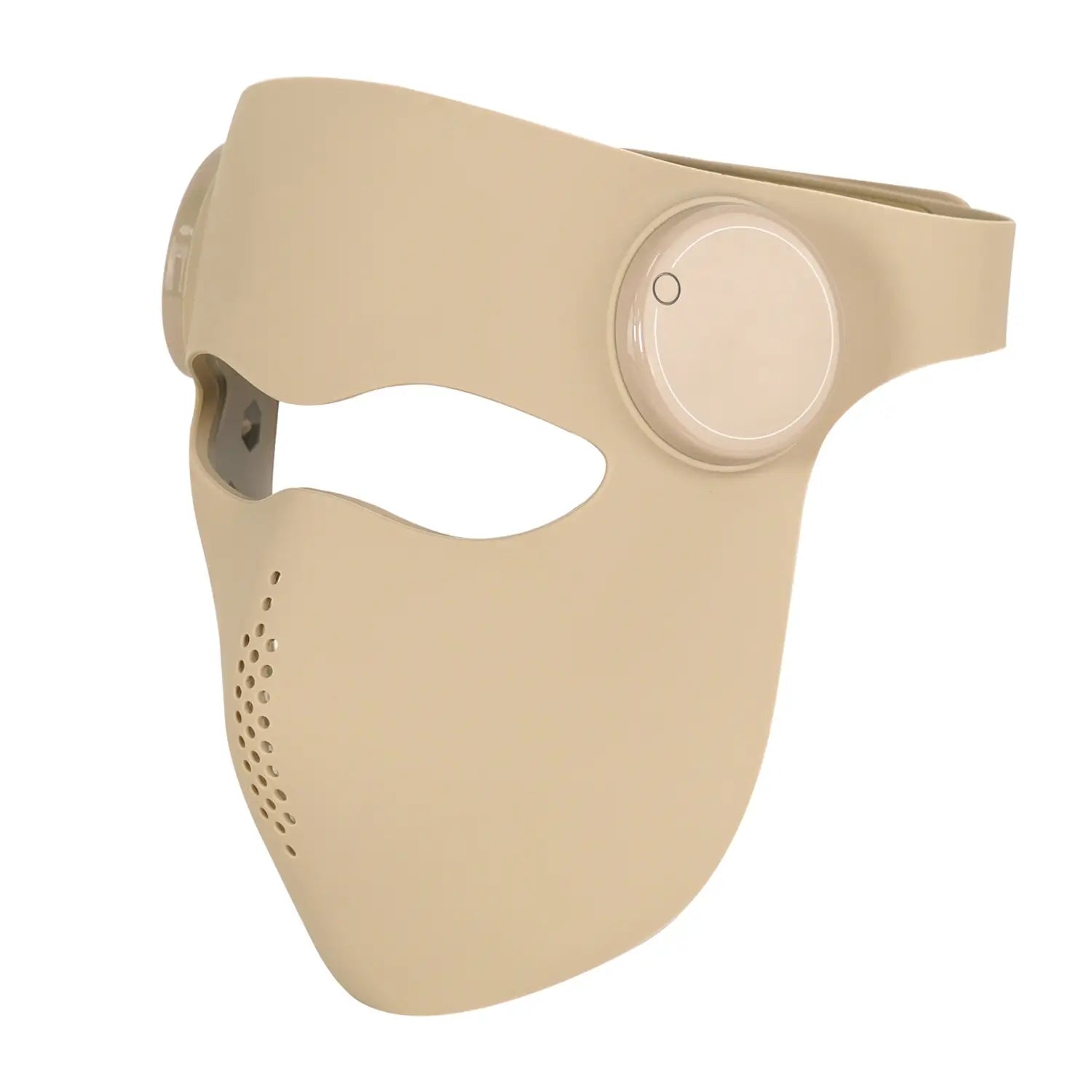
The devices discussed in your notes cluster around a few key characteristics. They use specific red bands, frequently around 630 to 660 nanometers, and near‑infrared bands between about 810 and 850 nanometers, sometimes extending toward 980 nanometers for deeper tissue. They rely on medical‑grade LEDs with enough power to reach therapeutic irradiance at a defined distance, and they often include built‑in timers to prevent overuse. Some, like the PlatinumLED BIOMAX panels, combine red and near‑infrared with a small amount of blue light for acne and surface bacteria, whereas others, like Spectra units and LUMEBOX, focus purely on red and near‑infrared to avoid heating.
For a postpartum home, I usually recommend separating “therapy light” from “room light.” Therapy panels or wraps are used at close range for short, scheduled sessions. General room illumination, especially for night feeds, should be gentle and sleep friendly. PlatinumLED’s postpartum material notes that red wavelengths are less disruptive to circadian rhythms than white, blue‑rich light, and suggests using red‑tinted nursery bulbs at night. That dovetails with the meta‑analysis showing that thoughtfully timed light exposure can improve sleep in perinatal women. An evening environment with soft, warm light plus short, targeted red‑light sessions can support both circadian health and tissue recovery.
When selecting a device for breast and chest use, safety features matter as much as brightness. Look for hardware that is cleared or registered for therapeutic use, from manufacturers that disclose wavelength ranges, irradiance levels, and recommended session times. Several postpartum sources, including Motherhood Wellness Clinic and redlighttherapyhome, explicitly advise mothers to favor reputable brands, preferably those with FDA clearance, and to follow manufacturer instructions closely while using eye protection and monitoring for skin redness or tightness.
Safety, Risks, and When to Be Cautious
The safety profile of red light therapy in your research is generally favorable. MD Anderson emphasizes that low‑level red light is considered safe when patients use proper eye protection, and serious adverse events are rare. The perinatal bright‑light meta‑analysis reported no serious side effects across eight randomized trials. Postpartum-specific work, including the Abdoelmagd tailbone study and multiple nipple‑pain trials, found significant clinical benefits without major complications.
Still, “low risk” is not “no risk.” Several sources underline that misuse can lead to skin irritation or burns, particularly with high‑powered devices used at very close range for too long. BestQool and Infraredi both recommend that breastfeeding women consult a healthcare provider before starting therapy and avoid using red light as a replacement for standard medical and lactation care. Redlighttherapyhome lists cautious use or medical clearance for people with serious skin diseases, photosensitivity, or a history of skin cancer.
When your goal is breast firmness, two safety principles are especially important. First, cosmetic goals should never override breastfeeding safety. If you are nursing or pumping, prioritize evidence‑based, localized protocols for nipple trauma or scars and defer large‑area, high‑dose cosmetic chest treatments until you and your clinician are confident it is appropriate. Second, any signs of infection, such as fever, rapidly worsening redness, or systemic symptoms, demand medical evaluation; red light is a supportive tool, not an antibiotic or emergency treatment.
A Realistic, Light‑Smart Breast Firmness Strategy
The most successful postpartum breast‑firmness plans I have seen are the ones that weave red light into an ecosystem of support rather than treating it as a miracle gadget. The lighting is designed so that a therapy panel near the nursing chair becomes part of a soothing nightly ritual, a small NeoHeat‑style device or nipple‑care protocol is coordinated with a lactation consultant, and the general nursery lighting protects the family’s sleep by avoiding harsh, blue‑heavy brightness after sunset.
Within that framework, red light therapy offers a practical set of wins. It can accelerate healing of nipple and incision trauma so that discomfort no longer forces you into protective, hunched postures. It can improve the texture and elasticity of chest skin and stretch marks over time, making bras and swimwear feel better and look smoother. It can lessen muscle and joint pain, help recharge your energy, and nudge mood and sleep in a healthier direction so you have the bandwidth to care for your body, not just your baby.
Will it single‑handedly lift breasts back to their pre‑baby position? The evidence in your notes does not justify that promise. But as a precisely tuned, LED‑based ally for skin, scars, pain, and energy, red light can help your breasts feel more comfortable, supported, and yes, often visibly firmer as part of a thoughtful, whole‑body recovery plan.
In the language of lighting design, you are not just illuminating a surface; you are curating a healing environment for the deeper structures that hold you up. When you combine targeted red light with smart support wear, gentle strength work, and a calm, sleep‑friendly home lighting scheme, you are giving your postpartum body the spectrum it needs to rebuild from the inside out.
References
- https://pubmed.ncbi.nlm.nih.gov/32654094/
- https://med.stanford.edu/news/insights/2025/02/red-light-therapy-skin-hair-medical-clinics.html
- https://www.mdanderson.org/cancerwise/what-is-red-light-therapy.h00-159701490.html
- https://blog.tracydonegan.org/blog/coccydynia-and-red-light-therapy
- https://motherhoodwellnessclinic.com/the-benefits-of-red-light-therapy-for-mothers
- https://hsastore.com/mommy-matters-neoheat-red-light-therapy-device-for-postpartum-healing/40890.html?srsltid=AfmBOoow87O588xhcrCEyzolvbQvSqyqS0mWbmWPj2m9F_Qve6kfBJbm
- https://hyperchargeclinic.com/the-benefits-of-postpartum-red-light-therapy/
- https://lactationroom.com/lumebox-red-light-therapy/
- https://www.southtexaspelvichealth.com/blog/the-benefits-of-red-light-therapy-postpartum
- https://www.spectraredlight.com/red-light-therapy-and-nursing-mothers/