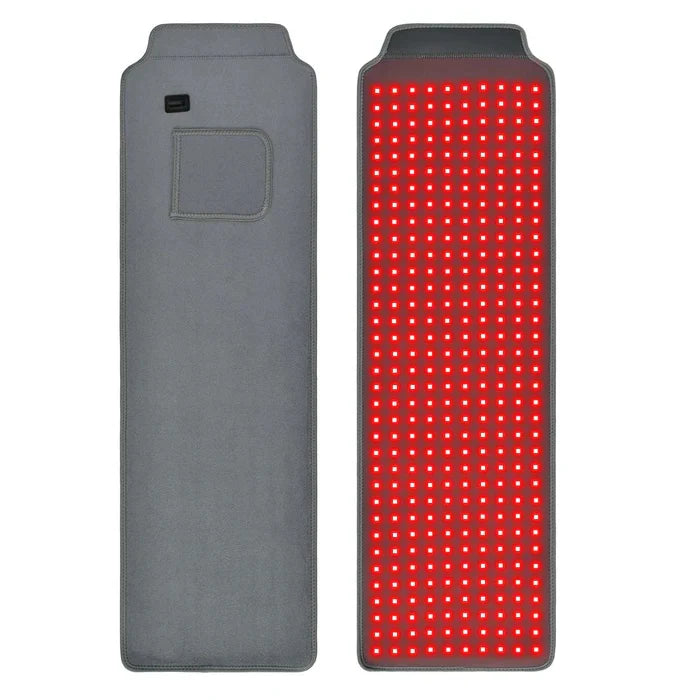
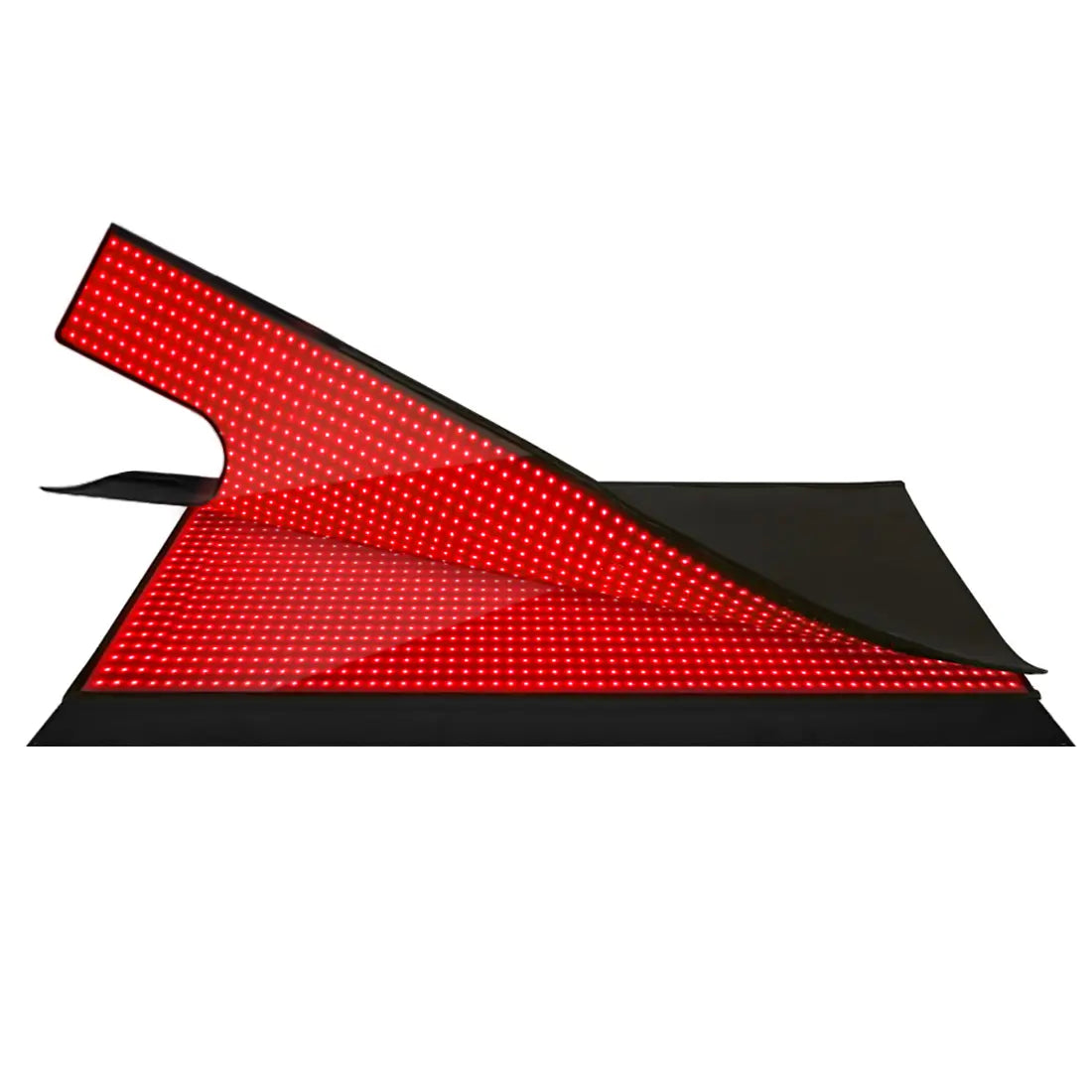
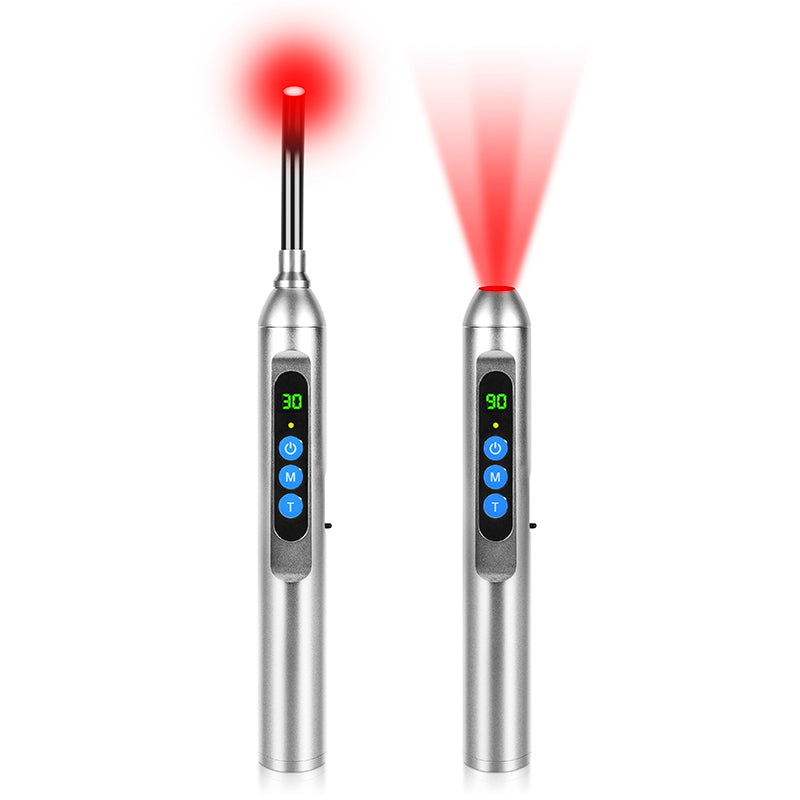

Scars tell the story of your life: surgeries, injuries, breakouts, pregnancies, hard training blocks. As a long-time light-therapy geek, I love any tool that can help write those stories a little more softly on the skin. Red light therapy has become one of the most hyped options for preventing and fading scars, especially in the biohacking and home-wellness world.
But hype is cheap. Controlled data, mechanistic plausibility, and realistic outcomes are what matter.
In this article, I will walk you through what reputable sources like Stanford Medicine, Cleveland Clinic, academic trials, and dermatology experts actually say about using red and near‑infrared light to prevent and minimize scars. You will see where the evidence is solid, where it is mixed, and where marketing has clearly pulled ahead of the science. Along the way, I will show you how I would structure a practical, science-respecting scar‑prevention protocol that uses light as a tool, not a miracle cure.
Why Scars Form — And Why Prevention Matters
Any time the skin is damaged deeply enough, it repairs itself with new collagen. That new tissue is denser and less organized than normal skin, which is why scars often feel thicker or look different from their surroundings. A review on scars and stretch marks describes several main scar patterns: raised hypertrophic scars that stay within the original wound, keloids that extend beyond it, sunken atrophic scars that often follow acne or chickenpox, and contracture scars after burns that can tighten and limit movement.
Stretch marks, or striae, are a related form of structural change, created when skin is stretched or shrunk rapidly, as in puberty, pregnancy, rapid weight change, bodybuilding, or prolonged corticosteroid use. They typically appear as red, purple, or dark streaks and then fade over time, but usually do not disappear completely. The same review stresses an important point: no cream, device, or procedure can reliably erase scars or stretch marks; at best, we can soften and blend them.
From a public‑health standpoint, the stakes are huge. An analysis of skin fibrosis and scarring cited by researchers estimates that scars and fibrosis affect roughly 100 million people per year worldwide. That is a lot of people searching for tools to help their skin heal better.
The upshot for scar prevention is simple. Once a mature scar is fully formed, you are negotiating with stubborn architecture. Early in the healing process, though, the biology is more malleable. That window is precisely where red light and other photobiomodulation techniques try to act.

What Red Light Therapy Actually Is
Medical and wellness sources use several overlapping terms here: red light therapy, low‑level light therapy, low‑level laser therapy, photobiomodulation, and soft or cold laser therapy. Cleveland Clinic, Brown‑affiliated health guidance, and WebMD all describe essentially the same thing.
Red light therapy uses low‑intensity visible red light and often near‑infrared light, delivered by LEDs or low‑power lasers, to influence cellular processes without burning the skin or exposing you to ultraviolet radiation. Common therapeutic ranges in the literature include visible red bands around 611–650 nanometers and broader polychromatic ranges from about 570 up toward 850 nanometers. Near‑infrared light in the 800‑plus nanometer range penetrates a bit deeper than visible red and is widely used in joint, muscle, and deeper‑tissue applications.
Mechanistically, major medical sources describe red light acting primarily on mitochondria, the energy centers of the cell. By being absorbed in components of the respiratory chain, red and near‑infrared light appear to increase ATP production, modulate reactive oxygen species in a controlled way, and activate signaling pathways that influence inflammation, blood flow, and collagen synthesis. That is the core concept of photobiomodulation.
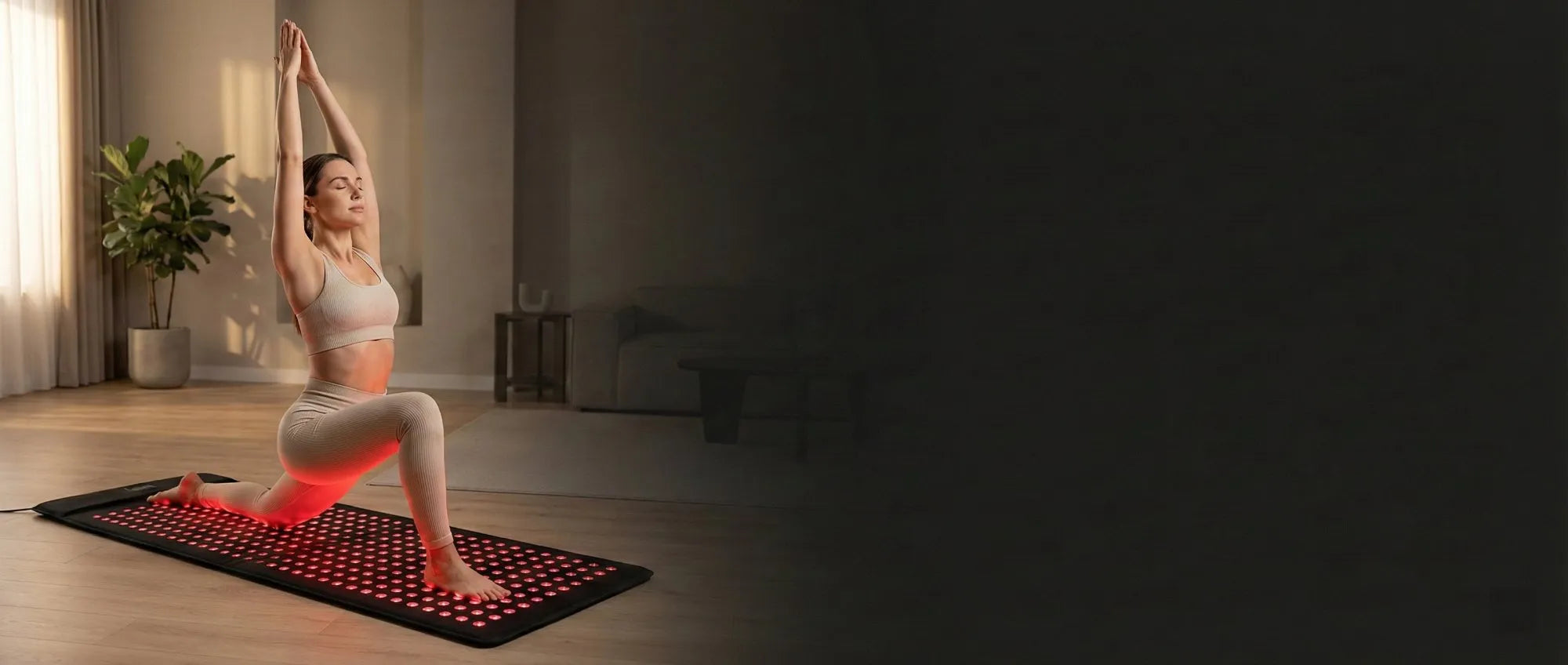
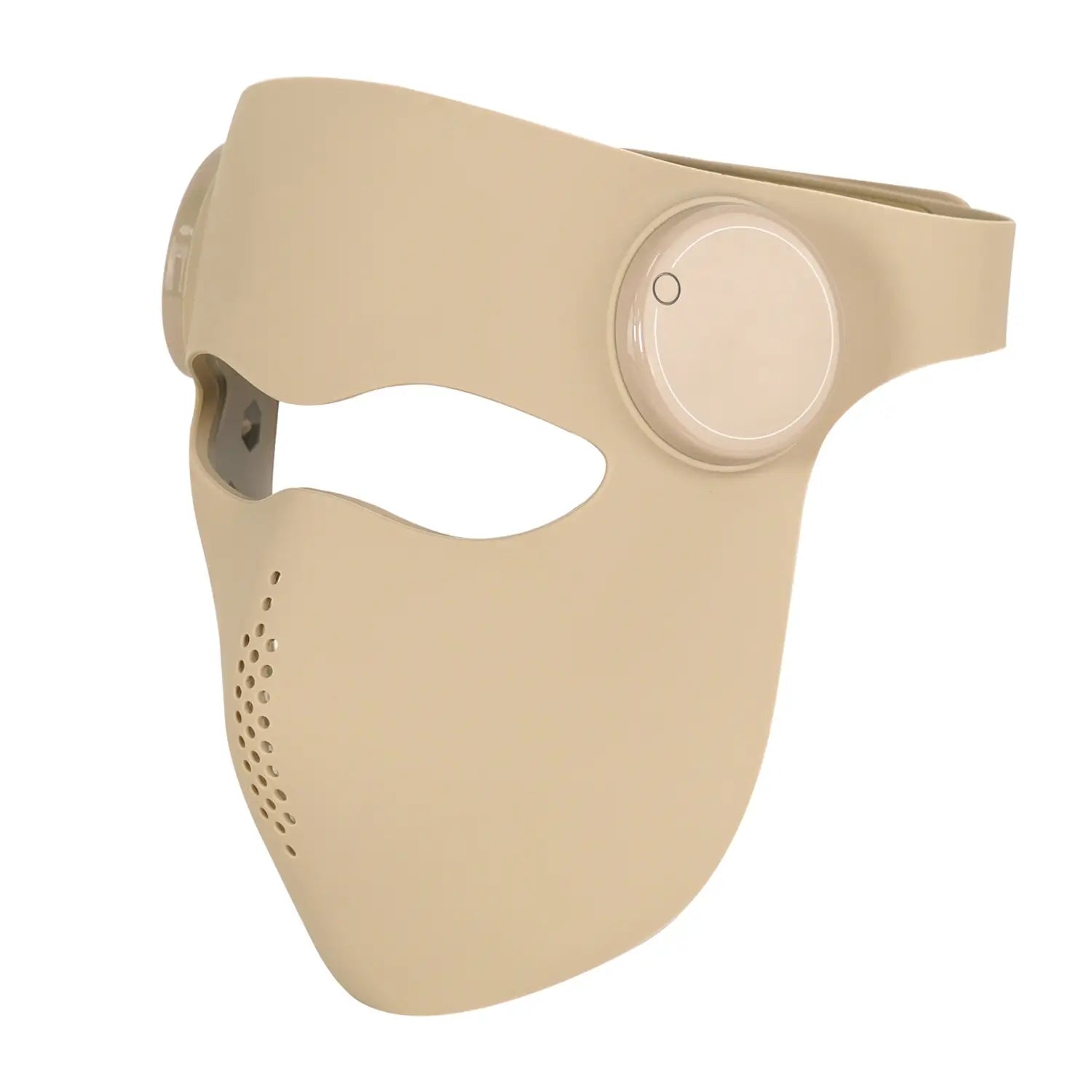
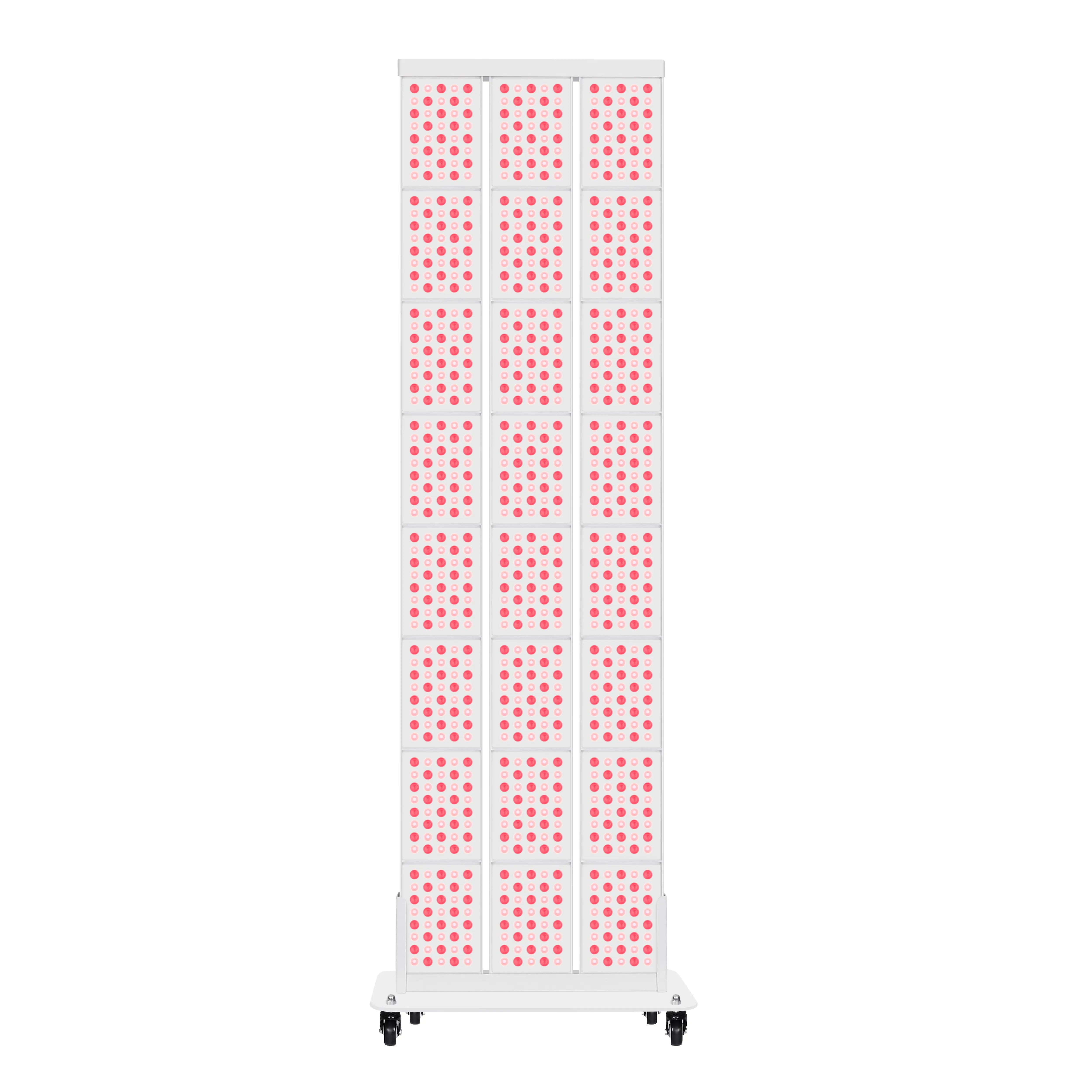
On the skin surface, dermatology practices and hospital systems report using red light clinically for fine lines, modest skin rejuvenation, acne, and as an adjunct for wound healing. Consumer devices bring that same idea home through face masks, hand‑held wands, panels, pads, and flexible mats. Academic overviews of at‑home light devices emphasize that these home systems are usually less powerful and more variable than medical‑grade equipment, but still operate on the same basic principles.
For scars specifically, multiple sources—from dermatology clinics to dental practices to wellness centers—frame red light as a non‑invasive, low‑risk adjunct that might support better healing and less conspicuous scars when used consistently and early in the remodeling process.

How Red Light Could Influence Scar Formation
Calming Inflammation and Steering the Healing Cascade
Normal wound healing moves through overlapping phases: an initial inflammatory burst, formation of granulation tissue, collagen deposition, and long‑term remodeling. Excessive or prolonged inflammation can push the system toward thicker, more fibrotic scars.
Cleveland Clinic, Brown‑affiliated guidance, and WebMD all highlight red light’s potential anti‑inflammatory effects. In acne, for example, dermatology sources describe visible red light as calming redness and swelling, supporting healing, and reducing post‑inflammatory hyperpigmentation. Similar logic applies to wounds and surgical sites: if you can reduce excessive local inflammation without shutting down repair, you may nudge the scar toward a flatter, quieter outcome.
A recent experimental paper in a Nature Communications journal takes this a step deeper. In a mouse model, non‑ultraviolet visible light accelerated wound closure and reduced subsequent scar formation, with evidence pointing toward modulation of STAT3, a key transcription factor that integrates cytokine and growth‑factor signals in keratinocytes, fibroblasts, and immune cells. The authors propose that visible light can reshape the inflammatory environment and matrix remodeling, not by simply turning healing on or off, but by tuning pathways such as JAK/STAT in a more favorable direction.
Although that work is preclinical and in mice, it supports the broader picture already emerging from clinical dermatology: appropriately dosed visible and red light can act as a subtle steering mechanism in the wound‑healing orchestra.
Fibroblasts, Collagen, and the “Goldilocks” Zone
Scars are collagen problems. Fibroblasts—the cells that produce collagen and elastin—are the main actors in how that collagen is laid down. Multiple dermatology sources note that red light stimulates fibroblasts, increasing collagen and elastin production and improving skin firmness and texture.
A controlled clinical trial in healthy volunteers exposed large areas of skin to either red‑dominant light in the 611–650 nanometer range or a broader 570–850 nanometer spectrum. Participants received about thirty sessions over several weeks. Compared with untreated controls, the light‑treated groups reported improved skin feeling and complexion; objective measurements also showed reduced skin roughness and increased intradermal collagen density. That study was focused on cosmetic rejuvenation, not scars, but it confirms that non‑thermal red‑range light can change collagen architecture in living human skin.
At the same time, a broad review of connective‑tissue photobiomodulation research emphasizes a critical nuance: dose matters. Across bone and connective‑tissue models, low to moderate light doses tend to stimulate proliferation and repair, whereas excessively high fluences can inhibit cell viability or even trigger cell death. This biphasic “Arndt–Schulz”‑type response means more light is not necessarily better. It also helps explain why some clinical scar trials show benefit at modest doses but not at the highest levels tested.
Visible Light, Mitochondria, and STAT3: Early Mechanistic Clues
The Nature Communications work is not alone in linking visible and red light to deeper signaling cascades. Other photobiomodulation studies point to mitochondrial reactive oxygen species as upstream triggers for JAK2–STAT3 and PI3K–STAT3 pathways, which in turn regulate angiogenesis, extracellular matrix remodeling, and inflammatory gene programs.
Separately, a review of at‑home red light technology notes that repeated 660 nanometer LED exposure in a human reconstructed skin model increased type I procollagen by roughly a third and reduced a collagen‑degrading enzyme by nearly a fifth, without histologic damage. Those are anti‑aging data, but they illustrate that properly dosed red light can up‑regulate constructive repair while toning down breakdown.
Putting the mechanistic pieces together, there is a plausible pathway from light absorption in mitochondria and photo‑responsive receptors, through STAT3 and related signaling, out to real‑world changes in collagen quality, vascularization, and inflammation—exactly the levers you would want to pull if your goal is better scars.
Clinical Evidence: Red Light and Scar Prevention
Mechanism gives us permission to take red light seriously. Clinical evidence tells us how far to go.
Surgical Scars: Early Signals, Mixed Outcomes
For surgical scars, the cleanest data come from controlled trials in elective cosmetic procedures, where incisions are standardized and follow‑up is rigorous.
A randomized, mock‑controlled split‑face trial in facelift patients tested a 633‑nanometer LED red light device on one side of the face while the other side received temperature‑matched mock therapy. Treatments began about a week after surgery and were given three times per week for three weeks at different energy levels. At six months, the primary endpoint—an objective measure of scar pliability—did not differ significantly overall between treated and control scars, although some dose levels showed numerically softer scars on the treated side. Observer ratings using a validated scar assessment scale favored low and medium red‑light doses, while the highest dose actually performed slightly worse than control. Patient ratings were more mixed. Importantly, safety was good, with only mild, transient local reactions.
Stanford Medicine dermatologists reviewing red light therapy note similarly mixed wound and scar data. In one eyelid surgery study they highlight, red light appeared to speed early healing or improve the immediate scar appearance, with treated areas healing in roughly half the usual time. But by about six weeks, treated and untreated sites often looked similar, leaving long‑term scar benefit uncertain.
On the more optimistic side, clinical dental and wellness practices report using red or near‑infrared therapy as part of post‑surgical care to help scars appear softer and flatter over time. A dental clinic article describes starting red light therapy early in the healing process and observing smoother skin and decreased scar visibility within weeks in many patients recovering from procedures or temporomandibular disorder care. A wound‑healing center describes surgeons incorporating red light into postoperative plans, reporting fewer follow‑up visits and dressing changes as wounds heal more efficiently.
Consumer‑facing educational material from a red‑light device brand references a clinical study suggesting that red LED therapy can be used safely in the early postoperative period and may reduce post‑surgical scarring, and notes plastic surgeons who recommend it to reduce swelling, pain, and scar visibility.
Balancing all of this, a skeptical review on scars and stretch marks emphasizes that existing red‑light scar studies are small, often short‑term, and sometimes poorly controlled. It concludes that red light remains an adjunct at best, and is not a proven primary treatment for preventing surgical scars.
Taken together, the surgical literature says this: appropriately dosed red light appears safe and may modestly improve scar pliability or early cosmetic appearance, especially at low or medium doses, but large, definitive trials are lacking and high‑dose regimens can be counterproductive.
Acne, Inflammatory Lesions, and Post‑Acne Scars
Dermatology practices are more comfortable using red light for inflammatory skin conditions, including acne and its aftermath. Several clinics describe red light therapy as stimulating fibroblasts, boosting collagen and elastin, and exerting anti‑inflammatory effects that calm redness and irritation. In acne care, red light is often paired with blue light; blue targets acne‑causing bacteria and sebaceous activity, while red supports healing, reduces inflammation, and may lessen scarring and post‑inflammatory hyperpigmentation.
Cleveland Clinic notes that red light therapy is promoted for treating active acne, improving facial texture, and addressing scars and sun damage, but emphasizes that most studies are small and often lack rigorous controls. Outcomes are promising in some cases but not strong enough to claim broad, guaranteed success.
An academic overview of low‑level light therapy reports that visible red LED can modulate fibroblast pathways related to fibrosis and scarring, and presents red light as a promising adjunct for anti‑scarring therapies. However, the authors explicitly call out the lack of robust clinical trials on established scars.
The emerging pattern in acne and post‑inflammatory marks mirrors the surgical story. Red light is a biologically plausible, clinically used adjunct that may help calm inflammation, speed lesion resolution, and support more organized collagen repair. It should not be treated as a replacement for well‑proven acne regimens, but it can complement them.
Stretch Marks and Skin Fibrosis
Stretch marks occupy an awkward space between cosmetic concern and micro‑fibrosis. A wellness clinic focused on wound healing notes that red light therapy can help fade stretch marks by increasing collagen and elastin, improving skin elasticity and texture. They describe seeing visible improvements over several months of regular treatments and present red light as a gentle alternative to more aggressive procedures.
The scar‑and‑stretch‑mark review mentioned earlier is more cautious. It explains that stretch marks reflect deep disruption of collagen and elastin, and that even with topical retinoids, silicone gels, corticosteroids for raised scars, and in‑office procedures like lasers, microneedling, and peels, results are partial. That same piece acknowledges that red and near‑infrared light are being investigated for scars and stretch marks because they may boost cellular activity and skin regeneration, but emphasizes that existing evidence consists mainly of small trials and case reports with modest improvements. The authors are explicit that red light should be considered a complementary, not primary, option and that no current method—light included—can guarantee complete removal of scars or stretch marks.
Visible Light Wound Data in Animals
The Nature Communications mouse study is worth a brief return visit. In that work, visible light accelerated wound closure and reduced later scar formation compared with non‑illuminated controls, apparently by tuning STAT3‑centered pathways and the inflammatory milieu. The authors position visible‑light phototherapy as a potentially simple, non‑invasive adjunct to standard wound care and note the large, costly burden of chronic wounds worldwide.
Animal data cannot be assumed to translate one‑for‑one to human scar prevention. Still, when you combine these mechanistic findings with the human cosmetic and scar trials, the case for responsible experimentation with red light as part of scar‑prevention strategies becomes reasonable—provided expectations stay grounded.
Home Devices vs Clinical Systems for Scar Prevention
If you are a wellness optimizer, your next question is usually whether to invest in a home panel or stick with professional sessions.
Dermatology organizations such as the American Academy of Dermatology and hospital systems like Cleveland Clinic draw a clear distinction between in‑office and consumer devices. Office‑based systems are typically more powerful, with well‑characterized wavelengths, irradiances, and treatment protocols. They are used under the supervision of board‑certified dermatologists or surgeons who can tailor parameters to your skin type, procedure, and medical history.
At‑home masks, wands, and panels are more accessible and convenient, but they often deliver lower light intensities and may provide limited, sometimes vague information about actual output and dosage. Dermato‑oncology experts at Stanford Medicine specifically point out that even clinical results depend heavily on treatment parameters, and consumer tools frequently lack reliable characterization of those parameters.
Guidance from Cleveland Clinic, the American Academy of Dermatology, WebMD, and other medical sources converges on a few practical points. Some red light devices are cleared by the U.S. Food and Drug Administration for narrow indications such as certain types of acne, hair loss, or pain, but that clearance is primarily about safety and does not validate every cosmetic claim in marketing. At‑home users should choose reputable, preferably FDA‑cleared devices, follow manufacturer instructions carefully, protect their eyes, and be prepared to use the device regularly for weeks or months before deciding whether they see a subtle benefit.
A consumer‑education article on home LED devices notes that typical at‑home treatments for facial skin involve about ten to twenty minutes per session, performed several times per week. A Baylor‑affiliated dermatology article echoes that, describing common regimens of ten to twenty minutes, one to three times per week, with the strong reminder that consistency over time is far more important than any single session.
In‑office treatments, by contrast, may use higher intensities and longer exposures, often spaced out over fewer total sessions. WebMD notes that clinical red light sessions can cost around eighty dollars or more each, while at‑home devices can range roughly from one hundred to one thousand dollars depending on size and power.
You can think of clinic treatments as high‑octane, precision‑dosed interventions, and home devices as lower‑octane, habit‑driven tools. For scar prevention, the practical choice depends on your budget, time, and risk tolerance, but in both cases you should treat red light as an adjunct layered on top of meticulous standard wound care.
A Practical, Science‑Aligned Approach to Scar Prevention with Red Light
Here is how I would structure a realistic scar‑prevention strategy using red light therapy, informed by the studies and expert guidance above.
Before any planned surgery or procedure, start by talking with your surgeon and, if possible, a dermatologist. Major medical organizations repeatedly advise consultation before beginning red light therapy if you have underlying medical conditions, a history of skin cancer, photosensitive disorders, or are taking medications that increase light sensitivity. This is especially important when you are dealing with fresh surgical wounds.
Ask specifically whether red light or near‑infrared photobiomodulation is appropriate for your situation, and when it might be safe to begin. In the facelift trial, treatments began roughly seven to ten days after surgery, once incisions had started to heal, and were delivered three times per week for three weeks. That gives a reasonable template to discuss with your clinician, though you should not copy those parameters blindly.
Once you are cleared to start, aim for a schedule that is consistent but not excessive. Clinical and consumer guidance from dermatology practices and health systems commonly mention sessions of about ten to twenty minutes, done a few times per week, for several weeks or months. The facelift trial suggests that more is not always better; low and medium doses performed better than the highest dose. Photobiomodulation research in bone and connective tissues likewise shows that there is a sweet spot where light stimulates repair, while very high doses can flatten the response or even be inhibitory.
Pair red light with proven scar‑care basics. The scar‑and‑stretch‑mark review emphasizes that evidence‑based topical strategies—such as silicone gels or sheets for raised scars, prescription retinoids for atrophic scars or early stretch marks when appropriate, and judicious use of corticosteroids or bleaching agents under medical supervision—are still the foundation. In‑office tools like fractional lasers, microneedling, chemical peels, dermabrasion, and surgical scar revision remain the heavy hitters for challenging scars. Red light should sit alongside these established options, not above them.
For stretch marks and acne marks, treat red light as a long‑game accessory. The wellness clinic article on stretch marks emphasizes that visible improvements with red light typically require regular sessions over several months. The same is true in acne literature, where red light is often used in series and combined with blue light, topical medications, or procedures such as microneedling. You are aiming for gradual softening, better texture, and gentler color transitions, not an overnight eraser.
Throughout, manage expectations. Major medical organizations are explicit that red light therapy is not a first‑line treatment for serious conditions and that current scar evidence is modest and early‑stage. Both Cleveland Clinic and the American Academy of Dermatology suggest viewing red light as a potentially helpful add‑on to sound skin care, not a substitute for sunscreen, prescriptions, or regular check‑ins with a dermatologist.

Safety, Risks, and Who Should Be Cautious
Across Cleveland Clinic, Brown‑affiliated guidance, WebMD, the American Academy of Dermatology, UCLA Health, and University Hospitals, the safety profile of red light therapy looks generally favorable when devices are used correctly. The light used is non‑ultraviolet, so it does not carry the DNA‑damage and skin‑cancer risk associated with tanning beds or sunlamps. In short‑term studies, side effects are usually mild and transient: temporary redness, warmth, irritation, or a feeling of tightness.
However, there are important caveats. At very high intensities, early red light trials in other conditions have reported more significant skin redness or even blistering. Photobiomodulation research in bone cells shows that high fluences can impair cell viability or promote apoptosis. The facelift scar trial found that its highest red‑light dose actually produced slightly worse observer scar ratings than control, even though lower doses looked more favorable. These findings reinforce the “Goldilocks” principle: enough light to stimulate, not so much that you irritate or inhibit.
Eye safety is non‑negotiable. Dermatology and hospital sources recommend well‑fitting goggles, especially when using more powerful or closer light sources to the face. Intense visible or near‑infrared light directed into the eyes can pose risks even without ultraviolet radiation.
Certain groups should be particularly cautious. People with photosensitive conditions, those taking medications that increase light sensitivity, and individuals with a history of skin cancer or serious skin disease are consistently advised to talk with a board‑certified dermatologist before trying red light therapy, especially office‑based systems. Brown‑affiliated guidance also notes that pregnant people should discuss risks with a clinician, since data in pregnancy are limited even though one study of several hundred women exposed to laser light did not find clear harm.
Finally, watch out for overblown claims. Stanford Medicine explicitly notes that evidence is strongest for modest skin rejuvenation and hair regrowth, with mixed data in wounds and scars and limited evidence for things like athletic performance, sleep optimization, erectile function, or dementia outside small exploratory studies. Cleveland Clinic similarly stresses that many advertised benefits—for weight loss, cellulite removal, cancer treatment, or mental health conditions—are not supported by robust science.
Approach red light as a low‑risk, potentially helpful adjunct when used thoughtfully and under professional guidance, not as a cure‑all.

FAQ: Common Questions About Red Light Therapy and Scar Prevention
Can red light therapy prevent a scar from forming?
Based on current evidence, red light therapy cannot guarantee that you will not scar. Scars and stretch marks represent structural remodeling of the skin, and even strong in‑office treatments cannot fully erase that. What controlled trials and clinical experience suggest is that red light, when applied at appropriate doses during the early phases of healing, may modestly improve how supple, flat, and blended a scar becomes. Reviews of visible red LED for fibrosis propose it as a promising adjunct to existing anti‑scarring therapies, but not a stand‑alone solution.
When is the best time to start red light therapy after surgery?
There is no universal timing rule, and this is exactly where your surgeon’s input matters. In a controlled facelift study, red light sessions began roughly seven to ten days after surgery, once early healing was underway, and were performed three times per week for several weeks. Dental and wound‑healing clinics often recommend starting red light relatively early in the healing process, but only after a clinician confirms that it is appropriate for your specific wounds. Using light too aggressively on very fresh or compromised tissue without guidance is not advisable.
Can red light therapy make scars worse?
The best available human data do not suggest that properly dosed red light will make scars worse. Safety profiles in scar and skin‑rejuvenation trials are good, and low to medium doses usually show either modest improvement or neutrality. However, both the facelift trial and basic photobiomodulation research show that very high doses can flatten or reverse benefits, and in cell models may reduce cellular viability. In practice, that means over‑treating or using untested, very high‑intensity protocols could irritate the skin or blunt repair. Staying within manufacturer guidelines, favoring moderate dosing, and working with a knowledgeable clinician are the safest ways to avoid that scenario.
In the scar‑prevention world, red light therapy is neither snake oil nor a magic eraser. It is a biologically plausible, generally low‑risk tool with encouraging but still limited evidence, especially when used early and consistently as an add‑on to excellent wound care, evidence‑based topicals, and smart procedural choices. If you treat it like a precision instrument—respecting dose, timing, and your own medical context—rather than a miracle gadget, it can earn a thoughtful place in a science‑backed healing stack.

References
- https://www.academia.edu/143249930/The_Science_Behind_At_Home_Red_Light_Therapy_for_Scalp_and_Skin_Health
- https://ui.adsabs.harvard.edu/link_gateway/2022Photo...9..618S/PUB_HTML
- https://pmc.ncbi.nlm.nih.gov/articles/PMC3926176/
- https://dev.ppc.uiowa.edu/libweb/5P8050/HomePages/RedLightTherapyForScarTissue.pdf
- https://med.stanford.edu/news/insights/2025/02/red-light-therapy-skin-hair-medical-clinics.html
- https://www.brownhealth.org/be-well/red-light-therapy-benefits-safety-and-things-know
- https://my.clevelandclinic.org/health/articles/22114-red-light-therapy
- https://hartfordhealthcare.org/about-us/news-press/news-detail?articleId=66176
- https://newsnetwork.mayoclinic.org/discussion/mayo-clinic-minute-dermatologist-explains-light-therapy-for-skin/
- https://www.uclahealth.org/news/article/5-health-benefits-red-light-therapy