
As someone who spends their days thinking about how light interacts with spaces, surfaces, and skin, I see red light therapy as a kind of “architectural lighting” for your cells. The question many people now bring to dermatology clinics and at-home devices is simple: can these soft red LEDs actually soften the lines etched into the neck?
Let’s walk through what the science really shows, how it applies to neck wrinkles specifically, and how to choose and use red light in a way that is both realistic and results‑oriented.
Why Neck Wrinkles Are So Stubborn
The neck often gives away age and sun history earlier than the face. The skin here is relatively delicate, constantly in motion with every head turn and screen glance, and frequently under‑protected from the sun. Over time, two things matter most for visible neck aging:
Collagen and elastin slowly thin and break down. These are the structural proteins that give skin its spring and firmness. When they degrade faster than they are rebuilt, horizontal “necklace” lines deepen and the skin can take on a crepey look.
Chronic inflammation and sun exposure accumulate damage. Ultraviolet light, environmental stress, and even persistent irritation from fragrances or harsh products can trigger enzymes that chew up collagen and elastin and leave pigment irregularities behind.
Once that scaffolding is weakened, moisturizers alone cannot rebuild it. This is where red light therapy enters the conversation: not as magic, but as a way to gently nudge the skin’s repair systems back into motion.

Red Light Therapy 101: From LEDs To Skin Cells
Red light therapy is more than a glowing mask trend. Medically, it sits under the umbrella of photobiomodulation, a term that shows up in the dermatology and biomedical literature and became an official subject heading in PubMed in 2015.
Cleveland Clinic, Stanford Medicine, and Harvard Health describe the same core idea. Low‑level red or near‑infrared light, usually in the range of about 600 to a little over 800 nanometers, is delivered by LEDs or low‑energy lasers at non‑heating intensities. Unlike ultraviolet light, these wavelengths do not sunburn or tan the skin and are not linked to skin cancer.
At the cellular level, several things seem to happen at once:
Light is absorbed by mitochondrial enzymes such as cytochrome c oxidase, which boosts cellular energy production (ATP). A detailed review in PubMed Central notes that red and near‑infrared light in roughly the 600–1,100 nanometer window can upregulate genes tied to tissue repair, collagen, and elastin synthesis.
Fibroblasts, the cells that make collagen and elastin, become more active. Multiple dermatology sources, including Conejo Dermatology and Metropolis Dermatology, highlight that red light stimulates fibroblasts in a way that supports firmer, smoother skin over time.
Microcirculation improves and inflammation decreases. Increased blood flow brings more oxygen and nutrients to the skin, and the anti‑inflammatory effect can calm redness and irritation.
The result, when dosing is right and treatment is consistent, is not a dramatic “lift,” but rather subtle shifts: slightly denser dermis, smoother texture, and finer wrinkles that look less etched in.
This is the same physics and biology I work with when specifying LED fixtures: wavelength, intensity, and exposure time matter more than the marketing story printed on the box.

What The Science Actually Shows For Wrinkles
Controlled trials on facial aging
Most of the rigorous data comes from facial studies, but they still tell us a lot about what is plausible for the neck.
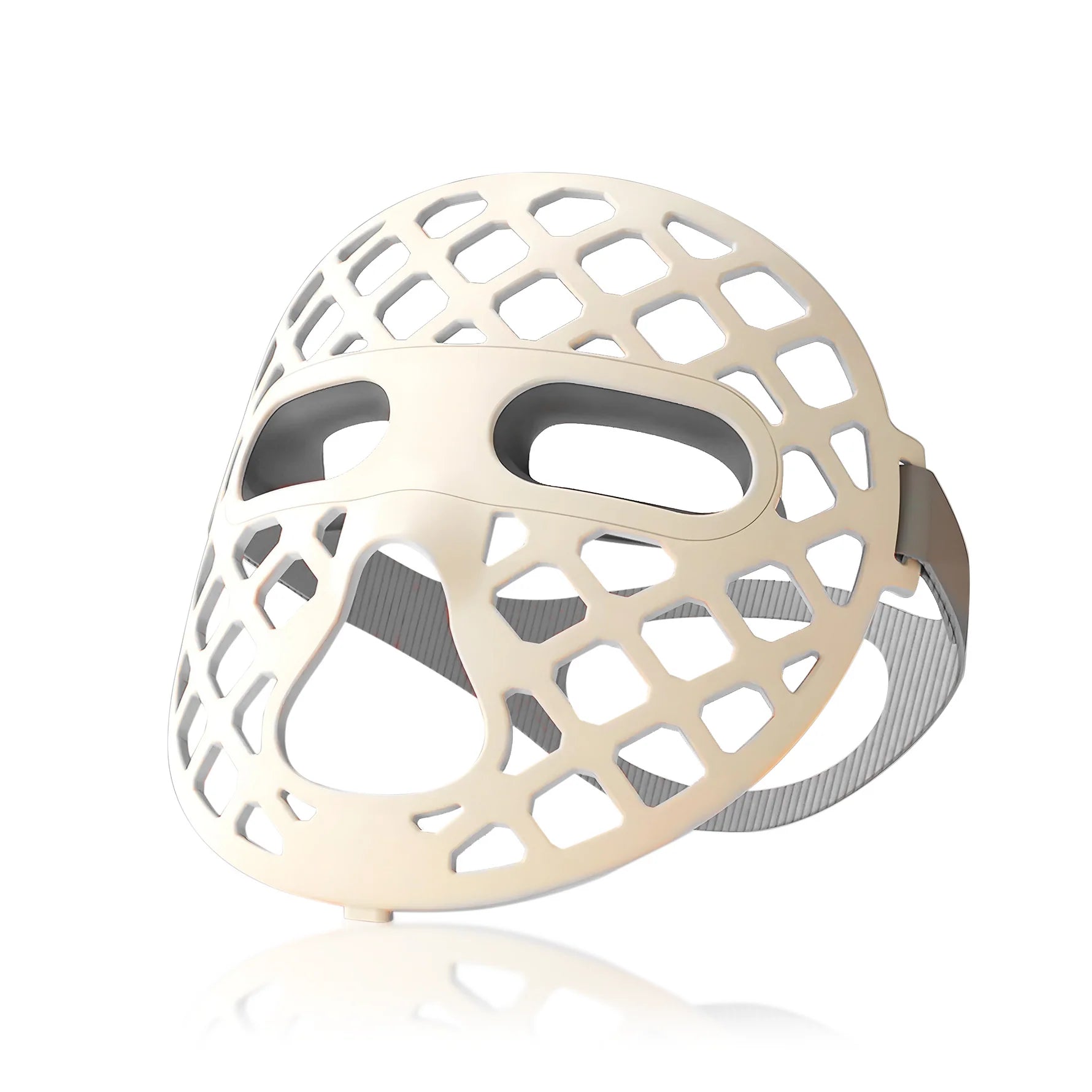
One detailed clinical study published on PubMed Central evaluated a home‑use red LED mask emitting around 630 nanometers. Twenty volunteers between 45 and 70 years old used the mask at home for 12 minutes, twice a week, over three months. Objective measurements, not just selfies, were taken.
After one month, researchers recorded about a 15.6 percent reduction in crow’s‑feet wrinkle depth, a 26.4 percent increase in dermal density, and measurable improvements in firmness, elasticity, and surface roughness. At two and three months, those gains continued to grow. Even a month after stopping the mask, the skin still showed better structure and texture than at the start. All subjects were judged to have overall skin quality improvement, with no safety concerns reported.
A larger randomized controlled trial, also published on PubMed Central, looked at 136 volunteers using full‑body polychromatic red and near‑infrared light sources twice a week for 30 sessions. Compared with untreated controls, those receiving red‑range light showed significant increases in ultrasound‑measured collagen density, reductions in computer‑measured skin roughness, and better subjective ratings of complexion and skin feel.
In that trial, blinded physicians assessed standardized wrinkle photographs. About 69 to 75 percent of those treated with red or red‑dominant light were rated as improved, while only roughly 4 percent of the control group improved and almost three‑quarters actually looked worse over the same period. Again, there were no severe adverse events.
Several reputable clinical centers summarize these findings in accessible language. Stanford experts describe hair growth and modest skin rejuvenation as the best‑supported aesthetic uses of red light. Cleveland Clinic notes that red light may help with wrinkles, scars, redness, and general skin quality, but emphasizes that most studies are small and more high‑quality research is needed. Harvard Health echoes this, calling LED skin devices “an exciting emerging area” with promising but still inconclusive evidence.
Why you should not rely on before‑and‑after photos alone
Not all data are so clean. A prospective study of an at‑home under‑eye LED device using red and near‑infrared light found that objective wrinkle scores changed only very slightly over six weeks and not in a statistically significant way, even though every participant reported that they felt their skin looked better.
That gap between perception and measurement is important. It tells us red light devices can be comfortable, safe, and satisfying while the actual structural change is modest. It also reminds us that marketing testimonials are not a substitute for controlled trials.
Translating face data to neck wrinkles
Most of these trials measured the face, usually crow’s feet and cheek texture. However, the full‑body study explicitly treated the head and neck together, and all of these outcomes are driven by fibroblasts and dermal collagen, which are the same fundamental players in neck skin.
That means it is reasonable, though not yet as rigorously documented, to expect similar types of benefit on the neck: gradual softening of fine horizontal lines, a bit more firmness in crepey areas, and a smoother, more even surface. What red light is not doing is tightening underlying neck muscles or removing deep structural bands. The AARP’s review of red light therapy for wrinkles makes this point bluntly: it can be a good standalone option for subtle improvements in wrinkles and tone, but it is not a substitute for more intensive procedures like lasers or injectables when deeper wrinkles are the main concern.
So, for neck wrinkles, red light therapy currently sits in the “modest but meaningful” category: helpful for early lines, texture, and radiance, less so for skin that already has pronounced laxity or bands.
Pros And Cons For Neck Wrinkle Treatment
From a lighting‑and‑biology perspective, red light therapy has a set of clear strengths and equally clear limitations.
It is gentle, non‑ablative, and low risk when used correctly. Unlike lasers that work by controlled injury, red light devices operate at non‑heating levels, so there is no peeling or downtime. That gentleness makes them attractive for neck skin, which often reacts quickly to harsh peels or aggressive resurfacing. Dermatology clinics cited by Metropolis Dermatology and BSW Health lean on LED phototherapy as a post‑procedure aid because of this soothing, pro‑healing profile.
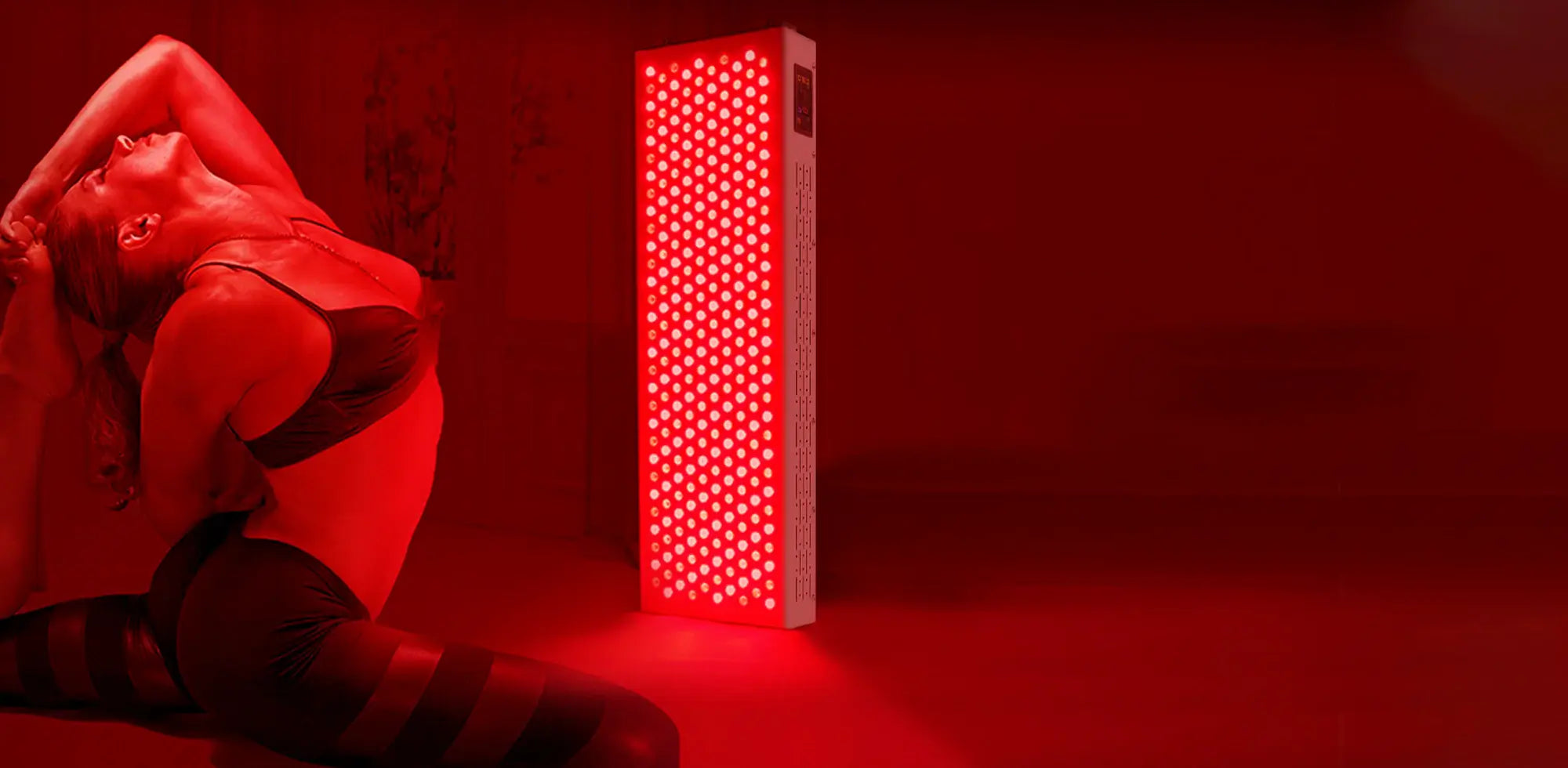
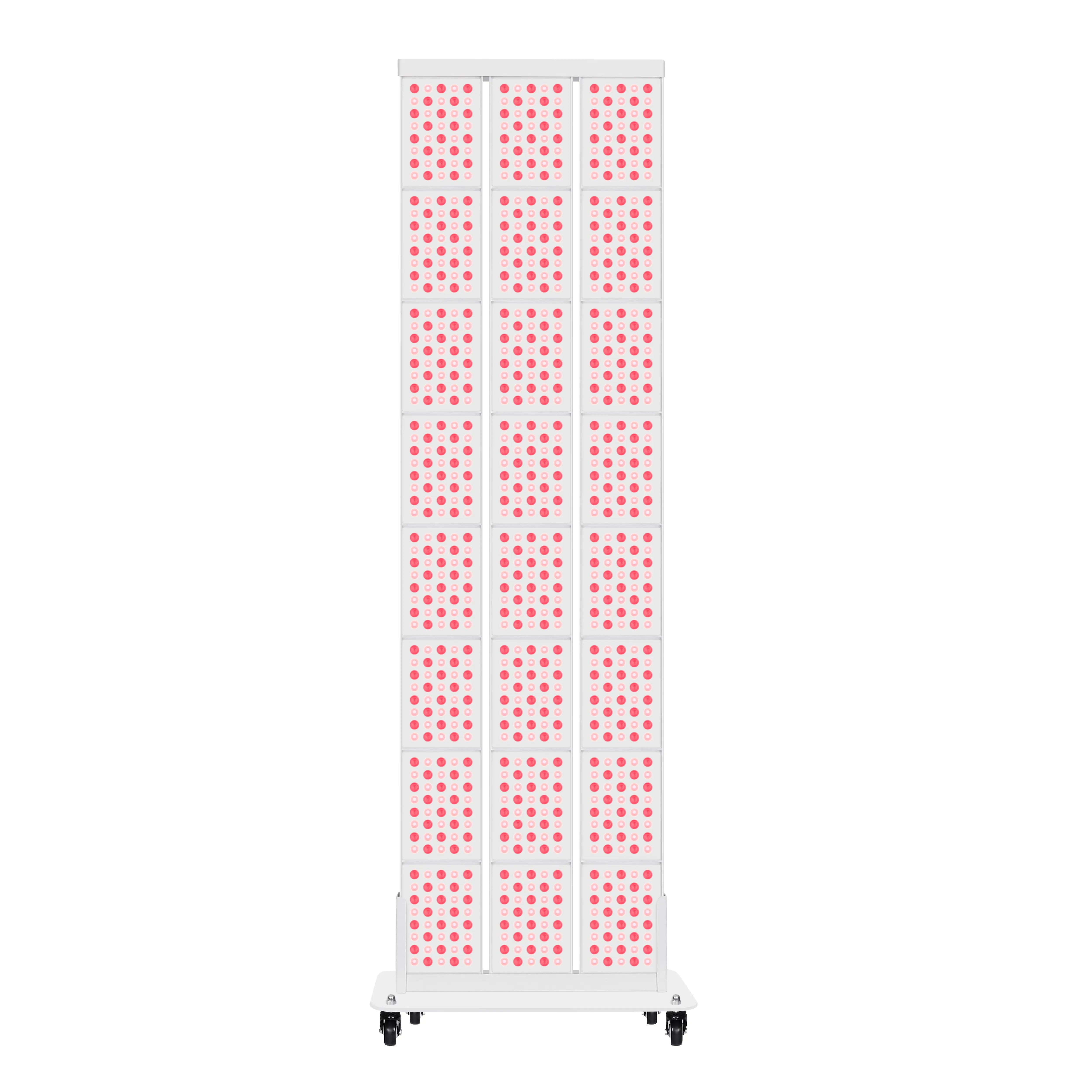
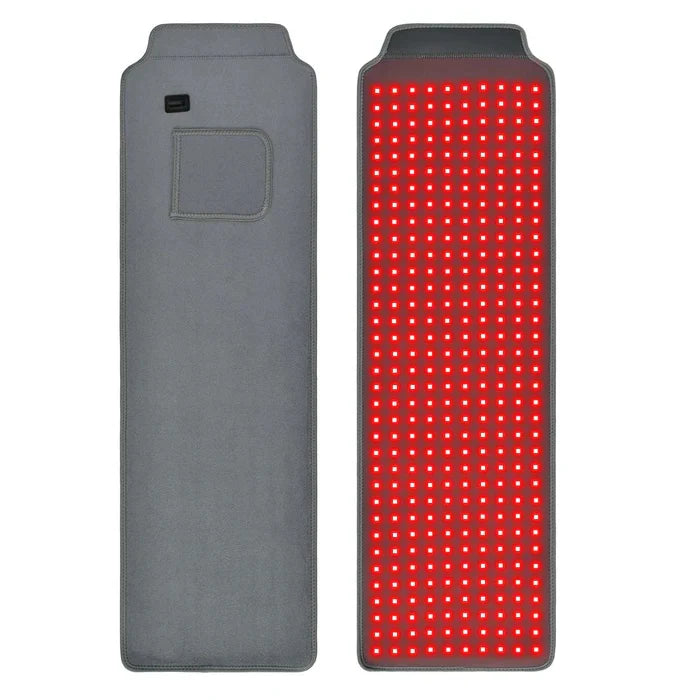
It treats a broad area at once. Panels, beds, or wrap‑around devices can bathe the whole neck and chest in uniform light, which fits nicely with the way neck aging usually appears: as an overall change in texture and tone, not a tiny isolated spot.
It plays well with other parts of a routine. Harvard Health and Cleveland Clinic both position red light as something to consider once you have a clear diagnosis and a basic skin plan. That typically includes sun protection, evidence‑based topicals, and, when appropriate, other procedures. Red light can layer on top as a collagen‑supportive and inflammation‑reducing adjunct.
On the limitation side, the evidence is still early and fragmented. Many of the studies that look the most impressive are small, short‑term, or funded or conducted by companies that make the devices. A Stanford‑affiliated review of red light for wrinkles, for example, cites a University of California study where collagen reportedly increased by roughly a third and elasticity by about 20 percent in eight weeks, but such studies are device‑specific and not always replicated independently.
Results depend heavily on wavelength, dose, and schedule, which consumer devices often do not specify clearly. Stanford experts stress that clinic‑grade devices are generally more powerful and better characterized than at‑home tools, and that simply owning a red panel is not the same as receiving a medically optimized treatment.
Cost and time add up. AARP reports that in‑office sessions often run around fifty to one hundred fifty dollars per visit and are not covered by insurance when done for cosmetic reasons. Harvard Health notes that standard regimens can require one to three sessions per week over weeks or months, plus maintenance. At‑home devices range from roughly fifty dollars to several hundred or more, and still require the discipline of frequent sessions.
Finally, long‑term safety is still being mapped. Cleveland Clinic and Harvard Health both state that short‑term use appears safe, non‑toxic, and free of UV exposure, but emphasize that the long‑term safety of repeated, years‑long use has not been definitively established.
Taken together, red light therapy makes sense as a neck wrinkle solution when you want a low‑risk, non‑invasive approach and are comfortable with incremental, not dramatic, change.
Choosing The Right Red Light Solution For The Neck
Here is how I think about it as an LED lighting specialist who spends a lot of time looking at both fixture specs and the dermatology literature.
What to look for in a device
You want three basics: appropriate wavelength, honest engineering, and good coverage.
Most dermatology and medical sources converge on red light in the mid‑600‑nanometer range and sometimes near‑infrared in the 800‑plus‑nanometer range. An AARP dermatologist recommends verifying that a consumer device sits in roughly the 625 to 670 nanometer window for red, and University Hospitals notes that clinical red light therapy commonly uses about 630 to 850 nanometers. Devices should clearly state their wavelengths; if that information is missing, that is a warning sign.
Regulatory status matters, but only in a specific way. Cleveland Clinic and WebMD highlight that many devices are “FDA‑cleared,” which means the Food and Drug Administration has judged them to be substantially similar and low risk compared to existing devices, not that the FDA has proven they work well. That nuance is important: FDA‑cleared is a reasonable floor for safety, not a guarantee of impressive clinical results.
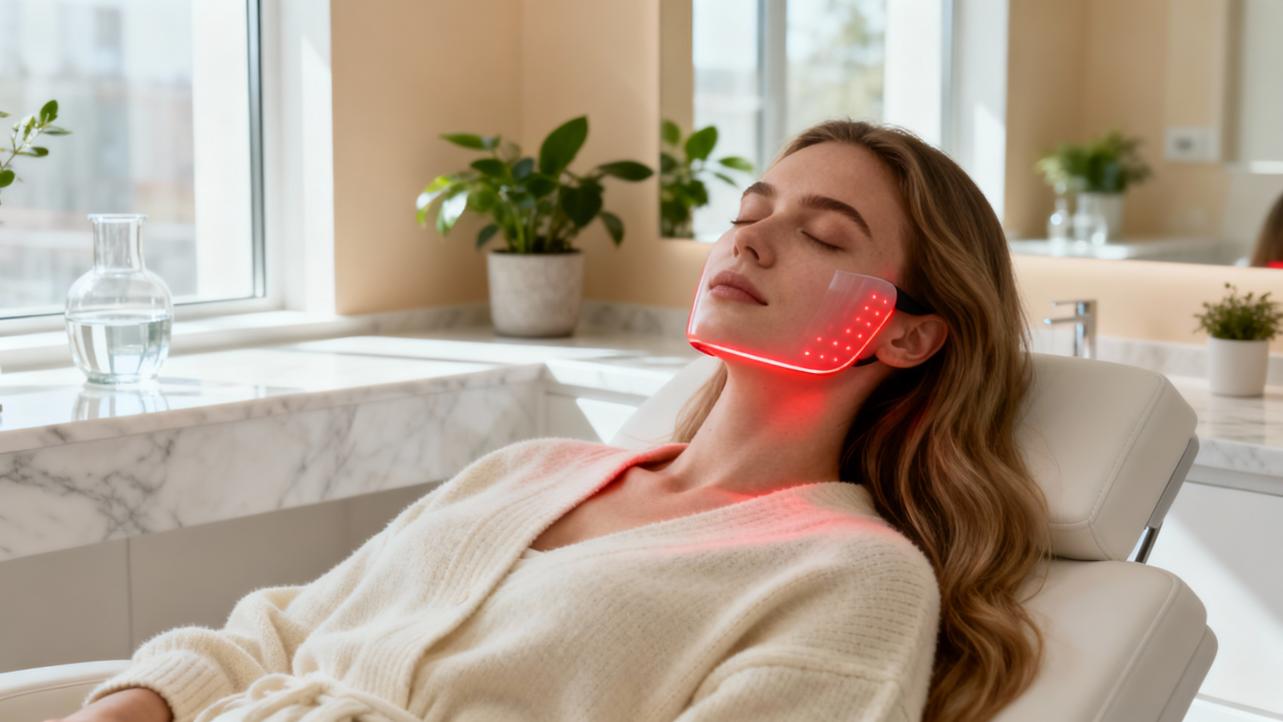
For neck coverage, the geometry of the LEDs matters. The neck is curved and often shaded by the jawline. From a lighting design standpoint, that means panels should be positioned close enough and at an angle that the entire front of the neck sits within the effective beam, or you use a flexible wrap device that can conform around the neck. Uneven coverage produces uneven results, no matter how good the underlying diodes might be.
Professional vs at‑home: practical differences
Many people start at home and then consider in‑office treatments if they like the concept but want faster or more predictable change. The differences can be summarized this way:
Aspect |
In‑clinic red light |
At‑home red light |
Power and characterization |
Often higher power, with defined irradiance and dose settings, overseen by medical staff |
Generally lower power; dose is often approximate and depends on distance and usage consistency |
Coverage |
Large panels or beds can treat face, neck, and chest uniformly in one session |
Smaller panels or masks require careful positioning; some are face‑only and miss the neck entirely |
Guidance |
Board‑certified dermatologist or trained provider can integrate light with other treatments and monitor skin response |
You are responsible for choosing the device, following directions, and knowing when to stop or seek help |
Cost model |
Pay per session, often around fifty to one hundred fifty dollars, with no insurance coverage for cosmetic use |
One‑time device cost (usually from about fifty dollars to several hundred or more), plus your time and electricity |
Flexibility |
Scheduled appointments and clinic hours |
Convenience of using it in your own space several times a week |
Both routes can make sense. A dermatologist‑supervised series can be a good way to test whether your skin responds before investing in a device. Once you know how your neck behaves under red light, an at‑home unit can maintain results or extend a professional course, as long as you are realistic about the difference in power.
Evidence‑Informed Use Patterns For The Neck
Although no trial has been published solely on neck wrinkles, the protocols that worked for facial aging do guide a sensible approach.
The red mask study that showed a roughly 15 percent reduction in crow’s‑feet depth used twelve‑minute sessions, twice a week, with at least seventy‑two hours between them, over three months. The full‑body trial that improved wrinkles and collagen density used twice‑weekly sessions for a total of thirty treatments. Several dermatology clinics, along with Cleveland Clinic and BSW Health, describe typical regimens of about ten to twenty minutes per session, two or three times a week, for many weeks.
That pattern suggests a few practical principles.
Sessions should be short and consistent, not marathon exposures. The mask study deliberately avoided daily treatments and spread sessions out to respect the dose–response behavior of photobiomodulation. More light is not necessarily better; beyond an optimal zone, the biological response can flatten or even reverse.
Changes are gradual. Green‑focused clinical content on red light notes that many users start noticing a bit more tightness and elasticity in about four to six weeks, with more visible changes in texture and wrinkle appearance over two to three months. That aligns with the three‑month mask and thirty‑session full‑body trials.
Supportive skincare matters. Metropolis Dermatology and similar clinics recommend combining LED therapy with a thoughtful routine: gentle cleansing, fragrance‑free moisturization, and daytime sunscreen to prevent new sun damage. Applying harsh acids or strong prescription retinoids immediately before a light session can irritate some necks; many dermatologists prefer to coordinate active topicals and light rather than stack everything at once.
For a neck‑focused plan, a realistic path is to work with a dermatologist to confirm that your lines are from photoaging and movement rather than a medical condition, then use red light on the neck two or three times per week for at least eight to twelve weeks while protecting the area from sun and supporting it with a simple, non‑irritating skincare routine.

Safety: When Red Light Makes Sense And When It Does Not
One of the biggest advantages of red light therapy is its safety profile when used properly. Cleveland Clinic, Harvard Health, WebMD, UCLA Health, AARP, and University Hospitals all converge on several key points.
Short‑term directed use appears safe and non‑invasive. These devices avoid ultraviolet wavelengths, so they do not create the DNA damage associated with sunburn or tanning booths. Reported side effects are usually mild: temporary redness, slight swelling, or a brief feeling of warmth.
Eye protection is important. Even though the red light levels used for skin are not generally strong enough to damage the eyes, the brightness can be uncomfortable, and Harvard Health notes at least one recalled acne mask over concerns about eye risk in susceptible people. Protective goggles are a simple precaution, especially when treating the neck, where light can reflect up toward the eyes.
Underlying conditions and medications matter. Cleveland Clinic, WebMD, and AARP all advise talking with a doctor before using red light if you take photosensitizing medications, including some antibiotics and acne treatments, or if you have a history of eye disease or skin cancer. Harvard dermatologists specifically worry about people using LED devices on “sun damage” that may actually be early skin cancers.
Skin tone and pigment risk deserve attention. UCLA Health notes that people with darker skin tones can be more prone to hyperpigmentation in general. While red light at non‑heating intensities has not been strongly linked to this problem, caution is wise: patch‑test a small neck area first and have a dermatologist involved if you have a history of pigment issues.
Overuse is not harmless. Cleveland Clinic warns that misusing or overusing devices beyond instructions can damage skin and eyes. The temptation to double session length or increase frequency “just in case” is understandable, but the data that support wrinkle improvement used moderate doses and spacing, not extreme protocols.
Finally, red light therapy should not delay more urgent care. If you have a rapidly changing spot on your neck, unexplained soreness, or other concerning skin changes, red light is the wrong first step. The right first step is a dermatologist’s exam.

How Red Light Fits Into A Realistic Neck Rejuvenation Plan
Red light therapy earns its place not as the centerpiece of neck rejuvenation, but as one smart layer in a stacked design.
Harvard Health, Cleveland Clinic, and Stanford all stress starting with a correct diagnosis and evidence‑based basics. For neck aging, that usually means committing to broad‑spectrum sunscreen on the neck and chest every day, using dermatologist‑recommended topicals suited to your skin, and considering in‑office options such as peels, lasers, or injectables when deeper structural change is needed.
Within that framework, red light can contribute three valuable things for the neck. It can modestly boost collagen and dermal density, which helps with fine lines and crepey texture. It can improve overall surface smoothness and tone, making pigment irregularities and roughness less distracting. It can calm ongoing low‑grade inflammation, which is helpful if your neck tends to flush, redden, or react to fragrances and fabrics.
If you think about your neck as a space you are curating rather than a flaw you are fixing, red light therapy becomes one more way to tune the “lighting design” of your skin’s biology: a gentle, repeating signal telling your cells to maintain, repair, and smooth.
FAQ
How long before I see a difference in neck wrinkles with red light therapy?
Most facial studies that reported wrinkle improvements used protocols lasting eight to twelve weeks. In the red mask trial, meaningful changes in crow’s‑feet depth and dermal density appeared by about one month and continued to improve over three months. Clinical descriptions of red light for facial and neck rejuvenation often mention early subtle changes after four to six weeks, with more noticeable softening of fine lines and texture by two to three months, assuming you are consistent. Some people see little change even with regular use, which is why it is important to reassess with your dermatologist rather than chasing sessions indefinitely.
Can red light therapy make my neck sag or overheat?
The anti‑aging devices discussed by Cleveland Clinic, Harvard Health, and the PubMed Central trials are specifically designed to be non‑thermal, meaning they deliver biologically active light without heating the skin in a damaging way. The home‑use mask study even avoided near‑infrared wavelengths in order to reduce heat and pigment risk. That said, higher‑power panels or infrared‑heavy devices can feel warm on the skin. As long as you stay within manufacturer instructions and your dermatologist’s guidance, there is no evidence that properly used red light causes sagging. Discomfort, intense heat, or persistent redness are signs to stop and get professional input.
Will red light therapy cause unwanted hair growth on my neck?
This concern comes up frequently with facial red light. Stanford dermatologists note that fears about red light turning the entire lower face into a beard are likely overstated: red light tends to support hair where follicles are already active, not create new follicles in areas that never grew hair. At the same time, this question has not been definitively settled in large trials. If you already have fine neck hair, there is no strong evidence that modest, non‑thermal red light will transform it into thick, dark hair, but it is wise to discuss this with your dermatologist if you are concerned.
Is it safe to combine red light therapy with other neck treatments?
Many dermatology practices use LED phototherapy as a post‑procedure aid after microneedling, laser treatments, or acne extractions because of its calming, pro‑healing effect. Metropolis Dermatology and similar clinics describe this approach for the face and neck. However, timing and sequencing matter. You should not independently add red light on top of recent aggressive procedures or strong prescription creams without medical input. Always let the provider who manages your neck treatments know about any at‑home device you use so they can coordinate and protect your skin barrier.
Thoughtfully applied, red light therapy is less a miracle gadget and more a well‑tuned lighting system for your neck’s collagen. When you pair the right wavelengths with consistent, realistic use and dermatologist guidance, those quiet LEDs can become a credible part of an intelligent, energy‑efficient plan to keep the neck area smoother, calmer, and better lit from within.

References
- https://lms-dev.api.berkeley.edu/does-red-light-therapy-help-wrinkles
- https://webapp-new.itlab.stanford.edu/red-light-therapy-for-wrinkles
- https://www.academia.edu/65173762/A_controlled_trial_to_determine_the_efficacy_of_red_and_near_infrared_light_treatment_in_patient_satisfaction_reduction_of_fine_lines_wrinkles_skin_roughness_and_intradermal_collagen_density_increase
- https://www.health.harvard.edu/diseases-and-conditions/led-lights-are-they-a-cure-for-your-skin-woes
- https://pmc.ncbi.nlm.nih.gov/articles/PMC10311288/
- https://touroscholar.touro.edu/nymc_students_pubs/321/
- https://www.math.wustl.edu/~mccarthy/public_papers/collagen.pdf
- https://micda.isr.umich.edu/wp-content/uploads/ninja-forms/tmp/nftmp-M2oQG-dermadreamredlighttherapyreformingrvj3fq1.pdf
- https://my.clevelandclinic.org/health/articles/22114-red-light-therapy
- https://www.gundersenhealth.org/health-wellness/aging-well/exploring-the-benefits-of-red-light-therapy