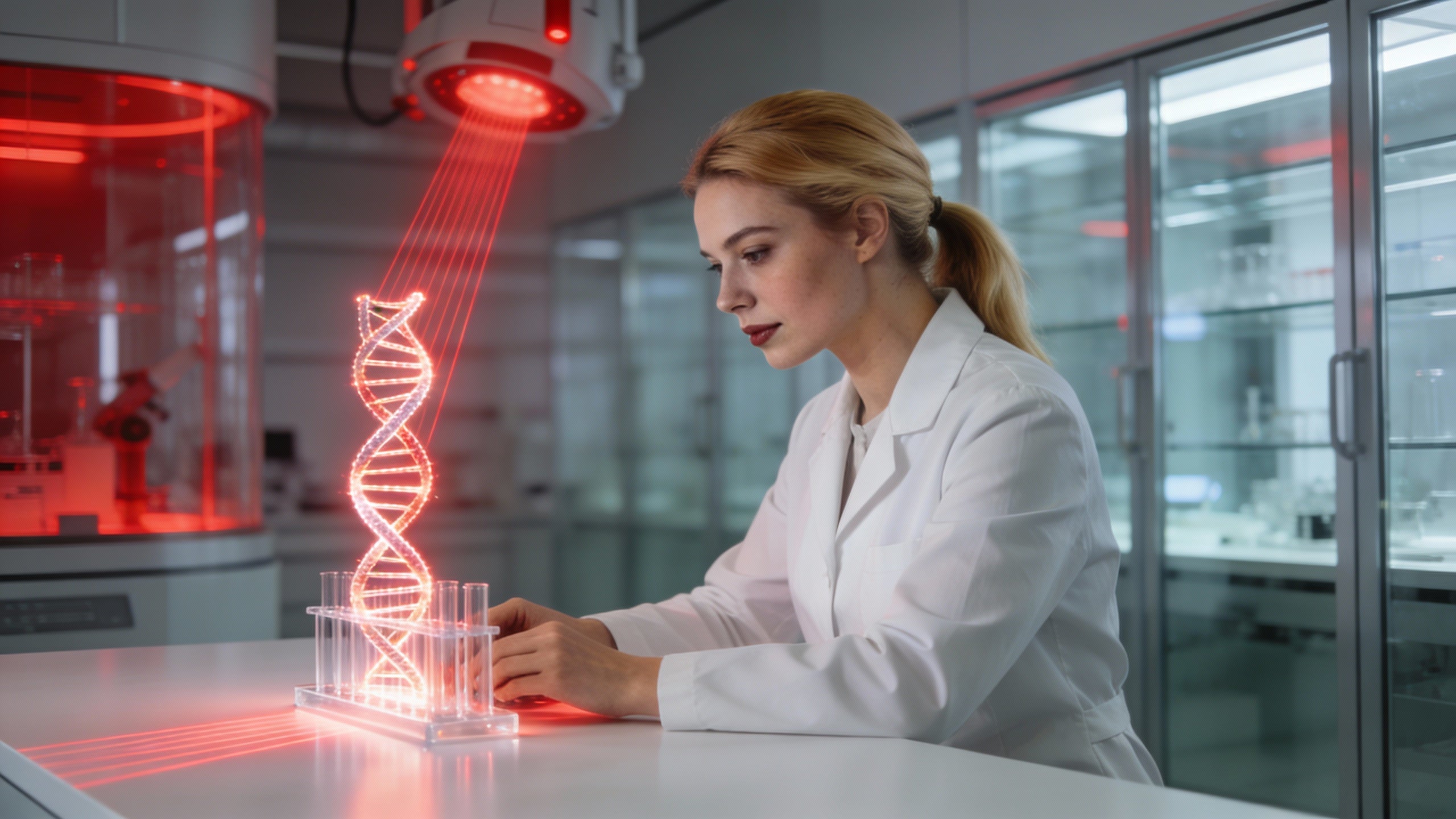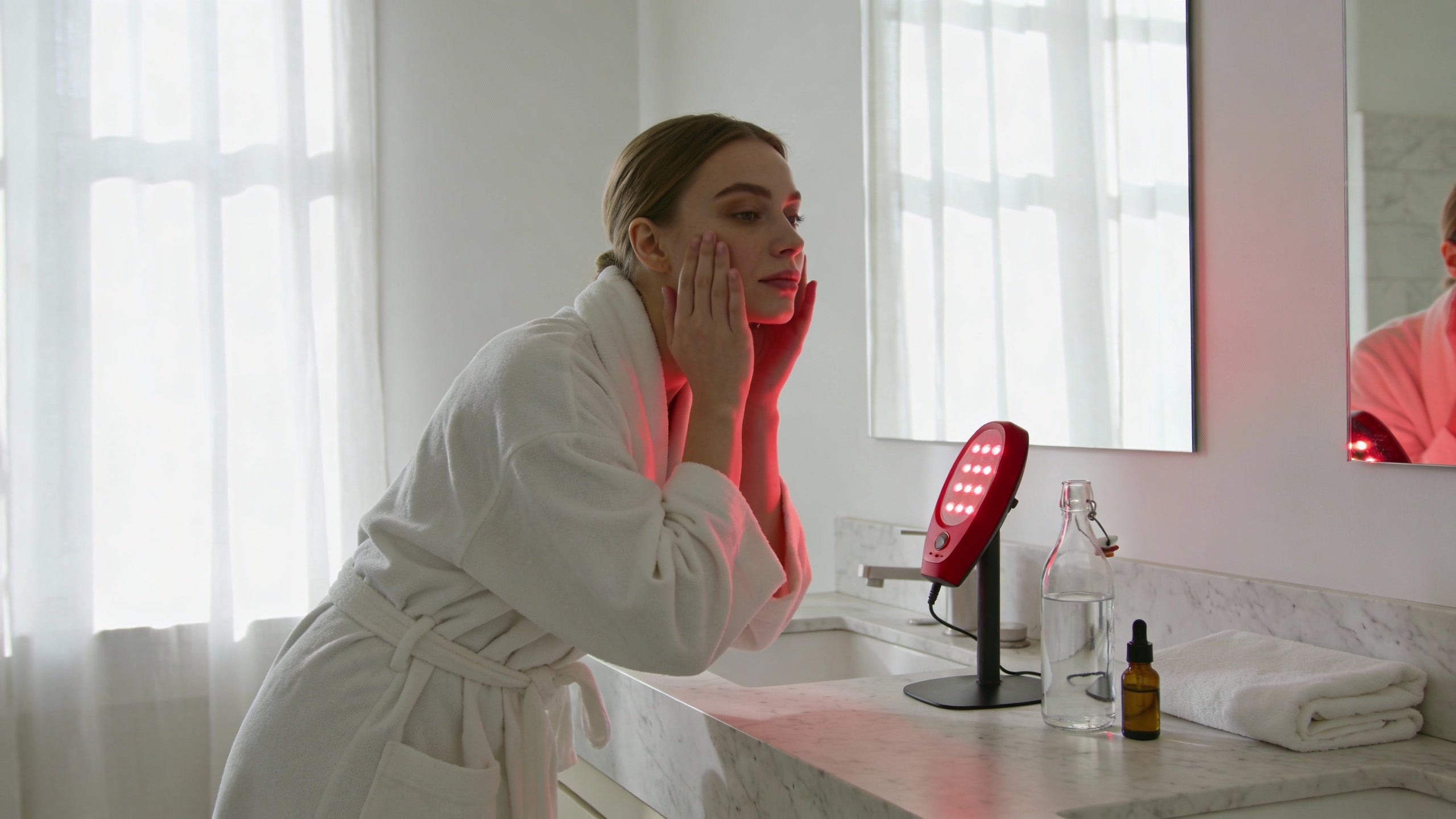
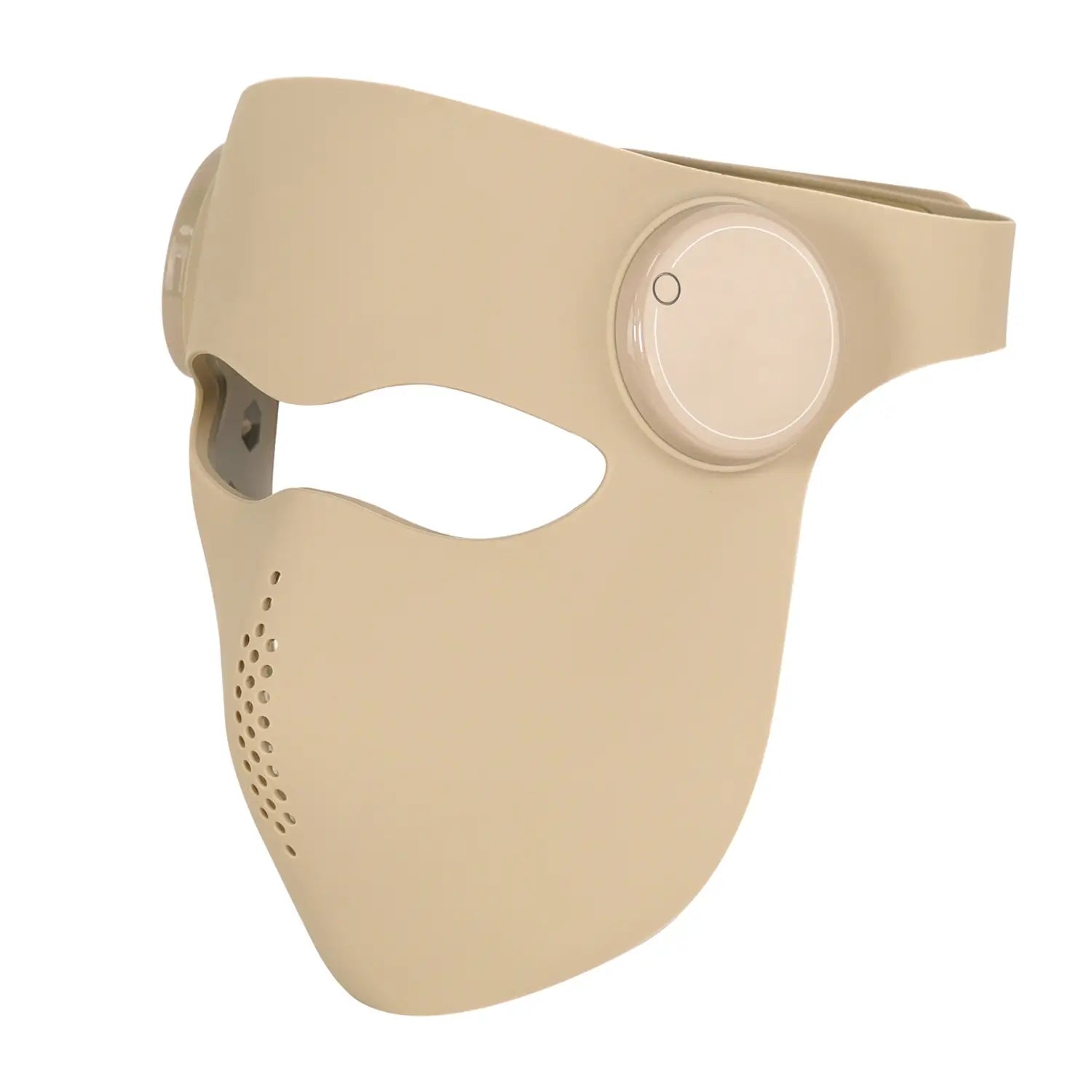
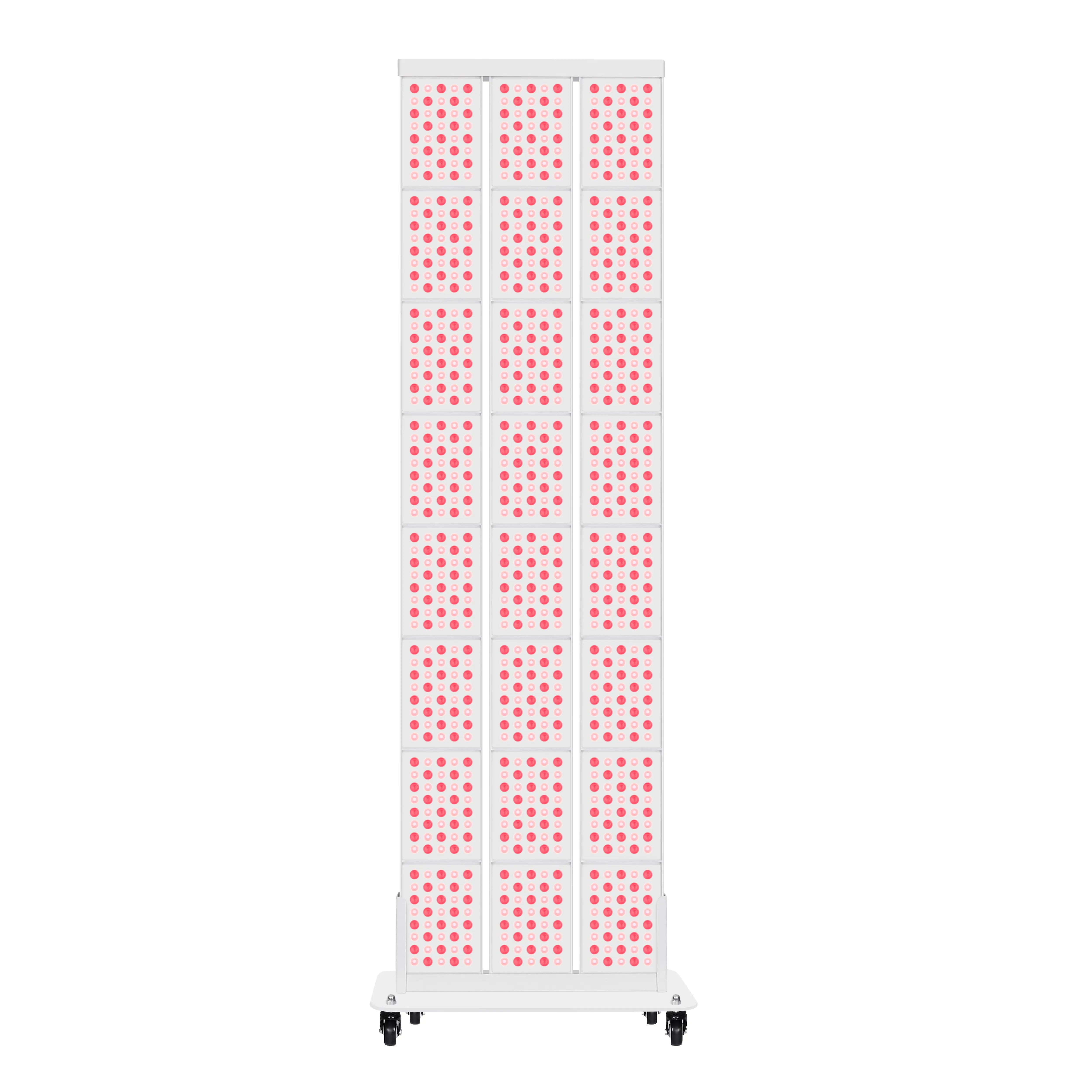
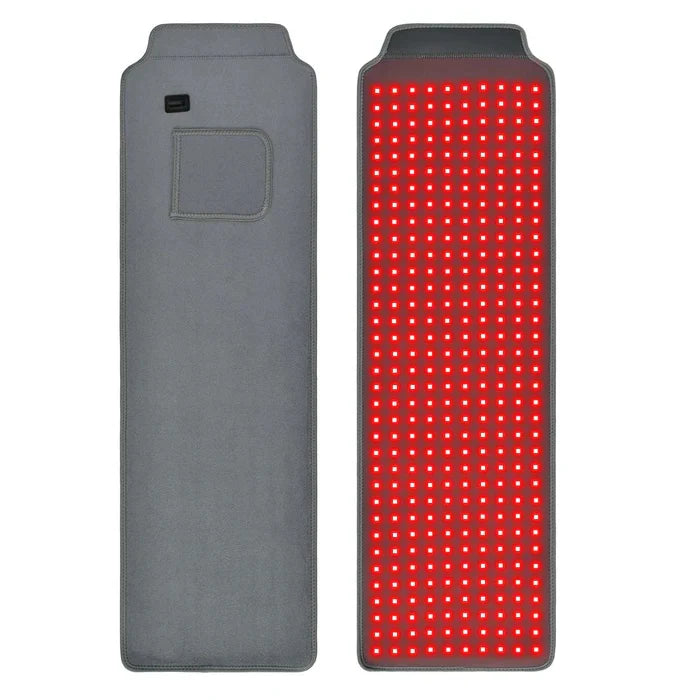
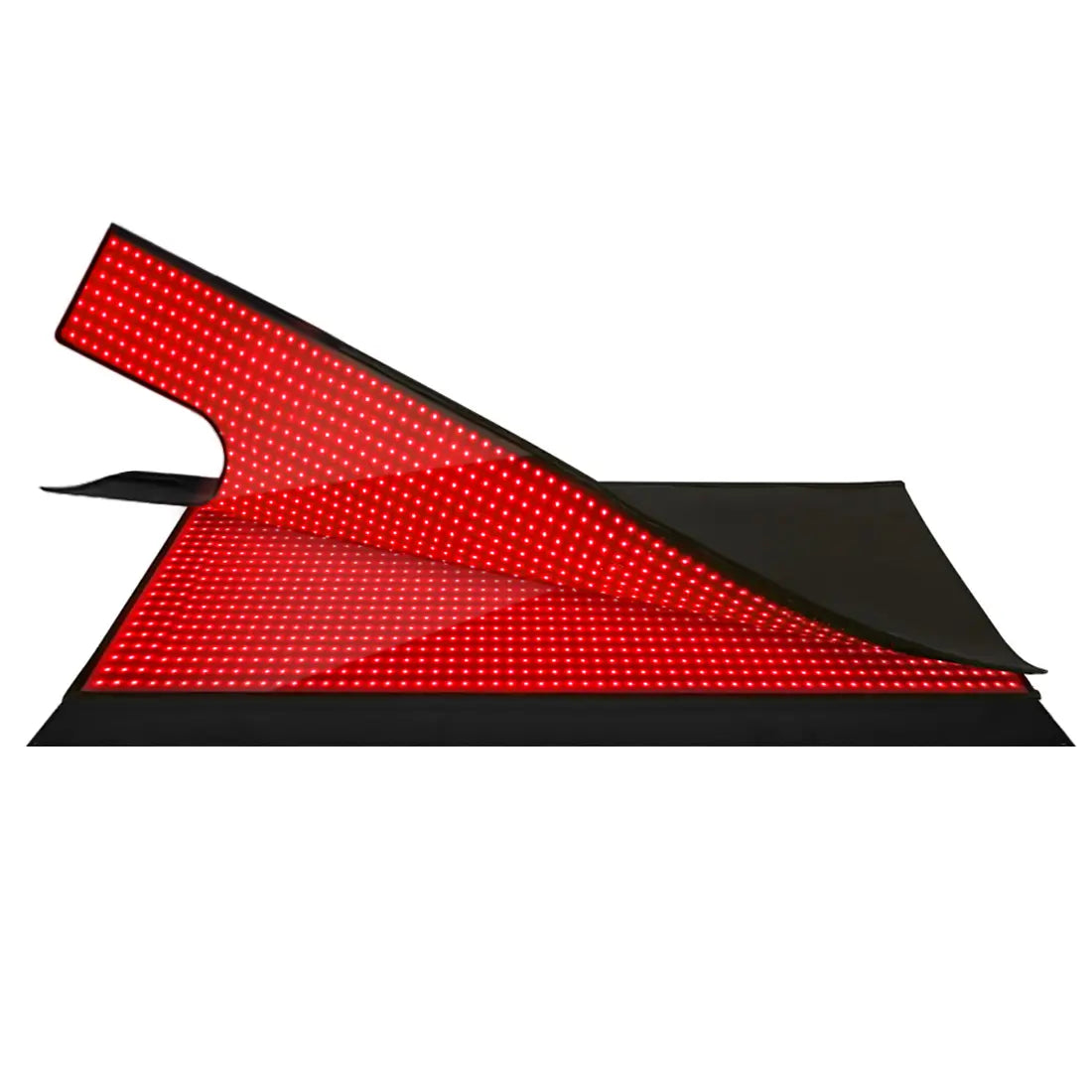
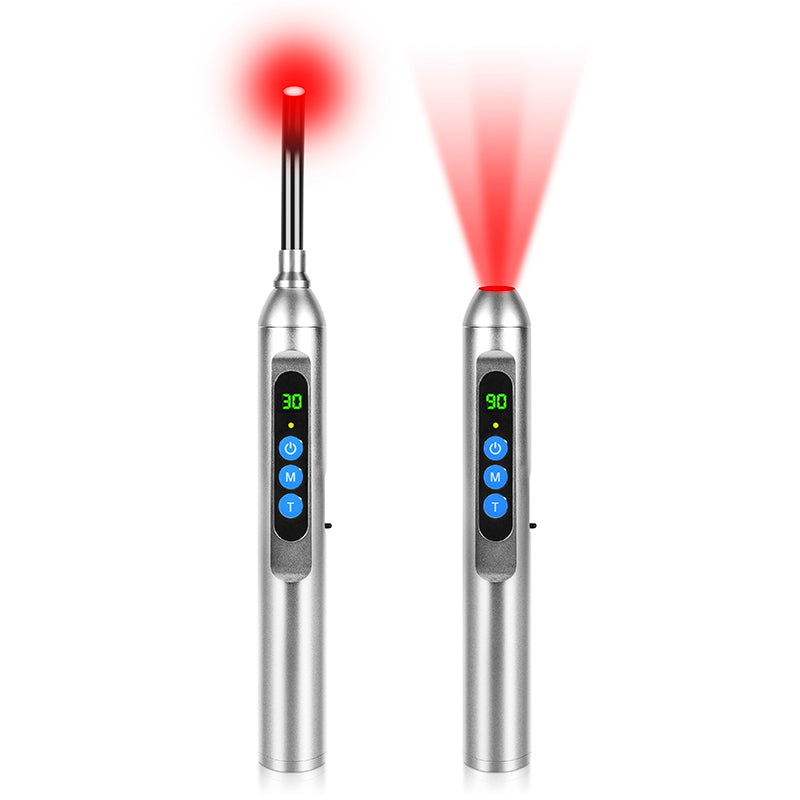

Red light therapy is having a moment. Panels are hanging in home gyms, recovery rooms, and even next to computer desks. Yet under all the red glow, a very specific question matters for anyone serious about skin healing and longevity: what is red light actually doing to fibroblast migration?
As a long-time light-therapy geek, I care less about marketing claims and more about what happens to real cells in real assays. Fibroblasts are the workhorses that crawl into a wound, lay down collagen, and ultimately decide whether you get a smooth repair or a thick, fibrotic scar. Tuning how fast they move is one of the most powerful levers we have.
In this article, I will walk through what controlled lab studies say about red light and fibroblast migration, why dose and context flip the effect from “faster healing” to “anti-fibrotic braking,” and how to translate that into practical, science-aligned use of LEDs in the real world.
Fibroblast Migration: The Hidden Driver of Healing and Fibrosis
Fibroblasts are connective-tissue cells that build and remodel the extracellular matrix, especially collagen. During normal wound healing, they migrate into the injured area, proliferate, lay down new matrix, and then quiet down once repair is complete.
Reviews in journals such as Current Dermatology Reports and Photobiomodulation-focused papers highlight a crucial nuance. In healthy repair, fibroblast proliferation and migration are brisk but self-limited. In fibrosis, the same processes are exaggerated and prolonged. Fibrotic skin conditions, including hypertrophic scars, keloids, morphea, and systemic sclerosis, feature excessive fibroblast proliferation, elevated TGF‑β signaling, and increased migration speed, along with heavy collagen deposition.
Think of fibroblast migration as traffic density on a freeway. Too few cars and the road stays broken. Too many cars, driving too aggressively for too long, and you end up with a jam that hardens into a rigid concrete structure. Red light, when dosed correctly, is one way to influence that traffic.
For people interested in biohacking skin and connective-tissue health, the target is not simply “more migration.” The target is appropriate migration for the phase and type of tissue: more in poorly healing wounds and tendons, less in already-fibrotic, overactive scars.
How Red Light Talks to Fibroblasts
Modern photobiomodulation research, summarized in reviews on fibroblasts and in broader overviews of light-based regenerative medicine, converges on a few core mechanisms.
Red and near‑infrared photons in the range of roughly 630 to 700 nanometers are absorbed by photoacceptors inside cells, especially the mitochondrial enzyme cytochrome c oxidase. When this enzyme absorbs red light, mitochondrial respiration and ATP production can rise and reactive oxygen species, or ROS, can transiently increase.
ROS are often painted as purely harmful, but in controlled bursts they behave as signaling molecules. They can modulate growth factors such as transforming growth factor‑β (TGF‑β), influence transcription factors like NF‑κB and AP‑1, and alter pathways such as PI3K/Akt and MAPK. In fibroblasts, those pathways control proliferation, migration speed, collagen synthesis, and the switch into myofibroblasts, the contractile cells heavily involved in scarring.
Reviews focused on skin fibrosis emphasize another key point. ROS and TGF‑β signaling are double edged. Chronic or excessive ROS drive fibrosis; modest, time‑limited ROS pulses from red light can be harnessed therapeutically. That is why antioxidant co‑treatments such as resveratrol show up in the literature: they are used as tools to modulate ROS in order to dissect mechanisms and, potentially, to refine therapy.
Underneath the buzzwords, the principle is simple. Red light slightly stresses the fibroblast, the cell senses the change, and signaling pathways adjust migration and matrix behavior. Depending on the exact wavelength, dose, timing, and cellular environment, that adjustment can either accelerate or brake fibroblast migration.
High-Dose Red Light: Slowing Fibroblasts for Anti-Fibrotic Effects
One of the most instructive studies comes from human skin fibroblasts exposed to high‑fluence 633‑nanometer LED red light. In that work, published in PLOS One, primary human dermal fibroblasts were irradiated at energy densities of 480, 640, and 800 joules per square centimeter, with a power density around 87 milliwatts per square centimeter, and compared with matched, non‑irradiated controls.
Several things happened at these high doses.
First, intracellular ROS rose in a clear dose‑dependent fashion. Compared with baseline, ROS levels climbed to about 133 percent at 480 joules per square centimeter and up to approximately 158 percent at 800 joules per square centimeter. Those are substantial but not catastrophic increases, and they scale with dose.
Second, fibroblast migration slowed. Single‑cell tracking over four hours showed migration speeds dropping to roughly 83 percent, 74 percent, and 69 percent of control at 480, 640, and 800 joules per square centimeter. In other words, by the highest dose, fibroblasts were migrating at about two‑thirds the speed of their un‑irradiated peers.
Third, resveratrol changed the story. When fibroblasts were pretreated with very low concentrations of resveratrol, an antioxidant found in grape skins and red wine, ROS levels induced by red light were pulled back toward baseline, and the migration slowdown was largely prevented. A separate control using hydrogen peroxide to generate ROS produced a similar migration slowdown, again reversible with resveratrol. That triangulation strongly supports ROS as a central mediator of this high‑dose red‑light effect on migration.
Additional work from the same research group, published in dermatology and photomedicine journals, showed that high‑fluence 633‑nanometer red light at 640 joules per square centimeter can arrest human dermal fibroblasts in the G0/G1 phase of the cell cycle, with increased phosphorylation of the checkpoint protein p53 but without triggering apoptosis. Cell counts drop, but the cells do not die; they pause.
Taken together, these human fibroblast studies converge on a coherent picture. Very high fluences of visible red LED light:
Raise ROS in a dose‑dependent way, Slow fibroblast migration by roughly twenty to thirty percent or more, And induce cell‑cycle arrest rather than cell death.
In a fibrotic context, that is potentially useful. You want fewer fibroblasts charging into the lesion and less aggressive matrix deposition. These findings underpin the idea, articulated in a detailed review of visible red LED photobiomodulation for skin fibrosis, that appropriately dosed red light could be a non‑invasive, non‑UV option to dial down fibroblast overactivity in hypertrophic scars, keloids, or scleroderma plaques.
However, the doses used in these anti‑fibrotic experiments are enormous compared with typical at‑home panel exposures. To put it in perspective, the pro‑migratory dose reported in one gingival fibroblast study was around 2.55 joules per square centimeter, whereas the high‑fluence anti‑fibrotic regime was 480 to 800 joules per square centimeter. That is roughly two hundred or more times higher energy delivery at the cell surface.
Low-to-Moderate Doses: When Red Light Speeds Fibroblasts Up
Red light does not always slow fibroblasts. In fact, at lower doses it tends to do the opposite.
A controlled in vitro study published in a wound‑healing journal examined fibroblast‑like cell lines, including human gingival fibroblasts and mouse fibroblasts, exposed to 660‑nanometer LEDs. Intensities of 2.5, 5.5, and 8.5 milliwatts per square centimeter were applied for five, ten, or twenty minutes.
At these lower‑energy settings, no toxic changes in morphology were seen. Cell viability measured by MTT assay at twenty‑four hours either stayed similar to control or increased modestly, with some conditions boosting proliferation by about ten to eighteen percent in the human gingival fibroblasts.
The migration results are particularly relevant. In scratch assays, irradiation at 8.5 milliwatts per square centimeter for five, ten, or twenty minutes significantly increased gingival fibroblast migration at twelve hours. Ten‑minute exposures produced the most pronounced enhancement between twelve and twenty‑four hours. In the mouse fibroblast line, 5.5 milliwatts per square centimeter for five or ten minutes significantly increased migration at twelve hours and still showed an advantage at twenty‑four hours, even though the effect was smaller. Overall, the mouse fibroblasts were more responsive.
The authors, and the broader photobiomodulation literature they cite, emphasize a biphasic dose response. Energy densities in the ballpark of one to about four joules per square centimeter often stimulate fibroblast proliferation and migration, whereas higher densities can plateau or even inhibit these processes.
A similar pattern appears in orthopedic‑focused work on tendon fibroblasts. In a study of human biceps tendon fibroblast cells derived from surgical specimens, twenty minutes of 630‑nanometer LED exposure, either alone or combined with 880‑nanometer light, significantly increased cell viability and proliferation twenty‑four hours later. In a three‑dimensional migration assay, 630‑nanometer light alone produced migration rates just over three times higher than control, while the 630 plus 880‑nanometer combination produced nearly three times the control rate. Again, this was with a single twenty‑minute session at modest intensities, not the hundreds of joules per square centimeter used in anti‑fibrotic dermal protocols.
It is striking that tendon fibroblasts, which live in a stiff, mechanically stressed environment, respond robustly to red light by moving faster, while high‑dose red light in dermal fibroblasts slows migration. Dose, tissue type, and context are clearly intertwined.
A Snapshot of Doses and Effects
To make the contrast concrete, here is a compact overview of key migration findings from the red‑light studies discussed so far.
Study (journal) |
Wavelength(s) |
Approximate dose at cells |
Fibroblast type |
Migration effect vs control |
Mamalis et al., PLOS One |
633 nm |
480, 640, 800 J/cm² |
Primary human dermal fibroblasts |
Slower migration, about seventeen to thirty‑plus percent drop |
Mamalis et al., Lasers in Surgery and Medicine review and related work |
633 nm |
320 J/cm² and above (anti‑fibrotic range) |
Human dermal fibroblasts |
Reduced migration and proliferation, cell‑cycle arrest |
LED 660 nm fibroblast study (wound‑healing journal) |
660 nm |
Around 2.55 J/cm² best for one line (author estimate) |
Gingival and mouse fibroblast‑like cells |
Faster migration at twelve hours under selected low doses |
Human biceps tendon fibroblast study |
630 nm and 630 + 880 nm |
Twenty minutes at modest intensities (for example 10 mW/cm² at 630 nm) |
Human tendon fibroblasts |
Three‑dimensional migration roughly tripled vs control |
Heliyon co‑culture study |
635 nm |
1.45 J/cm² per session, repeated over several days |
Mouse 3T3 fibroblasts with adipose stem cells |
Combined red light and stem cells reduced migration vs stem cells alone |
All of these experiments are in vitro, tightly controlled, and performed at cell culture temperatures close to human body temperature. They are the cellular equivalent of a wind tunnel test, not an outdoor race, but they are still highly informative about directionality.
Context, ROS, and Culture Conditions: Why Studies Sometimes Disagree
If you read widely in the photobiomodulation literature, you will notice some studies showing strong red‑light effects and others showing little or no change. This is not random noise; it is usually the experimental setup.
A detailed Scientific Reports investigation into visible and near‑infrared photobiomodulation of human dermal fibroblasts makes this point forcefully. The authors showed that cell confluency, serum level, oxygen tension, medium handling, and even whether the culture medium was refreshed after irradiation could dramatically alter outcomes. Red and near‑infrared wavelengths sometimes had minimal effects, whereas repeated short‑wavelength exposures in certain media produced accumulating inhibition due to ROS generated in the medium itself, not only in the cells.
Another study from an applied physics conference proceedings explored the interaction between narrow‑band lasers and broad‑spectrum ambient light. Fibroblasts irradiated with 635‑nanometer or 808‑nanometer lasers behaved differently in the dark than under wide‑spectrum light. The 635‑nanometer laser was more effective at stimulating proliferation in dark conditions; in ambient light its effect was blunted. The 808‑nanometer laser, by contrast, performed better under broad‑spectrum light. This suggests that even room lighting can tilt the cellular response by adding its own photons, especially in the blue and green range where chromophores such as riboflavin are highly sensitive.
The photobiomodulation‑in‑fibroblasts review in a regenerative medicine journal also underscores wavelength‑specific penetration and photoacceptors. Blue light has shallow penetration and a strong tendency to generate ROS through flavins and porphyrins. Green and yellow light have intermediate properties. Red light penetrates more deeply in the visible spectrum and primarily targets cytochrome c oxidase, while near‑infrared light reaches even deeper tissues with similar mitochondrial effects but different scattering behavior.
Already there is another twist. Blue light at around 415 nanometers has been shown, in human dermal fibroblasts, to strongly inhibit proliferation and migration while increasing ROS, all without significantly reducing viability. That has obvious implications for anti‑fibrotic strategies but would be counterproductive in a poorly healing wound.
The important takeaway is this. When you read a headline that says “red light increases fibroblast migration” or “red light decreases fibroblast migration,” you must ask under what conditions: which wavelength, what dose, how often, in which cell type, with what medium, under what oxygen tension, and in what combination with other treatments.
The in vitro data support a nuanced, conditional pattern. Low to moderate red‑light doses in the one to roughly ten joules per square centimeter range often stimulate fibroblast migration and proliferation, especially in tendon and oral fibroblasts. Very high red‑light doses on the order of hundreds of joules per square centimeter can slow migration and proliferation, tilt cells into cell‑cycle arrest, and decrease pro‑fibrotic signals such as TGF‑β1 and pSMAD2.
When Red Light Interacts with Stem Cells: Not Always Synergistic
Many biohackers are now stacking treatments: red light plus platelet‑rich plasma, red light plus adipose‑derived stem cells, and so on. One of the more sobering pieces of data comes from a Heliyon study that looked directly at this kind of combination.
Researchers co‑cultured mouse NIH/3T3 fibroblasts with adipose‑derived mesenchymal stem cells from rats. These adipose‑derived stem cells, or ASCs, were well‑characterized by standard markers and differentiation assays. Four groups were tested in a scratch assay: fibroblasts alone, fibroblasts plus red LED, fibroblasts plus ASCs, and fibroblasts plus ASCs plus red LED. The red LED was 635 nanometers at a power density around 0.0052 watts per square centimeter, applied to deliver 1.45 joules per square centimeter per session over several days.
ASCs alone had clearly beneficial effects. The fibroblast plus ASC group showed higher expression of connective tissue growth factor, increased levels of tenomodulin and vascular endothelial growth factor, and greater fibroblast migration into the scratched area by day four. These changes are consistent with more robust repair signaling.
When red light was added to the ASC co‑culture, however, the picture shifted. The combination of red LED and ASCs reduced TGF‑β1, VEGF, and tenomodulin compared with ASCs alone and was associated with reduced fibroblast migration. In other words, under these parameters the red light blunted the very paracrine signals that made the ASCs helpful.
Red LED applied to fibroblasts without ASCs did not recreate the strong pro‑migratory and pro‑angiogenic effect seen with ASCs alone. The two therapies behaved more like separate tools rather than natural partners, and the specific red‑light regimen chosen actually antagonized the stem cell benefit instead of amplifying it.
The message for anyone mixing modalities is straightforward. Do not assume that layering red light on top of cell‑based or growth‑factor‑based therapies will always be synergistic. Doses that are anti‑fibrotic or benign for fibroblasts in monoculture may interfere with the finely tuned paracrine crosstalk that makes stem cell therapies work. Until combination protocols are carefully studied in models similar to your target tissue, it is wise to be conservative.
From Petri Dish to Home Panel: Practical Guidance
The million‑dollar question is how to translate these carefully controlled in vitro findings into responsible use of red light in bathrooms, gyms, and clinics.
Here is how I think through it when optimizing protocols for myself and for others who are equally obsessive.
First, identify your goal in terms of fibroblast behavior. If you are dealing with a sluggish tendon repair or a chronic, non‑fibrotic skin wound that refuses to granulate, your priority is to support fibroblast migration and early matrix formation. In that case, the tendon fibroblast work at 630 nanometers and the 660‑nanometer gingival fibroblast study point toward low‑to‑moderate doses as a reasonable template. That means exposure levels in the range of a few joules per square centimeter per session, delivered once or perhaps twice per day, at modest irradiances similar to ten or so milliwatts per square centimeter. These settings increased migration and proliferation in vitro without obvious toxicity.
If you are targeting an established hypertrophic scar or keloid, especially one that has been refractory to standard treatments, your theoretical goal is different. Here you might want to gently dampen fibroblast proliferation and migration and nudge the scar toward a less active state. The high‑fluence 633‑nanometer red LED studies that slow migration and arrest the cell cycle used energy densities from 320 up into the hundreds of joules per square centimeter. Those are orders of magnitude above what most at‑home devices deliver in a single short session. At the same time, the lack of robust clinical trials means we do not yet know the safest or most effective way to replicate that anti‑fibrotic regime in real skin, where light penetration is limited and other cell types are involved.
Second, translate your device specifications into something meaningful. Most LED panels report irradiance in milliwatts per square centimeter at a given distance. Energy density is essentially that power density multiplied by exposure time. If your panel genuinely delivers about fifty milliwatts per square centimeter at the distance you use and you stand in front of it for six hundred seconds (ten minutes), the skin surface will see on the order of thirty joules per square centimeter. That is already well into the range where biphasic effects may flip from stimulatory to neutral or inhibitory for some cells.
In my experience, many consumer devices overstate their irradiance. That actually works in your favor if you are trying to avoid unintended high‑fluence regimes, but it also means that working with conservative starting times and gradually titrating up is a safer strategy than jumping into twenty‑minute sessions twice daily.
Third, respect ROS as a signal, not a villain. The PLOS One study demonstrates that red‑light‑induced ROS are central to slowing migration at high doses, and resveratrol can prevent that. Reviews on photobiomodulation in fibroblasts emphasize a similar theme: ROS spikes are required for some of the beneficial adaptive responses. Blanket antioxidant use around every red‑light session may blunt not only potential damage but also the desired signaling.
If you are specifically aiming for anti‑fibrotic effects via high‑fluence red light, taking a potent antioxidant like resveratrol immediately before or after every session could, in theory, counteract the very mechanism you are trying to harness. In the PLOS One experiments, resveratrol was used as a research tool to prove ROS involvement, not as a clinical add‑on. If, on the other hand, you are using moderate doses of red light primarily for pro‑healing effects and you are concerned about cumulative oxidative stress because of other risk factors, there is a more plausible argument for carefully timed antioxidant support. Either way, the human data are not yet there, so any stack should be implemented with humility.
Fourth, be careful when combining red light with biologics or cell therapies. The Heliyon co‑culture work showed that a perfectly reasonable‑looking red‑light dose, which did not dramatically harm fibroblasts on its own, actually reduced the pro‑repair paracrine impact of adipose‑derived stem cells in co‑culture. That is exactly the kind of surprise you want to detect in a dish before relying on such a combination in a patient or on yourself.
Fifth, remember that blue light behaves very differently. The blue‑light LED study in human dermal fibroblasts used fluences as low as five joules per square centimeter at 415 nanometers and still achieved significant reductions in proliferation and migration while preserving viability. Blue light excels at generating ROS and is already used clinically for acne. It may have a future role in treating fibrotic skin disease, but it is not a general pro‑healing tool and can contribute to photoaging and circadian disruption if misused.
Finally, view in vitro data as guidance, not gospel. The Petri dish is a simplified system: monolayers of fibroblasts bathed in uniform media, often at oxygen levels and temperatures that differ from living skin, and without the immune, vascular, and neural interplay that governs healing in you or me. That is why some sophisticated studies intentionally shift to more physiologic oxygen tensions around two percent instead of the twenty percent typical of standard incubators, and still find that the cellular response can flip depending on these environmental choices.
The art of real‑world light therapy is to anchor your decisions in these mechanistic data while acknowledging the gaps.
Frequently Asked Questions
Question: Does red light always help scars look better by speeding fibroblast migration? Answer: No. In early, poorly healing wounds, increasing fibroblast migration and proliferation can be helpful, and low‑to‑moderate doses of 630 to 660‑nanometer light have been shown to do exactly that in tendon and gingival fibroblasts. In established fibrotic scars, excessive fibroblast migration and proliferation are the problem, and high‑fluence 633‑nanometer LED exposures that slow migration and arrest the cell cycle may be beneficial in principle. Without rigorous human trials, it is more accurate to say that red light is a tunable regulator of fibroblast behavior, not a simple accelerator.
Question: Should I take resveratrol with my red light sessions to protect my fibroblasts? Answer: In the PLOS One fibroblast study, resveratrol prevented high‑dose 633‑nanometer red light from raising ROS and slowing migration. That is useful mechanistic evidence, but it does not automatically mean you should pair resveratrol with every red‑light session. For anti‑fibrotic goals at high fluences, blocking ROS could weaken the desired effect. For low‑to‑moderate pro‑healing doses, chronic high‑dose antioxidants might blunt some adaptive benefits. Until clinical studies directly test these combinations, the safest stance is to see resveratrol as an experimental probe in this context, not an established adjunct.
Question: How do I know if my at‑home red light routine is in a stimulatory or inhibitory dose range? Answer: Start by finding a realistic irradiance value for your device at the distance you actually use, ideally from independent measurements rather than marketing material. Multiply that power density by your exposure time to estimate energy per area. If you end up in the single‑digit joules per square centimeter per session, you are closer to the pro‑migratory, pro‑healing range reported in oral and tendon fibroblasts. As you approach tens of joules per square centimeter or more per session, and especially if you layer multiple sessions per day, you move toward the gray zone where anti‑proliferative and anti‑migratory effects begin to appear in dermal fibroblasts. Because individual devices and tissues vary, erring on the side of shorter, consistent sessions and tracking how real‑world healing and scar behavior respond over weeks is more rational than chasing an arbitrary “maximum dose.”
Closing Thoughts
Red light does not magically “heal everything.” It is a precise, wavelength‑specific input into a complex cellular network, and fibroblast migration is one of the most responsive dials. The best evidence we have shows that low‑to‑moderate doses can accelerate migration and proliferation in certain fibroblast populations, while very high fluences can slow migration, arrest the cell cycle, and dampen pro‑fibrotic signaling.
If you approach red light like a veteran lab tech rather than a shopper chasing lumens, you can use that dial intelligently: turning it up when you need help repairing underactive tissue, turning it down when fibroblasts are already over‑performing, and respecting the fact that dose, timing, and context matter as much as the color of the glow.
References
- https://digitalcommons.fiu.edu/cgi/viewcontent.cgi?article=1017&context=lssf-undergrad-symposium
- https://epublications.marquette.edu/cgi/viewcontent.cgi?article=1005&context=dentistry_fac
- https://pmc.ncbi.nlm.nih.gov/articles/PMC12571845/
- https://dspace.mit.edu/bitstream/handle/1721.1/104348/10103_2013_Article_1319.pdf?sequence=1&isAllowed=y
- https://journals.plos.org/plosone/article?id=10.1371/journal.pone.0140628
- https://www.jaad.org/article/S0190-9622(19)33160-3/abstract
- https://www.semanticscholar.org/paper/Effects-of-the-633-nm-laser-on-the-behavior-and-of-Rigau-Sun/2ff1dcbb2e1fc18868eb19ae856a811c4273c983
- https://pubs.aip.org/aip/acp/article-pdf/doi/10.1063/5.0113060/16221410/030003_1_online.pdf
- https://dupuytrens.org/wp-content/uploads/2023/05/2015_Mamalis.pdf
- https://www.frontiersin.org/journals/photonics/articles/10.3389/fphot.2024.1460722/full