
The Recovery Question Everybody’s Asking
If you hang around strength rooms, endurance clubs, or biohacking forums long enough, you start to hear the same question: can I just hop in front of a red light panel after training and skip all that boring stretching?
As someone who has spent years experimenting with full-body red light therapy beds, targeted panels, and old‑school mobility work, I understand the temptation. Red light therapy feels futuristic, it is relaxing, and the science behind it is genuinely interesting. Stretching feels old school and, for most people, not very fun.
The honest, evidence-based answer is this: red light therapy is a powerful recovery enhancer, but it is not a one‑for‑one replacement for post‑workout stretching. They work through very different mechanisms, they solve different problems, and the best results usually come from using them together, not swapping one for the other.
To see why, we need to look under the hood of both tools.

Red Light Therapy 101: What It Actually Does
Red light therapy, often called photobiomodulation or low-level light therapy, uses specific red and near‑infrared wavelengths to influence how your cells function. Clinics like Deeply Vital Medical, Fix Medical Group, and multiple physical therapy practices describe using light roughly in the 600–700 nanometer red range and 700–1,100 nanometer near‑infrared range to reach skin, muscles, joints, and even some deeper connective tissues.
At the cellular level, those photons are absorbed by an enzyme in your mitochondria called cytochrome c oxidase. That step in the electron transport chain is a gatekeeper for energy production. When light hits it, several things happen that matter for recovery.
Mitochondria often produce more ATP, the chemical energy your cells run on. Some sports therapy sources cite research where certain red and near‑infrared wavelengths increased cellular energy production by up to about twofold. That is not a guarantee for every protocol, but it shows that under the right conditions, cells can become more energetically capable.
Nitric oxide is displaced from the enzyme, which frees it up in your tissues. Nitric oxide is one of the body’s main vasodilators. More of it means blood vessels relax and open, blood flow improves, and oxygen and nutrients are delivered more efficiently. Clinicians at multiple recovery-focused centers emphasize this vasodilation as a key reason red light therapy helps wash out metabolic waste such as lactic acid and supports joint comfort.
Reactive oxygen species, the free radicals generated during hard training, are also modulated rather than simply suppressed. Photobiomodulation research summarized by groups like ACE Fitness notes that red light can reduce markers of oxidative stress and inflammation while simultaneously up‑regulating the body’s own antioxidant systems.
On the structural side, red light can stimulate fibroblasts and keratinocytes and increase collagen production. Deeply Vital Medical and other clinics describe collagen changes not only in skin, but also in tendons, ligaments, blood vessels, and even bone. That is one reason red light therapy shows up in both dermatology for wrinkle reduction and in sports medicine for connective tissue support.
For recovery timelines, whole‑body programs described by Deeply Vital Medical and others report that some people feel less soreness or stiffness after the first few sessions, while more visible changes in skin quality or tissue tone usually require consistent use over roughly eight to twelve weeks. For muscular recovery, some sources note benefits within hours to a few days after treatment, especially when sessions are regular.
Safety-wise, large reviews and clinical centers like MD Anderson Cancer Center, University Hospitals, and WebMD converge on a similar point. When used correctly, low‑level red and near‑infrared light appears generally safe, with very low rates of adverse events. Potential issues include photosensitivity in susceptible individuals, the possibility of skin irritation or burns with inappropriate high‑power devices, and the need to protect the eyes. People who are pregnant, using photosensitizing medications, or have current or past cancer are consistently advised to work closely with a qualified healthcare professional before adding aggressive protocols.
So red light therapy clearly does a lot at the cellular and vascular levels. The question is how that compares to what stretching does after a workout.

What Stretching Does That Light Cannot
Stretching looks simple, but it is doing more than most people realize. When coaches and therapists program stretching after workouts, they are usually targeting three broad things.
First, they want to maintain or improve joint range of motion that actually shows up in your sport or training. Sitting into a deep hip hinge, hitting a comfortable overhead position, or rotating your thoracic spine for running all require your muscles, fascia, and nervous system to tolerate those end ranges. Time under tension at those angles is still the simplest way to tell your body those positions matter.
Second, stretching helps the nervous system down‑shift. Long, slow exhales in a hamstring stretch are not just Instagram aesthetics; they are a way to tell your brain it is safe to move from fight‑or‑flight training intensity into a more parasympathetic recovery state. You can get some of that relaxation from red light exposure, but the sensory input of being in those positions is different.
Third, stretching is where you rehearse movement patterns under low load. Whether it is a calf stretch on a step, a hip flexor lunge, or a thoracic rotation drill, you are building coordination and awareness in the exact positions you later load with weight or speed. Light can change how tissues feel and behave, but it does not teach you how to own those positions.
Here is the crucial point for our question. Red light therapy can influence blood flow, inflammation, and cellular repair in the tissues you stretch, but it does not physically move joints, lengthen muscle‑tendon units, or train your nervous system to accept new ranges of motion. If you never move into those ranges, your body has no reason to maintain them.
That is why, in my own training and with clients, I treat stretching and mobility as the “mechanical” side of recovery, and red light therapy as a “biological amplifier,” not a replacement.

What The Recovery Research Actually Shows About Red Light
The last decade of research on red light therapy and performance has been surprisingly positive, but also more nuanced than marketing suggests.
A sports photobiomodulation review published around 2016 pulled together forty‑six trials with just over one thousand healthy subjects and athletes. These studies used red or near‑infrared light applied to working muscles before or after exercise. Across many protocols, pre‑exercise light treatment improved acute performance by increasing repetitions, torque, or time to exhaustion and reducing post‑exercise markers like creatine kinase and soreness. However, not all studies were positive, especially when parameters such as wavelength, dose, and timing were suboptimal.
Several physical therapy and sports clinics, including Function Smart Physical Therapy and the Physical Achievement Center, describe similar findings in practice. Pre‑conditioning muscles with red and near‑infrared light fifteen to thirty minutes before sessions appears to delay fatigue, improve endurance for runners and cyclists, and increase peak strength and power in strength athletes by boosting mitochondrial function and oxygen utilization.
When it comes to delayed onset muscle soreness after exercise, evidence is mixed but encouraging. Some trials and summaries highlighted by ACE Fitness and Synergy Physical Therapy report reduced soreness, lower creatine kinase, and better preservation of strength when light is used around intense training. Others, especially those using very different parameters, find no meaningful change in pain or performance. This aligns with the review’s conclusion that results are highly parameter‑dependent.
An interesting twist comes from work comparing red light therapy to cryotherapy. A review described by Medco Athletics looked at three clinical trials and two animal studies where icing and red light therapy were used after exercise. Across all five, red light therapy came out ahead on key recovery outcomes like soreness and markers of muscle damage, while icing did not prevent muscle damage in those protocols. Notably, all of those red light doses were relatively low intensity, which supports the idea that “more is not necessarily better.”
On the more skeptical side, dermatology experts interviewed by Stanford Medicine point out that while red light has solid data for hair growth and certain skin uses, claims about athletic performance, sleep, and broad systemic wellness still lack large, high‑quality trials. They describe these areas as promising but not yet robustly validated.
Professional organizations and hospital systems sit in the middle. ACE Fitness concludes that photobiomodulation can produce clinically meaningful recovery benefits after high‑intensity exercise and may even outperform cryotherapy in some contexts, but they emphasize that there are no clear evidence‑based guidelines for frequency, intensity, or duration. University Hospitals notes that red light therapy may reduce enzymes linked to muscle damage and help soreness and stiffness, but also stress that it will not repair mechanical problems like major ligament tears.
The pattern you see across these sources is consistent. Red light therapy can materially improve recovery and, in some cases, performance. The effect is real enough that physical therapy clinics, sports medicine practices, and even major hospital systems now offer it. At the same time, results depend heavily on parameters, devices, and how you integrate it with training, and it has not been shown to replace the structural roles of movement and loading.
Stretching vs Red Light Therapy: Different Tools, Different Targets
It is helpful to line up what each method is actually doing in your post‑workout window.
Aspect |
Stretching and mobility work |
Red light therapy (photobiomodulation) |
Primary action |
Mechanical tension and joint movement at specific angles |
Photonic stimulation of mitochondria and local tissues |
Main targets |
Muscle length tolerance, joint range of motion, movement skills, nervous system relaxation |
Cellular energy production, local circulation, inflammation and oxidative stress, collagen synthesis |
Evidence for performance |
Longstanding coaching and rehab practice; used to prepare joints and patterns for load and speed |
Trials showing improved reps, torque, time to exhaustion, especially when used before exercise, but with parameter‑dependent and sometimes mixed results |
Evidence for soreness |
Commonly used to manage tightness; some people feel less sore, others mainly feel looser |
Multiple studies and reviews report reduced soreness and muscle damage markers in some protocols, with other trials neutral |
Range of motion change |
Directly trains your body to own specific ranges under tension |
May indirectly help range of motion by reducing pain and joint irritation, but does not move joints by itself |
Skill and technique |
Teaches you to control positions you need for your sport or lifts |
Does not teach motor patterns or coordination |
Convenience |
Needs time, space, and a bit of discipline; essentially free |
Needs access to panels, beds, or patches and has cost, but can be passive and relaxing |
Once you see the contrast, the replacement question becomes clearer. Red light therapy and stretching overlap on one dimension, which is how you feel after training, but they act through different mechanisms. One does not fully cover the job description of the other.
When Red Light Therapy Can Stand In For Stretching (And When It Cannot)
There are scenarios where, in practice, red light therapy can partially substitute for some of the things people are trying to get from stretching, especially if we are talking about feeling less sore rather than chasing long‑term mobility goals.
If your main objective after training is to reduce soreness, calm down joint irritation, and be ready for your next session, a short light session combined with a minimal movement cooldown can deliver a lot of what you want. Clinics like Fix Medical Group and City Fitness describe clients who lift or do high‑intensity classes, then spend ten to twenty minutes in a full‑body light bed and notice less soreness, better sleep, and a stronger ability to train again the next day. In those cases, stretching sometimes becomes a brief, focused add‑on rather than an entire routine.
Red light therapy is also helpful when aggressive stretching is limited by pain. For example, MD Anderson Cancer Center and University Hospitals mention using red light and low‑level lasers to manage pain and support tissue repair in patients where mechanical interventions must be gentle. In a similar way for athletes, if a tendon or joint is irritated, light can give you a way to support healing and circulation without tugging directly on the painful area.
However, there are clear situations where red light therapy cannot credibly replace stretching.
If you are trying to improve or maintain specific, sport‑relevant ranges of motion, you need time under tension in those positions. No amount of mitochondrial stimulation can substitute for getting your hips into a deep hinge, your shoulders into full flexion, or your ankles into dorsiflexion under your own control.
If you rely on stretching as a mental and nervous system transition ritual, going straight from a heavy set of squats into a recovery bed without ever revisiting the movement pattern may leave you feeling less “closed” for the day. Many athletes use those last ten minutes of stretching to check in with tight spots, practice diaphragmatic breathing, and make sure nothing feels off before leaving the gym. Light can help you relax, but it does not give you that positional feedback.
And if you have very limited time, skipping all movement work in favor of light may save minutes in the short term, but at the cost of long‑term joint health and technique. That is a trade‑off I rarely recommend.

How I Combine Stretching and Red Light Therapy In A Real‑World Routine
In my own training and in work with clients who have access to quality devices, I treat stretching and red light therapy as complementary levers rather than competitors.
Right after the last working set, I like to see a few minutes of low‑intensity movement that mimics the main patterns of the session. After a squat and deadlift day, that might be gentle bodyweight hinges, ankle rocks, and hip circles. After a run, it might be easy walking and relaxed leg swings. The point is to keep blood moving and let the nervous system know the high‑intensity work is over.
From there, I program short, targeted stretches or mobility drills for the specific joints that matter most for that athlete. Generally I prefer positions that can be held with comfortable breathing for twenty to sixty seconds rather than extreme, painful end ranges. This is where you teach your body to own the angles you care about.
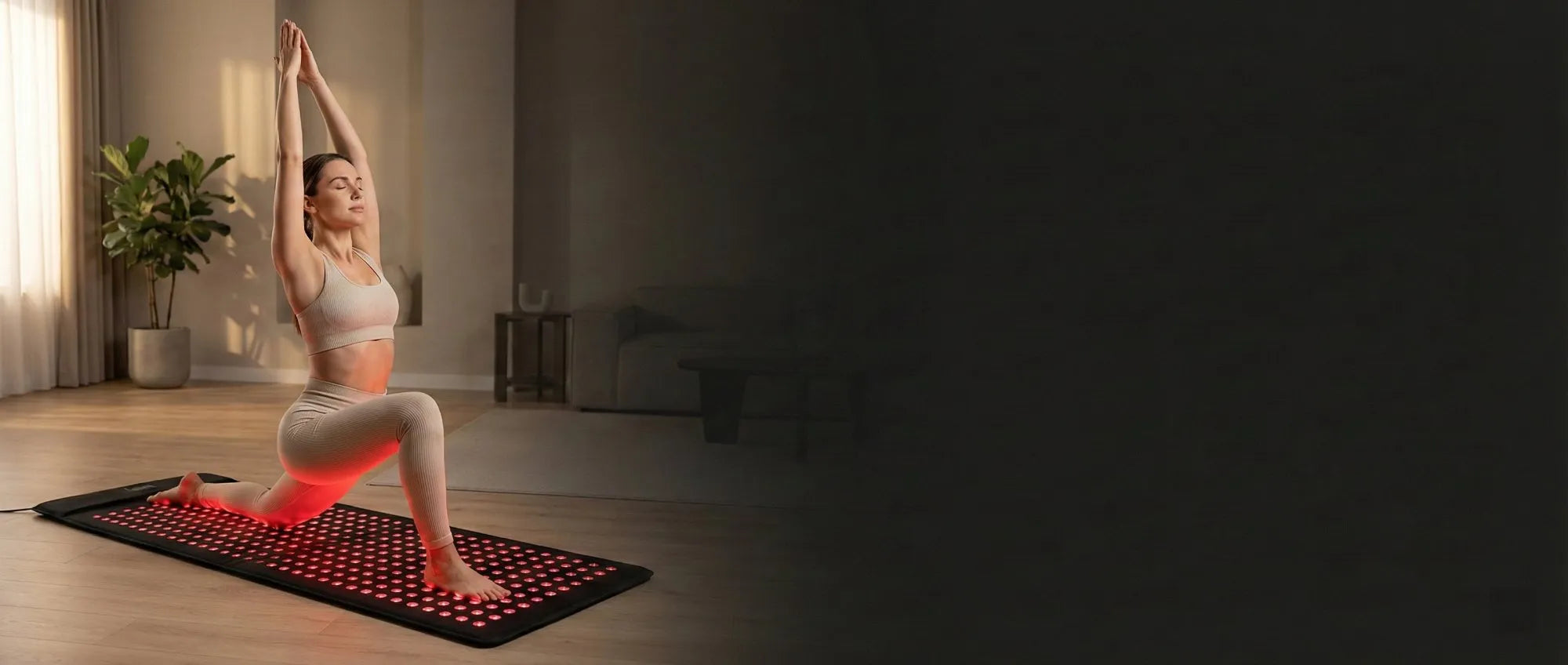
Once that minimal movement work is done, the red light session becomes a force multiplier rather than a substitute. Many of the performance‑oriented clinics summarized in the research notes use ten to twenty minutes per major body area, especially within two to four hours after training. For a home panel or bed, that might look like standing or lying at the recommended distance for ten minutes facing the light and ten minutes facing away, with the device covering most of the working muscles and joints.
On high‑stress days or in peaking phases, pre‑exercise red light can also make sense. Physical Achievement Center and sports medicine practices note that applying red and near‑infrared light fifteen to thirty minutes before training can improve muscle readiness, delay fatigue, and support oxygen utilization, especially for endurance and high‑rep strength work. I treat these sessions as optional upgrades once the fundamentals of good warm‑ups and load management are in place.
In the evenings, several sources, including City Fitness and Athletic Lab, highlight a different use case. Short sessions before bed may help regulate melatonin, improve subjective sleep quality, and support circadian rhythm. For athletes whose recovery bottleneck is sleep rather than tissue damage, this may be more valuable than squeezing in a few extra static stretches.
The final layer is consistency and dose. Clinics like Deeply Vital Medical and Medco Athletics stress that effective protocols are not about blasting yourself with maximum intensity. The most promising research often uses carefully controlled, relatively low doses of combined red and near‑infrared light, delivered regularly over weeks. Too little and nothing happens; too much and you risk blunting benefits or irritating the skin. Since we do not yet have universal guidelines, I encourage people to start conservatively with manufacturer directions, track how they feel for several weeks, and adjust under the guidance of a knowledgeable practitioner.

Practical Guidelines Without The Hype
If you want to prioritize evidence and long‑term joint health, here is how to frame your decision about replacing stretching with red light therapy.
Red light therapy is well suited to reduce post‑exercise soreness, support faster tissue repair, potentially improve training capacity, and help with pain, especially when used with thoughtful dosing. Multiple clinics and reviews report meaningful reductions in soreness, better preservation of strength, and improved readiness for repeat bouts of exercise, and light has even outperformed cryotherapy in some comparisons.
Stretching and mobility work remain the primary tools for maintaining and expanding functional range of motion, rehearsing movement patterns, and directly loading tissues in the positions your sport demands. No light source can do those jobs for you.
The most sustainable strategy is to keep a small but non‑negotiable movement cooldown in your routine and use red light therapy to upgrade the biological side of recovery. In practice, that means a few minutes of easy pattern‑specific movement, a handful of well‑chosen stretches or mobility drills, and then your light session, especially on days where you have access to a clinic bed or a high‑quality home panel.
If you absolutely cannot tolerate stretching or are recovering from pain where movement is limited, red light therapy becomes even more valuable, but you should treat it as a bridge, not a permanent replacement. As pain improves, gradually reintroducing gentle movement and stretching will give you the best long‑term outcome.
On the safety and medical side, match your enthusiasm for gear with respect for the basics. Hospital systems and cancer centers consistently advise a conversation with a qualified clinician if you have a history of cancer, are pregnant, are using photosensitizing medications, or have serious eye or skin conditions. Reputable sources also remind us that many at‑home devices are less powerful than those used in clinics and may take longer to produce noticeable effects, but they are also generally safer if used as directed with proper eye protection.
Finally, remember cost and opportunity cost. Full‑body beds at boutique recovery centers can run into hundreds of dollars per month, and high‑end panels at home are a serious investment. Stretching and thoughtful movement, while not glamorous, are essentially free and work anywhere.
Frequently Asked Questions
If I hate stretching, can I just rely on red light therapy?
You can lean on red light therapy to handle a lot of the soreness and heaviness you are trying to stretch away, especially if you use it consistently in the hours after training and in the evening for sleep. Clinics and reviews show that it can reduce delayed onset muscle soreness, lower markers of muscle damage, and help you feel more ready for the next session.
What it will not do is preserve or build the specific ranges of motion your sport requires. If you are already mobile enough and mainly care about feeling less sore, you might reduce your stretching to a shorter, more focused block and let light therapy carry more of the recovery load. If you are tight, working around old injuries, or need high‑end ranges of motion, some stretching or mobility work needs to stay in the plan.
When is the best time to use red light therapy relative to my workout?
The research and clinical practice summarized in the notes point to two particularly useful windows. Applying light before training, roughly fifteen to thirty minutes in advance, can act as a pre‑conditioning tool that boosts ATP availability and delays fatigue. Applying it within a few hours after training, often for ten to twenty minutes per body area, appears to support tissue repair, reduce soreness, and clear metabolic byproducts more efficiently.
Evening sessions, away from training, can also be helpful if sleep is a bottleneck. Studies in athletes and the broader literature on melatonin suggest that red light exposure at night, especially when paired with good sleep hygiene, can improve sleep quality, which in turn amplifies all other recovery strategies.
What should I look for in a device if my priority is post‑workout recovery?
Most of the recovery‑oriented protocols described by clinics and research use wavelengths in the red (around the mid‑600 nanometer range) and near‑infrared (roughly 800 to a bit above 800 nanometers) bands. Many practitioners prefer devices that combine both, since red targets more superficial tissues and near‑infrared penetrates deeper into muscle, tendon, and joint structures.
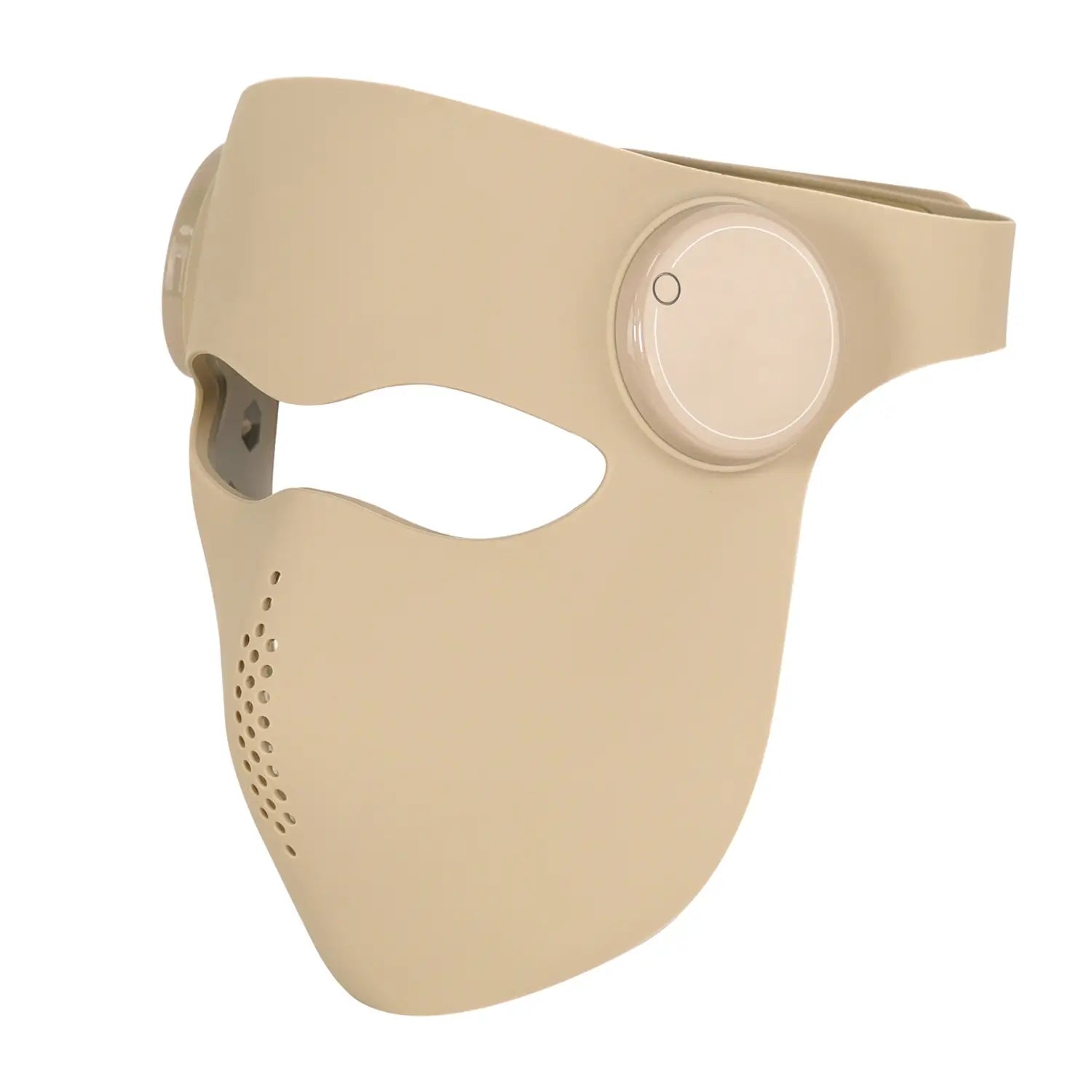
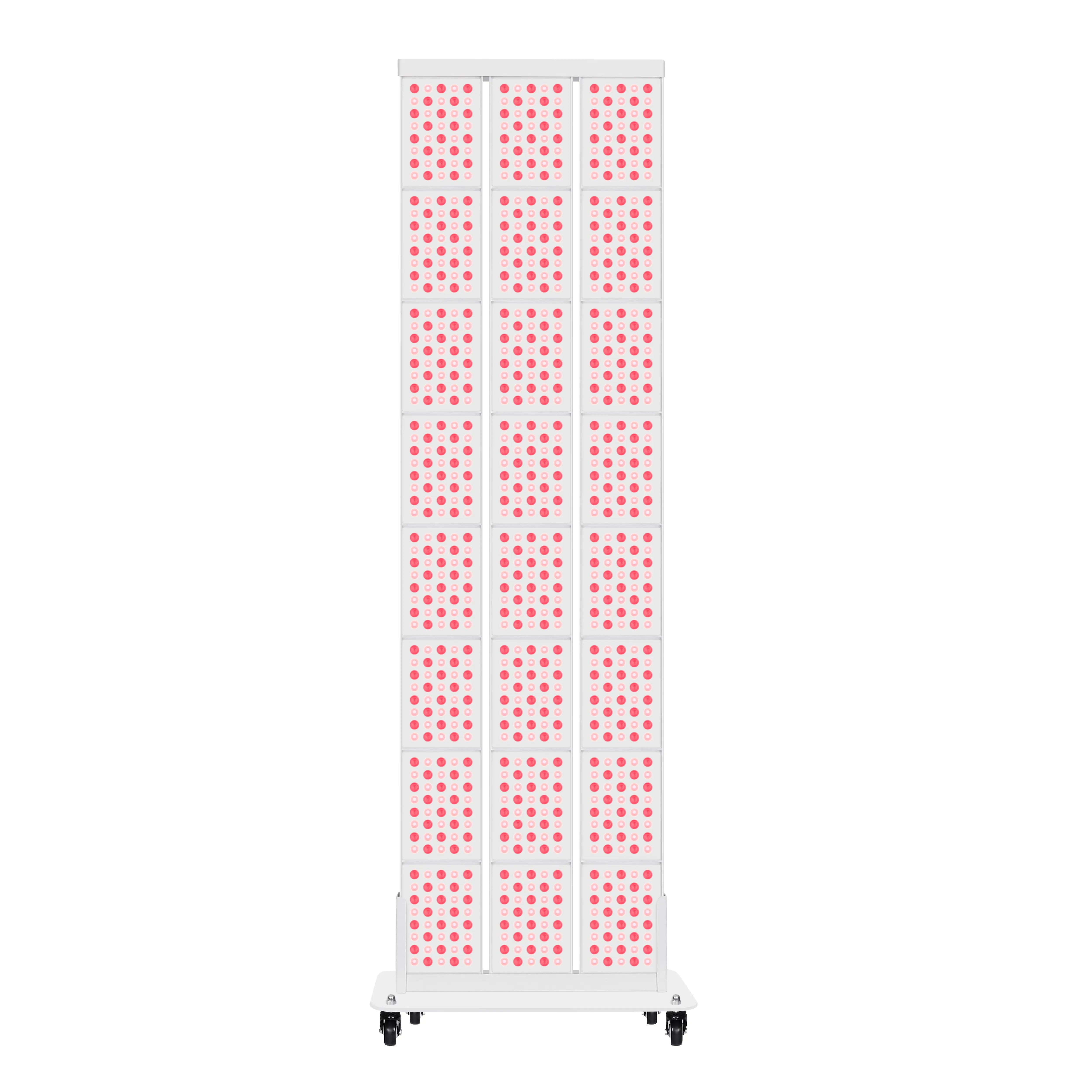
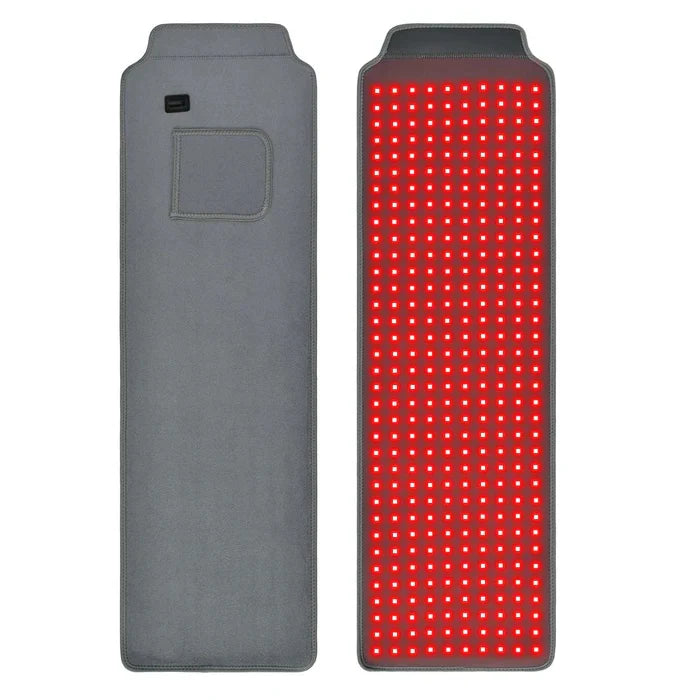
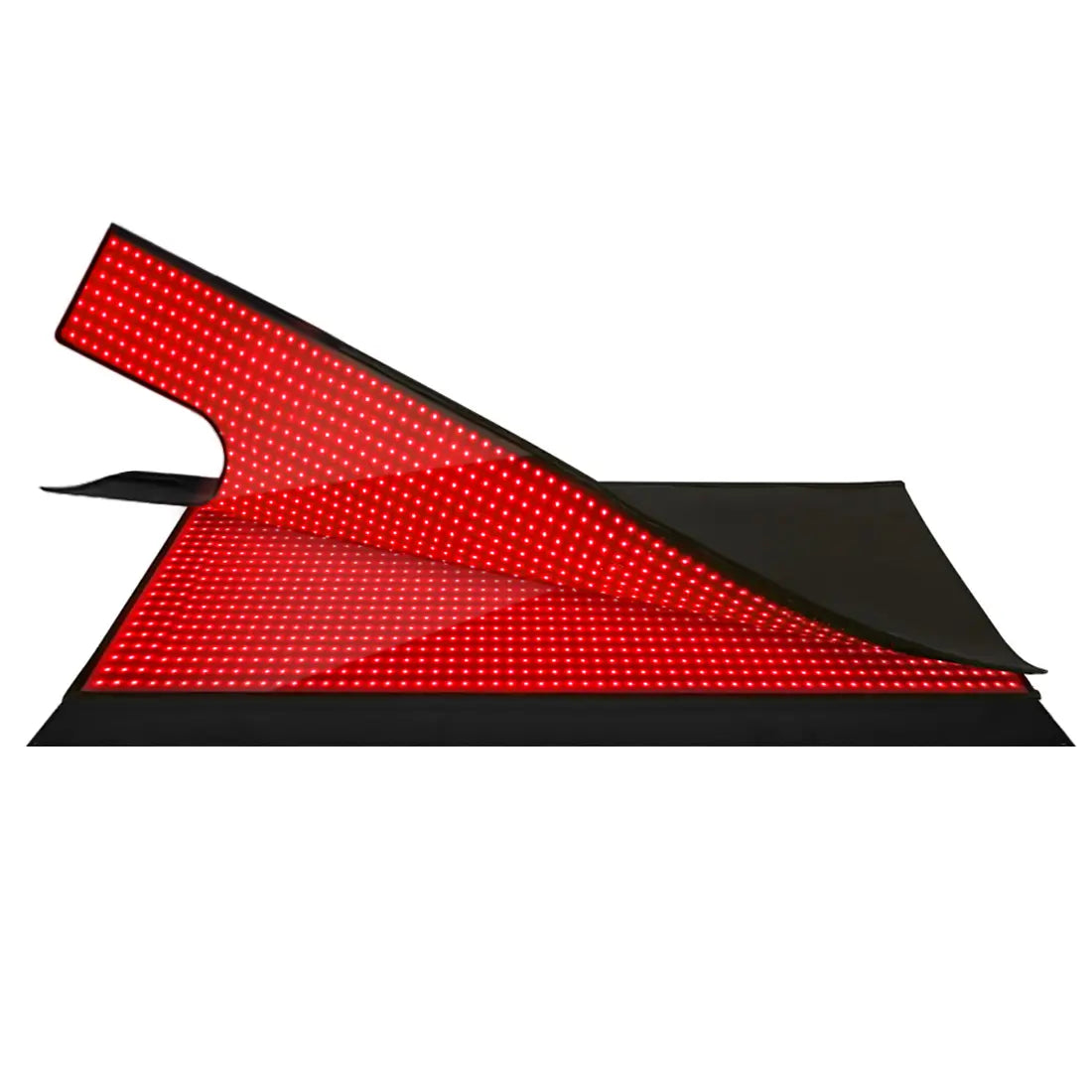
Beyond wavelength, look for evidence that the device is registered or cleared for therapeutic use, not just marketed for beauty. Hospitals and consumer brands in this space often mention FDA registration or clearance for temporary relief of muscle and joint pain, increased circulation, or skin conditions. Larger panels or beds are more efficient for whole‑body recovery, while smaller handheld units or patches are better for focusing on a particular knee, hamstring, or shoulder.
Most importantly, follow manufacturer and clinician guidance on distance and session length. The most promising studies use measured, moderate doses, and several sources emphasize that more intensity is not automatically better and can even be counterproductive.
Closing Thoughts From A Light Therapy Geek
As someone who loves red light therapy and has watched it evolve from a fringe experiment into a serious tool in sports medicine, I would never go back to a recovery routine without it. But I also would not trade away basic stretching and movement work for any amount of glowing LEDs.
Use light to make your tissues recover faster, your joints feel calmer, and your sleep more restorative. Use stretching and mobility to teach your body how to move, own your ranges, and stay durable over decades. When you let each tool do what it does best, you will feel the difference every time you wake up ready to train again.
References
- https://pmc.ncbi.nlm.nih.gov/articles/PMC5167494/
- https://med.stanford.edu/news/insights/2025/02/red-light-therapy-skin-hair-medical-clinics.html
- https://www.mainlinehealth.org/blog/what-is-red-light-therapy
- https://www.mdanderson.org/cancerwise/what-is-red-light-therapy.h00-159701490.html
- https://www.acefitness.org/resources/pros/expert-articles/8857/red-light-therapy-and-post-exercise-recovery-the-physiology-research-and-practical-considerations/?srsltid=AfmBOoqrYMbTIVCxskhBAlt8pZN1GuNIjMUYJCkv6-I5IT3AeMguVaTX
- https://www.uhhospitals.org/blog/articles/2025/06/what-you-should-know-about-red-light-therapy
- https://www.physio-pedia.com/Red_Light_Therapy_and_Muscle_Recovery
- https://www.athleticlab.com/red-light-therapy-for-athletes/
- https://cityfitness.com/archives/36400
- https://deeplyvitalmedical.com/8-effective-ways-red-light-therapy-skin-muscle-recovery/