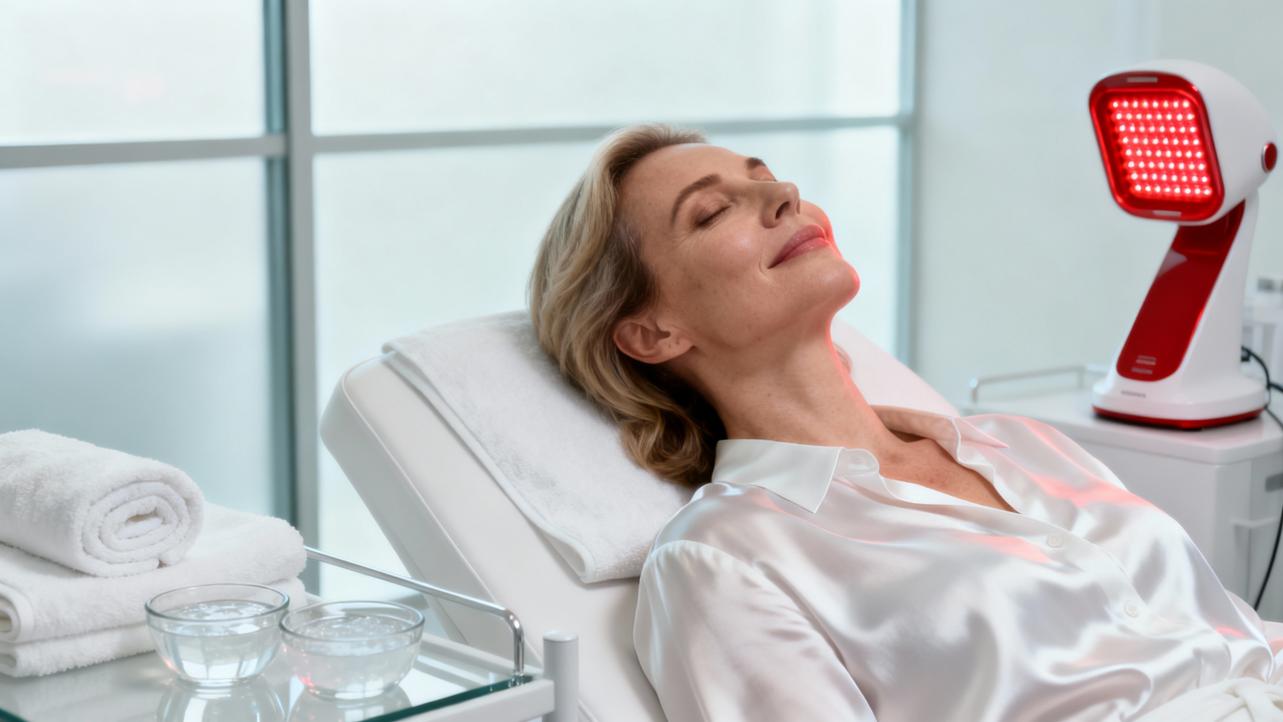
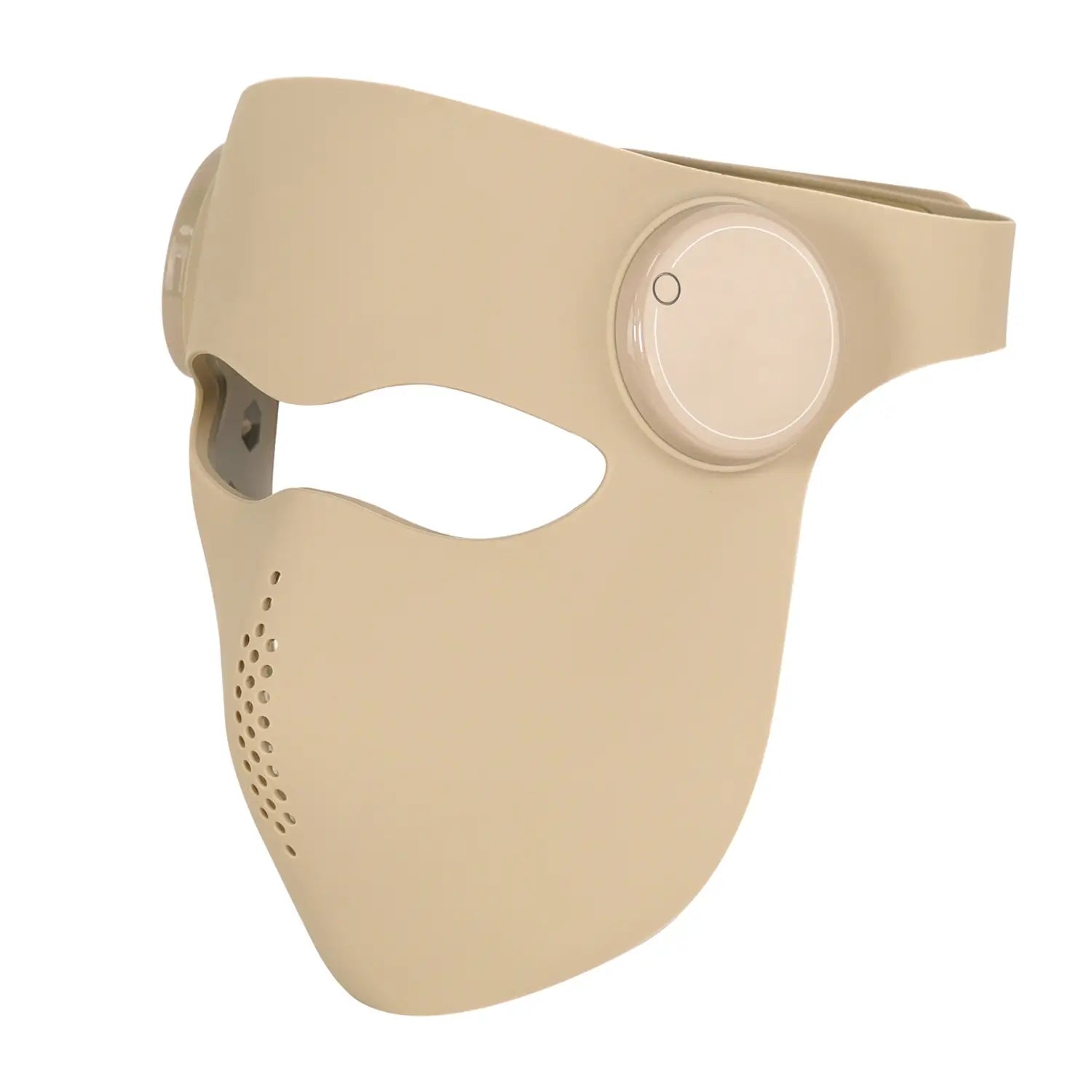
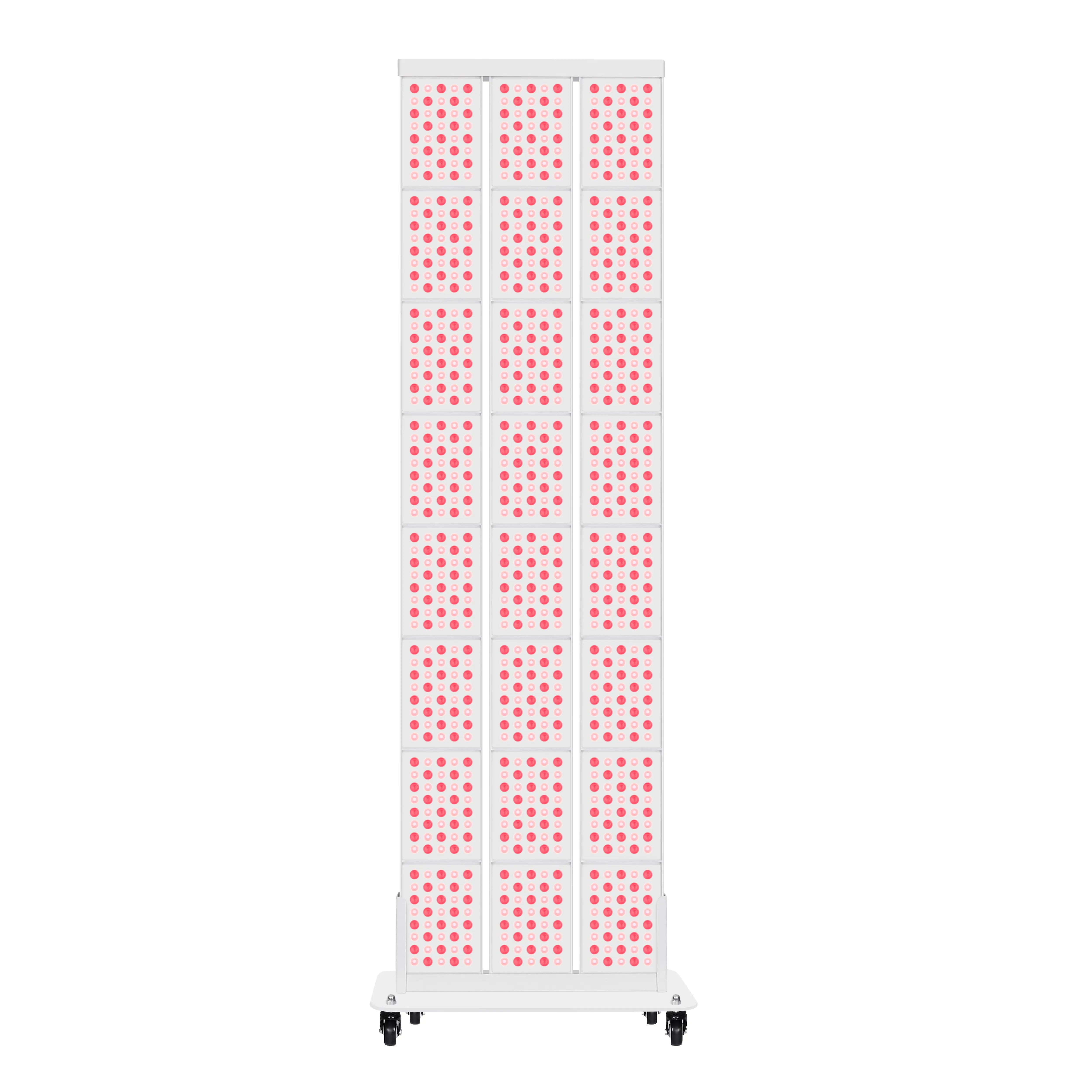
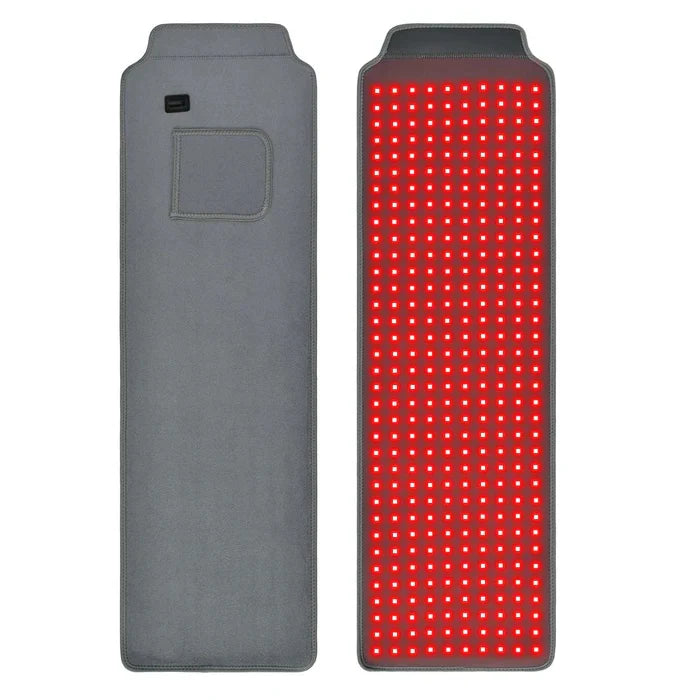
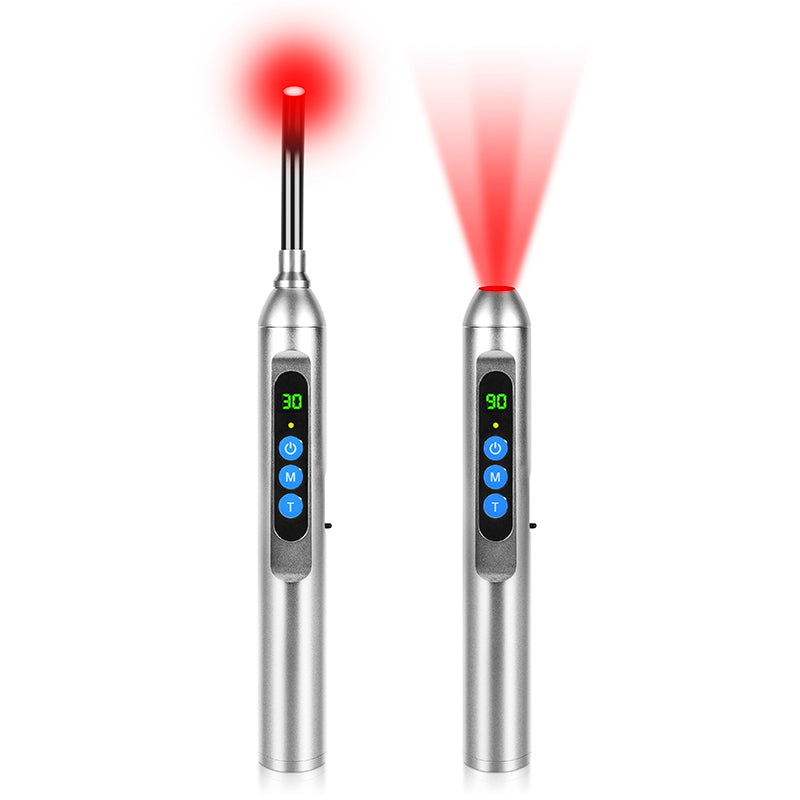

Botox appointments are gloriously fast. Ten minutes in the chair, a handful of tiny injections, and you are back to your day. The catch is the next part: a day or two of mild swelling, a couple of tiny bruises, maybe makeup you would rather not need. If you are a light-therapy geek like I am, your next thought is usually, “When can I get under my red light panel to help this along?”
The good news is that most dermatology and aesthetic sources now see red light therapy as a natural companion to injectables, including Botox. The less glamorous truth is that timing and expectations matter, and the science is still evolving. Used well, red light therapy can support healing and skin quality around your Botox. Used too aggressively or too soon, it can theoretically work against the precision you paid for.
In this guide, I will walk through how Botox and red light therapy actually work, what the research and major medical centers say, and how I personally structure a post‑Botox red light protocol for recovery and long‑term skin health, based entirely on the evidence and expert guidance in the sources you shared.
Botox And Red Light Therapy: Very Different Tools
Before you stack treatments, it helps to be crystal clear about what each one does and what it does not do.
What Botox Actually Does
Botox is a purified neurotoxin (botulinum toxin) injected into specific muscles. It temporarily blocks nerve signals that tell those muscles to contract. That is why it is so effective for dynamic wrinkles such as frown lines, crow’s feet, and forehead lines. When the underlying muscle stops over‑contracting, the overlying skin smooths out.
Cosmetic Botox usually lasts around three to six months. Beyond aesthetics, it is also used for migraines, excessive sweating, and certain muscle spasm disorders, but for our purposes we are focusing on wrinkle softening.
Crucially, Botox does not improve skin texture, hydration, tone, or pore size. It does not fix sun damage or acne scars. It relaxes movement; everything else you see in the mirror is up to your collagen, elastin, and overall skin health.
Typical aftercare from dermatology and aesthetic clinics emphasizes protecting those precisely placed toxin molecules while they bind. Common advice includes no strenuous exercise, no hot yoga or saunas, no facial massage, no lying flat for several hours, no alcohol for at least a day, and avoiding blood‑thinning drugs like ibuprofen or aspirin because of bruising risk. Gentle facial expressions, light walking, cold compresses, and clean pillowcases are encouraged to help the product settle and keep the skin calm.
What Red Light Therapy Actually Does
Red light therapy, sometimes called low‑level light therapy or photobiomodulation, uses low‑intensity red and often near‑infrared light, typically in the 630–900 nm range. Clinics and device makers describe it as acting on the mitochondria, the “power plants” of your cells, to boost cellular energy (ATP) and modulate inflammation.
Major medical sources like Cleveland Clinic, Stanford Medicine, UCLA Health, and Brown Health all converge on a similar mechanistic picture. When used at appropriate doses, red and near‑infrared light can:
Increase collagen and fibroblast activity, which can gradually improve fine lines and skin firmness.
Improve blood flow and oxygenation, which feeds tissue repair and can help clear bruising.
Reduce inflammation and redness, which is why it is being explored for acne, rosacea, eczema, and wound healing.
Support tissue healing in a range of contexts, from surgical scars to joint pain, although the quality of evidence varies by condition.
Unlike UV light or aggressive lasers, red light in these ranges is non‑UV, non‑ablative, and does not deliberately damage the skin to trigger repair. It nudges biology rather than wounding it, which is why the downtime is essentially zero when it is used properly.

Complementary, Not Competing: Botox Versus Red Light
A helpful way to think about combining these therapies is to see Botox as a “movement modulator” and red light as a “skin biology modulator.” They are solving different problems.
Here is a concise comparison based on the research notes.
Aspect |
Botox |
Red light therapy |
Combined after Botox |
Primary target |
Overactive facial muscles causing dynamic wrinkles |
Skin cells, mitochondria, and microcirculation |
Muscles relax with Botox; skin health supported by light |
Main effect |
Softer frown lines, crow’s feet, forehead lines; lasts months |
Gradual improvement in texture, tone, fine lines, redness, and healing |
Smoother movement plus better skin quality over treated areas |
Onset |
Visible change in days to two weeks |
Gradual, cumulative over weeks to months |
Botox delivers quick wrinkle softening; light refines the canvas |
Invasiveness |
Injectable, minor needle trauma and possible bruising |
Non‑invasive light exposure |
Light can help calm injection‑related redness and swelling once it is safe to start |
Evidence base |
Large clinical experience for aesthetic and medical uses |
Modest but growing evidence for skin aging and wound healing; mixed for other claims |
Early, mostly practitioner‑driven protocols; viewed as adjunct, not replacement |
In plain terms, Botox gives you rapid, targeted wrinkle control. Red light therapy is a slower, long‑term investment in the quality of your skin. Used together, they are positioned as complementary rather than interchangeable treatments in multiple professional sources.

What The Science Says About Red Light For Skin
You do not have to take a wellness blogger’s word for red light’s skin effects. There is actual controlled data, though it is far from perfect.
A randomized controlled trial published on PubMed Central looked at 136 volunteers who received full‑body red and near‑infrared light twice a week for about twelve weeks. Compared with untreated controls, the light‑treated groups had:
Significantly improved subjective ratings of skin complexion and skin feeling.
Measured reductions in skin roughness around the eyes.
Increased intradermal collagen density on ultrasound.
Blinded physician reviewers saw more wrinkle improvement in the light‑treated participants than in controls.
The study also found that a broader polychromatic spectrum did not outperform a red‑only spectrum in the tested range, which suggests that well‑designed red‑dominant devices can be enough for skin rejuvenation.
Separate clinical work with LED systems such as Omnilux reports improvement in periorbital wrinkles in a high percentage of patients, and a Stanford Medicine overview notes that hundreds of clinical studies support modest wrinkle reduction and skin “plumping” when parameters are well controlled.
At the same time, major institutions like Cleveland Clinic, Stanford Medicine, Brown Health, and WebMD all stress that:
Many studies are small, short, or lack strong placebo controls.
Protocols differ widely in wavelength, dose, and frequency, which makes results uneven.
Short‑term safety looks favorable when used correctly, but long‑term consumer use data are limited.
In other words, red light is not a miracle or a replacement for established dermatologic care, but it has credible, if modest, evidence for skin rejuvenation and early‑phase wound healing when done properly.
Red Light After Injections: Bruising, Swelling, And Healing
Where does this leave us for injections like Botox and fillers?
Cheek filler literature and aesthetic clinics report that bruising and swelling after injections often last a week or two, driven by tiny needle trauma and capillary rupture. Preliminary evidence in that context suggests red light therapy can speed bruise resolution and reduce inflammation, probably by improving blood flow and supporting local repair. These early studies and clinical impressions are encouraging but still limited, and authors consistently call for more rigorous research.
Post‑procedure brands and clinics position LED devices as gentle, non‑invasive tools to reduce redness, swelling, and visible downtime after microneedling, chemical peels, laser treatments, and injectables. Devices such as the Lumière LED mask combine red, yellow, green, and blue wavelengths, claiming benefits that range from collagen stimulation to de‑puffing and acne control. Professional LED systems used alongside fillers and Botox are marketed to help patients get back to normal routines faster.
At the same time, medical and wellness sources are very clear on a key point: the main risk with combining red light and Botox is not that light chemically breaks down the toxin. Articles from Lumivisage and Maysama explicitly note that red light does not degrade Botox or make it wear off faster. The real concern is mechanical and physiological. Heat, increased blood flow, or pressure on fresh injection sites could move the toxin away from its intended target in the first day or two.
That is why experts focus so much on timing.
How Long To Wait: Realistic Timelines From The Evidence
Across the research notes, there is a striking level of agreement about when to reintroduce red light after Botox.
Most dermatology and aesthetic sources recommend waiting at least twenty‑four to forty‑eight hours after Botox before using red light therapy on the treated area. This window appears in multiple guides and brand protocols and is tied to allowing the neurotoxin to bind and settle without extra heat, circulation, or pressure.
Some practitioners and brands suggest waiting longer in special cases. Larger doses, patients who bruise easily, or those with significant swelling may be advised to wait up to about two weeks before using masks or devices that rest directly on the skin. One LED brand that works closely with in‑clinic protocols recommends a seventy‑two‑hour gap after Botox before applying its low‑level mask to avoid affecting toxin diffusion.
Several sources also emphasize practical details that matter just as much as the raw timeline. These include waiting a day or two after fillers before using red light, keeping devices slightly off the skin initially to avoid pressure, and avoiding hot environments such as saunas or steam rooms during the same early period.
Here is what these timelines all have in common. The early “no‑go” period is there to:
Protect the precision of your injections.
Avoid pushing or massaging treated muscles.
Minimize sudden boosts in circulation that might drive the toxin away from its target.
Within those constraints, red light becomes a post‑procedure ally rather than a threat.

A Practical Red Light Roadmap After Botox
Bringing all of this together, here is how I align post‑Botox light use with the evidence and expert guidance you provided.
The First Day
In the first twenty‑four hours, the priority is classic Botox aftercare. Stay upright for several hours, avoid vigorous exercise and heat, skip facial massages and other treatments, and use cold compresses if you have swelling. At this point, I keep all light‑based treatments off the face, including red light, not because the light is inherently dangerous but because I do not want anything that warms, presses, or over‑stimulates circulation in the treated muscles.
Days One To Three
After a full day has passed and ideally closer to the forty‑eight‑hour mark, many practitioners are comfortable reintroducing gentle red light, especially if bruising or residual redness is creating social downtime. When I resume at this stage on myself or in a wellness‑optimization context, I favor:
Shorter sessions at lower intensity, in the ten to fifteen minute range.
Hands‑free masks or panels that do not press hard on the skin.
A slight distance from the face, particularly over heavily treated areas.
Close monitoring for any unusual warmth, throbbing, or increased swelling.
This aligns with recommendations from brands like Lumivisage, Maysama, Infraredi, and Solawave, which typically suggest ten to twenty minute sessions a few times per week for skin benefits and emphasize starting gently after Botox.
The First Few Weeks
Once you are comfortably past the initial forty‑eight hours and your injector is happy with your early results, red light therapy becomes more clearly a long‑term skin investment. Many home protocols from clinically oriented brands suggest:
Using facial masks or panels about two to three times per week in the first few post‑procedure weeks.
Sessions of roughly ten to twenty minutes, depending on device power and skin sensitivity.
Consistent use over several weeks to start seeing improvements in texture, tone, and radiance.
For busy people, at‑home masks like those from Lumière, Maysama, Infraredi, and Omnilux are often framed as ways to maintain results between office visits, especially when injectables, microneedling, and light are integrated into a broader plan.
What You Can Reasonably Expect
Once you respect the waiting period, the potential benefits of adding red light after Botox fall into a few categories, all supported by the sources you shared.
You may see faster resolution of mild bruising and swelling around injection sites. By improving microcirculation and providing anti‑inflammatory signaling, red light can help your body clear the tiny pools of blood that create visible bruises. Preliminary filler data and clinical experience support this, although the evidence is still limited and not every bruise will magically vanish overnight.
Your skin texture and tone can gradually improve over weeks and months. Multiple clinical studies, including the large trial mentioned earlier, show that repeat red light sessions can increase collagen and reduce subjective roughness. That means the skin lying over those relaxed muscles looks smoother, plumper, and more even in its own right.
Your Botox may look better throughout its normal lifespan. Articles from Lumivisage and Maysama emphasize that red light does not destroy Botox and does not appear to shorten its effect. Instead, by maintaining collagen, elastin, and hydration, red light may help you get more value out of the usual three to four month Botox window, even if it does not change the neurotoxin’s pharmacology.
Your overall recovery may feel easier. Many clinics describe their patients being able to return to work or social events sooner when LED sessions are integrated after injectables, because visible redness and swelling are tempered and the skin takes on a brighter, more rested look.
Expectations still need to stay in check. Cleveland Clinic, Stanford Medicine, Brown Health, and WebMD all warn against treating red light as a universal anti‑aging cure or a substitute for medical care. Results are modest and cumulative, not dramatic and instant.

Real Risks And Limitations You Should Know
Nothing in aesthetics is entirely risk‑free, even therapies with excellent safety profiles.
The main Botox‑specific risk is interfering with toxin placement by using red light too soon or in a way that adds heat and pressure to the freshly treated area. Rare but real complications of Botox, such as temporary eyelid drooping or asymmetric movement, are exactly the kinds of issues that could theoretically worsen if the toxin were pushed or diffused beyond the intended muscles in those early hours.
Red light itself has a strong safety record when used properly, especially compared with UV or ablative lasers, but sources like Cleveland Clinic, Brown Health, WebMD, and Stanford Medicine highlight several caveats:
Overuse or very high intensities can cause redness, irritation, or even burns.
Eyes should be protected; direct exposure to high‑intensity LEDs or lasers is not recommended.
Long‑term consumer device safety data are limited, and marketing claims often run ahead of clinical evidence.
People with a history of light sensitivity, those on photosensitizing medications such as some antibiotics and retinoids, individuals with a history of skin cancer or suspicious lesions, and pregnant patients are advised to be cautious or seek medical guidance before starting red light therapy.
For people with conditions like rosacea that flare with heat, even the mild warmth of some LED devices may be enough to trigger symptoms, and professional advice is important before combining heat‑sensitive skin with frequent light sessions.
The bottom line from large medical centers is consistent. Red light therapy is generally low risk when used correctly, but the safest path is to treat it as an adjunct and to involve a dermatologist or experienced injector when you build it around procedures like Botox.
Getting The Most Out Of An At‑Home Device After Botox
If you already own a mask or panel, or you are considering buying one specifically to support injectables, a few practical habits will help you stay aligned with the evidence rather than marketing hype.
Use devices with clear technical specifications and safety testing. Several sources point out that clinic‑grade devices are more powerful and better standardized than many at‑home products. Some consumer tools are FDA‑cleared for narrow indications like wrinkle reduction or hair loss, which speaks to basic safety but not necessarily to superior effectiveness. UCLA Health and Brown Health both recommend choosing vetted, clinically tested devices over generic gadgets with vague claims.
Protect your eyes. Whether you are using a mask, panel, or handheld wand, follow the manufacturer’s eye‑safety instructions. This often means wearing provided goggles or closing your eyes under an opaque insert, especially for facial treatments and high‑intensity panels.
Start with clean, dry skin. Several post‑Botox red light guides emphasize using light on bare skin to maximize penetration and minimize the risk of irritating interaction between concentrated light and active topical products. You can usually reintroduce gentle hydrating serums or creams afterward once your injector gives the green light.
Be consistent rather than extreme. The most reliable benefits in skin rejuvenation studies come from steady use over weeks and months, not marathon sessions. Common home protocols across multiple brands cluster around ten to twenty minutes per session, two to four times per week on the face. There is no evidence in your notes that doubling or tripling those doses gives better results, and overdoing it raises the risk of irritation.
Coordinate with your injector. Practitioners like the ones quoted by Omnilux, Maysama, Infraredi, and others increasingly integrate LED into post‑procedure care. When you are transparent about your devices and routines, your injector can fine‑tune timing around your dose, anatomy, and medical history.
Who Should Be Cautious Or Avoid Red Light After Botox
Several sources outline situations where red light therapy deserves extra caution or a pause.
If you are taking photosensitizing medications such as certain antibiotics, antifungals, acne treatments, or blood pressure drugs, red light could theoretically provoke exaggerated skin responses. Clinics and manufacturers advise screening for these drugs and working with a clinician before starting or continuing light.
If you have a history of skin cancer or concerning lesions, major medical organizations recommend consulting a dermatologist before using red light for cosmetic purposes. While red light is non‑UV and has not been shown to cause skin cancer, existing cancer history changes the risk–benefit calculus.
If you are pregnant, several sources suggest an abundance of caution. One review cited by WebMD did not find harm with related light treatments in pregnancy, but data are limited, and many cosmetic practices avoid elective procedures in pregnancy altogether. This is a conversation for your obstetric provider and dermatologist, not for a device manual.
If you have active skin infections, open wounds around injection sites, or severe inflammatory flares such as very active rosacea, you should stabilize those issues first with medical care before layering on additional therapies.
In all of these cases, the right move is not to guess but to bring your dermatologist or injector into the decision.
Short FAQ: Red Light And Botox
Can red light therapy make my Botox wear off faster?
Based on the sources you provided, red light therapy does not chemically break down Botox and is not known to make it wear off faster when used after an appropriate waiting period. The main risk is using light in a way that adds heat or pressure in the first day or two, which might move the toxin. Waiting at least twenty‑four to forty‑eight hours and following standard aftercare removes most of that concern.
Is it better to do red light before or after Botox?
For healing purposes, most of the guidance focuses on red light after Botox, not immediately before. Some protocols in the filler world use red light just before injections to stabilize blood vessels, but your notes emphasize that post‑Botox, light is more helpful once the toxin has settled. The safest approach is to keep the day of injections clean and simple, then bring in red light after the initial no‑treatment window your injector recommends.
How soon should I expect to see results from red light on top of Botox?
Botox itself usually shows noticeable effects within days and continues to refine over two weeks. Red light works more slowly. In the controlled trial and clinic reports, meaningful changes in skin texture and collagen appeared over several weeks of consistent treatment, with continued evolution over months. After Botox, you might notice that bruises and mild redness fade a little sooner, but expect the deeper texture and glow benefits of red light to be a multi‑week project, not an overnight upgrade.
You can think of Botox as dialing down the overactivity in your facial muscles and red light as feeding the skin that lies above them. When you respect the first day or two of healing, choose evidence‑aligned dosing, and loop your injector into the plan, combining the two is a smart, science‑backed way to keep your face both smoother and more biologically resilient over the long haul.
References
- https://pmc.ncbi.nlm.nih.gov/articles/PMC3926176/
- https://med.stanford.edu/news/insights/2025/02/red-light-therapy-skin-hair-medical-clinics.html
- https://www.brownhealth.org/be-well/red-light-therapy-benefits-safety-and-things-know
- https://my.clevelandclinic.org/health/articles/22114-red-light-therapy
- https://www.gundersenhealth.org/health-wellness/aging-well/exploring-the-benefits-of-red-light-therapy
- https://www.uclahealth.org/news/article/5-health-benefits-red-light-therapy
- https://www.aad.org/public/cosmetic/safety/red-light-therapy
- https://santabarbaraskincare.org/2025/03/06/the-power-of-red-light-therapy-for-healthier-skin/
- https://www.bswhealth.com/blog/5-benefits-of-red-light-therapy
- https://doctorlanna.com/red-light-therapy-after-cheek-filler-to-prevent-bruising/