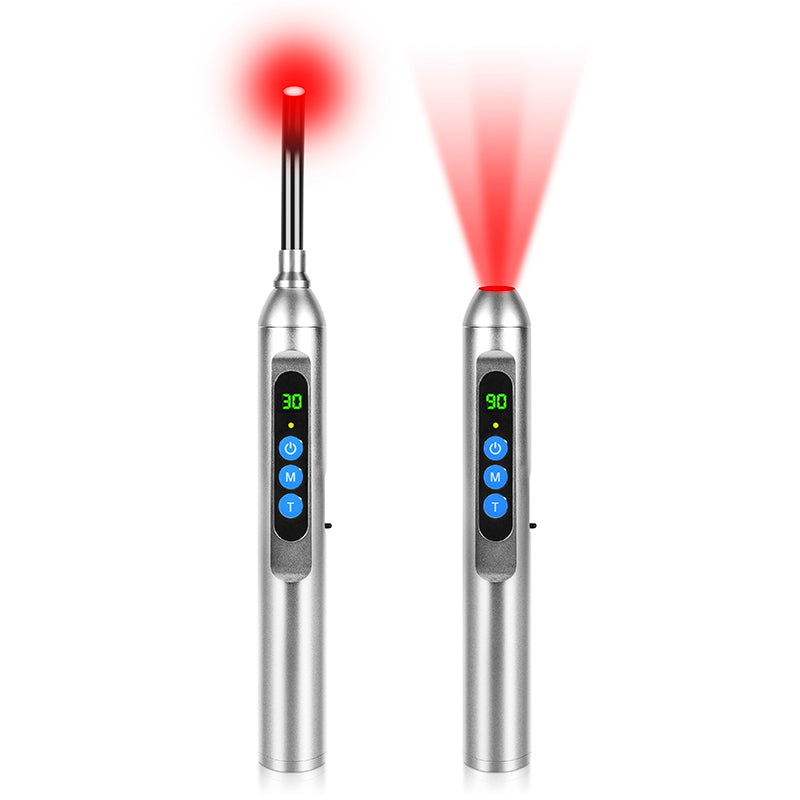

Summary: Red light therapy may help kids bounce back faster from minor injuries by supporting natural healing, but the science is mostly in adults, so parents should use it cautiously and always as a complement to proper medical care.
What Red Light Therapy Actually Does
Red light therapy (also called photobiomodulation) uses specific red and near‑infrared wavelengths, usually around 630–850 nanometers, to nudge cells into healing mode. The light is noninvasive and non‑ionizing, so it does not burn tissue or damage DNA the way X‑rays or ultraviolet light can.
Those photons target mitochondria—the “batteries” in our cells—and an enzyme called cytochrome c oxidase. Studies reviewed in sports‑medicine journals show this can boost ATP (cellular energy), improve blood flow through nitric‑oxide–driven vasodilation, and modulate inflammation and oxidative stress.
In practical terms, that biochemistry can translate into less swelling, less pain, and quicker tissue repair in muscles, tendons, and ligaments. That is why adult athletes are lining up for panels, pads, and LED devices after hard practices and minor injuries.

What the Science Really Shows (Mostly in Adults)
Here is the key truth I want every parent to hear: almost all of the solid data we have on red light therapy for injuries comes from adults and older athletes, not young children.
A pilot study at Lehigh University used an 830 nm LED device on college athletes with acute sprains and strains. Their average return to play was about 10 days instead of the roughly 19 days expected from conventional rehab alone, and their pain scores dropped to zero by the time they were cleared. A large review in Photobiomodulation in human muscle tissue summarized 46 clinical trials and found that red and near‑infrared light can reduce muscle damage markers and soreness and sometimes improve strength and endurance—but results were inconsistent and highly sensitive to dose and timing.
Stanford Medicine’s review on red light therapy is even more blunt: the evidence is strong for some skin and hair uses, but claims about athletic performance, recovery, and systemic benefits are still early‑stage and mixed. In other words, this is promising, not magic.
For children, we are extrapolating from this adult data plus decades of safe clinical use. That is reasonable when we stay conservative, but we should not pretend we have big pediatric trials showing faster healing in kids yet.
Nuance: Some high‑quality trials show little or no benefit, which means the right dose and timing are crucial—and results are never guaranteed.
Is Red Light Therapy Safe for Kids?
From the safety side, the news is mostly reassuring. Hospital systems and university labs like UTRGV describe red and near‑infrared therapy as low risk when used correctly, and a rehab review notes no serious adverse events in large adult injury series.
That said, children are not just smaller adults. Their eyes are more sensitive, their tissues and growth plates are still developing, and younger kids may not be able to report discomfort clearly. Extra margin of safety is non‑negotiable.
Smart guardrails for kids include: never shining a device directly into the eyes, avoiding use over the thyroid or obvious lumps, and not using light therapy as a substitute for proper diagnosis or imaging. Significant injuries—suspected fractures, severe sprains, high fevers, infections—belong in a medical office first, light panel second.

A Smart, Science‑Inspired Home Protocol for Parents
If your child’s pediatrician or sports‑medicine provider is comfortable with you trying red light therapy for a mild soft‑tissue injury (like a grade‑1 sprain or muscle pull), here is a conservative framework grounded in the adult research but scaled to kids:
- Talk to the pediatrician first, especially for kids with chronic illnesses, seizures, photosensitive conditions, or if your child takes medications that affect light sensitivity.
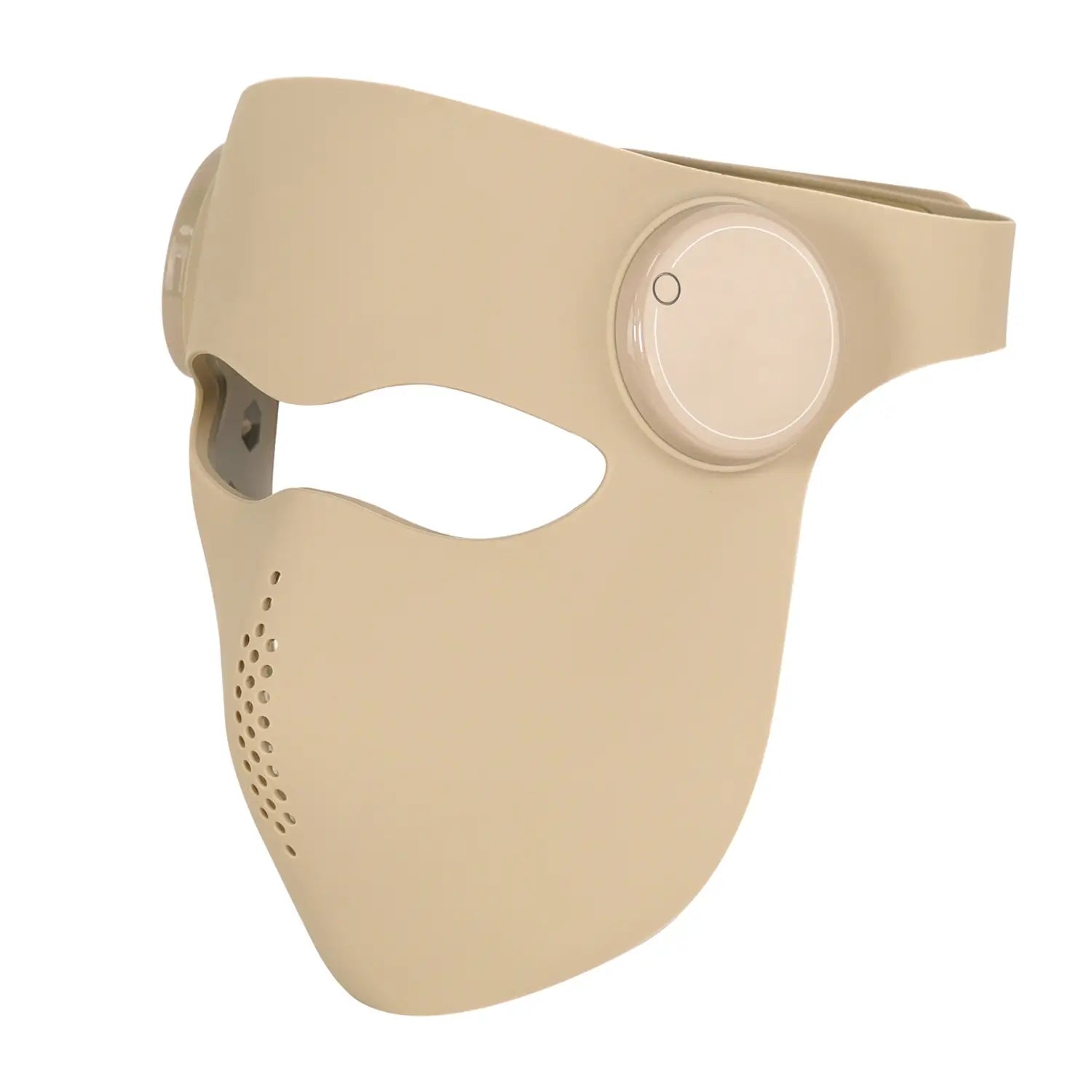
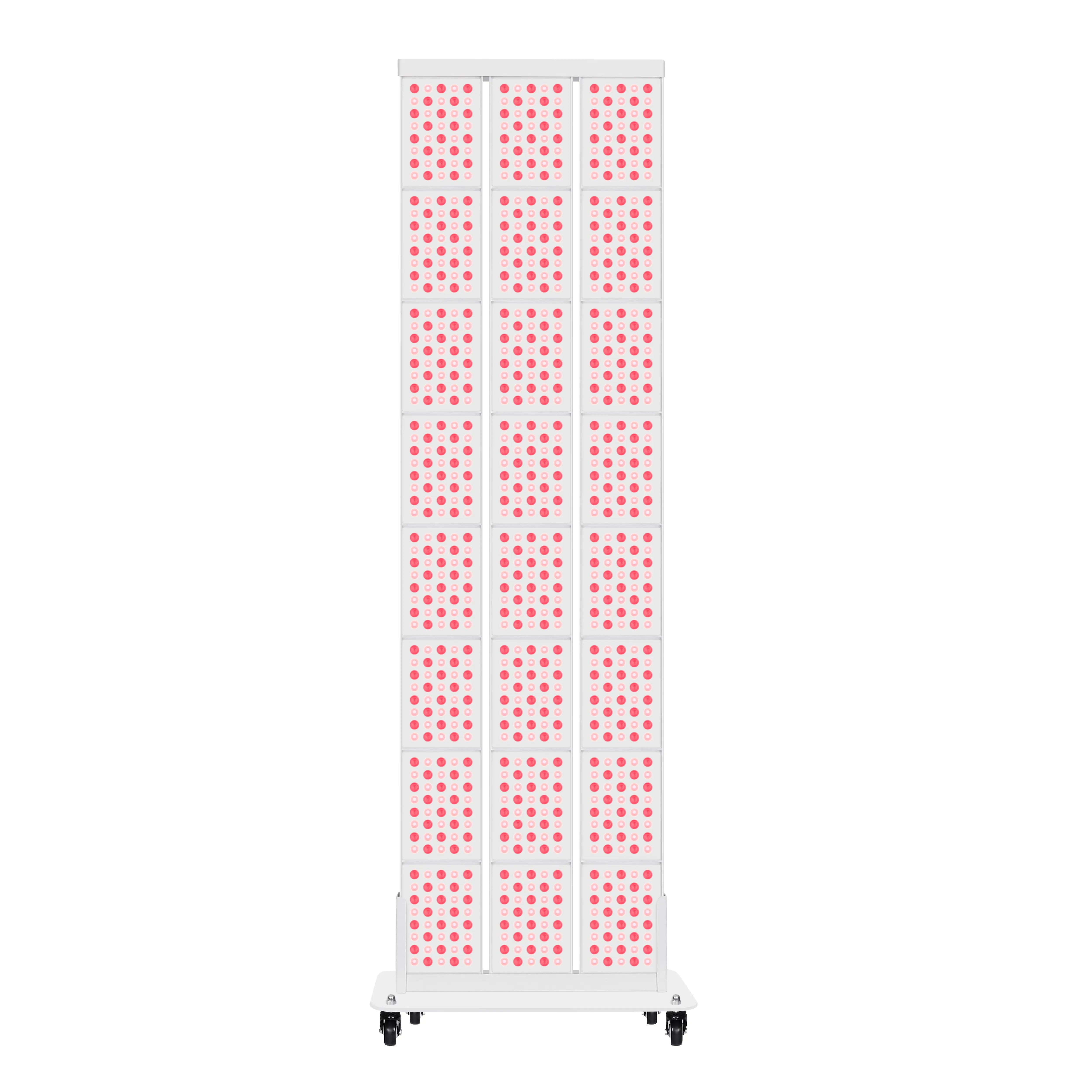
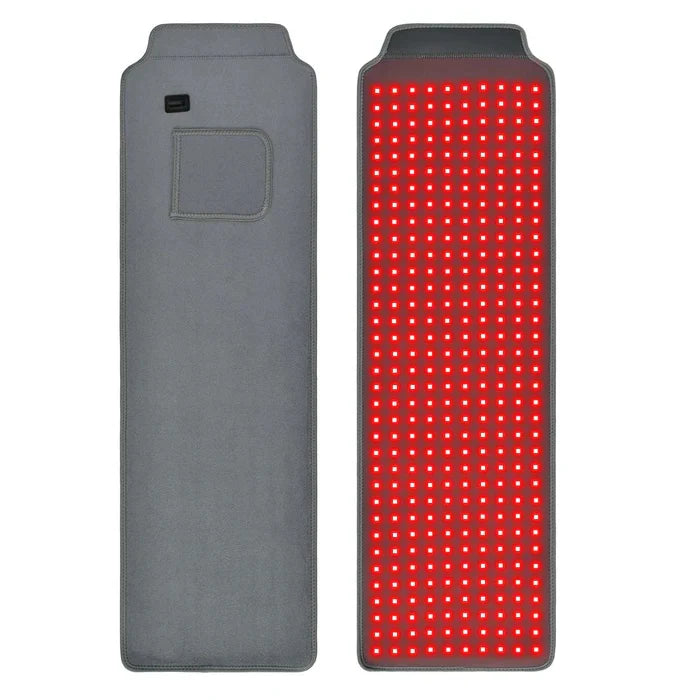
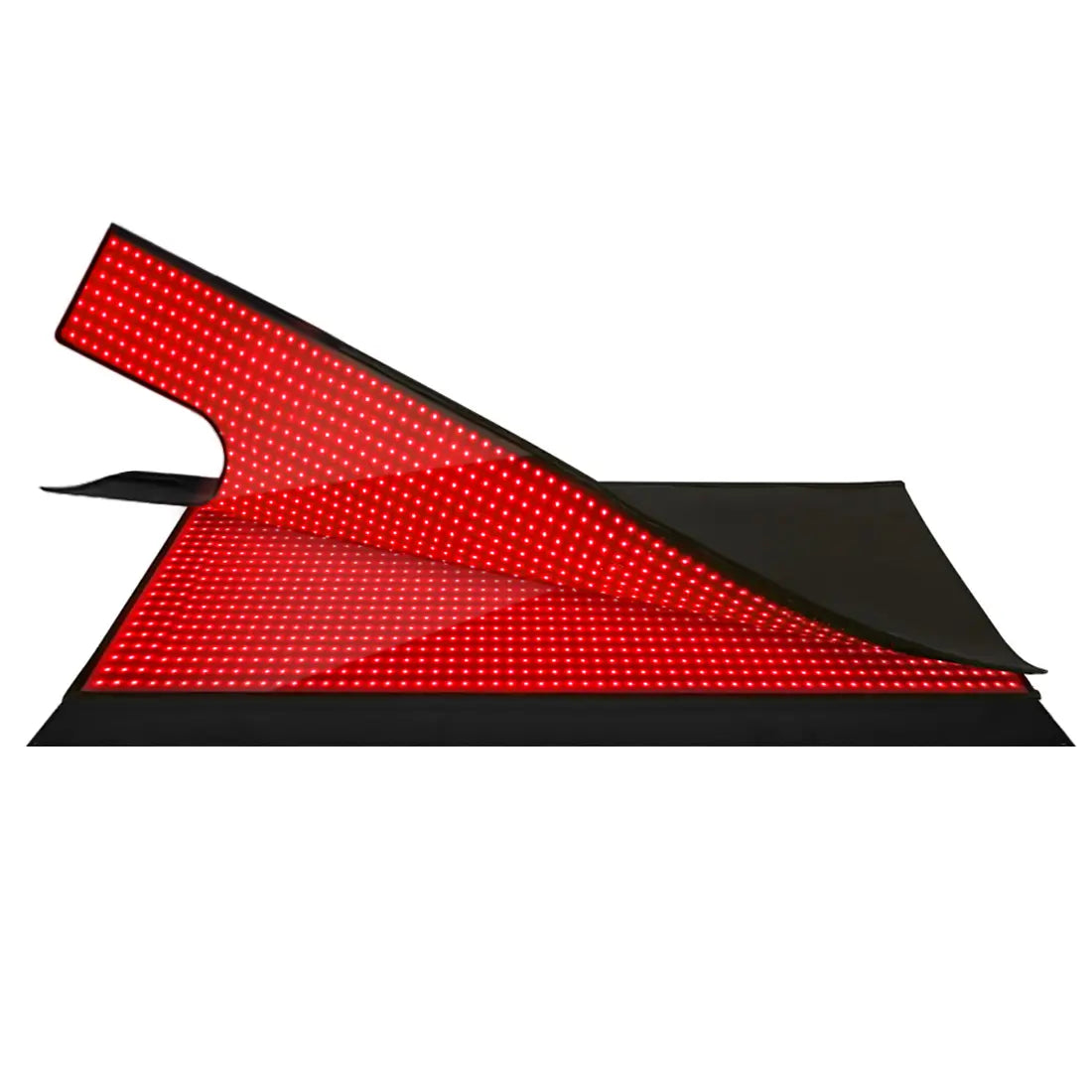
- Choose a reputable LED device that clearly lists red (around 630–660 nm) and/or near‑infrared (around 800–850 nm) wavelengths and is designed for home use, not industrial power levels.
- Start low: position the device about 6–12 in from the skin, use 5–8 minute sessions on a small area, once or twice daily for a few days, then reassess.
- Protect the eyes with closed lids and, ideally, eye shields; do not aim the beam at the face unless a clinician specifically approves it.
- Stop or back off if you see skin irritation, your child reports discomfort, or the injury seems to worsen instead of improving.
Think of red light as a recovery amplifier, not a shortcut. It pairs best with the basics: good sleep, enough protein and fluids, appropriate physical therapy, and sane training loads. When you respect the biology and the limits of the evidence, red light therapy can be a sophisticated tool in your home recovery toolkit—one that helps your child get back to play while you stay firmly grounded in science.

References
- https://lms-dev.api.berkeley.edu/ultra-red-light
- https://spinoff.nasa.gov/NASA-Research-Illuminates-Medical-Uses-of-Light
- https://digitalcommons.cedarville.edu/cgi/viewcontent.cgi?article=1013&context=education_theses
- https://pmc.ncbi.nlm.nih.gov/articles/PMC4846838/
- https://bbb-devel.spots.edu/fulldisplay:68Fwns/056807/Red-Light-Therapy-For-Athletes.pdf