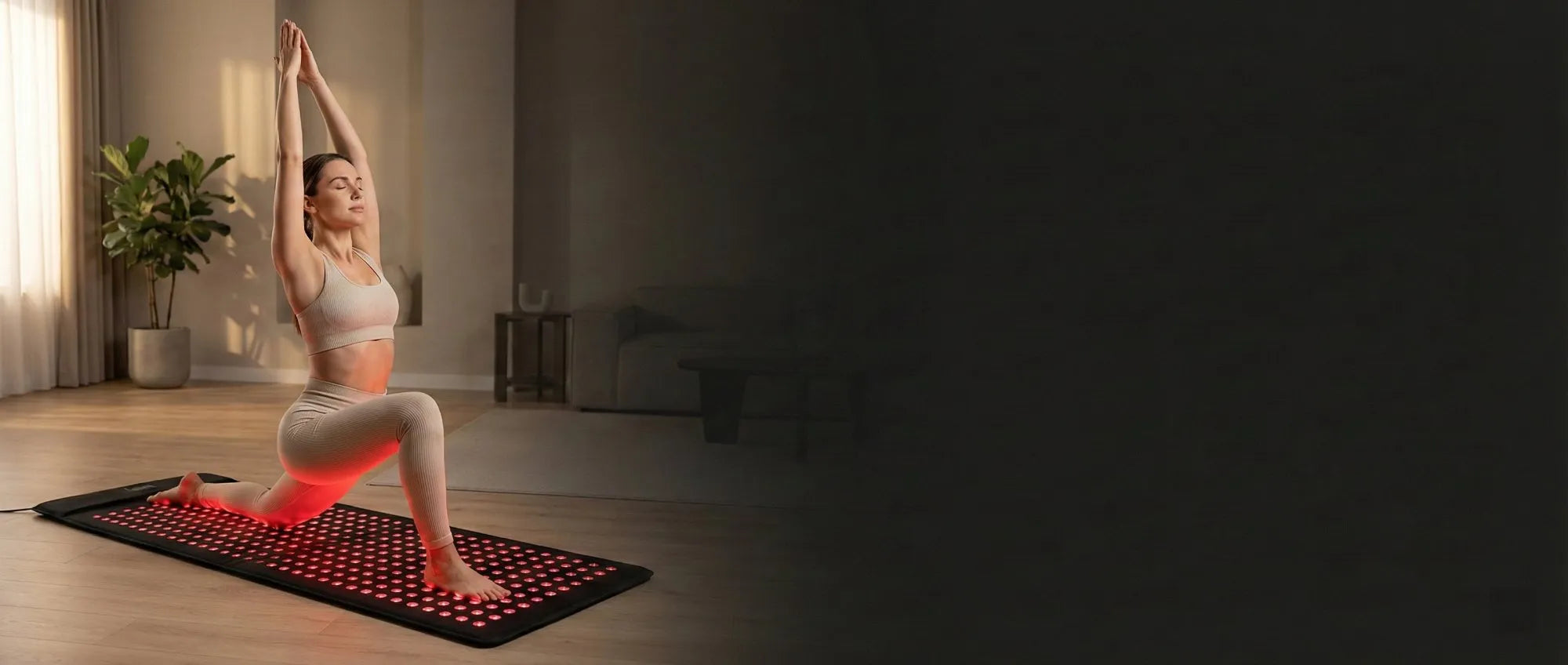
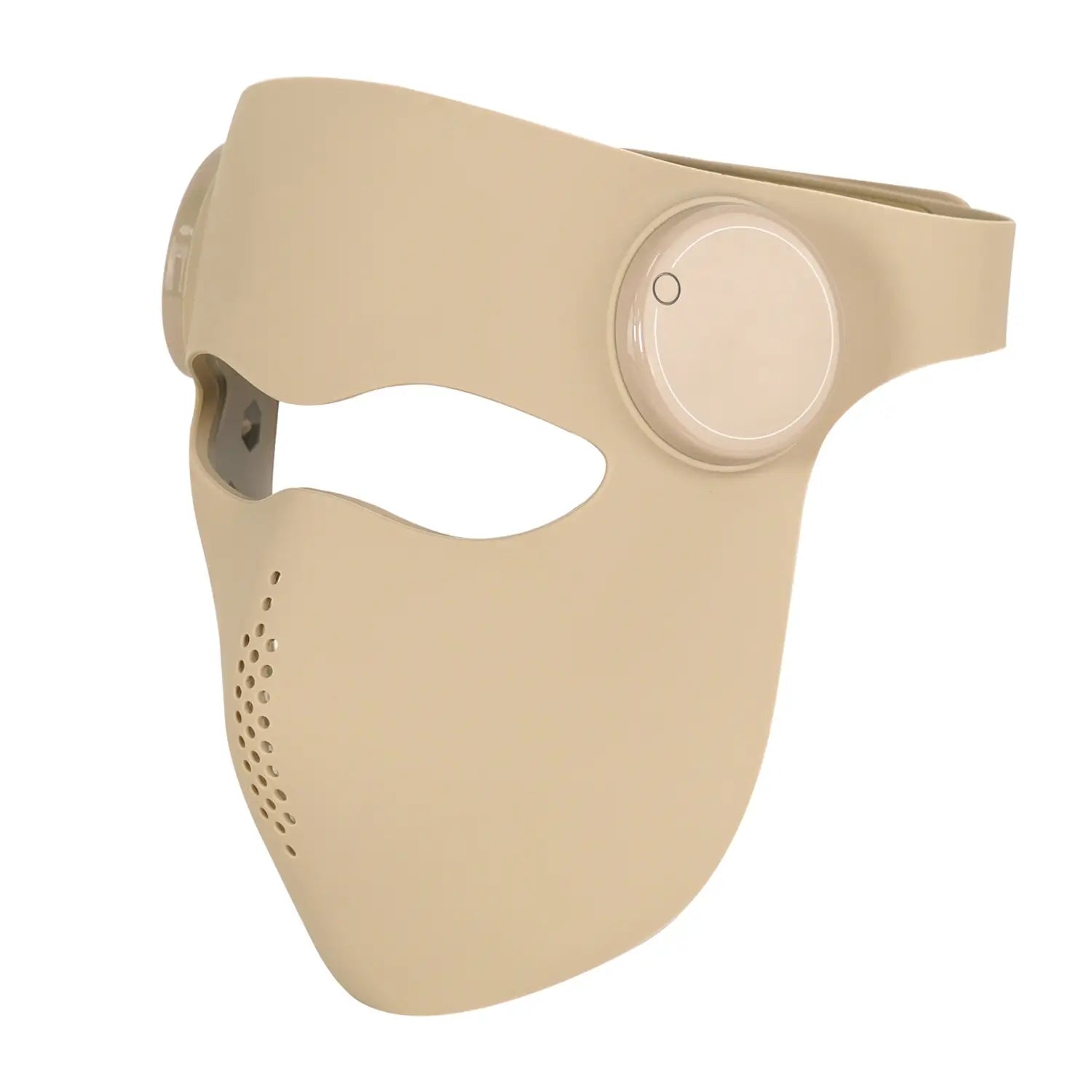
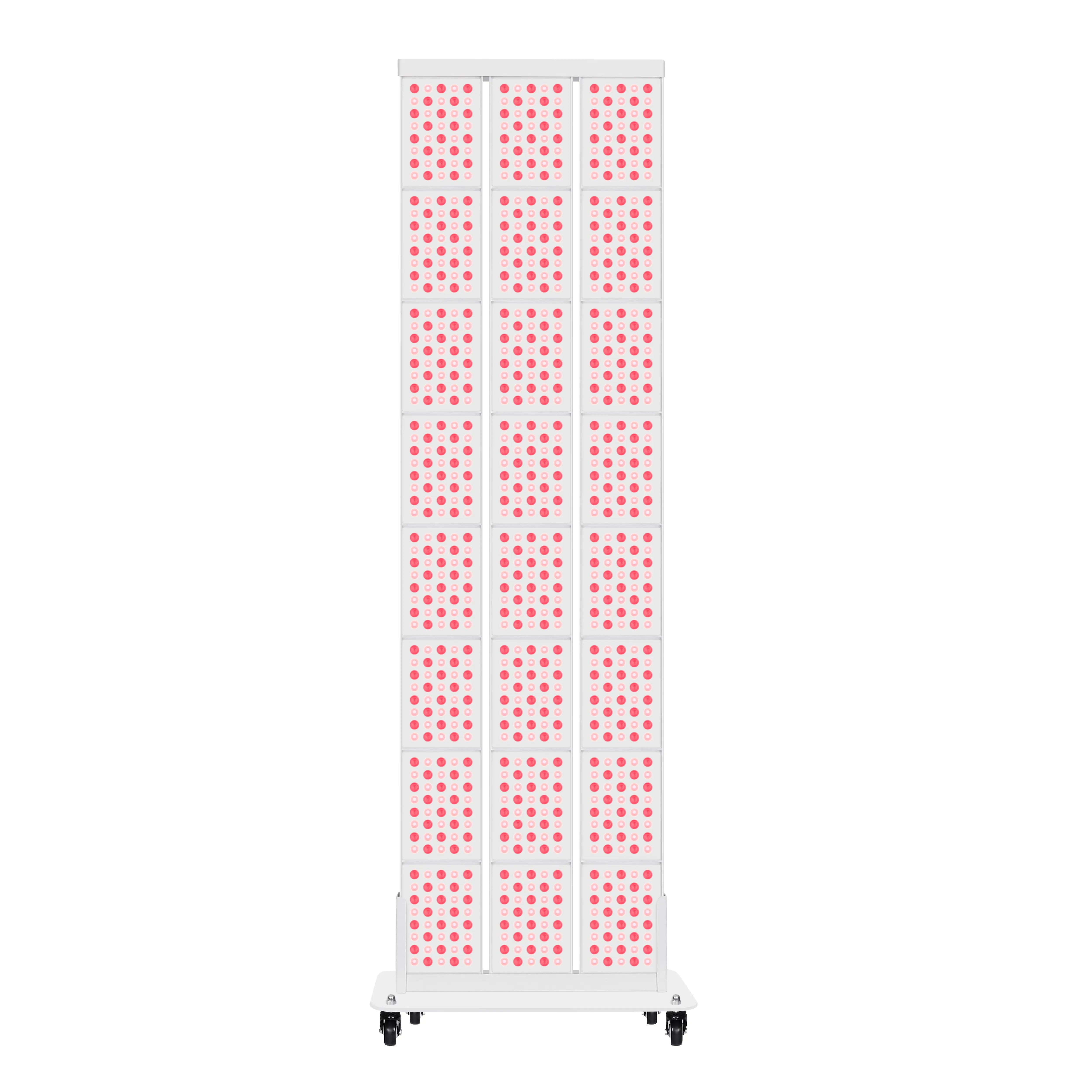

Understanding Rosacea Beyond “Just Red Skin”
If you live with rosacea, you already know it is far more than a bit of cosmetic redness. Rosacea is a chronic inflammatory skin disease that centers on the face and can impact self-confidence as much as it affects the skin itself. Clinical resources such as the National Rosacea Society and dermatology practices consistently describe the same core picture: persistent facial redness on the cheeks, nose, forehead, and chin, visible blood vessels, and often acne‑like bumps that burn or sting. In some people, the skin can thicken over time, particularly around the nose, and in others the eyes become dry, gritty, and painfully sensitive, a pattern known as ocular rosacea.
Modern guidelines have moved away from rigid “types” and instead talk about phenotypes, but practically it still helps to think in patterns. Some people mainly flush and show visible vessels, which used to be called erythematotelangiectatic rosacea. Others have more papules and pustules that resemble acne, historically called the papulopustular form. A smaller group develops thickened, bumpy skin over the nose and midface, while another subset struggles mostly with eye symptoms. Many patients sit in overlapping territory, which is one reason rosacea can be so frustrating to manage.
The causes remain multifactorial. The scientific literature summarized by academic groups and the National Rosacea Society points to genetic susceptibility, dysregulated innate immunity, and a tendency toward exaggerated inflammatory responses in the skin. Studies have linked rosacea to increased expression of pattern‑recognition receptors such as toll‑like receptor 2, abnormal processing of the antimicrobial peptide cathelicidin, and vascular hyper‑reactivity. Environmental triggers then pour fuel on the fire. Sun exposure, heat, spicy foods, alcohol, stress, temperature extremes, and even some skin‑care products can provoke flares.
Conventional treatment focuses on controlling symptoms rather than curing the disease. Dermatology guidance from the National Rosacea Society and other expert sources describes a familiar toolkit: topical ivermectin, azelaic acid, and metronidazole for bumps and pimples; low‑dose doxycycline and other oral antibiotics for inflammatory flares; vasoconstrictor gels like brimonidine or oxymetazoline for fixed redness; and laser or intense pulsed light (IPL) for prominent vessels. Ocular rosacea brings its own regimen of eyelid hygiene, lubricating drops, and topical or oral medications. Lifestyle strategies such as trigger tracking, meticulous sun protection, and gentle, fragrance‑free skin care are considered non‑negotiable pillars.
Even with all of that, plenty of people find their redness, burning, and flushing never fully settle. That therapeutic gap is exactly where interest in non‑drug interventions such as red light therapy has exploded over the last decade.

Red Light Therapy 101
From a light‑therapy geek’s perspective, red light therapy sits at the intersection of physics, cell biology, and very practical skin care. In medical and scientific circles it is usually called low‑level light therapy or photobiomodulation. Cleveland Clinic, WebMD, Stanford Medicine, Brown‑affiliated clinicians, and MD Anderson Cancer Center all describe essentially the same thing: exposure of tissue to low‑intensity red or near‑infrared light, typically in the visible red range around 630 to 660 nanometers and in the deeper near‑infrared range up to roughly 850 nanometers. The energy is delivered by LEDs or low‑power lasers, without generating heat that burns tissue and without the ultraviolet wavelengths that damage DNA.
Mechanistically, these wavelengths are absorbed by components of the mitochondrial respiratory chain, most notably cytochrome c oxidase. Reviews of photobiomodulation in wound healing and skin aging describe a cascade: light absorption increases adenosine triphosphate (ATP) production, shifts cellular redox balance, and alters gene expression related to cell proliferation, collagen and elastin synthesis, inflammatory signaling, and anti‑oxidant defenses. A large review of laser and LED studies in cutaneous wounds, along with a clinical red‑light face‑mask study cited by academic dermatology groups, shows that red light in the 600 to 700 nanometer range can stimulate fibroblasts, increase dermal density, and improve firmness, texture, and wrinkles when used consistently over several weeks.
There is also a vascular component. Stanford Medicine notes that red light promotes vasodilation and increased blood flow in the skin. That is one way it can modestly reduce wrinkles and support tissue repair, and it is highly relevant for a condition like rosacea that is strongly linked to abnormal blood‑vessel behavior.
What matters in practice is that red light therapy is not simply a warmed‑up beauty trend. Professional bodies and major medical centers such as Cleveland Clinic, UCLA Health, MD Anderson, and WebMD each acknowledge that low‑level red light can measurably change biological processes. They also all emphasize something equally important: most of the clinical evidence outside a handful of indications is based on small, sometimes methodologically limited trials. In other words, red light clearly “does something” at the cellular and tissue level, but it is not a miracle cure and should not be treated like one.

Why Rosacea Is A Logical Target For Red Light
To understand why so many dermatologists and device makers are exploring red light for rosacea, it helps to map the known mechanisms of photobiomodulation onto the biology of the disease.
First, rosacea is fundamentally inflammatory. Deeply Vital Medical, in its medically reviewed overview of red light for rosacea, highlights that chronic inflammation and oxidative stress contribute to redness, swelling, impaired barrier function, and delayed healing. Photobiomodulation studies show that red and near‑infrared light can reduce the production of pro‑inflammatory cytokines while promoting anti‑inflammatory mediators. In animal and cellular models, as well as in human skin conditions such as acne and eczema, this has translated into calmer tissue and reduced redness. At least one mouse model of rosacea‑like inflammation has shown that LED light near 630 and 940 nanometers can down‑regulate key inflammatory mediators that are also elevated in human rosacea.
Second, rosacea is a vascular disease. Flushing, burning, and visible vessels arise from a mix of structural and functional changes in the superficial vasculature. Multiple sources, including Deeply Vital Medical and a rosacea‑focused article from Luminance Vision, note that red light appears to enhance microcirculation and normalize blood‑vessel behavior. Clinically, that shows up as less baseline redness and less dramatic flushing in some patients. Yellow light, which penetrates to the superficial dermis, has also been used in clinics with a primary aim of vasoconstriction to reduce the visibility of surface vessels and redness in sensitive skin.
Third, rosacea is linked to an impaired barrier and delayed, imperfect healing. Wound‑healing reviews from the medical literature show that red and near‑infrared light in the so‑called “optical therapeutic window” (roughly 630 to 830 nanometers) can reduce inflammatory cell infiltration, stimulate fibroblast proliferation, increase collagen synthesis, promote angiogenesis, and accelerate granulation tissue formation. A controlled home‑use study of a 630‑nanometer LED mask found improved wrinkles, firmness, dermal density, pore size, and complexion homogeneity over three months, with improvements persisting at least a month after stopping. While those trials are in aging and wound repair rather than rosacea, they suggest that regular red light exposure can help skin rebuild itself more efficiently, which is exactly what rosacea‑prone skin struggles to do after each flare.
Finally, research in mice suggests that visible light can modulate STAT3 signaling pathways involved in inflammation, angiogenesis, and fibrosis in skin wounds, speeding closure and reducing scarring. That mechanistic work is not rosacea‑specific, but it supports the broader concept that visible, non‑UV light can nudge inflammatory and repair pathways in a more regenerative direction.
Taken together, these lines of evidence make it biologically plausible that red light therapy could calm inflammation, normalize some vascular behavior, and support stronger barrier function in rosacea skin. The more interesting question is what happens when real people with real rosacea lie under real LEDs.
What The Research Actually Shows For Rosacea
The clinical evidence for red light therapy in rosacea is promising but still early. It spans small controlled studies, case reports, and a growing number of clinician and patient reports from dermatology practices and device manufacturers.
A medically reviewed piece from Deeply Vital Medical summarizes several studies in which patients with rosacea received red light therapy and experienced significant reductions in redness and inflammatory lesions, along with improvements in skin texture and overall appearance. One trial cited from the Journal of Cosmetic and Laser Therapy reported reduced erythema and fewer papules and pustules after a course of red light treatments, while another published in Dermatologic Surgery found similar improvements in both visible redness and subjective skin quality. These were not massive multi‑center trials, and detailed statistics are not always available, but the signal across them is consistent: red light appears to move rosacea in the right direction rather than being neutral.
A separate physician‑authored overview from a device manufacturer, Dr. Müller, frames red light as a non‑pharmaceutical, complementary therapy well suited to sensitive rosacea skin. The article notes that red light can penetrate roughly 8 to 10 millimeters into tissue, where it is absorbed by mitochondria to increase cellular energy and support repair. The recommended regimen in that context is typically two to three sessions per week, about fifteen minutes each, continued for ten to twelve consecutive weeks. Patients are advised that regular, ongoing use is required to maintain results, a pattern echoed by Cleveland Clinic and WebMD in their broader discussions of photobiomodulation.
Luminance Vision, an eye and skin health provider that deals extensively with ocular rosacea, describes clinical experience in which red light therapy helps lessen baseline redness and flushing, makes facial vessels less reactive to triggers, and soothes burning and tightness. For periocular involvement they report reduced inflammation and improved comfort around the eyes when red and near‑infrared light is applied carefully with appropriate shielding and professional oversight. They emphasize that results are gradual, with subtle comfort and inflammation improvements often appearing within two to four weeks and more visible changes in redness and overall appearance emerging around six to twelve weeks of consistent use.
Perhaps the most concrete evidence comes from two published case reports that used combined blue and red LED light to treat moderate papulopustular rosacea in a young woman and an older man who had both failed standard courses of antibiotics and topical therapies. In these reports, patients received blue light around 480 nanometers and red light around 650 nanometers, delivered sequentially for fifteen minutes each, twice weekly, for a total of ten sessions. In one case, the LED therapy was paired with topical azelaic acid, in the other it followed years of intermittent antibiotics and peels. After five sessions, both patients showed visible reductions in erythema and papules, and by the tenth session they reported marked reductions in burning and itching along with continued improvement in redness and lesion count. No significant adverse events were noted.
These are only two people, and the protocol also involved other treatments, so the results must be interpreted cautiously. Still, they align with broader experience described by Luminance Vision, Deeply Vital Medical, and rosacea‑oriented LED manufacturers: blue light can help when sebaceous activity and acne‑like lesions are prominent, while red light provides deeper anti‑inflammatory and barrier‑supportive effects.
Beyond strictly rosacea‑focused data, we have the supporting backdrop from wound‑healing and anti‑aging research. A systematic review of dozens of low‑power laser and LED studies in cutaneous wounds found that red and near‑infrared light in the 630 to 830 nanometer range, delivered at doses around 1 to 5 joules per square centimeter, consistently reduced inflammatory cells and increased fibroblast proliferation, collagen production, and angiogenesis. Higher doses in some models, such as 10 or 16 joules per square centimeter, actually inhibited cellular functions, illustrating the classic Arndt–Schulz biphasic response: too little light does nothing, a moderate band stimulates repair, and too much can shut things down.
A well‑designed home‑use study of a 630‑nanometer LED mask used twice a week for three months in middle‑aged adults showed statistically significant improvements in wrinkle depth, sagging, firmness, dermal density, pore diameter, sebum production, and complexion homogeneity. Importantly, those improvements persisted at least a month after treatment stopped. Subjective satisfaction was very high and tolerability excellent. Again, this is not a rosacea trial, but it demonstrates that red LED devices similar to those marketed for rosacea can deliver meaningful structural and visible changes in human facial skin over realistic timeframes.
Major medical centers echo this nuanced picture. UCLA Health notes that several red‑light devices have been cleared by the Food and Drug Administration for skin rejuvenation and hair loss based on three‑month trials, but that long‑term safety and dosing are still being studied. Cleveland Clinic emphasizes that evidence for specific indications such as rosacea is promising yet limited, drawn mainly from small studies. Stanford Medicine stresses that many claims made for red light, such as dramatic improvements in sleep, athletic performance, or complex systemic diseases, are still speculative. The through‑line is clear: red light therapy is biologically active and modestly helpful for certain skin issues, including redness and inflammation, but it is not a high‑powered cure‑all.
Where Red Light Fits In A Rosacea Game Plan
From a veteran wellness optimizer’s perspective, the question is less “Does red light do anything?” and more “Where does it reasonably belong in a serious rosacea strategy?”
Dermatology organizations such as the National Rosacea Society frame rosacea management as multi‑modal. Combination therapy often works better than single agents, and strict adherence plus lifestyle management are essential. Within that framework, red light therapy makes the most sense as an adjunct, not a replacement. It can be layered alongside evidence‑based topical or oral treatments, and it may allow some people to lean less heavily on long courses of systemic antibiotics, but it should not displace proven medications without the explicit guidance of a dermatologist.
For individuals whose primary complaint is persistent redness and flushing, red and near‑infrared light appears most relevant. Clinic‑grade devices that use red around 633 nanometers with near‑infrared around 830 nanometers have been reported to reduce redness and flushing in erythematotelangiectatic rosacea. Yellow light is sometimes favored in professional settings specifically for redness and visible vessels because it can induce vasoconstriction and calm superficial inflammation while remaining gentle enough for sensitive skin. In these cases, light is often combined with trigger management and, where appropriate, topical vasoconstrictors or laser/IPL sessions for more stubborn vessels.
For papulopustular patterns with more acne‑like lesions, blue light around 400 to 480 nanometers can be useful because it interacts with porphyrins in bacteria and with sebocytes in the upper skin layers. Several rosacea and acne resources describe protocols that couple blue and red light, leveraging blue to reduce sebaceous activity and microbial load, while red penetrates deeper to quiet inflammation and support barrier repair. The case reports of combined 480 and 650 nanometer LEDs in rosacea fit this model.
Phymatous rosacea, characterized by thickened, oil‑gland‑rich tissue, is where red light therapy becomes more speculative. Some device manufacturers and skin‑care platforms mention using combinations of green, yellow, and near‑infrared light in “brightening” or “restoring” modes to balance oil production and improve moisture retention. However, the strongest evidence for phymatous change still lies with oral medications such as isotretinoin and physical procedures such as laser resurfacing or surgical debulking described by the National Rosacea Society. Light therapy can potentially support healing and inflammation control around those interventions, but it should not be viewed as a stand‑alone solution for established tissue overgrowth.
Ocular rosacea adds another layer of complexity. Luminance Vision and other eye‑care specialists describe careful use of near‑infrared and red LEDs around the periocular region to reduce inflammation and improve comfort, sometimes integrated with IPL and standard eyelid therapies. Because the eye itself is extremely sensitive to light, any treatment near this area must be designed and supervised by qualified professionals with proper shielding. Home devices should never be aimed directly at the eyes without appropriate barriers, regardless of how “safe” the marketing claims may sound.
At a systems level, rosacea‑focused organizations emphasize that lifestyle management remains foundational. Red light therapy cannot compensate for unmitigated triggers, lack of sun protection, harsh products, or unaddressed gut and skin microbiome issues that researchers have linked to rosacea. It is best thought of as a supportive technology layered on top of solid medical care, wise product choices, and disciplined avoidance of personal triggers.

At‑Home Versus In‑Clinic Red Light For Rosacea
One of the most practical decisions is whether to pursue red light therapy in a dermatology office or invest in an at‑home device. Both options have distinct advantages and trade‑offs.
Clinic‑based systems, whether stand‑alone red and near‑infrared panels or devices integrated into laser and IPL platforms, are generally more powerful and more tightly standardized than consumer products. Stanford Medicine and UCLA Health both point out that clinical devices used in studies tend to have well‑defined wavelengths, irradiance, and treatment times, which makes their effects easier to reproduce. Sessions are supervised, eye protection is enforced, and parameters can be adjusted case by case. The obvious downsides are cost and logistics. Treatments are usually not covered by insurance when performed for cosmetic or off‑label rosacea indications, and out‑of‑pocket expenses can add up quickly over weeks or months of repeated sessions.
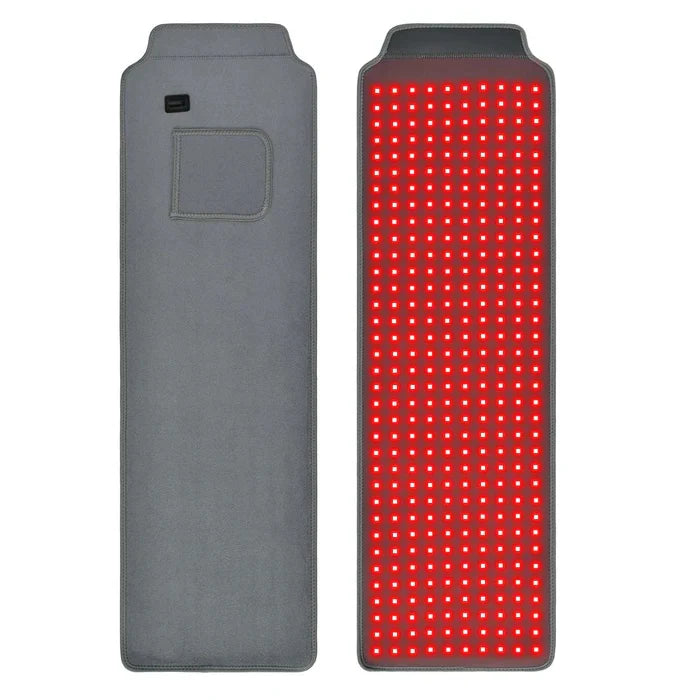
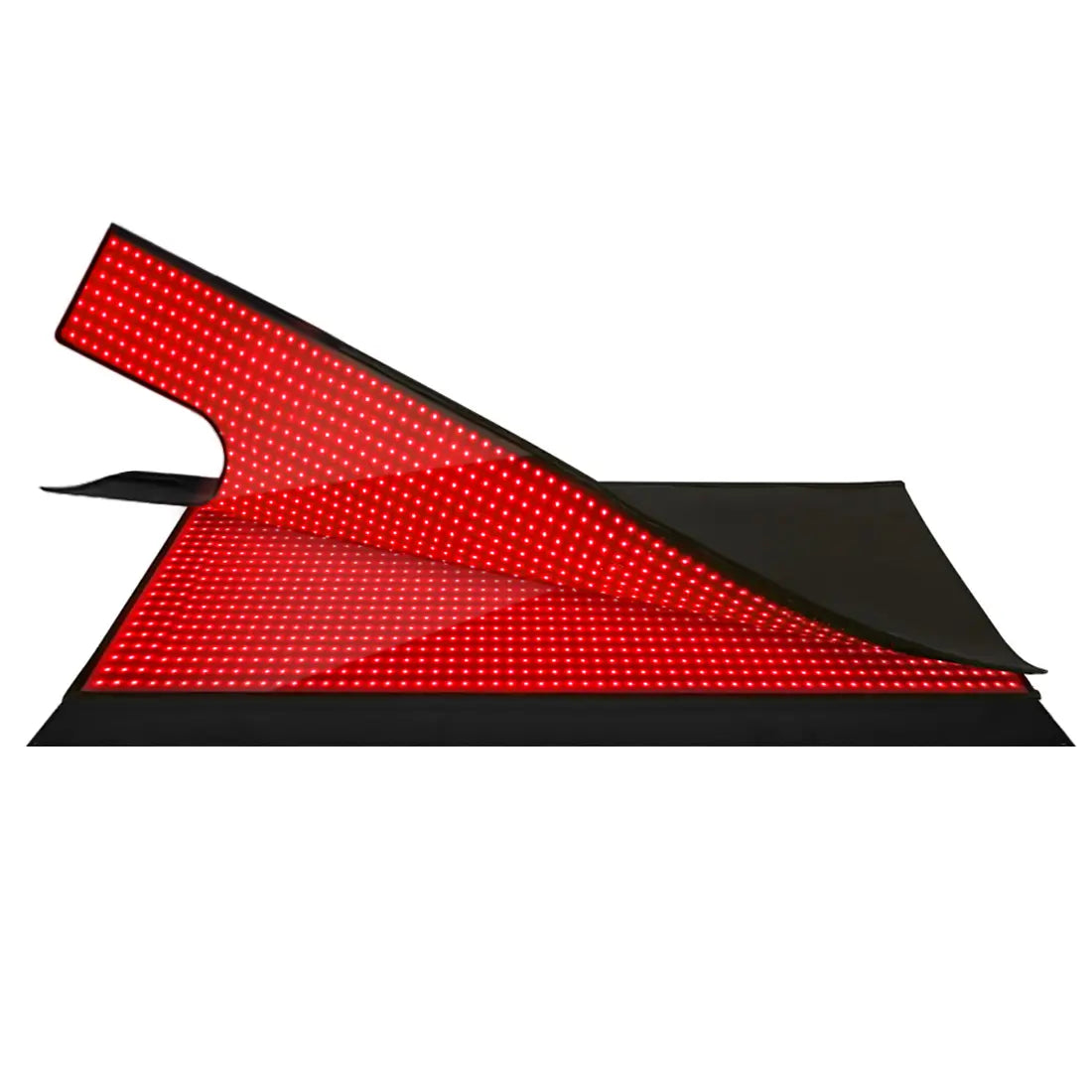
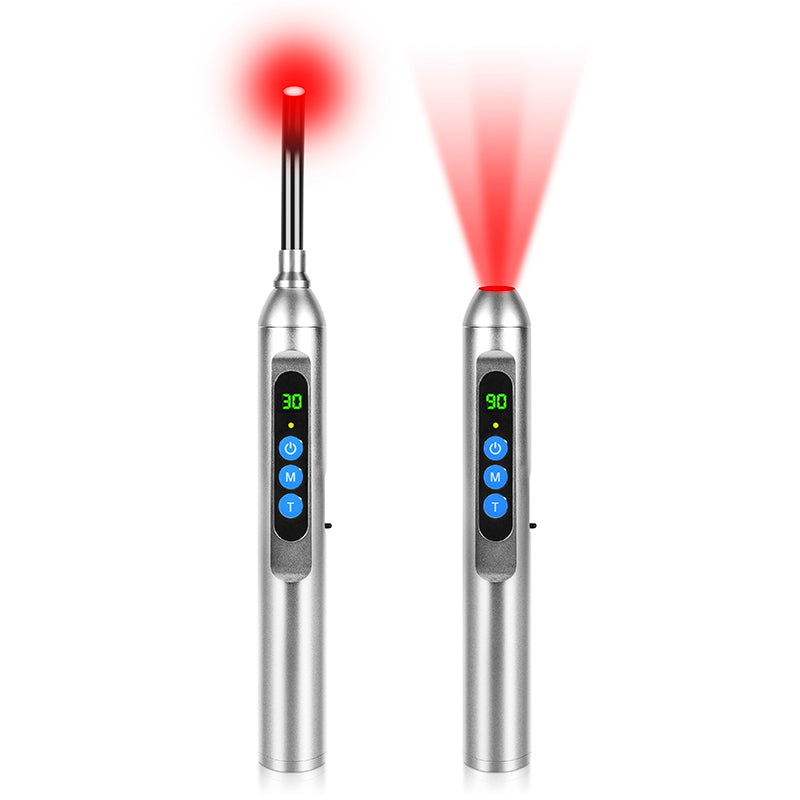
At‑home masks, panels, and wands vary widely in wavelength, intensity, coverage area, and quality. Cleveland Clinic, WebMD, Brown‑affiliated clinicians, and several dermatology societies all note that home devices are usually less powerful than professional systems and produce more modest, slower results. That said, study data from home‑use LED masks for skin aging show that well‑designed consumer devices can absolutely deliver meaningful changes in the skin when used consistently for three months or so. Brands that publish their wavelengths and approximate irradiance, seek FDA clearance for specific indications, and discuss realistic time frames are generally safer bets than those that lean on dramatic before‑and‑after photos and sweeping health claims.
For rosacea specifically, articles from Luminance Vision and other specialty clinics suggest a hybrid approach: some people begin with in‑office treatments to stabilize severe inflammation or vascular issues, then transition to an at‑home red or red‑plus‑near‑infrared mask for maintenance, coupled with ongoing topical therapy and lifestyle management. Others with milder disease may start directly with an at‑home panel or mask after discussing the plan with their dermatologist.
Building A Sensible Red Light Protocol For Rosacea
As a long‑time light‑therapy tinkerer, I am always more interested in protocols than in gadgets. The reassuring news is that the practical recommendations from very different sources converge on a similar pattern.
Medical and wellness organizations such as Cleveland Clinic, Brown Health, and Baylor Scott & White Health describe red light treatment schedules that typically involve brief sessions of about ten to twenty minutes, performed several times per week, over a period of weeks to months. The rosacea‑focused piece from Dr. Müller suggests two to three sessions per week of around fifteen minutes for ten to twelve weeks. Luminance Vision recommends starting home users with shorter sessions, roughly ten to fifteen minutes a few times per week, then adjusting based on tolerance and response. The Dior mask anti‑aging study used twelve‑minute sessions twice weekly for three months and still saw significant structural changes in the skin.
From the wound‑healing literature and photobiomodulation theory, we know that dose matters. Reviews of laser and LED studies in skin wounds found that doses in the neighborhood of 1 to 5 joules per square centimeter tended to stimulate repair, while higher doses sometimes inhibited cell functions, a pattern captured by the Arndt–Schulz curve. Although those numbers come from wounds rather than rosacea, they send an important practical message: more is not always better. It is wiser to follow manufacturer or clinician instructions than to double your session length in the hope of faster results.
A reasonable starting approach for many rosacea‑prone faces, under dermatologic oversight, would look like this in principle. The skin is cleansed with a gentle, fragrance‑free cleanser and patted dry. Any prescribed topicals are used as instructed by the dermatologist, sometimes after the light session to avoid unknown interactions with certain active ingredients. The device is positioned at the recommended distance, eyes are protected with goggles or closed and covered, and the face is exposed to red or combined red and near‑infrared light for the prescribed duration. This is repeated two or three times per week for at least six to eight weeks before making any judgment about efficacy. The overall skin‑care routine is kept as simple and non‑irritating as possible throughout to avoid confounding flare‑ups.
Crucially, anyone on photosensitizing medications, including certain antibiotics and retinoids, those who are pregnant or breastfeeding, and individuals with a history of skin cancer or suspicious lesions in the treatment area should involve a dermatologist before starting red light therapy. Cleveland Clinic, Brown‑affiliated experts, and WebMD all underscore these cautions. The American Academy of Dermatology adds that people with darker skin tones may be more prone to hyperpigmentation from light‑based procedures and should seek personalized advice from a dermatologist familiar with treating diverse skin.
Pros And Cons Of Red Light Therapy For Rosacea
A concise way to capture the trade‑offs is to contrast the main benefits and drawbacks side by side.
Aspect |
Potential Advantages |
Important Limitations / Risks |
Mechanism |
Targets mitochondrial function, inflammation, microcirculation, and collagen synthesis in ways that align with key rosacea pathways, according to Cleveland Clinic, Deeply Vital Medical, and wound‑healing reviews. |
Exact mechanisms in rosacea skin are not fully mapped, and the same pathways could theoretically be overstimulated with excessive dosing. |
Efficacy |
Small clinical studies and case reports show reductions in redness, papules and pustules, and burning or itching, with improved texture and overall appearance when used consistently over weeks. |
Evidence base is limited, with small sample sizes, few sham‑controlled trials, and heterogeneity in devices and protocols; not everyone responds. |
Tolerability |
Generally non‑invasive, drug‑free, and described as painless; well tolerated even by sensitive and rosacea‑prone skin in published reports and anti‑aging mask studies. |
Misuse, excessive intensity, or combining with irritating topicals can provoke irritation or flares; long‑term safety data are still relatively sparse. |
Integration |
Can be layered with standard topical and oral therapies and with laser or IPL procedures; may help some patients reduce reliance on long antibiotic courses. |
Should not replace established medical therapies without dermatologic oversight; requires thoughtful scheduling around other light‑based procedures and photosensitizing drugs. |
Practicality |
At‑home devices offer convenient, repeatable sessions without travel; clinic devices provide higher power and professional parameter control. |
Quality and power of at‑home devices vary widely; clinic sessions can be costly and are often not covered by insurance for rosacea. |
In short, red light therapy occupies a middle ground. It is more than a passive spa indulgence, but it is not a stand‑alone medical cure. For many people it can be a useful tool in a broader rosacea toolkit, provided expectations are realistic and the therapy is applied thoughtfully.
Common Questions
Can red light therapy replace my rosacea medications?
Current evidence and expert guidance suggest that red light therapy should be an adjunct, not a replacement, for well‑validated rosacea treatments. The National Rosacea Society emphasizes combination therapy and adherence to prescribed regimens as key to good outcomes. Red light can reasonably be layered on top of topical agents such as ivermectin, azelaic acid, or metronidazole, and sometimes alongside low‑dose antibiotics or vasoconstrictor gels, but any decision to reduce or stop medications should be made collaboratively with your dermatologist.
How quickly should I expect results?
Most credible sources frame red light as a gradual therapy. Luminance Vision reports that many users notice subtle improvements in comfort and inflammation within two to four weeks, with more visible reductions in redness and better overall skin appearance emerging over about six to twelve weeks of regular sessions. The three‑month LED mask study for skin aging aligns with this timeline, showing progressive improvements over one, two, and three months. If you are not seeing any shift at all after eight to twelve weeks of consistent, correctly applied treatment, it is reasonable to revisit the plan with your dermatologist.
Can red or blue light make rosacea worse?
Used correctly at moderate doses, red and near‑infrared light have shown good tolerability in rosacea‑prone skin and in multiple anti‑aging and wound‑healing trials. However, the same dose‑response principles that make photobiomodulation helpful also mean that excessive intensity or frequency can irritate tissue. Some people with highly reactive rosacea may be sensitive even to gentle devices, especially if they are also using strong topical actives. Blue light, because of its shorter wavelength and superficial penetration, can be more irritating for some and is generally used more cautiously in rosacea than in acne. That is why professional guidance, a conservative start, and a simple surrounding skin‑care routine are so important.
Closing Thoughts
As someone who has spent years experimenting with light‑based tools alongside the hard science, my view is straightforward. Red light therapy has earned its place at the table for rosacea: biologically plausible, increasingly supported by early clinical data, and generally gentle enough for the sensitive faces that need the most care. But it shines brightest when it is integrated into a well‑designed plan that also respects diagnosis, triggers, topical and systemic therapies, and the realities of your lifestyle and budget. Partner with a dermatologist who understands both rosacea and light‑based treatments, commit to a realistic protocol, and let light be one more carefully tuned input in the long‑game of calming your skin.
References
- https://pmc.ncbi.nlm.nih.gov/articles/PMC10311288/
- https://med.stanford.edu/news/insights/2025/02/red-light-therapy-skin-hair-medical-clinics.html
- https://www.brownhealth.org/be-well/red-light-therapy-benefits-safety-and-things-know
- https://www.mdanderson.org/cancerwise/what-is-red-light-therapy.h00-159701490.html
- https://my.clevelandclinic.org/health/articles/22114-red-light-therapy
- https://www.rosacea.org/patients/management-options/medical-therapy-for-rosacea
- https://www.uclahealth.org/news/article/5-health-benefits-red-light-therapy
- https://www.aad.org/public/cosmetic/safety/red-light-therapy
- https://www.bswhealth.com/blog/5-benefits-of-red-light-therapy
- https://dallasassocderm.com/the-power-of-red-light-therapy-for-healthier-skin/