
Precision shooting is a brutally honest sport. The target does not care how strong you are in the weight room or how many hours you logged on the range. It only reflects how stable your body was, how calm your nervous system stayed, and how cleanly you executed each trigger press.
Over the last decade, red light therapy has gone from niche rehab tool to mainstream biohack. Strength coaches, endurance athletes, and even special operations units have experimented with it to speed recovery and push performance. The natural question for anyone serious about pistol, rifle, or shotgun accuracy is obvious: can red light therapy actually make you more stable and consistent behind the gun?
In this article, I will walk through what the science really says, how those mechanisms might translate to shooting performance, and how I would integrate red light into a shooter’s program without getting lost in the hype.
What Red Light Therapy Actually Is
Red light therapy, more formally called photobiomodulation, uses low-intensity red and near‑infrared light to nudge biology rather than burn or cut tissue. Unlike ultraviolet light, it does not create heat damage. Instead, specific wavelengths are absorbed by structures inside your cells, especially in the mitochondria.
A large review in J Biophotonics and a clinical overview on Physio‑Pedia describe the core mechanism this way. Red light in the roughly 630–660 nanometer range and near‑infrared light in the 780–950 nanometer range is absorbed by an enzyme in the mitochondrial electron transport chain called cytochrome c oxidase. That absorption can increase production of adenosine triphosphate, or ATP, the basic energy currency of the cell. At the same time, it can modulate reactive oxygen species, release nitric oxide to widen blood vessels, and influence signaling pathways involved in inflammation and gene expression.
In plain language, you shine the right light at the right dose on a muscle or joint, and the local cells often become more energetic, better perfused, and less inflamed for a period of time.
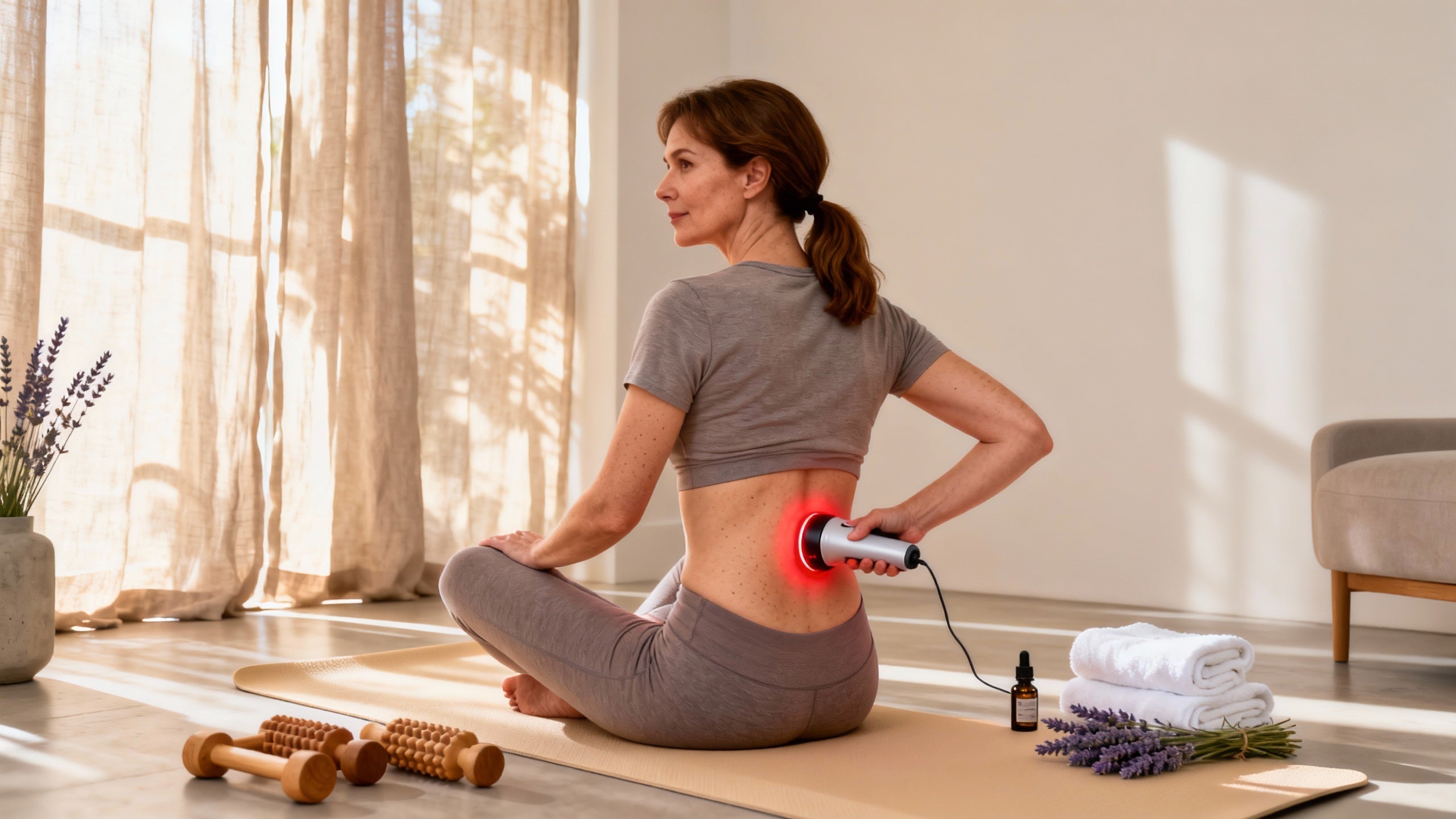
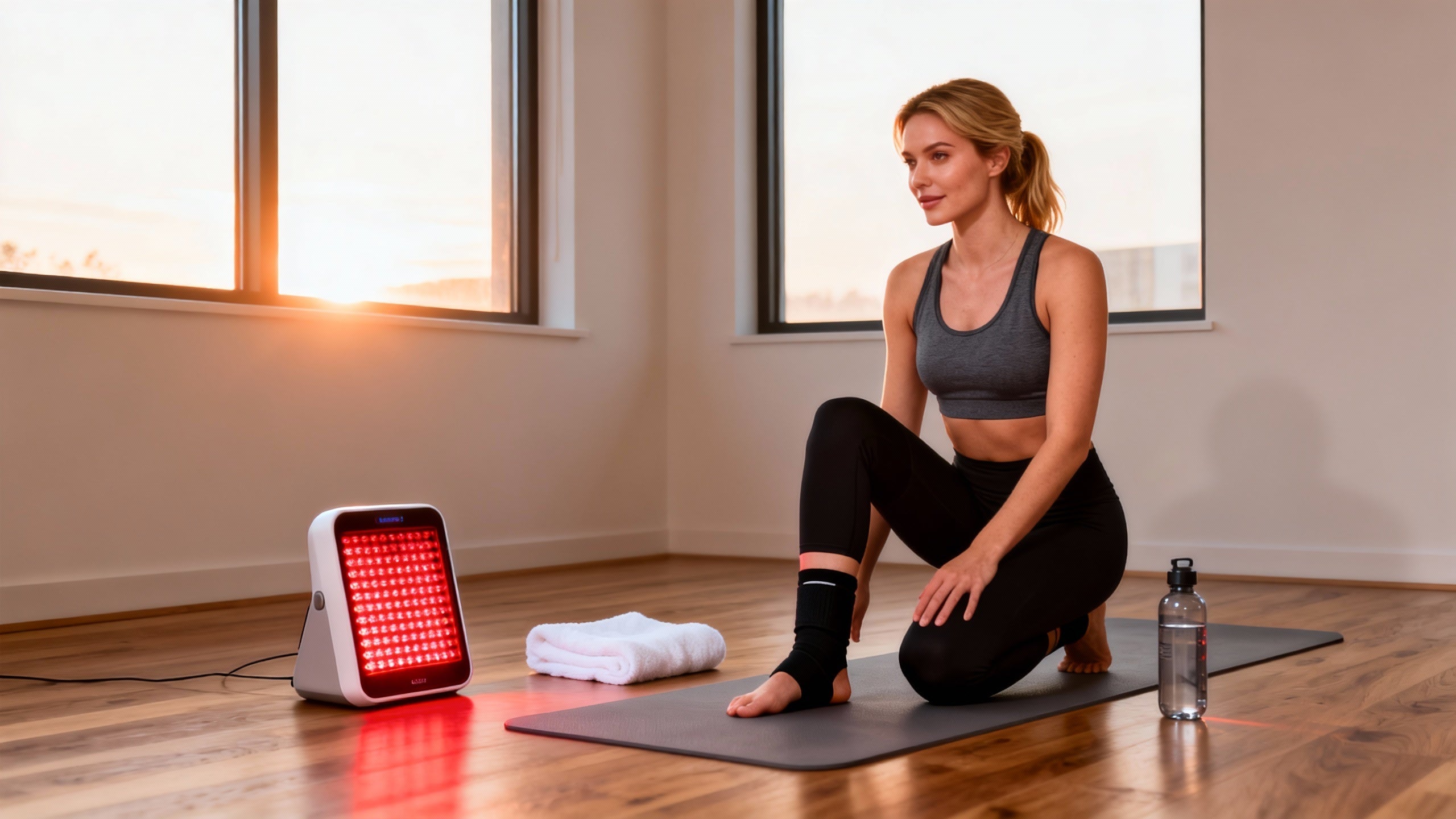
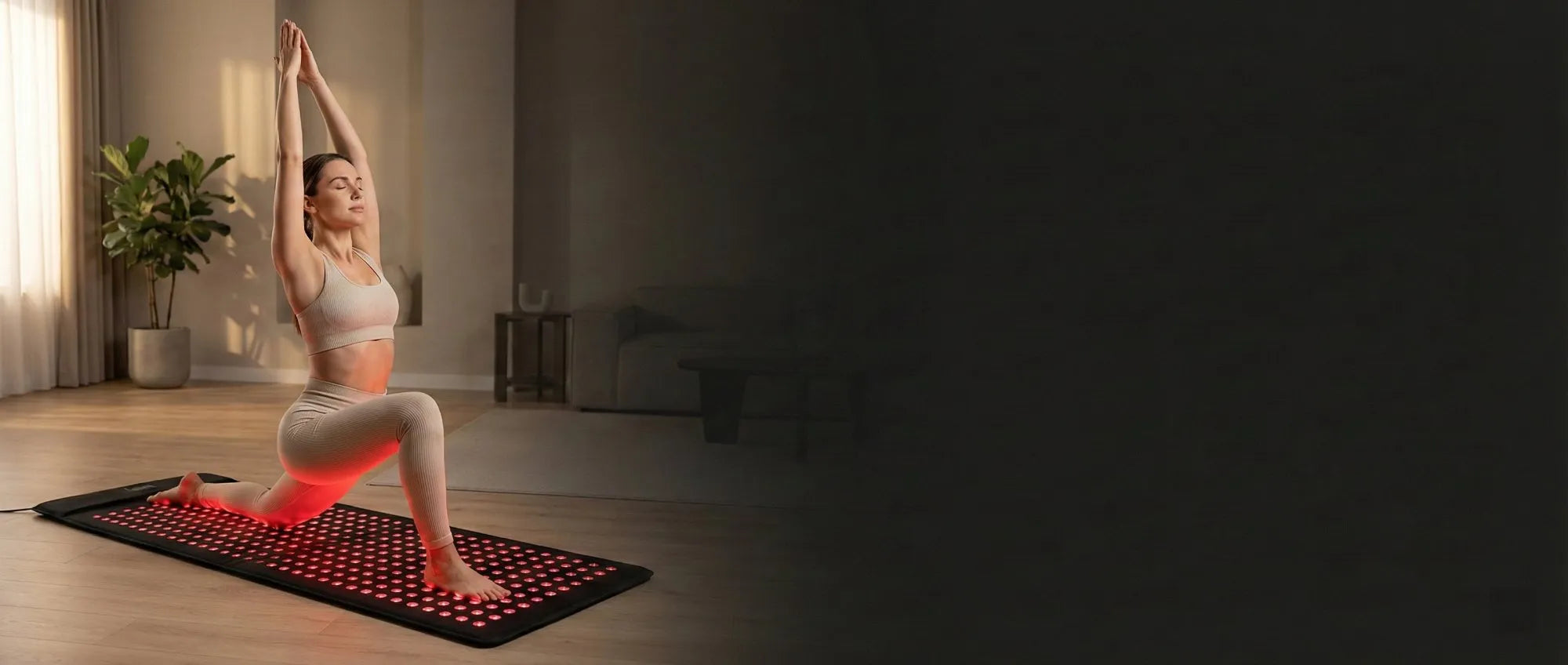
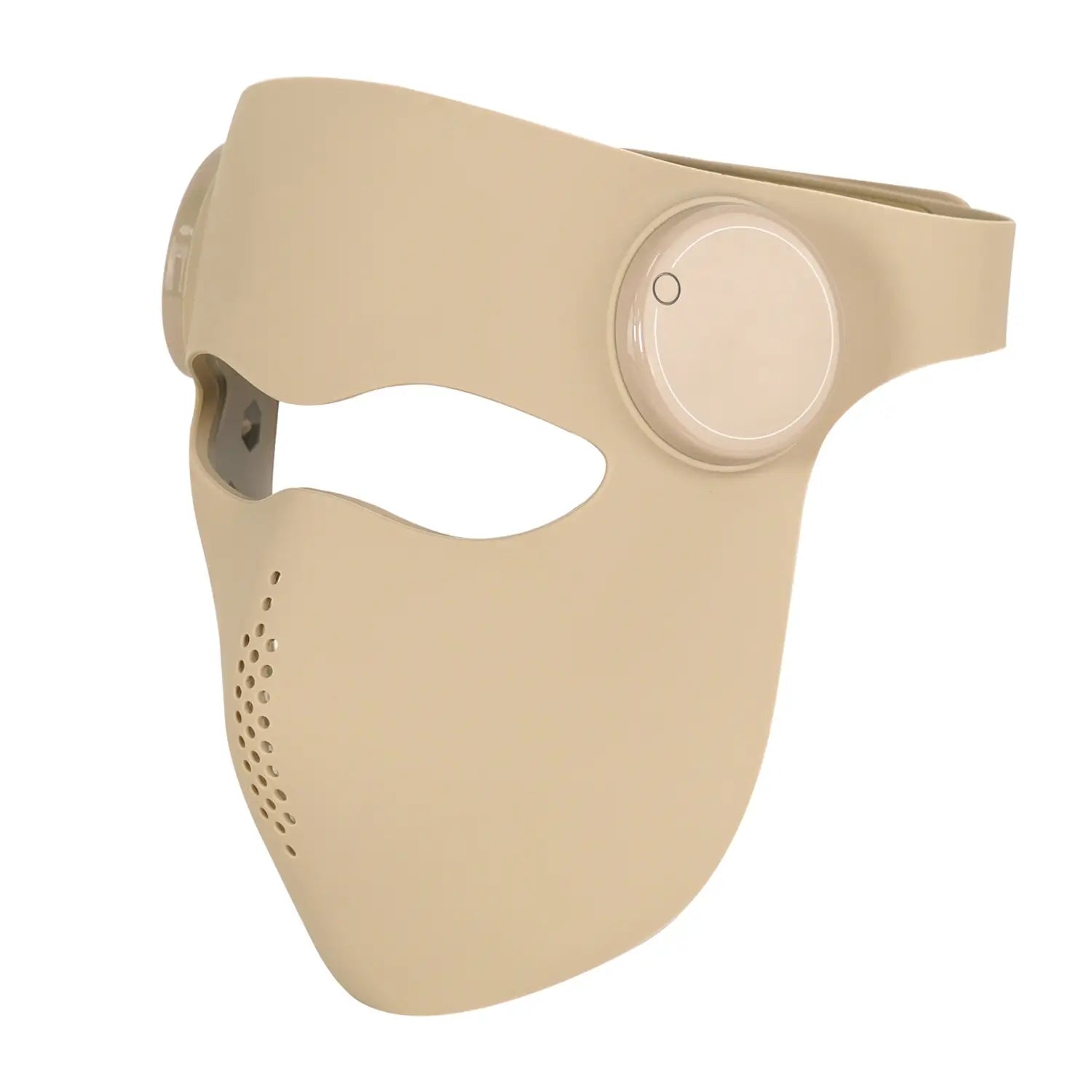
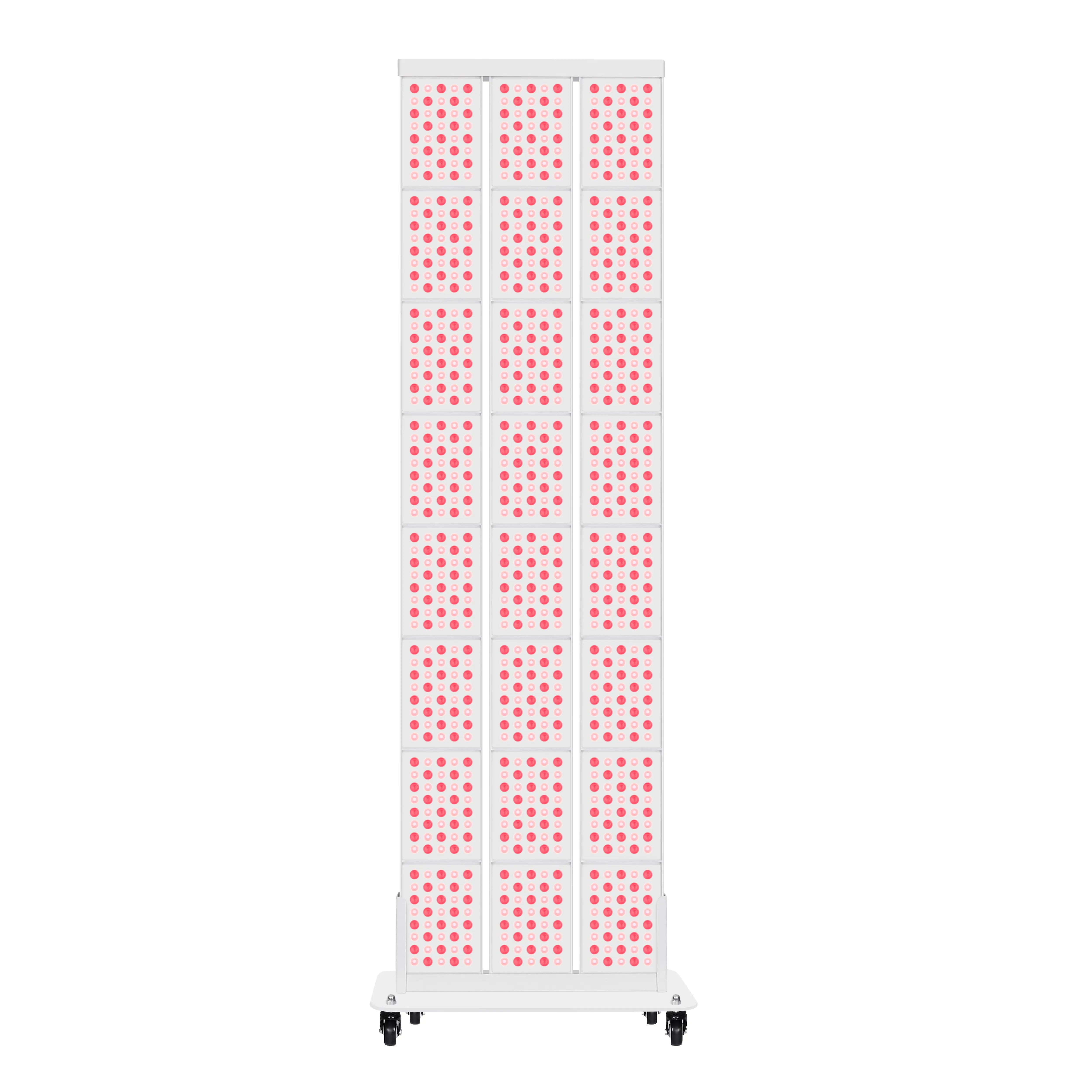
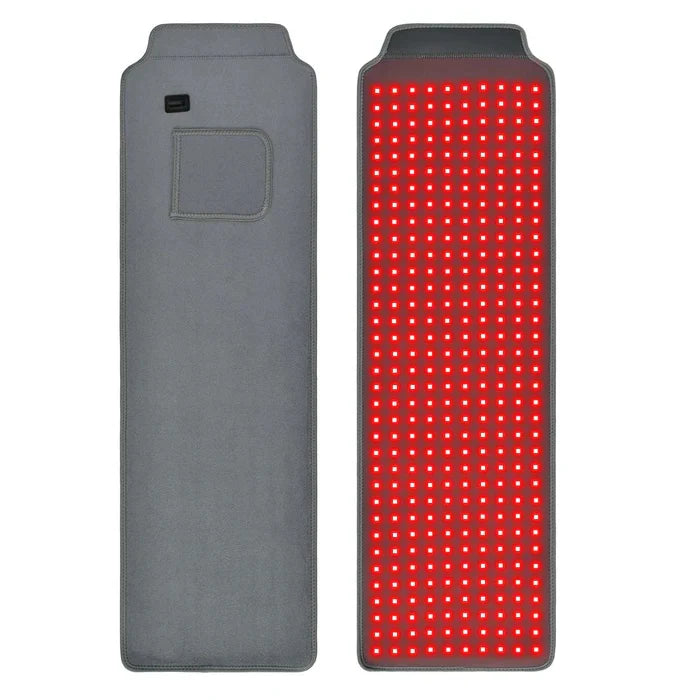
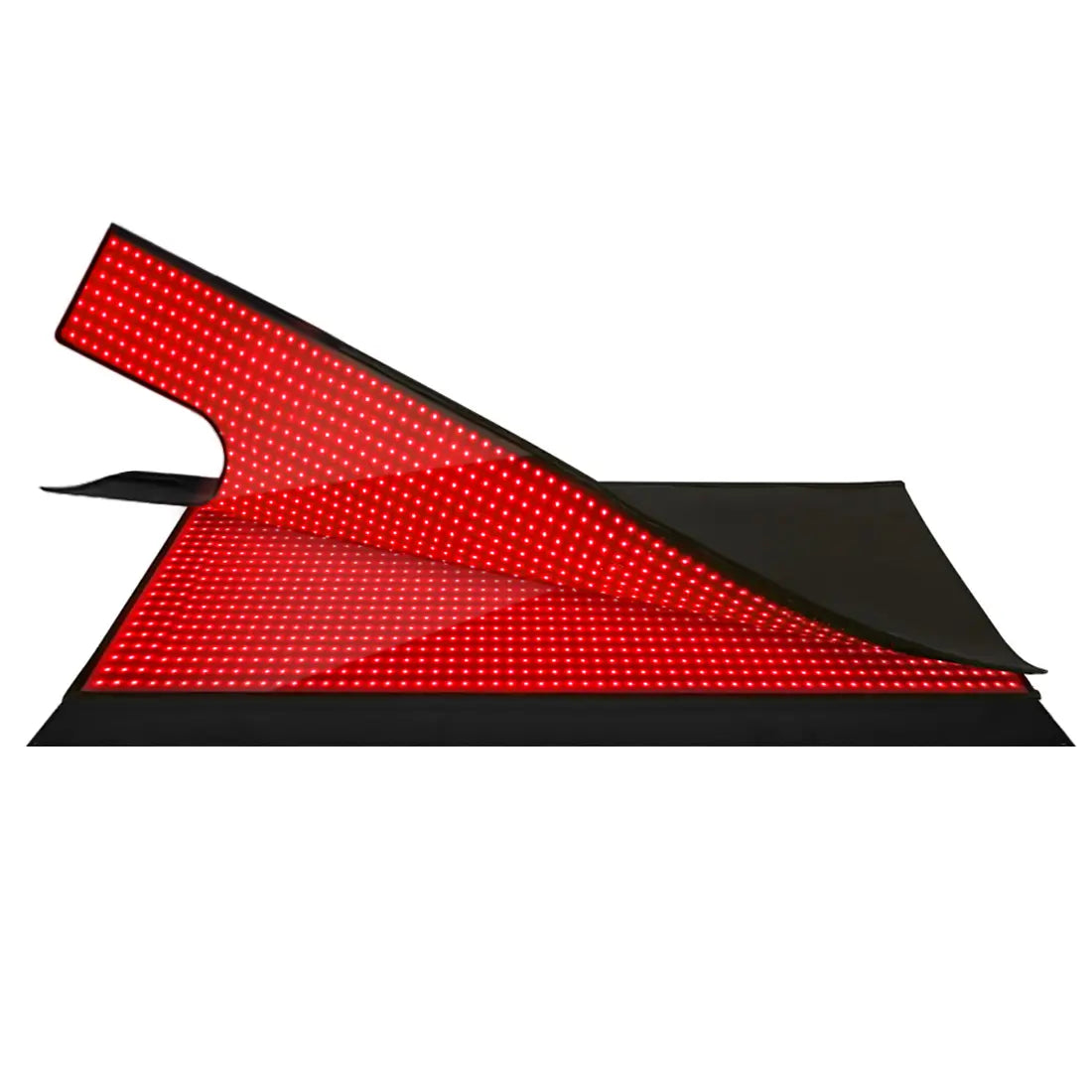
Sports‑medicine clinics and physical therapy practices described in sources such as Function Smart Physical Therapy and Fick PT & Performance commonly use panels or pads that emit light around 660 nanometers and near‑infrared diodes around 810–850 nanometers. Those wavelengths are deep enough to reach muscles, tendons, and joints, without heating or burning the skin.
The same core technology is also widely used in dermatology for skin rejuvenation and hair disorders. A Stanford Medicine review emphasizes that photodynamic protocols for precancerous skin lesions and hair regrowth have better research support than many of the general wellness claims. That is important context when we talk about performance.

What The Science Says About Performance And Recovery
Before we talk about shooting, we need an honest look at what has actually been demonstrated in athletes.
Muscle performance, fatigue, and recovery
One of the most comprehensive summaries comes from a review in J Biophotonics that examined photobiomodulation in human muscle tissue. The authors screened 993 studies, evaluated 50 full texts, and included 46 clinical and case‑control trials covering 1,045 participants. Most of these subjects were healthy volunteers or athletes performing upper‑ or lower‑limb exercise or treadmill running.
The broad pattern looks like this. When red or near‑infrared light was applied directly over working muscles shortly before exercise, many trials reported improvements in metrics such as number of repetitions, total work done, maximum voluntary contraction, time to exhaustion, or fatigue resistance. Some studies also found lower blood markers of muscle damage and inflammation, such as creatine kinase and C‑reactive protein, as well as reduced delayed onset muscle soreness and less loss of range of motion after eccentric training.
However, the effects were not guaranteed. Several well‑designed randomized trials showed no meaningful changes in pain, soreness, or performance compared with sham treatment, even though all devices used “red light.” The review makes it very clear that parameters matter: wavelength, power, total energy, energy per point on the muscle, the number of points treated, and timing relative to exercise.
One key concept from this literature is the biphasic dose response. Across biceps and quadriceps studies, performance and recovery often improved when total energies were in a moderate range, and the effect disappeared when doses were too low or too high. The review identified ranges such as roughly 20–80 joules total over the biceps and 56–315 joules over the quadriceps as commonly associated with positive outcomes. That is not a prescription, but it illustrates that “more light” is not always better.
Sports‑performance practitioners echo this complexity. An NSCA Coach article on the evolution of red and infrared light therapy highlights that photobiomodulation can enhance skeletal muscle performance and protect against muscle damage in some protocols, especially when combined with strength training, but stresses the need for more standardized dosing.
Physio‑Pedia’s overview of red light therapy and muscle recovery reaches a similar conclusion. Multiple randomized trials show small‑to‑moderate reductions in soreness and strength loss after hard training when light is applied before or after exercise, yet the heterogeneity of protocols and small sample sizes prevent firm clinical guidelines.
Sleep, melatonin, and endurance
For shooting sports, sleep and autonomic recovery are at least as important as raw strength. Here, red light therapy has some intriguing, if early, data.
A controlled study of Chinese female basketball players investigated the effects of evening red light on both sleep quality and endurance. After an intervention period, athletes receiving red light improved their scores on the Pittsburgh Sleep Quality Index and increased their distance in a 12‑minute run test. Changes in sleep quality correlated strongly with changes in melatonin levels, and athletes who slept better tended to perform better aerobically.
The authors interpreted this as evidence that red light can enhance nocturnal melatonin secretion, improve sleep, and indirectly support endurance performance. They proposed additional mechanisms such as improved microcirculation through arteriolar vasodilation.
A performance‑focused article from Athletic Lab synthesizes this and other work, arguing that red light before bed may help athletes align sleep with circadian rhythm and recover more effectively. The same piece points to studies where red light exposure soon after waking reduced sleep inertia and improved short‑term memory and alertness, which are especially relevant for early‑morning training or competition.
For shooters, the connection is obvious. High‑quality, consistent sleep stabilizes mood, fine motor control, and judgment under pressure. If red light can meaningfully improve sleep architecture in some athletes, that deserves attention, even if we do not yet have a trial in rifle or pistol competitors.
Pain, joints, and soft‑tissue healing
A number of clinical overviews support the use of red light therapy as a tool for musculoskeletal pain and superficial tissue healing.
A University Hospitals review describes red light therapy as a noninvasive modality that may help relieve pain from acute and chronic musculoskeletal disorders and fibromyalgia, with a 2021 analysis suggesting benefits in quality of life and pain scores for some patients. The same piece notes early promise for tendinopathies and superficial inflammatory joint problems but emphasizes that structural issues such as advanced osteoarthritis or torn ligaments will not be “fixed” by light alone.
Fitness‑oriented clinics, including City Fitness East Market and Fick PT & Performance, describe day‑to‑day use of red light panels to manage post‑workout soreness, tendon irritation, and joint stiffness in active populations. They highlight improvements in perceived soreness, joint comfort, and training capacity when red light is paired with sensible programming, nutrition, and hydration.
This is consistent with broader rehabilitation resources such as Physio‑Pedia, which position red light therapy as an adjunct to graded exercise, load management, manual therapy where indicated, and optimization of sleep and nutrition.
The skeptical view: performance claims are not iron‑clad
It is essential to weigh the enthusiasm above against more conservative analyses.
A coach‑facing article on TrainingPeaks reviewed many of the same red light studies and came away unconvinced that the technology meaningfully improves performance or recovery for most athletes. Looking at the 2016 photobiomodulation review, the author pointed out that in ten upper‑extremity studies, only one showed even a slight performance improvement, while several demonstrated changes in biochemical markers that did not translate into better output or less soreness.
Lower‑extremity trials were also inconsistent, and longer‑term exposures that altered muscle architecture did not yield clear performance gains. That article’s conclusion was blunt: red light therapy is interesting and theoretically appealing but, as of that review, an unproven technology not worth a large financial investment purely for performance.
The Stanford Medicine overview takes a similar stance from a medical perspective. While acknowledging that red light clearly influences biology and has reasonably solid evidence for a few narrow indications like some hair and skin applications, the authors caution that claims about improved athletic performance, sleep, and broad chronic pain relief are not yet backed by robust, reproducible human trials.
A rehab‑market perspective notes that red light therapy has been studied in hundreds of randomized controlled trials and thousands of lab experiments across many conditions, but also stresses that protocols and targets vary widely. In other words, there is real science here, but not yet a polished “plug‑and‑play” recipe for sport performance.

Mechanisms That Matter For Shooting Athletes
Taking all of this together, we can map the main physiological effects of red light therapy onto the specific demands of shooting sports. The key is to stay honest about what is directly supported by data and what is reasoned extrapolation.
Here is a high‑level snapshot.
Mechanism or effect |
Evidence in other athletes and patients |
Potential relevance for shooters |
Strength of evidence for that relevance |
Increased mitochondrial ATP production in muscle |
Multiple trials and reviews report improved repetitions, time to exhaustion, and fatigue resistance in some strength and endurance protocols when dosing and timing are appropriate. |
Better endurance of postural muscles in the shoulders, upper back, and core during long matches; less fatigue‑related sway in standing or kneeling positions. |
Indirect. Evidence for muscle performance exists, but no published trials in shooters specifically. |
Nitric‑oxide‑mediated vasodilation and improved microcirculation |
Reviews and clinical descriptions emphasize increased blood flow and oxygen delivery to tissue, along with angiogenesis in some models. |
Enhanced perfusion to forearm, wrist, elbow, and shoulder tissues that are repeatedly stressed by dry‑fire, live‑fire, and recoil; potentially less stiffness and faster recovery. |
Indirect. Mechanistic support is solid; sport‑specific outcomes remain to be quantified. |
Modulation of inflammatory cytokines and pain signaling |
Trials summarized by Physio‑Pedia and University Hospitals, plus clinical practice reports, show reductions in pain and inflammatory markers for some musculoskeletal conditions. |
Less chronic tendon and joint discomfort in trigger hand, support hand, elbows, and cervical spine, enabling higher‑quality practice volume without flaring pain. |
Moderate for pain reduction in general; specific to shooting biomechanics is plausible but not directly tested. |
Sleep and melatonin regulation |
The basketball player study and Athletic Lab summary show improved sleep quality, higher melatonin, and better endurance after evening red light; other work shows reduced sleep inertia with morning exposure. |
More stable sleep, better pre‑match alertness, smoother autonomic recovery after heavy training blocks, and reduced risk of overtraining‑like symptoms. |
Moderate for sleep in small athletic samples; specific outcomes in shooting performance are inferred. |
Cognitive alertness and reduced sleep inertia |
Morning red‑light exposure studies cited by Athletic Lab report better short‑term memory, reaction, and alertness after waking. |
Sharper attention during early shooting sessions, faster target recognition in dynamic stages, and fewer mental errors. |
Early‑stage evidence in general populations; direct shooting data are lacking. |
The bottom line is that the pathways red light influences are absolutely relevant to shooting performance. Energy availability in postural muscles, pain levels in the shoulder girdle and forearms, and sleep‑driven nervous‑system stability all sit upstream of how steady your sights look.
What we do not yet have is a controlled trial where one group of pistol shooters trains with an optimized red‑light protocol and another group uses a sham device, followed by objective comparisons in group size, hold stability, or match outcomes. Until that exists, we should treat red light as a promising adjunct rather than a proven edge.

How I Would Think About Red Light For Shooting Stability
Even with the caveats, photobiomodulation can be integrated intelligently into a shooter’s plan. The key is to start from what matters most in the sport and work backward.
Postural endurance and micro‑stability
Competitive shooters, especially in standing and unsupported positions, spend long periods holding relatively static postures with moderate muscle activation. The shoulders, scapular stabilizers, spinal extensors, and core have to maintain enough tension to keep the rifle or pistol oriented while allowing tiny corrective movements.
The muscle studies in the J Biophotonics review suggest that pre‑exercise red light on working muscles can increase time to exhaustion and total work in repeated contraction tasks when dosing is within the therapeutic window. Other sports practice reports, such as those from Function Smart Physical Therapy and the Physical Achievement Center, describe athletes experiencing less fatigue and better stamina after integrating muscular pre‑conditioning with red or near‑infrared light.
Translated to shooting, it is reasonable to hypothesize that red light applied over the mid‑back, shoulders, and core muscles before heavy positional practice could slightly increase how long those muscles hold form before fatigue‑related sway appears. That does not replace specific stability work, but it may let you squeeze a little more high‑quality training out of a given day.
Trigger, grip, and joint comfort
Fine trigger control and consistent grip are nearly impossible when your wrist, elbow, or shoulder are screaming. Many shooters carry mild chronic tendinopathy or irritation in the trigger finger flexors, lateral elbow, and rotator cuff from years of training.
Red light therapy’s anti‑inflammatory and analgesic effects are among its best supported uses. Clinical descriptions from University Hospitals, City Fitness, and multiple sports‑rehab practices report reduced joint stiffness, muscle soreness, and tendon pain when red or near‑infrared light is applied regularly. Physio‑Pedia’s review notes that randomized trials often show small‑to‑moderate pain reductions and functional improvements in musculoskeletal conditions.
For a shooter who is already doing the right mechanical rehab and load management, a well‑dosed red light protocol over the forearms, elbows, or shoulders may make it easier to maintain quality repetitions without aggravating symptoms. That could mean smoother trigger presses and less unconscious grip compensation late in a session.
It is critical to remember, though, that red light is not a structural fix. A University Hospitals review clearly notes that mechanical problems such as torn ligaments or advanced osteoarthritis will not be reversed by light. Those require proper orthopedic evaluation and, in some cases, surgical or mechanical solutions. Think of red light as a way to support tissue tolerance and pain control, not as a substitute for real diagnosis.
Sleep, arousal, and match‑day calm
High‑level shooting is as much about nervous‑system regulation as it is about biomechanics. You need to be alert but not jittery, calm but not sluggish, and able to recover between strings or stages.
The basketball player study showing improved sleep quality, increased melatonin, and better endurance after evening red light is particularly relevant. Combining that with the Athletic Lab summary of reduced sleep inertia and better morning alertness after waking exposures suggests an interesting “sandwich” strategy for shooters: gentle red light before bed to deepen sleep, and brief exposure after waking to clear grogginess.
City Fitness recommends ten to twenty minutes of consistent red light before bed to support circadian rhythm and roughly eight hours of restorative sleep. Poll to Pastern, another recovery‑focused source, suggests twenty to thirty minutes for targeted areas up to a few times per day when healing, or two to three times per week for maintenance. While those protocols are not shooting‑specific, they show how practitioners are actually using these devices.
For a shooter juggling range time, work, and travel, such routines could stabilize sleep enough to lower pre‑match anxiety, improve decision‑making, and reduce the “shaky hands from exhaustion” issue that often masquerades as bad technique.
Practical Framework For Using Red Light As A Shooter
Because dosing details are complex and individual, this is not medical advice or a prescription. It is a framework rooted in the patterns seen across multiple sources.
First, choose your goal for the next training block. Are you trying to manage a nagging tendon, recover faster from a spike in dry‑fire volume, or clean up your sleep? It is almost always better to target one primary outcome than to chase everything at once.
Next, select a device that clearly specifies its wavelength and power output. Many of the research‑aligned protocols use red diodes around 630–660 nanometers and near‑infrared diodes around 810–850 nanometers. Medical and sports‑therapy sources emphasize the importance of knowing the device’s irradiance (power per unit area) so that approximate energy dose can be calculated. Consumer panels often provide this information; if they do not, that is a red flag.
For sleep and general recovery, an evening routine might involve ten to twenty minutes of red or red‑dominant light exposure while you relax, read, or run breath‑work, making sure the light is not shined directly into your eyes. City Fitness and Athletic Lab both highlight the value of consistent timing to reinforce circadian rhythm. The Chinese basketball study offers a proof of concept that such protocols can improve both sleep and endurance.
For muscular pre‑conditioning ahead of heavy range work or strength sessions, evidence summarized in J Biophotonics and Physio‑Pedia suggests that treating the main working muscle groups shortly before exercise can improve fatigue resistance in some protocols. In a shooter’s context, that might mean a short session over the shoulders, mid‑back, and grip muscles before a high‑volume standing or offhand block. Some animal data suggest that a lead time of several hours can be optimal, but most human studies use shorter windows. Given the uncertainties, it is wiser to keep pre‑exercise exposure moderate and see how you respond rather than chasing maximal doses.
For recovery, several practice‑based sources and Function Smart Physical Therapy recommend applying red or near‑infrared light within a two‑ to four‑hour window after training to support repair and clearance of metabolic waste, and then repeating on subsequent days if soreness remains significant. Here again, the J Biophotonics review’s emphasis on biphasic dosing is crucial: staying within manufacturer guidance and evidence‑informed energy ranges is more likely to help than simply doubling session durations.
At every stage, integrate red light with the fundamentals: appropriate loading and deloading, high‑quality technique work, adequate protein and hydration, and disciplined sleep hygiene. All of the credible sports‑medicine sources, from Athletic Lab to Physio‑Pedia to University Hospitals, stress that photobiomodulation is an adjunct, not a replacement, for sound training and recovery.
Safety, Limitations, And Anti‑Doping Considerations
Safety is one of red light therapy’s strong points. Medical and rehab articles, including those from University Hospitals and Physio‑Pedia, report that adverse effects at therapeutic doses are rare and usually mild, such as transient warmth or slight redness of the skin. These sources recommend avoiding direct exposure of intense light to the eyes, using eye protection with higher‑power or laser devices, and being cautious or seeking medical oversight when treating over active malignancies, the abdomen in pregnancy, or areas with known photosensitivity.
The bigger downside for many shooters is cost and uncertainty rather than physical risk. TrainingPeaks and Stanford Medicine both caution that the evidence for athletic performance and broad wellness claims is still limited and inconsistent. Home panels can range from relatively affordable to quite expensive, and they are almost never covered by insurance. A University Hospitals overview notes that handheld units may start under one hundred dollars, while larger systems can cost hundreds or thousands.
There is also an emerging ethics and regulation question. The J Biophotonics review explicitly raises the possibility that, if photobiomodulation becomes widely used to enhance performance before major competitions, organizations such as the World Anti‑Doping Agency and the International Olympic Committee may have to decide whether and how to regulate it. The authors point out that detecting whether muscles have been exposed to light would be technically challenging, because there is no obvious blood or urine marker. As of that review, there was no formal ruling, but the fact that doping bodies are even mentioned should make serious competitors pay attention.
Finally, we need to acknowledge evidence gaps. There are no published trials focused on shooting athletes’ stability, hold control, or match outcomes under red light protocols. Virtually all of the data we have come from other sports, general exercise tasks, or patient populations. That means any application to shooting is, for now, a structured experiment you are running on yourself, guided by general physiology and the existing literature.
A Sensible Integration Strategy For Precision Shooters
If you want to explore red light therapy without losing the plot, here is a practical mindset.
Treat technique, mental skills, and physical conditioning as your foundation. No amount of photobiomodulation will rescue sloppy trigger mechanics, poor position building, or inconsistent match routines. Red light should sit on top of a training plan that already includes structured dry‑fire, live‑fire diagnostics, strength and mobility work tailored to your discipline, and deliberate recovery practices.
Use red light to support specific bottlenecks. If you consistently struggle with forearm pain that limits dry‑fire, or your sleep is fragmented during travel‑heavy seasons, targeting those issues with a light‑assisted protocol makes more sense than chasing a vague “performance boost.” The research is most encouraging where mechanisms are clear, such as mitochondrial support, microcirculation, and inflammatory control.
Keep expectations grounded. Studies summarized by J Biophotonics, Physio‑Pedia, and Athletic Lab show small‑to‑moderate benefits in strength, endurance, or soreness reduction under certain conditions, not dramatic overnight transformations. The TrainingPeaks critique and Stanford’s cautious stance underline that the evidence is not yet strong enough to declare red light a must‑have tool for every athlete.
Monitor your own response like a scientist. Change one variable at a time, keep your training log detailed, and pay attention to both objective measures (group size, hold stability in video, number of quality reps before fatigue) and subjective markers (perceived soreness, sleep quality). If you do not see a clear benefit over several weeks, there is no shame in reallocating that time and money back into coaching, ammo, or range access.
Consult professionals when in doubt. If you have medical conditions, take medications, or compete under a strict anti‑doping code, involve a sports physician or knowledgeable physical therapist before diving into high‑dose or full‑body protocols. Their job is to help you blend tools like red light therapy into a safe, coherent performance plan.

Short FAQ
Is red light therapy legal in high‑level shooting competitions?
The J Biophotonics review notes that anti‑doping bodies such as the World Anti‑Doping Agency and the International Olympic Committee may need to decide how to treat photobiomodulation if it becomes widespread, and that detecting prior light exposure would be technically difficult. At the time of that review there was no clear prohibition, but rules can evolve. If you shoot under an anti‑doping code, it is wise to check with your federation’s medical or legal staff before adopting any aggressive protocol.
How quickly should a shooter expect to feel anything?
In clinical and athletic reports, some people notice reduced soreness and a subtle improvement in recovery sensation within the first few sessions, while structural changes and consistent performance effects, when they occur, tend to emerge over weeks of regular use. The basketball study and several sports‑clinic descriptions suggest that sleep and endurance improvements show up over an intervention period rather than after a single exposure. For shooting stability, it is realistic to think in terms of training blocks, not single matches.
Is a cheap home panel “good enough,” or do I need a clinic‑grade device?
University Hospitals points out that many home devices can deliver adequate light at reasonable cost, but doses and power can be lower and less standardized than clinic‑grade systems. A Stanford Medicine review notes that even in medical settings, effectiveness depends heavily on wavelength, strength, exposure time, and frequency, which are not yet fully optimized. For most shooters, a well‑specified home panel used consistently and conservatively is a logical starting point. Clinic‑grade treatments make more sense when you are rehabbing a significant injury under professional supervision.
Red light therapy is not a magic scope that suddenly tightens your groups, but it is also not snake oil. The mechanisms are real, the muscle and sleep data are promising, and the safety profile is favorable when it is used intelligently. For shooting athletes who already take training, recovery, and sleep seriously, photobiomodulation can be a thoughtful experiment in fine‑tuning stability and resilience. Just make sure the light is the side dish and your fundamentals stay the main course.

References
- https://webapp-new.itlab.stanford.edu/does-red-light-therapy-really-work
- https://www.academia.edu/29341421/Red_Light_and_the_Sleep_Quality_and_Endurance_Performance_of_Chinese_Female_Basketball_Players
- https://digitalcommons.cedarville.edu/cgi/viewcontent.cgi?article=1013&context=education_theses
- https://pmc.ncbi.nlm.nih.gov/articles/PMC5167494/
- https://safety.dev.colostate.edu/fulldisplay/F6Ywcn/2GF076/red_light_therapy_for_torn__ligament.pdf
- https://dash.harvard.edu/server/api/core/bitstreams/3c6f36f1-0010-4f64-9675-14686c456953/content
- https://www.uhhospitals.org/blog/articles/2025/06/what-you-should-know-about-red-light-therapy
- https://www.physio-pedia.com/Red_Light_Therapy_and_Muscle_Recovery
- https://www.athleticlab.com/red-light-therapy-for-athletes/
- https://cityfitness.com/archives/36400