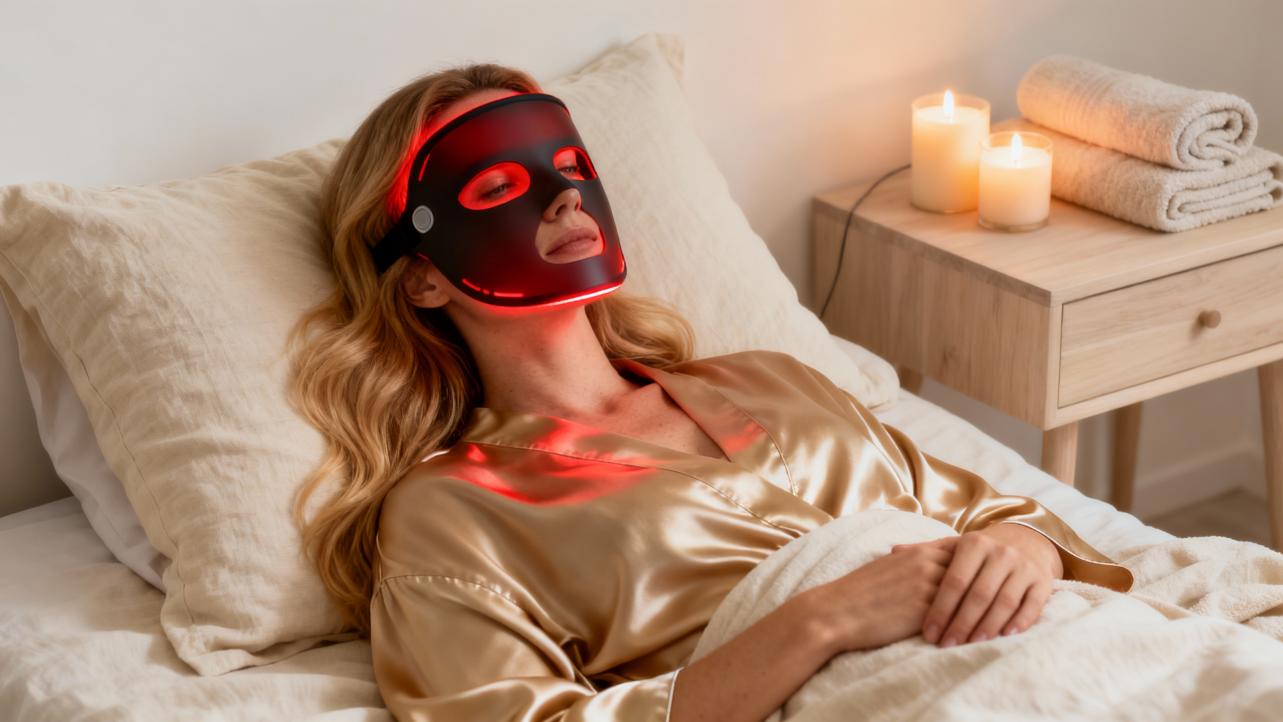
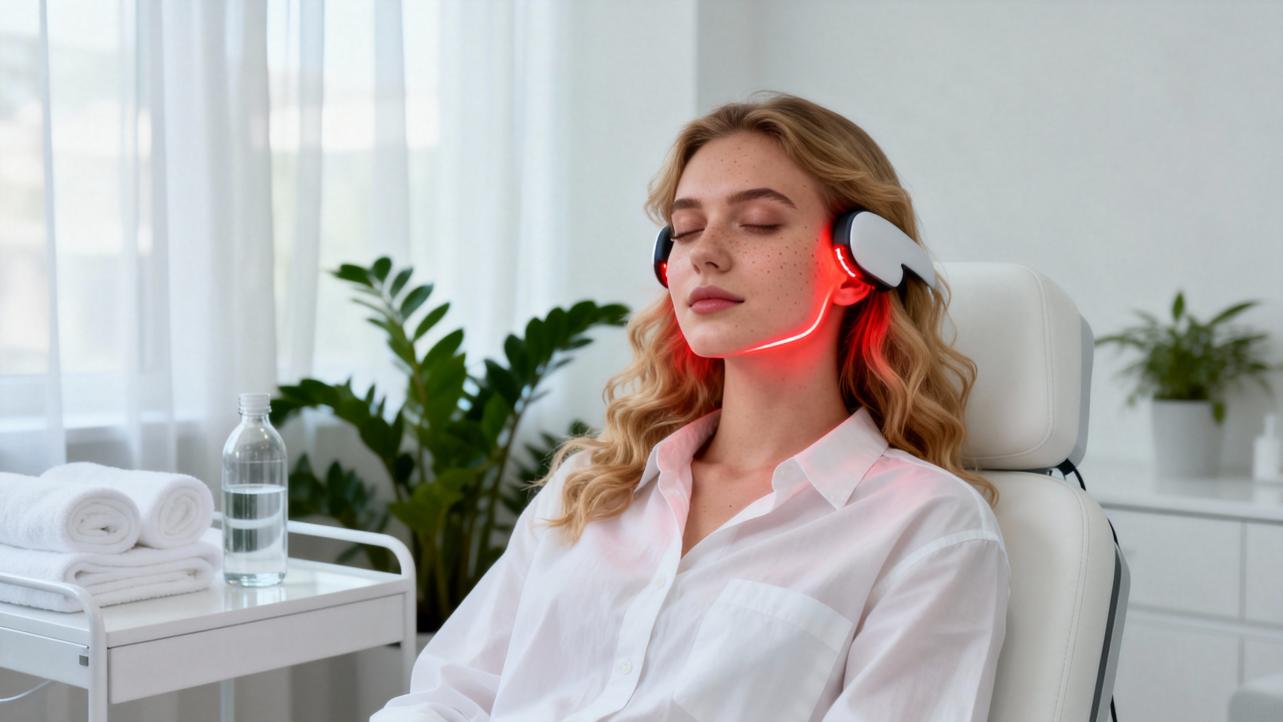
As someone who has spent years testing everything from desk-size LED panels to full-body red light beds, I have a soft spot for people with reactive, “problem child” skin. Sensitive skin and rosacea sufferers are usually the ones who have already been burned, literally or figuratively, by peels, retinoids, or trendy gadgets. Red light therapy gets marketed as the gentle, science-y answer. The real question is whether the data supports that promise or if it is just another shiny distraction.
Using what leading dermatology clinics and academic centers have published, let’s look at what red light therapy actually does to sensitive skin, how it may affect rosacea, and how to integrate it safely into a real-world routine.
Sensitive Skin and Rosacea: Why They Are So Hard to Treat
Sensitive skin is not a formal diagnosis. It is the experience of burning, stinging, or flushing from things other people tolerate easily: scented cleansers, strong acids, hot water, steam, wind, even “clean” natural products. Many dermatology sources connect this pattern with an impaired skin barrier and overactive inflammation rather than simple “delicacy.”
Rosacea sits squarely in that inflammatory camp. Multiple clinical summaries group rosacea with acne and eczema as conditions where redness and inflammation dominate. People with rosacea often report persistent facial redness and visible blood vessels, and many describe their skin as easily irritated. Heat and aggressive procedures are well-known triggers, which is why dermatology advice often warns that facial steamers and very hot environments can worsen redness or even cause burns, especially in rosacea and other sensitive conditions.
This context matters. Any therapy for rosacea or fragile skin must do two things at once: calm inflammation and avoid adding new irritation or heat. That is exactly where red light therapy has gained attention.

What Red Light Therapy Actually Is
Across major medical centers and dermatology practices, red light therapy is usually described under the broader term photobiomodulation. It uses low-level red or near-infrared light, typically from LEDs or low-level lasers, in specific wavelength ranges. One large review in dermatology defines photobiomodulation as using visible red light around 620–700 nanometers and near-infrared light around 700–1,440 nanometers to influence biology without burning or cutting the skin.
Unlike ultraviolet light, red and near-infrared wavelengths used in these therapies do not tan or sunburn the skin and are not linked to DNA damage or skin cancer in current clinical data. The devices are generally noninvasive and non-thermal when used correctly, meaning the skin should not be heated to the point of damage.
Red light therapy is delivered in a few main ways. Dermatology clinics use medical-grade panels, beds, facial units, and sometimes full-body cabins. At home, people use masks, wands, or panels that sit a short distance from the skin. Sessions in both settings usually last around 10–20 minutes per treatment area, repeated several times per week for weeks or months, according to multiple clinical and wellness articles.

The Cellular “Why”: How Red Light Interacts with Skin
The interesting part, at least for biohackers like me, is what red light is doing inside the cells. Reviews from academic centers and hospital systems converge on a similar mechanism.
Red and near-infrared photons are absorbed by chromophores inside the cell, especially mitochondrial enzymes such as cytochrome c oxidase. This absorption appears to increase mitochondrial respiration and ATP production, while also modulating reactive oxygen species and nitric oxide, the small signaling molecules that influence inflammation, blood flow, and cell survival.
In practice, this combination leads to several effects that are very relevant to sensitive skin and rosacea:
Red and near-infrared light can reduce inflammatory signaling in the skin, which is why multiple dermatology sources highlight anti-inflammatory effects in conditions like acne, rosacea, psoriasis, and eczema.
These wavelengths also stimulate fibroblasts, the cells that produce collagen and elastin. Clinical studies show increased dermal collagen density and measurable improvements in fine lines, wrinkles, and skin roughness after courses of red light treatments, indicating better structural support in the skin.
By influencing blood flow through mild vasodilation, red light may improve nutrient delivery and waste removal in tissue. Some wound-care and oncology-related research shows faster healing of radiation dermatitis and chronic ulcers when photobiomodulation is used correctly.
Acne studies show additional benefits: combined blue and red light can reduce oil production, decrease the number of inflammatory lesions, and impact acne bacteria, which often coexists with sensitive, reactive skin.
In other words, the core biology is about nudging skin cells into higher-functioning, less inflamed states without damaging the tissue. That is exactly the lifestyle we want for touchy, redness-prone skin.
What the Evidence Says for Sensitive Skin in General
Even though many red light trials do not recruit “sensitive skin” as a formal category, the data still tells us a lot about how fragile skin might respond.
A controlled trial of more than one hundred volunteers looked at large-area and full-body red and polychromatic light for skin rejuvenation. Participants received about thirty sessions, twice per week, using light in the red and broader visible ranges. Compared with untreated controls, people in the light groups showed significant improvements in subjective skin feeling and complexion, along with objective reductions in skin roughness and increases in ultrasound-measured collagen density. Blinded expert reviewers also rated wrinkles as improved far more often in the treated groups than in controls.
Equally important, this trial reported that treatments were non-ablative, non-thermal, and well tolerated, with no serious adverse events and high satisfaction. That matches the description from several dermatology and health-system articles, which emphasize that red light therapy is generally painless, requires no downtime, and avoids the inflammation, peeling, and social recovery time typical of more aggressive laser resurfacing or chemical peels.
A broader photobiomodulation review in dermatology reinforces the safety message. Red and near-infrared LED exposure in common therapeutic ranges has produced mostly mild, transient side effects such as short-lived redness or warmth. Even in patients treated around oncologic care, there has been no clinical evidence that these wavelengths promote cancer.
From a sensitive-skin perspective, this profile matters. You have a modality that can remodel collagen and improve texture, but it does so by stimulating cellular repair rather than injuring the surface and waiting for healing. For people who flare with every acid or peel, that is a meaningful distinction.
Zooming In: Red Light Therapy and Rosacea
Specific, high-quality clinical trials of red light therapy for rosacea are still limited. However, several reputable dermatology and education sources consistently group rosacea among conditions where red or other visible light therapies can help calm redness and inflammation.
Dermatology practices describe red light therapy’s anti-inflammatory properties as helpful for the redness and irritation of acne, rosacea, and eczema, noting that it can be an excellent option for sensitive or reactive skin types. Esthetics education programs point to yellow visible light as another gentle wavelength often chosen for sensitive, irritated, or rosacea-prone skin, because it calms redness and supports lymphatic drainage.
Major health organizations such as the American Academy of Dermatology, Harvard-affiliated dermatologists, and large health systems like Cleveland Clinic and others list rosacea as one of several inflammatory skin conditions where red light therapy is promoted, while emphasizing an important caveat: the evidence base is promising but still limited. Many studies are small, lack strong controls, or focus on related outcomes such as general redness, inflammation, or barrier repair rather than rosacea as a primary diagnosis.
So what can we say with confidence?
Red light therapy can reduce skin inflammation and redness in a variety of conditions and has a favorable short-term safety profile when used appropriately.
Rosacea is an inflammatory, redness-driven disease, and several dermatologic sources consider red and sometimes yellow light therapy as tools to help manage that redness.
High-quality, large, rosacea-specific trials are still lacking, and no major organization presents red light therapy as a primary stand-alone treatment for rosacea. It is positioned as a supporting therapy rather than a replacement for standard medical care.
For the veteran optimizer, that means treating red light as a targeted adjunct for rosacea, not the centerpiece of the plan.
Benefits and Drawbacks for Sensitive and Rosacea-Prone Skin
To keep expectations grounded, it is useful to view red light therapy the way Harvard- and Cleveland Clinic–affiliated dermatologists frame it: a legitimate tool with modest, biologically plausible benefits, surrounded by more marketing than data in some areas.
Here is how the potential upsides and limitations shake out for sensitive skin and rosacea, based on the available evidence.
Aspect |
Potential upside |
Known limitations or risks |
Redness and inflammation |
Multiple dermatology sources report that red light can calm redness and irritation in acne, rosacea, eczema, and photoaged skin by reducing inflammatory signaling. |
Rosacea-specific clinical trials are limited; improvements are not guaranteed, and some people may still flare with light or mild warmth. |
Skin barrier and texture |
Clinical trials show increased collagen density and smoother skin texture after repeated red light sessions, without surface injury. This may support a more resilient barrier over time. |
Changes tend to be modest and gradual, requiring weeks or months of consistent use; protocols are not standardized, and individual responses vary. |
Tolerability vs aggressive procedures |
Photobiomodulation is non-ablative and non-thermal, with no peeling or downtime when done correctly. It can be gentler than resurfacing lasers, deep peels, or frequent exfoliation. |
Overuse or poorly designed devices can still cause irritation, warmth, or burns. People on photosensitizing medications or with light-sensitive conditions may react more strongly. |
Safety profile |
Short-term use appears generally safe, with no evidence that therapeutic red light causes skin cancer. Many devices are FDA-cleared for safety, and adverse effects are typically mild and transient. |
Long-term cumulative exposure is not fully studied. Eye safety is a concern; there has been at least one widely publicized recall of an at-home LED acne mask due to potential eye risks. |
Skin tone considerations |
Some data suggest red and near-infrared doses can be adjusted to be safe across skin tones, and photobiomodulation has been used in diverse patient populations. |
Visible light, including red, can more easily trigger hyperpigmentation in darker skin. Reviews note that people with deeper skin tones may have a lower maximum tolerated dose and should start at lower intensity and monitor for dark spots. |
Role in overall rosacea care |
As an adjunct, red light can fit alongside gentle skincare, trigger management, and prescription therapies, especially for people who cannot tolerate harsh topicals. |
It does not replace core rosacea management or medical evaluation, and health systems repeatedly stress that lifestyle foundations and standard dermatologic care should come first. |
How to Use Red Light Therapy Safely with Sensitive Skin or Rosacea
This is where my “light therapy geek” instincts kick in. The goal is to harness the anti-inflammatory, pro-healing aspects of red light while minimizing the chance of a flare. The approach below is drawn from what dermatology organizations, clinical trials, and sensitive-skin–focused brands consistently recommend.
Start by getting a proper diagnosis and a green light from a dermatologist, especially if you suspect rosacea. Multiple expert sources warn that what looks like “sun damage” or redness could be skin cancer or another condition that will not respond to LED therapy. A dermatologist can also help you decide whether red light, yellow light, blue-plus-red combinations, or a different approach altogether fits your case.
Make sure your foundational routine is solid before you add gadgets. Academic and hospital-based dermatologists repeatedly emphasize that no device replaces the basics: a gentle cleanser, a non-irritating moisturizer, and broad-spectrum sunscreen with physical blockers such as zinc oxide or titanium dioxide. For rosacea, many clinicians favor simple, fragrance-free formulas and daily sun protection because visible and ultraviolet light both aggravate redness.
When you and your clinician choose to add red light therapy, introduce it gradually. Many clinical and esthetic protocols use sessions of roughly 10–20 minutes per area, several times per week, over many weeks. For highly reactive skin, it is reasonable to start with shorter durations and fewer sessions than those used in trials, and then work up slowly if your skin tolerates it. Several sensitive-skin–focused guides advise patch testing on a small area first and paying close attention to lingering redness, burning, or itching beyond the normal brief warmth of a session.
Preparation matters. Articles aimed at sensitive skin consistently recommend starting each session with clean, dry skin and avoiding harsh exfoliants, strong acids, or peels right before treatment. Hydrating serums and gentle moisturizers are usually paired after the session, not before, so the light has a clear path to the skin while you still support barrier repair once the device is turned off.
Protect your eyes and respect the hardware. Large health systems and dermatology reviews highlight eye safety as the biggest question mark in at-home LED use. Strong visible light directly into the eyes carries risk, and at least one consumer acne mask was recalled over concerns about potential eye damage in susceptible users. Use protective eyewear when the device design calls for it, avoid staring directly into the diodes, and never exceed the manufacturer’s time and distance instructions.
For darker skin tones, adopt a “less is more” strategy at the beginning. Both photobiomodulation reviews and Harvard-affiliated dermatologists note that people with darker skin may develop dark spots more easily from visible light, including red. Studies indicate that the maximum tolerated dose of red LED can be lower in skin of color, and hyperpigmentation may be more persistent if it occurs. If you have a deeper skin tone, that is a strong reason to involve a dermatologist, start with lower intensities and shorter sessions, and watch closely for any new or worsening pigmentation.
Finally, track your skin’s behavior over several weeks rather than judging after one or two sessions. The best clinical results with red light therapy tend to show up after repeated use across months, and they are described as modest and cumulative. For rosacea or sensitive skin, you are looking for calmer baseline redness, fewer inflammatory flares, and better tolerance of your existing products, not an overnight transformation.

Choosing Between Clinic-Based and At-Home Devices
Clinics and medical centers typically use higher-power devices with well-characterized wavelengths and can calibrate dose more precisely. Dermatology studies and expert reviews often emphasize that professional devices are stronger and more controllable, which may translate into more noticeable results with fewer sessions, at least for some conditions. The trade-off is cost and logistics, since in-office sessions can easily cost $80 or more each and require repeated visits.
At-home devices offer convenience and lower per-session cost but are usually lower power and more variable in quality. Health-system overviews and dermatology articles point out that the US Food and Drug Administration mainly clears these devices for safety equivalence, not proof of therapeutic effectiveness, and marketing often goes far beyond what the evidence supports. High-quality home LED masks and panels can run from the low hundreds of dollars into much higher price points. For sensitive or rosacea-prone skin, essential features include clear labeling of wavelengths, an intensity that is not excessive for your skin type, and ideally some sort of clinical testing or professional endorsement.
It is also worth mentioning that not all light colors behave the same. Educational content for estheticians notes that red light tends to support collagen and anti-aging, blue light targets acne bacteria, green light addresses pigmentation, and yellow light is often chosen to calm redness and inflammation in very sensitive or rosacea-prone skin. Some acne-focused protocols combine blue and red to both kill bacteria and reduce inflammation. For rosacea and reactive skin, a dermatologist may favor red, yellow, or a combination rather than blue-dominant protocols, which can be more stimulating or drying.
In practice, a hybrid approach works well for many people: a series of professionally supervised sessions to establish a response pattern and dial in parameters, then a well-chosen at-home device to maintain gains, as long as everything stays aligned with the dermatologist’s guidance.

Who Should Be Cautious or Avoid Red Light Therapy
Despite its gentle reputation, red light therapy is not for everyone. Across multiple reviews and patient guides, several groups are repeatedly advised to proceed with caution or get direct medical supervision before using these devices.
People with photosensitive conditions such as lupus or those taking photosensitizing medications, including some antibiotics, retinoids, or certain antidepressants, may react more strongly to visible light and can develop exaggerated redness or irritation.
Individuals with a history of skin cancer or pre-cancerous lesions should not assume that consumer LED devices are automatically safe for them. Large health systems stress that red light therapy for medical conditions should be supervised by qualified clinicians, especially in people with a history of malignancy.
Those considering more aggressive light-based treatments that use photosensitizing drugs, such as photodynamic therapy for acne or precancerous lesions, must understand that these are different from simple red-light-only devices. When a photosensitizer is involved, patients can be intensely light-sensitive for 48 hours or longer and are instructed to avoid sunlight and bright indoor light entirely, using physical coverage and zinc- or titanium-based sunblocks. That is a very different risk–benefit equation than low-level red LED masks or panels.
Pregnant individuals are often advised to be cautious with new device-based treatments simply because robust safety data are limited. Some studies of light therapies in pregnancy have not shown harm, but health organizations typically recommend discussing any such treatment with an obstetric provider first.
And of course, anyone who notices worsening redness, burning, new dark spots, or unusual symptoms during red light use should stop and seek professional evaluation rather than pushing through in the name of “consistency.”
FAQ
Can red light therapy trigger a rosacea flare?
There is no large, definitive trial quantifying flare rates in rosacea patients using red light therapy. What we do know is that rosacea-prone skin is highly sensitive to heat and light in general, while dermatology clinics report that red light can reduce inflammation and redness when dosed appropriately. That means some people with rosacea may feel calmer and less red, while others may find that even mild warmth from a device is too stimulating. This uncertainty is exactly why patch testing, short early sessions, and dermatologist oversight matter so much.
Is red light therapy FDA-approved for rosacea?
Available summaries from large health systems and academic centers describe red light therapy devices as FDA-cleared or approved mainly for safety and for a handful of specific indications such as wrinkles, hair loss, or certain types of pain. They do not present red light as an FDA-approved stand-alone treatment for rosacea. In practice, clinicians who use light therapy in rosacea usually frame it as an adjunct to standard care rather than a replacement for prescription medications or lifestyle changes.
How long does it take to see results on sensitive or rosacea-prone skin?
Clinical and expert sources are remarkably consistent on this point: red light therapy is not a quick fix. For anti-aging, wound healing, and acne, studies and dermatology practices typically describe treatment courses involving multiple weekly sessions over several months, with gradual, modest improvements. Sensitive and rosacea-prone skin should be introduced to light therapy even more cautiously, which can lengthen the time before you see clear gains. Expect to evaluate progress over months, not days, and be prepared to adjust or stop if your skin does not tolerate the protocol.
Should I prioritize red light therapy over basic habits and medications?
Absolutely not. A men’s health podcast from a major academic center uses the phrase “Core Four” for a reason: nutrition, physical activity, emotional and mental health, and sleep are the foundations of wellness, with genetics as a fifth factor. Dermatology organizations echo the same message for skin health: sun protection, gentle skincare, and appropriate medical treatment for conditions like rosacea are the main drivers of outcome. Red light therapy, even when evidence-based, sits on top of those fundamentals, not in place of them.
Closing Thoughts from a Light Therapy Geek
Used wisely, red light therapy is one of the few high-tech tools that genuinely earns a spot in the sensitive-skin and rosacea conversation. The science supports real anti-inflammatory and pro-healing effects, and the safety profile is encouraging when sessions are matched to your skin type and overseen by someone who understands light–tissue interactions.
The veteran optimizer in me loves what is possible here, but the scientist in me insists on this: treat red light as a precise instrument, not a magic lamp. When you anchor it to a dermatologist’s guidance, a gentle routine, and a healthy lifestyle, it can become a powerful yet surprisingly kind ally for skin that has already seen too much chaos.
References
- https://lms-dev.api.berkeley.edu/does-red-light-therapy-work-for-wrinkles
- https://florida-academy.edu/the-benefits-of-led-light-therapy-a-revolutionary-skin-treatment/
- https://www.health.harvard.edu/diseases-and-conditions/led-lights-are-they-a-cure-for-your-skin-woes
- https://wexnermedical.osu.edu/our-stories/which-skin-care-fads-are-worth-the-hype
- https://www.cortiva.edu/blog/red-light-therapy-vs-other-treatments-a-comparative-analysis-for-estheticians/
- https://pmc.ncbi.nlm.nih.gov/articles/PMC11049838/
- https://www.unh.edu/health/services/integrative-mind-body-services/light-therapy
- https://health.usf.edu/care/cosmetic/services-specialties/acne
- https://med.stanford.edu/news/insights/2025/02/red-light-therapy-skin-hair-medical-clinics.html
- https://healthcare.utah.edu/the-scope/mens-health/all/2024/06/176-red-light-therapy-just-fad