

As someone who has spent years in front of LED panels, lab-grade devices, and consumer masks, I love red light therapy. But I love the data even more. When you are dealing with sun damage, you do not want a fad; you want something that is biologically plausible, clinically tested, and realistically helpful alongside the basics like sunscreen and smart skincare.
This guide walks through what red light therapy actually is, how it interacts with sun-damaged skin, what the best research shows, and how to use it intelligently rather than chasing hype.
Sun Damage 101: What Years Of UV Really Do
Sun damage is not just a bad burn on a beach day. It is cumulative injury from ultraviolet radiation, mostly UVA and UVB, that gradually changes the structure and function of your skin. UVB is the “burning” band that directly damages DNA and causes sunburn. UVA penetrates more deeply and is strongly linked to wrinkles, sagging, rough texture, and uneven pigment.
Over time, chronic UV exposure breaks down collagen and elastin, the proteins that keep your skin firm and springy. Fibroblast cells become less efficient, blood vessels dilate and become more visible, pigment cells misfire and create spots, and the skin barrier becomes less resilient. You see this as fine lines, crepey texture, “leathery” skin, redness, and sun spots.
Dermatology sources such as Cleveland Clinic and Harvard Health classify sun damage and photoaging as major targets for noninvasive therapies, including red light. The key is understanding that sun damage is structural. There is no topical that “erases” it overnight. The real question is whether red light can meaningfully nudge the biology of damaged skin back toward repair.

Red Light Therapy In Plain English
Red light therapy, in the context of skin, usually refers to photobiomodulation. You will also see it called low-level light therapy, low-level laser therapy, or soft laser therapy. All of these terms describe the same basic idea: using low-energy red or near-infrared light to influence cellular behavior without burning or destroying tissue.
Dermatology devices commonly use visible red wavelengths around the 600–700 nanometer range and sometimes near-infrared wavelengths up to about 1100 nanometers. Unlike tanning beds or the sun, these devices do not emit ultraviolet light, so they do not tan you and they are not thought to increase skin cancer risk when used appropriately, according to Harvard Health, Cleveland Clinic, and WebMD.
In clinics, red light can also be part of photodynamic therapy, where a photosensitizing drug is applied to the skin and then activated by red light to selectively destroy precancerous or cancerous cells. That is an important distinction. Photodynamic therapy is a cancer-directed treatment; red light alone, at the doses used for rejuvenation, does not treat skin cancer and should never be used in place of a proper evaluation of suspicious spots.
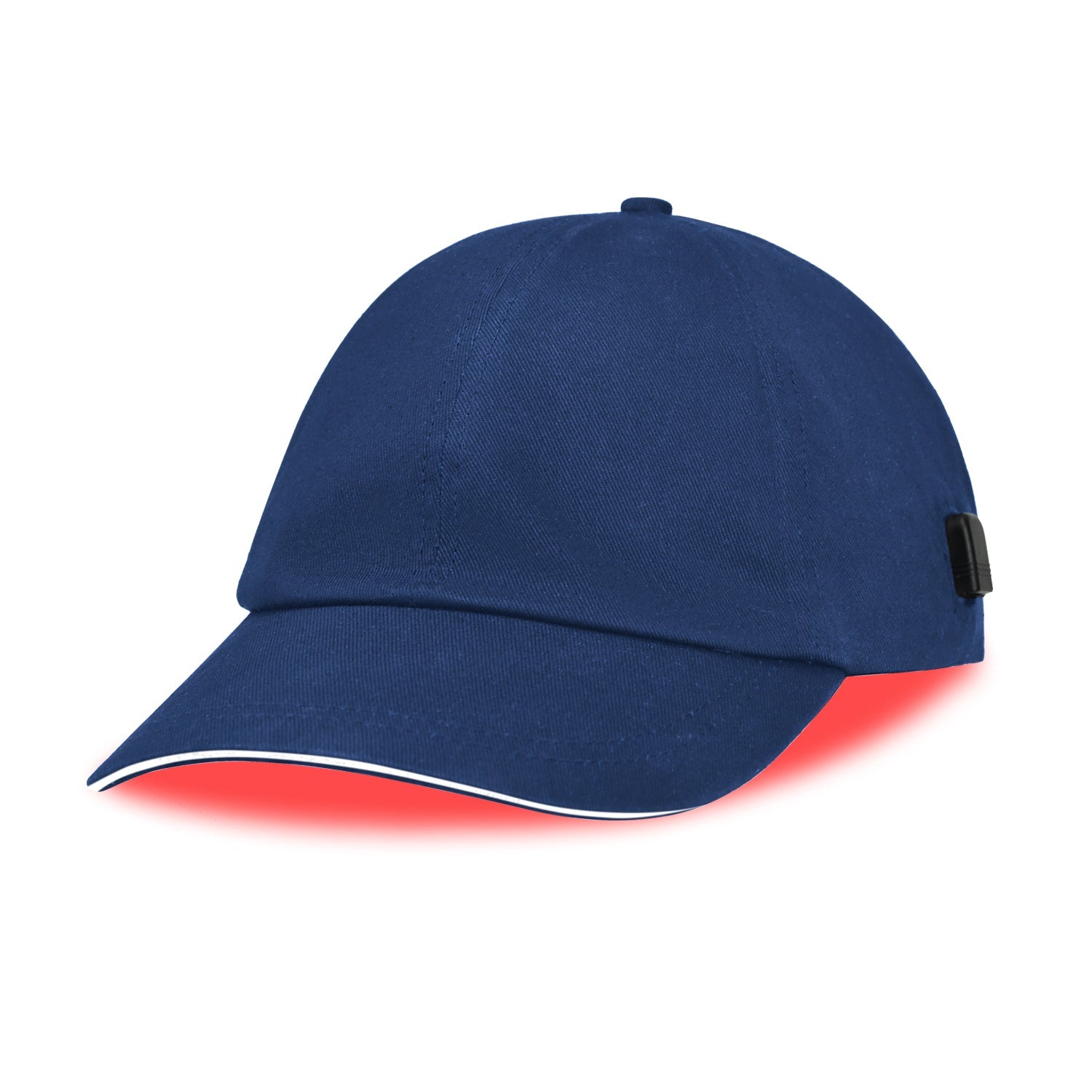
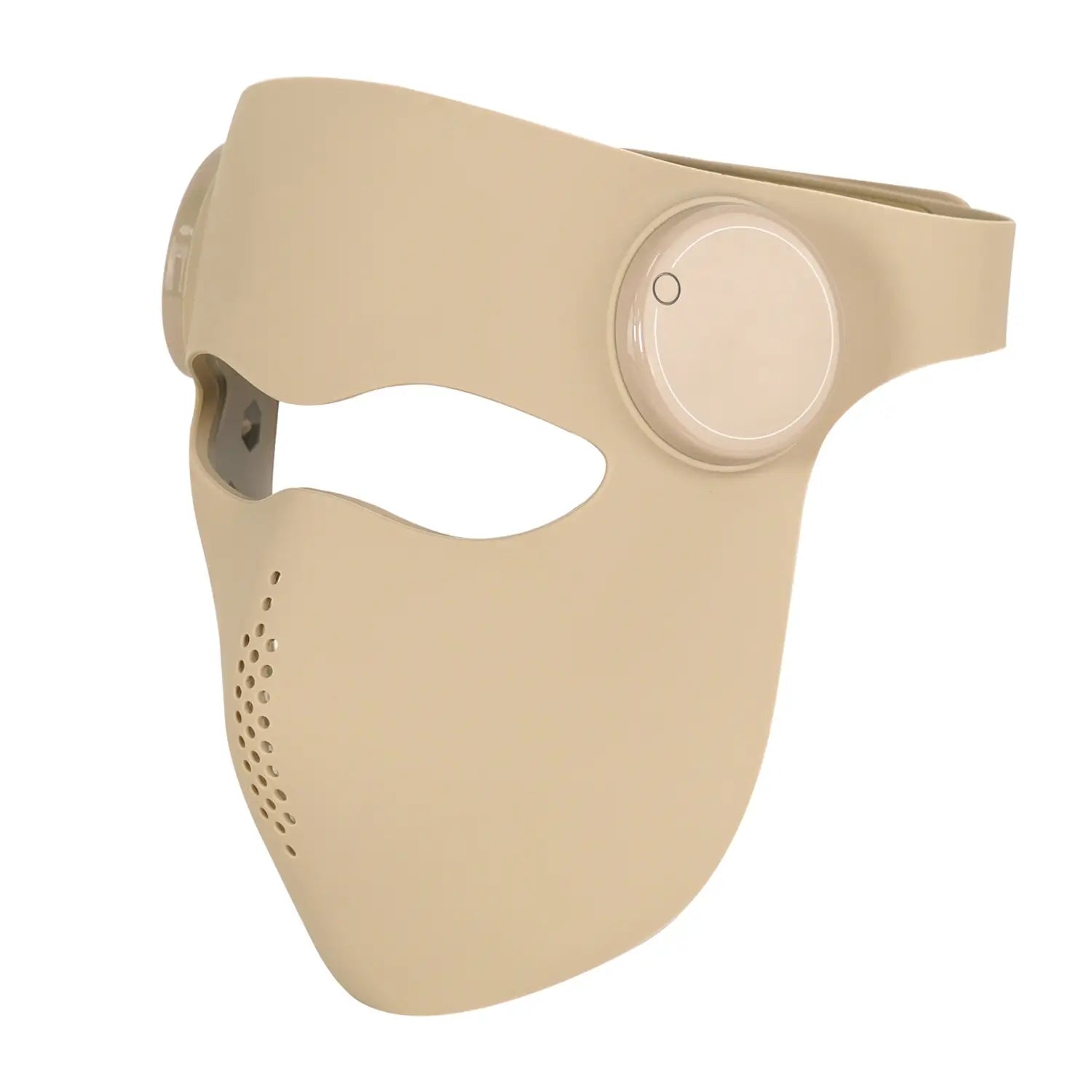
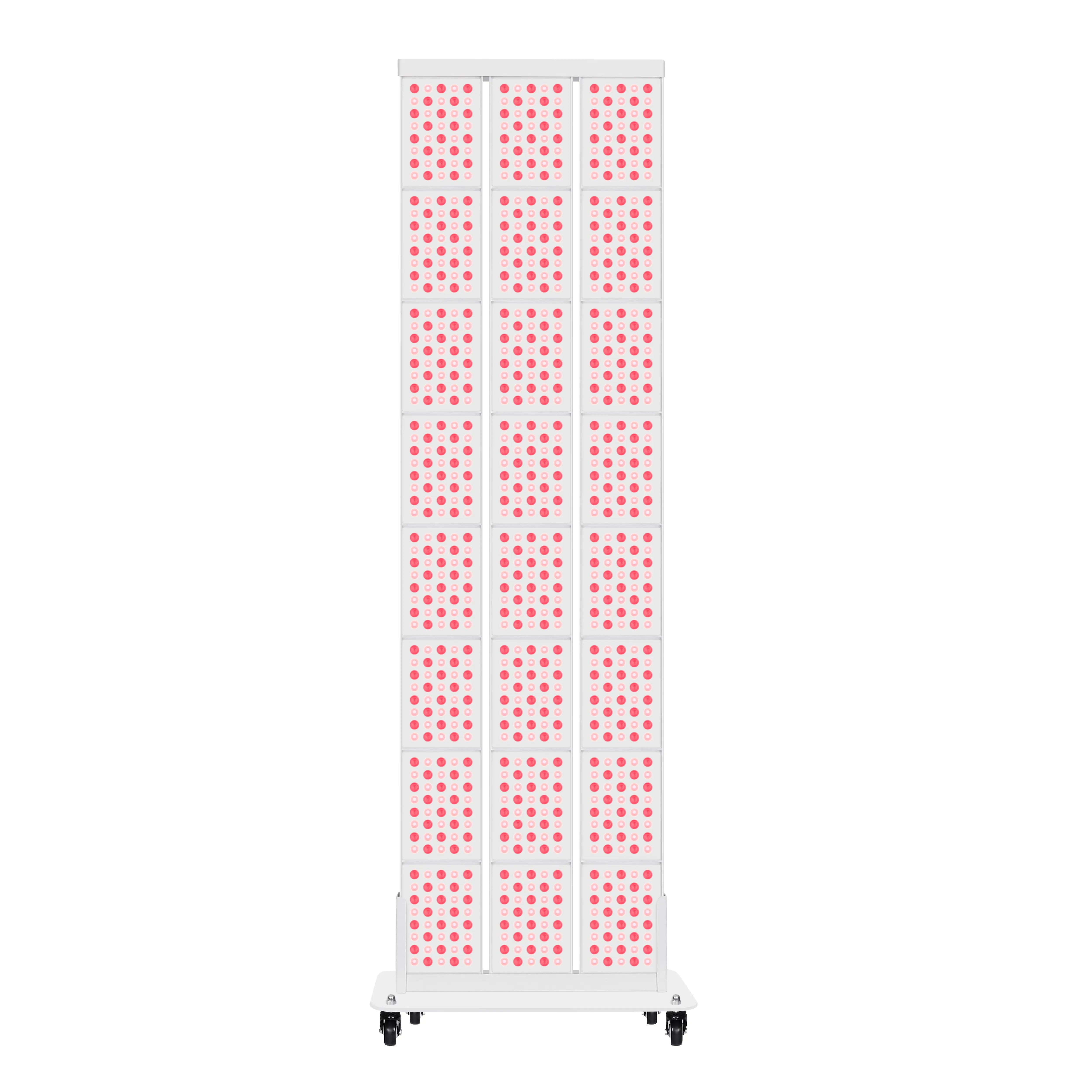
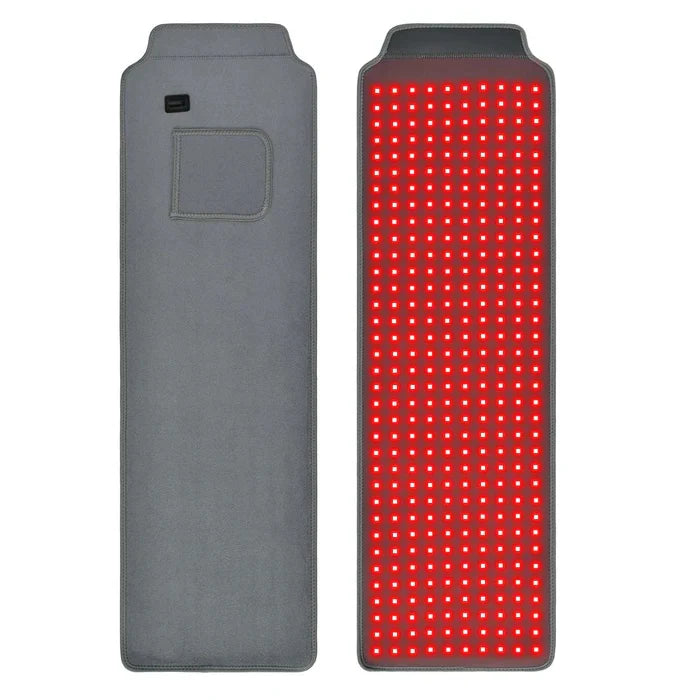
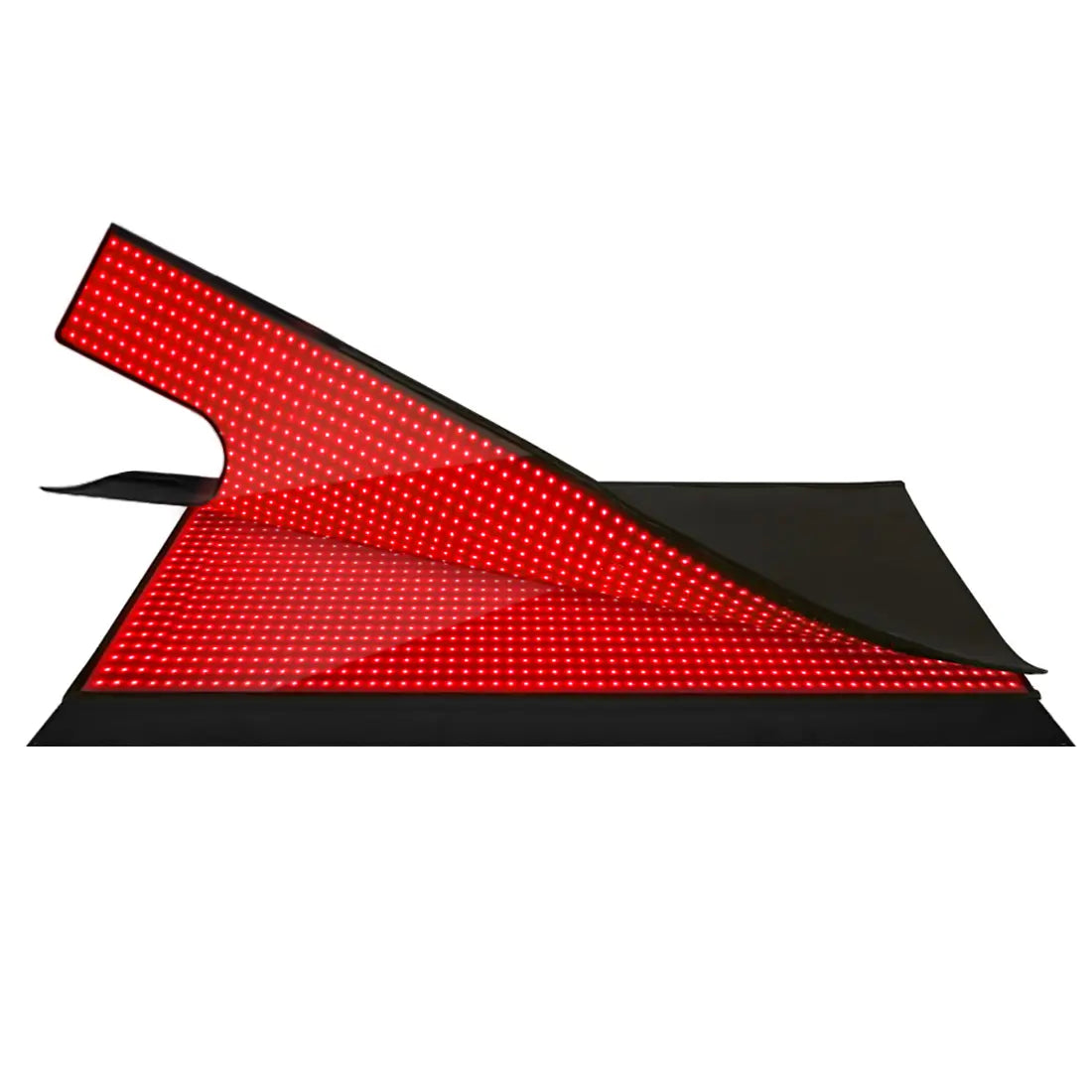
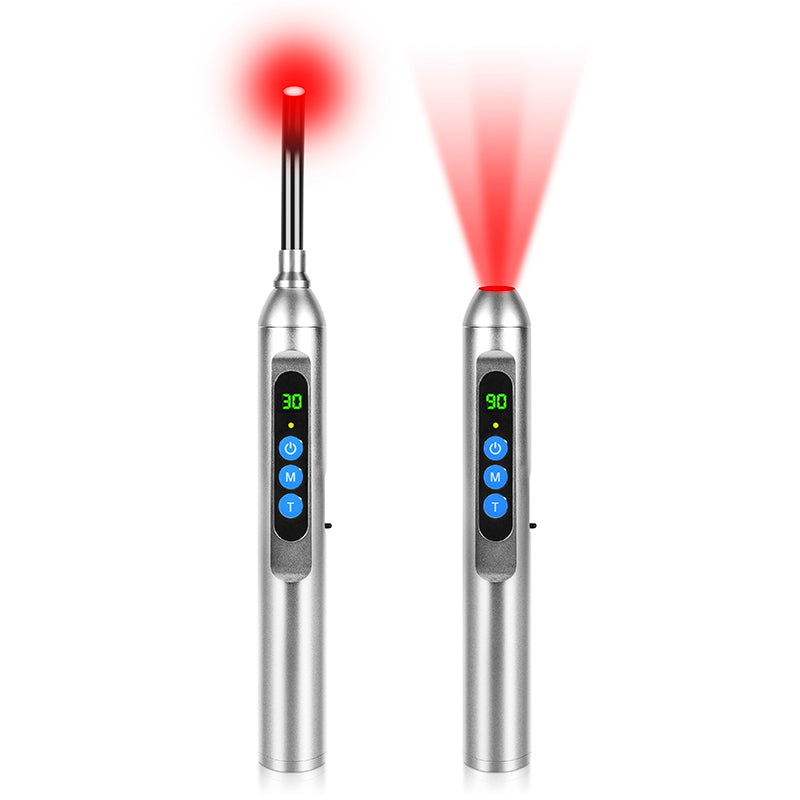
At-home, red light therapy typically comes as LED masks, panels, wands, or flexible pads. In-office systems are larger and more powerful but obey the same biological rules.
How Red Light Interacts With Your Cells
The best-supported mechanism starts in the mitochondria, the tiny “power plants” inside your cells. Research summarized by Cleveland Clinic, Stanford dermatology, and multiple peer-reviewed trials shows the following cascade.
Red and near-infrared photons are absorbed by components of the mitochondrial respiratory chain, especially an enzyme called cytochrome c oxidase. This absorption increases the efficiency of ATP production, which is the cell’s chemical energy currency. More ATP means damaged or stressed cells have more energy to repair DNA, synthesize RNA and proteins, and restore normal function.
This mitochondrial “nudge” does not stay isolated. Photobiomodulation studies report:
- Increased fibroblast activity, which in turn boosts collagen and elastin synthesis in the dermis. That is the structural basis for smoother, firmer skin.
- Increased production of growth factors and activation of signaling proteins such as TGF‑beta 1, as shown in University at Buffalo preclinical work on radiation-induced skin injury. TGF‑beta 1 stimulates fibroblasts and immune cells involved in tissue repair.
- Improved vasodilation and nitric oxide production, which widens blood vessels and increases microcirculation. More blood flow means more oxygen and nutrients delivered to sun-damaged areas.
- Reduced oxidative stress and modulation of inflammatory cytokines. Several sources, including Harvard, Stanford, and WebMD, highlight red light’s anti-inflammatory effects in skin.
One advantage for sun damage specifically is that red light appears to activate DNA repair pathways, including ATF2-related mechanisms described in acne-scar research. These pathways help cells recover from UV-induced damage more effectively, rather than adding more DNA hits the way ultraviolet light does.
Think of it this way: sun damage is a long-term withdrawal from your skin’s “cellular savings account.” Red light does not magically refill that account, but it can increase your monthly deposits by making the repair machinery work harder and smarter.

What The Research Actually Shows For Damaged Skin
The evidence base for red light and skin is not perfect. Some studies are small or lack sham controls. Devices and dosing patterns vary. That said, there is more real data behind red light than behind most beauty gadgets. For sun-damaged or photoaged skin, several trial categories matter.
Photoaging: Wrinkles, Texture, And “Sun Leather”
A controlled German clinical trial with 136 volunteers, ages 27 to 79, tested red and red–near-infrared light in full- and partial-body devices. Participants in the active groups received non-thermal photobiomodulation twice per week for 30 sessions, while a smaller group served as untreated controls. When researchers compared before and after measures, they found statistically significant improvements in:
- Patient-rated skin complexion and skin feel.
- Objective profilometry of wrinkles and roughness around the eyes.
- Ultrasound-based collagen density within the dermis.
- Blinded physician wrinkle scores from standardized photos.
Importantly, adding extra broadband wavelengths did not outperform red-only light when the red dose was matched. This supports the idea that well-dosed red light is doing the heavy lifting.
A more recent home-use study in Europe evaluated a red LED mask using around 630–635 nanometer light in 20 adults with visible facial aging. Subjects used the mask for one 12‑minute session twice per week for three months, spacing sessions about 72 hours apart. Under dermatologic supervision, the researchers documented progressive improvements over one, two, and three months in:
- Wrinkle depth and skin roughness.
- Firmness and elasticity.
- Dermal density on ultrasound.
- Pore appearance, sebum levels, and porphyrin-containing (bacteria-rich) pores in those with oily or mixed skin.
Participants kept their usual skincare, which means the gains were attributable to the mask layered on top of real-world routines. Benefits persisted for at least a month after stopping therapy, suggesting structural remodeling rather than a temporary plumping effect.
These findings align with what Harvard Health, Stanford dermatology, and AARP describe clinically: modest but real smoothing of fine lines, better texture, and more even tone when red light is used consistently over months, especially for photoaged skin. It is not a facelift, but it clearly nudges the dial for many people.
Sun Spots, Redness, And Blotchiness
Sun damage rarely shows up as wrinkles alone. Pigment and blood vessels are part of the story.
Cleveland Clinic and Harvard dermatology note that red light therapy is being explored for sun damage, age spots, and uneven texture. The Dior mask trial specifically measured complexion homogeneity and found that the difference between inner and outer cheek color narrowed over time, indicating more even tone. Other clinical and dermatology sources report improvements in dark spots and overall “brightness” with red light–based photobiomodulation.
Red light’s anti-inflammatory effects also matter. Camelback Dermatology and Santa Barbara dermatology sources highlight its ability to calm redness and irritation in conditions such as acne, rosacea, and eczema. Chronic sun damage often leaves the skin with a low-grade inflammatory state and persistent redness, so therapies that reduce inflammatory signaling and stabilize vessels can translate into less blotchiness.
That said, pigment is complex. In some individuals, especially those with darker skin tones, experts at Harvard and UCLA caution that any light-based treatment can potentially provoke hyperpigmentation if overused or misused. This is why a dermatologist-guided plan is so important if your main concern is discoloration from the sun.
Serious Skin Damage: Radiation As A Stress Test
If you really want to stress-test a healing modality, look at what it does to extreme injury. A University at Buffalo–led preclinical study examined red and near-infrared photobiomodulation on radionecrosis, the breakdown of skin and tissue after cancer radiation therapy.
In untreated animals, radiation-induced skin wounds took about 61 days to heal. Near-infrared photobiomodulation reduced that to roughly 49 days, and red light reduced it further to about 42 days. That is up to 19 days faster healing and roughly a 50% acceleration compared with baseline.
The same research group has shown that photobiomodulation activates TGF‑beta 1, stimulating fibroblasts and macrophages that clear debris, modulate inflammation, and help rebuild tissue. Over more than four decades of work, this body of evidence supports red light’s ability to accelerate both acute and chronic wound healing and to improve the quality of regenerated tissue.
Radiation damage is not identical to sun damage, but both involve DNA injury, inflammation, and compromised blood flow. When a therapy can reliably improve healing in such a hostile environment without making tumors grow faster, it adds weight to its potential for less extreme forms of skin injury like everyday photoaging.
Pros And Cons For Sun-Damaged Skin
Red light therapy earns its reputation as a serious tool, but it is not a miracle. For sun-damaged skin, the upside and the limitations coexist.
On the plus side, multiple clinical and dermatology sources agree that well-dosed red light can increase collagen and elastin production, improve microcirculation, and reduce inflammation. Controlled trials document smoother texture, softer fine lines, improved dermal density, and more homogeneous complexion, including in people with visible aging that is largely driven by sun exposure.
Red light therapy is also noninvasive, generally painless, and associated with minimal downtime. Most people report a gentle warmth and occasional mild redness that fades quickly. Devices emit visible and near-infrared light, not ultraviolet, and major organizations including Cleveland Clinic, WebMD, and UCLA note that red light is not known to cause skin cancer.
The caveats are equally important. The evidence base for many marketed claims is still limited. Harvard dermatologists describe LED devices as an “exciting emerging area,” but emphasize that large, rigorous trials are rare. Optimal dosing protocols for different conditions are not standardized, and results can vary widely between devices and individuals.
Consumer devices are all over the map in terms of wavelength and power. Some at-home masks cost between about $50 and $500 according to AARP, while larger panels can run hundreds to over $1,000 as reported by Baylor Scott & White Health and university health systems. Yet price does not guarantee therapeutic output. The FDA “clears” these devices primarily for safety, not for proof that they deliver specific cosmetic results.
Finally, red light therapy cannot erase deep structural damage or replace procedures like ablative lasers, surgery, or injectables for advanced photoaging. Dermatology sources stress that it belongs in the “adjunct” category. It can enhance and support skin health, but it does not rewrite decades of high-UV living on its own.
A balanced way to see it: for sun-damaged skin, red light therapy is a low-risk, biology-aligned way to get incremental, sometimes impressive improvements in texture, fine lines, and overall quality, especially when you respect its limits and pair it with fundamentals.
Using Red Light Therapy Wisely
If you are a gadget fan like I am, it is tempting to jump straight to the biggest panel you can fit on a wall and blast your face daily. The science argues for a more precise, patient approach.
Clinic Or Home: Choosing The Right Setting
Both in-office and at-home devices can play a role. Here is a high-level comparison based on dermatology and consumer health sources.
Aspect |
In-Office Red Light Devices |
At-Home Red Light Devices |
Device power and calibration |
Typically higher intensity, better calibrated, and purpose-built for medical use; protocols can be tailored by a dermatologist. |
Generally lower power and more variable output; easier to access but harder for consumers to evaluate objectively. |
Supervision |
Used under medical supervision, often combined with other treatments such as peels or procedures. |
Self-directed; you are responsible for dosing and safety, though instructions are provided. |
Cost pattern |
Around 150 per session for cosmetic skin treatments in many practices, not usually covered by insurance. |
Up-front device cost often between about $100 and $1,000 for masks and panels; no per-session fee, but results depend on consistent use. |
Ideal use case |
Moderate to advanced photoaging, complex pigmentation, or post-procedure healing where you want a dermatologist adjusting settings. |
Mild to moderate sun damage, maintenance after in-office work, and long-term consistency if cost per clinic visit is an issue. |
Experts at AARP, Harvard, and UCLA consistently recommend choosing devices that disclose their wavelengths and are labeled “FDA-cleared.” For wrinkles and photoaging, some dermatologists like masks emitting red light in the roughly 625–670 nanometer range. If a company cannot tell you its wavelengths or provide any clinical data, that is a red flag.
Dosing And Scheduling For Photoaged Skin
In photobiomodulation, dose matters. Too little energy and nothing happens; too much and you can suppress the very processes you are trying to enhance. This “sweet spot” behavior is known as the Arndt–Schulz law and is explicitly built into some protocols.
The Dior mask trial used one 12‑minute session twice per week, with at least 72 hours between exposures, for three months. The German full-body trial used twice-weekly sessions for a total of 30 treatments. Dermatology and wellness sources aimed at consumers typically recommend facial sessions of about 10–20 minutes, two or three times per week, and emphasize that consistency over weeks to months is what produces results.
For sun-damaged facial skin, a pattern that aligns with published research and manufacturer guidelines looks roughly like this, to be adapted with your dermatologist’s help and your device instructions.
Begin with a patch test on a small area at the manufacturer’s recommended distance and duration, perhaps once every few days during the first week, to confirm your skin tolerates the light without unexpected irritation. If that goes well, move to full-face sessions in the 10–20 minute range, two or three evenings per week, avoiding back-to-back daily marathons. Maintain this rhythm for at least eight to twelve weeks before judging the outcome, since collagen remodeling is slow biology.
More is not always better. The Dior team deliberately avoided daily use to prevent overdosing, and their results improved over time without pushing frequency to the maximum.
Stacking Red Light With Smart Skin Care And Lifestyle
The University of Utah men’s health podcast on red light therapy talks about a “Core Four” that should come first: nutrition, physical activity, emotional health, and sleep. Dermatology experts add strict sun protection and evidence-based topical skincare to that list.
For sun-damaged skin, red light therapy works best as a multiplier on an already sound foundation. That means daily broad-spectrum sunscreen, avoiding deliberate tanning, and using topicals that are known to support photoaged skin, such as retinoids, antioxidants like vitamin C, and barrier-supporting moisturizers, assuming your dermatologist agrees they are appropriate for you.
The Dior mask study allowed participants to maintain their usual skincare, and the red light benefits appeared on top of that baseline. In practice, I like to place red light sessions on clean, dry skin, either before applying active products for the night or after lighter hydrating layers that will not block light. If your routine includes potentially irritating agents like strong retinoids or acids, you may want to separate those from light sessions in time and discuss the plan with your dermatologist.
Remember that red light does not grant immunity from future damage. If you are still getting significant unprotected sun exposure, any gains in collagen and pigment will be fighting a losing battle.

Who Should Be Cautious Or Avoid Red Light Therapy
Short-term, properly used red light therapy is widely described as safe and noninvasive in clinical summaries from Cleveland Clinic, Harvard, UCLA, and WebMD. Still, it is not for absolutely everyone and not for every situation.
People taking medications that increase light sensitivity, such as certain antibiotics or acne drugs, should be cautious and seek medical advice before starting any light therapy. Those with photosensitive conditions, including disorders like lupus, are often advised to avoid red light unless a specialist explicitly approves it.
Eye safety is non-negotiable. Harvard dermatologists emphasize the importance of shielding the eyes, and a widely reported recall of a blue–red LED acne mask by a major manufacturer was driven by concerns about potential eye damage in susceptible users. Even though red light panels are not strong enough to burn skin, staring into them at close range without protection is not smart. Use the eye shields provided or well-fitted goggles, especially with facial masks and high-intensity panels.
For people with darker skin tones, Harvard and UCLA experts advise starting conservatively and under professional guidance, as light-induced dark spots can be more likely.
Finally, if you have any lesion that might be skin cancer or a precancerous spot, do not try to “treat” it with a home device. Both Harvard and Cleveland Clinic stress that LED devices used blindly on “sun damage” can delay proper diagnosis. Suspicious moles, nonhealing patches, or rapidly changing spots always deserve a dermatologist’s exam before you even think about gadgets.
A Sample At-Home Strategy For Sun-Damaged Skin
Putting this all together, here is what a sane, science-aligned approach can look like for someone with mild to moderate sun damage who has already confirmed with a dermatologist that red light therapy is appropriate.
First, choose an FDA-cleared facial device that clearly lists its wavelengths in the red range used in studies and is marketed for skin rejuvenation or antiaging, not just for mood or generic wellness. Check that the manufacturer provides realistic expectations and clear instructions, and make sure you have or can use proper eye protection.
Next, integrate the device into an evening routine when you are not rushed. Cleanse your face, gently pat dry, and ensure there is no heavy, opaque layer on your skin that would significantly block light. If you use potentially irritating actives, consider applying them at a different time of day while you learn how your skin responds to the light itself.
Start with a small-area trial according to the device’s shortest recommended session, perhaps once or twice the first week. If your skin tolerates it well, expand to full-face exposures in the 10–20 minute range, two or three nights a week, making sure you are following distance and timing guidance from the manufacturer.
Track changes over at least three months. Objective measures like comparing high-quality photos in similar lighting and paying attention to texture, fine lines, blotchiness, and how your skin feels can tell you more than trying to judge from memory. If you are not seeing any change by that point, it is reasonable to revisit the plan with your dermatologist rather than simply increasing dose on your own.
Throughout, keep sunscreen, hats, and shade as your primary defense against further damage. Red light is repair support, not permission to start sunbathing again.
FAQ: Red Light Therapy And Sun-Damaged Skin
Can red light therapy reverse sun spots completely?
Evidence from dermatology studies and summaries by Harvard and Cleveland Clinic suggests red light can lighten dark spots and even out overall complexion, but complete erasure of sun spots is not typical. Hyperpigmentation often responds best to a combination strategy that may include topical lightening agents, strict sun protection, and sometimes targeted procedures such as lasers or peels under medical supervision. Red light can support skin health and reduce inflammation, making your other strategies work better, but it is rarely the sole solution for stubborn spots.
How long does it take to see changes in sun-damaged skin?
Most clinical and consumer-focused sources converge on a timeframe of weeks to months, not days. Antiaging trials with red light masks often show measurable changes after about four to eight weeks, with further improvement up to three months of twice-weekly use. Harvard Health notes that meaningful cosmetic changes usually require multiple sessions per week for several months. If you commit to consistent use for eight to twelve weeks and maintain sun protection, you are in the same range used in research.
Is red light therapy safe if I have a history of skin cancer?
Red light devices used for skin rejuvenation do not emit ultraviolet light and are not thought to cause skin cancer, according to Cleveland Clinic, WebMD, and university health systems. That said, a history of skin cancer means your skin deserves extra caution. You should not apply red light over any active or suspicious lesion without clearance from your dermatologist. In some cases, red light is used in photodynamic therapy combined with a drug to treat precancerous lesions, but that is a physician-directed procedure, not a home treatment.
Does red light therapy replace sunscreen or other core skin habits?
Absolutely not. The University of Utah’s experts emphasize that tools like red light therapy are “extras,” while the foundations remain nutrition, physical activity, emotional health, and sleep. Dermatologists add sun protection and evidence-based skincare. Red light can help repair some of the consequences of past UV exposure and support healthier skin function, but daily sunscreen, shade, and smart lifestyle choices will always give you the biggest long-term return.

Final Thoughts From A Light Therapy Geek
If you are willing to play the long game with your skin, red light therapy is one of the few “gadgets” I consider worth serious consideration for sun damage. It is noninvasive, biologically plausible, and backed by growing, though not perfect, research showing real improvements in photoaged skin. Pair it with disciplined sun protection, smart skincare, and the basics of health, and you have a powerful, science-aligned stack rather than just another shiny device gathering dust.

References
- https://www.health.harvard.edu/diseases-and-conditions/led-lights-are-they-a-cure-for-your-skin-woes
- https://pmc.ncbi.nlm.nih.gov/articles/PMC10311288/
- https://ed.buffalo.edu/about.host.html/content/shared/university/news/ub-reporter-articles/stories/2022/01/light-therapy-radiation.detail.html
- https://med.stanford.edu/news/insights/2025/02/red-light-therapy-skin-hair-medical-clinics.html
- https://healthcare.utah.edu/the-scope/mens-health/all/2024/06/176-red-light-therapy-just-fad
- https://my.clevelandclinic.org/health/articles/22114-red-light-therapy
- https://www.gundersenhealth.org/health-wellness/aging-well/exploring-the-benefits-of-red-light-therapy
- https://www.uclahealth.org/news/article/5-health-benefits-red-light-therapy
- https://www.aad.org/public/cosmetic/safety/red-light-therapy
- https://www.aarp.org/health/healthy-living/red-light-therapy-for-wrinkles/