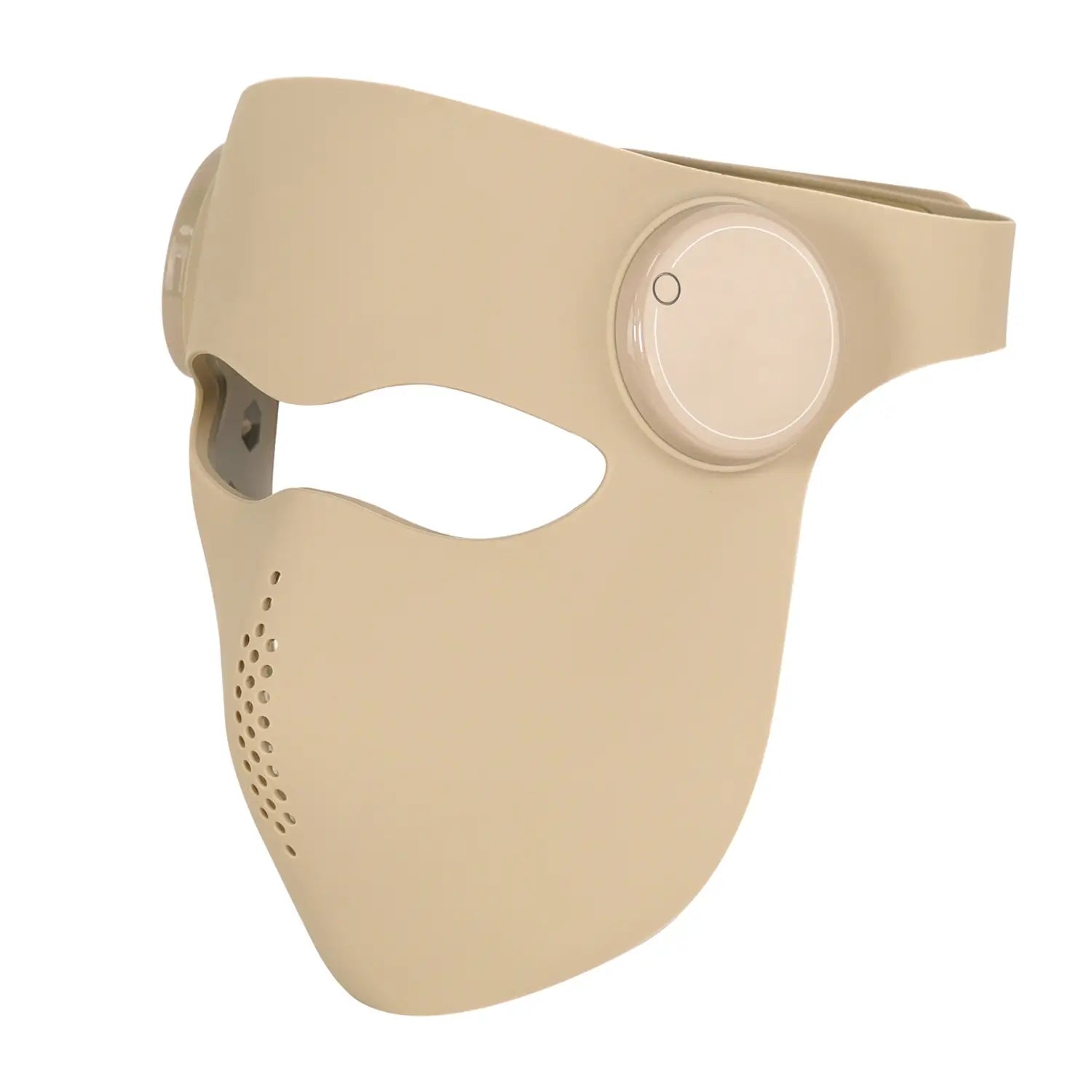
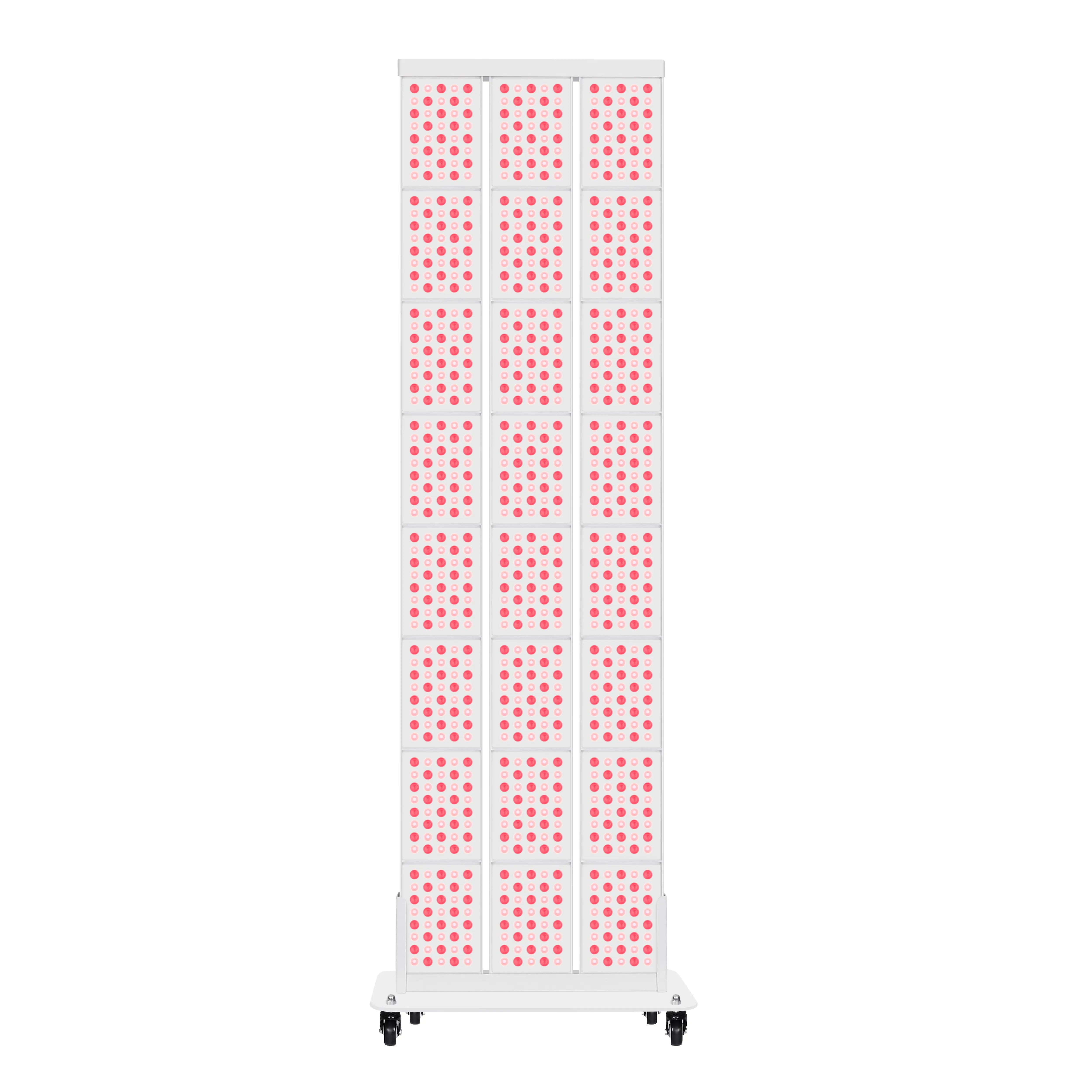
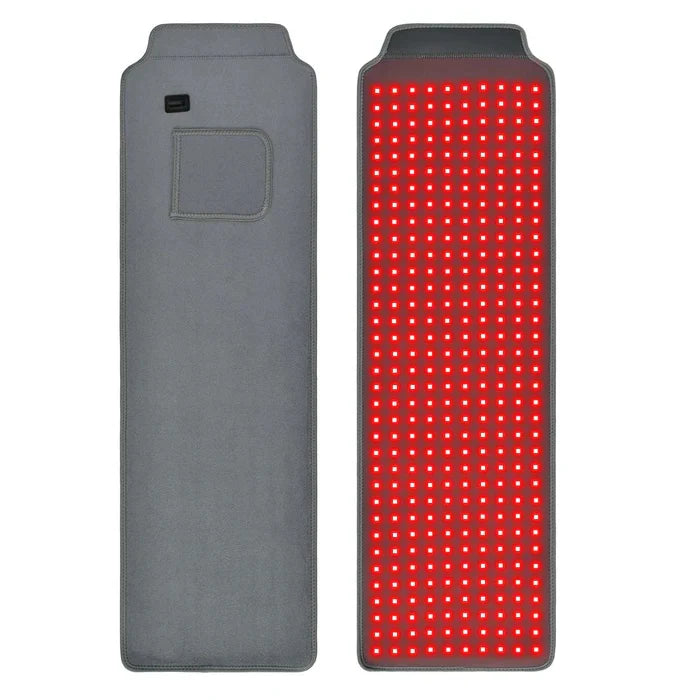
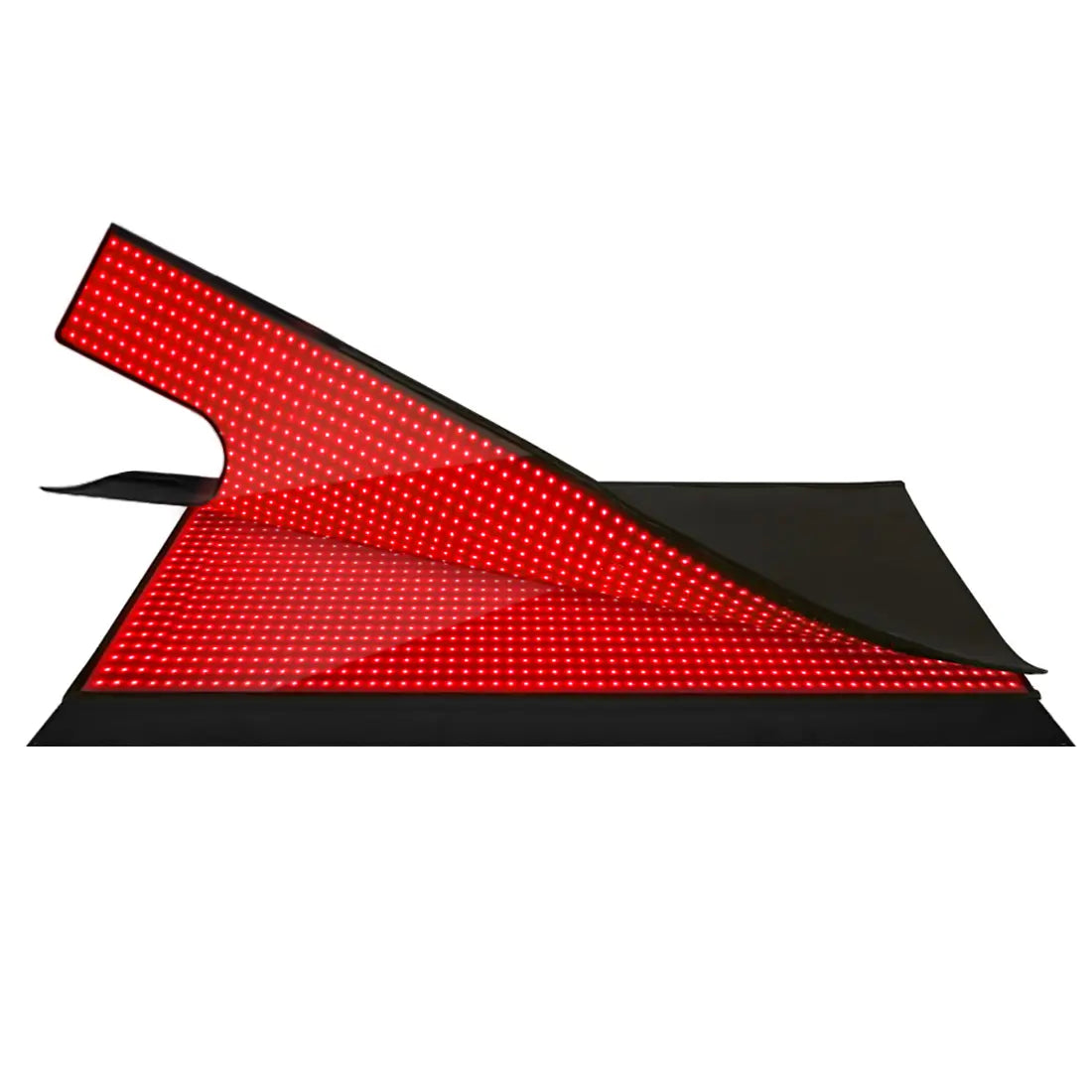
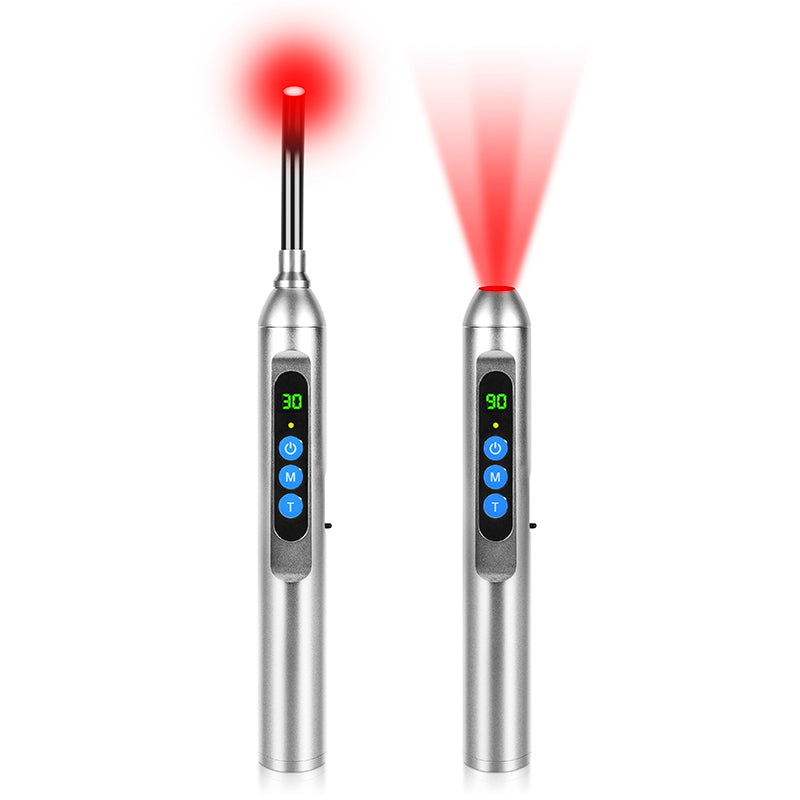

When face masks became part of everyday life, a lot of people discovered a new skin problem to biohack: stubborn “maskne,” redness along the mask edges, and lingering marks that just would not fade. As someone who has spent years experimenting with light therapy devices in real-world routines, I can tell you this: red light therapy is not a magic eraser, but it is one of the few wellness tools that has a biologically plausible mechanism, a growing evidence base, and a surprisingly good safety profile when you use it correctly.
If your skin is paying the price for long hours in a mask, this is where red light therapy can actually help, where the science is still thin, and how to build a smart, realistic protocol around it.
Why Masks Wreck Your Skin (And Why It Matters For Light Therapy)
Masks change the microclimate on your face. They trap humidity and sweat, increase friction along the nose, cheeks, and behind the ears, and can concentrate oil, makeup, and bacteria in a small, occluded zone. In practice, that turns into clogged pores, breakouts, and flares of conditions like rosacea and eczema that sit exactly where the mask rests.
Dermatology literature already shows that acne, rosacea, and eczema are inflammatory skin conditions, and the research summarized by dermatology practices such as Dallas Associated Dermatologists and Dr. Posten’s dermatology clinic describes how red light therapy can calm inflammation, support skin repair, and help with acne and redness. Even though these studies did not focus specifically on “maskne,” the underlying biology is the same: you are dealing with micro-inflammation, barrier disruption, and in many cases acne in a high-friction, low-ventilation zone.
That is why red light therapy is relevant here. Its core strengths—reducing inflammation, supporting wound healing, and improving collagen remodeling—map directly onto what mask-worn skin is struggling with: active breakouts, irritated edges, and the scars or dark marks that remain after the acne itself is gone.

What Red Light Therapy Actually Does To Your Skin
Red light therapy, sometimes called low-level laser therapy or photobiomodulation, uses low-intensity red or near-infrared wavelengths to influence how your cells behave. Sources like Cleveland Clinic, WebMD, and university centers such as Utah and UCLA describe a similar mechanism:
Red and near-infrared light penetrate into the skin without the DNA-damaging ultraviolet component you get from sunlight. Inside the cell, that light is absorbed primarily by mitochondria, the “power plants” of the cell. Research summarized by Utah’s health podcast and multiple medical centers suggests this can increase cellular energy production and modulate signaling molecules, leading to several effects that matter for skin: more ATP, more growth-factor signaling, and reduced oxidative stress.
Cleveland Clinic and WebMD both point out that this mitochondrial effect appears to stimulate fibroblasts, the cells that produce collagen and elastin. That is one reason red light keeps showing up in anti-aging and scar studies: collagen and elastin are the core structural proteins that make skin firm, resilient, and able to repair after injury.
At the tissue level, dermatology sources and clinical trials report a few consistent themes:
Red light increases local blood flow, which delivers more oxygen and nutrients to stressed skin.
It reduces inflammatory signaling, which is why clinics use it for acne, rosacea, eczema, and even to support healing after procedures.
It can accelerate wound healing and improve the appearance of scars by nudging collagen remodeling in a healthier direction instead of leaving thick, disorganized scar tissue.
Importantly, unlike ablative lasers or intense pulsed light, red-light photobiomodulation is non-thermal and non-ablative. Randomized trials described in peer-reviewed studies of facial rejuvenation and LED masks show improvements in wrinkles, firmness, texture, and collagen density without the pain and downtime you see with more aggressive procedures.
For someone wearing a mask several hours a day, that combination—anti-inflammatory, pro-healing, non-damaging—is exactly the profile you want.
Mechanisms That Matter Specifically For Mask-Worn Skin
If you strip away the marketing and look at the physiology, four red-light effects are especially relevant for mask-related problems.
First, anti-inflammatory action. Multiple dermatology sources, including Gold Skincare Center and WebMD, describe red light’s ability to reduce redness and swelling in acne and other inflammatory skin issues. The Duke University narrative review of red LED therapy in dermatology identifies acne as the indication with the strongest efficacy signal across studies, which aligns with what clinics see: less inflamed lesions, less redness, and calmer skin. When your mask is aggravating the lower half of your face all day, this anti-inflammatory effect is what helps break the flare–rest–flare cycle.
Second, improvement in wound healing and barrier repair. Cleveland Clinic, MD Anderson Cancer Center, and several clinical studies note that red light can support wound healing and tissue repair. In plastic surgery and laser dermatology, clinicians even use red LED therapy in the early post-operative period to reduce swelling and support better scar formation. Mask pressure points—along the nose bridge, cheeks, or behind the ears—are essentially low-grade mechanical injuries; helping them heal faster and more cleanly can prevent them from turning into chronic discoloration or scars.
Third, collagen and elastin remodeling. Studies of facial rejuvenation, including a randomized trial of red and near-infrared photobiomodulation and a three-month study of a 630 nm LED mask used twice weekly, found significant improvements in collagen density, wrinkle depth, elasticity, and overall skin quality, with benefits persisting for about a month after stopping treatments. For mask-related skin, this matters less for active pimples and more for what comes after: shallow depressions, rough texture, or fine lines that get accentuated where the mask rubs. Supporting healthy collagen remodeling is how you fade those post-mask footprints over time.
Finally, modulation of oil and bacteria in acne-prone areas. LED acne protocols often combine blue and red light, with blue targeting acne-causing bacteria and red calming inflammation and helping with repair. Clinical experience from dermatology groups and studies summarized by Harvard Health indicate that combination blue–red protocols can produce meaningful reductions in both inflammatory and non-inflammatory acne lesions over several weeks. If your mask hotspots match your breakout map, these mechanisms are directly relevant.
Evidence Check: Can Red Light Actually Help Mask-Induced Acne And Irritation?
The straight answer is that there are no large, dedicated trials on “maskne” and red light in the research you have here. What we do have is a fairly consistent body of evidence for acne and scarring in general, plus smaller but intriguing data for wound healing and redness. The question is whether it is reasonable to extend those results to mask-driven problems.
Cleveland Clinic, WebMD, and the Duke review all agree on one point: acne vulgaris is one of the most studied skin uses for red LED therapy. Across multiple studies, red light alone or in combination with blue light has reduced the number of inflammatory lesions, calmed redness, and improved overall complexion. One narrative review notes that acne vulgaris was the most common indication in their dataset, and that red LED-based phototherapy showed consistent clinical benefit.
Gold Skincare Center describes LED protocols using blue and red light two to three times per week, with many patients seeing visible improvements in acne after about four to six weeks. Schweiger Dermatology cites a Journal of Drugs in Dermatology study where 12 weeks of combined blue and red light therapy produced about a 76 percent reduction in inflammatory lesions and a 60 percent reduction in non-inflammatory lesions. WellSpot, discussing acne and scars, points to research showing around a 36 percent reduction in mild-to-moderate acne breakouts with red light therapy, along with improvements in scarring and overall complexion.
On the scarring and texture side, a randomized trial of red and near-infrared photobiomodulation for skin rejuvenation showed significant improvements in complexion, skin feeling, profilometric wrinkle roughness, and ultrasound-measured collagen density compared with untreated controls. Another study of a home-use 630 nm LED mask used for 12 minutes twice weekly over three months found progressive improvements in wrinkle depth, firmness, dermal density, pore size, and tone homogeneity, with benefits persisting for at least two weeks after stopping use.
None of these studies required the acne to be “mask-induced.” They simply treated acne-prone, photoaged, or scarred skin. Biologically, though, there is nothing special about a pimple caused by a mask versus one triggered by hormones or cosmetics. The same bacteria, inflammatory pathways, and collagen remodeling are involved. That is why it is reasonable—though still somewhat extrapolated—to expect similar benefits when the acne happens to live under a mask.
For irritation, eczema, and rosacea aggravated by masks, dermatology clinics like Dallas Associated Dermatologists and Dr. Posten’s practice explicitly note that red light’s anti-inflammatory effects can help with these conditions, especially in sensitive or reactive skin. Hospital systems and academic dermatology centers also report that red light is used to reduce redness and support healing after cosmetic procedures. Again, we are extrapolating, but mild to moderate mask-related redness and irritation share the same inflammatory biology, which is where red light can contribute.
Where experts draw the line is in calling this a cure. Cleveland Clinic, Harvard Health, WebMD, and Stanford-affiliated dermatologists all emphasize that most red light studies are small, often lack perfect controls, and deliver modest improvements rather than dramatic transformations. They recommend viewing red light as a low-risk adjunct to, not a replacement for, well-established treatments and foundational skin-care habits. For mask-related issues, that means you still have to get the basics right: gentle cleansing, appropriate topicals, mask hygiene, and proper fit.
A Real-World Example: The “Nightly Panel” For A Mask-Wearer
Imagine an ICU nurse or retail worker wearing a mask for about eight hours a day. Their lower face breaks out along the mask line; pimples leave dark marks that seem permanent. They pick up an FDA-cleared red-light mask or panel that lists wavelengths in the red range similar to those studied clinically, and they commit to 15-minute sessions three evenings a week.
Over eight weeks, that is roughly six hours of total exposure, which fits within the cumulative exposure windows used in clinical trials of facial rejuvenation and acne. If they pair those sessions with a non-comedogenic cleanser, a barrier-supporting moisturizer, and consistent mask changes, the available data suggest a realistic outcome: fewer inflamed breakouts, faster resolution of redness after a flare, and gradual softening of newer marks. It will not erase deep scars or override chronic hormonal drivers, but it can make the daily damage from masks easier for the skin to handle.
Scars And Dark Marks From Mask Breakouts: Where Red Light Fits
For many people, the worst part of maskne is not the active pimple—it is the lingering footprint afterward. That might be an indented mark, a raised bump, or a flat dark spot that hangs on long after the breakout is gone. Red light’s role here is less about killing bacteria and more about steering the healing process.
HigherDose’s discussion of red light for acne scars explains how inflamed pores can rupture, damaging surrounding tissue. In response, fibroblasts may overshoot and lay down too much collagen, producing raised scars, or fail to rebuild enough, leaving indented scars. Red light influences fibroblast activity, encouraging more balanced collagen production and remodeling rather than chaotic scar tissue.
WellSpot, focusing on acne scars, describes red and near-infrared light as stimulating fibroblasts, increasing collagen, improving circulation, and promoting the growth of new, healthy skin cells. They note that effective wavelengths for acne and scars typically fall in the 590–830 nm range and that protocols often involve two to three sessions per week for about 10–15 minutes, with many people noticing improvement over four to twelve weeks.
CurrentBody’s review of LED light therapy for scars adds another layer: near-infrared light can influence healing cells several centimeters beneath the skin, while red light around 633 nm can drive new collagen and elastin production more superficially. Plastic surgeons and skin specialists quoted in that piece endorse red LED therapy as a way to reduce swelling, accelerate healing, and improve scar appearance after surgery, including facial scars.
Taken together with the randomized rejuvenation trials and the LED mask study, a pattern emerges. Red and near-infrared light do not “fill in” scars in a single session, but with consistent use they can help scars—especially newer or milder ones—mature into something less visible, smoother, and more color-matched to surrounding skin.
If your scars or dark marks follow the outline of your mask straps or edges, red light is essentially helping your skin rebuild that stressed zone more intelligently. For deep, long-standing scars, especially where the skin contour is significantly altered, more aggressive options like laser resurfacing or microneedling may still be needed, with red light as a recovery aid rather than the primary tool.
Evidence Strength By Mask-Related Concern
You can think about the evidence this way:
Mask-related issue |
What red light may do |
Evidence strength in sources |
Maskne (acne under the mask) |
Reduce inflammation, shrink lesion counts, support healing |
Moderate for acne in general; strongest among LED uses (Duke review, WebMD, dermatology clinics) |
Redness and irritation at mask edges |
Calm inflammation, support barrier repair and wound healing |
Emerging but biologically plausible; used for eczema, rosacea, post-procedure redness |
Scars and dark marks after breakouts |
Enhance collagen remodeling, smooth texture, improve tone homogeneity |
Moderate for mild scars and photoaging; mixed but promising for wound and scar healing in studies |
The key nuance is that the studies your data draw from focused on acne, photoaging, and scars—not specifically on mask wearers—but the underlying biology overlaps enough that this is one of the more rational extrapolations you can make in the light-therapy world.
How To Use Red Light Therapy Safely For Mask-Related Skin Issues
Theory and trials do not help much if your protocol is unrealistic. In practice, the people who actually see results are not the ones with the fanciest device; they are the ones who pick a reasonable dose, stay consistent for months, and integrate light therapy into a broader skin strategy rather than asking it to do everything.
Session Length And Frequency: Staying In The Therapeutic Window
Across dermatology sources and clinical studies, you see remarkably similar patterns for skin-focused red light protocols. Dermatology clinics and health systems commonly recommend about 10–20 minutes per session, a few times per week, for both in-office and at-home treatments. BSW Health, Gold Skincare Center, and WellSpot all describe regimens in that neighborhood, usually two to three sessions per week.
In the LED mask study of facial aging, volunteers used a 630 nm device for 12 minutes twice a week, with sessions spaced roughly 72 hours apart, over three months. The investigators deliberately avoided daily use, citing the “Arndt–Schulz law,” which suggests that too little light has no effect while too much can inhibit biological responses. The randomized rejuvenation trial used similar twice-weekly dosing for thirty sessions.
For mask-related skin, a practical starting point is to match that evidence-based rhythm. A typical pattern might be three sessions per week at 10–15 minutes each for active maskne and irritation, or two slightly longer sessions per week if your primary goal is fading marks and improving texture. Over three months, that adds up to somewhere between 12 and 36 total hours of device use, depending on your exact timing and frequency, which is in line with what the clinical literature has tested.
The temptation is to double the time or frequency to “speed things up.” That is not how photobiomodulation works. Both the mask study and much of the broader low-level light literature emphasize that moderate, repeated dosing beats marathon sessions. More is not better; more is often just more risk of irritation with no extra upside.
When To Use It Relative To Mask Wear
From a veteran optimizer’s perspective, the sweet spot for red light in a mask-heavy lifestyle is after your longest mask blocks, on clean skin. This is when your skin has accumulated heat, sweat, and micro-trauma and is primed for recovery.
A simple routine might look like this: as soon as you are done with prolonged mask wear, cleanse gently with a non-stripping cleanser, pat dry, and give yourself a red-light session before applying moisturizer. That keeps the light path as unobstructed as possible and lets you follow immediately with barrier-supporting hydration.
On days when you know a mask will be on your face for many hours, a shorter pre-shift session can also make sense, particularly if your goal is conditioning the skin in advance, much like you might pre-hab a joint before a heavy training day. The trials do not specifically address timing relative to mechanical stress, but the mechanisms—reduced inflammation and better microcirculation—support both pre-conditioning and post-stress recovery.
Combining Red And Blue Light For Stubborn Maskne
When breakouts are the main issue, red light is only part of the picture. Blue light, usually in the 405–420 nm range, targets acne-causing bacteria by activating porphyrins inside them, which leads to their destruction. Dermatology practices and Harvard-affiliated reviews note that combination blue–red protocols can reduce both inflammatory and non-inflammatory lesions more effectively than either color alone.
Schweiger Dermatology describes a protocol where patients receive about 15–20 minutes of blue light, often after application of a photosensitizing agent, followed by 15–20 minutes of red light. Over twelve weeks of treatment, one cited study showed substantial reductions in acne lesions. Gold Skincare Center reports visible improvements in many patients after four to six weeks of consistent two- or three-times-weekly sessions.
For maskne, the logic is straightforward. Blue light helps reduce the bacterial and oil overload inside those occluded, sweaty pores; red light calms the surrounding inflammation and supports healthy repair so lesions leave less of a mark. In real-world routines, that might mean using a combined red–blue mask or panel in the most breakout-prone weeks, then tapering to mostly red once the inflammation is under control and you are focusing on scars and tone.
Device Choices: Clinic Versus At-Home
One of the most common decision points for people considering red light is whether to invest in an at-home device or pay per session at a clinic or spa. Medical centers like Stanford, Cleveland Clinic, and MD Anderson, along with Harvard Health and WebMD, converge on a few key realities.
Clinic-based systems are typically more powerful, better standardized, and used within protocols that have at least some research behind them. They are often combined with other therapies, such as topical photosensitizers in photodynamic therapy or medical-grade skincare. That can be an advantage if you have severe or complex skin disease.
At-home devices—masks, panels, wands—are widely available and usually less powerful, which makes them slower to show results but also lower risk when used properly. Some are cleared by the FDA for safety, especially for wrinkle reduction and acne, but clearance usually speaks to safety, not guaranteed effectiveness.
Cost and convenience matter. Harvard Health and WebMD report that in-office LED sessions can run around $80 or more per session. If you attend two sessions a week for six weeks, you are approaching roughly $960 in fees, which starts to rival or exceed the purchase price of many well-built home devices. On the other hand, a cheaper, low-power at-home device that you rarely use is not a bargain either.
For mask-related skin issues that are mild to moderate, an FDA-cleared home mask or panel can be a smart starting point, especially if you are willing to be consistent for at least two to three months. For severe, scarring, or diagnostically unclear problems, a dermatologist-led clinic protocol is the better first move, even if you eventually transition to home maintenance.
Setting |
Device type |
Pros for mask-related skin |
Trade-offs and limits |
Dermatology clinic |
Medical-grade panels, lamps, PDT setups |
Higher power, physician oversight, combination therapies |
Higher cost per session, travel, limited schedule control |
Spa / wellness |
Consumer-grade panels or beds |
Relaxing environment, moderate power, guided protocols |
Variable quality and training, usually not insurance-covered |
At-home use |
Masks, panels, wands |
Maximal convenience, long-term cost control, easy to pair with nightly routine |
Lower power, protocol uncertainty, self-responsibility for safety and consistency |
Safety, Limits, And When To Call A Dermatologist
For all the enthusiasm in the wellness space, medically aligned sources are remarkably consistent: red light therapy is generally low risk when used correctly, but the science is not a blank check.
Cleveland Clinic, WebMD, and UCLA Health all note that typical short-term use of red-light devices appears safe, noninvasive, and non-toxic, with side effects usually limited to transient warmth, redness, or mild irritation. Unlike UV light, red and near-infrared wavelengths used in these skin devices do not carry the same skin cancer risk. Stanford-affiliated dermatology experts emphasize that when devices function properly, burns tend to result from malfunction or misuse, not from the therapy itself.
Eye protection is non-negotiable. Utah’s health podcast, Harvard Health, MD Anderson, and WebMD all highlight the need to shield eyes, especially during facial treatments. There has even been a recall of a consumer LED acne mask due to potential eye risks in people with certain eye conditions or on light-sensitizing medications. In clinics, patients are typically given goggles or shields; at home, you should use the eye protection your device provides or a properly rated pair of goggles, and avoid staring directly into LEDs.
Where things are murkier is long-term safety and off-label claims. Cleveland Clinic and Stanford note that long-term data on daily or near-daily red light use over many years are limited. Claims about red light therapy fixing everything from depression to systemic metabolic disease remain early or speculative. The same goes for aggressive promises about dramatic anti-aging or total acne clearance. The most credible data are for specific, localized issues: facial photoaging, acne, mild wound healing, and hair thinning.
That leads to a bigger point: opportunity cost. Utah’s clinicians talk about the “Core Four” of health—nutrition, physical activity, mental and emotional health, and sleep—plus your genetic and medical context. If you are spending thousands of dollars on red light while neglecting your basic skin hygiene, mask care, and prescribed acne treatments, you are misallocating your effort. The best outcomes often come when red light therapy is layered on top of, not instead of, these fundamentals.
So when should you see a dermatologist instead of just dialing up your panel? If your mask-related acne is nodular, cystic, or painful; if you see signs of infection; if you suspect allergic contact dermatitis from mask materials; if you have a history of skin cancer, severe eye disease, or are on medications that make your skin light-sensitive; or if you are not getting meaningful improvement after several months of a disciplined routine, professional evaluation is non-negotiable. Dermatologists, as the American Academy of Dermatology emphasizes, are the physicians trained to diagnose and manage skin, hair, and nail disease—and to put light therapy in the right place in that larger treatment map.

Building A Smart Mask–Skin Protocol With Red Light
If you want to bring a “light therapy geek” level of rigor to your mask-related skin issues, think in terms of systems rather than gadgets. The evidence you have here suggests a productive pattern.
First, reduce the ongoing insult as much as you can. That means using well-fitted masks that do not dig into one small point on your nose or cheeks, switching masks regularly so you are not pressing yesterday’s sweat and bacteria into today’s pores, and keeping your skincare non-comedogenic and gentle. Red light struggles when it is constantly fighting new injury and irritation.
Second, add red light as a consistent recovery input. Choose a device that clearly lists red or red plus near-infrared wavelengths in ranges used in studies. Commit to a realistic schedule: for example, 10–15 minutes per session, three evenings per week, on freshly cleansed skin, for at least eight to twelve weeks. If active breakouts dominate, consider a device that also offers blue light and use combined protocols for the first one to three months, then transition to mostly red for scar and texture work.
Third, layer in complementary treatments judiciously. Many dermatology practices combine red light with standard acne therapies like topical retinoids, benzoyl peroxide, or salicylic acid, as well as with daily sunscreen and barrier-repair moisturizers. The idea is not to choose between “conventional” and “biohacking” but to engineer a skin environment that gives every mechanism—reduced bacteria, calmer inflammation, healthier collagen—the best possible support.
Finally, track objectively. Take consistent, well-lit photos every two to four weeks; note how often you actually use your device; log changes in redness, breakout frequency, and how long new marks stick around. This is how you distinguish genuine photobiomodulation benefits from the placebo effect of a glowing ritual.
FAQ: Red Light Therapy And Mask-Worn Skin
How long before I see changes in mask-related breakouts with red light therapy?
Dermatology and wellness sources commonly report that acne improvements with LED light therapy appear after about four to six weeks of consistent use, with continued gains over roughly three months. That is based on general acne studies and clinical experience rather than mask-specific data, but it provides a realistic expectation window. If you are treating maskne with three sessions a week and your mask, skincare, and lifestyle factors are reasonably dialed in, you should expect to judge early progress around the one- to two-month mark and more durable changes by about three months.
Can red light therapy replace prescription acne medications for maskne?
The evidence and expert guidance say no. WebMD, Cleveland Clinic, and academic dermatologists describe red light therapy as a promising adjunct rather than a first-line replacement for well-established acne treatments. It can be especially attractive when you want to minimize harsh topicals or when your skin is too sensitive for aggressive regimens, but for moderate to severe acne—mask-induced or otherwise—prescription options still have the strongest data. The smarter move is usually to combine them thoughtfully, under the guidance of a dermatologist, rather than gambling everything on light alone.
Is it safe to use red light therapy on sensitive, easily irritated skin under a mask?
Most sources agree that red light therapy, when used as directed, is generally safe for sensitive skin and for conditions like rosacea and eczema, which are often aggravated by masks. The key is dose and monitoring. Start with shorter sessions, follow your device’s instructions, use proper eye protection, and watch your skin’s response over several weeks. If you notice persistent worsening, new burning, or unexpected pigmentation changes, stop and consult a dermatologist.

Closing
Red light therapy sits in a rare space in the wellness world: it is trendy, but it also has real, indication-specific science behind it—especially for acne, photoaging, and mild scarring. For skin that is under siege from daily mask wear, that science lines up with the problems you are trying to solve: inflammation, micro-injury, and imperfect healing. Combine a realistic light protocol with smart mask habits and evidence-based skincare, and you give your skin something powerful but humble: a better chance to do what it is wired to do—repair, remodel, and recover.
References
- https://lms-dev.api.berkeley.edu/studies-on-red-light-therapy
- https://scholars.duke.edu/individual/pub1683616
- https://www.health.harvard.edu/diseases-and-conditions/led-lights-are-they-a-cure-for-your-skin-woes
- https://digitalcommons.pcom.edu/cgi/viewcontent.cgi?article=1431&context=pa_systematic_reviews
- https://pmc.ncbi.nlm.nih.gov/articles/PMC10311288/
- https://med.stanford.edu/news/insights/2025/02/red-light-therapy-skin-hair-medical-clinics.html
- https://healthcare.utah.edu/the-scope/mens-health/all/2024/06/176-red-light-therapy-just-fad
- https://www.brownhealth.org/be-well/red-light-therapy-benefits-safety-and-things-know
- https://www.mdanderson.org/cancerwise/what-is-red-light-therapy.h00-159701490.html
- https://my.clevelandclinic.org/health/articles/22114-red-light-therapy