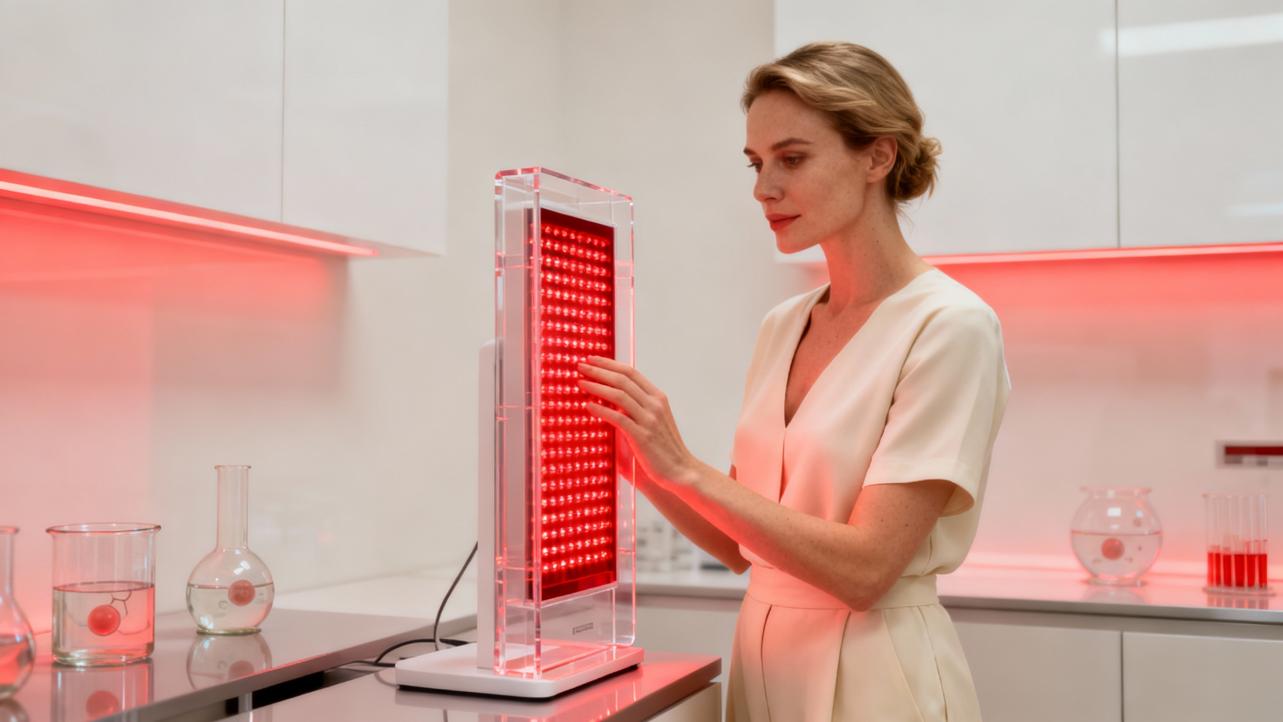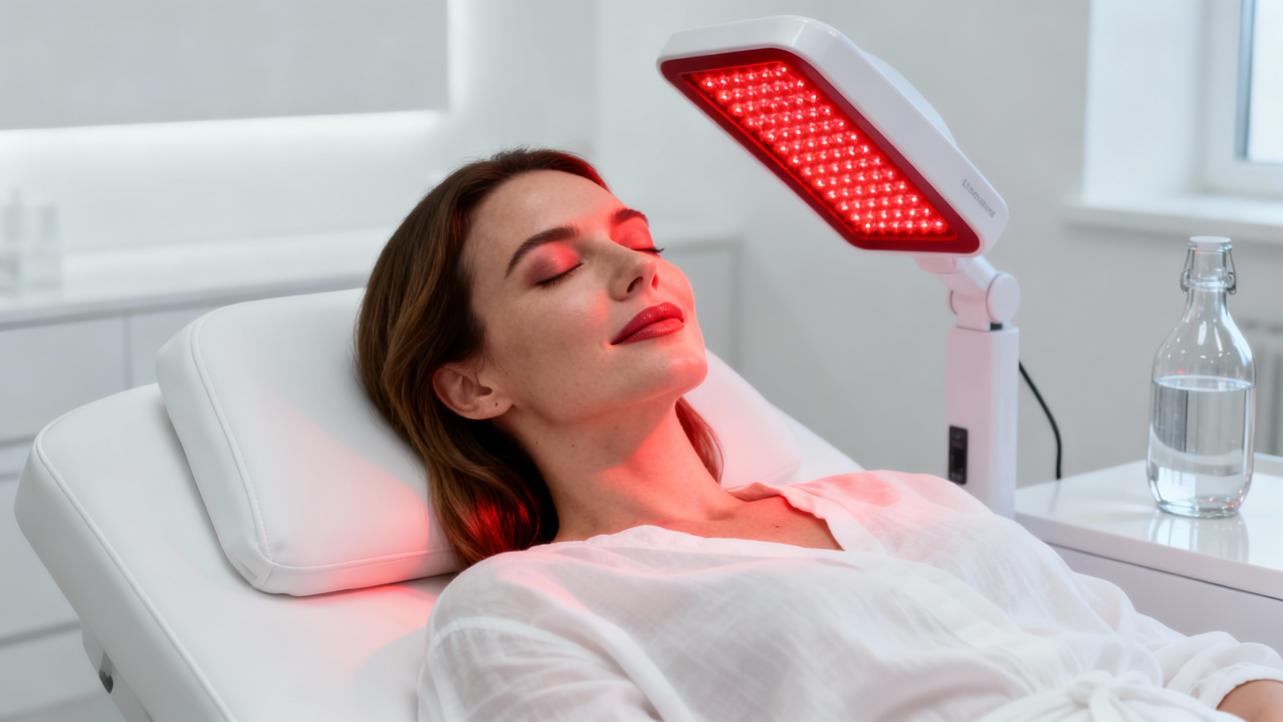

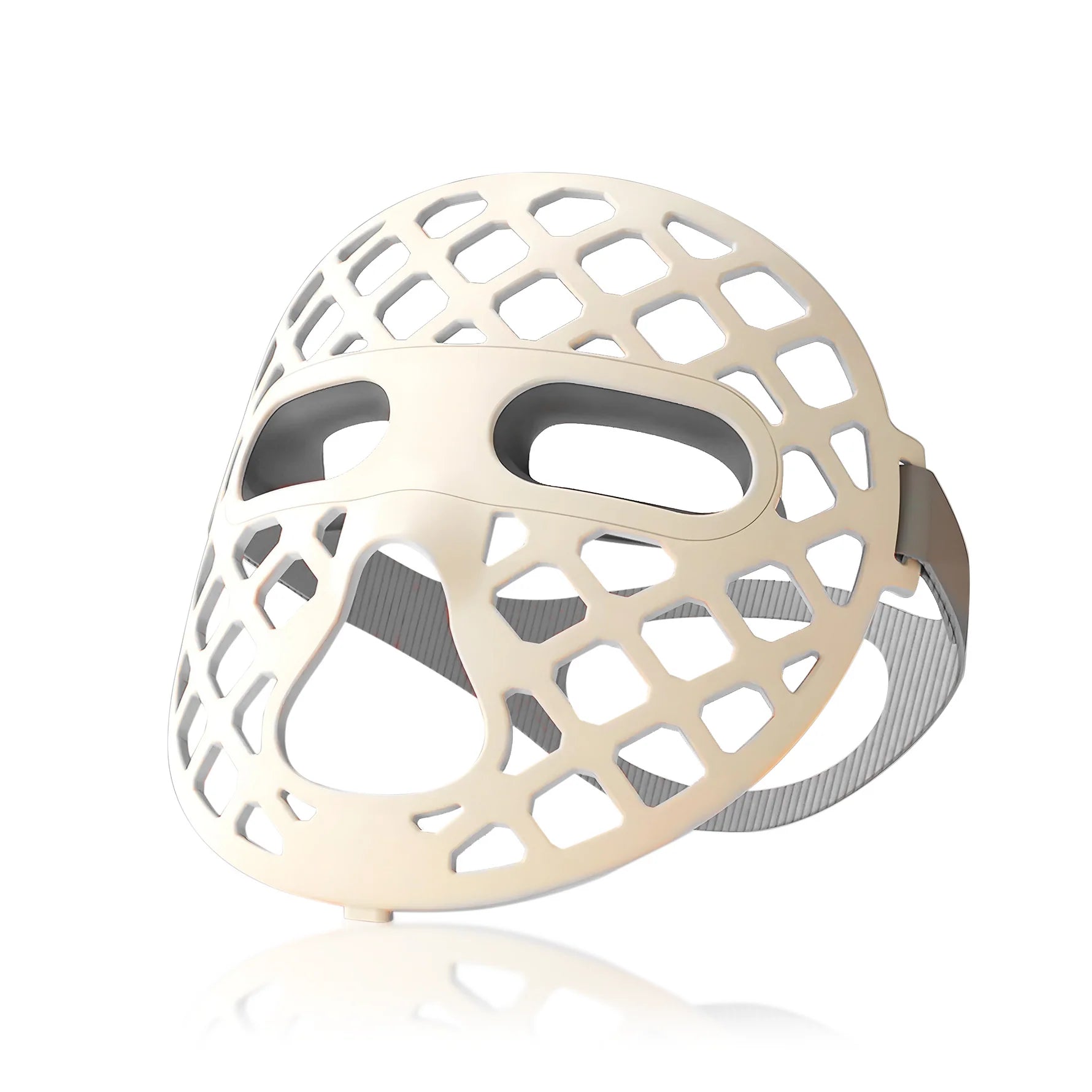
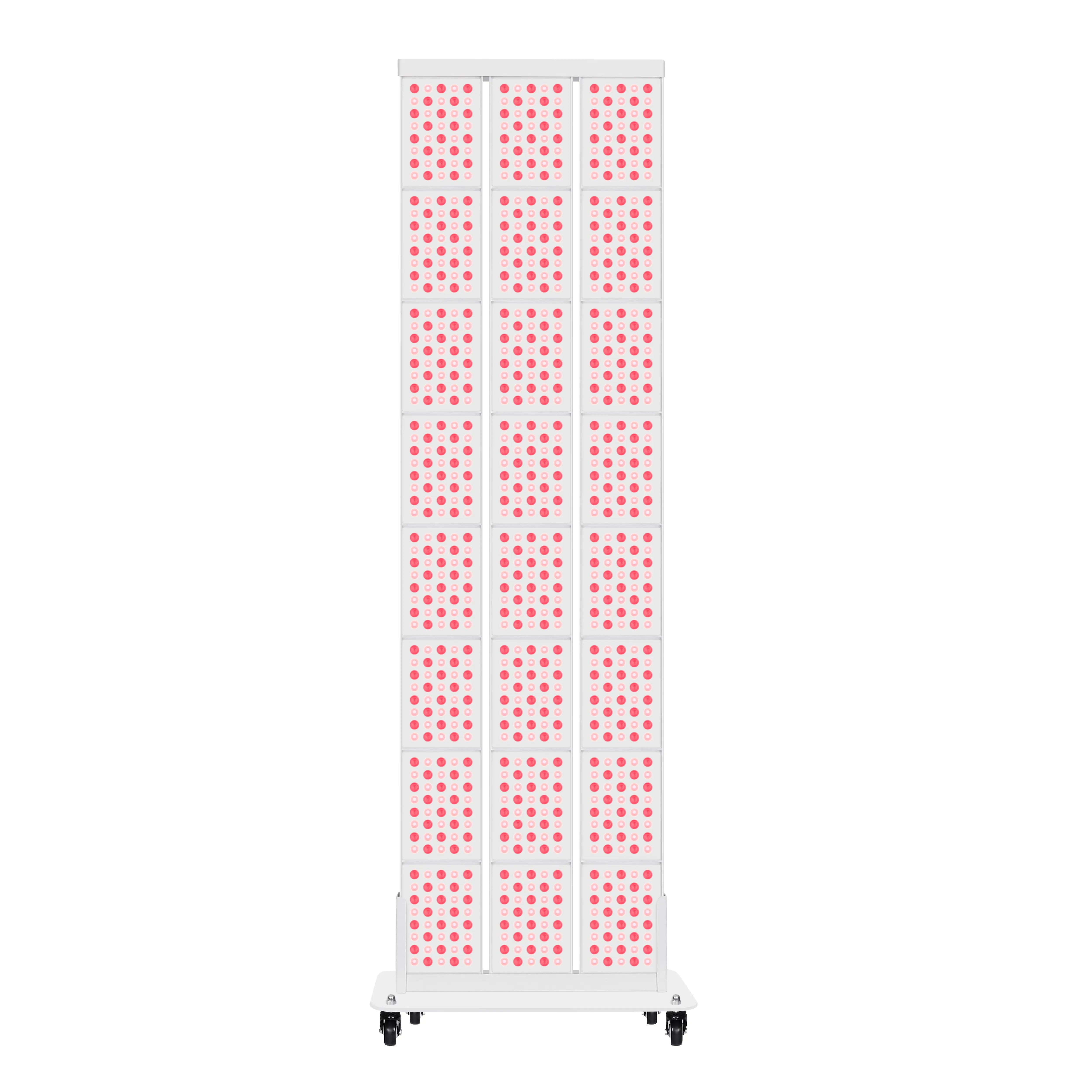

Why A Light Therapy Geek Cares About Dollars And Data
When I first started experimenting with red and near‑infrared light more than a decade ago, I was obsessed with recovery, energy, and skin. Only later did I start asking a harder question: can this actually bend the healthcare cost curve, or is it just another shiny wellness toy?
To answer that, you have to look at more than “I feel better.” You need mechanisms, clinical outcomes, pricing realities, and how all of that interacts with drugs, office visits, and long‑term complications.
In this article, I will walk through what red light therapy actually does, where the science is strong versus speculative, and then translate that into cost dynamics for individuals, clinics, and even insurers. The goal is simple: if you are a serious home wellness optimizer or a clinic owner, you should be able to decide when red light therapy is a smart investment and when it is likely to be a money sink.

What Red Light Therapy Really Is (And Is Not)
Red light therapy, more formally called photobiomodulation, uses low‑level red and near‑infrared light to influence cellular behavior. Multiple sources, including Cleveland Clinic, University Hospitals and a 2023 PubMed Central review, describe the core mechanism the same way:
Specific wavelengths in the visible red and near‑infrared range are absorbed by chromophores inside mitochondria, especially cytochrome c oxidase. This can boost ATP production, modulate reactive oxygen species, and trigger downstream changes in inflammation, blood flow, and tissue repair.
Fuel Health Wellness cites work showing ATP production can increase by roughly a third after appropriate dosing. A comprehensive dermatology review in PubMed Central notes that these non‑thermal doses of red and near‑infrared light support collagen and elastin synthesis, modulate inflammation, and accelerate wound healing and scar remodeling.
Cleveland Clinic and Stanford dermatology both emphasize a crucial point for cost discussions: red light does not use ultraviolet radiation, is generally noninvasive and low risk in the short term, but the evidence is uneven. The best data today are for relatively “local” problems:
Skin and hair: Stanford experts conclude evidence is strongest for regrowing thinning hair and modestly reducing wrinkles. The dermatology review in PubMed Central supports benefits in acne, certain scars, radiation dermatitis, and oral mucositis.
Musculoskeletal pain: A detailed PubMed Central analysis of low‑intensity laser and LED therapy shows consistent pain reduction in non‑specific knee pain, knee osteoarthritis, postoperative pain after hip replacement, and certain neck pain and fibromyalgia protocols, especially when dosing parameters are optimized.
Brain and cognition: Articles from Fringe (summarizing dementia, Parkinson’s and stroke trials) and UCLA Health point to encouraging early data in dementia and in healthy cognitive performance, but these are mostly small studies, and top academic centers still frame this as investigational.
Major hospitals like MD Anderson and Cleveland Clinic are clear: for many systemic claims, including weight loss and broad mental health outcomes, evidence is either weak or not there yet. That matters because it draws a line between areas where red light could realistically substitute for or complement expensive medical care, and areas where it should still be treated as an experimental adjunct.

Where Red Light Therapy Can Shift Healthcare Spending
To understand cost impact, focus on conditions that are both common and expensive: musculoskeletal pain, chronic skin disease and treatment side effects, and long‑term neurologic disorders.
Musculoskeletal Pain And Opioid‑Driven Costs
Musculoskeletal pain is a leading reason for doctor visits and missed work. The PubMed Central review on photobiomodulation and pain emphasizes that light at red and near‑infrared wavelengths can reduce pain intensity across several conditions, often with little to no reported adverse events.
For non‑specific knee pain, a multicenter randomized trial with 86 participants combined standard rehabilitation with 12 sessions of multi‑wavelength red and infrared therapy over four weeks. Pain scores improved by about 50 percent, roughly 15 percent more than the placebo group, and functional gains were maintained 30 days later.
In knee osteoarthritis, a meta‑analysis of 22 trials (over 1,000 participants) found that properly dosed red and near‑infrared therapy reduced pain at the end of treatment and at follow‑ups up to 12 weeks. The benefits were clearest when practitioners used recommended energy doses and wavelengths, suggesting that “cheap but underpowered” protocols may fail not because the modality is useless, but because dosing is wrong.
After total hip arthroplasty, an extreme but very common surgery, one controlled study showed that applying red and infrared light over the incision reduced immediate postoperative pain by 82 percent more than placebo and appeared to modulate inflammatory markers. The authors highlighted a likely reduction in analgesic medication needs.
Why does this matter financially? Chronic pain management is expensive not only because of office visits and physical therapy, but because of long‑term dependence on non‑steroidal anti‑inflammatory drugs and opioids. The pain‑focused review notes that appropriate photobiomodulation was associated with decreased use of these drugs. That is a huge lever: opioids carry extensive side effects and downstream costs, and, as the authors note, had become a default strategy despite significant risks.
From a veteran optimizer’s lens, this is one of the clearest areas where red light therapy can meaningfully shift spending: if you take a condition usually managed with repeated prescriptions and frequent visits, and you replace part of that burden with a non‑drug modality that has very low side‑effect costs, the long‑term financial arc changes.
A simple example illustrates the logic. NeuropaCalm, writing about peripheral neuropathy, estimates out‑of‑pocket neuropathy medication costs at about $150 per month. That is $1,800 per year, and around $9,000 over five years, not counting co‑pays or extra office visits. They then describe a near‑infrared device, designed to last three to five years, whose one‑time price is comparable to a few months of prescriptions and whose effective cost falls below $1 per treatment within the first year when used consistently.
Different condition, similar dynamic: trade an endless monthly bill plus side‑effects for a front‑loaded equipment cost plus your time and discipline. If the device actually delivers the pain and function improvements seen in the clinical trials for musculoskeletal conditions, that can be a sensible cost‑optimization move.
The caution is obvious: results are not universal, and dosing matters. University Hospitals and MD Anderson both stress that while red light therapy shows promise for musculoskeletal pain, it is not a cure for structural problems like torn ligaments, and dose and protocol still lack gold‑standard standardization. However, even moderate reductions in pain and drug reliance can be financially meaningful over years.
Skin Disease, Phototherapy, And Hidden Travel Costs
Dermatology is another arena where light‑based care already has a clear economic footprint. Psoriasis, eczema, acne, and radiation‑related skin damage drive substantial spending on topicals, biologic drugs, and office visits.
Traditional phototherapy, such as narrowband UVB, is firmly established for psoriasis. Lumi Visage outlines the financials: clinic‑based light therapy typically costs $50 to $150 per session, with a standard course of 20 to 30 treatments. That works out to roughly $1,000 to $4,500 for a course of care, plus additional costs for consultations and adjunct medications.
At‑home phototherapy and LED devices span about $100 to $3,000 upfront, according to the same source, with annual maintenance like replacement bulbs or parts in the $50 to $200 range. On paper, a well‑chosen home unit can pay for itself within one or two full courses of clinic treatment, especially when disease is chronic and flare‑prone.
Lumi Visage also highlights the “soft costs” that rarely show up in a financial spreadsheet: travel time, gas or parking, and time off work for two or three visits per week over several months. For 30 visits, even one hour door‑to‑door per visit represents 30 hours of time, which for many people is several days of lost productivity.
Red light therapy sits within this same photobiomodulation and phototherapy ecosystem. A large dermatology review in PubMed Central describes solid evidence for red and near‑infrared light in radiation dermatitis and oral mucositis, with high‑level evidence that it reduces severity and pain of these complications in oncology patients. For acne and certain chronic ulcers, the data are encouraging but more heterogeneous.
Clinically, Cleveland Clinic notes that low‑level red light is already a standard part of photodynamic therapy for certain precancerous and superficial skin cancers, but that red light alone will not destroy skin cancer. For cosmetic uses like wrinkles and sun damage, they regard results as promising but still based on relatively small studies.
From a cost standpoint, if you are someone who already qualifies for medically necessary light therapy, the most immediate economic question is whether to accept frequent in‑office sessions that may be partially covered by insurance, or invest in an at‑home device that offers convenience and lower marginal cost per treatment. For psoriasis specifically, Lumi Visage’s numbers show that for long‑term, frequent users, at‑home solutions in the $500 to $3,000 range can undercut the multi‑course clinic model over time, especially once you factor in travel and missed work.
When we layer in red light therapy’s profile for radiation dermatitis and oral mucositis, an interesting societal cost play emerges. These treatment complications are painful, often require extra clinic visits and drugs, and can even lead to treatment interruptions. If red and near‑infrared therapy continues to show protective effects, the savings in avoided complications and hospitalizations could be substantial. That is more of a hospital and insurer ROI question than an individual consumer one, but it illustrates that the “cheap LED panel” narrative is only a small part of the cost picture.
Brain Health: Huge Potential Costs, Early‑Stage Evidence
Brain disorders are now the second leading cause of death worldwide, accounting for an estimated nine million deaths annually, according to the Fringe summary on light therapy for brain health. They include neurodegenerative diseases, autoimmune conditions, stroke, injuries, and psychiatric disorders. Their economic impact is massive: long‑term care, caregiving burden, lost productivity, and repeated hospitalizations.
Red and near‑infrared therapy looks attractive here because many brain disorders share mitochondrial dysfunction, oxidative stress, and neuroinflammation. Fringe reports that near‑infrared light applied to the head and sometimes the gut has improved cognition in early dementia trials, with all ten studies in a 2021 review showing positive clinical outcomes despite mixed methodological quality. Parkinson’s disease trials have reported improvements in balance, motor skills, and cognition after at‑home near‑infrared protocols.
UCLA Health describes small dementia studies where daily or near‑daily headset treatments for eight weeks improved cognitive scores without significant side effects. At the same time, Stanford dermatology cautions that more speculative uses of red light, including dementia treatment, still lack scientifically validated clinical results.
At this stage, any claim that red light therapy is reducing healthcare costs in dementia or stroke care would be overstated. The evidence is too early, and devices for brain applications tend to be specialized and relatively expensive. What you can reasonably say is that the mechanism targets pathways that drive enormous long‑term costs, and small trials show enough signal that insurers and health systems should be watching this space closely.
For a home biohacker, brain‑directed devices are still in the “early adopter” category: you are paying mostly out of pocket for a therapy that may or may not move the needle for your specific condition. That can be an acceptable risk if you understand the uncertainty and you are stacking it alongside standard care, not replacing it. From a cost‑optimization perspective, though, this is more speculative than musculoskeletal pain or skin disease.

The Real Price Tag: Sessions, Devices, And Business Models
Once you know where red light therapy is clinically promising, you have to decide how to pay for it. That means understanding the economics of in‑clinic sessions, home devices, and, if you run a clinic, capital investments like beds and pods.
What Individuals Actually Pay Today
Multiple sources converge on a similar price range for clinic‑based red light therapy in North America. Haven of Heat notes that professional sessions typically cost $25 to $85 each in clinics or spas, with high‑end locations charging more. BlockBlueLight describes a broader band of $50 to $200 per session, especially for premium full‑body services.
Lumi Visage’s breakdown for psoriasis light therapy is narrower but very specific: $50 to $150 per session, with 20 to 30 sessions per course, yielding total treatment costs of around $1,000 to $4,500.
In musculoskeletal and wellness settings, sessions are often packaged. Hue Light’s business guide reports that clinics commonly price red light sessions at about $75 to $125 per half hour, with sessions themselves lasting 10 to 20 minutes. One physical therapy practice highlighted in that guide added roughly $200,000 in revenue in its first year after introducing red light therapy as a service.
To bring that to ground level, imagine you are paying $75 per session for a twice‑weekly protocol over 12 weeks, a pattern that is well within what Cleveland Clinic describes as common for red light therapy. That is 24 sessions at $75, or $1,800 for the initial course, with additional maintenance sessions likely if you are managing a chronic issue. At $100 per session, the same protocol costs $2,400.
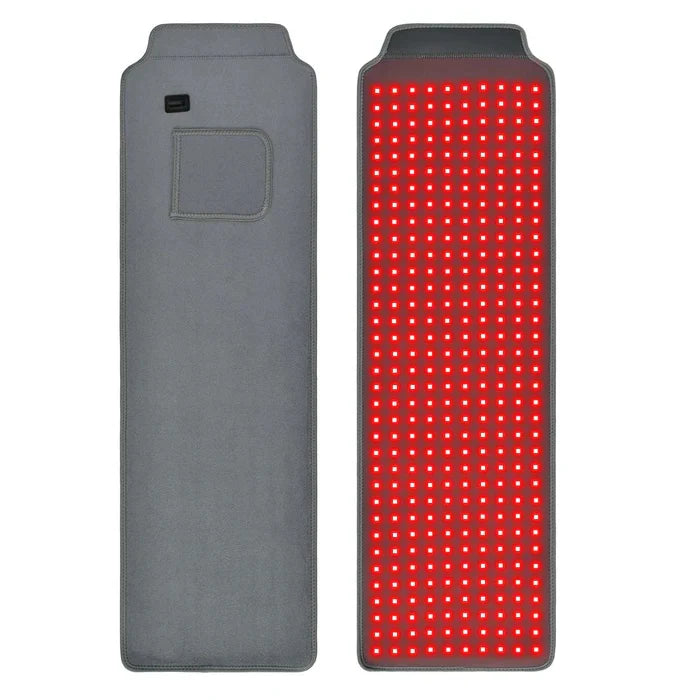
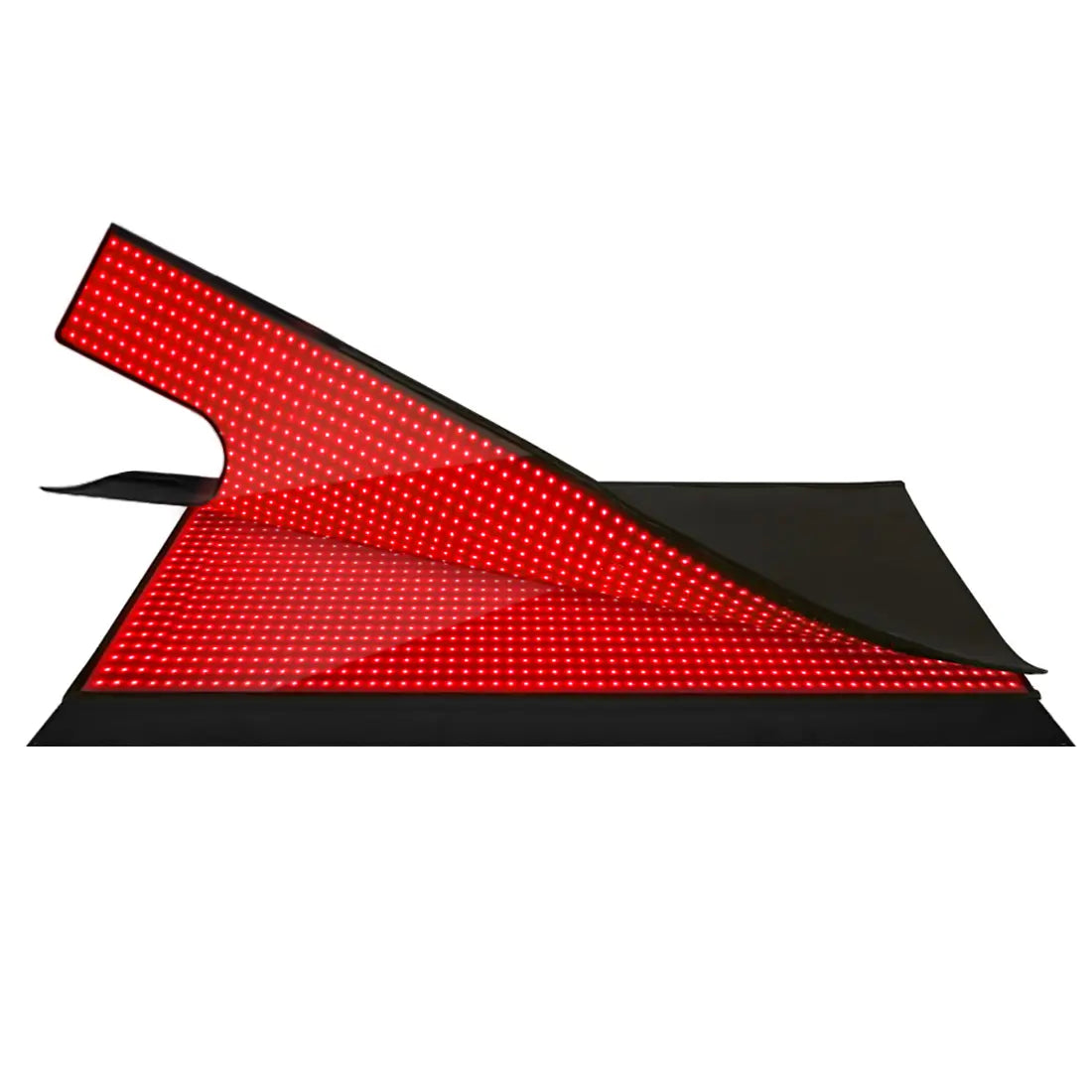
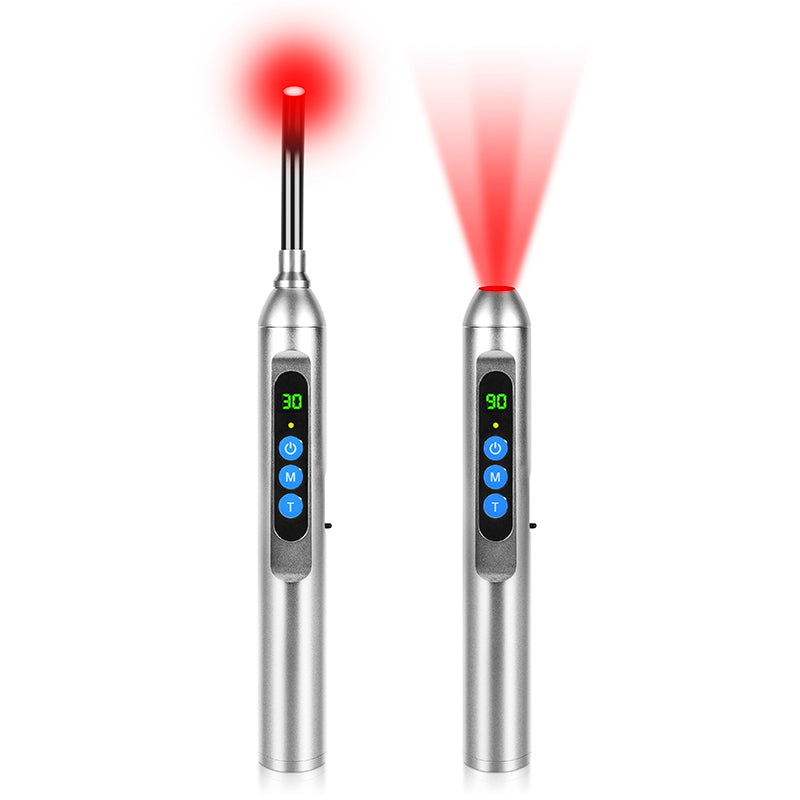
Now compare that with device pricing. Haven of Heat lists handheld, localized home devices at about $50 to $300 and larger full‑body panels at roughly $500 to $2,000. Crates Health, in an article on HSA and FSA eligibility, notes that at‑home red light panels typically run from about $300 up to several thousand dollars, while studio sessions are often $50 to $100 each, with a year of weekly visits easily exceeding $2,500.
BlockBlueLight describes small panels priced such that the upfront cost is less than about three weeks of $40 sessions, which they estimate at roughly $480, implying that the device pays for itself rapidly if you were otherwise going to attend regular clinic sessions.
You can see the pattern. If you respond to red light therapy and plan to use it weekly or multiple times per week for months, home devices rapidly undercut recurring clinic charges. The breakeven point is easy to approximate. A $1,000 panel, which sits in the middle of the $500 to $2,000 range Haven of Heat describes for full‑body devices, will cost you the equivalent of 40 sessions at $25, 20 sessions at $50, or 10 sessions at $100. Many chronic pain and skin protocols involve more than that over a year.
The risk is that a panel you rarely use has infinite cost per effective session. The economic upside only materializes if you actually integrate it into your weekly routine, which is why I always tell clients to be brutally honest about adherence before spending four figures on hardware.
For Clinics And Gyms: Capital Cost Versus Revenue
If you run a physical therapy clinic, chiropractic practice, med spa, or high‑end gym, the math looks different. Hue Light’s business guide and ShapeScale’s overview of full‑body pods illustrate the typical ranges.
A high‑quality red light therapy bed, with a tanning‑bed‑style enclosure and full‑body LED arrays, can start around $90,000. Commercial‑grade panel configurations may cost roughly half that. A brand‑new dedicated wellness facility offering red light alongside other services may require $100,000 to $300,000 in build‑out and equipment.
On the revenue side, sessions are typically priced at $75 to $125 for around 10 to 20 minutes of light, packaged into memberships, bundles, or recovery plans. Hue Light’s case study of a single physical therapy practice adding $200,000 in revenue in the first year suggests that, in the right market, these devices can pay for themselves relatively quickly.
There are also indirect benefits: red light pods and panels allow clinics to expand into new patient segments like athletic recovery and aesthetics; ShapeScale’s guide notes applications ranging from skin rejuvenation and pain management to holistic wellness and sleep support. That diversification can make the practice more resilient.
From a cost‑of‑care perspective, clinics that use red light therapy as a documented adjunct for pain, arthritis, or post‑surgical recovery may reduce patient reliance on opioids and NSAIDs, potentially lowering complication rates and follow‑up visits. Although exact numbers are not yet quantified in large health‑system studies, the musculoskeletal pain evidence and NeuropaCalm’s neuropathy calculations show the direction of travel.
If you are a provider, though, you should not assume that any LED bed will instantly create an extra six figures in profit. ROI depends on matching equipment choice to your patient base, dosing protocols aligned with published trials, and thoughtful pricing and packaging.

Indirect Cost Levers: Time, Side Effects, Insurance, And Taxes
Red light therapy’s cost profile is not just about sticker price. There are several indirect levers that matter as much as the device itself.
Time, Travel, And Adherence
Frequent in‑clinic sessions carry real opportunity costs. Lumi Visage’s psoriasis example of 20 to 30 clinic visits per treatment course becomes far more burdensome when you account for commuting and waiting time. Even at the lower end of twice‑weekly visits for six weeks, you are looking at a dozen trips, which can be hard to integrate alongside work and family.
Restore’s description of red light therapy sessions in a wellness studio illustrates the structure: private room, panels on both sides, about 10 to 15 minutes per session. That seems trivial, but once you add travel and scheduling, a “15‑minute session” often turns into an hour out of your day. For many people, that is a bigger barrier than the session fee itself.
Home devices flip that equation. Once the hardware is in your living room or office, you can stack sessions onto existing habits: standing in front of a panel while you read in the evening or doing full‑body exposure after a workout. That massively reduces time cost and typically improves adherence, which is what turns theoretical clinical benefits into real‑world outcomes.
Medication Side Effects And Downstream Costs
The pain‑focused photobiomodulation review emphasizes that appropriate red and near‑infrared protocols reduced the use of NSAIDs and opioids in conditions like knee osteoarthritis, chronic neck pain, and postoperative hip pain. The authors go as far as suggesting that light‑based therapy could be “ideally suited” as an alternative for future pain treatments because of its non‑invasive, drug‑free, side‑effect‑sparing profile.
NeuropaCalm’s neuropathy article expands on the indirect cost dimension. They note that poorly controlled neuropathy can eventually lead to limb amputations costing roughly $20,000 to $70,000 per surgery in the United States, excluding prosthetics and rehabilitation, and claim that about half of patients with peripheral neuropathy eventually require amputation. They argue that near‑infrared therapy that restores nerve function could reduce fall risk, medication burden, and the cascade of complications that often ends in surgery.
None of this means red light therapy eliminates the need for drugs or complex procedures. It does mean that a non‑pharmacologic modality with minimal side effects can be a valuable component in a multimodal strategy that reduces the long‑term cost burden of chronic pain and neuropathy, provided that it is used as part of a coherent treatment plan and not as a stand‑alone miracle fix.
Insurance, HSA/FSA Eligibility, And Regulatory Status
One reason red light therapy feels expensive is that most people pay out of pocket. Cleveland Clinic notes that red light therapy is usually not covered by health insurance, especially when used for cosmetic purposes, and that it typically requires ongoing sessions, leading to significant out‑of‑pocket costs.
There is, however, a meaningful tax‑advantaged angle. Crates Health explains that red light therapy can be eligible for payment with Health Savings Accounts and Flexible Spending Accounts when it is prescribed to prevent or treat a diagnosed medical condition. The key is a Letter of Medical Necessity from a qualified provider that spells out the diagnosis, wavelength category and dosing strategy, frequency and duration of use, and the provider’s credentials.
Crates offers concrete examples. At a 30 percent marginal tax rate, using pre‑tax dollars to pay for 50 studio sessions at $75 each, or $3,750 total, can save about $1,125 compared with using post‑tax funds. For a $2,000 at‑home device, HSA or FSA funds can reduce the effective cost by around $600.
On the regulatory side, Fuel Health notes that many red light devices are cleared by the U.S. Food and Drug Administration as Class II medical devices, meaning their safety has been evaluated for specific uses such as temporary pain relief. UCLA Health and Stanford both emphasize that “FDA‑cleared” is not the same as “proven highly effective,” and that device output, wavelength, and dose vary dramatically across consumer gadgets.
From a cost‑optimization standpoint, you want three things: a device or provider that uses parameters close to those in the strongest clinical trials, a legitimate medical use that can be documented for HSA or FSA purposes when appropriate, and clear expectations about what is and is not yet evidence‑based. That combination lets you leverage tax savings and avoid paying premium prices for underpowered gear or exaggerated claims.

Putting It Together: When Red Light Therapy Truly Saves Money
If you synthesize the mechanistic data, clinical trials, and cost structures, a few patterns emerge.
Red light therapy has the clearest cost‑saving potential when three conditions are met.
First, you are dealing with a problem where there is decent evidence that photobiomodulation helps: chronic musculoskeletal pain, some post‑surgical pain, certain dermatologic problems, and oncology‑related skin and mucosal complications. The PubMed Central musculoskeletal review, dermatology review, and hospital summaries from Cleveland Clinic, MD Anderson, UCLA and University Hospitals all converge on these as the highest‑confidence zones today.
Second, the baseline cost of conventional care is high and ongoing. Examples include neuropathy medications in the hundreds of dollars per month, psoriasis phototherapy courses costing thousands of dollars, or frequent physical therapy visits accompanied by chronic NSAID and opioid use. NeuropaCalm’s calculation of $9,000 in neuropathy drug costs over five years, and Lumi Visage’s $1,000 to $4,500 per course for clinic light therapy, are representative.
Third, you either have access to appropriately dosed, reasonably priced in‑clinic sessions or you are willing to commit to consistent, long‑term use of a home device. Haven of Heat’s cost range of $50 to $300 for targeted devices and $500 to $2,000 for full‑body panels, along with Crates’ note that home panels often sit in the $300 to several‑thousand‑dollar band, show how quickly equipment can pay for itself relative to $75 to $100 sessions if and only if you use it regularly.
Consider a straightforward scenario. You have chronic knee osteoarthritis pain and are already investing in physical therapy and intermittent NSAIDs. A clinician familiar with the photobiomodulation literature adds a properly dosed red light protocol, either via clinic sessions at roughly $75 per visit or via a vetted home panel in the low four‑figure range.
If the added light therapy reduces your pain by the roughly 30 to 50 percent seen in higher‑quality studies, you might avoid escalation to stronger analgesics, reduce the number of PT visits needed for flare control, and defer or avoid other interventions. Over several years, that shift can offset the device or session costs, while also reducing your personal burden of side effects.
On the other hand, if you are a healthy person chasing marginal performance or aesthetic gains that Stanford dermatology explicitly says lack strong data, paying thousands of dollars for a bed or endless spa visits is unlikely to be a rational cost‑savings play. In that case, a modest, well‑chosen home device in the mid‑hundreds of dollars used consistently, with expectations set around subtle rather than dramatic results, is a more defensible optimization.
For clinics and wellness businesses, the calculus is dominated by revenue potential and clinical alignment. A $90,000 red light bed can be a poor investment if your market is small, your pricing is low, or your staff are not trained to use parameters consistent with the literature. It can also be a fantastic one if you are in a community where wellness is a high priority, as Hue Light’s report of a $200,000 revenue increase in a single physical therapy practice demonstrates. The clinical side still matters: the more you can document improvements in pain and function that align with published studies, the stronger your case that you are not just selling glow but delivering medically relevant value.
For insurers and health systems, the biggest potential wins are in areas like radiation dermatitis, oral mucositis, and chronic pain, where high‑level evidence already suggests that red light therapy can reduce the severity of complications or pain intensity with minimal risk. Here, relatively inexpensive LED or laser setups in oncology wards, rehab units, and pain clinics could reduce hospital stays, emergency visits, and drug spend. The research base is strong enough in some of these indications that serious cost‑effectiveness analyses are warranted.
FAQ: Money Questions Light Therapy Geeks Keep Asking
Is clinic‑based red light therapy ever a better financial choice than buying a home device?
Yes, in two situations. The first is when you are dealing with a medically complex condition, such as oncology‑related skin toxicity or severe musculoskeletal injury, where dosing parameters need to be tight and a specialist’s oversight is worth paying for. The second is when you are not yet sure you respond to red light therapy at all. In that case, a time‑limited block of sessions at a reputable clinic can be a smaller, smarter experiment than immediately buying a high‑end panel. If you see a clear, repeatable benefit, then the math often shifts toward home equipment.
Can I realistically expect my insurance to pay for red light therapy?
For cosmetic uses like wrinkle reduction or general wellness, no. Cleveland Clinic and other major centers are clear that these applications are almost entirely out‑of‑pocket. For medical indications, the picture is more nuanced. Lumi Visage notes that traditional phototherapy for psoriasis is often covered when deemed medically necessary, while red light therapy protocols are less consistently recognized. Crates Health points out that using a Health Savings Account or Flexible Spending Account with a proper Letter of Medical Necessity is currently the most reliable way to get tax‑advantaged funding for both sessions and home devices used to treat diagnosed conditions like chronic neck pain, tendinopathy, or osteoarthritis.
How do I avoid wasting money on ineffective red light devices?
Start from the evidence, then work backward to features and price. Look for wavelength ranges and doses that match those used in the stronger trials: for example, knee osteoarthritis studies that used 780 to 860 nanometer light at around four joules per point, or 904 nanometer protocols with at least one joule per point. Prefer devices that disclose power density at realistic treatment distances, and avoid gadgets that hide their specs behind marketing language. Aim for FDA‑cleared equipment when possible, understanding that clearance means the device is considered low risk, not that all of its claimed benefits are guaranteed. Finally, be honest about how often you will use it. The best device for cost savings is the one you will actually stand in front of three to five times per week over many months, not the one that looks most impressive in your home gym.
Red light therapy is not a magic bullet, but when you put it where the science is strongest and align it with how you actually live, it can be both a powerful health tool and a smart financial move. As a long‑time light therapy geek, my advice is simple: respect the data, respect your own behavior patterns, and let the numbers on both outcomes and dollars guide how big a role red light plays in your personal or professional wellness ecosystem.
References
- https://pmc.ncbi.nlm.nih.gov/articles/PMC11049838/
- https://med.stanford.edu/news/insights/2025/02/red-light-therapy-skin-hair-medical-clinics.html
- https://www.mainlinehealth.org/blog/what-is-red-light-therapy
- https://www.mdanderson.org/cancerwise/what-is-red-light-therapy.h00-159701490.html
- https://my.clevelandclinic.org/health/articles/22114-red-light-therapy
- https://mcpress.mayoclinic.org/women-health/led-face-masks-skip-save-or-splurge/
- https://www.uclahealth.org/news/article/5-health-benefits-red-light-therapy
- https://www.uhhospitals.org/blog/articles/2025/06/what-you-should-know-about-red-light-therapy
- https://fuelhealthwellness.com/red-light-therapy-key-aspects-guide/
- https://www.grandviewresearch.com/industry-analysis/us-red-light-therapy-beds-market-report