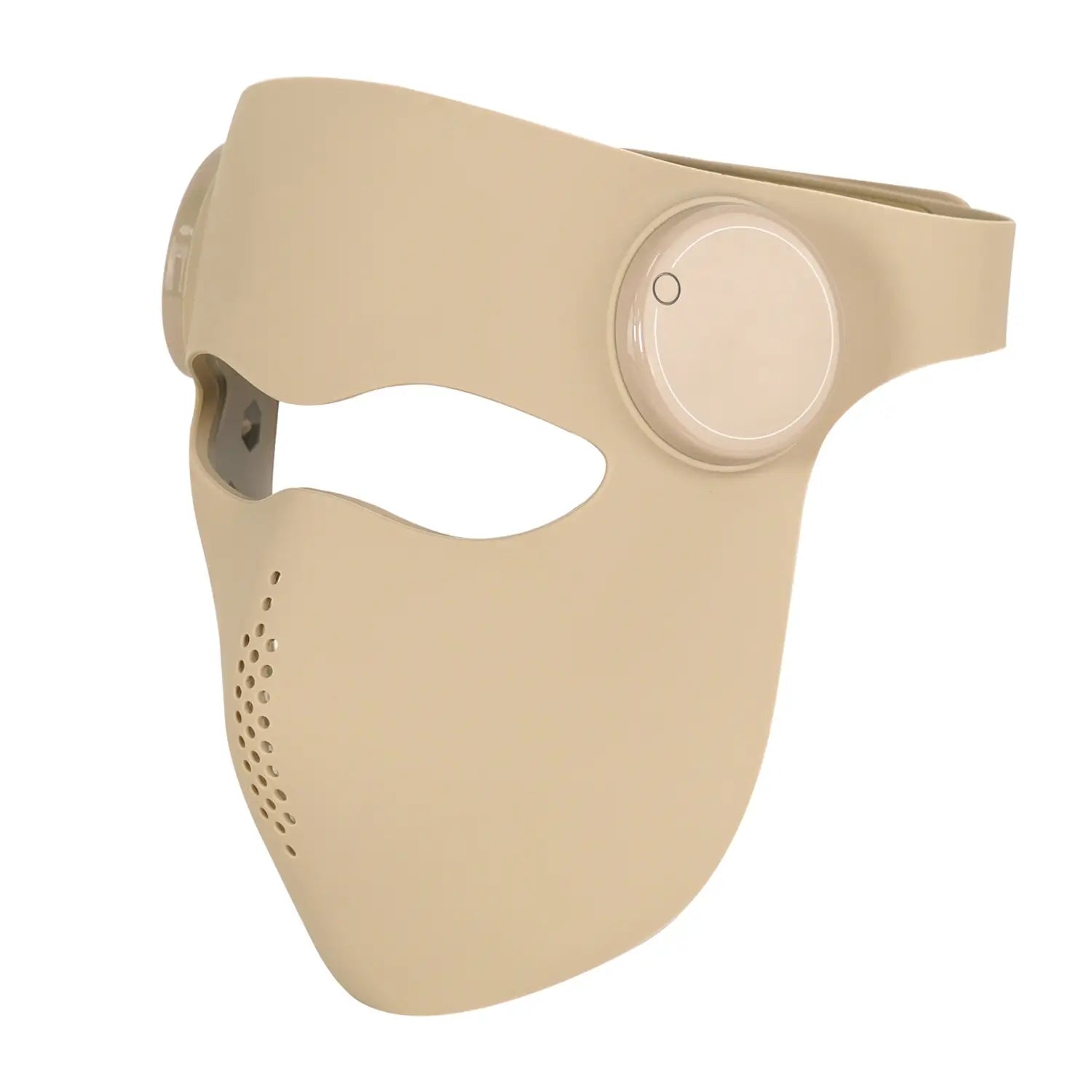
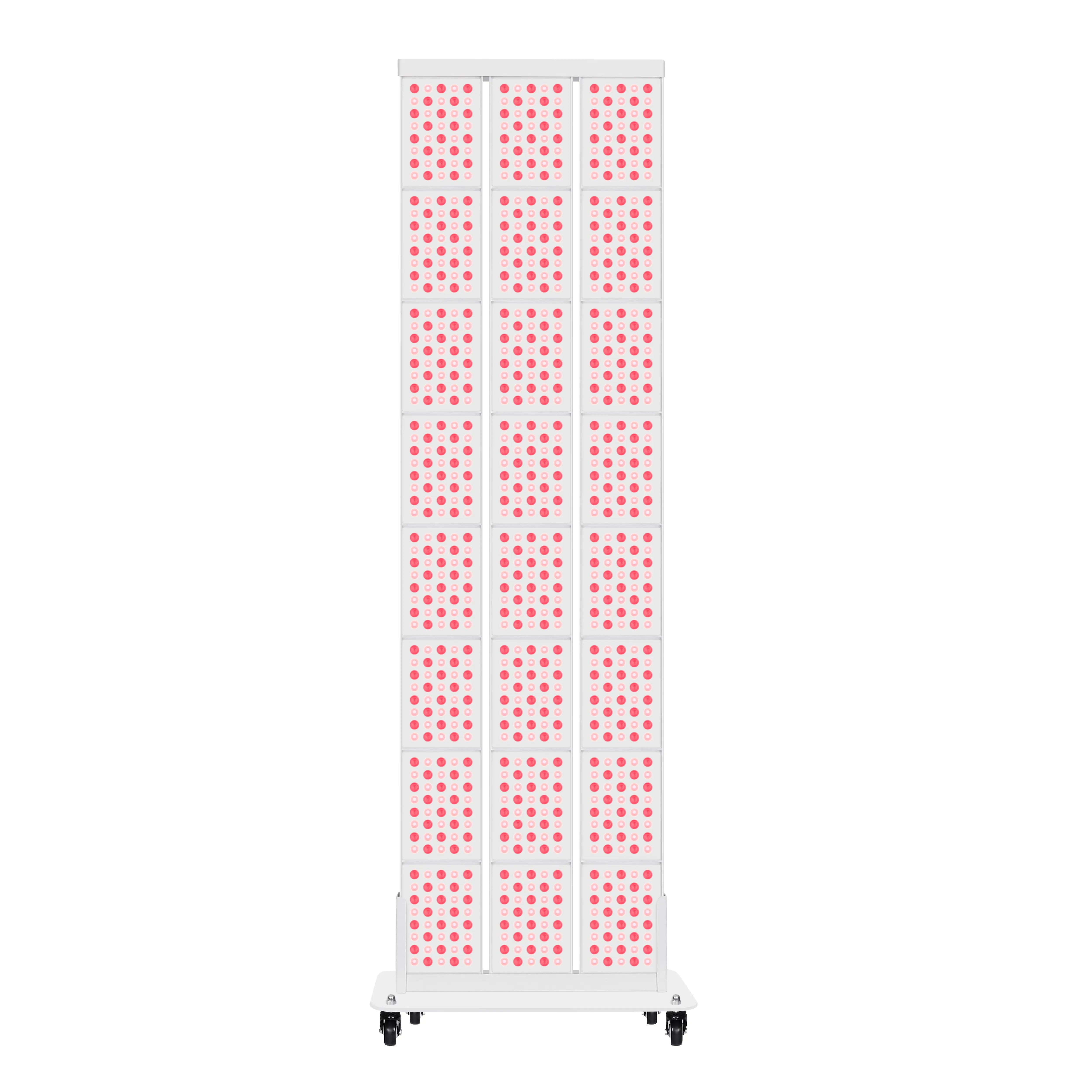
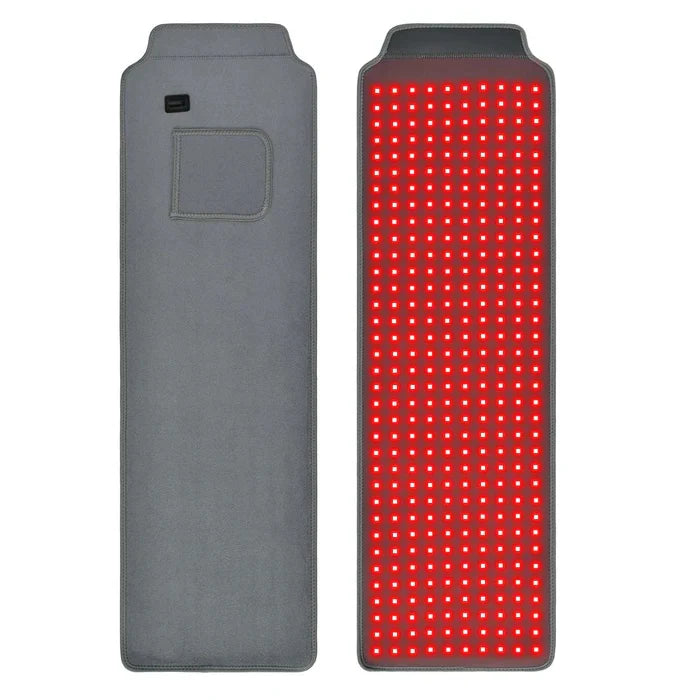
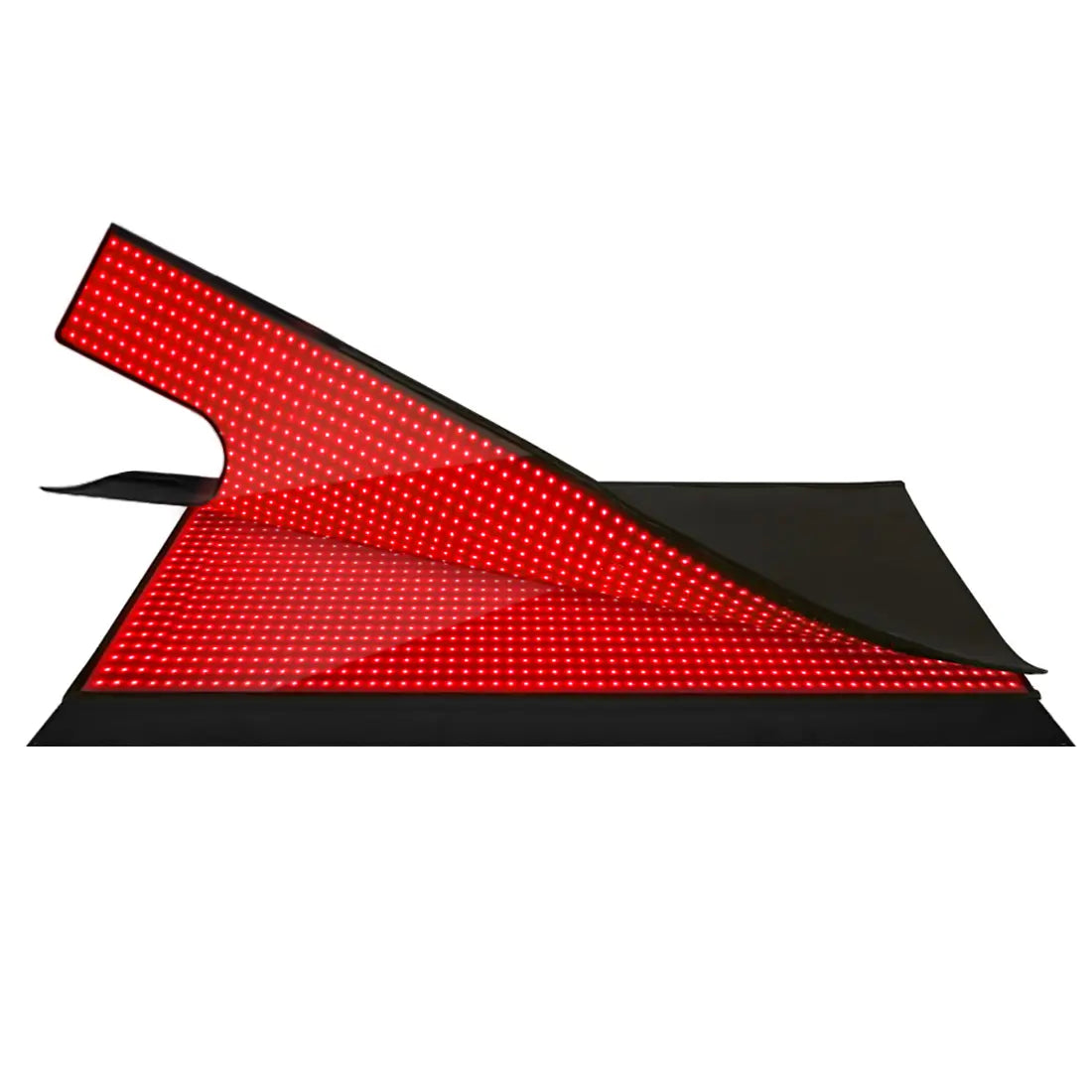
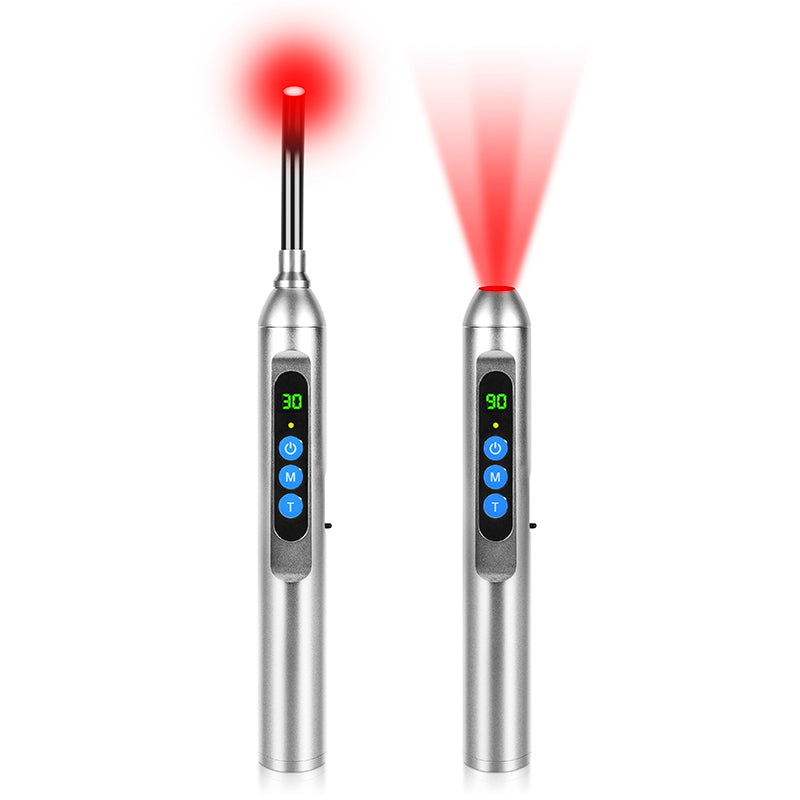

Summary: For skin and early hair loss, red light therapy can be a valuable home tool, but the science is too uneven for it to qualify as “must‑have” medical gear for every household. Treat it as a targeted upgrade, not a miracle machine.
How Red Light Therapy Actually Works
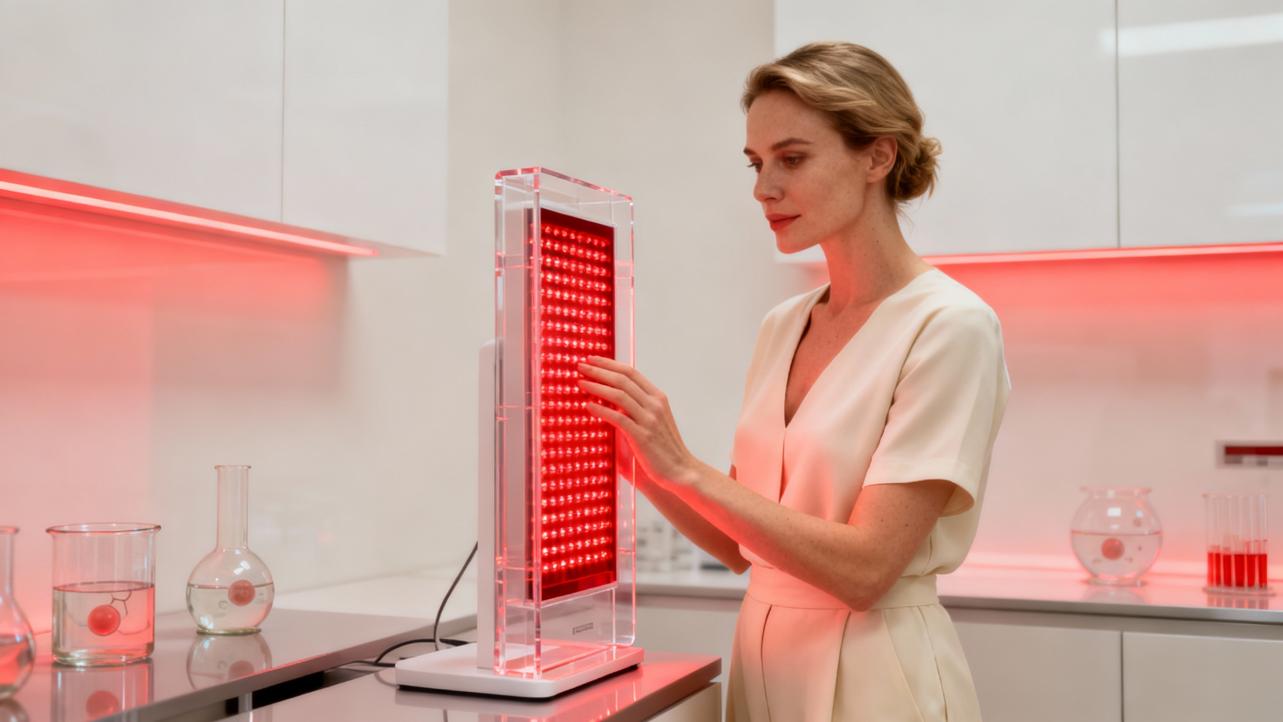
Red light therapy is photobiomodulation: specific red and near‑infrared wavelengths nudge cell biology rather than burn or cut tissue.
Molecules in your mitochondria absorb this light, slightly boosting ATP production, nitric oxide, and blood flow. That cascade can up‑regulate repair signals, calm inflammation, and stimulate collagen in skin.
Unlike ultraviolet light, these wavelengths don’t damage DNA. Dermatology and sleep specialists at Stanford, Cleveland Clinic, and Brown Health all frame it as generally low risk when used correctly, but emphasize a key point: FDA clearance mostly speaks to safety for a narrow indication, not proof that every marketing claim is real.
Where Evidence Is Strong Enough to Matter at Home
Dermatology and hair are where red light has earned its stripes.
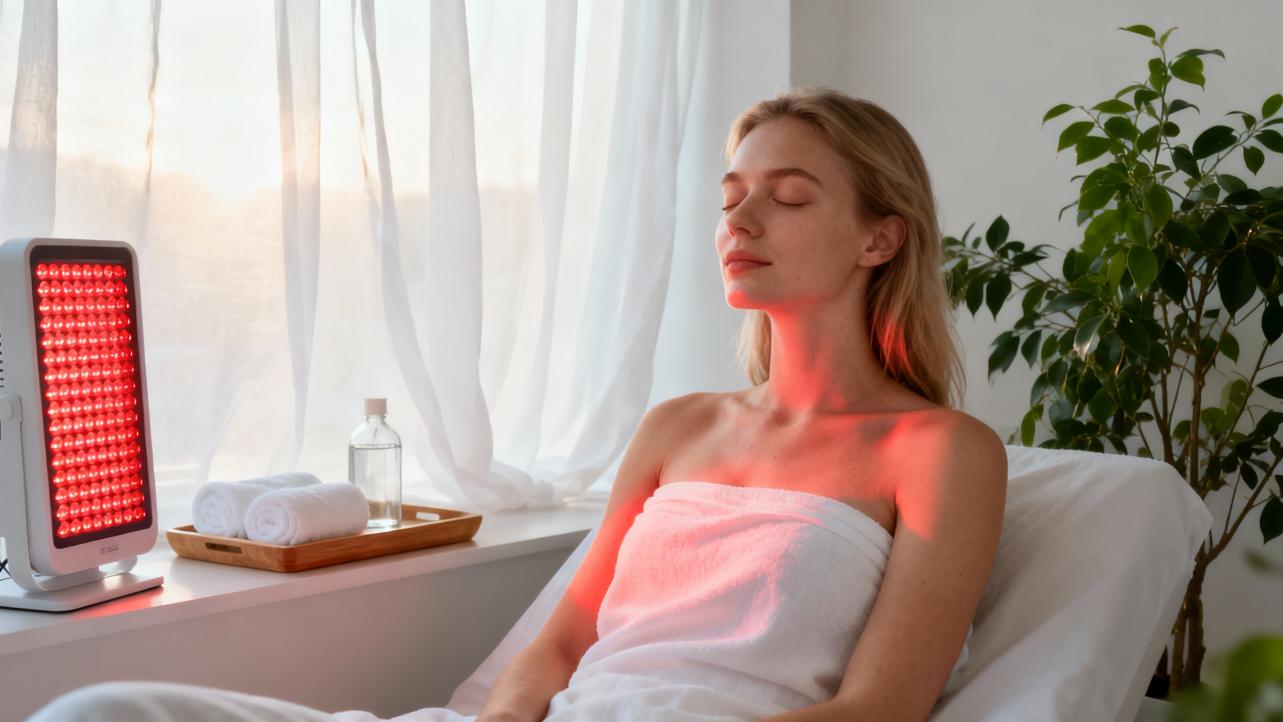
A large controlled trial in over 100 adults found that regular red/near‑infrared sessions reduced skin roughness, increased dermal collagen, and visibly softened wrinkles, with minimal side effects. UCLA Health and Stanford dermatologists now routinely use red light as a non‑ablative option for:
- Mild wrinkle and texture improvement
- Post‑procedure healing support
- Low‑grade inflammatory acne
- Some scars and sun damage
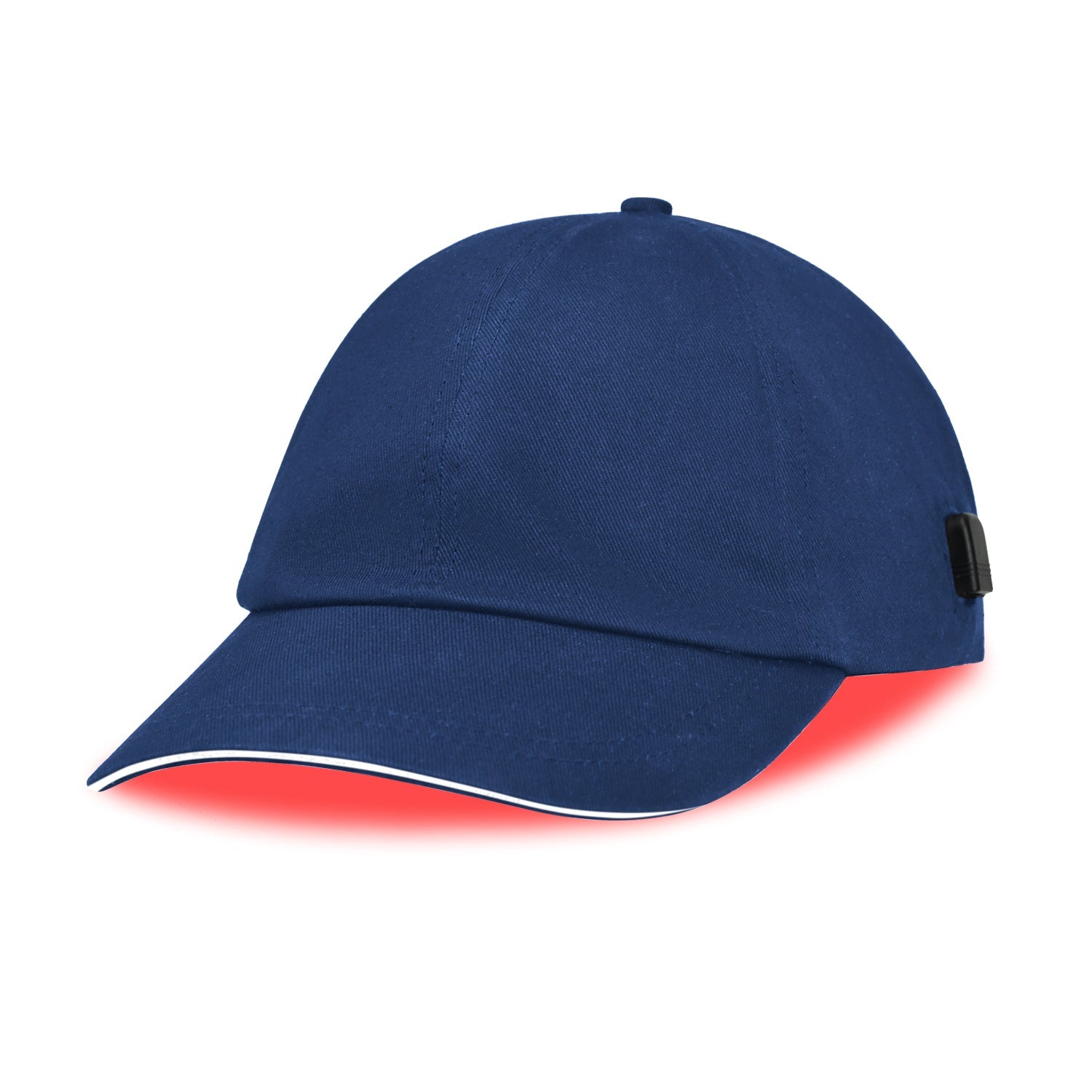
For hair thinning, decades of work—from early animal data to helmet trials showing roughly one‑third more hair growth than placebo—support low‑level red light as a reasonable option for androgenetic hair loss, especially early on. Results stop when you stop treatments, and it won’t resurrect a completely bald scalp.
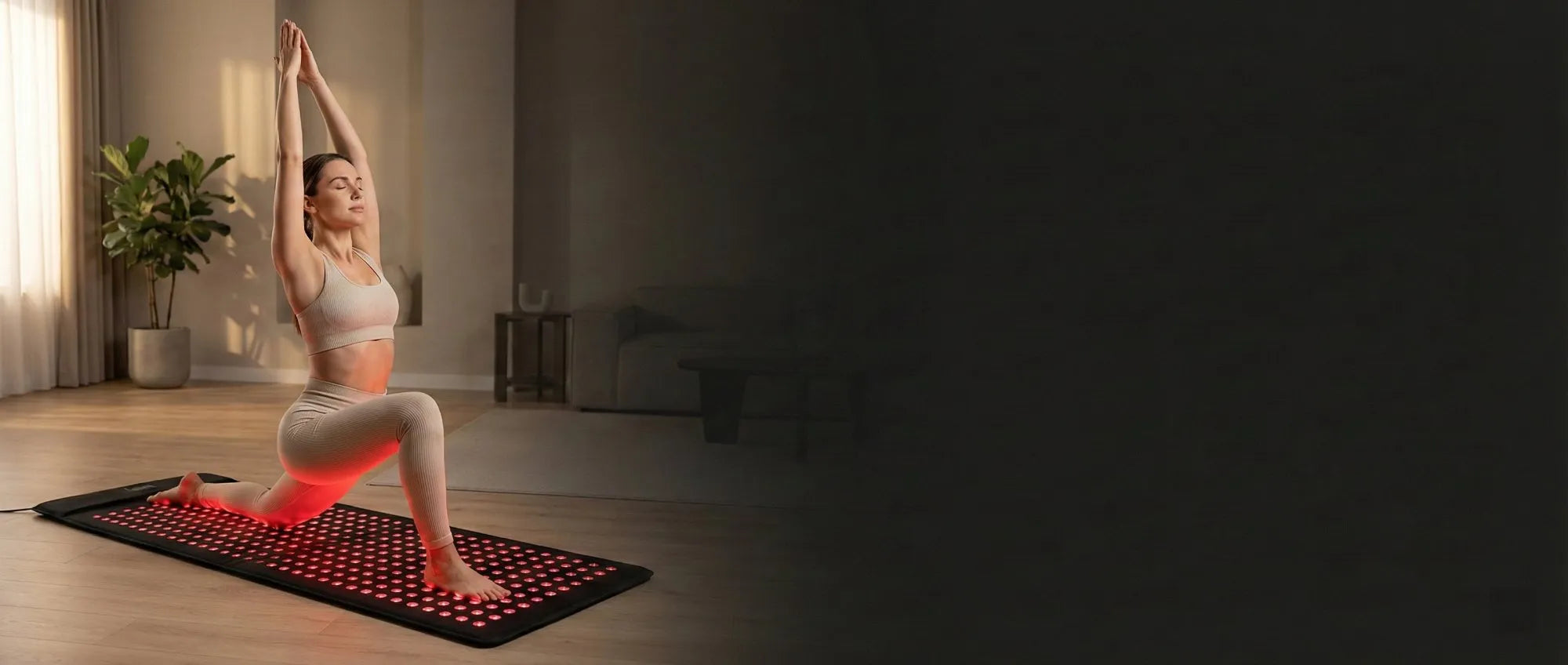
Clinic devices are more powerful and precisely dosed than most home panels or masks, but at‑home gear can still deliver modest, cumulative gains if you’re consistent for months.

Where the Hype Outruns the Science
Once you leave skin and hair, the ground gets shaky.
Stanford sleep and sports medicine experts call evidence for muscle recovery, athletic performance, and generalized “energy” weak or inconsistent. A small trial in elite female basketball players found nightly full‑body red light improved subjective sleep quality and melatonin, yet another controlled study in people with insomnia found pre‑bed red light actually increased anxiety, negative emotions, and sleep fragmentation.
Important nuance: some lab studies show light therapy (including red) improves total sleep time by about half an hour in shift workers, while others link red light at night to more awakenings and worse mood.
For chronic pain, arthritis, dementia, erectile dysfunction, and “systemic anti‑aging,” reviews from News‑Medical, GoodRx, and ZOE all converge on the same verdict: interesting early signals, but small, heterogeneous, often industry‑funded trials with no definitive clinical endpoints. These are research projects, not established home treatments.

Is It Essential Gear? A Veteran Biohacker’s View
After years testing panels, masks, and helmets in my own home lab, I put red light therapy in a “Tier 2 essential” category.
If you’re a generally healthy adult, true essentials are things like a blood pressure cuff, thermometer, basic wound supplies, and maybe a pulse oximeter—tools that change urgent decisions. Red light doesn’t belong in that tier.
It does make sense as near‑essential equipment if:
- You care a lot about long‑term skin quality and are already dialed in on sunscreen, sleep, and nutrition.
- You’re in the early phases of pattern hair loss and willing to commit to months of regular use.
- You have chronic aches where your clinician supports red/near‑infrared as an adjunct—not a replacement—for proven treatments.
Before you spend 1,500.00 on a device, run this quick checklist:
- Goal: Is it mainly skin and hair (best evidence) or systemic promises (weak evidence)?
- Device: Prioritize panels/masks using red plus near‑infrared wavelengths, with published irradiance at 6–12 in.
- Dose: Plan on 10–20 minutes per area, 3–5 times per week for at least 8–12 weeks.
- Safety: Protect your eyes, avoid treating over known/suspected cancers, and get medical clearance if pregnant or on photosensitizing meds.
- Budget: Ask whether the same money would move the needle more if invested in sleep environment, strength equipment, or coaching.
If you’ve nailed the fundamentals and want a science‑plausible, low‑risk tool for skin and early hair loss, a well‑chosen red light device can absolutely earn a permanent spot in your home wellness arsenal—just not as your first piece of “medical” equipment.

References
- https://pmc.ncbi.nlm.nih.gov/articles/PMC10484593/
- https://med.stanford.edu/news/insights/2025/02/red-light-therapy-skin-hair-medical-clinics.html
- https://www.sleepfoundation.org/light-therapy
- https://www.brownhealth.org/be-well/red-light-therapy-benefits-safety-and-things-know
- https://my.clevelandclinic.org/health/articles/22114-red-light-therapy