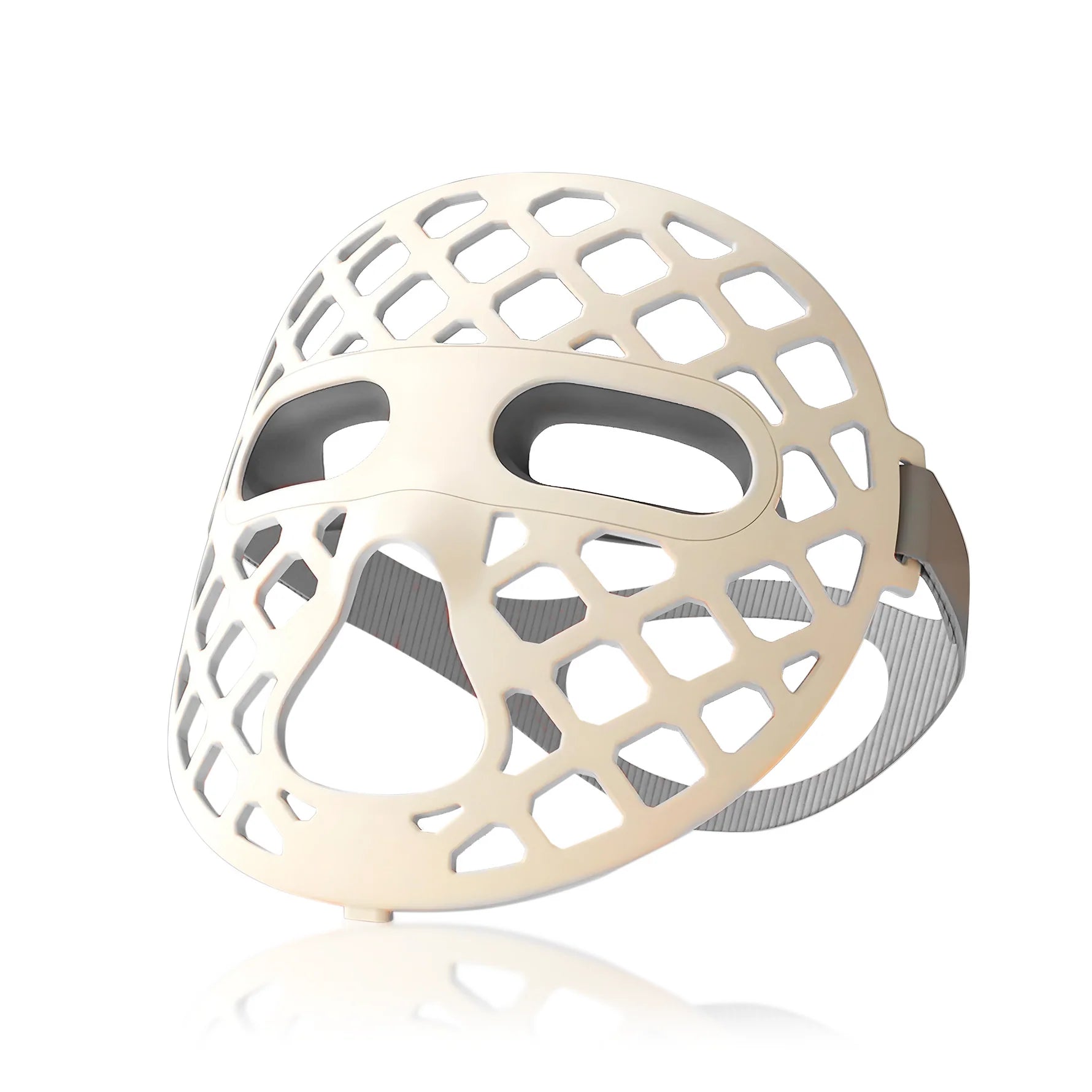
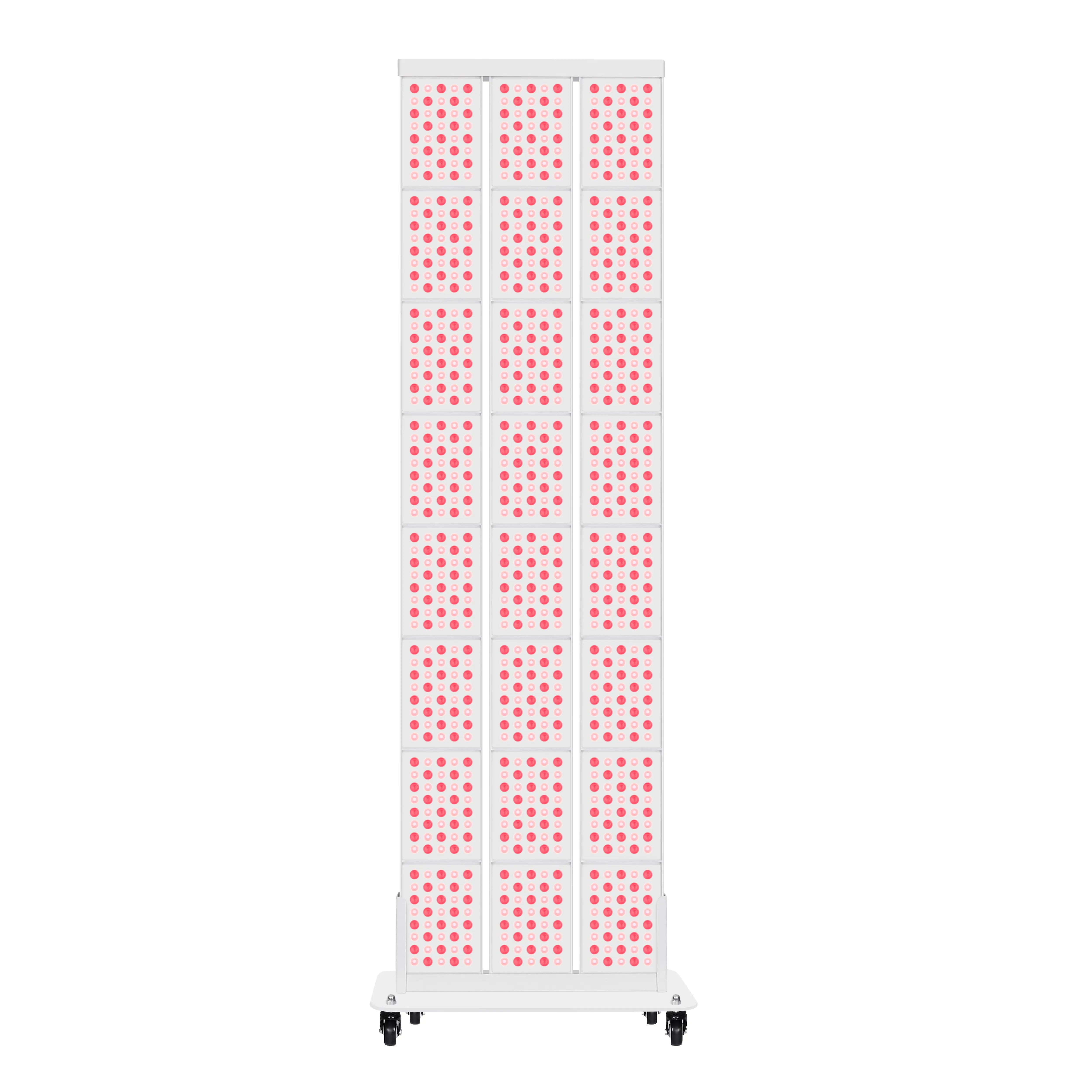
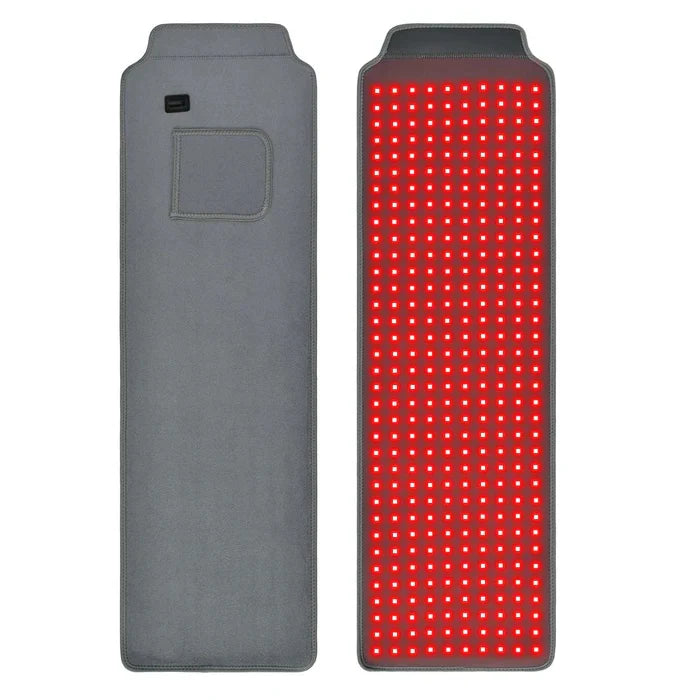
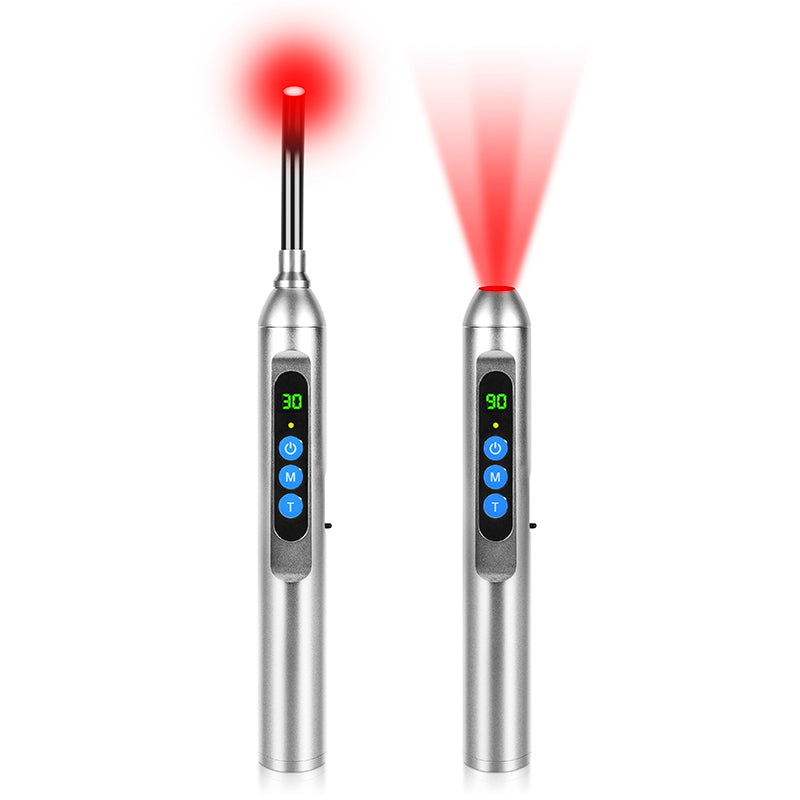

Red light therapy has gone from niche biohacking experiment to a fixture in wellness clinics, dermatology offices, and home routines. Under the hood it is not magic; it is light-driven cell biology. Understanding when to use it is just as important as understanding how long or how often.
As someone who has spent years testing panels, masks, caps, and full-body devices on myself and with clients, I can tell you this: timing is not about chasing a perfect clock time. It is about matching your session to your goal, your circadian rhythm, and the “Goldilocks” dose that your cells can actually use. The scientific literature backs that up, even if it is still evolving.
In this guide, I will walk you through how red light therapy works, then map optimal timing to specific goals such as energy, skin rejuvenation, pain relief, recovery, and sleep. Everything here is grounded in the research summarized by groups like the Atria Health and Research Institute, Cleveland Clinic, Stanford Medicine, and multiple photobiomodulation clinics and device manufacturers, without overpromising what the data cannot support.
How Red Light Therapy Works (and Why Timing Even Matters)
Red light therapy, also called photobiomodulation or low-level light therapy, uses visible red and near-infrared wavelengths to nudge cellular processes rather than burn or destroy tissue. Atria Health and Research Institute describes how photons in the red and near-infrared range are absorbed by cytochrome c oxidase inside mitochondria, the parts of the cell that generate ATP, the cell’s energy currency. Cleveland Clinic and Stanford Medicine highlight similar mechanisms: increased ATP output, better blood flow, reduced inflammation, and enhanced collagen production.
When mitochondrial function improves, cells do their jobs more efficiently, whether that is repairing skin, calming inflamed joints, or helping a muscle recover after training.
Where timing comes in is through three overlapping ideas: the biphasic dose response, tissue repair cycles, and your circadian rhythm.
The biphasic dose response means there is a sweet spot. Too little light and you see minimal effect; too much and benefits flatten or even drop off. Atria’s medical team, BlockBlueLight’s device guidance, and several clinical protocols converge on moderate sessions of roughly 5 to 20 minutes per area, three to five times per week to start. Health.com notes that pushing session times past about 20 minutes, and especially beyond 30 minutes, can actually increase the risk of skin irritation or burns without better outcomes.
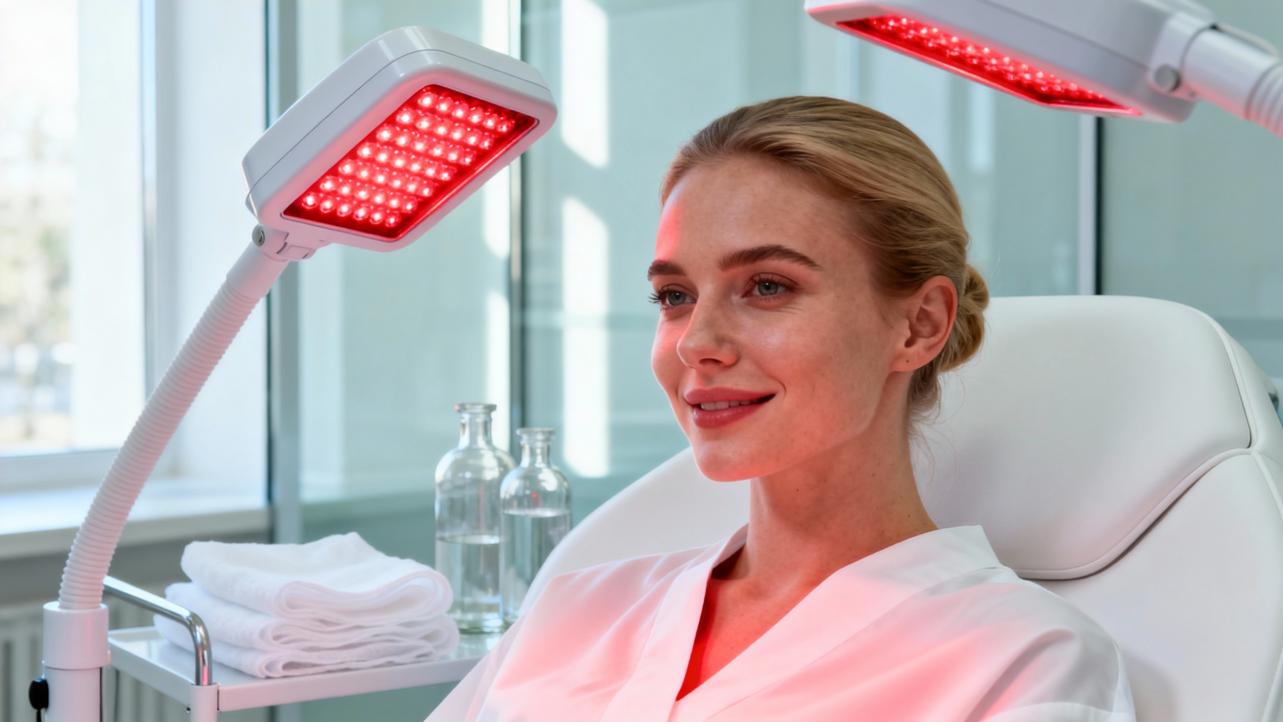
Distance from the device also matters. Atria and several wellness centers recommend roughly 6 to 24 inches for panels, with closer distances delivering more power to a smaller area. Elevate Wellness Center’s Joovv protocols center around about 6 to 12 inches and 10-minute sessions per area.
Here is a simple way to think about it. If your panel is rated to deliver a certain intensity at 6 inches, then a 10-minute session is literally twice the light dose of a 5-minute session at the same distance. Double the time, double the dose. That is why clinics usually ramp people up gradually over a couple of weeks rather than jumping straight into maximum session lengths.
The circadian layer is where timing becomes interesting. Your energy, hormone levels, body temperature, and even skin repair follow roughly 24-hour cycles. Boncharge notes that ATP production in cells tends to peak between about 8:00 AM and 11:00 AM, while several sources including Boncharge, Infraredi, Qure Skincare, Rouge, and Health.com point out that red and near-infrared light in the evening can support melatonin production and sleep quality in some people. Project E Beauty and Atria also warn that if blue wavelengths are included in your device, those should be reserved for the first half of the day because blue light later in the evening can suppress melatonin and disrupt circadian rhythm.
Put simply, timing lets you “aim” the same technology at different outcomes: energized mornings, stronger workouts, faster recovery, calmer joints, or deeper sleep.
Morning Red Light: Energy, Mood, and Cognitive Performance
If your primary goal is daytime energy and focus, morning is an excellent window.
Multiple brands and clinics that specialize in photobiomodulation, including Boncharge, Qure Skincare, and Rouge, suggest that early-day red or near-infrared exposure can support ATP production, alertness, mood, and stamina without the jittery edge of stimulants. Boncharge connects this with the natural morning peak in cellular energy production, positing that a morning session can help your cells “charge up” for the day ahead.
Morning sessions also fit how many people actually live. Qure Skincare points out that an early routine can de-puff the face, boost blood flow, and prime skin for daytime serums and moisturizers. Rouge notes that pairing a brief red light session with a brisk outdoor walk stacks two circadian-friendly light signals at once: full-spectrum sunlight for your brain and red/near-infrared for your cells.
Think of a simple example. If your panel is in your bathroom or bedroom, you might stand 6 to 12 inches away while drinking your coffee and running through your to-do list for about 10 minutes. At three to five mornings per week, that is only 30 to 50 minutes total weekly, which matches the entry-level protocols used in many clinics for general wellness and skin support.
From an optimization standpoint, morning red light makes the most sense when you care about any of the following: reducing grogginess, supporting mood and mental clarity, amplifying daytime productivity, or preparing your body for later training without disrupting sleep.

Evening Red Light: Sleep, Relaxation, and Skin Repair
If your main battle is wired-but-tired evenings or restless sleep, red light moves to the other end of the dial. Several sources converge on the idea that evening sessions can support sleep-related hormones and the nervous system.
Boncharge and Infraredi both report that red and near-infrared exposure before bed has been associated with increased melatonin and improved sleep quality in small studies, such as trials in athletes. Qure and Rouge describe a familiar pattern: lower cortisol, a stronger “rest and digest” parasympathetic response, easier wind-down, and better subjective sleep. Project E Beauty explicitly recommends red light before bed as a melatonin-friendly alternative to blue-heavy screen time.
At the same time, nighttime is when your body naturally ramps up tissue repair, including skin regeneration. Qure highlights how fibroblast activity and collagen synthesis tick up overnight, and several aesthetics-focused clinics recommend evening sessions for skin goals so that red light’s effects on circulation and cellular repair align with your body’s own maintenance window.
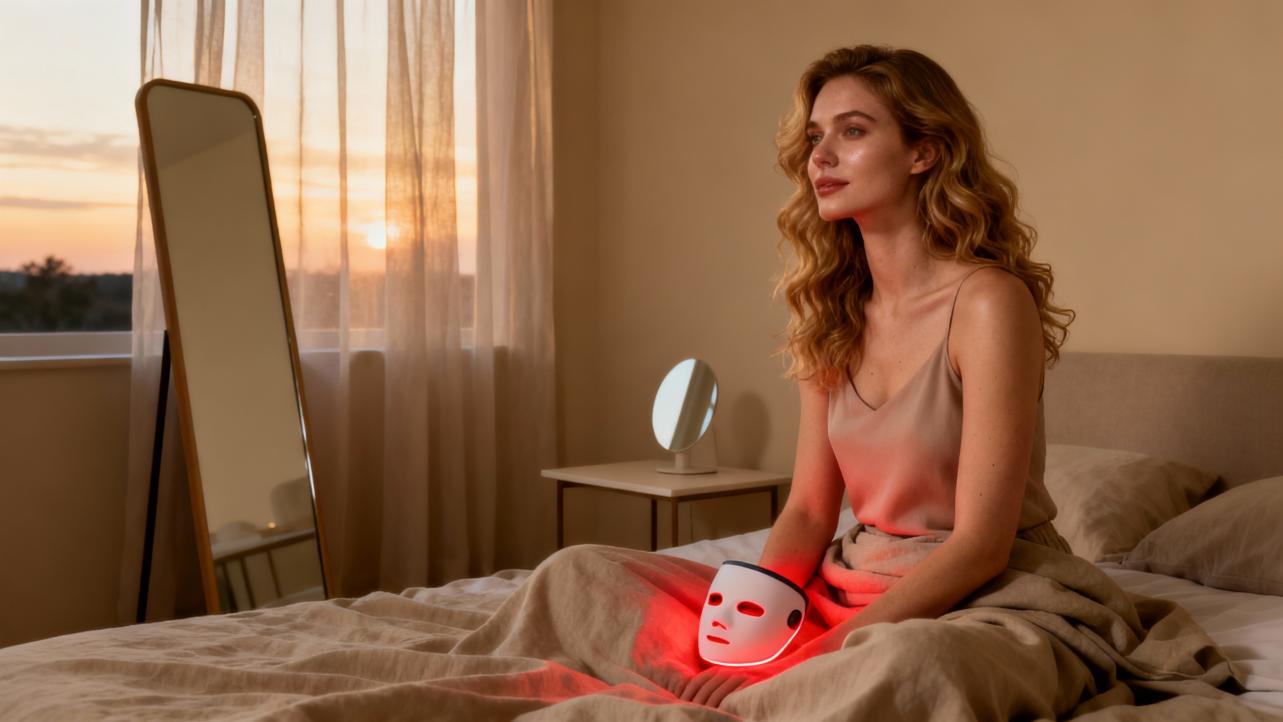
Here is a realistic evening protocol. You finish dinner by about 7:30 PM. At 9:00 PM you cleanse your skin, pat it dry, and sit in front of your panel at roughly 6 to 12 inches for 10 to 15 minutes. Most sources, including Atria, Infraredi, and multiple cosmetic surgery centers, emphasize using red light on clean, product-free skin so photons are not blocked by makeup or thick creams. After your session you can apply a gentle serum and moisturizer, as Ram Plastic Surgery, Jacuzzi’s guidance, and Cleveland Clinic all suggest, then put your phone away and keep lighting dim until bed.
If red light tends to energize you rather than relax you, Atria recommends keeping sessions at least two hours before bedtime. Some people genuinely feel more awake after exposure. The only way to know how you respond is to test it for a week or two and adjust.
One important caveat from Atria and Project E Beauty is device-dependent: if your panel includes blue wavelengths aimed at acne, those should be used in the morning or early afternoon, not in the evening, to avoid suppressing melatonin and shifting your circadian rhythm in the wrong direction.

Around Workouts: Performance vs Recovery Timing
Red light therapy is often marketed to athletes for both performance and recovery, but the timing levers for each are slightly different.
For performance, the key idea is pre-loading your cells with energy. Rouge notes studies suggesting that ATP production may peak around three to six hours after treatment, which lines up with research summarized by Health.com showing enhanced muscle performance in animals when red light is applied several hours before exercise. Fuel Health Wellness also discusses using red light before training as a warm-up for muscle tissue and circulation.
That leads to a simple application: if you plan a hard workout at 6:00 PM, an ideal performance-focused red light session might be late morning or early afternoon, say between noon and 3:00 PM, so your cells are in that high-energy window by the time you hit the gym.
For recovery and soreness, the aim is different. Boncharge recommends using red light immediately after workouts or physical activity to support faster muscle recovery. Fuel Health Wellness and BlockBlueLight echo this strategy, suggesting post-workout sessions to reduce inflammation and delay-onset muscle soreness.
In practice you can combine these approaches. For example, if you lift weights on Monday, Wednesday, and Friday evenings, you might use a brief full-body session late morning on those days for performance support and a shorter targeted session on the main muscle groups immediately after training for recovery. The total exposure still needs to respect the biphasic dose response and spacing. Clinics like Elevate Wellness Center advise allowing at least about six hours between treatments of the same body area, while South Bay Wellness Center recommends at least eight hours between sessions to avoid oversaturating cells.
When in doubt, start with one timing strategy, track how you feel, and add a second only if you clearly tolerate the first without irritation or fatigue.

Timing by Goal: Quick Comparison
To make all of this more concrete, here is a simple comparison that synthesizes the timing guidance from Atria, Boncharge, Infraredi, Qure Skincare, Rouge, BlockBlueLight, and several clinical protocols. These are starting points, not prescriptions.
Primary Goal |
Best Time Window |
Typical Frequency to Start |
Typical Session Length per Area |
Notes on Timing and Feel |
Energy and mood |
Morning, roughly after waking to late AM |
About 3–5 times per week |
About 5–15 minutes |
Pairs well with coffee, journaling, or meditation; should feel gently stimulating. |
Skin rejuvenation |
Late afternoon or evening after cleansing |
Often 4–7 times per week initially |
About 10–20 minutes |
Aligns with nighttime skin repair; use on clean, bare skin for best light penetration. |
Pain relief and inflammation |
As soon as practical after onset; often evening if pain disturbs sleep |
Daily at first for 1–3 weeks, then taper to about 2–3 times per week |
About 10–20 minutes |
Target the painful area; consistent use matters more than exact clock time. |
Muscle recovery |
Immediately after workouts or heavy activity |
About 3–5 sessions per training week |
About 10–20 minutes |
Focus on worked muscle groups; can combine with gentle stretching. |
Sleep and circadian support |
Roughly 30–120 minutes before bedtime |
About 3–7 evenings per week |
About 10–20 minutes |
Keep other lights dim afterward; avoid blue-light panels at night to protect melatonin. |
These ranges reflect what many clinics and device makers recommend for home panels and masks. Always defer to your device manual and your healthcare provider if they differ, especially if you are treating a medical condition.
How Often Should You Use Red Light Therapy Overall?
Frequency is the other half of the timing puzzle. Here, the research and real-world protocols are much more aligned.
Cleveland Clinic, Health.com, Atria, BlockBlueLight, and a range of dermatology and sports clinics largely converge on roughly two to five sessions per week, with each session lasting about 10 to 20 minutes per area. Many providers, such as Fuel Health Wellness, NH Cosmetic Surgery, Ram Plastic Surgery, and the Physical Achievement Center, recommend a more intensive initial phase followed by a lighter maintenance phase.
For example, several skin-focused protocols suggest about three to five sessions per week for four to eight weeks for anti-aging, acne, or scar remodeling, then dropping to about one to three sessions per week to maintain results. For musculoskeletal pain or injury recovery, NH Cosmetic Surgery and BlockBlueLight describe daily sessions for two to three weeks, then stepping down to three sessions per week as symptoms improve.
Here is how that might look in a simple scenario. Suppose you are treating mild knee osteoarthritis and also want some general energy support. You might run a three-week intensive phase where you target your knee daily for about 10 minutes and also do a brief full-body or upper-body session three mornings per week for 10 minutes. After that phase, if pain is improved, you could back the knee treatments down to three evenings per week and keep the morning sessions at two or three per week.
Spacing still matters. Elevate Wellness Center’s Joovv protocols recommend leaving at least about six hours between treatments on the same area because cells can only absorb so much light energy at once. South Bay Wellness Center notes that extending light exposure for many continuous hours does not increase effectiveness and is not recommended, and suggests at least an eight-hour gap between sessions. Several sources, including Project E Beauty and BlockBlueLight, caution against long-term twice-daily routines because of the biphasic dose response.
If you want a simple rule of thumb, it is this: for most wellness and skin goals, aim for three to five moderate sessions per week on a given area, allow at least half a day between sessions on that same area, and avoid marathon sessions longer than 20 minutes unless a clinician has specifically advised them.
Practical Real-World Timing Scenarios
Translating all of this guidance into real life is where things succeed or fail. Devices only work if you actually stand in front of them.
One scenario is a busy professional who struggles with mid-afternoon crashes and shallow sleep. Morning time is tight, but evenings are dominated by screens. A practical plan would be a 10-minute red light session on weekdays right after getting home, around 6:00 PM, while leaving the phone in another room. This session functions as a transition ritual, calms the nervous system, and, according to Boncharge, Infraredi, Qure, and Rouge, may support melatonin later in the evening. If sleep improves over two to four weeks, this person could add a shorter three-times-per-week morning session on days when time allows to support energy without changing bedtime.
Another scenario is an amateur endurance athlete training for a race. Health.com notes that performance benefits have been seen when red light is applied several hours before activity, while Boncharge and Rouge highlight immediate post-exercise sessions for recovery. That athlete might place a 10-minute full-body session at about 10:00 AM on days when they have a 4:00 PM or 5:00 PM run planned, and then a 10-minute leg-focused session right after finishing key workouts. The total red light time per area would still stay at or under the 20-minute range that most protocols treat as a ceiling.
A third scenario is someone with chronic joint pain and inflamed skin. In this case, NH Cosmetic Surgery and several pain-focused clinics would favor daily targeted sessions for a few weeks. Because pain often worsens at night, timing those sessions in the early evening, roughly one to two hours before bed, can pull double duty: symptom relief and nervous system downshifting. Once pain and skin redness ease, frequency could be tapered to two or three evenings per week, with short “as needed” sessions when flares occur.
In all of these examples, notice the pattern. The exact clock times differ, but the core principles stay the same: attach sessions to existing routines, let your goal dictate morning versus evening, and keep your dose moderate and consistent.

Safety, Limitations, and When Not to Chase “More Time”
Any discussion of optimal timing should also be clear about safety and realistic expectations.
Cleveland Clinic and Stanford Medicine both emphasize that red light therapy is noninvasive and uses non-UV wavelengths, which means it does not carry the DNA damage risk of ultraviolet tanning beds or sunlight. Atria notes that because these devices operate at levels that do not generate significant heat or break apart molecules, they have a strong safety profile when used correctly.
Yet “safe” does not mean “limitless.” Health.com documents cases where overuse, especially sessions longer than 30 minutes or falling asleep in front of a device, led to burns and worsening of skin conditions. Multiple sources, including BlockBlueLight, Project E Beauty, and Elevate Wellness Center, stress the biphasic dose curve and the importance of built-in timers, eye protection, and adherence to manufacturer guidelines.
There are also specific cautions. Cleveland Clinic and Health.com recommend consulting a professional if you have photosensitive conditions such as lupus, if you take medications that increase light sensitivity, or if you have a history of skin cancer. Stanford dermatology experts caution that while red light is used in combination with drugs to treat certain precancerous lesions, red light alone does not treat cancer and there are theoretical concerns that stimulating blood flow and cell activity could, in some contexts, be unhelpful for people with active or prior cancers. Health.com advises that cancer survivors and those in treatment should speak with their oncologist before using home devices.
Atria and other clinics recommend eye protection when you are directly facing a panel. While many devices are designed to be low risk for eyes at normal distances, the brightness alone can be uncomfortable and long-term effects of repeated high-intensity exposure are not fully understood. Regular sunglasses are rarely sufficient; purpose-made goggles or built-in shields are preferred.
Finally, Stanford Medicine and Cleveland Clinic both urge realistic expectations. Evidence is solid but modest for hair regrowth in thinning areas and for mild skin rejuvenation when treatments are consistent over months. Data for systemic claims such as dramatic athletic performance boosts, cognitive enhancement, or major chronic pain reversal are early, mixed, or absent. That is why timing and dosing should be tuned for incremental, steady progress, not miracles.
Short FAQ: Timing Your Red Light Therapy
Is there one “best” time of day to do red light therapy? Across research summaries and clinic experience, there is no single universal best time. Lipotherapeia even notes that morning and afternoon treatments appear physiologically equivalent and recommends choosing the time you can stick with consistently. Morning sessions make more sense for energy, mood, and mental performance, while late afternoon or evening sessions align better with sleep support, skin repair, and end-of-day pain relief.
Can I use red light therapy both in the morning and at night? Most protocols focus on one session per day per area, not because two sessions are inherently dangerous, but because of the biphasic dose response and the limited amount of light energy cells can use at one time. Clinics like Elevate Wellness Center and South Bay Wellness Center recommend at least about six to eight hours between treatments on the same body part. If you want a morning full-body session for energy and an evening targeted session on a knee or shoulder, that separation is usually reasonable as long as total time per area stays within the 10 to 20 minute range and your skin tolerates it well.
How long until I notice results if I time my sessions well? Most sources converge on a timeframe of weeks, not days. Atria and BlockBlueLight mention that benefits often appear after two to four weeks of consistent use. Skin-focused clinics such as the Physical Achievement Center and NH Cosmetic Surgery report clearer texture and firmness changes after about four to twelve weeks for anti-aging goals, with faster shifts in glow or redness for some people. Pain and recovery improvements can show up within one to three weeks of daily or near-daily targeted use, but deeper structural issues may require months. Good timing improves your odds of seeing those benefits, but it does not replace the need for patience and consistency.
In the end, optimal timing is less about chasing a perfect hour and more about being intentional. Choose morning when you want to power your day, evening when you want to heal and unwind, and workout-adjacent windows when you want performance or recovery help. Keep your sessions moderate, protect your eyes, and let the science guide you rather than the hype. That is how a true light therapy geek builds a routine that actually works.
References
- https://med.stanford.edu/news/insights/2025/02/red-light-therapy-skin-hair-medical-clinics.html
- https://atria.org/education/your-guide-to-red-light-therapy/
- https://my.clevelandclinic.org/health/articles/22114-red-light-therapy
- https://www.elevatewellnessak.com/red-light
- https://www.health.com/how-often-should-you-do-red-light-therapy-11735044
- https://fuelhealthwellness.com/red-light-therapy-strategies-health-benefits/
- https://hyperchargeclinic.com/how-to-integrate-red-light-therapy-into-your-daily-routine/
- https://www.jacuzzi.com/en-us/How-Often-Should-You-Do-Red-Light-Therapy-for-Optimal-Results.html
- https://www.lipotherapeia.com/the-peach-factor-blog/is-it-better-to-have-red-light-therapy-in-the-morning-or-later-in-the-day
- https://www.nhcosmeticsurgery.com/blogs/how-often-should-you-get-red-light-therapy-for-best-results