
Long trips can feel like a low‑grade athletic event. You spend hours folded into an airplane seat or car, joints locked, circulation sluggish, blue‑light screens blasting your eyes at the exact moment your brain should be winding down. By the time you land, you are stiff, wired, and weirdly exhausted.
As someone who has spent years experimenting with light therapy panels, belts, and handheld units in hotel rooms, airports, and even rental cars, I think of my travel kit as a portable recovery lab. The question is not whether red light therapy is “cool.” The real question is whether it meaningfully reduces discomfort and jet lag in a way that stands up to the evidence.
In this article, I will walk you through what the science and real‑world use actually support, where the limits are, and how to build a practical, travel‑proof protocol you can stick to.
Why Long Trips Hurt So Much
When you strip away the romance of travel, you are left with three big physiological problems.
First, prolonged sitting in cramped positions slows blood flow and stresses muscles and joints. A travel article from a medical‑grade LED manufacturer describes how long hours in cars and planes aggravate feet, knees, hips, and back, especially in people with already poor circulation. They frame LED red and near‑infrared therapy as a way to temporarily increase local circulation and ease stiffness and spasms so travelers keep moving instead of locking up mid‑trip.
Second, the travel day rarely matches your normal sleep and movement pattern. Jet lag is essentially your circadian clock falling out of sync with the new local time. A clinical review in a major medical journal on jet lag describes classic symptoms: insomnia, daytime sleepiness, poor focus, irritability, and digestive upset. That same review notes that eastward flights are usually harder to adapt to than westward ones because it is inherently tougher for the body to shift its rhythms earlier than later.
Third, there is cumulative tissue stress. A sports massage clinic that integrates red light therapy points out that overuse, long walks on vacation, and spur‑of‑the‑moment sports can push muscles and tendons past what they are used to. They emphasize that red light therapies, by improving cellular energy and circulation, can reduce delayed‑onset soreness and speed recovery after heavy exercise or minor strains.
To make this concrete, imagine a trip from New York to Rome, about six time zones east. If your natural clock shifts only about one to one and a half hours earlier per day with optimal light exposure, you may need four to six days before your internal night lines up with local time. During those first days, you are walking more than usual on cobblestones, sitting bent in tour buses, and sleeping at odd hours. That is a perfect storm for soreness, fatigue, and mood volatility.
Red light therapy is not a magic shield, but it targets several of these mechanisms directly: cellular energy, circulation, pain signaling, and sleep physiology.

What Red Light Therapy Actually Does (And What It Does Not Do)
Red light therapy, also known as photobiomodulation or low‑level light therapy, uses specific red and near‑infrared wavelengths, generally in the 600 to 1,000 nanometer range, to influence biological processes in tissue. Clinical and sports‑therapy sources converge on a few core mechanisms.
A sports massage provider and a performance‑focused clinic both describe how red and near‑infrared wavelengths are absorbed by mitochondria, the cell’s energy factories. This boosts production of ATP, the energy currency your cells spend on repair and regeneration. A pain‑management company with NASA roots explains that tissues also release nitric oxide under these wavelengths, dilating blood vessels, increasing local blood flow, and improving delivery of oxygen and nutrients.
A pain‑focused light therapy company summarizes the effect this way: by increasing circulation and ATP, light therapy helps tissue repair itself rather than simply masking pain. They highlight applications for arthritis, post‑surgical pain, overuse injuries, and general stiffness, particularly when devices deliver near‑infrared light deep into muscle and joint tissue.
Multiple reviews support pain relief and muscle recovery. A 2015 review in MOJ Orthopedics & Rheumatology on low‑level laser therapy for musculoskeletal pain reports reductions in pain and improved function across conditions like tendinopathies and joint pain. A rehabilitation center describes a placebo‑controlled study using LED light at 630 nanometers after eccentric exercise, where participants had less muscle soreness, less loss of strength, and better range of motion for up to four days than placebo. University Hospitals summarizes more recent evidence and concludes that red light therapies are especially promising for tendinopathies and superficial inflammatory problems, and can improve pain and quality of life in chronic musculoskeletal conditions.
At the same time, reputable clinical sources are very clear about the limits. University Hospitals notes that red light therapy does not fix structural problems like torn ligaments. It can help with inflammation and pain but will not reverse advanced osteoarthritis or substitute for necessary surgery.
On the sleep and circadian side, several small studies and reviews cited by wellness and sleep brands suggest that red and near‑infrared light can improve sleep quality. A clinical trial referenced by a blue‑light‑blocking eyewear company tested transcranial red and near‑infrared LEDs and reported improved subjective sleep quality after treatment. A study in Journal of Athletic Training followed twenty female athletes over two weeks and found that red light therapy increased melatonin levels and improved sleep quality. A separate study in older adults combined light therapy with sleep interventions and reported better sleep and mood.
However, a meta‑analysis in a neuroscience journal on light therapy for shift‑workers is a good reality check. Across eleven studies, scheduled bright or spectrum‑modified light extended sleep by about thirty minutes and improved sleep efficiency by a few percentage points. That is meaningful, but not life‑changing. It also showed that you get a “Goldilocks” effect: moderate light doses help, too little does not move the needle, and more is not automatically better.
A separate dose‑response paper on low‑level light therapy describes a similar biphasic effect at tissue level: there is an optimal middle dose and both under‑ and over‑treatment can reduce benefit.
So red light therapy is best understood as a low‑risk way to nudge your biology rather than a big hammer. It amplifies your natural repair and circadian chemistry. It does not replace basic travel hygiene like movement, hydration, sunlight, and smart sleep timing.
Here is a simple way to think about where it fits on a long trip.
Travel problem |
How red light may help |
Evidence snapshot |
Stiff back, neck, or joints after sitting |
Increases local circulation and ATP, reduces inflammation, relaxes muscles |
Reviews of low‑level light therapy for musculoskeletal pain; NASA‑derived pain devices; clinical LED trials |
Sore legs and tight muscles from extra walking or sports |
Reduces muscle inflammation, speeds fiber repair, eases delayed‑onset soreness |
Sports massage and rehab clinics combining massage with red light; eccentric‑exercise LED study |
Jet lag and sleep disruption |
Supports melatonin, gentle circadian cues, and pre‑sleep relaxation |
Small trials in athletes and clinical patients; jet‑lag reviews; sleep‑focused red light articles |
General fatigue and mood drops |
Boosts cellular energy and circulation; some transcranial and systemic findings on mood |
Case studies and reviews on mood and energy; travel‑recovery and jet‑lag wellness articles |
Skin looking wrecked after flying |
Supports collagen and elastin, reduces redness and irritation |
Skincare‑oriented red light brands and clinical aesthetic reviews |
Use it in the right category and it can be a powerful tool. Miscast it as a cure‑all and you will be disappointed.

Can Red Light Therapy Really Help With Travel Discomfort And Jet Lag?
Pain, Stiffness, And Circulation On The Road
One medical‑grade LED manufacturer frames portable light therapy systems as “essential travel gear” for a reason. They highlight four pain scenarios that show up on almost every trip.
The first is prolonged sitting. Hours in cramped vehicles or airplanes encourage poor posture and decrease circulation, which magnifies stiffness and pain, especially if you already have back or joint problems. The company recommends using red light therapy daily for several weeks before you travel, on the travel day itself, and again on arrival to keep circulation healthy and limit pain from long journeys.
The second is extra walking. Vacations tend to involve long days on your feet, whether that is museums, theme parks, or hiking. The same article suggests twenty minutes of LED treatment in the morning and again when you return to your room to keep feet, balance, and gait more stable.
The third is vacation sports injuries. Golf, tennis, hiking, and canoeing feel fantastic until your tissues realize they have been pushed beyond their normal routine. The travel LED system is presented as a way to increase circulation and reduce muscle aches, strains, and sprains in areas like the lower back, knees, and shoulders.
The fourth is family use. When you travel with older relatives or anyone dealing with chronic pain, a flexible LED system that can wrap feet, knees, or backs becomes a shared tool so everyone stays more mobile and comfortable.
A pain‑management company that sells flexible, contouring LED panels reinforces this picture. They emphasize that portable, bendable devices can be draped closely over problem areas and used about thirty minutes a day. Their devices are FDA‑cleared for temporary pain relief and improved circulation, which aligns with the same goals: easing discomfort without medications while you are away from your usual care team.
Independent clinical reviews back up these marketing claims. The MOJ Orthopedics & Rheumatology review of low‑level laser therapy reports significant pain reduction across multiple musculoskeletal conditions. A sports rehab article points to improved recovery, less soreness, and better range of motion for up to ninety‑six hours after a single post‑exercise LED session targeting damaged muscle.
From a travel standpoint, think about the math. One portable belt or pad typically runs a twenty‑minute program and can be used up to three times per day per body area, according to an at‑home clinical handheld device description. If you spend eight to ten hours sitting during the travel day, investing twenty minutes on your lower back and another twenty on your knees is a small time trade that may translate into easier walking the next morning.
I have seen this play out repeatedly with frequent‑flyer clients who also have chronic knee or back pain. When they treat the flight like a recovery event rather than a passive sit, combining movement breaks, hydration, and two or three focused red light sessions on key joints, they are usually much more willing to explore on day one rather than needing a “recovery day.”
Sleep, Jet Lag, And Brain Fog
Jet lag is fundamentally a circadian rhythm problem. Your internal clock is still aligned with your departure time zone while the local light‑dark cycle at your destination is shifted by several hours.
Authoritative sources like Mayo Clinic and a detailed circadian review of jet lag make two key points. Sunlight is the most powerful signal for resetting your clock, and carefully timed light can move your internal night earlier or later by one to two hours per day. The same review shows that eastward trips (where you have to advance your clock) are usually harder and slower than westward trips (where you delay), and that big time‑zone jumps of eight or more hours can leave the body stuck in between for days.
Where does red light fit into this, given that the classic jet‑lag protocols use bright white or blue‑enriched light and melatonin?
Several travel and wellness brands synthesize the emerging evidence this way. High‑energy blue and bright white light are strong circadian cues but can suppress melatonin and delay sleep if you use them in the evening. Longer‑wavelength red and orange light has a weaker impact on circadian timing and melatonin suppression. That makes red light, especially at lower intensities, friendlier for evening use when you want to relax rather than alert your brain.
A jet‑lag article by a red light brand notes that red light therapy has shown benefits in studies that measured melatonin and sleep quality. The Journal of Athletic Training trial in female athletes found that two weeks of evening red light increased melatonin and improved sleep. Another clinical trial using transcranial red and near‑infrared LEDs reported better subjective sleep quality in participants with poor sleep. An article on elderly patients with sleep problems reports that light‑based interventions improved both sleep and mood.
A meta‑analysis on light therapy for shift workers adds an important nuance. Across eleven controlled studies, bright or spectrum‑modified light increased total sleep time by roughly half an hour and improved sleep efficiency by a couple of percentage points after night shifts. One study in that group used blue‑ or red‑enriched light at lower intensities and still showed benefits comparable to brighter white light, highlighting that the spectrum matters, not just brightness.
Sleep and mental‑health platforms extend this logic to practical guidance. A mindfulness and sleep company recommends using red‑tinted lighting one to two hours before bed to create a calm environment and, for those who have formal red light therapy devices, brief sessions of about ten to twenty minutes before bedtime to help the body wind down. They also emphasize reducing blue light from screens in the hour before bed, using night‑mode filters or blue‑blocking glasses when devices are unavoidable.
Jet‑lag‑specific red light articles knit this together into travel protocols. Several brands recommend using red light therapy in the morning of your destination time zone to help the body distinguish “wake time” and in the early evening to support relaxation, while leaving a buffer between the last session and bedtime. They often suggest starting these patterns a few days before your trip so your clock is already shifting when you board the plane.
For example, one jet‑lag prevention article suggests beginning red light sessions in the morning a few days before an eastward trip, then continuing them in the new time zone until you feel adjusted. Another piece on overcoming jet lag recommends pairing red light sessions with classic strategies such as gradual pre‑trip schedule shifts, daylight exposure on arrival, aligning meals and activity with local time, and considering small doses of melatonin at night.
The science here is still early. We do not yet have large randomized trials showing that red light therapy alone prevents jet lag. What we do have are small sleep trials that show red light can support melatonin and sleep quality, robust data that appropriate bright light and melatonin timing can shift the clock, and practical reports that red light is comfortable for evening use. That is enough to reasonably position red light as a circadian‑friendly tool that complements, but does not replace, sunlight, smart timing, and melatonin.
Mood, Energy, And “Travel Hangover”
Beyond pain and sleep, many travelers describe a generalized “travel hangover”: brain fog, mood dips, and low motivation. Several red light therapy sources point to mechanisms that could help.
A multi‑purpose red light brand calls red light “the sun’s turmeric,” emphasizing its anti‑inflammatory and tissue‑healing effects. They cite reports of more than forty percent improvement in musculoskeletal training injuries among Navy special‑operations personnel using LED red light, alongside faster recovery in submarine crew. They also reference research suggesting that transcranial laser‑based red light can support mood and energy, and a small case study in which LED red light applied to the back improved mood in people with chronic low back pain.
A skin‑recovery‑after‑travel article notes that red light therapy not only improves skin appearance but also seems to support a healthier circadian rhythm, likely through its melatonin effects and impact on the sleep‑wake cycle. Travel‑wellness providers combine red light with things like infrared sauna, compression, and targeted hydration, framing red light as part of a broader recovery stack to reduce stress and support mood after flights.
From a practical perspective, even if the mood data are still limited, you do not need a clinical trial to feel the difference between collapsing under harsh overhead LEDs and taking fifteen minutes in a dim hotel room with a soft red panel while you do breathing exercises. The mechanistic data on ATP and circulation plus the early mood studies give you a physiological backbone for what many people notice subjectively.

How To Use Red Light Therapy Around A Long Trip
Protocols in the literature vary widely, but there are clear themes: keep individual sessions in the ten to thirty minute range, use them consistently, and time them to support either tissue recovery or circadian cues rather than fighting them. Always stay within your device’s instructions, because power and beam profiles differ.
Think in three phases: the days before you travel, the travel day, and the first several days after arrival.
Two To Seven Days Before You Travel
Several travel‑focused LED articles recommend starting red light therapy before your trip. The idea is to gradually build up circulation, reduce baseline inflammation, and, if you are crossing time zones, start nudging your clock.
If your main issue is pain and stiffness, a practical pattern drawn from sports‑recovery clinics is to use red light therapy two to three times per week for muscle pain, with athletes sometimes using it more often during intense training periods. On the travel side, a manufacturer suggests daily sessions in the weeks leading up to a trip for people with chronic pain. You can reconcile these by aiming for most days in the week before a particularly long trip, especially if you already have sore knees, back, or neck.
If jet lag is your main enemy, use red light as a gentle circadian cue layered on top of schedule shifts. Mayo Clinic recommends shifting your sleep and wake time by about one hour per day in the direction of your destination for up to three days pre‑trip, pairing your new wake time with at least an hour of light exposure. You can combine this with ten to twenty minutes of red light soon after your new wake time and another short session in the early evening. That pattern borrows directly from sleep‑coaching advice that uses red light to mark “start winding down now” without suppressing melatonin.
For example, suppose you are flying from Chicago to London, a six‑hour eastward shift. Three days before departure, you could set your alarm one hour earlier, get outside for bright light as soon as possible, and do a short red light session on your legs or back while you sip water and plan the day. In the evening, you dim overhead lights, limit screens, and do another gentle red light session about an hour before your new, earlier bedtime. By the time you board the plane, your internal clock has already advanced a couple of hours.
The Travel Day
On the day you travel, think about two goals: protecting your tissues from prolonged sitting and reducing the shock to your circadian system.
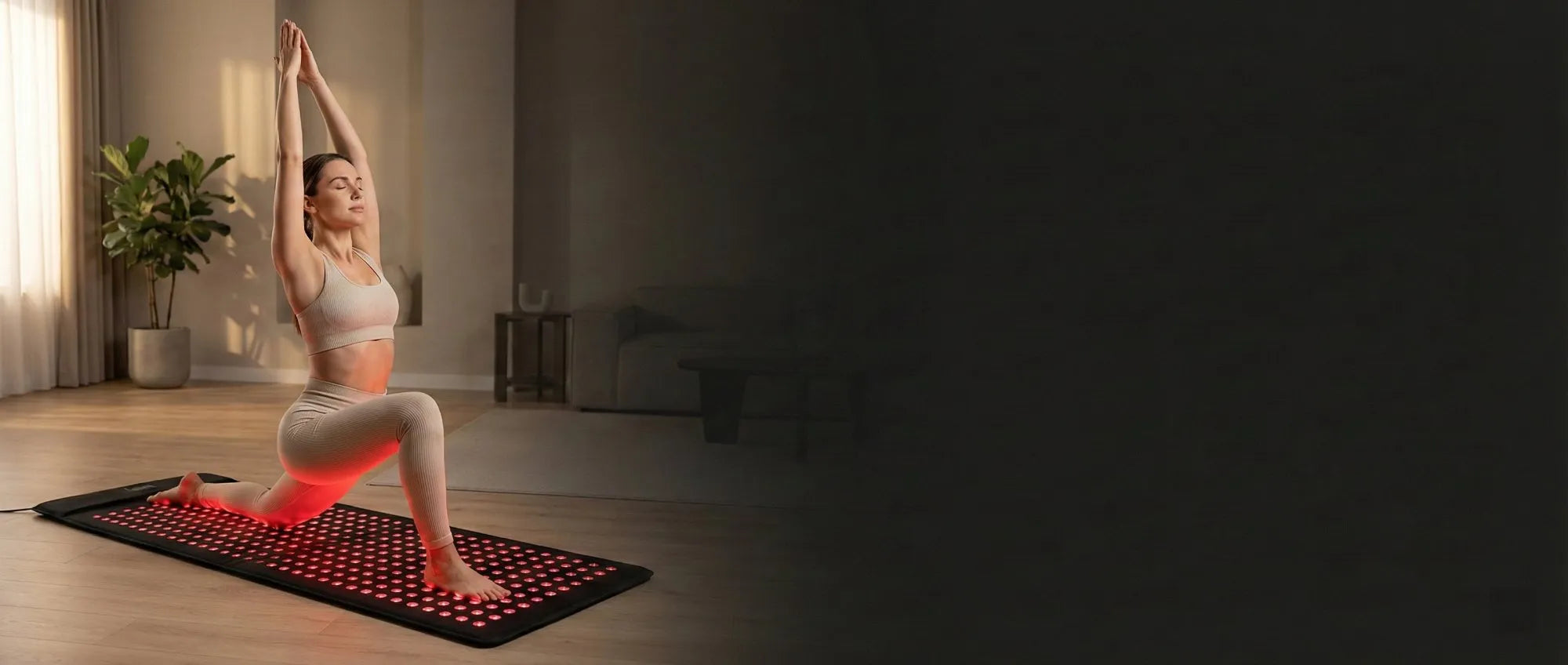
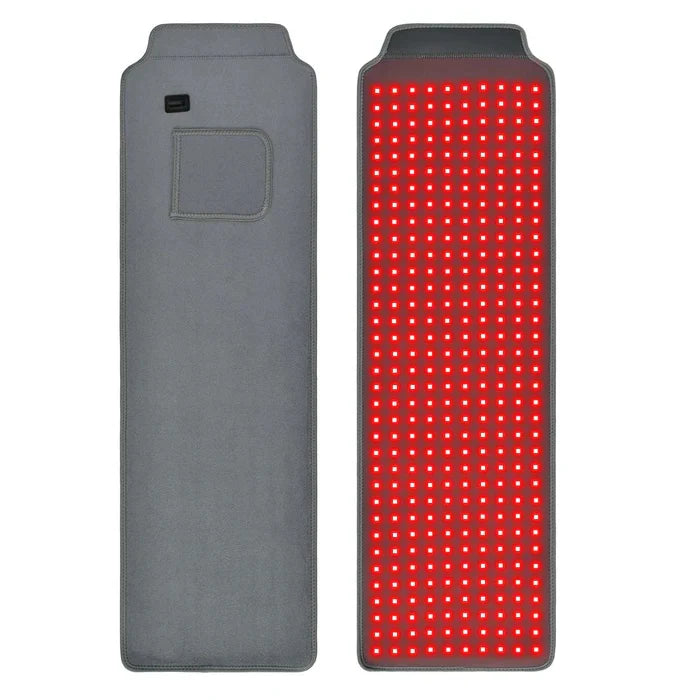
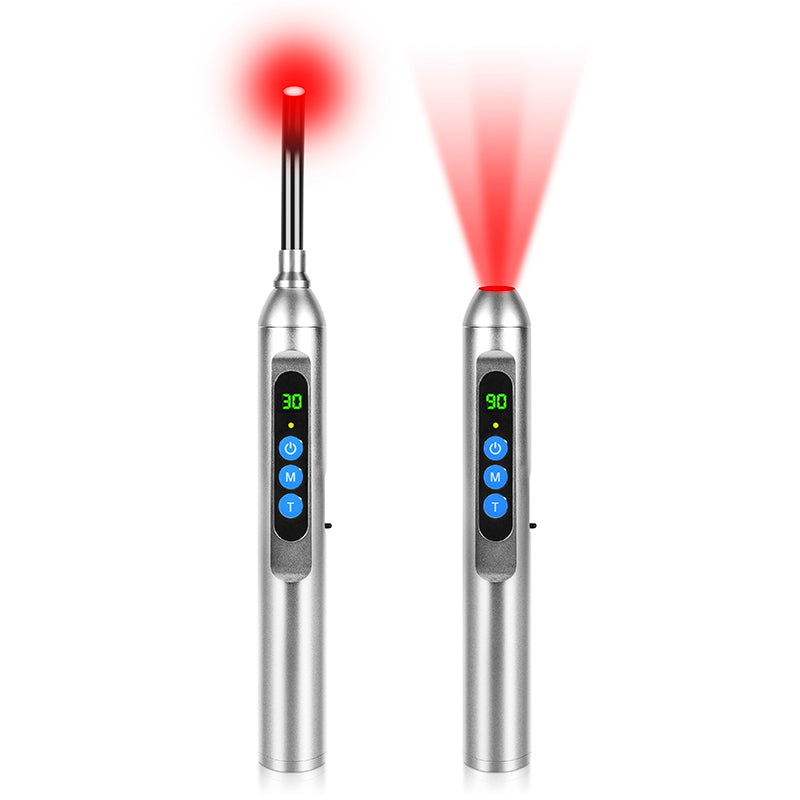
For pain and circulation, a travel LED brand suggests using devices on the morning of travel, ideally on areas that tend to flare during flights, such as feet, calves, knees, lower back, or neck. This primes circulation and muscle comfort before you spend hours seated. If you have a flexible belt or pad, wrapping it around the lower back or knees for a twenty‑minute program while you finish packing is an efficient option. For a handheld device, you can move it between key joints during the same twenty minutes.
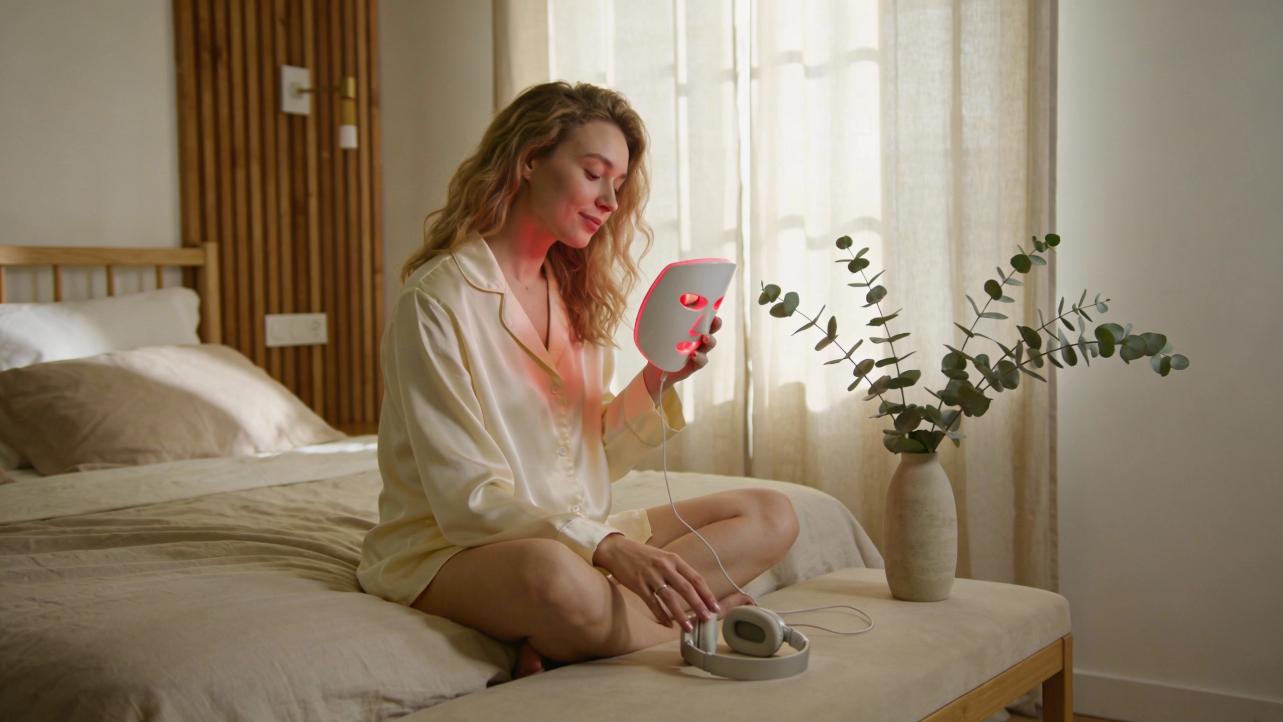
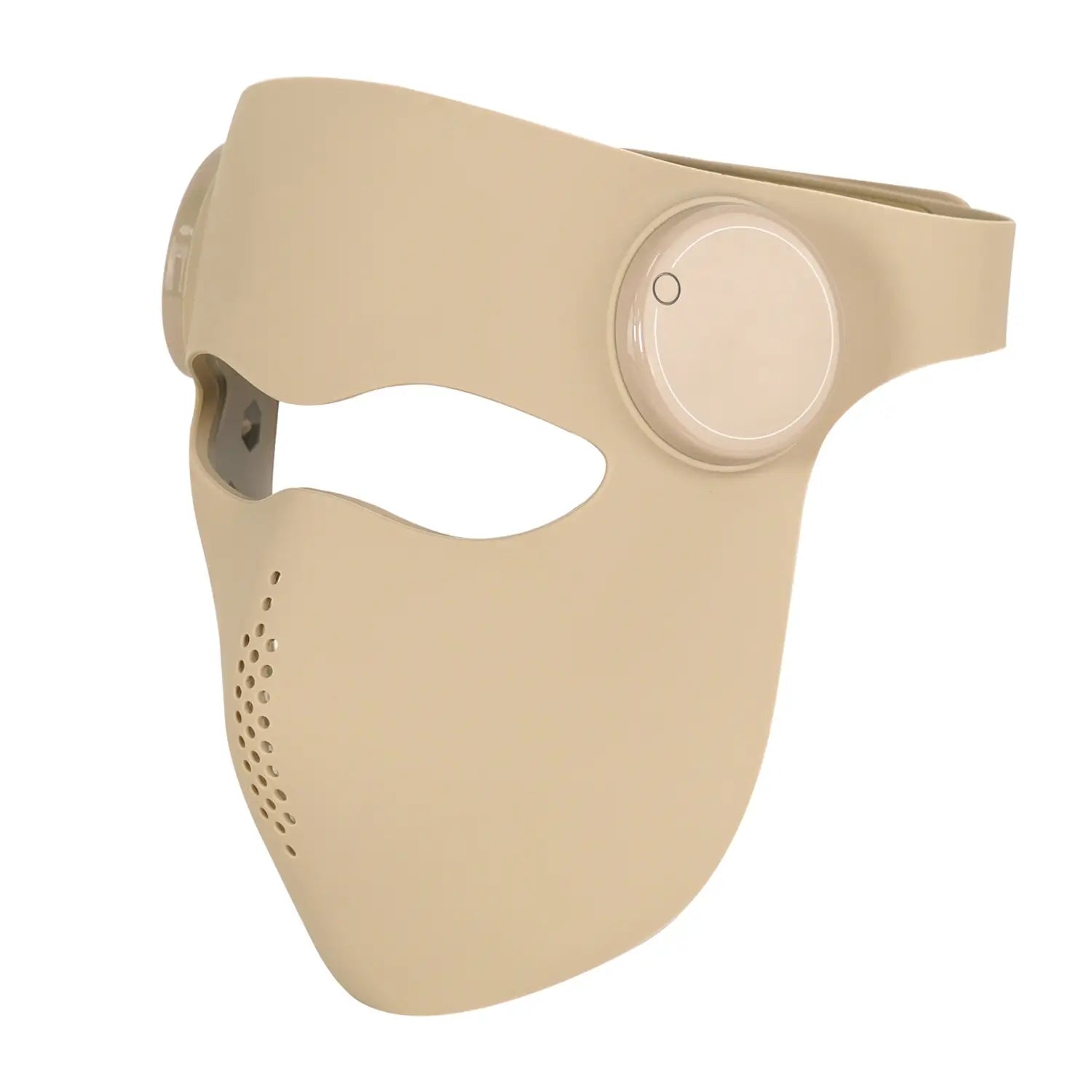
During the trip, you will often be constrained by airline and security rules, but several jet‑lag and skincare articles note that small, quiet handheld or mask‑style devices can sometimes be used discreetly during long flights or in airport lounges, as long as they are not disruptive. If you choose to do this, stay within your device’s time limits, avoid shining light into your or anyone else’s eyes, and respect airline policies. Even if you avoid in‑flight sessions, you can use short treatments during layovers on your lower legs and back to counteract stiffness.
Circadian‑wise, follow established light‑management rules. Mayo Clinic emphasizes that for eastward trips crossing several time zones you should initially avoid bright morning light on arrival and seek bright light in the mid‑to‑late morning of the new time zone; for westward trips you might avoid early morning light and seek afternoon sun. Red light does not replace this bright‑light strategy, but you can use it tactically. For example, on an overnight eastward flight, once the cabin lights dim and you want to prepare for sleep, switch away from blue‑heavy screens and, if feasible, spend ten to fifteen minutes with a dim red light device instead of a bright overhead reading light. You are giving your brain a clear “night signal” without the melatonin‑suppressing effect of harsh white light.
The First Three To Five Days At Your Destination
Once you arrive, consistency matters more than intensity. Red light should fit into a broader jet‑lag and recovery routine that includes sunlight, movement, and smart use of melatonin and caffeine.
A red light jet‑lag guide recommends using brief sessions one or two times per day in the new time zone, particularly in the morning to help your body distinguish wake time and in the early evening to ease the transition into sleep. A skin‑recovery‑after‑travel article suggests ten‑minute sessions three to five times per week to support repair and circadian rhythm, which dovetails nicely with a travel week schedule.
A typical pattern might look like this, always adjusted for your device’s instructions. After waking, you go outside as soon as possible for natural daylight, ideally combined with a short walk. Then you return and do a ten to twenty minute red light session targeting whichever body areas feel tight from the flight: calves, hamstrings, lower back, or neck. Later that day, after your last major activity but at least an hour before bedtime, you dim room lights, avoid screens, and take another short red light session, perhaps focusing on feet and knees after a day of walking.
Remember that light timing can move your clock by about one to two hours per day under ideal conditions, according to detailed circadian simulations. If you have crossed eight or nine time zones, you may feel out of sync for a week regardless of what you do. In that context, if careful light timing and melatonin can give you thirty minutes more sleep and red light can reduce your soreness and tension, that cumulative difference is what matters.
The Return Trip
People often plan for jet lag on the way out and forget the way back. The physiology does not care whether the time change is “homeward.” An eastward return, for example from Tokyo to Los Angeles, can be as hard or harder than the outbound leg.
Use the same strategy in reverse. A few days before flying home, start shifting your schedule toward your home time zone. Continue morning and early‑evening red light sessions to support the new pattern. On arrival, immediately align meals, activity, and light exposure with local time as recommended by Mayo Clinic, and use red light in the evening as your wind‑down cue instead of bright screens.

How To Choose A Travel‑Friendly Red Light Device
Not every device that looks sleek on a bathroom counter will earn its place in your carry‑on. A review of portable devices and several brand and clinical sites highlight the same core selection criteria: wavelength mix, power and dose, portability and ergonomics, battery performance, durability, and safety features.
Wavelength mix matters because different tissues sit at different depths. A portable‑device buyer’s guide notes that visible red light around the mid‑600 nanometer range is great for skin and superficial tissues, while near‑infrared light in the 800 to around 1,000 nanometer range, including single‑wavelength devices around 980 nanometers, penetrates more deeply into muscle and joints. Some devices combine several wavelengths, for example red plus near‑infrared, to target multiple tissue depths in one session.
Power and dose determine how long you need to sit there. Articles aimed at chronic pain users emphasize picking devices with enough output to reach target tissues without requiring hour‑long sessions. Clinical products often design around automatic programs of about twenty minutes, which balances tissue dose with practicality. A sports‑massage practice notes that using red light two to three times per week is typical for muscle pain, while some at‑home pain devices allow up to three twenty‑minute treatments per area per day. That is a wide range, but it gives you a feel for realistic usage windows.
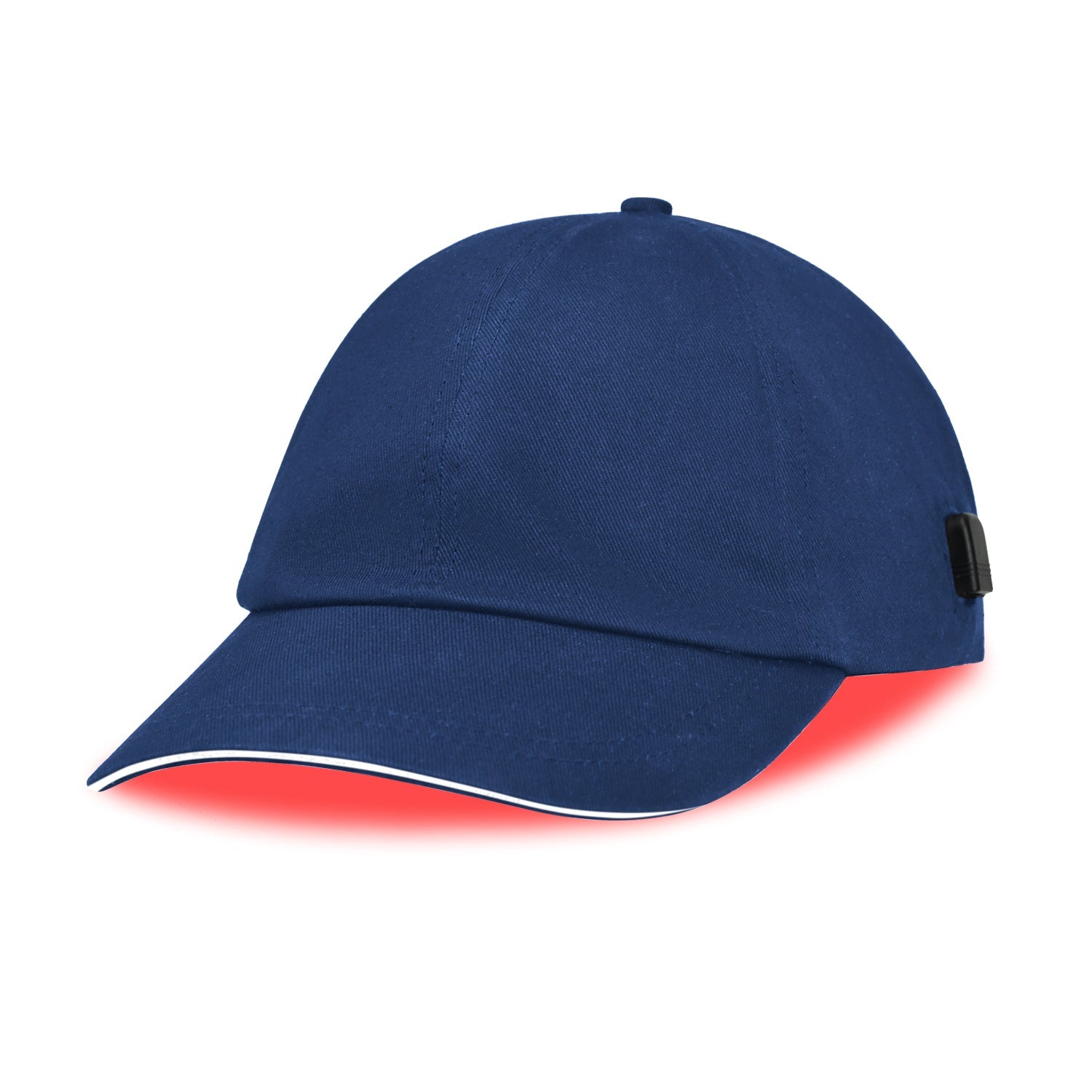
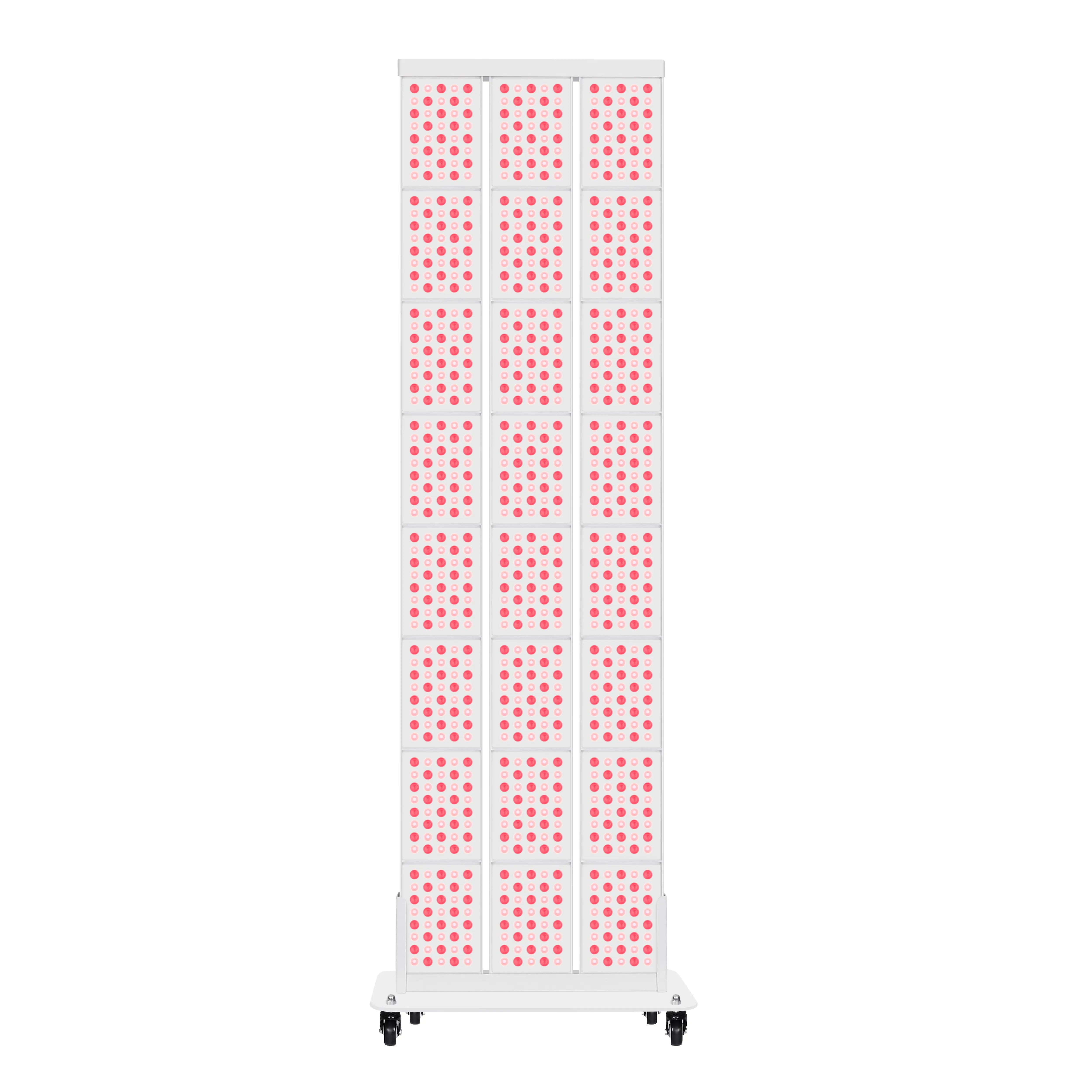
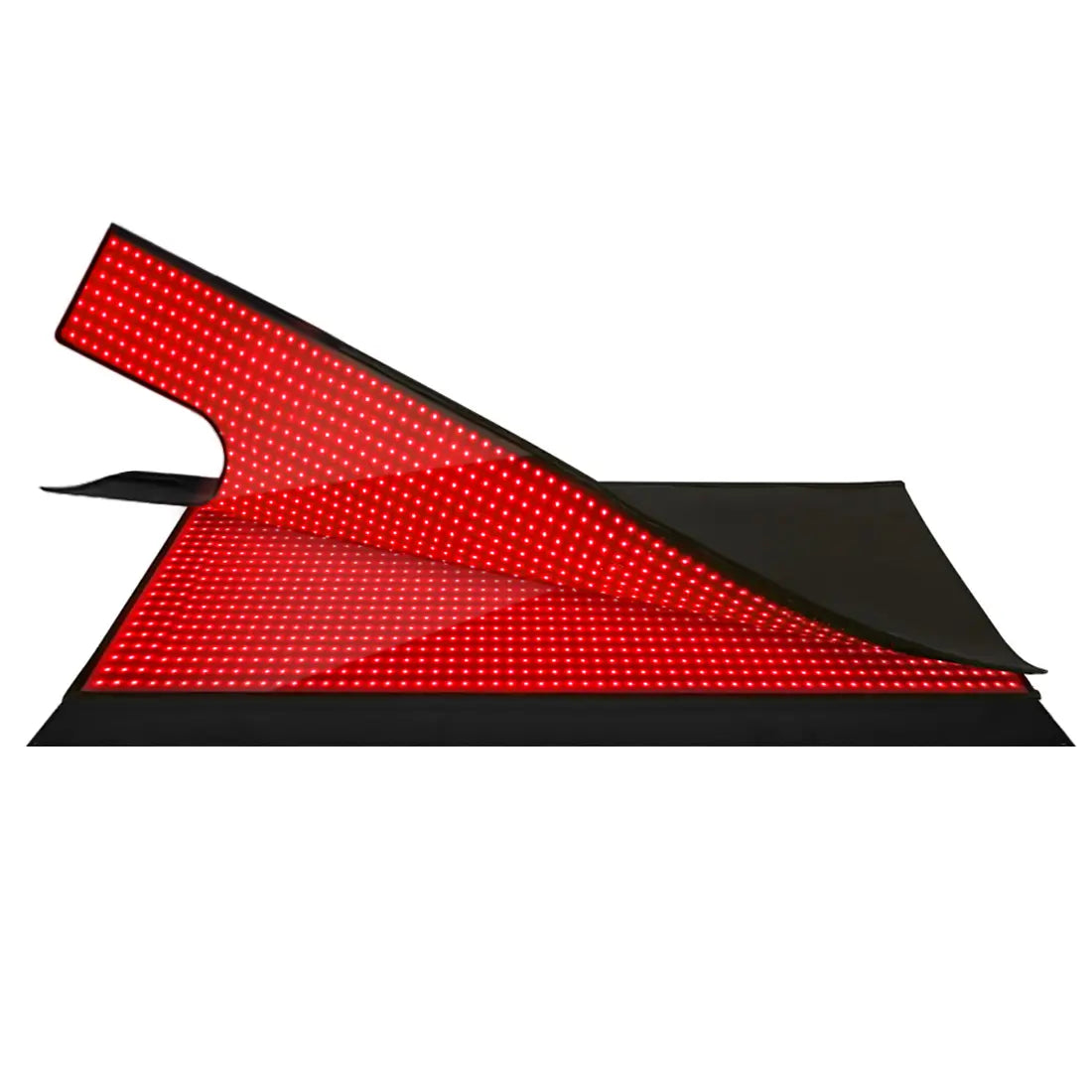
Portability and ergonomics are non‑negotiable for travel. A HealthLight at‑home system is described as lightweight, with small in‑line controllers that permanently attach to flexible pads, all packaged in a travel bag. A neck‑specific red and near‑infrared wrap on a large online marketplace highlights its cordless, rechargeable design and flexible, adjustable fit so you can move freely. An FDA‑cleared handheld device weighs about twelve ounces and is explicitly designed to be moved between any body area. A NASA‑derived pain‑management brand describes its devices as flexible, bendable panels that contour around joints and backs. These details all circle the same design idea: a travel device should wrap or sit comfortably where you need it without forcing you into awkward positions.
Battery life and charging matter more once you are outside your home power setup. Portable‑device guides recommend strong battery performance and fast charging so you are not stuck babying your panel or hunting for outlets in airports. If you routinely travel internationally, voltage compatibility and plug adapters should be part of your decision. A jet‑lag article by a red light company specifically calls out planning for voltages and packing all necessary cords and stands.
Durability becomes important once your gear is going through security scanners and overhead bins. Several brands stress impact‑resistant construction and robust pad designs so devices can survive frequent handling.
Safety features should never be an afterthought. Multiple device manuals and safety notes emphasize built‑in timers with automatic shutoff, eye‑safety warnings, and clear contraindications. A portable handheld brand warns users always to wear eye protection in near‑infrared modes, not to stare into LEDs, and to consult a physician before use if they are on medications that cause photosensitivity. A buying guide echoes this, advising users to avoid direct eye exposure, respect manufacturer time and distance guidelines, and talk to a health professional if they are pregnant, photosensitive, or living with certain medical conditions.
You can pull these criteria together in a simple decision framework.
Travel goal |
Best form factor to consider |
Useful features to prioritize |
Long‑haul flight with back and knee pain |
Flexible belt or pad that wraps joints or lumbar spine |
Mixed red and near‑infrared wavelengths, twenty‑minute programs, rechargeable battery |
City break with heavy walking and mild aches |
Compact handheld plus small pad for feet and calves |
Lightweight build, automatic timer, quick charging, ergonomic grip |
Jet‑lag and sleep support with skin benefits |
Small panel, face mask, or wand for evening sessions |
Primarily red wavelengths, low glare, simple controls, easy to pack |
Family trip with mixed pain issues |
Multi‑pad system or flexible panel that can be shared |
Multiple pads, simple one‑button operation, travel case, robust construction |
You do not need the most powerful full‑body system on the market to gain real travel benefits. A well‑chosen portable device that you will actually use consistently beats a high‑end unit that stays at home.
Safety, Contraindications, And Realistic Expectations
Across clinical and consumer sources, red light therapy is generally described as low‑risk when used properly, but not completely free of considerations.
Eye safety comes first. Near‑infrared modes, especially those labeled for deeper recovery, may emit light that your eyes cannot see but still respond to. A portable handheld brand explicitly instructs users to wear eye protection whenever near‑infrared or recovery modes are active and to avoid staring directly into LEDs. Other guides echo the recommendation to avoid shining the device into your eyes and to use goggles if a device is near the face for extended periods.
Photosensitivity and medications matter. Multiple device guides advise users who have very sensitive eyes or skin, or who take medications known to cause photosensitivity, to consult their physician before starting treatment. That includes certain antibiotics, acne medications, and other drugs that increase susceptibility to light‑induced reactions.
General health status is also relevant. Educational content from major clinics and device manufacturers emphasizes that people who are pregnant, living with significant medical conditions, or using strong medical‑grade systems should involve their healthcare provider in decisions about red light therapy. This is particularly important if you are considering combining red light with other medical treatments on your trip.
Dose discipline is important. A scientific review on low‑level light therapy describes a biphasic dose response: both very low and very high doses can be less effective than a moderate, optimal dose. The shift‑worker meta‑analysis on bright light therapy also found that moderate light intensities produced better sleep gains than either too dim or excessively bright protocols. The takeaway is clear: more is not automatically better. Stay within your device’s recommended time and distance ranges.
Side effects, when reported, are usually mild: temporary warmth, a feeling of relaxation or mild fatigue, or slight skin redness. Travel‑oriented articles stress that red light is not a “magic cure” and works best as part of a broader healthy routine that includes movement, hydration, and sleep hygiene.
Finally, expectations must be realistic. A comprehensive jet‑lag review makes it clear that even the best light and melatonin protocols cannot instantaneously erase a nine‑hour time change. Similarly, University Hospitals emphasizes that red light therapy can relieve pain and support healing but will not reverse severe structural damage. Think in terms of incremental advantages: thirty extra minutes of sleep, less stiffness after walking all day, and a calmer nervous system.
Pros And Cons Of Traveling With A Red Light Device
From the vantage point of a veteran wellness optimizer, the decision to dedicate suitcase space to a red light device comes down to trade‑offs.
On the pro side, the therapy is non‑invasive and drug‑free. Several pain‑management companies explicitly position red light as an alternative or complement to opioids and other medications. For travelers wary of relying on painkillers or sedatives, that matters. It is also multi‑purpose. The same device that eases your knees can help you wind down at night and support skin recovery after dry cabin air and new climates. Clinical and aesthetic reviews both report benefits for pain and skin when red light is used consistently. Side effects are minimal in most people, and at‑home devices are becoming more affordable, with handheld models often starting just under about one hundred dollars according to University Hospitals.
On the con side, the evidence base, while promising, is still developing. Many studies are small, use different wavelengths and dosing schedules, and rarely focus specifically on jet lag. Timing can be confusing without guidance. Devices capable of treating larger areas or delivering higher power can be expensive, sometimes in the several hundred to several thousand dollar range, and insurance rarely covers them. The therapy also requires time and consistency; a device that sits in your luggage unused will not help you.
If you travel only occasionally and have no significant pain or sleep issues, you may be better served by mastering the basics: schedule shifts, bright daylight on arrival, hydration, movement, and modest melatonin use. If you are a frequent traveler who routinely wrestles with joint pain, muscle tightness, or stubborn jet lag, a well‑chosen portable red light device, used alongside those basics, can be a high‑leverage addition to your recovery toolkit.
FAQ
Does red light therapy replace melatonin or bright light for jet lag?
No. High‑quality sources like Mayo Clinic and detailed circadian reviews agree that timed exposure to bright natural or artificial light and, when appropriate, small doses of melatonin are the primary tools for shifting your internal clock across time zones. Red light therapy has emerging evidence for improving sleep quality and supporting melatonin, especially in athletes and people with insomnia, and it is well suited to evening relaxation because it does not strongly suppress melatonin. The most evidence‑based approach is to use red light alongside daylight exposure, schedule adjustments, and, when medically appropriate, melatonin, not instead of them.
How quickly will I notice benefits during a trip?
In clinical contexts, several studies that measured sleep or pain used protocols lasting two or more weeks, and sports‑recovery practices often talk about consistent use over days to weeks. That said, some benefits, such as a subjective sense of relaxation or warmth in tight muscles, can appear after a single session. For travel, a realistic expectation is that using red light consistently in the week before your trip and during the first few days at your destination will gradually reduce stiffness and improve how rested you feel, rather than delivering one dramatic overnight shift.
Is it worth packing a device if I only take one or two long trips a year?
If you otherwise have good sleep and minimal pain, and your packing space and budget are tight, your first line of defense should be low‑tech strategies that the medical literature strongly supports: adjusting your schedule before travel, targeting sunlight at the right times, staying hydrated, moving frequently, moderating caffeine and alcohol, and using melatonin judiciously. If you already own a portable red light device for home use, bringing it on a couple of big trips a year can still be worthwhile, especially if you tend to experience significant stiffness or jet lag. In that case, you are not buying the device just for travel; you are extending a home recovery tool into your travel environment.
Red light therapy, used wisely, turns your hotel room or guest bedroom into a small recovery studio. The evidence says it will not erase jet lag or rebuild a knee joint, but it can systematically tilt the odds in your favor: less pain, smoother sleep, and faster recovery from the wear and tear of long journeys. For a serious traveler who treats health as part of the itinerary, that modest edge is exactly the kind of quiet advantage worth optimizing for.
References
- https://pmc.ncbi.nlm.nih.gov/articles/PMC2829880/
- https://www.mayoclinic.org/diseases-conditions/jet-lag/diagnosis-treatment/drc-20374031
- https://www.uhhospitals.org/blog/articles/2025/06/what-you-should-know-about-red-light-therapy
- https://www.physio-pedia.com/Red_Light_Therapy_and_Muscle_Recovery
- https://www.tenspros.com/dpl-clinical-handheld-light-therapy-for-pain-relief.html?srsltid=AfmBOoqZ8po5Pzc6il1vDb_UtJVMnnHdy2_i86QBNSii55raHehVoy1r
- https://thelumebox.com/?srsltid=AfmBOoqyuOc4N3_KMF_Q_0m0WczV3jpHlA9YT2BJd2vtjLJPQZRXY57E
- https://www.calm.com/blog/red-light-sleep
- https://www.celluma.com/pages/light-therapy-pain-management?srsltid=AfmBOooi-P-vqbsUqsKp4peo4jywfYz8KaFf0d9E8IWeo-5Ho95GHhyB
- https://joovv.com/products/joovv-go-2-0?srsltid=AfmBOor683SYS7fU9jqD0-PYWpF3dgqhn9w9liWEmoVwgIO0534B8-Tb
- https://mgsportsmassage.com/10-ways-red-light-therapy-recovery-muscle-pain/