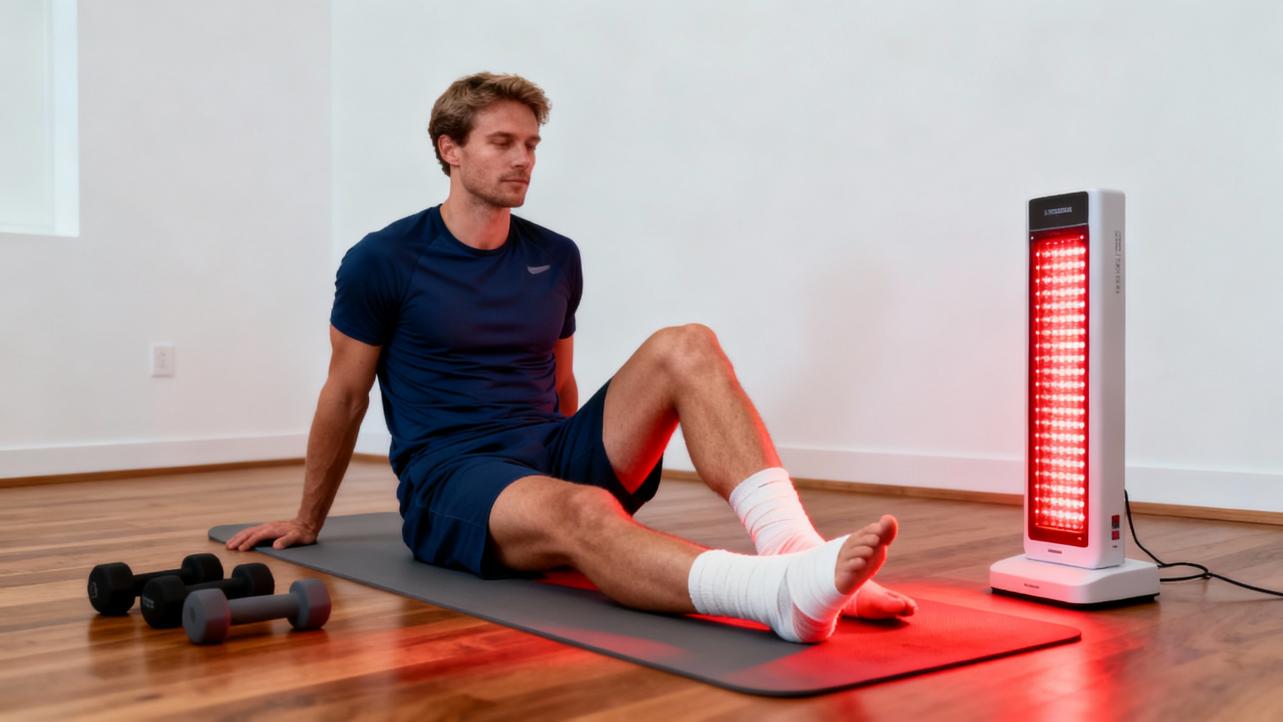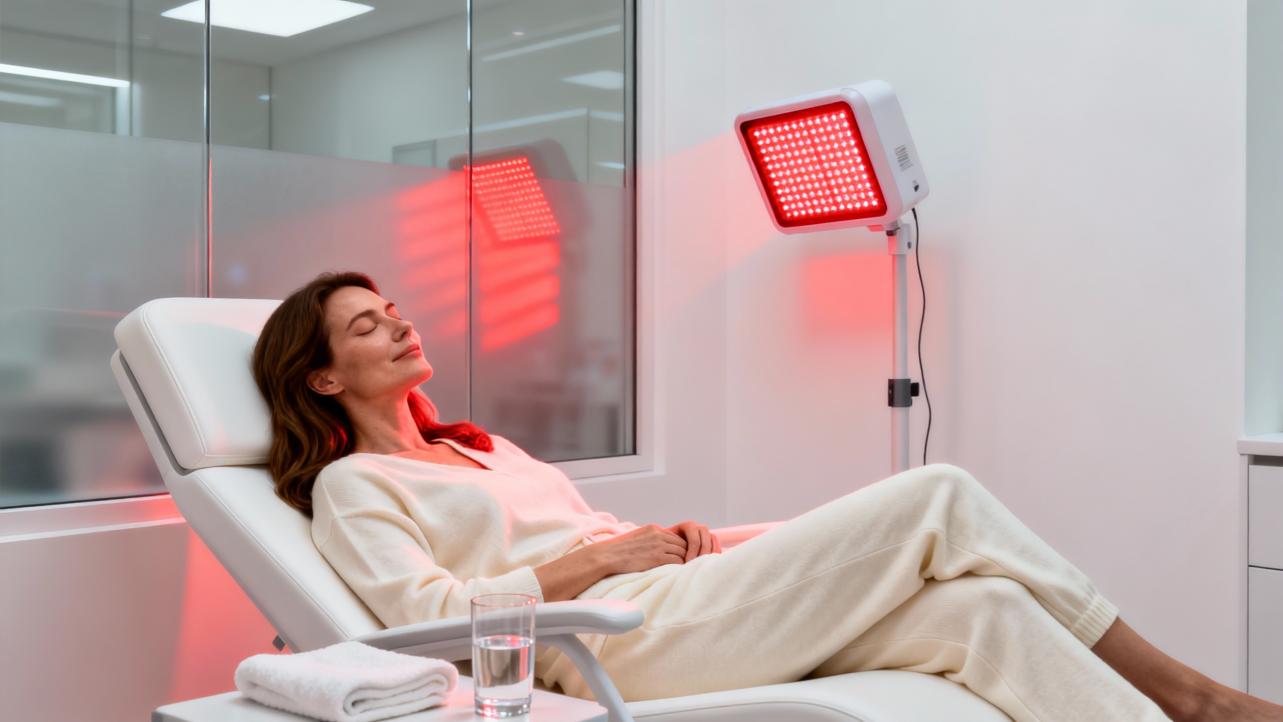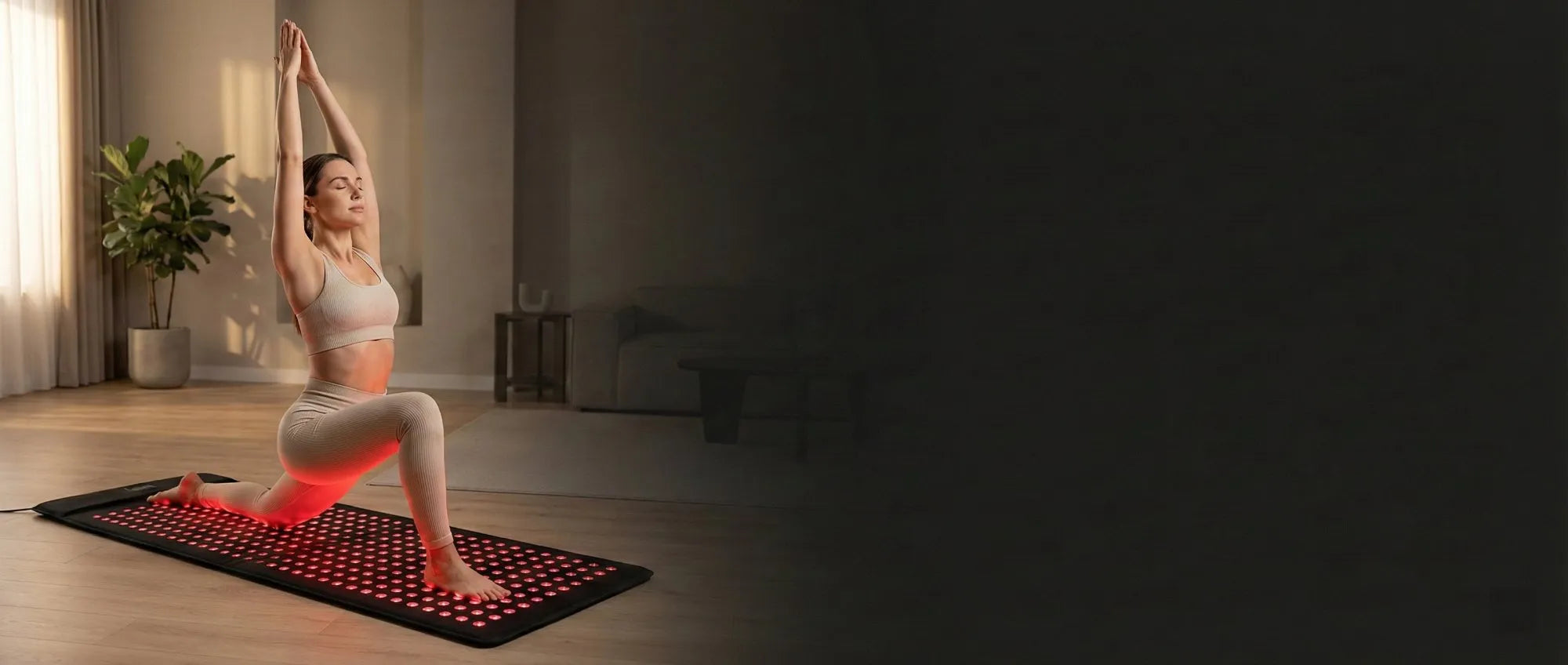
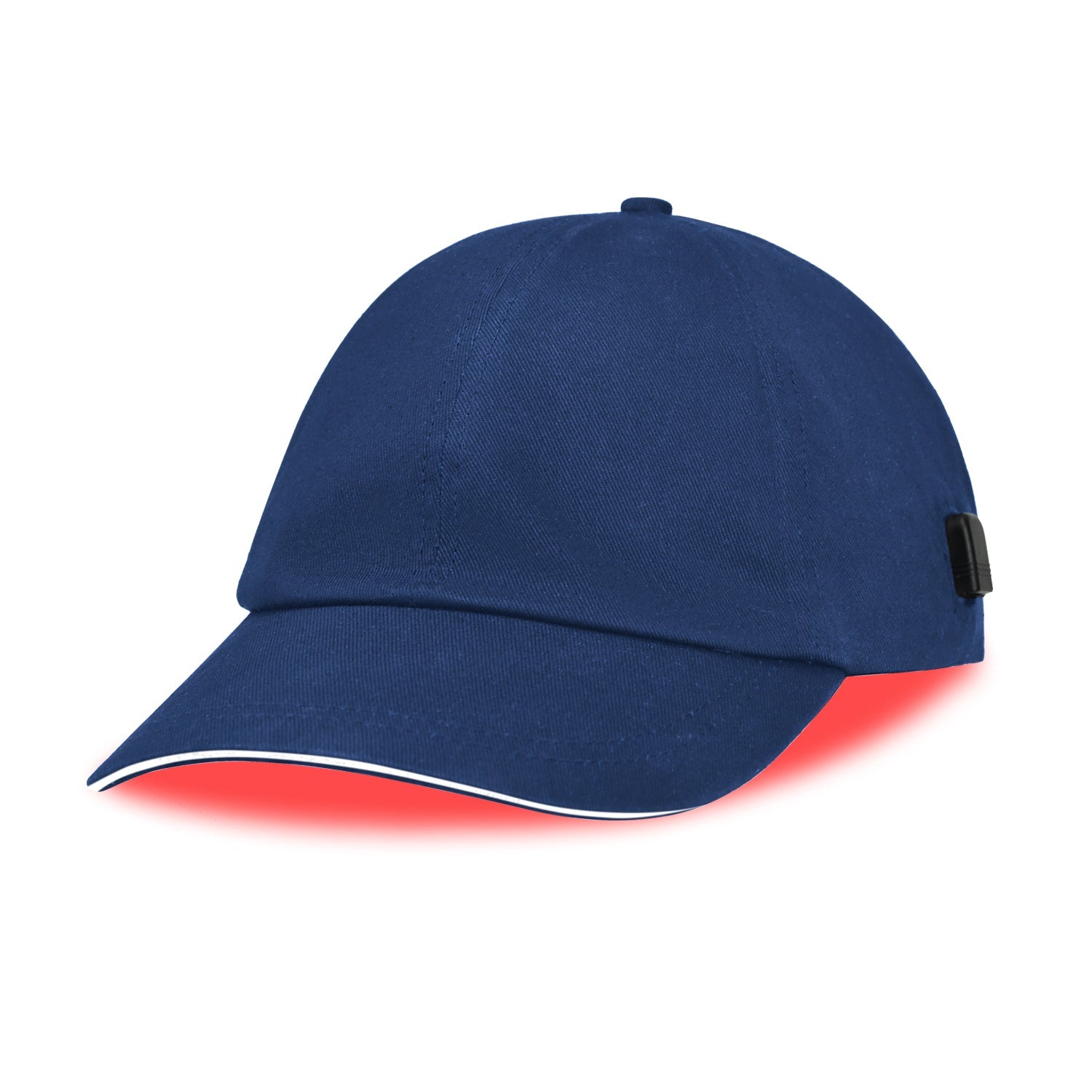

Mosquito season is when I earn my “light therapy geek” nickname. I can track summer by the number of evenings I spend on the patio, a glass of iced tea in one hand and a red light device in the other, chasing down the latest welt a mosquito left on my ankle. Over the years, I have tested ice packs, drugstore creams, smartphone heat gadgets, and a range of red and near‑infrared panels. The short version: red light therapy is not magic, but it is a genuinely promising tool for calming mosquito bites when you understand what it can and cannot do.
This guide walks through how mosquito bites work, what red light therapy actually does at the cellular level, how that translates to itch and swelling, and how to use it safely and realistically at home, backed by the best available evidence rather than hype.
Why Mosquito Bites Feel So Overwhelming
When a mosquito bites, it is not just taking a tiny blood snack. The insect injects saliva loaded with anticoagulants and allergenic proteins into the skin. Research summaries on mosquito bite dermatitis describe this saliva as containing allergenic proteins, enzymes such as adenosine deaminase, and other irritants that prompt your immune system to react.
Your body sees those molecules as foreign, so local immune cells release histamine and other inflammatory chemicals. Histamine dilates nearby blood vessels and makes them leaky, which leads to redness, warmth, swelling, and the classic raised bump. Those same mediators irritate nerve endings that carry itch and pain signals. When reactions are pronounced and persistent, clinicians sometimes describe the pattern as insect bite dermatitis or papular urticaria.
In everyday terms, that small welt is a compact storm of inflammation, leaking fluid, and irritated nerve fibers. It is also worth remembering that acute inflammation is not “bad” by definition. It is part of how the body protects and repairs itself. Problems start when the response is overly intense, slow to resolve, or repeatedly triggered in the same area. That is where targeted, non‑drug tools like light therapy can potentially help the body finish the job faster.
Imagine you spend an evening near a lake and come home with ten bites on your legs. For the next day or two, histamine and other mediators are surging in each of those spots, and you naturally scratch. Micro‑tears in the skin then add a minor wound‑healing component atop the allergic reaction. Any intervention that can nudge both inflammation and micro‑repair in a friendlier direction is worth a serious look.

What Red Light Therapy Really Does To Skin
In dermatology and rehabilitation medicine, red light therapy is usually called photobiomodulation. Instead of using ultraviolet radiation or high‑heat lasers to destroy tissue, it relies on low‑level red and near‑infrared wavelengths to modulate biology in a non‑thermal way.
Medical centers such as Cleveland Clinic and Stanford Medicine, as well as major reviews in dermatology journals, converge on the same basic mechanisms. Red and near‑infrared photons in the approximate range of about 630 to 850 nanometers are absorbed by chromophores inside cells, especially an enzyme in mitochondria called cytochrome c oxidase. When that enzyme absorbs light, several downstream effects have been documented:
Mitochondria increase adenosine triphosphate production, which means cells have more usable energy for repair tasks. Reactive oxygen species shift into a controlled signaling range that nudges cells toward adaptation rather than damage. Nitric oxide is released, promoting vasodilation and improving microcirculation, so more oxygen and nutrients reach the area while wastes and inflammatory byproducts clear more quickly. Fibroblasts ramp up production of collagen and elastin, which underpins better wound healing and skin structure.
Large reviews of photobiomodulation for skin and wounds report improvements in radiation dermatitis, oral mucositis, various hair loss disorders, acne, and scar remodeling. Clinical trials in musculoskeletal pain and post‑surgical recovery similarly show reductions in pain and inflammation when red or near‑infrared light is applied at appropriate doses. Importantly, these effects are achieved without the DNA damage associated with ultraviolet light, and dermatology groups such as the American Academy of Dermatology describe short‑term use as generally safe when devices are used correctly.
For our purposes, the key takeaway is that red light therapy does two things that are directly relevant to mosquito bites: it down‑modulates inflammatory signaling and improves local healing capacity.

Linking Red Light Therapy To Mosquito Bite Relief
There are only a handful of articles focused explicitly on insect bites, most of them from device manufacturers or wellness clinics. However, they line up with the broader photobiomodulation literature in a way that makes biological sense.
A practical guide on mosquito bite relief with red light explains the pathophysiology of bites and frames red light therapy as a tool to calm the local reaction. The authors describe how low‑level red and near‑infrared light down‑regulates pro‑inflammatory mediators and provides anti‑itch and analgesic effects at the skin level, which can reduce swelling, redness, pain, and itching. They emphasize that red wavelengths tend to work more superficially to support skin health and collagen, while near‑infrared penetrates deeper to support tissue repair and metabolism.
Another article on treating bites, bruises, and stings with light describes a simple protocol: after washing an insect bite, users apply red and near‑infrared light for about ten to twenty minutes. If pain or itch persists, the session can be extended up to about an hour, with the caveat that ongoing pain, shortness of breath, or systemic symptoms must trigger medical evaluation rather than more light.
A third resource focused on bug bites, drawing on NASA‑funded experiments, points out that high‑intensity red and near‑infrared LED exposure accelerated the healing of oxygen‑deprived wounds and musculoskeletal injuries by roughly forty to fifty percent compared to controls. The same article notes increased collagen density and extracellular matrix proteins in skin exposed to red light in the 611 to 650 nanometer range, suggesting a real structural benefit for tissues stressed by bites and scratching.
Meanwhile, a dedicated piece on mosquito bites highlights consistent themes: clean the bite, then use a handheld red light device placed a few inches from the skin for roughly five to ten minutes, repeating sessions as needed. The authors position light as a non‑invasive adjunct that can be combined with traditional anti‑itch creams to provide both faster symptom relief and potentially faster resolution of the bump itself.
The evidence for hives, which are also histamine‑driven welts, adds an interesting layer. A review of red light therapy for hives and inflammatory skin shows that red and near‑infrared light can modulate inflammatory cytokines and improve microcirculation. Some experimental work suggests light might even stabilize mast cells, although results are mixed and highly dependent on wavelength and dose. In practice, people who respond often notice improvements in skin comfort over two to four weeks with consistent ten to twenty minute sessions several times per week.
Putting these threads together, the mechanism‑based picture looks like this: mosquito bites create a compact zone of histamine‑dominated inflammation and minor tissue disruption; red light therapy has repeatedly been shown to reduce inflammatory signaling, enhance microcirculation, and support collagen and tissue repair in a variety of skin conditions; several real‑world protocols already use the same wavelengths and timing for insect bites, stings, bruises, and hives.
We do not yet have a large, blinded, mosquito‑bite‑only trial the way we do for some other conditions. So a veteran optimizer’s stance should be honest: using red light therapy for mosquito bites is an evidence‑informed extrapolation from related conditions, backed by small case reports and mechanism, not a fully settled medical indication.
A Quick Reality Check: Red Light Versus Concentrated Heat
One of the most rigorous pieces of itch research for insect bites does not involve red light at all. A decentralized real‑world study in Germany evaluated a smartphone‑powered device that applies brief pulses of concentrated heat to insect bites and stings. The device heated the skin to about 117 to 125°F for just four to nine seconds. Among more than twelve thousand registered bites and stings, mostly from mosquitoes, itch scores dropped by over fifty percent within a minute and by roughly eighty percent within ten minutes. Pain scores also fell substantially.
The mechanism is straightforward neurobiology. Specific itch fibers in the skin can be inhibited by painful stimuli such as noxious heat. Brief, localized hyperthermia essentially overrides itch signaling at the spinal cord and brain level.
Why bring this up in a red light article? Because it illustrates that for pure, immediate itch suppression, concentrated heat has excellent data. Red light therapy, on the other hand, typically produces only gentle warmth and is designed to be non‑noxious. Its primary mechanisms are mitochondrial and inflammatory, not direct neural blockade.
That does not make red light less valuable, but it does change the expected time course. Hyperthermia can shut down itch within minutes. Red light is more likely to gradually reduce itch and swelling over the course of a ten to twenty minute session and in the hours after, with added benefits for skin recovery. Some people do feel near‑immediate relief while under a panel; others experience a softer, slower improvement.
In my own experiments, a smartphone heat device is my emergency “I need to stop scratching now” tool. Red light is my workhorse for calming the bite, reducing the bump, and supporting the skin barrier over the next day. They are complementary, not competing, modalities.
How To Use Red Light Therapy For Mosquito Bites At Home
If you already have a red light panel, mask, or handheld unit, you do not need a mosquito‑specific gadget to start experimenting. The key is to treat mosquito bite care with the same respect you would give to a minor wound or flare‑up.
Start with basic first aid. Gently wash the bite area with mild soap and water and pat it dry. This follows the same protocol recommended in guides on using red light for insect bites, bee stings, and minor cuts. If you typically ice new bites for a few minutes to blunt early swelling, you can do that before light exposure, as long as you do not create frostbite or numb the skin to the point you cannot sense excess heat.
Position your device so that the LEDs are a few inches from the bite. Several consumer‑focused articles recommend a distance of about three to six inches for small panels and handhelds. Panels powerful enough to treat larger regions can sit farther away, while very low‑power wands may need to be a little closer. Because device intensities vary widely, you should always defer to your manufacturer’s instructions as a starting point.
For timing, most bite and sting protocols converge on ten to twenty minutes per session. One guide suggests beginning with ten to twenty minutes and extending up to about one hour only if pain is still significant and your skin tolerates the exposure without increased irritation. Another recommends five to ten minutes per session for mosquito bites, repeating sessions based on symptom severity. In my practice, I find that ten to fifteen minutes is a sweet spot for most consumer panels when the goal is local skin effects rather than deep joint work.
Frequency matters less for a single bite than it does for chronic skin conditions, but consistency still helps. A reasonable pattern is to treat fresh bites once or twice on day one, then once per day for another day or two if itching and swelling persist. For someone who gets multiple bites every evening in summer, it can make sense to integrate a daily red light session as a general anti‑inflammatory skin routine rather than chasing each individual welt.
Throughout the process, pay close attention to symptoms. If a bite area becomes increasingly painful, very hot, dramatically swollen, develops streaking, or you notice systemic signs such as fever, shortness of breath, or feeling unwell, that is not a job for more red light. Articles on red light for insect bites and stings are clear on this point: unusual or worsening symptoms after using light warrant prompt medical evaluation, since allergic reactions and infections require standard medical treatment.
Choosing And Tuning Devices For Bite Relief
Not every light box in a wellness spa is suitable for thoughtful bite care. A veteran optimizer looks at a few key parameters rather than just the marketing claims.
Wavelength is the foundation. Across reviews from dermatology departments and wellness clinics, red wavelengths around 630 to 670 nanometers and near‑infrared wavelengths around 810 to 880 nanometers show the clearest evidence for skin and superficial tissue effects. Cosmetic and dermatologic practices commonly use red light for surface skin and mild inflammation, while near‑infrared is layered in when deeper tissue involvement is desired.
Power density, often reported in milliwatts per square centimeter, governs how much energy reaches the skin per unit time. A hives‑focused article recommends at least about thirty milliwatts per square centimeter for therapeutic use, while some inflammation‑oriented resources suggest approximating the intensity of natural sunlight at the skin to stay in a safe and effective window. Many consumer devices do not clearly disclose real‑world output at typical distances, which is one reason health systems and dermatology groups encourage choosing FDA‑cleared devices and, when possible, consulting a clinician.
Session structure matters as much as raw power. Harvard‑affiliated dermatologists, Cleveland Clinic, and other major centers note that red light therapy is delivered in short sessions, often around ten to twenty minutes, several times per week, and that more is not always better. There is a biphasic response in photobiomodulation: at excessively high doses or very long exposures, benefits can plateau or even diminish, and in rare cases high‑intensity LEDs have caused skin redness or blistering.
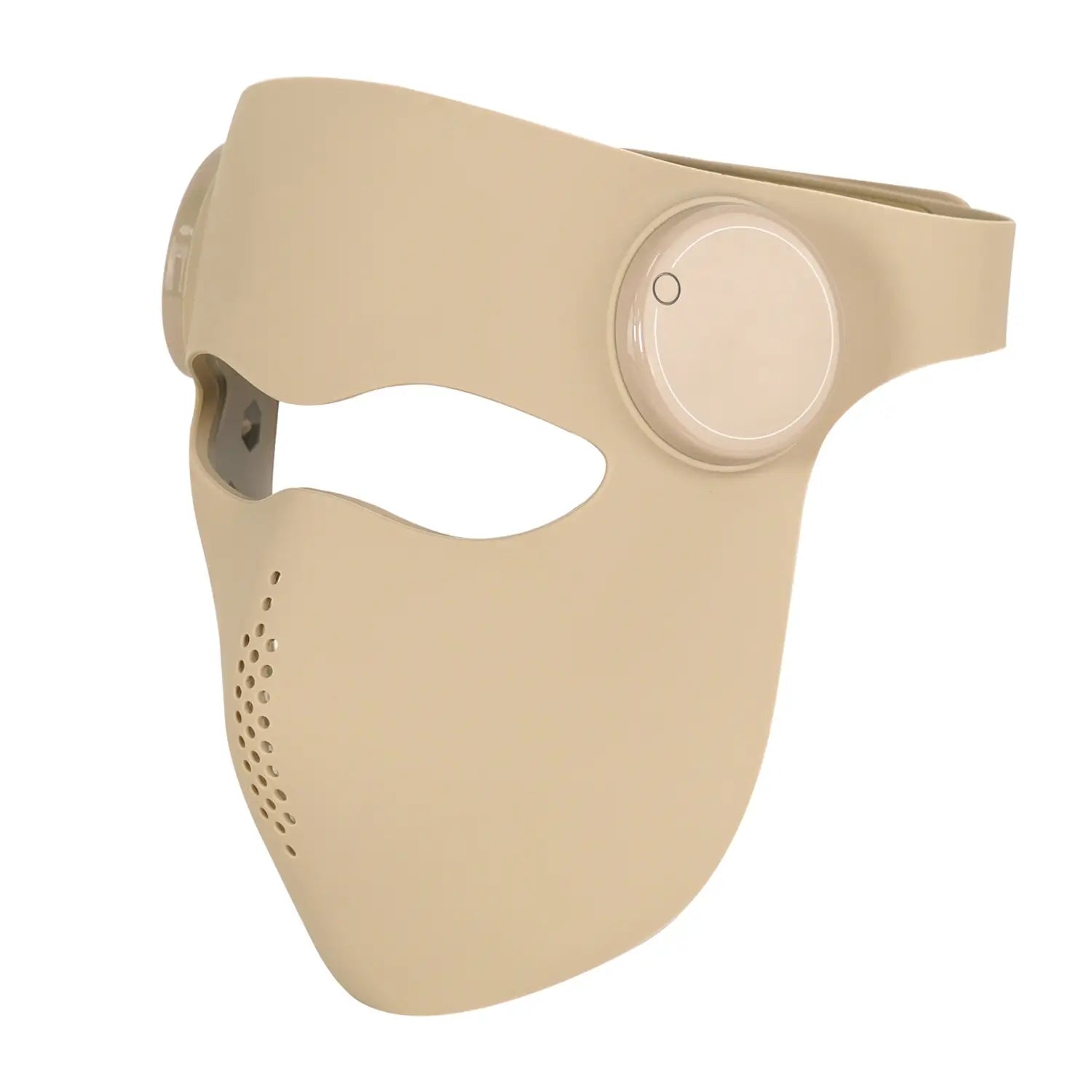
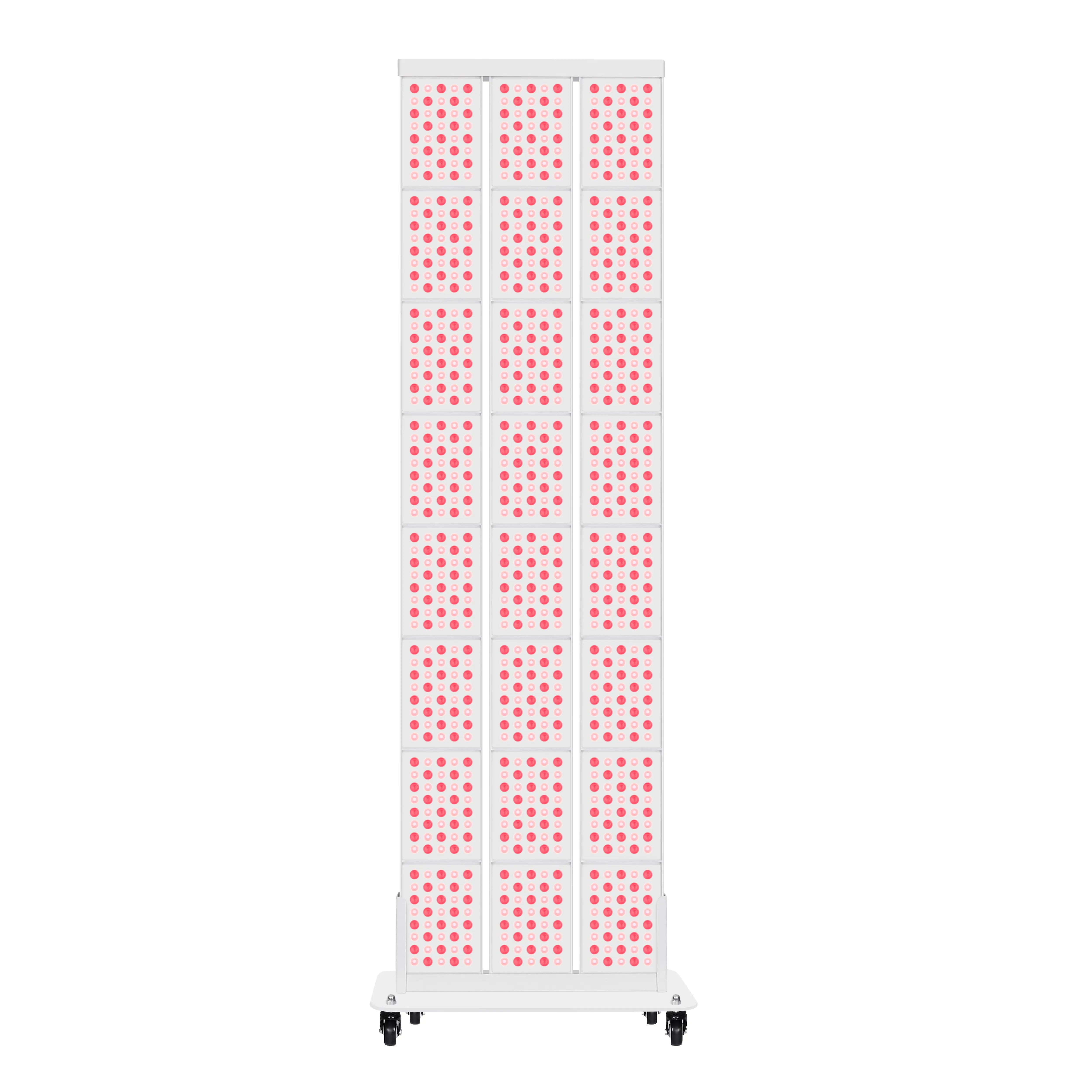
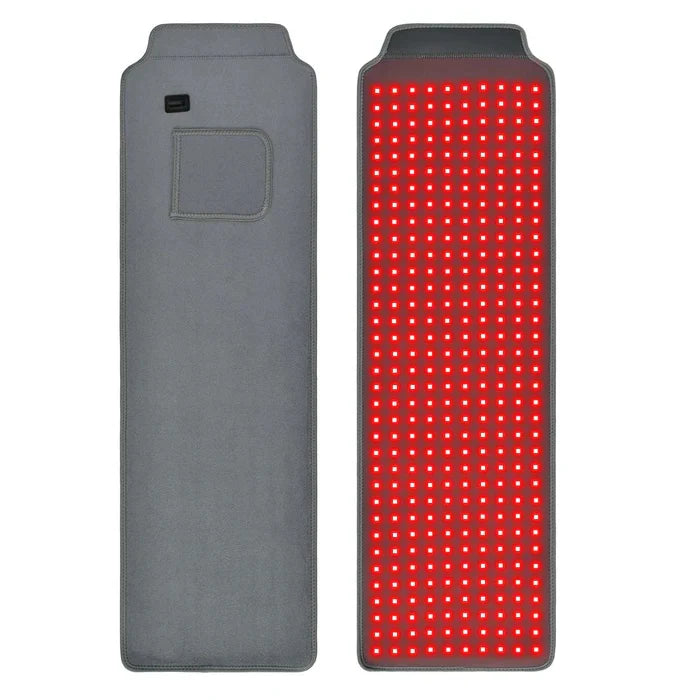
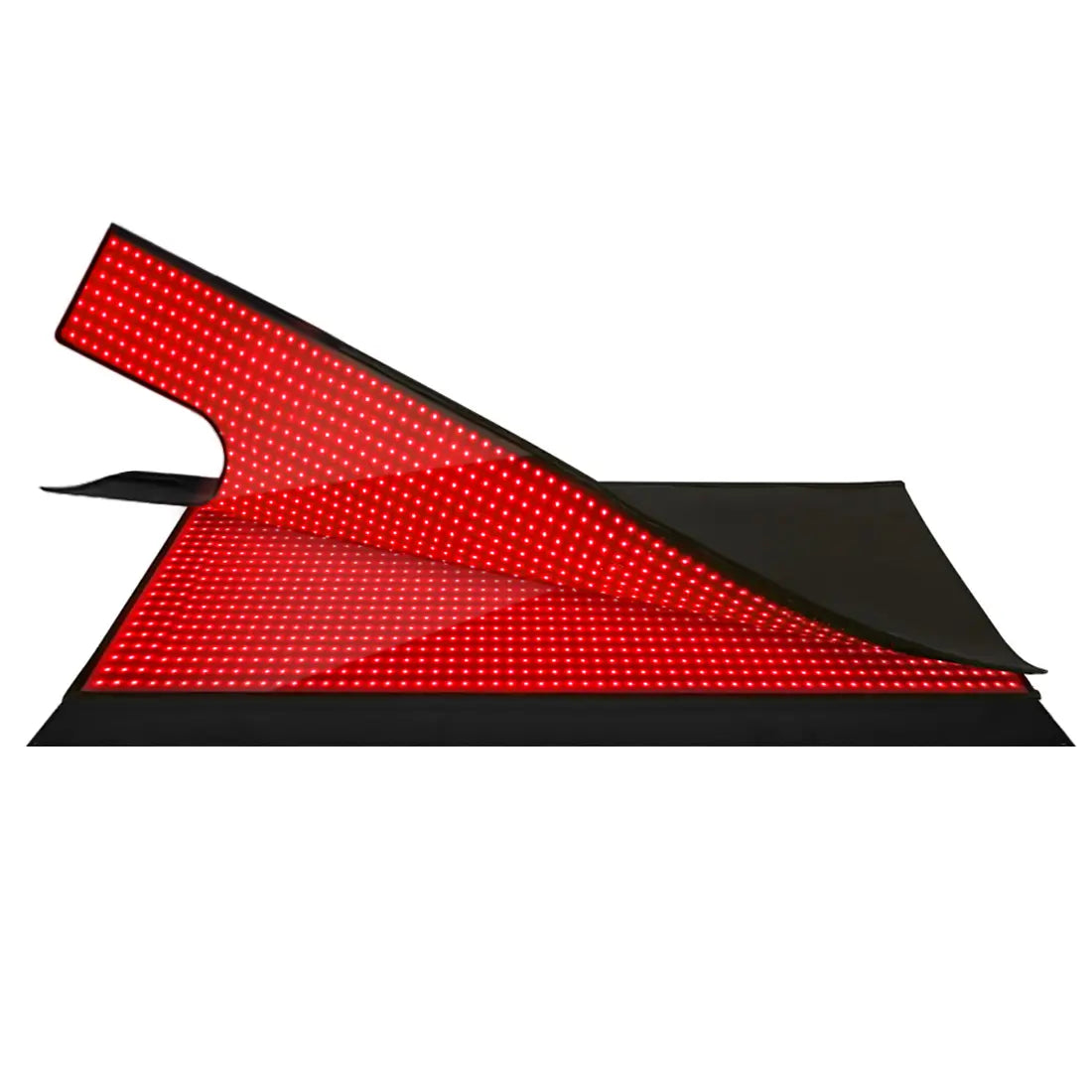
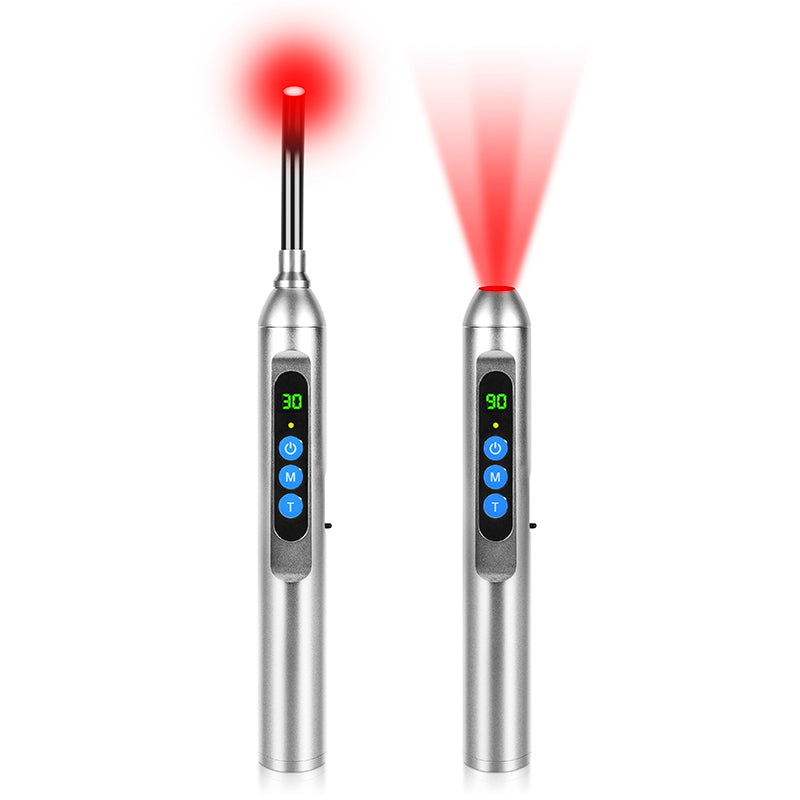
Device type is partly a convenience decision. Panels and table‑top units are ideal when you routinely treat legs, arms, or large skin areas. Handheld wands shine when you want to concentrate on a small cluster of bites on one wrist or ankle, or when you are traveling. Wrap‑style devices can be helpful if you tend to get bites in the same region, such as around the calves during trail runs. In all cases, you want stable positioning so the light reaches the bite area at the intended distance for the full session.
As an example, my own summer setup uses a small tabletop panel with a mix of red and near‑infrared LEDs. For a cluster of bites around my ankle, I prop my leg on a chair so the panel sits roughly four to five inches away from the bites. I run a fifteen minute session while reading, then reassess. If itching has dropped and the skin looks calmer, I let the system do the rest. If the area still feels angry that evening, I may add a second ten minute session, being careful not to exceed the manufacturer’s recommended total daily dose.

How Red Light Compares To Other Bite Remedies
Red light therapy should not replace basic first aid, nor should it be your only response to a mosquito bite. It is most effective when seen as one tool in a multi‑layered approach that might include physical measures, topical agents, and, where appropriate, concentrated heat devices.
The comparison below focuses on mechanisms and practical pros and cons, grounded in the research you have seen.
Approach |
How it works |
Typical role in care |
Strengths |
Limitations |
Red and near‑infrared light therapy |
Modulates mitochondrial function, increases cellular energy, improves microcirculation, down‑regulates inflammatory mediators, and supports collagen and tissue repair |
Adjunct after basic cleaning and, if needed, icing; useful for reducing inflammation, supporting healing, and moderating itch and pain over hours to days |
Non‑invasive, non‑UV, generally safe when used correctly; can be reused for skin, joint, and muscle applications; may reduce reliance on repeated topical drugs |
Requires a device and regular sessions; effects can be subtle and gradual; parameters of some consumer devices are poorly characterized; evidence for mosquito bites specifically is still emerging |
Concentrated heat devices |
Deliver short bursts of high heat around 117 to 125°F for a few seconds; painful heat temporarily overrides itch signaling from nerve fibers |
Rapid itch and pain suppression for fresh bites and stings; often used within minutes to hours after the bite |
Strong trial data showing substantial itch and pain reduction within minutes; very quick sessions and portable smartphone‑powered form factor |
Mechanism is neural, not reparative; can be uncomfortable; not designed to enhance tissue healing; still requires attention to skin tolerance and burn risk |
Topical anti‑itch creams and gels |
Use ingredients such as antihistamines or numbing agents to dampen local histamine action or blunt nerve sensitivity |
Short‑term relief of itch and mild inflammation, often combined with other measures |
Widely available, familiar, and easy to apply; do not require devices or electricity |
Some formulations can irritate sensitive skin or cause allergic reactions; effects are temporary and can encourage repeated application; do not address deeper cellular repair |
Ice or cold packs |
Cool the skin, constrict local blood vessels, and slow nerve conduction |
Early step to manage immediate swelling and discomfort, often recommended alongside other interventions |
Very low cost and accessible; can provide soothing relief and limit early swelling when used briefly |
Relief often fades once the area rewarms; prolonged or intense cold can damage skin; does not directly modulate cellular metabolism or long‑term healing |
There is no single “best” remedy. On a practical evening in July, you might clean the bites, briefly ice a particularly angry welt, apply a dab of an anti‑itch gel if you tolerate it, and then spend ten minutes with your red light panel while you read or journal. For many readers, that combination provides both acute comfort and a favorable environment for the skin to settle down rather than stay in a days‑long histamine spiral.

Safety, Side Effects, And When To Avoid Red Light
Major medical centers and professional dermatology groups consistently describe short‑term, properly dosed red light therapy as low risk. It uses visible or near‑infrared wavelengths without ultraviolet radiation and is non‑invasive. Commonly reported side effects are mild and transient, such as temporary redness or slight warmth in the treated area. In large phototherapy reviews, light‑based interventions are considered safe across age groups and skin tones, and even generally acceptable for pregnant women when used appropriately.
That said, safety is not automatic. Overly powerful devices, excessive session duration, or incorrect use can cause problems. A clinical trial using high‑intensity LED light noted that very strong doses were capable of causing redness and blistering. Eye safety is another major concern. Hospitals and cancer centers that use red light therapy for oral mucositis and pain require protective goggles, and consumer guidance from dermatology organizations stresses that you should never look directly at bright light sources and should wear proper eye shields when treating the face.
Certain medical situations call for extra caution. People with light‑sensitive conditions such as lupus, those with a history of severe eye disease, and anyone taking medications that increase photosensitivity, including some antibiotics, acne drugs, and diuretics, are advised by dermatology and hospital guidelines to consult a physician before using red light therapy. Individuals with a history of skin cancer or active cancer in the treatment area should also involve their care team before adding more light exposure, even though red wavelengths are non‑UV.
For pregnant users, mainstream health systems note that limited research on laser and light treatments in pregnancy has not revealed clear harm in hundreds of treated women, but they still recommend involving obstetric providers before using devices on the torso.
Finally, it is essential to distinguish between treating symptoms and ignoring red flags. Red light is not a treatment for severe allergic reactions, anaphylaxis, or serious skin infections. If a mosquito bite is associated with trouble breathing, swelling of the face or tongue, difficulty swallowing, dizziness, or rapidly spreading redness, emergency or urgent medical care takes priority. As one insect bite protocol rightly stresses, persistent or worsening pain, swelling, or systemic symptoms after using red light should lead you to stop the sessions and seek professional evaluation.
Who Is Most Likely To Benefit
People who live in warm, humid climates or spend time near lakes and wetlands often accumulate dozens of bites in a week. For them, the main appeal of red light therapy is not treating a single bite, but reducing cumulative irritation and helping skin bounce back from repeated assaults.
Based on the evidence and real‑world practice across skin and pain indications, the profile that tends to benefit looks like this. The person is already interested in non‑drug, at‑home tools and is willing to commit to short, regular sessions rather than looking for a one‑time fix. They own or are prepared to invest in an FDA‑cleared red light device with clearly stated wavelengths and recommended session parameters. They do not have uncontrolled photosensitive conditions and are willing to use eye protection and follow manufacturer guidance. They understand that red light complements, rather than replaces, insect avoidance strategies, basic first aid, and appropriate medical evaluation.
A simple thought experiment can be helpful. Imagine that in peak summer you typically endure three to four days of intense itching and visible welts after a heavy mosquito exposure. With a thoughtful red light routine layered in, you might instead see day one irritation, softer symptoms on day two, and mostly quiet skin by day three. Over an entire season, that faster resolution can matter more than how any single bite feels at a given moment.
Short FAQ On Red Light Therapy For Mosquito Bites
Does red light therapy stop mosquito bite itch immediately?
Photobiomodulation is not designed as a sharp, painful stimulus to shut down itch fibers the way concentrated heat devices do. Controlled heat around 117 to 125°F applied for only a few seconds has strong evidence for cutting itch within minutes. Red light therapy works primarily by modulating inflammation and cellular metabolism, so improvements in itch and swelling tend to be gradual over the course of a ten to twenty minute session and the following hours. Some people report that bites feel calmer even while under the light, but it is more realistic to aim for faster resolution over the next day or two rather than instant numbness.
Is red light therapy safe for kids with mosquito bites?
Large photobiomodulation reviews describe red and near‑infrared light as generally safe across all ages when used properly. Because kids’ skin and eyes can be more sensitive, the same conservative rules apply even more strongly: keep sessions shorter at first, use lower‑power settings when available, maintain appropriate distance, and always protect the eyes. Parents should discuss any use with a pediatrician, especially if the child has a photosensitive condition or takes medications that increase light sensitivity.
Can I overdo red light on a bite?
Yes. Although overdosing red light usually does not cause catastrophic harm when devices are used as intended, excess exposure can blunt benefits and, at high intensities, has occasionally caused redness or blistering in research settings. Dermatology and hospital guidelines emphasize sticking to manufacturer‑recommended session lengths, building up slowly, and avoiding the temptation to double or triple your dose because you want faster results. For mosquito bites, shorter, consistent sessions are more aligned with how the underlying biology responds.
Should I buy a special device just for mosquito bites?
For most people, it makes more sense to choose a versatile red or red‑plus‑near‑infrared device that can serve multiple roles: skin quality, minor wounds and bruises, joint and muscle soreness, and seasonal bite relief. Articles from dermatology practices and health systems note that clinic‑grade devices are more powerful and better characterized, but many at‑home panels, masks, and wands can be useful if they are FDA‑cleared and used as directed. If mosquito bites are your only concern and you already have reliable symptom control with simple measures or a concentrated heat device, you may not need to add red light solely for that purpose.
The biohacker’s sweet spot lives between skepticism and curiosity. Red light therapy will not make you immune to mosquitoes or replace an epinephrine pen, but the science around inflammation, circulation, and skin repair does justify its place in a serious bite‑management toolkit. Treat your light device as a disciplined, repeatable input rather than a magic wand, pay attention to how your skin actually responds over a summer, and you will build a personalized protocol that is both safer and more effective than chasing every new gadget that flashes red.
References
- https://www.health.harvard.edu/staying-healthy/red-light-therapy-for-skin-care
- https://pmc.ncbi.nlm.nih.gov/articles/PMC10309056/
- https://med.stanford.edu/news/insights/2025/02/red-light-therapy-skin-hair-medical-clinics.html
- https://www.brownhealth.org/be-well/red-light-therapy-benefits-safety-and-things-know
- https://www.mdanderson.org/cancerwise/what-is-red-light-therapy.h00-159701490.html
- https://my.clevelandclinic.org/health/articles/22114-red-light-therapy
- https://www.uclahealth.org/news/article/5-health-benefits-red-light-therapy
- https://www.aad.org/public/cosmetic/safety/red-light-therapy
- https://www.uhhospitals.org/blog/articles/2025/06/what-you-should-know-about-red-light-therapy
- https://theconversation.com/red-light-therapy-shows-promise-for-pain-relief-inflammation-and-skin-conditions-but-other-claims-might-be-hyped-240426