
Hormonal skin aging is where my inner light-therapy geek really goes to work. I get constant questions like, “Can my red light mask fix my menopausal skin?” or “Is this panel actually balancing my hormones, or just making my face glow?”
The short version is this: red light therapy clearly does useful things for aging skin and hair, and there are intriguing hints that it may interact with hormone-driven systems like sleep, stress, and metabolic health. At the same time, the boldest “hormone-balancing” claims are ahead of the hard science. You can absolutely harness red light as part of a hormone-smart skin plan, but it works best when you understand what is proven, what is promising, and what is still marketing.
In this article, I will walk through what the research actually shows about red light therapy, how it intersects with hormones that drive visible skin aging, and how to use it safely and strategically in real life.
What Do We Mean By “Hormonal Skin Aging”?
Hormones are chemical messengers produced by glands and carried in your bloodstream to receptors on target cells. They regulate growth, metabolism, reproduction, mood, sleep, and immune function. When those signals drift out of balance, you see it and feel it: fatigue, weight gain, anxiety, low mood, and very often changes in your skin. Several hormone-focused red light articles and clinic resources make this same point, emphasizing that hormones regulate how we look and feel day to day.
Hormonal skin aging is not just “getting older.” It reflects life-stage shifts in several key hormone systems:
During puberty and later hormonal surges, androgens can increase oil production, driving acne and congestion. Clinical acne resources from dermatology groups describe this as overgrowth of oil glands and excess sebum, which is why light-based acne therapies sometimes aim directly at sebaceous glands.
Across a woman’s reproductive years, monthly fluctuations in estrogen, progesterone, and testosterone can change skin oiliness, sensitivity, and pigmentation. Menstrual-cycle and PMS content from wellness clinics notes that premenstrual hormone dips and spikes often trigger sleep issues, mood swings, and breakouts.
In pregnancy and perimenopause, estrogen and progesterone swing dramatically, influencing skin firmness and moisture. A hormonal balance clinic notes that hormones help keep skin “firm and moist,” and that women often notice discomfort as levels drift.
In menopause and Andropause-style testosterone decline, reduced sex hormones and increased stress and metabolic hormones can show up as thinner, drier, more fragile skin, more obvious wrinkles, increased sensitivity, and new-onset adult acne. A women’s clinic reviewing red light mentions menopause as a time when declining tissue and bone density become obvious, and suggests light therapy partly because it can stimulate collagen and support tissues.
Metabolic hormones, especially insulin, contribute their own layer. A hormone-health red light article from a wellness brand explains that insulin resistance can drive elevated insulin, which then promotes androgen production and contributes to polycystic ovary syndrome in women. This often presents with acne and unwanted hair growth.
Stress hormones like cortisol connect all of this. Higher cortisol over time can suppress immune function and promote inflammation. A hormone-health red light article notes that chronic stress and elevated cortisol weaken immune defenses, and positions red light as a potential tool to counter some of those effects by supporting immune cells.
When you put those systems together, hormonal skin aging looks like a cluster: more fine lines and wrinkles, loss of elasticity, dryness, slower wound healing, breakouts that last longer, and issues like thinning hair on the scalp with increased sensitivity elsewhere. Red light therapy touches several of these pathways, sometimes directly in the skin, sometimes indirectly through sleep, stress, and metabolism.

Red Light Therapy 101: More Than a Beauty Gadget
Cleveland Clinic describes red light therapy as a treatment that uses low levels of red or near-infrared light to improve skin appearance, including wrinkles, scars, redness, and acne. It is also known as low-level laser therapy, soft or cold laser, photobiomodulation, or simply light therapy. Importantly, these devices do not use ultraviolet light, so they do not tan you or carry the same skin-cancer risk as tanning beds.
A major scientific review of photobiomodulation in dermatology defines it more precisely. Photobiomodulation uses red wavelengths roughly in the 620–700 nanometer range and near-infrared in the 700–1440 nanometer range from low-level lasers or LEDs. These photons are absorbed by natural chromophores in the body, particularly mitochondrial cytochrome c oxidase and other heme- and flavin-containing molecules. That absorption sets off a cascade of photophysical and photochemical reactions:
Mitochondria ramp up production of ATP, the energy currency of the cell.
Reactive oxygen species and nitric oxide are modulated in a way that, at the right dose, can reduce damaging inflammation while still signaling repair.
Calcium and redox signaling shift, altering gene expression related to cell survival, growth, and matrix production.
Dermatology researchers have shown that in skin this translates into more collagen and elastin, modulation of every phase of wound healing, better angiogenesis (new blood vessels where you need them), and improved scar outcomes for burns and chronic wounds.
Stanford Medicine dermatologists explain it in more clinical language: using a concept called selective photothermolysis, different wavelengths of red and near-infrared can be tuned to either damage pathological tissues (when combined with a photosensitizing drug) or stimulate healing and collagen production at lower intensities. Historically, red light with a topical drug has been used to treat early-stage skin cancers and precancerous lesions as part of photodynamic therapy. Those treatments deliberately destroy abnormal cells. Red light alone, at the levels used for skin rejuvenation, does not kill skin cancer but can support regeneration of healthier tissue.
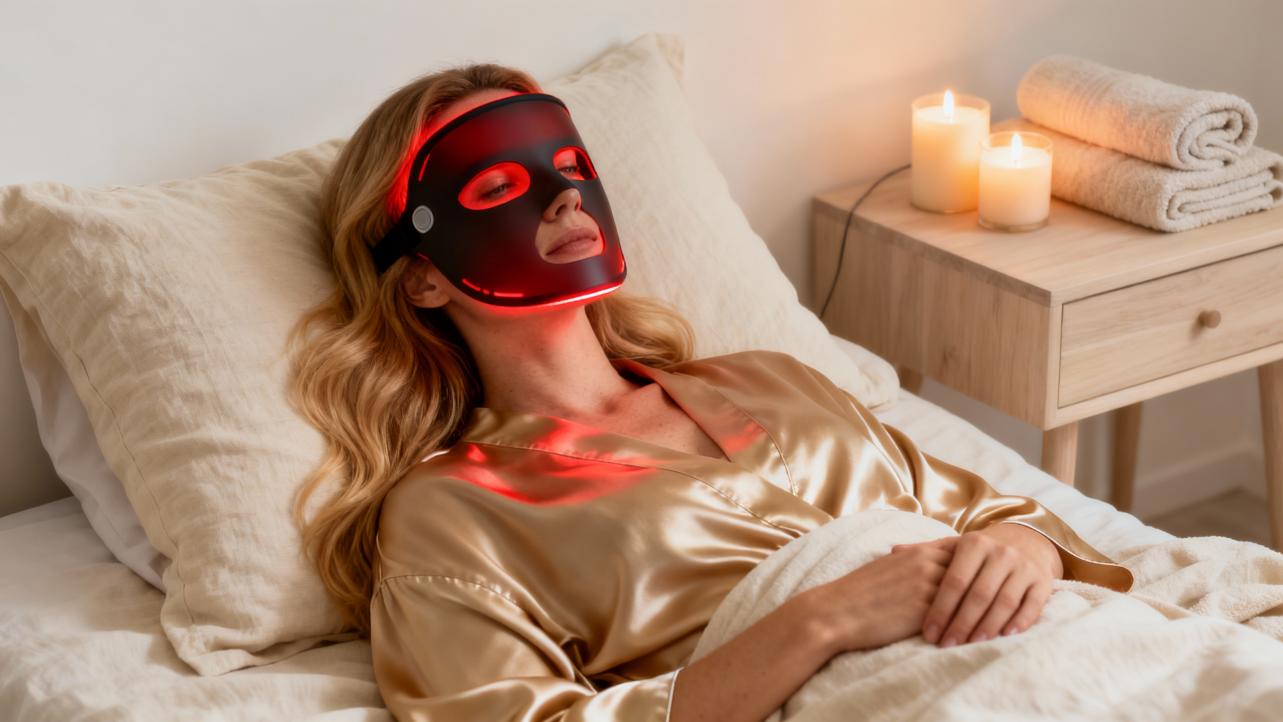
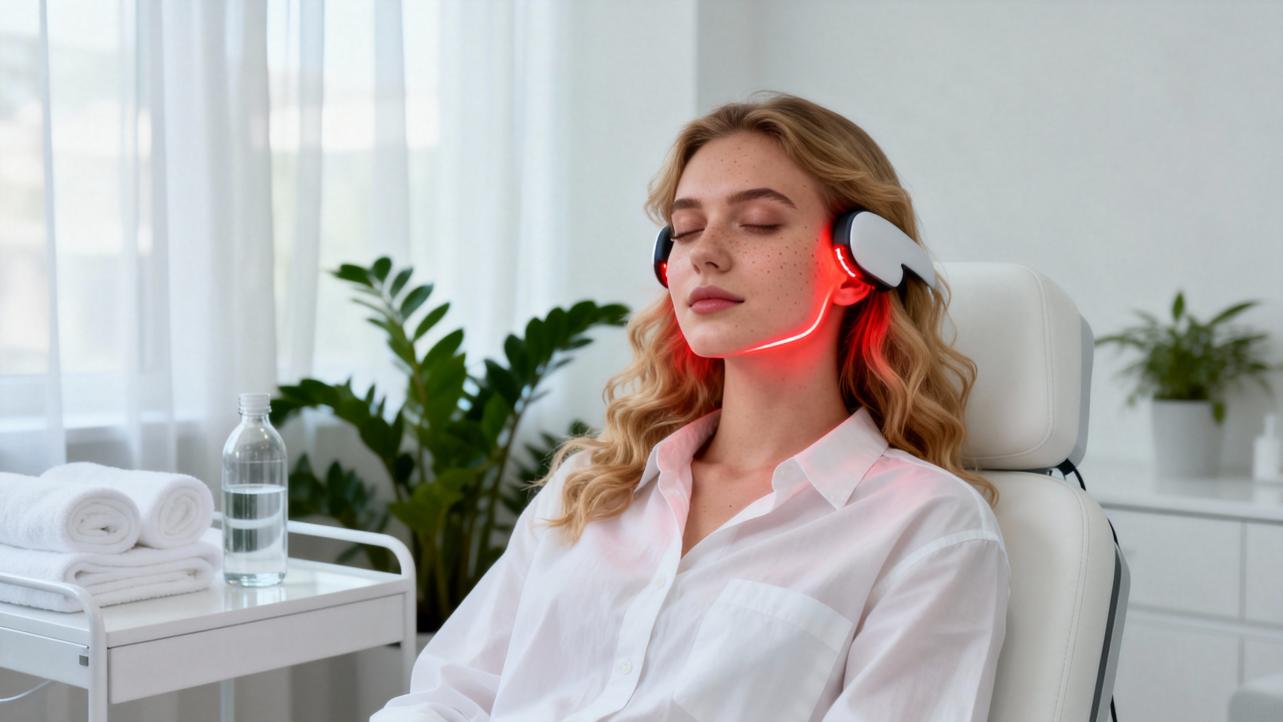
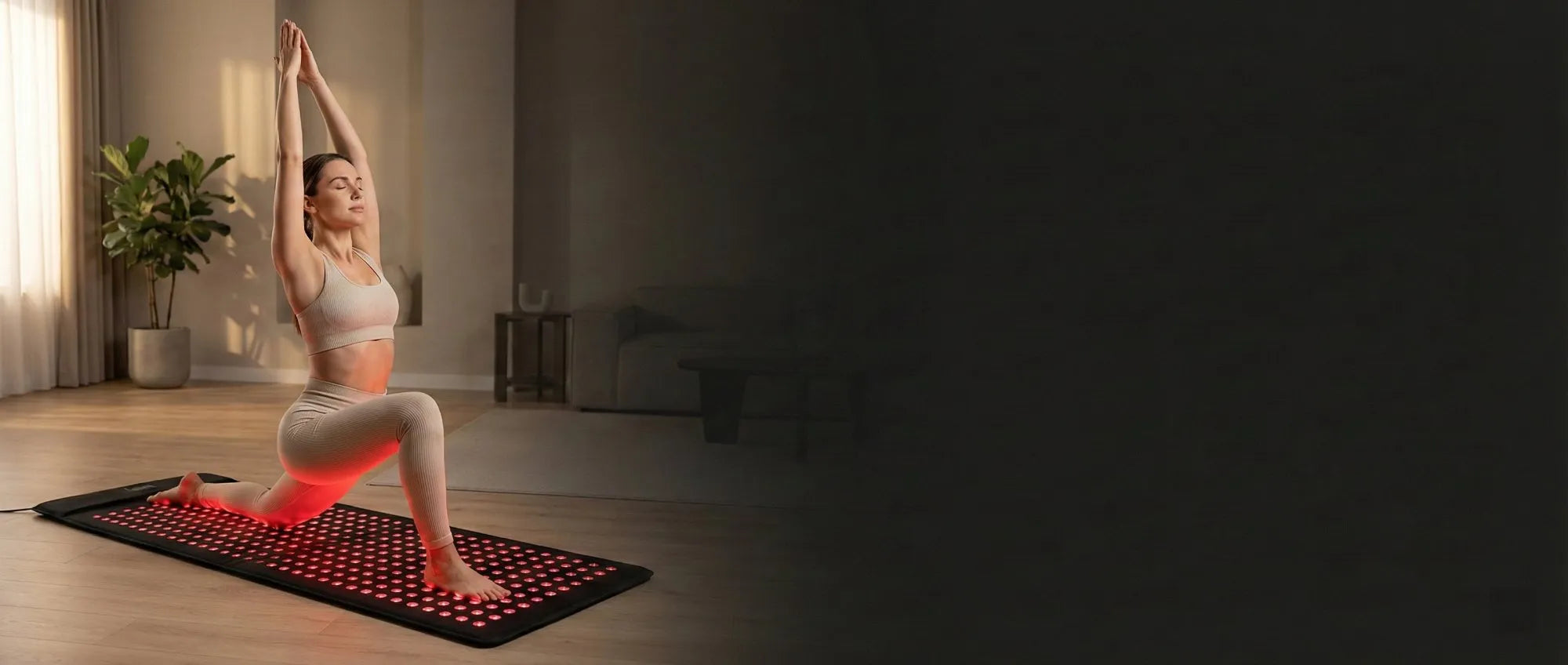
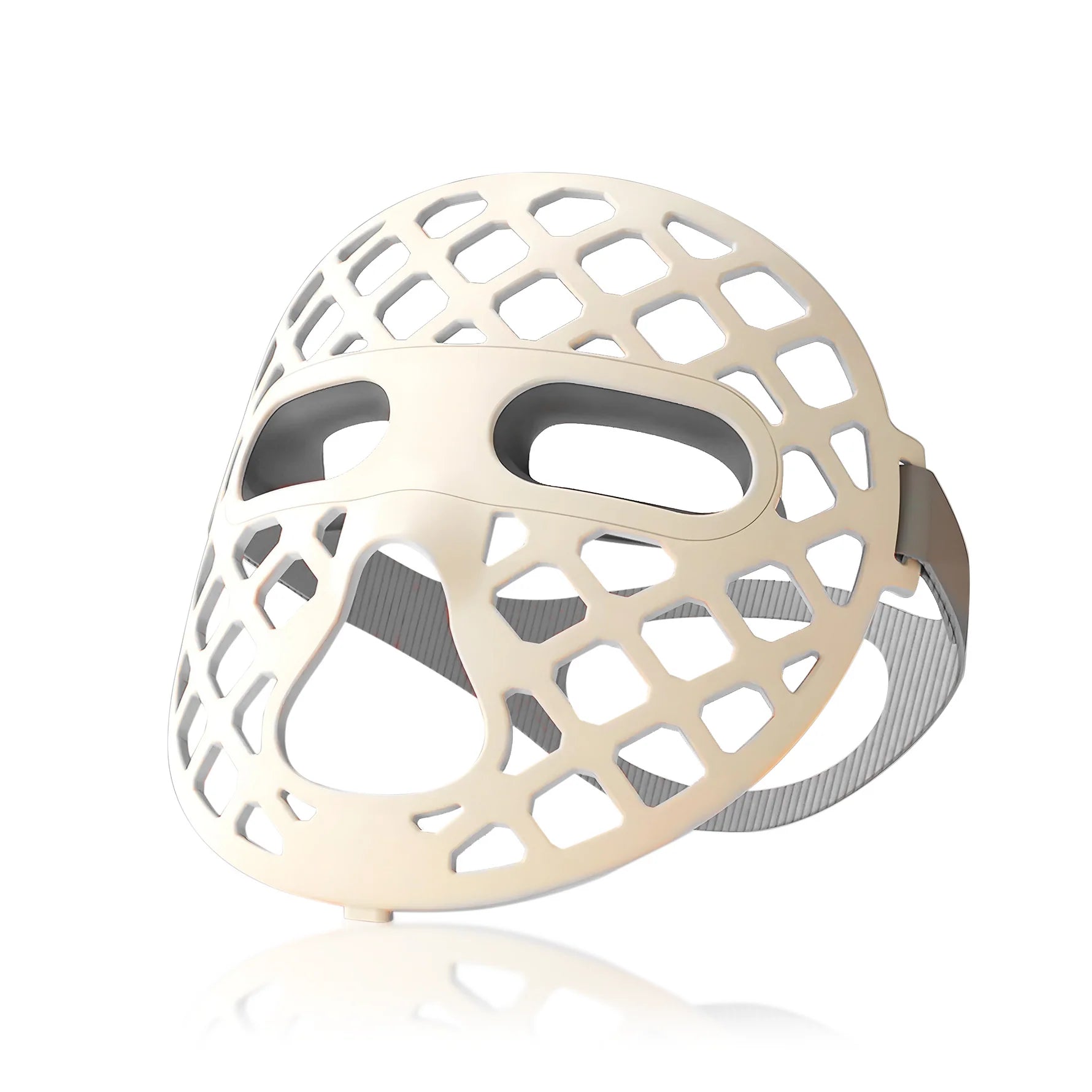
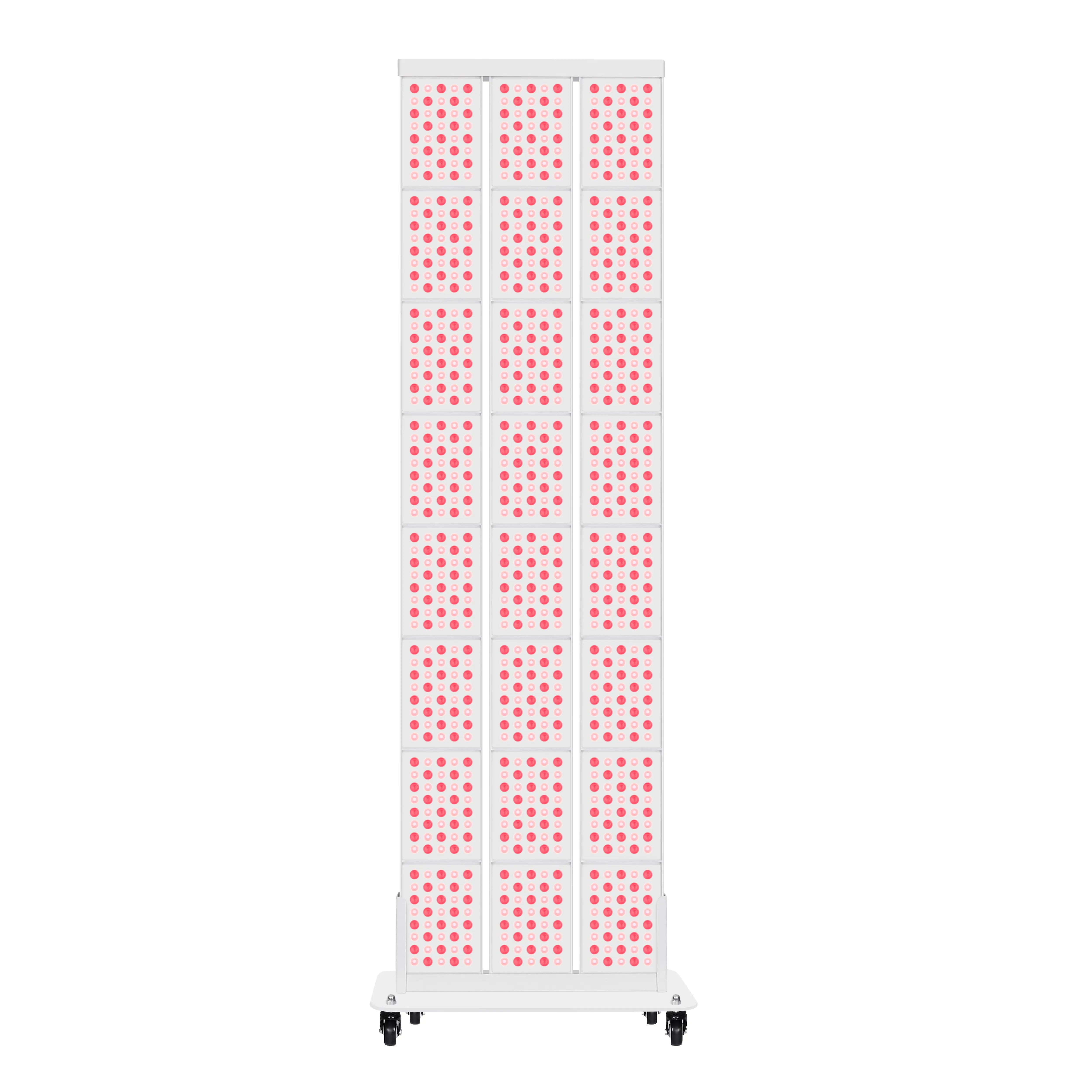
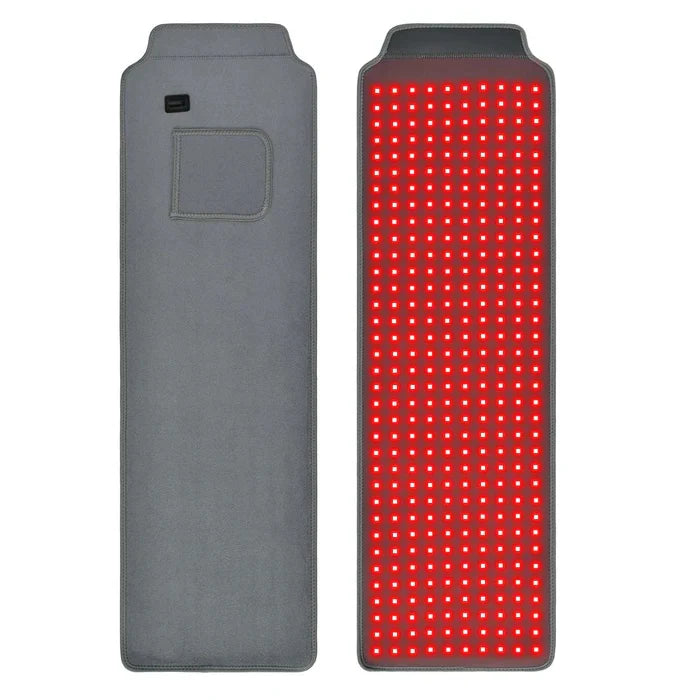
Most cosmetic and home devices for skin and “hormone health” sit firmly in the photobiomodulation zone: gentle LED panels, face masks, wands, and sometimes full-body beds or panels. A med spa article describes full-body LED beds and masks that deliver non-invasive, pain-free sessions, typically around 30 minutes in clinic, with no downtime. Multiple sources, from Cleveland Clinic to med spas, emphasize that several sessions are needed and that benefits fade when you stop.

How Red Light Targets the Visible Side of Hormonal Skin Aging
Before we get into hormones themselves, it helps to anchor what red light already does well for skin and hair, based on stronger evidence.
Collagen, Firmness, and Wrinkles
Both Cleveland Clinic and several med spa articles describe red light as increasing collagen and fibroblast activity, improving skin tone and texture, and softening fine lines and wrinkles. A clinical review in dermatology notes that photobiomodulation increases type I and III collagen and elastin, and that it effectively remodels the dermis during skin rejuvenation and scar treatment.
Stanford dermatology experts point out that red light–induced vasodilation (widening of blood vessels) is likely a key mechanism. Better blood flow delivers more oxygen and nutrients to fibroblasts and other skin cells, helping them build collagen and extracellular matrix. Clinical trials they describe show that red light can “plump up” skin features by increasing collagen production, translating into modest but real wrinkle reduction in many participants.
This matters for hormonal skin aging because estrogen and testosterone normally support skin density and collagen. Clinics focused on women’s hormone health mention that hormones “keep skin firm and moist,” and many women notice their skin rapidly losing that quality around menopause. Red light will not replace declining hormones, but it can directly stimulate remaining fibroblasts to lay down more collagen and elastin, partly compensating for hormonal declines at the tissue level.
Redness, Inflammation, and Barrier Function
Hormonal shifts often crank up baseline inflammation and reactivity. Photobiomodulation has a strong track record here. The dermatology review notes that red and blue light can modulate inflammatory cytokines, push macrophages toward a pro-resolution phenotype, and speed the transition from the inflammatory to the proliferative phase in wound healing. In skin, that looks like calmer redness, less swelling, and faster closure of small injuries.
In acne-specific research, red light has been shown to reduce sebum and transepidermal water loss, markers that correlate with oiliness and barrier integrity. A large review of light-based acne therapies reports that combination blue-red LED therapy can reduce inflammatory acne lesions by roughly two thirds over several weeks, with additional improvements in scarring and oil production. That work is in acne rather than menopausal dryness, but the same barrier-supporting mechanisms are in play.
For someone whose hormonal landscape is making their skin more reactive, red light offers a way to turn down inflammatory noise directly in the skin, even if the upstream hormone pattern has not been fully untangled yet.
Hormonal Acne and Late Breakouts
Hormonal acne is notoriously stubborn because the trigger is internal shifts, not just surface bacteria. A hormonal acne article from a light-therapy brand defines it as deep, tender, sometimes cyst-like bumps along the jawline, chin, and lower cheeks that track with cycles, pregnancy, menopause, or stress. It explicitly states that because hormonal acne is driven by internal hormone fluctuations, blue light alone does not address the root cause and is not an effective stand-alone treatment.
However, red and blue light can still play a useful role. Dermatology clinics and multiple reviews on light-based acne treatments report that:
Blue light excites porphyrins produced by acne bacteria, generating reactive oxygen species that kill those bacteria in the follicle.
Red light penetrates deeper, reducing inflammation, possibly shrinking sebaceous glands, and stimulating collagen to improve scarring and overall texture.
Combination blue-red regimens often outperform either alone. One randomized trial cited in the acne-light review showed around 77 percent reduction in inflammatory lesions and more than 50 percent reduction in non-inflammatory lesions after 12 weeks of twice-daily blue-red LED use compared with a sham device.
The key nuance for hormonal skin aging is this: red light can calm the inflammatory expression of hormone-driven acne, speed healing, and reduce scarring. It does not rebalance estrogen, progesterone, or testosterone by itself, and it does not substitute for medical hormone management when that is indicated. The best results usually come when light therapy is folded into a broader plan that includes gentle skincare, possible topical or oral medications, and lifestyle work on stress, sleep, and diet.
Hair Thinning, Brows, and “Will It Give Me a Beard?”
Hair changes are one of the most visible hormonal aging markers. A comprehensive photobiomodulation review reports strong evidence that red light prolongs the anagen (growth) phase of hair follicles through growth factors released by dermal papilla cells, with large clinical trials showing increased hair density and length in various alopecias, including androgenetic (hormone-related) hair loss.
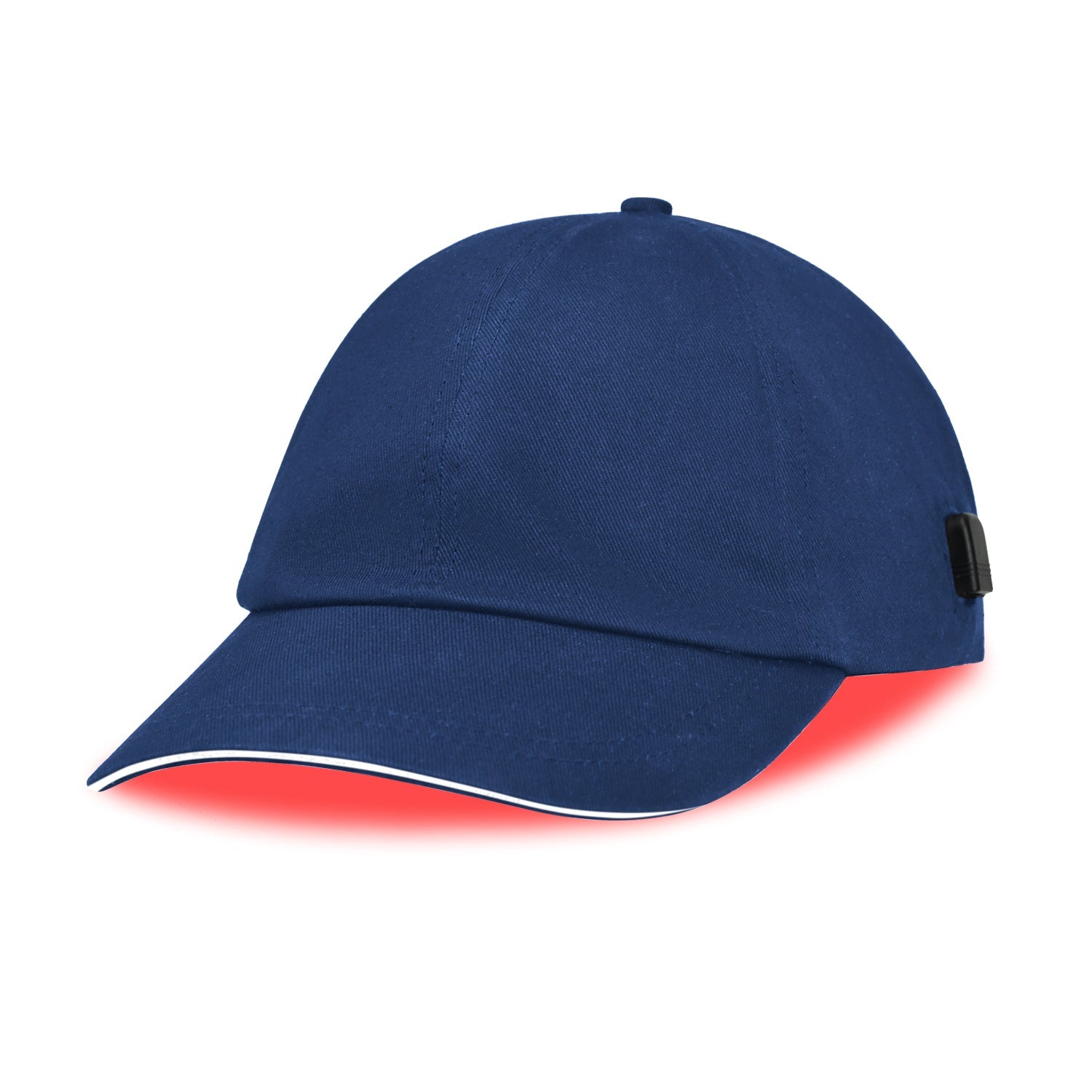
UCLA Health notes that the Food and Drug Administration has cleared several at-home combs, caps, and helmets for hereditary and hormonal hair loss, and that repeated treatments can regrow hair and increase hair thickness and length. One study they highlight suggests that low-level light therapy may be as effective as minoxidil, a widely used hair-loss medication, although more comparative trials are needed.
Stanford dermatologists add a crucial practical insight: hair growth from red light requires consistent use over months, and when treatment stops, the benefits stop. They also point out that if hair does not naturally grow in an area, red light is unlikely to create follicles and sprout new hair there, although that has not been definitively studied.
For hormonal skin aging, this is encouraging on two fronts. First, red light is a legitimate option to discuss with a dermatologist for thinning, hormone-related hair on the scalp and potentially for brows. Second, current expert opinion suggests you are not destined to trade wrinkle reduction for a new beard by using a red light mask on your face, especially if your skin has not historically grown terminal hair there.

Can Red Light Really Influence Hormones Themselves?
Here is where things shift from solid dermatology into more speculative but intriguing territory. Several wellness brands, hormone-focused clinics, and integrative med spas describe red light as a tool to “balance hormones” or support specific hormone systems. The overall pattern from these sources is that red light:
May encourage melatonin production and improve sleep quality.
May help regulate cortisol and stress responses.
Is claimed to support insulin-producing beta cells and blood sugar control.
Is associated with better balance among estrogen, progesterone, and testosterone, as well as improved reproductive health and libido.
The degree of evidence behind each of these statements varies considerably. Academic experts at Stanford, for example, state that data for red light’s effects on sleep and athletic performance are currently weak, even as they affirm its benefits for hair and wrinkles. Cleveland Clinic emphasizes that many red light studies are small, not rigorously controlled, and highly variable in protocol. With that in mind, let us examine each hormonal pathway as it relates to skin.
Melatonin, Sleep, and Overnight Repair
A hormone-health article from a wellness brand explains that melatonin is produced by the pineal gland in response to darkness and governs sleep–wake cycles. It cites research indicating that red light exposure can encourage natural melatonin release, improving sleep quality and duration, especially in people with sleep difficulties. Another clinic article aimed at hormonal balance in women notes that red light may boost melatonin production and help regulate circadian rhythm.
At the same time, Stanford’s sleep expert quoted in the Stanford Medicine piece says that data supporting red light for sleep enhancement are lacking so far. That does not mean there is zero effect; it means the human trials are not yet strong enough to make firm claims.
From a skin-aging standpoint, this is an attractive but unproven pathway. Sleep is when your body does a great deal of repair and collagen building, and chronic insomnia associated with PMS, perimenopause, or stress absolutely shows in the skin over time. If red light genuinely improves melatonin and sleep for a given person, it is reasonable to expect some indirect skin benefit. However, at this point you should treat sleep improvements as a potential bonus, not the primary reason to buy a device.
Cortisol, Stress, and Inflammation
Several sources discuss red light’s role in stress regulation more confidently. A women’s clinic describes red light as helping reduce production of stress hormones by increasing cellular energy and supporting the body’s natural stress-coping systems. Another med spa notes that red light can activate the parasympathetic “rest and digest” nervous system, lower cortisol levels, and promote a sense of relaxation even after a single session.
A hormone-health article from a wellness brand adds that by increasing ATP and possibly triggering endorphin release, red light may reduce stress, fatigue, and symptoms of anxiety or depression tied to hormonal disruption. Separate content on immune function notes that chronic stress and high cortisol suppress immune defenses, and describes red light as strengthening immunity by stimulating T cells and other immune cells.
For hormonal skin aging, this stress axis is very important. Chronic elevated cortisol is associated with flares of inflammatory skin conditions and impaired healing. If red light sessions reliably nudge you into a calmer, parasympathetic state and help blunt excessive stress responses, that can reduce some of the hormonal noise your skin is exposed to. The caveat is that these observations come largely from wellness clinics and brand case reports rather than large, controlled trials.
Insulin, Blood Sugar, and Androgen Cascades
The hormone-health articles go further in describing red light effects on metabolism. One wellness brand explains that consistently high blood sugar can cause insulin resistance, where cells respond poorly, forcing the pancreas to make more insulin. Elevated insulin can drive ovarian androgen production and contribute to polycystic ovary syndrome in women. The same article claims that red light improves blood sugar control by stimulating pancreatic beta cells, supporting more balanced glucose levels and indirectly helping prevent hormone cascades linked to insulin resistance.
This is a compelling story, especially for anyone whose skin acts as an early warning system for blood sugar issues. However, it is important to note that in the materials summarized, this remains an assertion rather than a fully quantified, large-scale clinical finding. There are no detailed dosage parameters, effect sizes, or long-term outcomes described.
From a skin perspective, if future rigorous studies confirm that red light enhances insulin sensitivity or beta-cell function, that could translate into less androgen-driven acne and perhaps a slower march toward metabolic aging. For now, it is best to view metabolic effects as experimental and to keep core strategies like diet, movement, and medical care front and center.
Sex Hormones, Reproductive Health, and Menopause
Several clinic and brand sources are explicit about red light and sex hormones. A women’s red light clinic notes that although testosterone is often labeled a “male” hormone, it is also critical for women, and claims that red light can help normalize low testosterone in older women, potentially addressing muscle loss and lowered libido. A hormone-health wellness article asserts that red light has been reported to boost testosterone in both men and women, supporting muscle, bone, libido, and mood, while another mentions a link between red light, testosterone levels, and sperm motility.
For female reproductive health, multiple articles say that red and infrared light therapy support balance among estrogen, progesterone, and testosterone, reduce inflammation in organs such as the uterus and ovaries, and are associated with improved fertility, PMS-related mood swings, and reproductive function when used alongside other treatments.
A menopause-focused section from one brand describes menopause as an ideal time to incorporate red and infrared light therapy, noting its role in stimulating collagen and supporting the density of tissues and bones. It also states that red light can help treat symptoms like inflammation, insomnia, and musculoskeletal pain during this stage.
These claims are intriguing and align with what many midlife patients report anecdotally when they combine red light sessions with broader hormone-care plans. However, throughout these materials there is repeated acknowledgment that more research is needed, especially around testosterone regulation and thyroid health. No large randomized trials, standardized protocols, or long-term endocrine follow-ups are reported in the summaries provided.
The safest way to integrate this information is to say that red light clearly supports tissue-level processes that sex hormones also influence, such as collagen production, inflammation control, and blood flow. It may exert modest regulatory effects on hormone axes in some people, but at this stage it should be considered a supportive modality rather than a replacement for medical hormone therapy or thorough endocrine evaluation.

Evidence Snapshot: What Is Solid, What Is Emerging, and What It Means for Your Skin
To keep things grounded, it helps to contrast areas where red light has strong evidence with those where data are preliminary or mostly promotional.
Target or claim |
What red light appears to do |
Evidence summary from sources |
Likely relevance to hormonal skin aging |
Skin rejuvenation (wrinkles, texture) |
Increases collagen and elastin, improves texture, reduces fine lines |
Photobiomodulation review, Cleveland Clinic, Stanford and UCLA clinical reports |
Strong; directly counters collagen loss from hormonal shifts |
Hair loss (often hormonal) |
Stimulates follicles, increases hair density and thickness |
Large hair trials in PBM review, UCLA, Stanford dermatology commentary |
Strong; viable option for androgen-related thinning |
Acne and inflammation |
Reduces inflammatory lesions, sebum, and redness |
Photobiomodulation review, acne light-therapy review, clinic case series |
Strong for acne expression; indirect help for hormonal breakouts |
Wounds and scars |
Speeds some aspects of wound healing and improves scar quality |
Mixed surgical studies in Stanford article, dermatology review |
Moderate; supports slower healing seen with hormonal aging |
Melatonin and sleep |
Described as encouraging melatonin release and better sleep quality |
Claims in hormone-health and wellness articles; academic expert notes limited data |
Emerging; promising but not yet robust |
Cortisol and stress |
Described as reducing stress hormones and promoting relaxation |
Wellness clinics and brand content; immune-related observations |
Emerging; plausible benefit for stress-skin connection |
Insulin and blood sugar |
Claimed to stimulate beta cells and support glucose balance |
Wellness-brand hormone articles, no detailed clinical stats reported |
Experimental; do not rely on as primary metabolic therapy |
Sex hormones and reproductive health |
Claimed to support balance of estrogen, progesterone, testosterone |
Women’s clinics and brand articles; emphasis on “developing body of research” |
Experimental; treat as supportive, not as stand-alone treatment |
In other words, use red light confidently for skin rejuvenation, acne modulation, and hair support once you have cleared it with your dermatologist. Treat any hormone-balancing effects as intriguing possibilities and align them with, not instead of, medical care and lifestyle foundations.

How to Use Red Light Therapy in a Hormone-Smart Skin Routine
Decades into my own experimentation with panels, masks, and in-clinic systems, the pattern I see mirrors what the research and clinic protocols suggest: consistent, moderate dosing over weeks to months, combined with intelligent skin and hormone care, beats sporadic “light blasting” every time.
In-Clinic vs At-Home Devices
Dermatology experts at Stanford and Cleveland Clinic both point out that clinic-based systems are usually more powerful and more standardized than at-home devices. Clinics use calibrated beds, panels, and face units with known wavelengths and energy outputs, often combining red and near-infrared, and sometimes layering them with other procedures like microneedling, peels, or topical photosensitizers.
Med spa articles describe full-body LED beds that deliver relaxing, roughly 30-minute sessions, and note that some beds are cleared by the Food and Drug Administration for pain relief and improved circulation. These same devices are often marketed for skin tone, texture, and overall wellness, but the FDA clearance primarily addresses safety and specific indications, not every marketing claim.
At-home masks, wands, and panels are designed with lower power for safety. A detailed routine from an at-home LED mask brand suggests cleansing the skin gently, running a red and blue light program for about 3–10 minutes, three to five times per week, and then applying a soothing, non-irritating mist. Users in their clinical patch test reportedly saw improvements in acne and texture over 4–6 weeks. Other acne-focused systems recommend similar frequencies, sometimes increasing to 8–16 minutes per session in clinic within combined protocols. UCLA’s cognitive study used six minutes a day of transcranial red light for eight weeks.
Across sources, the common theme is that lower-intensity devices require shorter sessions but more total sessions, typically several times per week over at least a month, and effects are gradual. When treatment stops, many benefits (especially for hair and acne) diminish.
From a hormone-savvy standpoint, that means you should choose the format you will actually use consistently. A powerful but inconvenient clinic bed you visit once a month is less helpful than a mask or panel you can realistically use three or four evenings a week for targeted skin goals.
Practical Skin Protocols Around Hormonal Changes
For perimenopausal or menopausal skin focused on texture and wrinkles, a very reasonable pattern, based on the research summaries and clinic routines, looks like this:
Use a gentle, non-stripping cleanser before red light so there is no barrier of heavy makeup or occlusive product. Several at-home device guides emphasize this step to allow light to penetrate effectively.
Run sessions several times per week, starting on the low end of the manufacturer’s recommended duration. In acne and rejuvenation studies, individual sessions range from a few minutes with at-home masks to roughly 30 minutes in full-body beds.
Layer supportive skincare after the session: soothing mists or barrier-supportive moisturizers rather than harsh acids or strong retinoids immediately on top of light-treated skin, especially if you tend toward sensitivity. Multiple clinical aftercare guides for light-based acne and photodynamic therapy recommend gentle moisturizers and caution against aggressive products for a few days.
Protect your skin from sunlight, especially if you ever combine red light with photosensitizing medications as in photodynamic therapy. University-based acne protocols that use a topical photosensitizer require strict avoidance of all sunlight and bright indoor light for 48 hours, plus liberal use of physical sunblocks containing zinc oxide and titanium dioxide. Standard red light without a photosensitizer does not demand such extreme measures, but daily broad-spectrum sun protection remains non-negotiable for aging skin.
For hormonally influenced acne, using red light as part of a stack often yields the best results. Acne clinics and brand systems consistently encourage combining LED therapy with a consistent routine built around gentle cleansing, non-comedogenic moisturizers, and when appropriate, targeted actives like benzoyl peroxide or retinoids. Studies comparing blue-red light to conventional topical therapy find that light therapy can match or outperform some topicals for inflammatory lesions, but experts emphasize that it works best as part of a broader plan rather than as the only therapy.
For hair thinning with a hormonal component, consistent use of FDA-cleared caps, helmets, or combs can be considered, ideally under a dermatologist’s supervision. Clinical trials summarized in dermatology reviews show increased hair density and length with regular low-level light therapy, but they also note that effects regress when therapy is discontinued. Pairing light therapy with established treatments, nutrition, and hormone evaluation gives you a more robust long-term strategy.
Safety, Contraindications, and Red Flags
All the major medical sources converge on one reassuring point: when used correctly, red light therapy appears generally safe in the short term, with mild and transient side effects such as temporary redness, tightness, or irritation. It does not use ultraviolet light, and there is no evidence at present that it causes skin cancer. That said, there are important caveats, especially for those with hormone-related conditions.
Cleveland Clinic strongly advises consulting a dermatologist or qualified medical professional before starting red light therapy, particularly if you have a history of skin cancer, photosensitive conditions, or are taking medications that increase light sensitivity. Dermatology centers also highlight that some people, especially those with very fair skin or certain skin types, may be more prone to hyperpigmentation if overtreated. UCLA Health echoes this, recommending that people with darker skin tones be especially cautious, since red light could potentially trigger dark spots if misused.
Eye protection is essential whenever red light is used near the face. Multiple sources mention that misuse or overuse of powerful devices can cause burns or ocular discomfort. Follow manufacturer directions for distance, duration, and protective goggles, and never stare directly into high-intensity LEDs or lasers.
Finally, red light should not be treated as a replacement for systemic treatments of serious conditions. Cleveland Clinic explicitly notes that there is no scientific evidence supporting red light for weight loss, cancer treatment, or mental health conditions such as depression, despite widespread online marketing. The hormone-health articles themselves caution that red light is not a complete solution for severe hormone imbalance and that anyone with significant symptoms should be working with a doctor.

FAQ: Hormones, Skin, and Red Light
Q: Will red light therapy fix my hormone imbalance or just help my skin and hair?
A: Based on the sources summarized, red light has strong evidence for local skin and hair effects such as improved collagen, reduced inflammation, and increased hair density. Claims that it directly “balances hormones” are mostly based on early research and wellness-clinic observations about melatonin, cortisol, insulin, and sex hormones. It is reasonable to view red light as a skin and tissue optimizer that may have modest systemic benefits, but it should not replace proper endocrine evaluation or medically supervised hormone therapy when those are needed.
Q: Is it worth buying an at-home device if I am dealing with menopausal skin changes?
A: Dermatology experts note that in-clinic devices are more powerful and likely to produce faster, more dramatic changes, especially when combined with other procedures. However, at-home masks and panels, while less intense, are often more realistic to use consistently several times each week, which is essential for maintaining effects. If your primary goals are improving texture, fine lines, and mild hormonal breakouts, a well-designed at-home device used consistently and combined with good skincare can be a worthwhile part of your regimen. For more severe issues, pairing that with periodic in-clinic sessions and medical guidance is ideal.
Q: Can red light therapy make my facial hair grow more because of its hormone effects?
A: Hair-regrowth data show that red light can thicken and increase hair where follicles are present and active, particularly in hereditary or hormonal hair loss on the scalp. A Stanford dermatologist notes that where hair does not naturally grow, it is unlikely to suddenly sprout after red light treatment, though this has not been exhaustively studied. In practice, people using red light for facial skin rejuvenation are not reporting sudden new beards, and current expert commentary suggests that risk is low. If you already have significant facial hair growth driven by hormones, you may wish to discuss hair-targeted treatments with a dermatologist alongside your red light routine.
Red light therapy is not a magical hormone reset button, and it will not erase decades of biology in a few glowing sessions. What it can do, backed by dermatology research and clinical experience, is give your hormonally challenged skin and hair a very real performance boost: better collagen, calmer inflammation, faster repair, and stronger follicles. If you treat any endocrine claims as a bonus rather than the main event, work with your dermatologist or hormone-literate clinician, and respect dosing and safety, red light becomes a powerful tool in a modern, science-backed, hormone-wise skin strategy.

References
- https://pmc.ncbi.nlm.nih.gov/articles/PMC11049838/
- https://health.usf.edu/care/cosmetic/services-specialties/acne
- https://med.stanford.edu/news/insights/2025/02/red-light-therapy-skin-hair-medical-clinics.html
- https://my.clevelandclinic.org/health/articles/22114-red-light-therapy
- https://www.uclahealth.org/news/article/5-health-benefits-red-light-therapy
- https://www.aad.org/public/cosmetic/safety/red-light-therapy
- https://duluthmedspa.com/exploring-the-effects-of-red-light-therapy-on-aging-skin/
- https://elkoreplenishmedspa.com/unlock-skin-health-with-red-light-therapy/
- https://www.healthline.com/health/red-light-therapy
- https://hyperchargeclinic.com/red-light-therapy-for-hormonal-balance-in-women/