
What Muscle Recruitment Efficiency Actually Means
When you unrack a heavy bar or sprint off the line, your nervous system has one core job: recruit the right muscle fibers, at the right time, with as little wasted effort as possible. That is muscle recruitment efficiency. It is not only about how strong your muscles are; it is about how effectively your brain and spinal cord can activate the available motor units and keep them firing in a coordinated, fatigue‑resistant way.
In the gym, efficient recruitment feels like crisp bar speed, stable technique under load, and fewer “mysterious” bad sessions where everything feels heavy for no obvious reason. On the therapy side, it looks like regaining strength after an injury without your body constantly down‑regulating force output as a protective reflex.
As someone who has spent years experimenting with light panels, lasers, force plates, and bar velocity trackers, I do not treat red light therapy as a magic strength pill. What it can do, based on current evidence, is improve the cellular and inflammatory environment in which your neuromuscular system operates. Better energy, less inflammation, and cleaner calcium handling inside the muscle fibers all add up to a situation where your body can express its existing recruitment capacity more efficiently.
The key is to understand what red and near‑infrared light are actually doing inside the tissue, and where the science is solid versus where it is still speculative.

How Red and Near‑Infrared Light Interact with Muscle
Most of the serious research on “red light therapy” uses the term photobiomodulation. It typically involves red and near‑infrared wavelengths somewhere between about 630 and 850 nanometers, delivered by low‑level lasers or LED arrays. Reviews in sports and rehabilitation literature describe the same core mechanism: photons penetrate skin and superficial tissue, are absorbed by chromophores such as cytochrome c oxidase in mitochondrial membranes, and trigger a cascade of biochemical changes.
A broad review in a sports medicine journal on photobiomodulation in human muscle tissue describes several downstream effects: increased mitochondrial activity and ATP production, enhanced antioxidant defenses, modulation of inflammation, and alterations in gene expression related to muscle repair. A clinical overview from MD Anderson Cancer Center similarly notes that red light stimulates mitochondria, improves blood flow, and reduces inflammation, which is why it is being explored for pain and tissue healing.
One performance‑oriented clinic describes this in very practical terms: photons displace bound nitric oxide in mitochondrial respiratory enzymes, restoring oxygen flow through the chain and increasing ATP output. The same source notes improved calcium ion regulation inside muscle cells, leading to more efficient contraction–relaxation cycles and better mechanical muscle performance.
Those mechanisms map very closely onto what we care about for muscle recruitment. Efficient recruitment depends on three big levers: cellular energy supply, calcium handling in the contractile machinery, and the balance between excitatory drive and inhibitory signals such as pain and inflammation. Red and near‑infrared light sit at the intersection of all three.
Mitochondria, ATP, and the Energy Behind Recruitment
Several clinical and performance centers, including Function Smart Physical Therapy, describe red light therapy using wavelengths around 660 to 850 nanometers and report research where cellular energy production increased by as much as two hundred percent under specific conditions. More ATP means your high‑threshold motor units can fire repeatedly without immediately running into an energy wall.
In human trials summarized in photobiomodulation reviews, pre‑exercise light exposure frequently increased the number of repetitions athletes could perform to exhaustion, extended time to fatigue, and reduced biochemical markers of muscle damage such as creatine kinase. Some protocols showed reduced blood lactate or C‑reactive protein. Not every study found benefits, but a meaningful cluster did.
Functionally, that looks very much like improved recruitment efficiency under load. You are not adding fibers that did not exist. You are keeping more of the recruited units online for longer before fatigue and metabolic byproducts force the nervous system to back off.
Calcium Handling and Contractile Quality
The Physical Achievement Center, which uses red and near‑infrared light clinically for athletic recovery, emphasizes another piece most people miss: calcium dynamics. Enhanced mitochondrial function from light exposure is reported to improve calcium ion regulation in muscle cells. That matters because calcium is the on–off switch for contraction.
If calcium is cleared and recycled efficiently, muscle fibers can contract and relax smoothly, rather than locking into a sluggish, half‑contracted state as they fatigue. This is exactly what you feel as “snappy” versus “sticky” reps. When contraction–relaxation cycles are clean, your nervous system does not need to over‑recruit accessory muscles to stabilize the movement, which is another form of improved recruitment efficiency.
Blood Flow, Inflammation, and Neural Drive
Circulation is the third pillar. A fitness article from City Fitness describes how red light drives vasodilation, widening blood vessels to increase blood flow and nutrient delivery. A recovery‑focused clinic in London reports similar findings, citing improved capillary formation and oxygen delivery along with analgesic effects in joints and tendons.
Less inflammation, better perfusion, and lower pain change how your nervous system behaves. Chronic pain and high local inflammation drive reflex inhibition of muscle activation; anyone who has tried to fire a quad after a knee injury has felt this. By lowering inflammatory cytokines and soreness, red light therapy can reduce that inhibitory “braking,” allowing you to access existing motor units more fully.
A comparative review from Medco Athletics looked at five studies that directly compared post‑exercise red light therapy with cryotherapy. Every study favored red light in terms of reduced delayed onset muscle soreness and muscle inflammation. Only the light therapy conditions reduced creatine kinase; icing did not prevent muscle damage. This strongly suggests that red light changes the internal recovery environment in a way that can support better subsequent recruitment, rather than simply masking soreness.

What the Research Actually Shows for Strength and Fatigue
The key question is whether all of this cellular biology translates into measurable differences in force production and fatigue resistance, and by extension, muscle recruitment efficiency. Here the picture is promising but nuanced.
Acute Strength Preservation Under Fatigue
A controlled trial archived on PubMed Central tested near‑infrared light therapy on the biceps brachii of thirty‑nine healthy, resistance‑trained adults. Each participant received both an active treatment and a sham treatment on different days, using a class 4 laser emitting at 800 and 970 nanometers for a total dose of 360 joules before a strenuous elbow‑flexion protocol.
The main finding was that immediate strength loss from pre‑ to post‑exercise was slightly but significantly smaller after the active laser treatment than after sham, with a probability value right at the conventional threshold for significance. At forty‑eight hours, differences in range of motion, tenderness, and strength recovery were not clearly superior, suggesting the main benefit at that dose was acute strength preservation rather than dramatically faster long‑term recovery.
In practical terms, this means that under identical fatigue stress, the light‑treated muscles maintained more of their torque. That is not a direct EMG measurement of motor unit recruitment, but it is compatible with the idea that more of the available units remained functional and engaged for the same task.
More Work, Less Damage: Photobiomodulation as Pre‑Conditioning
A comprehensive review of photobiomodulation in human muscle collated forty‑plus studies, many using the elbow flexors as a model. Trials that applied red or near‑infrared light to the biceps before high‑intensity exercise often found that participants could perform more repetitions, sustain contractions longer, or reach fatigue later than in placebo conditions. Several of these studies also showed lower creatine kinase and inflammatory markers over the subsequent days, and in some cases reduced soreness and less loss of range of motion.
However, not every protocol worked. One trial using an 808‑nanometer laser over eight biceps sites reported no meaningful changes in repetitions, lactate, or fatigue indices compared with placebo. That is an important reminder that wavelength, dose, and application pattern matter. The therapy is not a simple on–off switch.
Clinical sports practices echo these findings. Synergy Physical Therapy and Wellness summarizes trials where red or near‑infrared light after strength sessions improved knee extensor torque and lifting capacity versus training alone. In another study, twins receiving light therapy after training showed more muscle hypertrophy and lower markers of muscle damage than their control siblings. Pre‑exercise application in eccentric training increased muscle thickness and peak torque, while combining pre‑ and post‑exercise use did not necessarily add extra benefit.
Taken together, these data suggest that under certain well‑designed protocols, light exposure can increase the amount of quality work a muscle can perform and reduce the degree of structural damage for a given workload. That is exactly the combination you want if your goal is efficient recruitment and adaptation.
Recovery and Return to Play
Recovery is where red light therapy really shines in the applied world. LED Technologies describes a study in the journal Laser Therapy that followed sixty‑five university athletes with a variety of sports injuries. Those using LED phototherapy had a mean return‑to‑play time of 9.6 days compared with an anticipated 19.23 days, with no adverse events reported.
While this study was not specifically framed around neuromuscular recruitment, faster resolution of pain and tissue damage gives athletes more time under the bar or on the field with a nervous system that is not constantly throttling output to protect injured tissue. Over a season, that can absolutely impact how efficiently muscles are recruited and trained.
Critical Views: Where the Evidence Is Thin
As a self‑described light therapy geek, I also pay close attention to the skeptics. TrainingPeaks published a critical review of red light for performance and recovery that leaned heavily on a 2016 photobiomodulation review. In upper‑extremity studies, many trials showed improvements in biochemical markers of damage, but most did not show clear performance gains or less delayed onset muscle soreness; only one trial noted a modest performance benefit. Lower‑extremity data were even more conflicted: some improvements in perceived soreness and performance, others neutral, and little change in creatine kinase. Longer‑term attempts to change muscle architecture and oxidative stress pathways often showed structural changes without measurable performance benefits.
Stanford Medicine has also pointed out that while red light has reasonable evidence for cosmetic and dermatologic issues such as wrinkles and hair thinning, claims that it improves systemic wellness, athletic performance, or sleep are, at this stage, not strongly supported by consistent human data. MD Anderson Cancer Center labels red light therapy for pain as investigational and notes the absence of clear dose and frequency standards from randomized controlled trials.
The bottom line is that while we do see meaningful signals in the muscle literature, especially around acute fatigue and recovery, we do not yet have robust evidence that red light by itself dramatically upgrades neuromuscular recruitment in a way that would replace proper strength and skill training.

How Red Light Might Influence Muscle Recruitment Efficiency
When you put all of this together, what can we honestly say about muscle recruitment efficiency?
First, the repeated finding across multiple sources that red and near‑infrared light increase ATP production, improve antioxidant capacity, and enhance calcium handling strongly supports a role in preserving contractile quality under stress. Better energy supply and calcium dynamics delay the point at which high‑threshold motor units are forced offline.
Second, trials showing reduced immediate strength loss and increased repetitions to fatigue suggest that more of the available motor units remain functional at a given workload. That is a practical, if indirect, marker of recruitment efficiency: you are maintaining higher torque with the same task and nervous system instructions.
Third, by lowering inflammation, soreness, and joint or tendon pain, light therapy likely reduces neural inhibition. Sports and rehabilitation clinicians, including University Hospitals and London‑based recovery centers, emphasize that red light seems most helpful for tendinopathies, superficial inflammatory conditions, and chronic pain states. When pain decreases, the nervous system is more willing to fully recruit the involved musculature.
However, we should also recognize what is not yet proven. As of the research summarized here, I have not seen large, high‑quality human studies that directly measure changes in motor unit recruitment patterns with electromyography before and after standardized light protocols. The case for improved “recruitment efficiency” is therefore mechanistic and functional, not directly measured.
In practice, I frame it this way: red light therapy can make it easier for your neuromuscular system to do its job by improving the cellular environment, but it does not teach your brain new movement skills or replace progressive overload and technique work.
Practical Ways to Use Red Light to Support Recruitment
In my own training and in work with athletes and active clients, I use red light therapy in three main contexts: pre‑activation, post‑session recovery, and systemic recovery via sleep and pain management. Always as an adjunct, never as the main event.
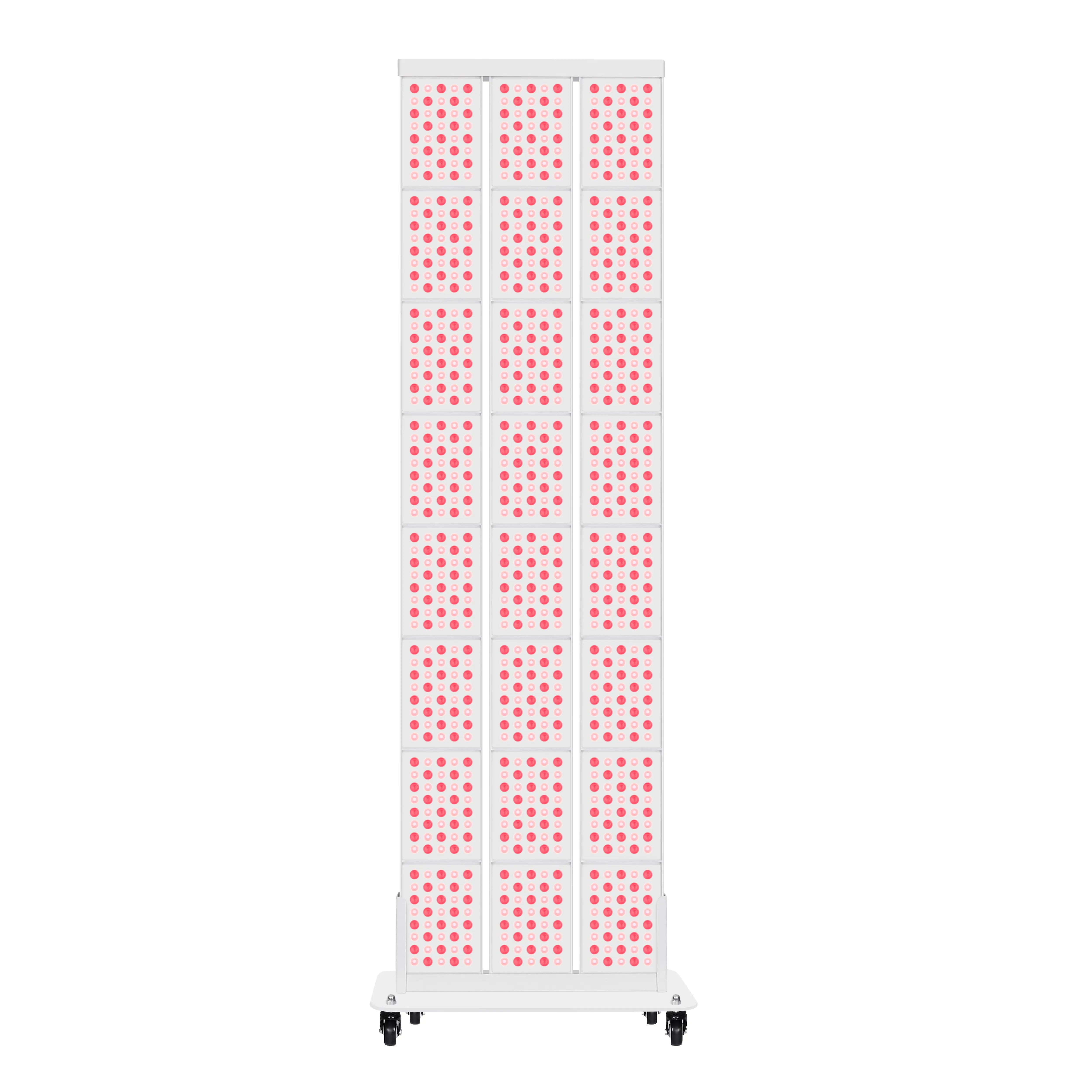
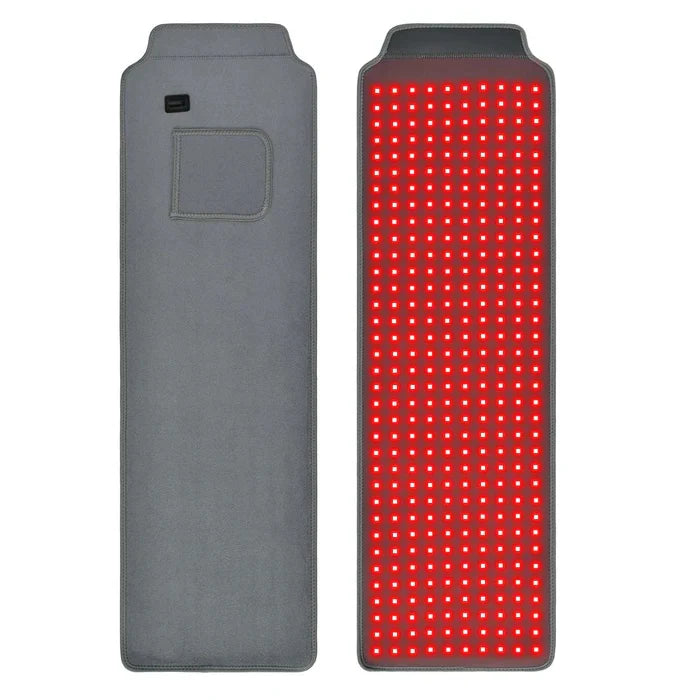
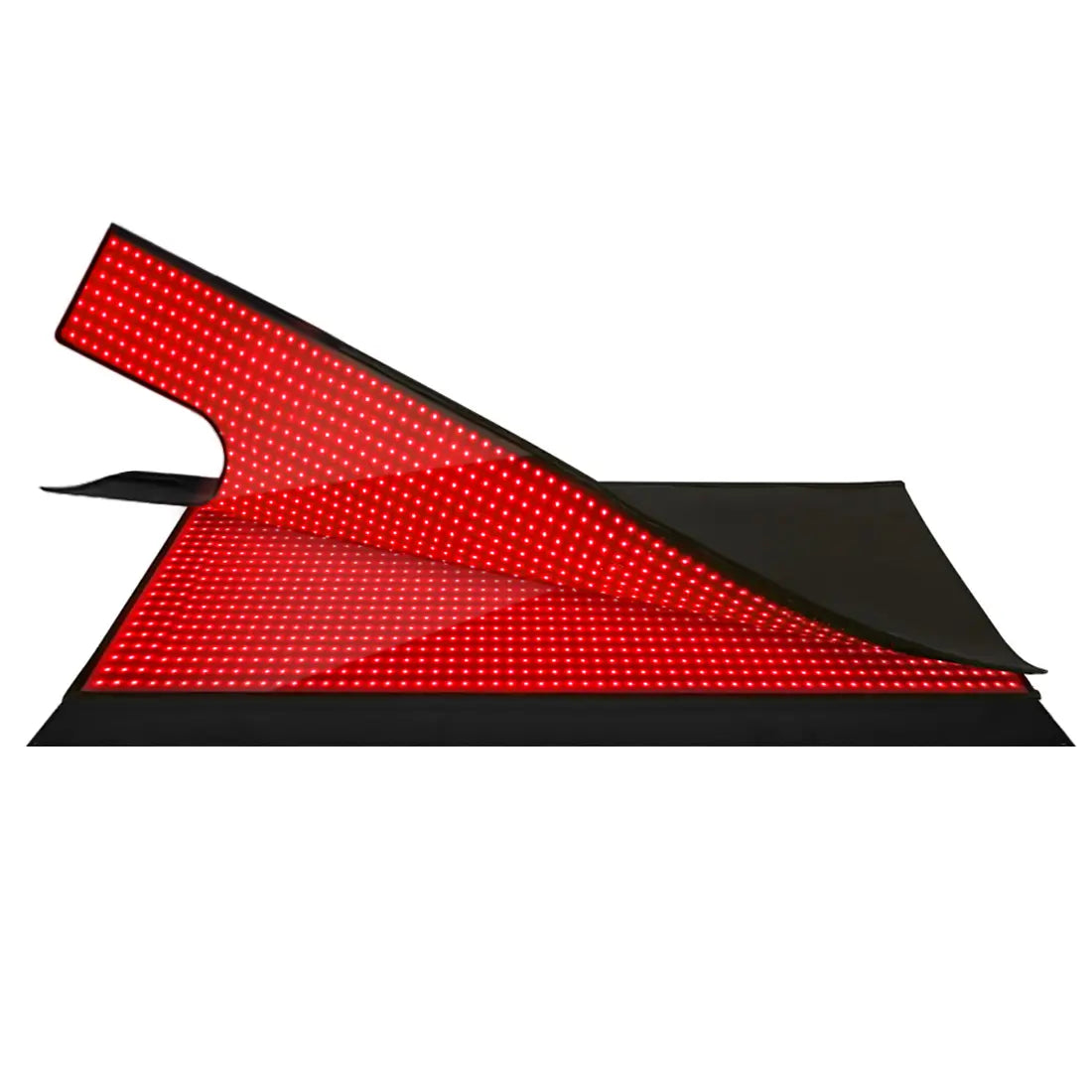
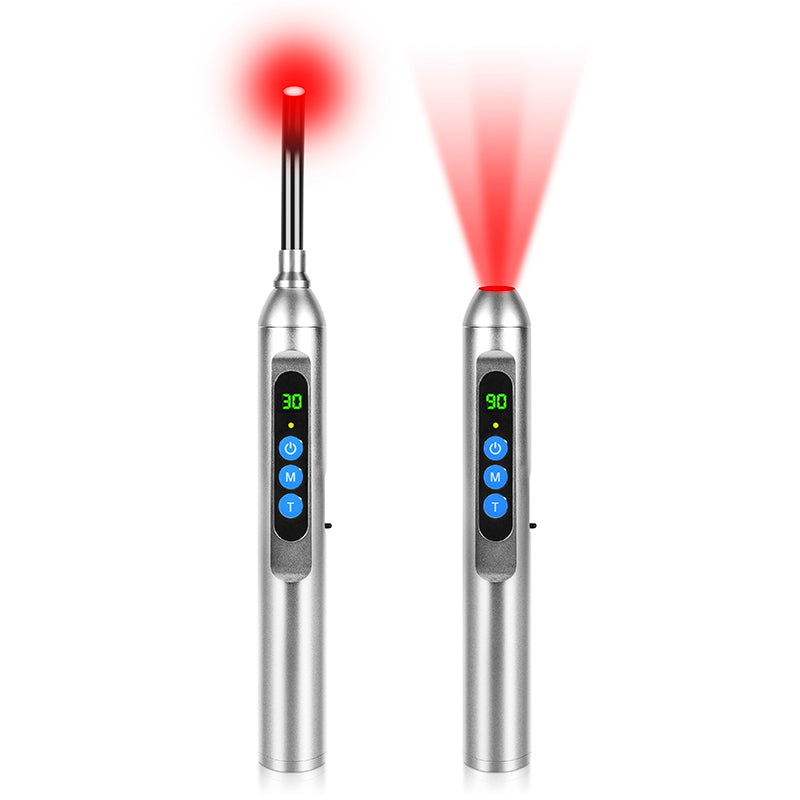
For device selection, I favor panels or pads that combine red and near‑infrared wavelengths in the roughly 630 to 850 nanometer range. University Hospitals and WebMD both highlight that at‑home devices are generally less intense than clinic systems, but they also point out that safety is high when you follow instructions. FDA clearance is not a guarantee of effectiveness, but it is a basic safety filter I look for, especially when devices are going to live in someone’s home.
For pre‑activation, I focus on the muscles that will be under the heaviest load. Sports rehabilitation centers report using red and near‑infrared light roughly fifteen to thirty minutes before intense sessions to pre‑condition tissues. Many athletic protocols described by clinics and performance facilities involve ten to twenty minutes of exposure per target area, which aligns with what City Fitness and Function Smart describe for both performance and sleep benefits. In my own routines, this looks like illuminating quads and glutes before heavy squats, or pecs and triceps before pressing. The goal is not to warm the tissues like a heating pad, but to give mitochondria and microcirculation a head start.
For recovery, timing seems to matter as well. Function Smart notes that applying light within about two to four hours after exercise is common in protocols aimed at reducing delayed onset muscle soreness and speeding recovery. Poll to Pastern describes using a quality red LED device for about twenty to thirty minutes per area and suggests more frequent sessions during active healing phases and two or three sessions per week for maintenance.
Because the Medco review found that even relatively low‑intensity light outperformed cryotherapy for DOMS and creatine kinase, I am not convinced that cranking power to the maximum buys you better recruitment. If anything, photobiomodulation research suggests there is a dose window; more is not always better. I advise starting with conservative manufacturer‑recommended settings and adjusting based on how you actually feel and perform.
A simple way to assess impact on recruitment is to track something objective: bar speed on key lifts, repetitions to a consistent technical failure point, or how quickly you restore previous strength levels after a brutal session. If red light use coincides with more stable performance and less soreness at the same training load, that is a useful signal, even if the exact mechanism is still being unraveled in the literature.
Example Use Patterns
The following table condenses how many performance‑oriented clinics and practitioners are currently using red light therapy around training, based on the sources summarized here. This is not a prescription, but a realistic starting point to discuss with your clinician or coach.
Goal |
When to apply |
Typical duration reported |
Evidence notes |
Pre‑activation for heavy work |
About 15–30 minutes before the session |
Around 10–20 minutes per area |
Used in pre‑conditioning studies and by sports clinics to reduce immediate strength loss and fatigue. |
Post‑session recovery |
Within roughly 2–4 hours after training |
Around 10–20 minutes per area |
Used in recovery protocols that report less DOMS, lower creatine kinase, and faster return to play. |
Sleep and systemic recovery |
In the evening as part of wind‑down |
Around 10–20 minutes facing panel |
Fitness facilities report better sleep quality and circadian support with consistent evening use. |
Regardless of pattern, it is crucial to protect your eyes with appropriate shields, as emphasized by MD Anderson and WebMD, and to avoid shining strong devices directly into the eyes. People with photosensitive conditions, certain skin disorders, or a history of skin cancer should clear any light therapy plan with their physician first.

Pros and Cons for Muscle Recruitment
The upside of red light therapy for muscle recruitment is straightforward. Cellular and animal research, along with small human trials, shows improved ATP production, better calcium handling, enhanced blood flow, and reductions in oxidative stress and inflammatory markers. Controlled studies have demonstrated smaller immediate strength losses after strenuous exercise, more repetitions to fatigue, and in some cases faster return to play and reduced soreness. For recruitment efficiency, that combination can translate into higher‑quality work sets, more consistent performance under fatigue, and more opportunities for the nervous system to refine high‑threshold motor unit patterns.
Another advantage is the safety profile. Clinical groups such as University Hospitals, MD Anderson, and WebMD consistently describe red light therapy as low risk when properly used, with the main downside being cost and time commitment. For athletes who already invest heavily in training, nutrition, and manual therapy, adding a low‑risk intervention that may support better recruitment and recovery is a reasonable choice.
The downside is that the evidence base is still patchy and protocol‑sensitive. TrainingPeaks and Stanford Medicine rightly point out that many performance claims are ahead of the data, especially for broad systemic benefits. Not every study shows improved performance, even when biochemical markers shift in a favorable direction. We do not yet have definitive, large‑scale trials that prove red light therapy reliably boosts neuromuscular recruitment across sports and populations.
Cost is another very real con. University Hospitals notes that handheld devices may start under a hundred dollars, but more powerful panels can cost hundreds or thousands of dollars and are rarely covered by insurance. WebMD reports typical in‑clinic sessions in the eighty‑dollar range or higher, and repeated treatments over weeks or months are usually required. As one orthopedic sports physician put it, the main risk at this point is to your wallet.
Finally, red light does not fix mechanical problems. No reputable source claims that it will heal a complete ligament tear or reverse advanced osteoarthritis. University Hospitals explicitly notes that for true mechanical issues, red light can help with inflammation and pain but will not undo structural pathology. For recruitment efficiency, that means red light can help you express whatever capacity is structurally available, but it cannot create stability or strength that your tissues cannot physically support.
Who Is a Good Candidate to Experiment with Red Light?
Based on the current evidence, I view red light therapy as most appropriate for three groups.
The first group is strength and power athletes who already have their fundamentals dialed in: intelligent programming, solid technique, adequate protein, and decent sleep. If you consistently push close to your recovery limits and notice that soreness and joint irritation are capping the quality of your sessions, red light is a reasonable recovery‑stack experiment.
The second group is masters athletes and active older adults. Clinics like City Fitness and London‑based recovery centers highlight red light’s joint and tendon benefits, along with improved mobility and reduced discomfort. If your nervous system is holding back recruitment because your knees or shoulders constantly ache, reducing that background noise can meaningfully improve how fully you can engage the target musculature.
The third group is people rehabbing muscle and tendon injuries under the supervision of a physical therapist or sports medicine provider. The near‑infrared trial on biceps and the Laser Therapy study on return to play suggest that red light can help preserve strength and shorten downtime when combined with appropriate rehab. In these cases, I strongly prefer that protocols live inside a clinical plan rather than being improvised at home.
On the other hand, if you are hoping light alone will fix poor technique, bad programming, or major mechanical pathology, it is not the right tool. If your budget is tight, your money is almost always better spent on coaching, sleep, and nutrition before you invest in panels or clinic sessions.

Brief FAQ
Q: Can red light therapy by itself teach my body to recruit more muscle fibers?
A: Current evidence does not support that idea. Red and near‑infrared light can improve the cellular environment, reduce pain, and preserve strength under fatigue, which indirectly supports better recruitment. But the nervous system learns recruitment patterns primarily through loaded movement practice, not passive light exposure.
Q: Is more light always better for performance and recovery?
A: Not according to the research summarized here. The 2019 review comparing red light therapy with cryotherapy found benefits at relatively low intensities, and photobiomodulation reviews repeatedly note dose‑response windows where both under‑ and over‑dosing can blunt effects. Following evidence‑informed manufacturer guidelines and progressing cautiously tends to be wiser than assuming that higher power and longer sessions automatically produce better results.

Closing
If you love optimizing your training environment as much as your training itself, red and near‑infrared light therapy is one of the more scientifically grounded tools you can add to the stack. Used intelligently, it can make it easier for your neuromuscular system to do what it already knows how to do: recruit the right fibers, with less noise, for more high‑quality work. Just keep it in its proper role as a supportive amplifier, not a substitute for hard, smart training and recovery.
References
- https://nsuworks.nova.edu/cgi/viewcontent.cgi?article=2599&context=ijahsp
- https://pmc.ncbi.nlm.nih.gov/articles/PMC4299734/
- https://admisiones.unicah.edu/Resources/dyBPUR/3OK066/dr_hyman__red-light__therapy.pdf
- https://med.stanford.edu/news/insights/2025/02/red-light-therapy-skin-hair-medical-clinics.html
- https://www.mainlinehealth.org/blog/what-is-red-light-therapy
- https://www.mdanderson.org/cancerwise/what-is-red-light-therapy.h00-159701490.html
- https://www.uhhospitals.org/blog/articles/2025/06/what-you-should-know-about-red-light-therapy
- https://www.physio-pedia.com/Red_Light_Therapy_and_Muscle_Recovery
- https://cityfitness.com/archives/36400
- https://functionsmart.com/red-light-therapy-for-athletes-faster-recovery-and-enhanced-performance/