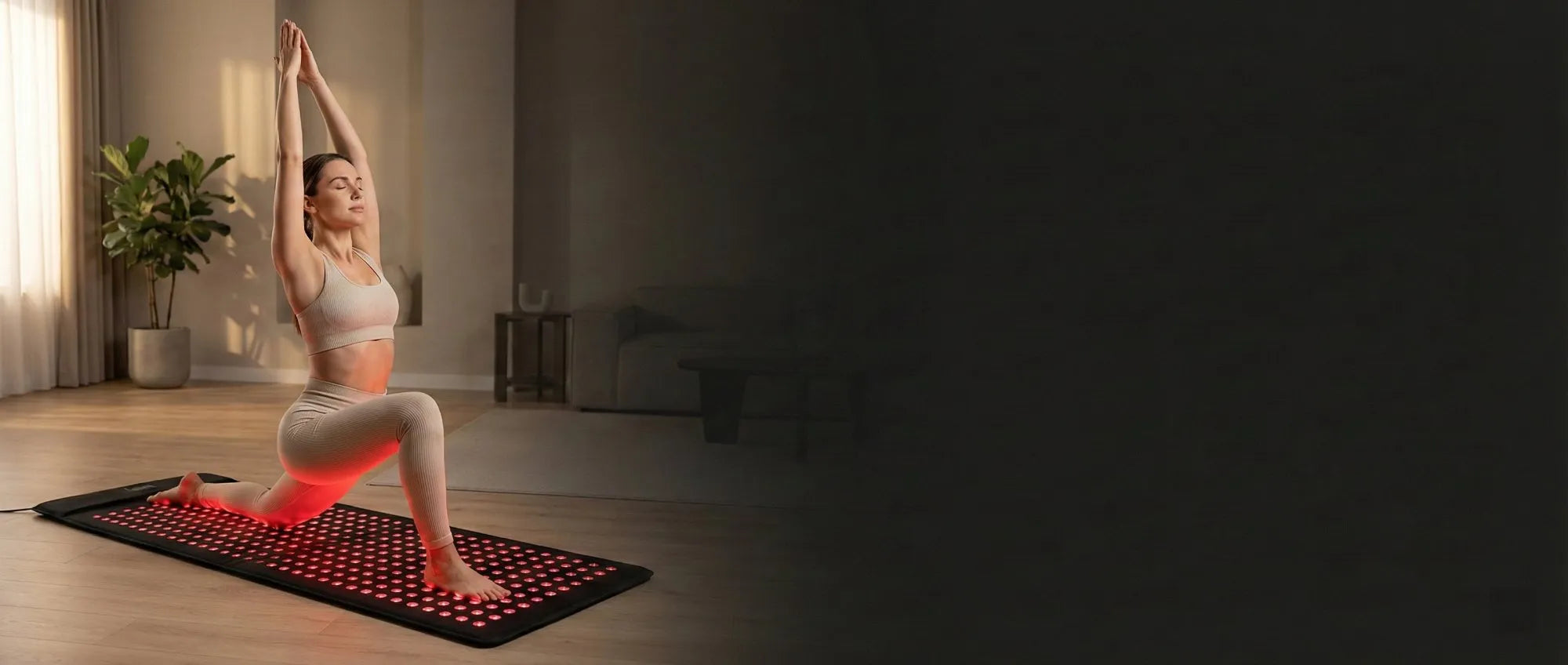
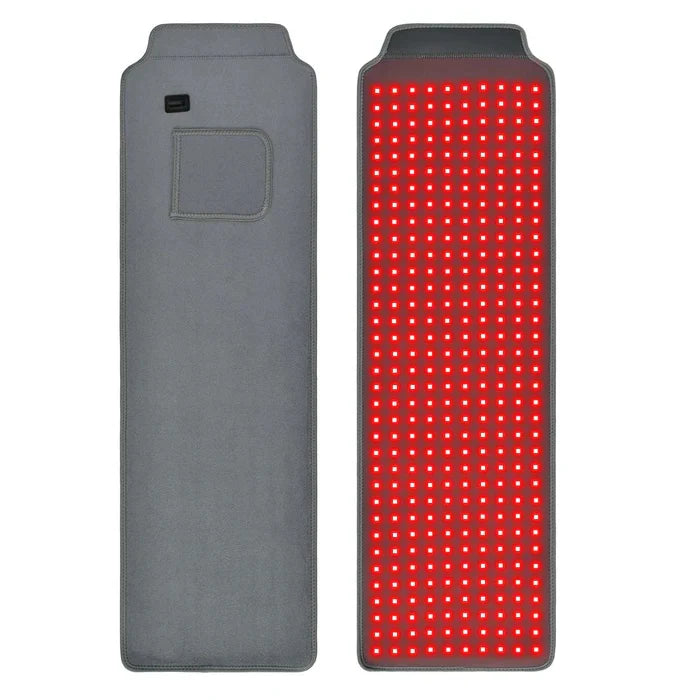
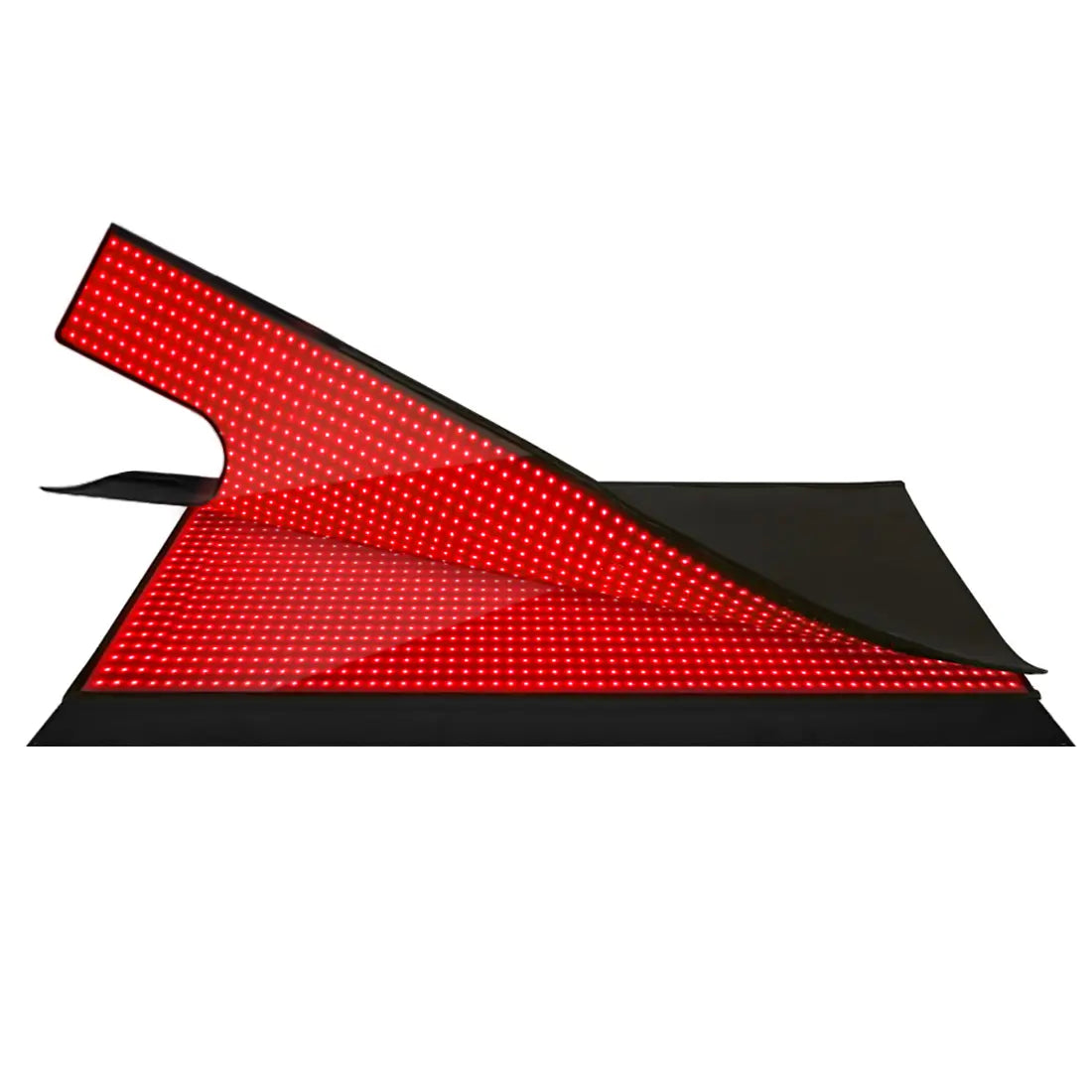
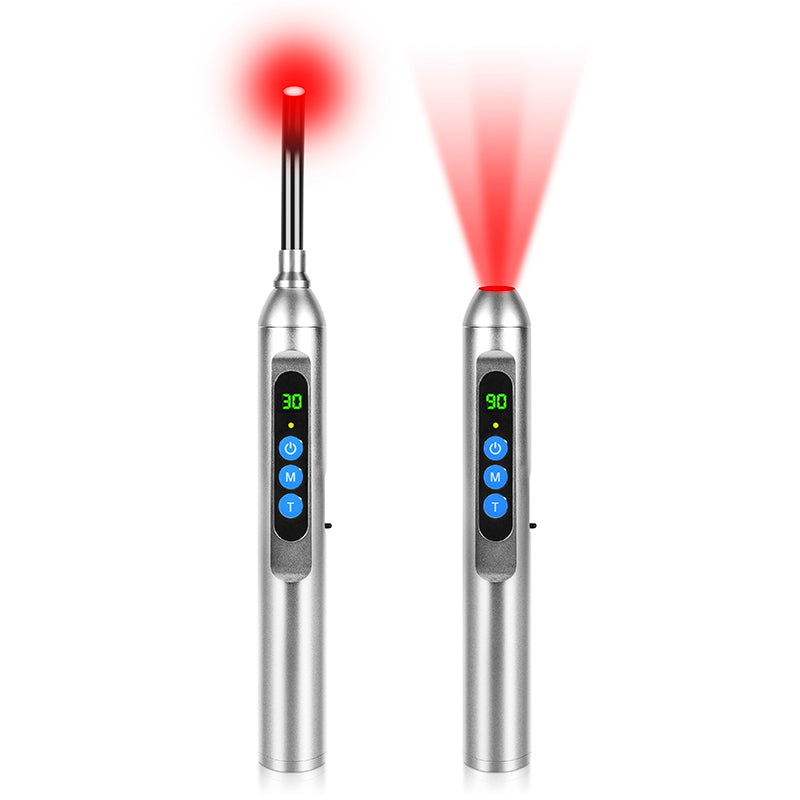

Why A Light Therapy Geek Cares About Burn Scars
I have spent a good chunk of my life either under red and near‑infrared panels myself or helping people decide whether they are worth their time and money. I have demoed devices that range from small handheld units to full‑body beds that cost more than a luxury car. I have also sat in on scar clinics with burn teams and watched patients struggle with thick, itchy, tight scars that make every movement a reminder of their injury.
So when people ask me, “Can red light therapy actually reduce burn scars, or is it just another wellness fad?” I take that question seriously.
The short answer, based strictly on the research we have, is that red light therapy looks promising as an adjunct for burn healing and scar appearance, but it is not a miracle eraser and it does not replace standard burn care or laser therapy. The long answer is more nuanced, and that is what this article is about.
Let us start with what burn scars really are and what red light therapy actually does at the cellular level, then walk through the best evidence we have from animal studies, human trials, and clinical practice.

Burn Scars 101: What You’re Really Seeing In The Mirror
A burn scar is not just “discolored skin.” It is replacement tissue that your body built under pressure, often in a hostile environment of inflammation, infection risk, and mechanical stress.
Hypertrophic burn scars are the classic example. According to burn rehabilitation resources, these scars are thick, raised, and stiff. They usually show up a few weeks after the skin has closed, often between about two and six weeks after the injury. They tend to grow and remodel for roughly six to twelve months, and then start to stabilize around the one‑year mark.
Hypertrophic scars can itch fiercely, burn or sting, and feel tight. When they cross joints or high‑movement areas like the neck or shoulders, they can limit range of motion. They may resemble keloids in appearance, but unlike keloids they generally stay confined to the original injury area rather than invading nearby normal skin.
Standard treatments for hypertrophic burn scars include compression garments and steroid injections, and for many people, medical lasers. Carbon dioxide lasers drill tiny columns into the scar to break up stiff tissue and stimulate remodeling, while pulsed dye lasers target the excess blood vessels that make a scar look red or pink. These laser treatments often start several months after the burn has healed and can significantly improve texture, color, and symptoms, but they are medical procedures with cost, downtime, and some risk.
Red light therapy lives in a different category: low‑power, non‑ablative light intended to nudge biology, not blast tissue. To understand where it might fit, we have to unpack what it actually is.

What Exactly Is Red Light Therapy?
Under the hood, “red light therapy” is more than a spa trend. In the medical and scientific literature you will see names like photobiomodulation, low‑level light therapy, and low‑level laser therapy. Cleveland Clinic, Stanford dermatology, and other academic centers use these terms when they talk about the technology.
In simple language, red light therapy uses low‑intensity red and near‑infrared light, usually in the range of about 600 to 1,000 nanometers, delivered by LEDs or low‑power lasers. Unlike tanning beds, there is no ultraviolet, no intentional skin burning, and very little heat when it is done correctly.
This kind of light was first taken seriously when NASA began experimenting with it for plant growth and astronaut wound healing. Since then, it has become an accepted component of photodynamic therapy, where a drug is applied to the skin and then activated by red light to kill certain precancerous cells, psoriasis lesions, and other targets. In that setting, red light plus a drug is already conventional medicine.
Photobiomodulation is different: it uses light alone, at doses intended to modulate cellular behavior rather than destroy cells.
How Red Light Interacts With Skin And Scars
Across sources like Cleveland Clinic, Brown University Health, and Stanford Medicine, the core mechanism is surprisingly consistent.
Red and near‑infrared light are absorbed by components of the mitochondrial respiratory chain inside cells, which can:
- Boost ATP, the basic energy currency cells use to run repair programs.
- Modulate reactive oxygen species, tipping them away from destructive oxidative stress toward controlled signaling molecules.
- Increase fibroblast activity, collagen production, and other connective tissue processes.
- Improve blood circulation, bringing more oxygen and nutrients into damaged areas.
- Reduce inflammatory signaling, especially in chronic or excessive inflammation.
In wound and scar models, that combination tends to show up as faster closure, stronger tissue, and in many cases more organized collagen instead of the chaotic bundles typical of hypertrophic scars.
A University at Buffalo–led mouse study on third‑degree burns is a good example. Researchers used low‑dose light therapy and found that burn wounds closed faster over nine days and showed less inflammation than untreated burns. Mechanistic work in that study pointed to activation of a growth‑factor pathway, TGF‑beta 1, which in turn stimulated fibroblasts and macrophages to repair tissue more efficiently.
Other mechanistic research summarized in a recent visible‑light paper has tied non‑UV light exposure to STAT3 signaling, a key regulator of keratinocyte proliferation, angiogenesis, and immune responses in skin. In these models, visible and near‑infrared light adjust not just collagen production but macrophage behavior, T‑cell responses, and the balance between inflammation and fibrosis.
The big picture: red and near‑infrared light seem capable of nudging a healing wound away from chronic inflammation and excessive scarring and toward more orderly repair. The question is how well that translates from mice and cell cultures into real human burn scars.
The Evidence: Can Red Light Therapy Improve Burn Scars?
Animal And Lab Research On Burns And Scars
If all we looked at were animal and lab data, we would probably already be using red light therapy in every burn unit in the country.
A 2018 meta‑analysis of controlled animal wound models, summarized in a wound‑healing review, found that red and near‑infrared light significantly improved wound contraction and tensile strength across a variety of wounds. That includes cuts, surgical incisions, and burn models. The treated wounds closed faster and the healed tissue was mechanically stronger than controls.
In multiple rodent studies on second‑ and third‑degree burns, red light therapy reduced inflammation and oxidative stress, promoted new blood vessel formation and fibroblast proliferation, and increased collagen production. The result was not just faster healing but better cosmetic outcomes in terms of tissue quality.
Timing appears to matter. In one second‑degree burn model in rodents, applying light during the proliferative, or rebuilding, phase of healing was crucial for optimal final tissue repair, whereas poorly timed treatments were less effective. That finding lines up with what we know about scar biology in general: intervene when the wound is actively remodeling, and you stand a better chance of shaping the final outcome.
A long‑term systematic review of twenty‑two burn studies conducted over seventeen years concluded that photobiomodulation was effective in accelerating the healing process of skin burns overall. Combined with hundreds of clinical trials in other wound types and conditions, and thousands of academic papers on photobiomodulation more broadly, the animal and mechanistic foundations are strong.
Of course, animal success is not enough. People quite reasonably ask, “What does this do in humans with real scars?”
Human Studies On Scars, Including Burn Scars
Human evidence is more limited and more nuanced, but several lines of research support using red light therapy as an adjunct for scars, including burn scars.
A systematic review of forty plastic‑surgery–related studies, twenty‑eight in animals and twelve in humans, concluded that red light therapy helps heal acute wounds and improves burn scars. That review brought together evidence from surgical incisions, skin graft donor sites, and burn injuries. The theme was consistent: when added to standard care, photobiomodulation tended to speed healing and improve scar quality.
One small study in fifteen children with hypertrophic scars reported that three months of red light treatments produced significantly reduced scarification and visibly improved appearance compared with untreated areas. Another burn‑scar trial from 2004 found roughly twice the decrease in visible scarring in the red‑light group compared with controls, with no reported adverse effects.
For more severe cases, a 2016 case series followed diabetic patients with third‑degree burns who were candidates for amputation. They received split‑thickness skin grafts plus red and near‑infrared light therapy. All patients reportedly achieved complete healing within eight weeks, and none required amputation. That is not a randomized trial, and we cannot isolate the specific contribution of light versus excellent surgical and wound care, but it illustrates how clinicians are already integrating photobiomodulation into complex burn and graft situations.
For non‑burn surgical scars, there is a well‑designed Phase II trial that tells us a lot about dosing and safety. At SUNY Downstate, investigators ran a randomized, mock‑controlled, split‑face trial in thirty adult women undergoing mini‑facelifts. Each participant had one surgical incision around the ear treated with high‑fluence LED red light at about 633 nanometers and the other side treated with a temperature‑matched mock device that produced warmth but no light.
Treatments started about a week after surgery and were done three times per week for three weeks. Sessions delivered doses of 160, 320, or 480 joules per square centimeter, corresponding to about 30, 60, or 90 minutes, using a headset device.
Several things stood out:
The treatment was generally safe and well tolerated. Everyone had warmth and temporary redness that resolved within a day. Three patients had mild local issues on the treated side, such as small blisters or swelling, but all resolved without lasting problems.
The primary endpoint, an objective measure of scar firmness, did not show a statistically significant difference between treated and untreated sides at six months. However, low‑ and medium‑dose groups showed larger numerical improvements in scar pliability on the treated side than on the control side, while the highest dose did not outperform control.
Blinded observer ratings using standard scar scales favored low and medium doses on the treated side, while high‑dose treatment produced similar or slightly worse scores than mock therapy.
Biopsies showed that collagen content increased on both sides, as expected with normal healing, but medium and high LED‑treated scars had modestly lower collagen than controls at six months, hinting at a potential anti‑fibrotic effect.
Most participants said they were likely to recommend the treatment and to use it again.
This was not a burn study, and its primary endpoint was negative, so we need to be careful not to oversell it. But it does reinforce two crucial points. First, red light therapy can be started fairly early after surgery, around days seven to ten, with a good safety profile when properly supervised. Second, there is a biphasic dose response: lower and moderate doses may help more than very high doses, which fits decades of photobiomodulation research.
Stanford dermatology has highlighted similar mixed results for surgical scars. In eyelid surgery studies, one trial showed only a small, statistically non‑significant advantage for red light, while another found that treated scars appeared to heal in roughly half the time early on, yet by six weeks both sides looked similar. Again, there are hints of benefit but not slam‑dunk transformations.
Putting these strands together, the clinical evidence suggests that red and near‑infrared light can meaningfully influence wound healing and scar remodeling, including in burns, but the effect sizes are modest, protocols are still being optimized, and high‑quality randomized trials in burn populations remain sparse.
How This Compares To Standard Laser Treatment For Burn Scars
When people hear “light” and “scars,” they often think lasers. It is important to distinguish low‑level red light from the higher‑energy lasers commonly used in burn clinics.
Medical lasers for hypertrophic burn scars, such as carbon dioxide and pulsed dye lasers, intentionally create controlled micro‑injuries or selectively destroy blood vessels in the scar. That damage kicks off a repair cascade that over time can soften the scar, improve color, and relieve itching and tightness. These treatments have a growing evidence base and are already embedded in burn rehabilitation guidelines.
Red light therapy, by contrast, does not ablate tissue or deliberately create heat damage. It relies on subtler signaling shifts in mitochondria and cells. That usually means less pain, less downtime, and a lower risk profile, but also smaller and slower effects.
A simple way to see the contrast is in this comparison.
Feature |
Red light therapy (LED / low-level) |
Medical lasers for burn scars |
Main goal |
Modulate cellular repair and inflammation without damage |
Break up scar tissue or blood vessels through controlled injury |
Energy level |
Low, non‑thermal |
High, often requires anesthesia or cooling |
Evidence in burn scars |
Preclinical burns plus mixed but promising human scar data, including small burn‑scar trials |
Multiple clinical studies and guidelines support use in hypertrophic burn scars |
Typical experience |
Warmth, temporary redness, little to no downtime |
Brief sharp pain or burning, possible oozing, swelling, and days of healing |
Role in care |
Adjunct to standard wound and scar care; still evolving |
Established option in specialty burn and dermatology centers |
From a “wellness optimizer” perspective, I see red light therapy as something that may help nudge healing in a favorable direction, especially when started early and used consistently, but not something that replaces compression, silicone, steroids, surgery, or laser when those are clearly indicated.
Mechanisms: Why Light Could Make Scars Flatter And Softer
The reason scientists keep returning to photobiomodulation is that the biology makes sense.
In burns and other deep wounds, inflammation is both essential and dangerous. You need inflammatory cells to clear debris and fight infection, but if the response stays too hot for too long, fibroblasts lay down thick, disorganized collagen and you end up with stiff, raised scars and even contractures.
The University at Buffalo burn study showed that low‑dose light activated TGF‑beta 1, which helped coordinate fibroblasts and macrophages to close wounds faster with less inflammation. Other work summarized in the STAT3‑focused paper suggests that visible and near‑infrared light can tune pathways that decide whether a wound moves toward regeneration or fibrosis.
Red light’s mitochondrial effects may also be crucial. By improving ATP generation and mitochondrial efficiency, particularly in stressed cells at the edge of a burn, photobiomodulation can help those cells survive and participate in orderly repair instead of dying and leaving more work for scar tissue.
In practical terms, that might translate into softer scars, better range of motion, and less itching and pain. It is exactly what some of the human scar studies suggest, even when changes in appearance are modest.
How I’d Think About Using Red Light For Burn Scars
As someone who has logged far too many hours reading photobiomodulation papers and tweaking light protocols, here is how I would approach burn scars, always in collaboration with a burn specialist or dermatologist rather than freelancing.
When In The Healing Timeline To Consider Red Light
Timing is not trivial. In animal models, treating during the proliferative phase of healing produced better long‑term results than treating at random. In the SUNY Downstate facelift study, red light started about one week after surgery, once the incisions were closed but still early in the remodeling phase. In laser therapy for burn scars, CO2 and pulsed dye lasers often start around three months after the burn has healed.
For red light, the safest rule of thumb is to avoid shining devices on open, actively infected, or heavily weeping burns at home. Instead, work with your burn care team to decide when the skin barrier is sufficiently restored and infection controlled. For many people, that will be in the window where re‑epithelialization has completed and the scar is beginning to thicken and redden, but the specifics should come from your clinician.
For long‑standing scars more than a year old, the window for influencing structure is narrower but not necessarily closed. Collagen is still metabolically active, just slower. In those cases, expectations need to be modest: you may see gradual softening, color shifts, or symptom relief rather than dramatic structural changes.
Choosing Between Clinic Devices And Home Panels
Most of the more precise dosing and monitoring in the literature has been done with clinic‑grade devices. These allow clinicians to control wavelength, power, distance, and treatment time carefully. They also provide medical oversight, which matters if you have large or complex burn scars, grafts, or significant medical conditions.
Home devices, whether masks, pads, or panels, are usually lower power. Cleveland Clinic and WebMD both emphasize that at‑home units are generally safe when used as directed but may not deliver the same punch as professional systems.
For burn scars, I would personally lean toward a clinic‑based protocol at first, especially if you are already seeing a burn surgeon or dermatologist for laser or steroid treatments. Once you have a sense of how your skin responds and your team is comfortable, a well‑chosen home device can be a way to maintain gains and add extra sessions without living at the clinic.
The key is to choose devices from reputable manufacturers that clearly state wavelengths, power outputs, and treatment distances, and ideally have some form of regulatory clearance for related indications such as pain, hair loss, or wrinkle reduction. In the United States, “FDA‑cleared” is the language to look for; it speaks to safety more than guaranteed efficacy, but it is better than vague terms like “FDA‑certified.”
Dosing, Frequency, And The “More Is Not Better” Trap
A recurring theme in photobiomodulation is the biphasic dose response. In plain language, a little can help, more can help up to a point, and beyond that you plateau or even lose benefit.
The SUNY Downstate facelift trial showed this nicely. Low and medium doses produced more favorable scar pliability and blinded observer ratings than the highest dose, which did not outperform mock therapy. Animal studies show similar curves: there is an optimal window of energy where healing is best.
Practical recommendations across sources like wound‑healing reviews, dermatology practices, and university medical centers usually land in the range of roughly five to twenty minutes per treatment area per session for many skin and soft‑tissue uses. Some postoperative protocols, like the facelift study, use longer sessions but only under direct clinical supervision.
At home, I advise people to resist the urge to double their session time just because they “feel fine.” Staying within manufacturer guidelines and whatever protocol your clinician recommends is the most evidence‑aligned way to go. Consistency matters much more than brute force; several brief sessions per week over many weeks are how most trials have been designed.
Safety, Risks, And Who Should Be Cautious
Red light therapy’s safety profile is one of its biggest strengths, but “safe” never means “anything goes.”
Across reviews from Cleveland Clinic, Brown University Health, WebMD, and dermatology experts, several points are consistent.
Short‑term, when used correctly, red light and near‑infrared devices appear non‑toxic and non‑UV. They do not tan or deliberately burn the skin, and serious side effects are rare. Mild warmth, temporary redness, or dryness are the most common local reactions.
Burns, blisters, and overheating can occur with malfunctioning equipment or improper use, especially with higher powered panels or if the light is held too close for too long. The few mild bullae seen in the facelift trial are a reminder that even low‑level devices can irritate sensitive, freshly healed tissue.
Eye safety is critical. Intense visible and near‑infrared light at close range can harm the retina. Multiple medical sources recommend using protective goggles for both clinic and home treatments, especially near the face, and never shining panels directly into the eyes, even with closed lids.
Certain groups should be cautious or seek medical clearance before using photobiomodulation. That includes people on medications that increase light sensitivity, individuals with a history of skin cancer or active cancer at the treatment site, and those with serious eye disease. Pregnant individuals are often excluded from studies, and while one review of pregnant women undergoing laser procedures found no obvious harm, the data are limited, so this is a situation where you want a clear go‑ahead from your obstetric and dermatology teams.
Finally, it is crucial not to let a device distract you from proven basics. University of Utah clinicians have emphasized that flashy wellness gadgets should not pull focus away from core health behaviors like nutrition, movement, mental health care, and sleep. In burn rehabilitation, the equivalents are diligent wound care, infection control, range‑of‑motion work, compression, and attending follow‑up visits. Light is an add‑on, not a substitute.

Pros, Cons, And Realistic Expectations
Looking across animal work, human scar studies, and broader dermatology experience, my “light therapy geek” verdict on burn scars is cautiously optimistic.
On the positive side, photobiomodulation is biologically plausible, supported by strong preclinical burn data and several human studies showing better wound contraction, stronger tissue, and improved scar appearance. Systematic reviews in plastic surgery and burns have concluded that red light therapy can improve acute wound healing and burn scars, and case series in high‑risk patients, including diabetics with third‑degree burns, suggest it can contribute to limb‑saving outcomes when combined with excellent conventional care.
Safety is generally favorable when devices are used properly. Most reported side effects are mild and reversible, and the non‑UV, non‑ablative nature of the treatment makes it appealing in a population that has already endured enough trauma.
On the downside, the best human evidence in burns and scars is still limited in size and rigor. Trials are heterogeneous in wavelengths, doses, and schedules, making it hard to translate one study directly into a personal protocol. Some well‑designed trials on surgical scars show only modest or transient advantages, and at least one carefully conducted study had a neutral primary endpoint despite hints of benefit in secondary measures.
Red light therapy can also be expensive and time‑intensive. Clinic visits several times a week for weeks, plus home devices that can cost from around a hundred dollars up into four figures, create real financial and logistical burdens. And expectations need to be realistic. Even in positive trials, we are often talking about scars that are softer, slightly less raised, somewhat less red, and perhaps a bit less symptomatic, not the complete disappearance of a major burn scar.
For someone with a hypertrophic burn scar that is still remodeling, who is already on top of standard treatments and working with a burn or dermatology team, I think adding red or red plus near‑infrared light is a reasonable, science‑backed option to consider. For someone with long‑standing, stable scars hoping that a home panel will erase them in a month, that is not how this technology behaves in the data we have.

FAQ: Burn Scars And Red Light Therapy
Can red light therapy help older burn scars, or is it only for fresh wounds?
Most of the dramatic improvements in the literature occur when photobiomodulation is introduced during active healing, when inflammation, collagen deposition, and remodeling are in full swing. That is why animal burn studies and early postoperative human trials tend to show the strongest effects. For scars that are a year or more old, biology has slowed down, so changes will likely be more modest and gradual. That said, some studies and clinical experience suggest that red light can still improve symptoms like itch and tightness and may gradually soften scar texture, particularly when paired with stretching, massage, and, when appropriate, laser treatment. It is still worth discussing with your dermatologist or burn surgeon, but you should frame it as a potential incremental helper, not a complete reset.
Can I use red light therapy instead of laser, compression garments, or steroid injections?
Based on current evidence, the answer is no. Compression, silicone, steroid injections, and medical lasers are better established for hypertrophic burn scars and have stronger, more specific data in human burn populations. Red and near‑infrared light belong in the “adjunct” category: something you layer on top of a solid medical plan to potentially improve healing, comfort, or cosmetic outcomes. In some people with milder scars or limited access to laser, photobiomodulation may be one of the few available options, but that is a different question than whether it can replace other treatments. The safest approach is to work with your care team to integrate light therapy where it makes sense alongside conventional scar management.
How do I talk to my doctor or burn team about red light therapy without sounding like I just followed a trend?
Clinicians are increasingly familiar with photobiomodulation, especially in dermatology, oncology supportive care, and rehabilitation, so you may be pleasantly surprised by how open your team is. I suggest being straightforward and specific. Mention that you have read about low‑level red and near‑infrared light being used to improve burn healing and scars, and ask whether they are aware of any protocols at your center. You can reference that systematic reviews in plastic and reconstructive surgery and a long‑term review of burn studies have found benefits in healing and scar quality, and that burn researchers at major universities have explored mechanisms in animal models. Then ask the practical questions: whether they think it is appropriate for your specific burn pattern, what timing they would recommend, whether they prefer clinic‑based devices or are comfortable overseeing a home panel, and how it would fit alongside any planned laser sessions or surgeries. That kind of collaborative, evidence‑curious conversation is exactly how good scar care evolves.
Closing: Light, Scars, And Playing The Long Game
As someone who has experimented with more light setups than I care to admit, I am the last person to dismiss red light therapy as a fad. The biology is real, the burn and scar data are encouraging, and for many people the risk–benefit profile looks favorable. At the same time, burn scars are complex, and no panel or mask will rewrite that story overnight. If you treat light as one more precise tool in a broader, medically grounded plan, rather than a magic fix, it can absolutely earn a place in your burn‑scar toolkit.
References
- https://clinicaltrials.gov/study/NCT03795116
- https://www.health.harvard.edu/diseases-and-conditions/led-lights-are-they-a-cure-for-your-skin-woes
- https://pmc.ncbi.nlm.nih.gov/articles/PMC3926176/
- https://www.buffalo.edu/news/releases/2021/08/003.html
- https://med.stanford.edu/news/insights/2025/02/red-light-therapy-skin-hair-medical-clinics.html
- https://healthcare.utah.edu/the-scope/mens-health/all/2024/06/176-red-light-therapy-just-fad
- https://www.brownhealth.org/be-well/red-light-therapy-benefits-safety-and-things-know
- https://fi-admin.bvsalud.org/document/view/55m55
- https://my.clevelandclinic.org/health/articles/22114-red-light-therapy
- https://hartfordhealthcare.org/about-us/news-press/news-detail?articleId=66176