
If you spend enough summers testing supplements, tracking biomarkers, and still occasionally forgetting to reapply sunscreen at the beach, you eventually learn two truths. First, prevention is everything. Second, when you do get burned, how you treat those first hours and days can make a real difference in pain, sleep, and how your skin looks afterward.
Red light therapy sits right at the intersection of those two truths. As someone who has spent years experimenting with red and near‑infrared panels, reading photobiomodulation papers for fun, and working alongside dermatology practices, I see red light as a powerful add‑on for sunburn recovery—but only when you understand what it can and cannot do.
This article walks through the biology, the evidence, and the practical protocols for using red light therapy to ease sunburn pain in a way that respects both your skin and the science.
Sunburn 101: Why It Hurts and Why It Matters
Sunburn is not just a “little too much sun.” Dermatologists describe it as a radiation burn caused by ultraviolet light damaging DNA in your skin cells and triggering a strong inflammatory response. That redness, heat, and throbbing pain are your immune system rushing in to deal with injured cells.
Ultraviolet B (UVB) rays are the main driver of the classic burn—redness, tenderness, and peeling. Ultraviolet A (UVA) penetrates deeper, drives premature aging, and is also implicated in melanoma. A dermatology clinic article notes that both UVA and UVB damage DNA and are linked to all major forms of skin cancer, including basal cell carcinoma, squamous cell carcinoma, and melanoma.
Epidemiology adds a sobering layer. One dermatology source estimates that roughly forty‑plus percent of people experience at least one sunburn each year, and a history of severe sunburns is a well‑established risk factor for melanoma and other skin cancers. Another clinical article on photoaging suggests that sun damage accounts for around eighty percent of the visible aging we see in the mirror: wrinkles, spots, rough texture.
So although “sunburn relief” sounds simple, the stakes are high. How you approach sun exposure, prevention, and aftercare can influence not only how you feel this weekend, but also how your skin behaves years from now.

Where Red Light Therapy Fits In
What Red Light Therapy Actually Is
Red light therapy is not a tanning bed, and it is not ultraviolet light. Medical and wellness sources describe it as a noninvasive treatment that uses low‑level red and near‑infrared wavelengths—typically somewhere between about 600 and 850 nanometers—to influence cellular activity without heating or burning the skin.
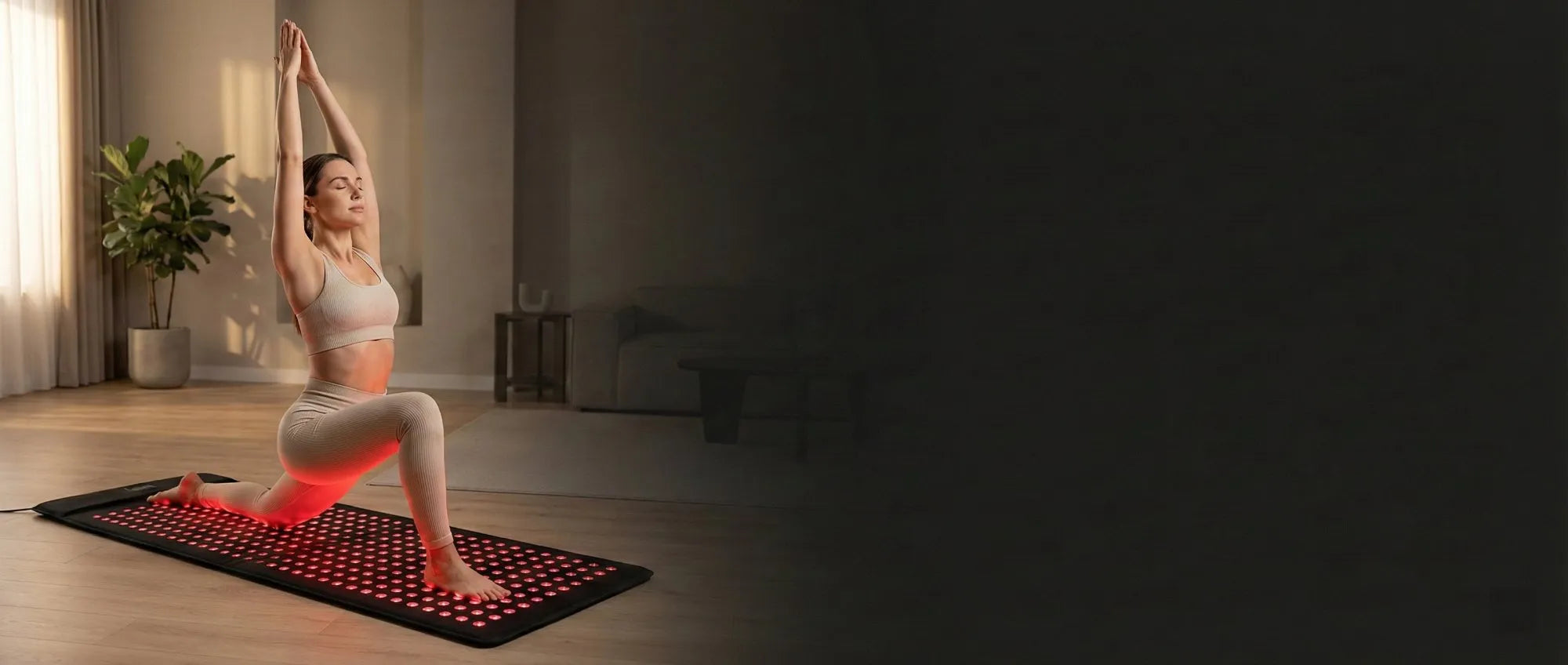
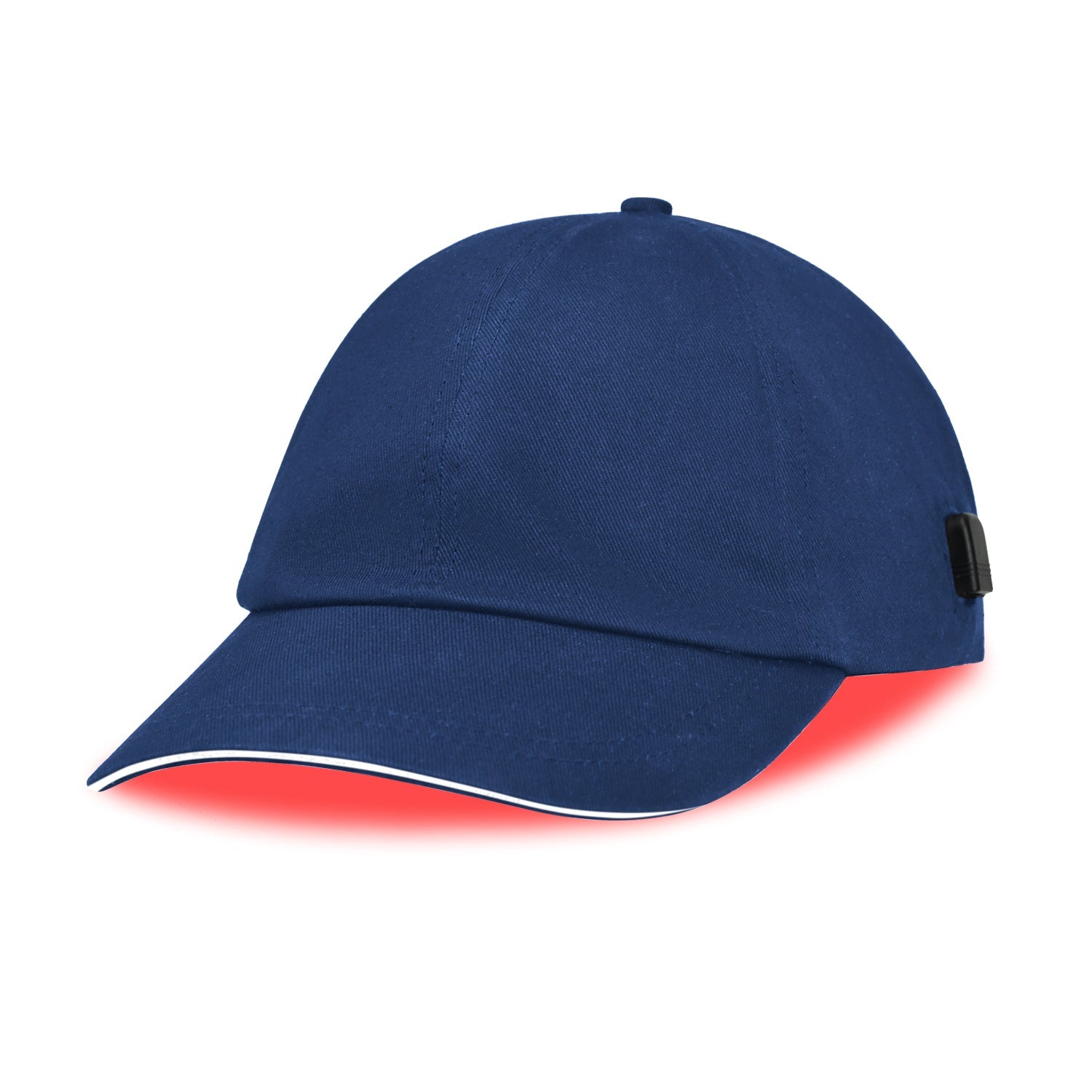
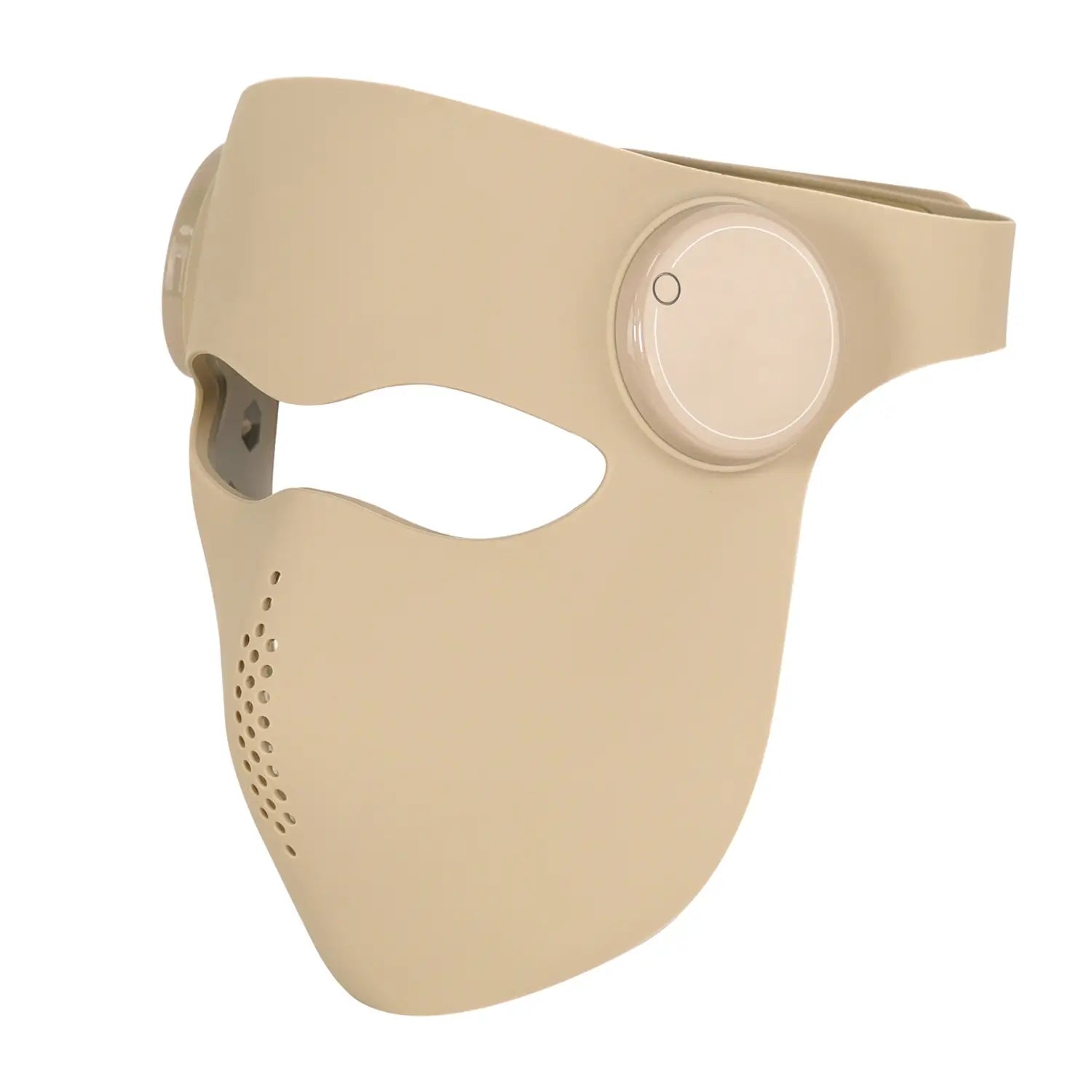
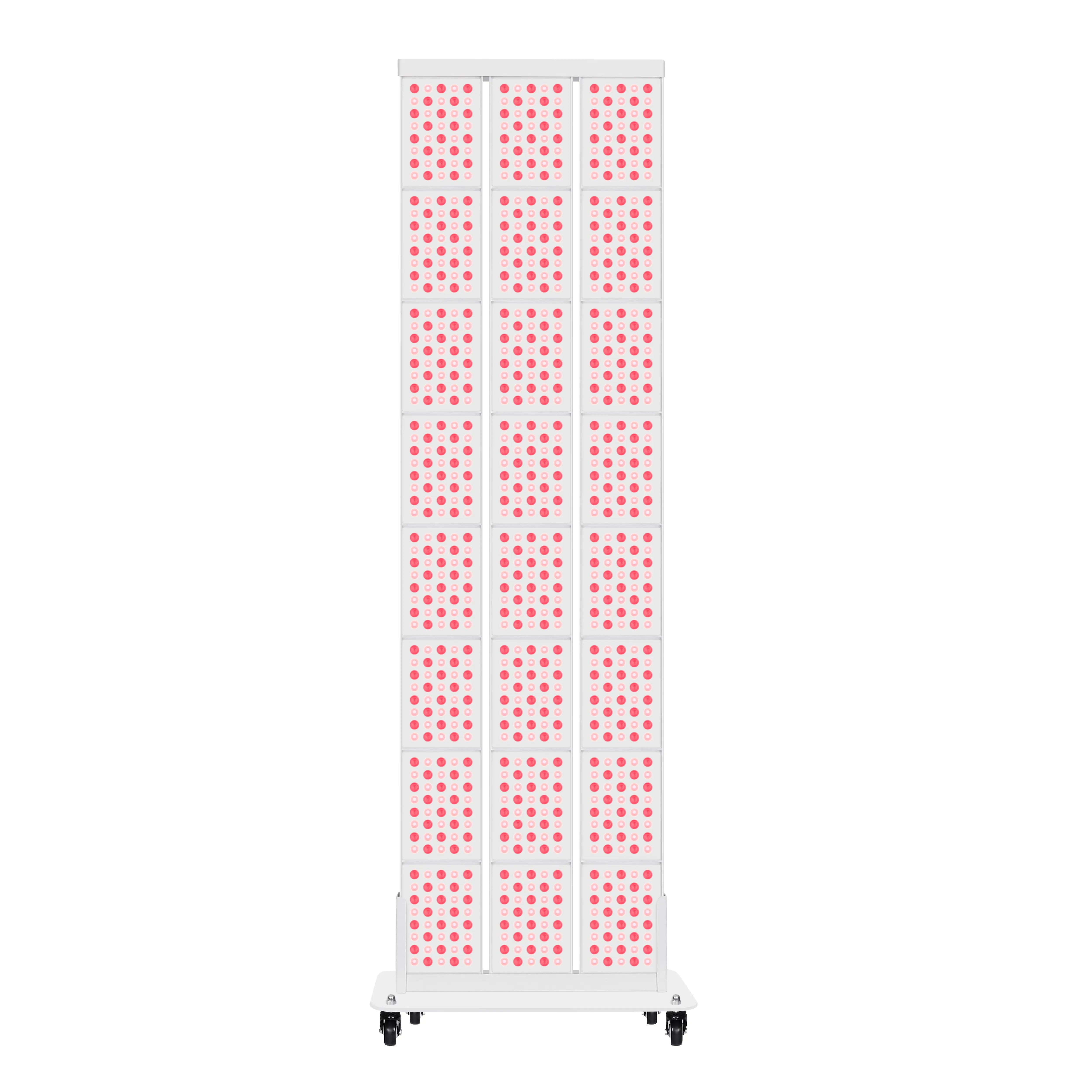
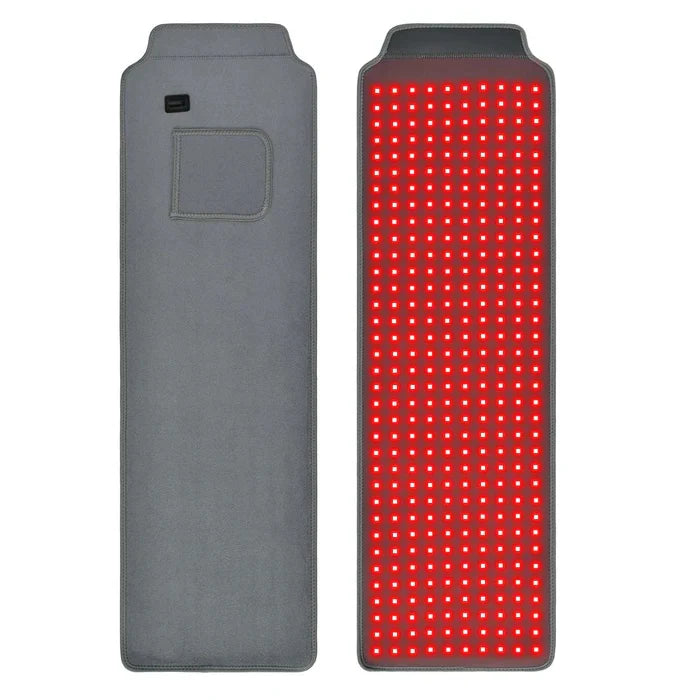
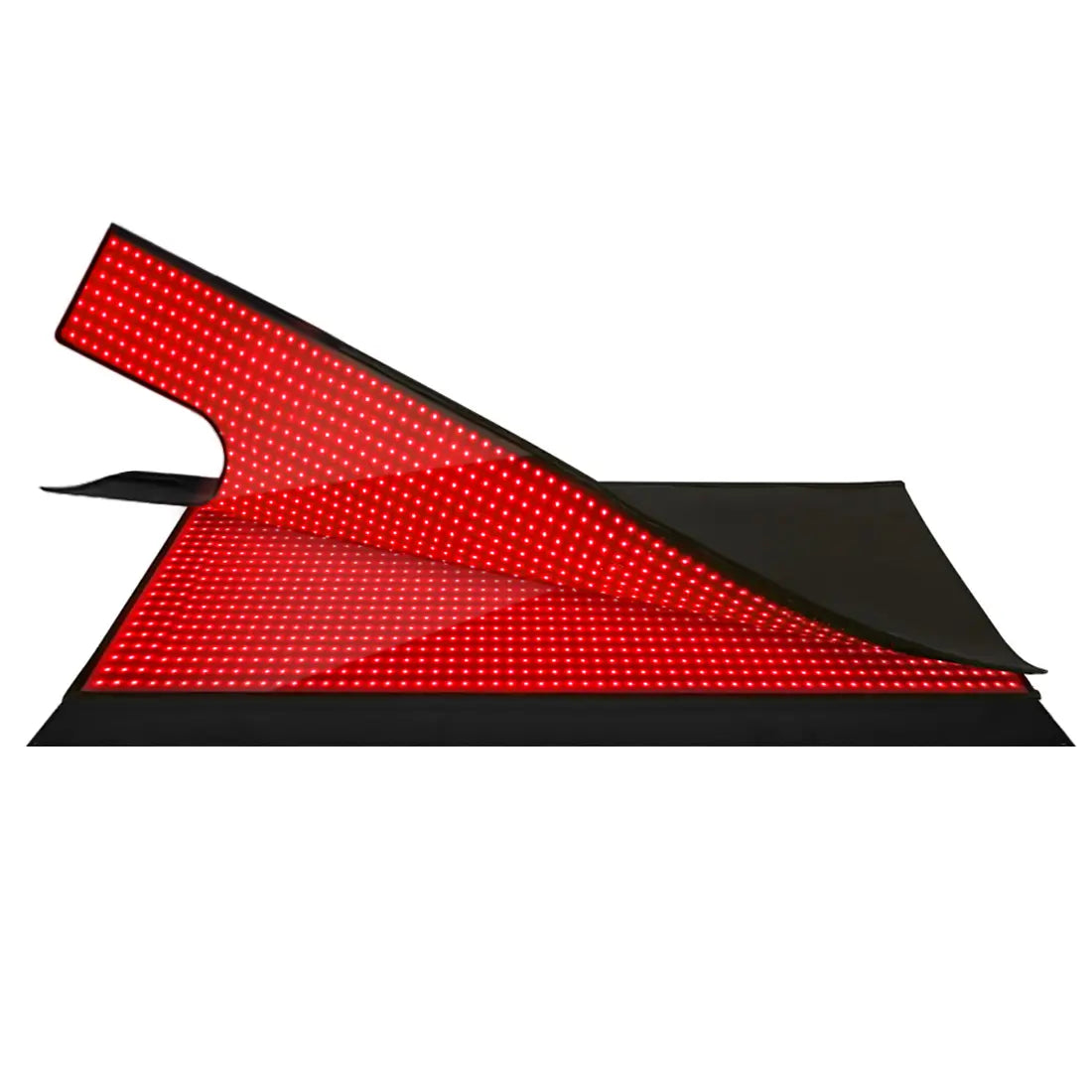
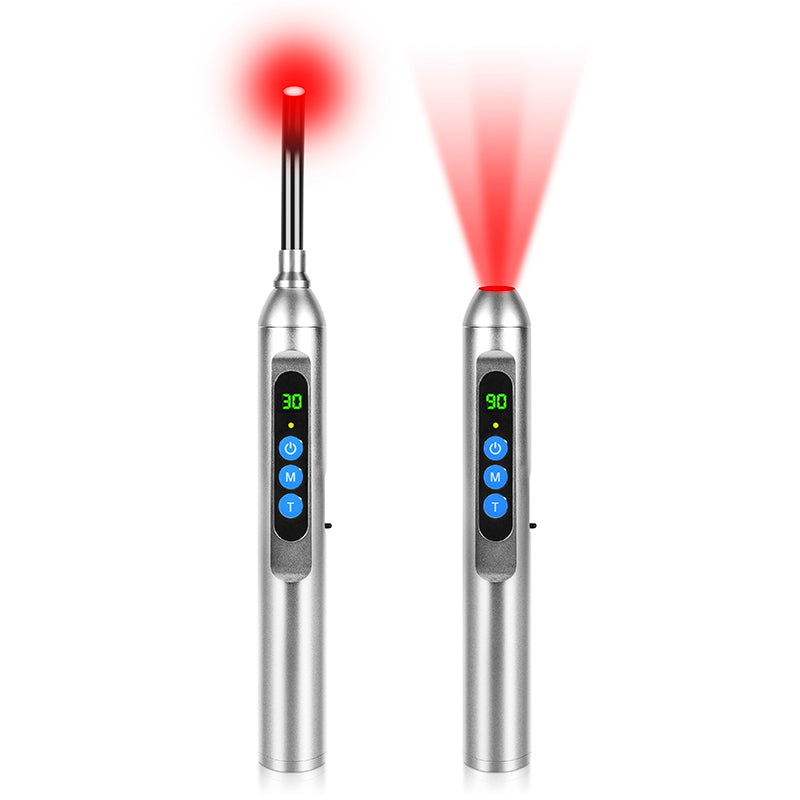
You will also see it labeled as photobiomodulation, low‑level laser therapy, low‑power laser therapy, soft or cold laser therapy, or simply LED light therapy. Devices range from large in‑office panels and beds to smaller masks, wands, and pads you can use at home.
Unlike UV, red and near‑infrared light in these ranges are not ionizing; they do not directly damage DNA. A Cleveland Clinic overview, an American Academy of Dermatology FAQ, and major medical centers like Stanford and UCLA all converge on a similar point: when used correctly, red light therapy is generally considered low risk and does not behave like UV in terms of cancer risk.
How It Works at the Cellular Level
Red and near‑infrared light are absorbed primarily by chromophores inside your cells, especially within the mitochondria, the tiny structures often called the cell’s power plants. A widely cited explanation from clinical and basic science reviews is that these wavelengths interact with mitochondrial enzymes such as cytochrome c oxidase. That interaction can increase the production of adenosine triphosphate (ATP), the energy currency cells use to repair structures, divide, and coordinate defenses.
Several mechanisms show up again and again in wound‑healing and skin studies:
Red light can increase ATP supply, giving stressed cells more energy to repair damage and carry out normal programs.
It can modulate reactive oxygen species and antioxidant defenses, nudging signaling toward controlled repair rather than runaway inflammation.
It can enhance fibroblast activity and collagen production, which are crucial for rebuilding the dermal matrix after injury.
It often reduces inflammatory markers and improves microcirculation, bringing more oxygen and nutrients to damaged areas.
An in‑vitro scratch assay using 661‑nanometer light, for example, found that fibroblasts exposed to certain energy doses showed higher viability and faster wound closure at twenty‑four hours compared with untreated cells. Doses in the range of roughly three to four and a half joules per square centimeter stood out as particularly helpful, while higher doses were less impressive—an illustration of the “biphasic dose response” that photobiomodulation researchers emphasize, where there is a sweet spot and more is not always better.
NASA experiments and military research add some colorful history. Work originally done to help plants and wounds in space and later adopted by groups like the U.S. Navy SEALs suggested that LED light could speed healing of cuts and lacerations dramatically, with some reports around fifty percent faster closure in certain contexts. Those are not sunburn trials, but they helped cement red light’s role as a legitimate tool for tissue repair.
Why That Matters for Sunburnt Skin
A sunburn is essentially a shallow radiation burn layered on top of a massive inflammatory cascade. You have DNA damage in epidermal cells, disruption of the barrier, microvascular changes, and an immune response that can swing between helpful cleanup and excessive collateral damage.
Red light’s greatest strengths—anti‑inflammatory effects, support for tissue repair, and improved circulation—line up well with what sunburned skin needs. Dermatology practices describe red LED as “good light” for post‑sunburn care because it can calm redness and support healing, in contrast to the “bad light” of UV.
The important nuance is that sunburn is not the only type of wound in town. Much of the rigorous red light data comes from other injuries: chronic leg ulcers, surgical incisions, abrasions, pressure sores. A comprehensive Stanford review notes that for skin rejuvenation and some wound types, hundreds of trials suggest modest benefits, but the evidence is mixed and not every study shows dramatic results. That is why we need to look specifically at what is known—and unknown—about sunburn.

Evidence Check: Red Light Therapy and Sunburn
Preconditioning the Skin Before Sun Exposure
One of the more intriguing ideas in light biology is “photoprevention” or preconditioning. The concept is simple: expose skin to beneficial wavelengths before UV hits, and you may trigger protective pathways that make the tissue more resilient.
An evidence review from Examine.com discusses a small pilot study where volunteers regularly exposed skin to 660‑nanometer red light at an intensity of about 60 milliwatts per square centimeter for around two and a half minutes per area. Compared with untreated skin, the red‑light‑conditioned sites showed less visible redness after controlled UV exposure. Statistical significance was not formally tested, and the study included only fifteen people, so this is far from conclusive. The same researcher’s unpublished data suggested near‑infrared light might provide an even stronger protective effect, but those findings have not gone through peer review.
A separate scientific review on infrared light and skin proposes that low‑intensity infrared‑A, similar to the early morning portion of sunlight, can decrease enzymes that break down collagen and increase procollagen in reconstructed human skin. The authors even speculate that early morning infrared‑A could help skin tolerate midday UV better, acting as a kind of natural preconditioning.
Commercial providers have picked up on this idea. One light therapy lounge points to research suggesting red and near‑infrared pre‑exposure could offer a modest protective effect loosely comparable to using a low SPF sunscreen. To their credit, they explicitly frame this as a complement to sunscreen, not a substitute.
The key caveats are important. The evidence is preliminary, based on small studies, and we do not yet know whether reduced redness translates into less DNA damage or lower skin‑cancer risk. The Examine.com analysis is blunt: even if red or near‑infrared light reduces visible erythema, we cannot assume it reduces UV‑induced DNA damage. So using red light instead of sunscreen is not supported by current science.
Post‑Burn Treatment in Dermatology Clinics
For actual sunburn relief, the most direct evidence we have comes from dermatology practices that use red diode devices as part of acute care.
One board‑certified dermatologist describes using a red LED system called Healite II as an in‑office treatment for patients who arrive with sunburn. Sessions take only minutes, are painless, and in their experience, help lessening inflammation and speed the fading of redness. Another dermatology practice recommends red and green LED light together after sun damage, with red reducing inflammation and stimulating collagen, and green supporting wound healing.
These are not large randomized trials, but they represent real‑world clinical use by experienced dermatology teams. Importantly, those same sources emphasize the basics: broad‑spectrum sunscreen with SPF thirty or higher, ideally with physical blockers like zinc oxide or titanium dioxide; reapplication roughly every ninety minutes outdoors; seeking shade; and avoiding peak UV hours between about 10:00 AM and 4:00 PM. In their framing, red light is a repair tool after the fact, not a license to be reckless in the sun.
At‑Home Panels Specifically Marketed for Sunburn
Several wellness centers and device brands now position red light therapy explicitly for sunburn relief. One clinic that uses FDA‑cleared panels combining red wavelengths at 630 and 660 nanometers with near‑infrared at 830 and 850 nanometers highlights several sunburn‑related benefits.
They report that sessions can reduce inflammation, decrease redness and swelling, support faster tissue repair, improve circulation to the injured area, relieve pain partly by stimulating endorphins, and potentially reduce blistering risk in more severe burns. Their recommended protocol is to position the device about six to twelve inches from the sunburned skin and expose the area for around ten to twenty minutes once daily until the burn resolves, always as an adjunct to standard care like hydration and soothing moisturizers.
Again, these claims are extrapolations from broader wound‑healing and pain literature plus clinical experience rather than a large body of sunburn‑specific randomized trials. But they align with known mechanisms and the way similar devices are used in dermatology offices.
Lessons from Wound‑Healing and Skin Studies
Because sunburn‑specific research is thin, it is useful to look at the neighboring evidence landscape.
Red and near‑infrared photobiomodulation have been shown in controlled trials to accelerate healing of various wounds: diabetic ulcers, surgical incisions, and abrasions. A review from a medical device group highlights shorter recovery times, improved tissue organization, and reduced pain and redness in many of these settings. In the 661‑nanometer fibroblast scratch assay, energy doses around three to four and a half joules per square centimeter produced significantly faster closure at twenty‑four hours, while higher doses showed diminishing returns.
On the cosmetic side, multiple clinical studies report that consistent red light exposure can boost collagen and elastin, modestly reduce wrinkles, and improve skin texture. One clinical summary notes that a high percentage of participants saw wrinkle improvement, while only a small fraction in control groups did, and that improvements persisted for months after treatment ended. Another review estimates that photoaging from chronic sun exposure accounts for about eighty percent of visible aging and suggests that red and near‑infrared light may help preserve collagen and clear damaged cells over time.
Not all the data are glowing. The Stanford review points out that in some surgical scar studies, red‑light‑treated and untreated areas looked similar by about six weeks, raising questions about how durable the advantages are. Large institutions like Cleveland Clinic and WebMD emphasize that while evidence for certain skin uses is promising, it is still based on relatively small, heterogeneous trials.
Putting this together, the most defensible position is that red light therapy likely supports the skin’s healing response and may modestly accelerate recovery and reduce discomfort from sunburn, especially when combined with conventional care. It is not a magic eraser for DNA damage or a replacement for sunscreen.
A Practical Protocol for Mild Sunburn Relief with Red Light
This is how I think about using red light therapy for mild to moderate sunburn, integrating the research with what dermatologists already recommend. This is not a substitute for medical advice, but it gives you a science‑aligned framework to discuss with your dermatologist.
First, Triage the Burn
Before you think about devices or wavelengths, you need to decide whether this is a home‑care situation or a medical one.
Dermatology sources are clear: if you have extensive blistering, intense pain, fever, chills, confusion, or signs of dehydration, or if a very large body area is burned, you should seek medical evaluation. Some sunburns cross the line into true burns that may require hospital‑level care for fluids and pain control. Red light therapy is not appropriate as a primary treatment in those scenarios.
If the burn is more typical—red, hot, tender, maybe a little swollen, but without systemic symptoms or widespread blistering—then at‑home care plus adjunctive red light may be reasonable.
Anchor Yourself in Evidence‑Based Basics
Every dermatologist I have talked with and every major medical source agrees on this point: prevention and early medical basics matter more than any gadget.
Key steps supported by dermatology guidance include getting out of the sun and avoiding further UV exposure, using a broad‑spectrum sunscreen with at least SPF thirty on unburned areas going forward, and favoring physical blockers like zinc oxide or titanium dioxide.
For the burn itself, dermatology sources recommend taking a non‑steroidal anti‑inflammatory drug such as ibuprofen as soon as you recognize you are burned, assuming you have no contraindications. This can help reduce pain and dampen the inflammatory cascade. Applying an over‑the‑counter hydrocortisone cream early can also help calm inflammation at the skin level. As the burn moves into the peeling phase over about seven to ten days, using moisturizers rich in ceramides—which are key barrier lipids depleted by inflammation—from brands like CeraVe or Cetaphil supports barrier repair and reduces dryness and flaking.
These measures have stronger evidence than any gadget and should be your foundation.
Layering in Red Light: Timing, Dose, and Frequency
Once you have the basics in place, red light therapy can be added as a supportive modality.
Most dermatology clinics and medical overviews describe skin‑focused red light sessions lasting about ten to twenty minutes per area, a few times per week, with at‑home devices often used on a similar schedule. The sunburn‑specific protocol described by one clinic is even more focused: ten to twenty minutes once daily on the affected area, at a distance of roughly six to twelve inches, until the burn resolves.
Here is how I adapt this for mild sunburn, staying within what the research and device makers actually describe.
I avoid shining red light on skin that is still intensely hot to the touch or beginning to blister. I prefer to let NSAIDs, hydrocortisone, and simple rest handle that immediate acute phase during the first several hours.
Within the first day, once the skin feels more irritated than searing, I will run a short red light session, usually around ten minutes per area, at a comfortable distance roughly in that six to twelve‑inch range if I am using a panel. The goal is a gentle, even illumination that feels warm at most, never hot.
Because photobiomodulation follows a biphasic dose response, I resist the temptation to stack back‑to‑back sessions. That 661‑nanometer fibroblast study, along with others, suggests there is an optimal energy window; piling on excess time or intensity can reduce benefits or even stress cells. For practical purposes, I usually cap it at about one session per area per day while the burn is active.
Consistency matters more than heroics. For a mild shoulder or back burn picked up on a long hike or paddle, I will often do one session daily for two to four days. Subjectively, this has meant less throbbing at night and an easier transition into the peel. Objectively, the science supports the idea that early, consistent exposure is more impactful than sporadic oversized doses.
Stacking Red Light with Barrier Repair
Red light therapy and topical care can complement each other if you use them in a sensible sequence.
Before a session, I prefer skin that is clean and free of thick creams or ointments that might block light. After a session, while the skin is still slightly warm and circulation is up, I add a soothing, fragrance‑free moisturizer and, as the burn moves into the later phase, ceramide‑rich creams to rebuild the barrier. If hydrocortisone is part of the plan, I apply it according to label or dermatology guidance, often at a different time of day than the light session to keep variables clear.
Throughout this process, I sip water more than usual, partly because sunburn can increase fluid loss and partly because improved circulation from red light works best when your vascular system is not running on fumes.
The peeling phase is where red light’s long‑term anti‑aging benefits may also come into play. Chronic UV exposure accelerates collagen breakdown and pigment changes, and reviews on red and near‑infrared light suggest it can increase procollagen, decrease collagen‑degrading enzymes, and improve overall texture over weeks to months. If you are going to be diligent about red light, this is the season to treat that sunburned area like a small anti‑aging project, not just a one‑night stand with your panel.
Choosing a Red Light Setup for After‑Sun Care
The best setup for sunburn support depends on what you have access to, your budget, and how severe your burns tend to be.
Here is a concise comparison.
Setting or Device Type |
How It Is Used for Sunburn‑Related Care |
Advantages |
Limitations |
Dermatology office LED (for example, Healite II) |
Short sessions shortly after sunburn, often combined with medical evaluation, prescription topicals, and close follow‑up |
Supervised by a medical doctor, high‑quality devices, protocols integrated with overall skin‑cancer risk management and sun‑safety counseling |
Requires appointments, may be available only in certain clinics, and while some treatments may be covered, many cosmetic uses add cost and time |
Medical or dermatology‑led wellness clinic |
Red and sometimes green LED sessions after sun exposure to calm redness and support recovery, sometimes bundled with other treatments |
Professional‑grade equipment, staff familiar with skin biology, structured treatment plans, often faster results than entry‑level home units |
Quality and training vary between centers, costs can add up, and not all protocols are backed by strong clinical data |
At‑home panel, mask, or pad |
Self‑directed ten to twenty minute sessions on burned or frequently sun‑exposed areas, used alongside sunscreen and topical care |
Convenient, can be used at the first sign of redness, supports ongoing skin health and photoaging repair, costs amortized over long‑term use |
Consumer devices vary widely in wavelength accuracy and intensity, at‑home dosing is less standardized, results are usually modest and require consistency |
When evaluating devices, large medical centers and dermatology societies recommend looking for a few key features. Wavelengths should be in the established therapeutic ranges for skin, typically in the visible red band around the low 600s and possibly including near‑infrared around the low 800s. Devices that are FDA‑cleared for specific skin indications at least meet basic safety standards, although clearance is about safety and substantial equivalence, not iron‑clad proof of effectiveness.
Clinic‑grade equipment is generally more powerful and better characterized than what you can buy online, which is why at‑home results are more variable. That does not mean home devices are useless; it simply means you should expect modest, incremental benefits, not dramatic overnight transformations.

Safety, Side Effects, and Who Should Be Cautious
One of the reasons I am comfortable keeping a red light panel in my home setup is the overall safety profile. Multiple medical centers, including Cleveland Clinic, UCLA Health, and University Hospitals, describe red light therapy as low risk when used as directed, with serious side effects uncommon.
That said, “low risk” is not “no risk.”
The most immediate concern is eye safety. Bright LEDs are intense, and several sources, including dermatology and tanning‑spa FAQs, stress that you should not stare directly into the light. Protective goggles are standard with clinic‑grade panels and masks and should be used for facial treatments at home as well.
Skin reactions are usually mild but possible. People with sensitive skin sometimes experience temporary redness, tightness, or irritation after sessions, particularly if they overdo the duration or frequency. High‑intensity exposure from powerful devices can cause more significant redness or even blistering in extreme misuse cases. Starting with shorter sessions and following manufacturer or clinician dosing guidance is important.
Some sources point out that red light can increase photosensitivity in certain contexts, meaning your skin might be more reactive to sunlight after treatment. The practical move is straightforward: after using red light, avoid heading straight into midday sun without clothing, shade, and a proper broad‑spectrum sunscreen.
Several groups should be especially cautious or get medical clearance before using red light therapy. These include people with light‑sensitive conditions, those taking photosensitizing medications, individuals with a history of skin cancer or suspicious lesions in the treatment area, and pregnant individuals. Medical reviews often recommend consulting a dermatologist or other qualified healthcare professional first in these scenarios.
Finally, it is important not to assign red light powers it does not have. Clinical summaries explicitly state that there is no proof red light therapy treats cancer, causes weight loss, or cures serious systemic conditions. For sunburn, there is no evidence that it reverses UV‑induced DNA damage or significantly changes long‑term skin‑cancer risk. Its role is supportive: easing pain and inflammation and possibly improving how well and how gracefully your skin recovers.

Pros and Cons of Red Light Therapy for Sunburn Pain
To keep expectations grounded, it helps to see the upside and downside side by side.
Aspect |
Advantages for Sunburn and Sun Damage |
Limitations and Unknowns |
Pain and discomfort |
Anti‑inflammatory effects and endorphin release can reduce pain, throbbing, and heat sensation according to clinical and wellness reports |
Pain relief is modest rather than dramatic for most people, and high‑quality sunburn‑specific trials are limited |
Healing speed and appearance |
Wound‑healing data and dermatology practice suggest faster resolution of redness and possibly smoother recovery with less roughness |
Long‑term differences may shrink over time, and there is no guarantee of avoiding peeling or pigment changes after a significant burn |
Long‑term skin quality |
Red and near‑infrared light can boost collagen and improve texture in sun‑damaged skin over weeks to months |
Improvements are usually subtle and require consistent use, and results vary between individuals and devices |
Safety and convenience |
Noninvasive, generally low risk, compatible with home use, and easily layered on top of standard sunburn care |
Up‑front device cost can be significant, long‑term safety data for very frequent use are still evolving, and misuse can lead to irritation or eye strain |
Cancer and DNA damage |
Does not add to UV burden and does not appear to increase cancer risk when used correctly |
No evidence that it reduces UV‑induced DNA damage or lowers skin‑cancer risk, so it cannot replace sunscreen or regular dermatology checks |
In other words, red light therapy is a rational, scientifically plausible tool for making sunburn recovery less miserable and potentially a little more efficient, but it is not a force field.

Short FAQ
Does red light therapy prevent sunburn as well as sunscreen?
No. Small pilot data and infrared reviews suggest that pre‑exposure to red or near‑infrared light can reduce visible redness from UV, and some authors discuss a modest “photopreventive” effect. However, there is no solid evidence that red light reduces DNA damage or skin‑cancer risk. Dermatology and evidence‑review sources are clear that it should never replace broad‑spectrum sunscreen, protective clothing, shade, and sensible sun‑time limits.
How soon after a sunburn can I use red light therapy?
Dermatology sources focus first on medical basics: get out of the sun, manage pain and inflammation with appropriate medications and topicals, and monitor severity. Clinics that use red light for sunburn typically introduce it early in the course of care once acute distress is under control and the burn is clearly superficial. For home use, a conservative approach is to wait until the skin has cooled down, avoid actively blistering areas, and then use short, comfortable sessions once daily, always within device instructions and preferably with dermatology input if the burn is more than mild.
Can I use red light therapy on sunburned skin if I am already treating it with creams?
Yes, and that is often where it shines. Dermatologists routinely combine red light with topical treatments in other conditions, such as acne or post‑procedure care. For sunburn, a sensible pattern is to keep skin clean for the session, then apply hydrocortisone and moisturizers rich in ceramides or soothing ingredients afterward and during the days between sessions. As always, be attentive to any irritation and work with a dermatologist if you have complex skin issues.
When you strip away the marketing and look at the data, red light therapy is not a miracle, but it is a well‑grounded tool in the home wellness toolbox. If you love the sun but respect the long‑term consequences, think of your red light panel as a recovery lab bench: a place to give your skin a little extra cellular energy, calm the inflammatory storm, and support smarter healing—while your real protection still comes from shade, clothing, sunscreen, and a bit of humility about midday rays.
References
- https://pmc.ncbi.nlm.nih.gov/articles/PMC4745411/
- https://med.stanford.edu/news/insights/2025/02/red-light-therapy-skin-hair-medical-clinics.html
- https://my.clevelandclinic.org/health/articles/22114-red-light-therapy
- https://www.uclahealth.org/news/article/5-health-benefits-red-light-therapy
- https://www.aad.org/public/cosmetic/safety/red-light-therapy
- https://santabarbaraskincare.org/2025/03/06/the-power-of-red-light-therapy-for-healthier-skin/
- https://www.uhhospitals.org/blog/articles/2025/06/what-you-should-know-about-red-light-therapy
- https://www.recoverienyc.com/glow-up-how-red-light-therapy-transforms-your-skin-and-well-being
- https://artofskinmd.com/sunburn-prevention-treatment-think-red-light-and-ferns/
- https://www.bswhealth.com/blog/5-benefits-of-red-light-therapy