
The Night Shift Nurse Fatigue Problem
If you are a night shift nurse, you do not need a lecture on fatigue. You live it. Long nights, back‑to‑back 12‑hour shifts, emotionally intense patient care, constant alarms, and charting under harsh overhead lighting all add up to a body and brain that feel constantly “off.”
Large epidemiologic data back up what you feel. In the United States, more than 10 million people work evening, night, or rotating shifts, and over 16% of full‑time workers do not have a regular daytime schedule. Shift work is consistently linked with reduced alertness, lower performance, higher error rates, and increased long‑term risks of metabolic syndrome, diabetes, cardiovascular disease, and even cancer. Among nurses specifically, overtime and night work are associated with higher rates of needlestick injuries; one study cited a roughly 32% increased risk with overtime and a 16% increased risk with night shifts, with consecutive 12‑hour shifts compounding that danger.
Sleep is hit hard. In a Journal of Clinical Sleep Medicine trial of rotating‑shift female nurses with moderate to severe insomnia, insomnia was not just a nuisance; it was tightly tied to anxiety and depression, and chronic insomnia in shift workers showed up as a powerful risk factor for future depression. The authors framed these sleep issues as part of a formal circadian rhythm disorder: Shift Work Disorder.
Against that backdrop, it is no surprise that night shift nurses are looking for tools that go beyond another cup of coffee. Red light therapy has become one of the buzziest options in the wellness and biohacking world. The key question is simple: can red light therapy meaningfully help night shift nurses with fatigue and recovery, or is it just expensive glow?
As someone who has spent years obsessing over light environments for tired professionals and athletes, I approach this as both a light‑therapy geek and a skeptic. Let’s unpack what red light therapy actually does, what the evidence says, and how a night shift nurse might use it intelligently without falling for hype.

What Red Light Therapy Really Is
Most of the time, “red light therapy” in the scientific literature goes under more technical names: photobiomodulation, low‑level laser therapy, or low‑level light therapy. Regardless of branding, the core idea is the same.
Red light therapy exposes your skin (and sometimes deeper tissues) to low‑intensity red and near‑infrared light, typically in the range of about 600 to 900 nanometers. These are non‑heating, non‑ultraviolet wavelengths. In other words, this is not a tanning bed and it is not the UV that burns your skin or damages DNA.
Multiple clinical and mechanistic reviews, including work summarized by Cleveland Clinic, Stanford Medicine, and various dermatology journals, converge on a basic mechanism. Red and near‑infrared light are absorbed by chromophores inside the mitochondria, especially an enzyme called cytochrome c oxidase. When those photons hit the right wavelengths, mitochondrial efficiency increases, ATP production goes up, and cells get more usable energy. At the same time, red light can modulate nitric oxide, reactive oxygen species, and calcium signaling, triggering downstream changes in gene expression and cell behavior.
Because of that, photobiomodulation has several documented effects. It can speed certain types of tissue repair and wound healing, reduce markers of inflammation, and stimulate collagen production in the skin. A controlled trial of full‑body red and near‑infrared polychromatic light in more than 100 people found significant improvements in skin roughness, intradermal collagen density, and patient‑rated skin feeling and complexion, with high satisfaction and no serious adverse effects. Dermatology journals have reported improvements in wrinkles, scars, and general skin quality with similar parameters.
In sports and musculoskeletal medicine, red and near‑infrared light have been studied for muscle recovery, tendonitis, arthritis, and chronic pain. Reviews summarized by News‑Medical and Ohio Plastic & Reconstructive Surgery note reductions in delayed‑onset muscle soreness, faster recovery markers, and improved pain scores in various conditions, although protocols and devices vary widely.
It is important to note what large medical centers emphasize. Cleveland Clinic, for example, points out that the strongest human evidence currently lies in skin and some pain indications. Claims about broad systemic benefits, dramatic performance enhancement, or mental health treatment remain “promising but not proven,” with many studies small, short, or methodologically inconsistent. Stanford Medicine experts take a similar line, explicitly calling out athletic performance, sleep, chronic pain, and dementia as areas with interesting early data but not yet robust, reproducible human trials.
In other words: red light therapy is real biology, not pure snake oil. But it is not magic either. For a night shift nurse, the key is how these mechanisms might intersect with fatigue, alertness, and recovery.
How Red Light Interacts with Energy, Inflammation, and Sleep
Cellular Energy and “Mitochondrial Lag”
Fatigue is not just psychological. It is cellular. When you run on erratic sleep, stress hormones, and cafeteria food, your mitochondria work harder under less favorable conditions. Photobiomodulation gives those mitochondria a very specific nudge.
When red or near‑infrared light hits cytochrome c oxidase, studies show an increase in mitochondrial membrane potential and ATP output. A review of photobiomodulation mechanisms in a major biomedical journal describes a biphasic response: low doses stimulate mitochondrial function, while very high doses can become neutral or even inhibitory. That “Goldilocks zone” is crucial.
For a night shift nurse, the relevance is straightforward. More efficient ATP production means the tissues that take the brunt of your shifts—back, legs, neck, brain—may recover faster after physical and cognitive strain. The evidence is clearest in athletes: trials summarized by Elevate Health and News‑Medical show faster muscle recovery, less muscle soreness, and favorable changes in blood markers of muscle damage like creatine kinase when red light is used around workouts. Nursing is not a sport, but physically it is closer to manual labor and athletics than to desk work.
Inflammation, Pain, and Tissue Repair
The anti‑inflammatory effects of red light are one of the most robust findings across preclinical models. A detailed review on the anti‑inflammatory mechanisms of photobiomodulation describes consistent reductions in edema, inflammatory infiltrates, and inflammatory cytokines in animal models of joint injury, brain trauma, lung inflammation, abdominal fat inflammation, and chronic wounds. The light seems to shift immune cells away from a pro‑inflammatory state and up‑regulate antioxidant defenses.
Clinically, this maps onto reduced pain and improved function in conditions like arthritis, tendonitis, and fibromyalgia, as described in patient‑oriented summaries from WebMD, University Hospitals, and others. Red light is not repairing a torn ligament, but it often helps with the inflammatory and pain components around chronic musculoskeletal issues.
For night shift nurses, that matters. Physical fatigue is not just “low energy”; it is often low‑grade inflammation in overworked joints and muscles. If you are finishing a series of shifts with aching shoulders from repositioning patients and a lower back that feels older than it is, leveraging red light as an adjunct to good ergonomics, exercise, and recovery routines is a rational, evidence‑aligned strategy.
Sleep, Circadian Rhythms, and Alertness
Here is where things get especially relevant—and where nuance really matters.
Light at night is a double‑edged sword. Bright light or blue‑enriched light can acutely increase alertness. Laboratory and field studies show changes in body temperature, EEG patterns, and cognitive performance when people are exposed to bright or blue light during the night. However, that same light can suppress melatonin and shift circadian phase, which may worsen sleep timing and long‑term health if it is not carefully timed. Even moderate levels of blue light (around 40 lux at eye level) can have measurable circadian effects.
Long‑wavelength saturated red light behaves differently. Laboratory work has shown that exposure to red light around 630 nanometers can enhance alertness and certain performance outcomes while exerting minimal influence on melatonin and circadian phase. That observation inspired a novel field trial in hospital workers, including night shift staff.
In that ongoing study, seventy hospital workers from four U.S. hospitals wore custom light glasses only while at work. The glasses delivered three different eye‑level lighting conditions in separate phases: red light at 630 nanometers and 50 lux, blue light at 460 nanometers and 50 lux, and a dim warm white placebo at 10 lux. Participants wore the glasses for 30‑minute sessions during the first, middle, and final parts of their shifts.
Preliminary results showed that both the red and blue light conditions improved response times on psychomotor vigilance and other visual tasks compared with dim white light. Accuracy and hit rates did not change much, but reaction times were faster. Blue light also improved self‑reported sleep disturbance relative to dim light, consistent with its stronger circadian impact. The researchers concluded that red light glasses are a promising non‑pharmacologic approach to improving response times and alertness in shift workers, likely without meaningfully suppressing melatonin, and called for further work on hormonal and objective sleep outcomes.
Separate from red light, we have high‑quality evidence that timing bright light and darkness helps nurses with insomnia. In the randomized trial of rotating‑shift female nurses mentioned earlier, the treatment group received very bright light (7,000 to 10,000 lux) from a light box early in their evening or night shift for at least 30 minutes on at least 10 days over two weeks, plus systematic light avoidance after work using dark sunglasses. The nurses in the light‑box group saw large reductions in insomnia severity scores and significant improvements in anxiety and depression compared with controls, with more than 80% ending the trial in the “no insomnia” category, versus none of the controls.
That combination—scheduled bright light early in the shift and morning darkness—treated clinical insomnia and improved mood in real‑world nurses. But bright white light is a strong circadian signal. Red light is more of a “stealth” signal: it can sharpen alertness in the moment with much less circadian disturbance.
For a night shift nurse, that suggests a two‑layer approach. Use timed bright light and dark‑light management as your main circadian realignment tools when appropriate, ideally with guidance from an occupational health or sleep specialist. Consider red light as a gentler add‑on for acute alertness during specific portions of a shift and for physical and inflammatory recovery in the hours after work.
Red Light Therapy for Night Shift Nurses: What We Know and What We Don’t
The temptation in the wellness world is to jump straight from mechanism to marketing claim. Instead, let’s separate where the evidence is solid, where it is promising, and where we are still in speculative territory for night shift nurses.
Evidence With Direct Relevance
Some findings speak directly to nurses and other shift workers. The hospital‑based red light glasses study moved beyond the lab and into real shifts. The finding that long‑wavelength red light delivered at about 50 lux during work improved reaction times compared with dim light suggests that nurses could, in principle, use similar devices to reduce momentary lapses in attention. This is exactly the kind of performance variable that matters for tasks like double‑checking medication doses or responding to alarms at 4:00 AM.
Importantly, the study was designed around the concept of “circadian stimulus,” a measure of how much a given light exposure is likely to suppress melatonin based on the eye’s non‑visual photoreceptors. The red light condition had a circadian stimulus near zero, while the blue light condition had a value consistent with substantial melatonin suppression during a one‑hour exposure. That is why red light is so attractive for maintaining alertness without further damaging daytime sleep.
Another directly relevant line of evidence is the bright‑light plus morning‑darkness trial in rotating‑shift nurses. Although this used bright white light rather than red, it proves a larger point: light is not just an environmental annoyance in hospitals; it is a potent therapeutic lever for shift work insomnia, anxiety, and depression when deployed intentionally.
Evidence From Analogous Populations
Beyond nurses, we have growing clinical and preclinical data in athletes, chronic pain patients, dermatology patients, and people with inflammatory conditions. Whole‑body or large‑area red light therapy sessions in these groups have shown improvements in muscle soreness, joint pain, wound healing speed, and subjective energy. Meta‑analyses in sports settings suggest better endurance, less delayed‑onset muscle soreness, and lower muscle damage markers after exercise when red light is used before or after training.
A controlled full‑body photobiomodulation trial showed measurable increases in intradermal collagen density and decreases in skin roughness after a course of treatments, reinforcing the idea that large‑area exposures at non‑thermal doses are safe and biologically active.
The translation to night shift nurses is logical but indirect. If red light helps muscles repair after heavy squats and reduces pain in arthritic knees, it is reasonable to expect similar support for the muscular and joint strain of repeatedly lifting and turning patients. The data just have not been gathered yet in nurses specifically.
Areas Where Evidence Is Limited or Conflicting
Sleep and mood are hot marketing topics, but the evidence is more mixed. Some wellness and integrative medicine sources note studies where evening red‑light exposure appears to improve sleep quality or support melatonin rhythms, and workplace wellness discussions report employees feeling calmer and sleeping better with regular red light sessions. A News‑Medical review points to trials where red light shortened sleep latency and improved some sleep metrics, but also emphasizes that the results across studies are heterogeneous and not yet strong enough for firm clinical guidelines.
By contrast, Cleveland Clinic explicitly notes that there is currently no strong scientific support for using red light therapy as a primary treatment for mental health conditions such as depression or Seasonal Affective Disorder, despite frequent online claims. Stanford Medicine experts warn that claims about substantial performance, sleep, and cognitive benefits remain speculative in humans and need larger, better trials.
For a night shift nurse trying to be science‑driven, the message is clear. It is reasonable to experiment with red light as an adjunct for relaxation and recovery and to notice how your sleep responds. It is not responsible to treat it as a stand‑alone cure for burnout, depression, or clinical insomnia.
A Snapshot Comparison: Light Options for Night Shift
Light strategy |
Main target |
Melatonin impact at night |
Evidence in nurses/shift workers |
Typical use case |
Bright white or blue light |
Strong circadian shift, alertness |
High melatonin suppression |
Robust RCT data for insomnia and mood when timed early in shift plus morning darkness |
Resetting internal clock for rotating schedules, treating Shift Work Disorder under supervision |
Long‑wavelength red light at eye level |
Acute alertness, minimal circadian disruption |
Very low melatonin suppression |
Field study in hospital workers shows faster reaction times versus dim light |
Maintaining vigilance during specific parts of a shift without further damaging daytime sleep |
Full‑body red/near‑infrared photobiomodulation |
Muscle recovery, inflammation, skin, pain |
Minimal direct circadian effect |
Evidence mainly in athletes, pain, dermatology; not yet tested in nurse‑specific trials |
Post‑shift physical recovery, chronic pain support as a complement to standard care |
This table highlights the core point. Red light therapy is not a replacement for well‑timed bright‑light interventions or for the foundational lifestyle pieces of fatigue recovery. It is a relatively low‑risk adjunct that can be layered in when used wisely.

Practical Ways Night Shift Nurses Can Use Red Light Therapy
In practice, night shift nurses need solutions that are simple, time‑efficient, and realistic around rotating schedules. Here is how red light therapy can fit into a well‑designed fatigue recovery strategy, grounded in the research above.
During the Shift: Sharpening Alertness Without Destroying Daytime Sleep
The hospital‑based red light glasses study gives a practical template. Participants wore glasses delivering 630‑nanometer red light at about 50 lux at eye level for 30 minutes during three windows: early, middle, and late in the shift. That pattern produced better reaction times than dim white placebo light.
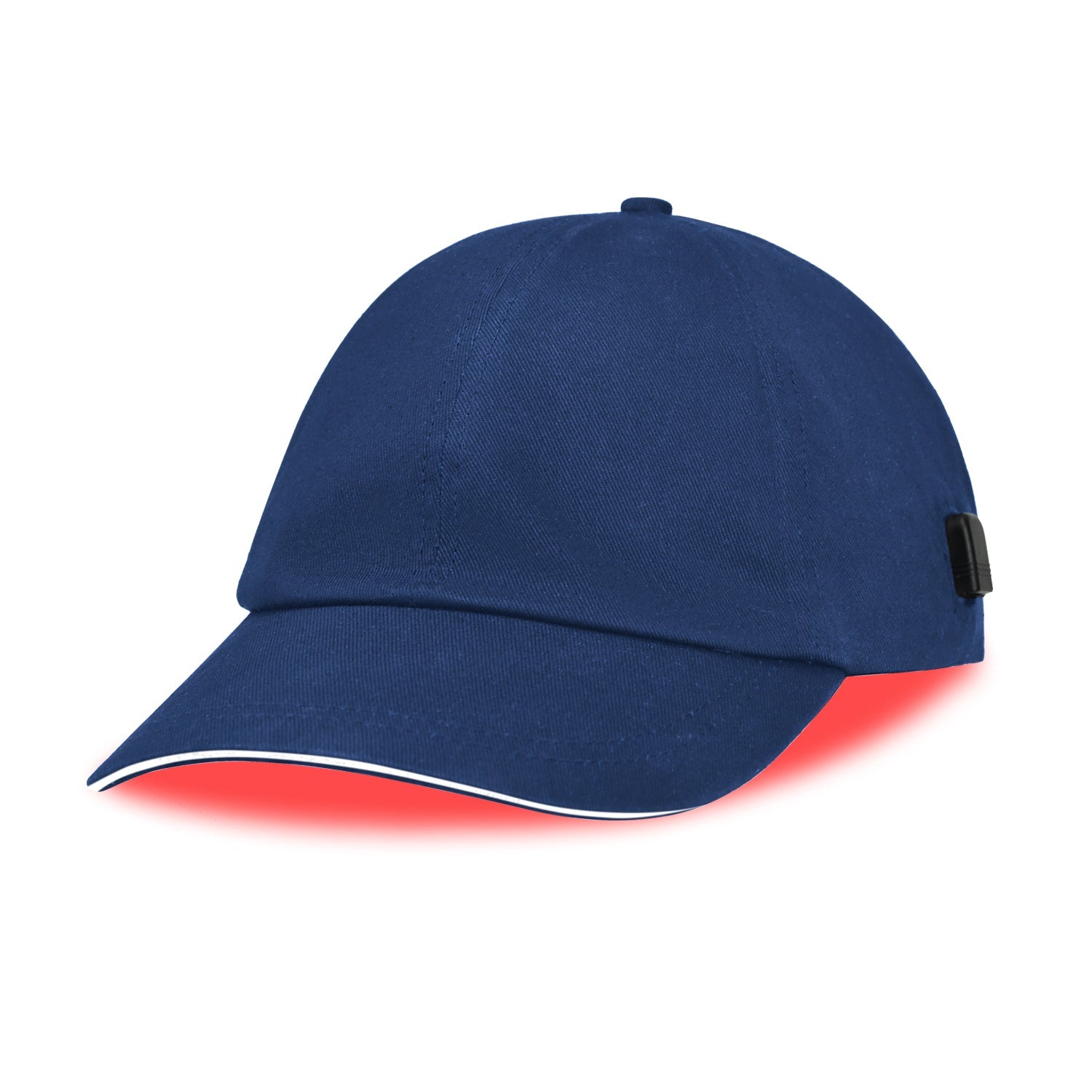
If you choose to experiment with red light for on‑shift alertness, consider emulating that cadence as closely as your workflow allows. Use a device that is specifically designed for shift‑time use near the eyes, such as light‑emitting glasses or a panel placed off to the side at eye level. Keep the sessions relatively brief, on the order of tens of minutes, rather than hours.
The goal during the shift is not to blast your brain with high‑intensity light. It is to give gentle, periodic stimulation that keeps your vigilance from plunging at 3:00 AM while preserving your ability to produce melatonin and fall asleep when you get home. This is where red light has an advantage over stronger blue or white light: it offers a shot of alertness with a much smaller circadian “price tag.”
It is worth emphasizing that the fundamentals still matter. Hydration, regular small meals instead of one huge fast‑food run, strategic caffeine early rather than late in the shift, and micro‑breaks for movement will always move the needle more than red light alone. Major academic centers stress that the proven pillars of health—nutrition, movement, mental health care, and adequate sleep—should remain the priority, with red light as an optional add‑on.
After the Shift: Supporting Recovery Without Overstimulation
Once your shift ends, your priorities flip. You want to unwind, calm your nervous system, and support your muscles and joints while protecting your fragile daytime sleep window. Bright overhead lighting on the drive home or in your kitchen is now the enemy. Classic circadian management strategies from the rotating‑shift nurse insomnia trial—wearing dark sunglasses during the commute, keeping your bedroom genuinely dark, and sticking to a consistent sleep window—remain foundational.
Red light therapy can enter here in two main ways.
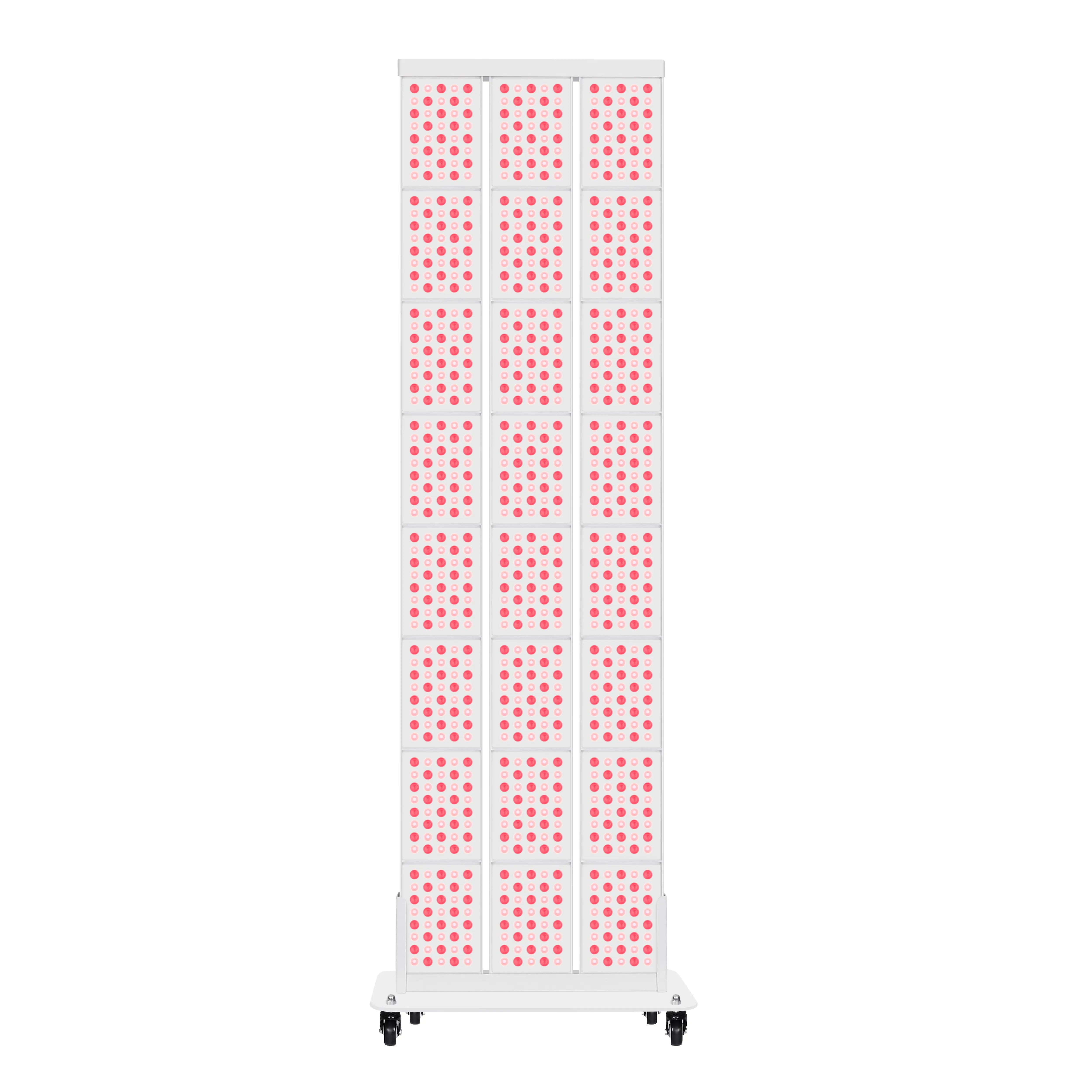
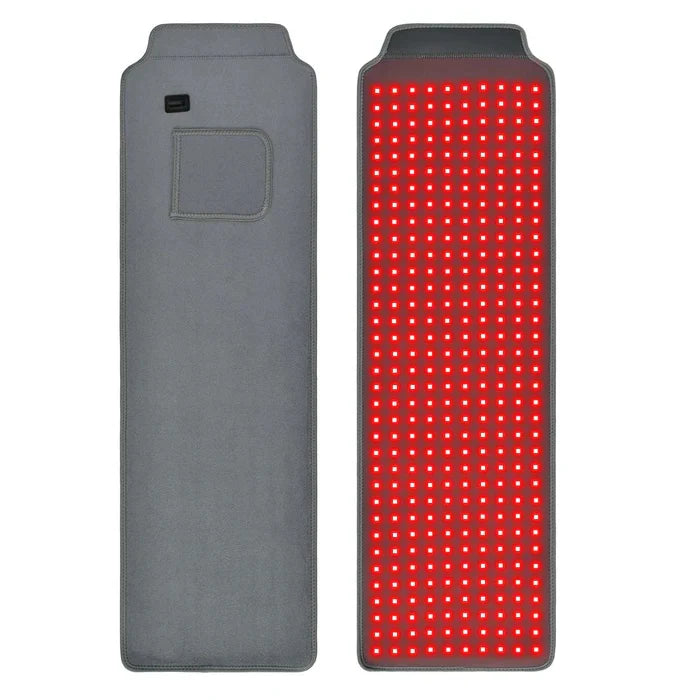
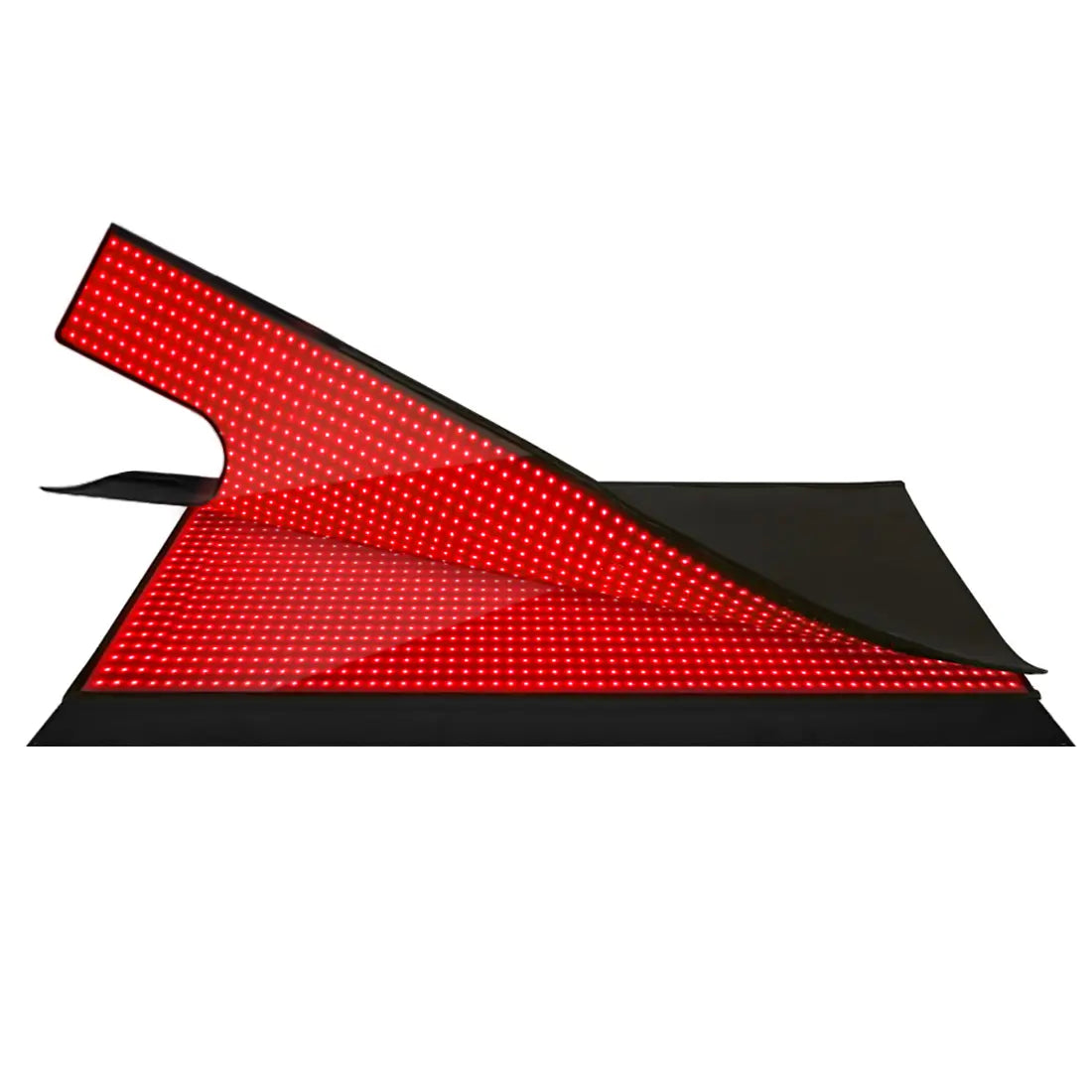
First, targeted recovery for overworked tissues. Short sessions with a red or red‑plus‑near‑infrared panel aimed at your lower back, shoulders, knees, or calves can piggyback on the anti‑inflammatory and pro‑healing effects found in pain and sports medicine studies. A common clinic pattern described by multiple sources is brief exposures on the order of 10 to 20 minutes per area, repeated several times per week over weeks. Devices vary, so following manufacturer or clinician guidance on distance and session length is essential.
Second, gentle evening or pre‑sleep light. Because red light has minimal melatonin‑suppressing power compared with blue or bright white light, using red‑toned lamps or low‑intensity red panels in your wind‑down routine is more sleep‑friendly than scrolling on a bright screen or sitting under cool white LED ceiling lights. Some integrative clinics and wellness centers explicitly pair evening red light exposure with sleep support, though formal trials are still mixed.
If you notice that using a bright device close to your eyes late in the morning makes it harder to fall asleep, treat that as data and adjust. Even though red light is circadian‑sparing compared with blue light, it is still stimulation. For many nurses, the sweet spot is using stronger therapeutic devices on the body rather than directly in the visual field in the hour before sleep.
Choosing Devices and Dosing Without Wasting Money
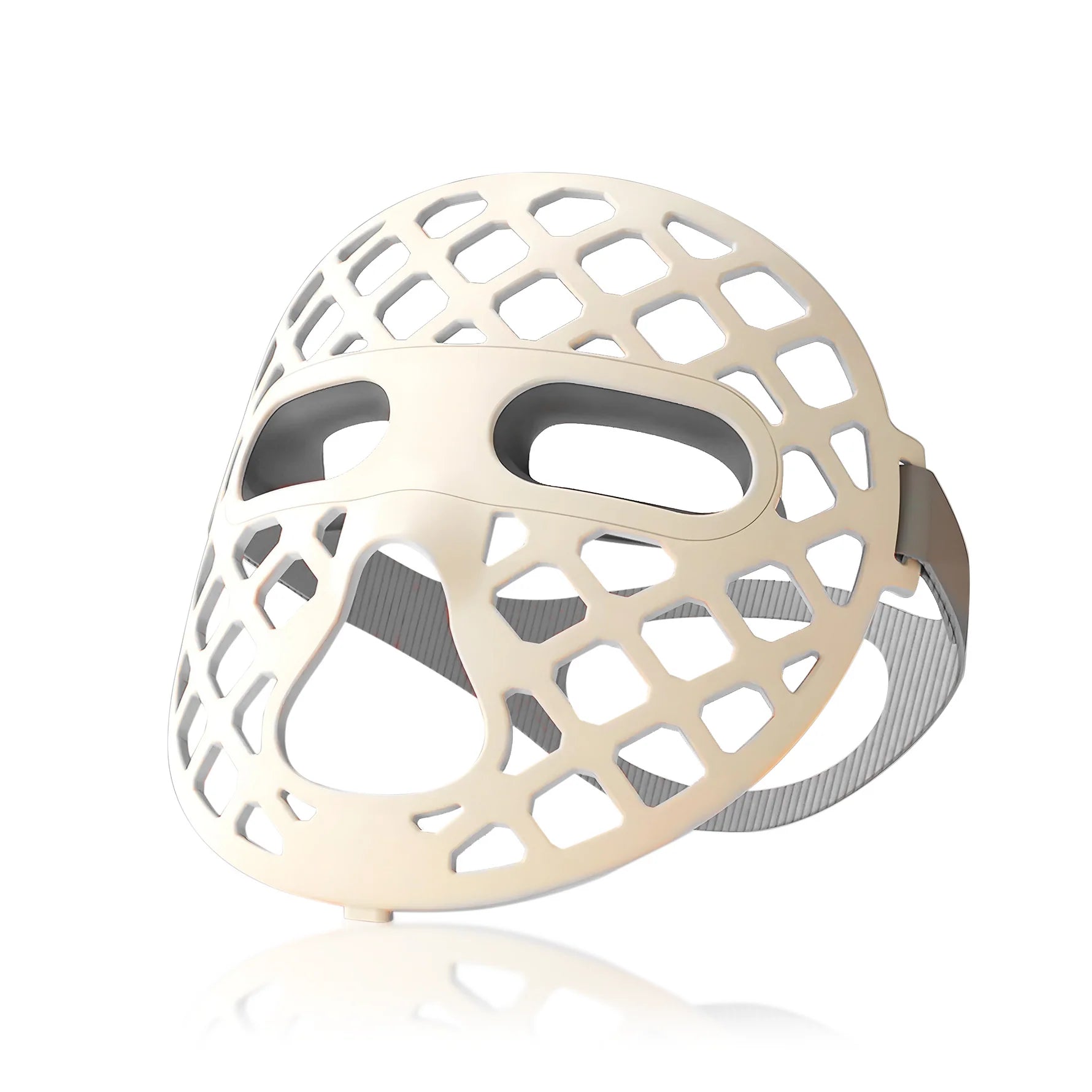
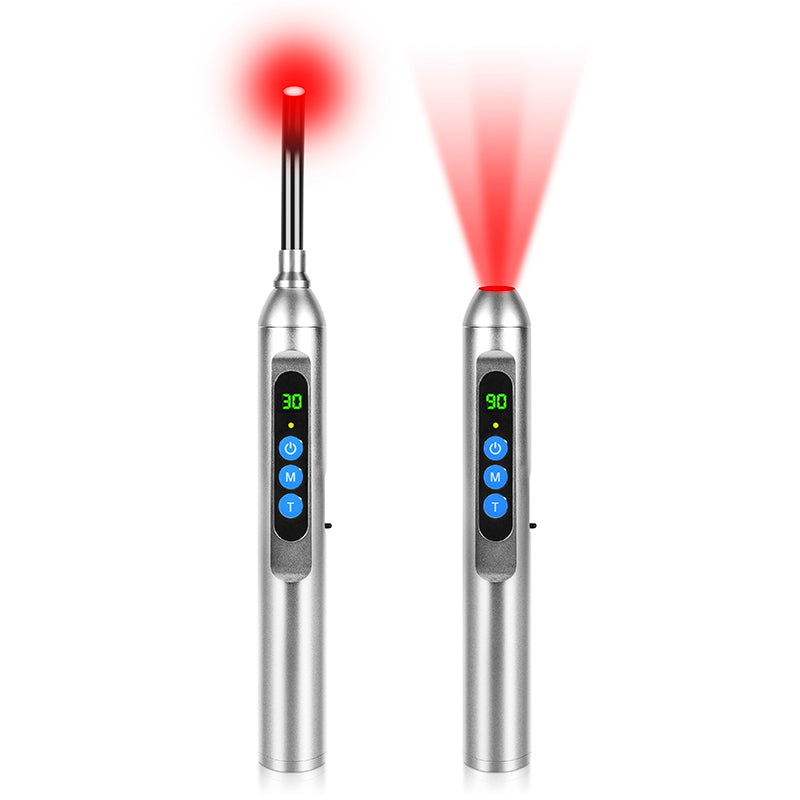
One of the most legitimate criticisms raised by dermatologists and internal medicine physicians is the cost of red light hardware relative to the certainty of benefit. Consumer devices range from less than $100 for small wands or masks to thousands of dollars for large panels and full‑body beds. Utah‑based physicians reviewing consumer devices highlighted examples of home masks running from roughly $110 to over $600, and full‑body beds advertised for prices in the tens of thousands of dollars.
Medical sources such as Cleveland Clinic, University Hospitals, and UCLA Health agree on a few practical points. Office‑based systems tend to be more powerful and better characterized, but even there, protocols and outcomes vary. Many home devices are weaker, so you should temper expectations and understand that they often require more frequent or longer use.
From an optimization standpoint for a night shift nurse, consider these principles, all of which are consistent with the evidence base. Favor devices that clearly specify wavelength ranges in the red and near‑infrared window, roughly 600 to 900 nanometers. If a panel or mask does not publish its wavelengths, that is a red flag.
Aim for moderate, regular dosing rather than marathon sessions. In research and clinical practice, sessions are often in the 10‑ to 30‑minute range, repeated multiple times per week, with cumulative effects over weeks. A mechanistic review of photobiomodulation stresses the biphasic dose effect: low to moderate doses stimulate, very high doses can plateau or even inhibit beneficial processes.
Protect your eyes. Even though red light avoids UV, staring directly into intense LEDs is not wise. Dermatology guidance for facial devices typically includes using eye protection or keeping eyes closed, and avoiding direct beams to the retina unless under research or clinical supervision.
Finally, protect your wallet. Major academic centers recommend prioritizing proven health investments—better food, a gym membership, mental‑health support—before committing serious money to high‑end light beds. Treat red light as an adjunct once the basics are in place, not as a substitute for them.
Safety, Contraindications, and Realistic Expectations
Across dermatology, pain medicine, and sports recovery, red light therapy has a favorable short‑term safety profile. Large reviews and patient‑education content from Cleveland Clinic, WebMD, and UCLA Health note that it is non‑invasive, non‑ionizing, and generally well tolerated when used as directed. Serious adverse events are rare. Common minor issues include transient redness, mild irritation, or, with poorly designed devices, localized overheating or even minor burns.
At the same time, there are important cautions. People who are pregnant or breastfeeding, have a history of skin cancer, have active cancer under treatment, or are taking photosensitizing medications should talk with their physician before using red light therapy. Those with eye disease should be especially careful about any device used near the face.
For night shift nurses dealing with burnout, anxiety, or depression, it is crucial not to let red light become a distraction from getting professional mental health support. Multiple expert groups emphasize that photobiomodulation should not replace established treatments for serious medical or psychiatric conditions. If your fatigue feels overwhelming, or you notice persistent mood changes, that is a reason to involve your primary care clinician or a mental health professional, not just to tweak your light routine.
Expectation management is part of safety. Red light therapy is unlikely to turn a string of three 12‑hour shifts into a spa retreat. The realistic target is more modest: slightly better alertness during critical windows, somewhat faster physical recovery between shifts, and small improvements in pain or sleep when paired with strong fundamentals. Those kinds of incremental gains are absolutely worth pursuing—but only if you understand them as incremental.
FAQ: Red Light Therapy and Night Shift Nurses
Can red light therapy replace bright light therapy for Shift Work Disorder?
No. The high‑quality randomized trial in rotating‑shift nurses that dramatically improved insomnia, anxiety, and depression used very bright light boxes early in the shift plus systematic morning darkness. Red light is far weaker as a circadian signal. It may help with on‑shift alertness and recovery, but it has not been shown to correct Shift Work Disorder by itself.
Is it safe to use red light therapy daily around night shifts?
Short, properly dosed sessions appear safe for most people in existing studies. Some protocols use daily exposures, others use several sessions per week. Because there is a biphasic response, more is not always better; extremely long or intense sessions are not supported by the evidence and may be counterproductive. If you have medical conditions or take medications, particularly those that increase light sensitivity, discuss daily use with your clinician.
Will red light therapy actually help me feel less tired?
It can support some of the components of fatigue—alertness, muscle soreness, joint pain, and possibly sleep quality—but it does not replace sleep, nutrition, movement, or emotional recovery. In the hospital worker study, red light improved reaction times rather than eliminating sleepiness. Think of it as a tool to smooth the rough edges of fatigue, not as a way to erase the biology of night work.
A Veteran Light Geek’s Closing Thought
Red light therapy is one of the few wellness trends where the mechanism is solid, the risks are generally low, and the hype is only partly ahead of the data. For night shift nurses, it will not cancel the brutal reality of working against your biology. But used intelligently—alongside well‑timed bright light, planned darkness, good sleep practices, and real self‑care—it can become a quiet ally in your post‑shift recovery and on‑shift alertness. The key is to treat light like a drug: respect the dose, respect the timing, and respect that it works best when you have already built the basics.
References
- https://lms-dev.api.berkeley.edu/red-light-therapy-research
- https://pmc.ncbi.nlm.nih.gov/articles/PMC3926176/
- https://med.stanford.edu/news/insights/2025/02/red-light-therapy-skin-hair-medical-clinics.html
- https://healthcare.utah.edu/the-scope/mens-health/all/2024/06/176-red-light-therapy-just-fad
- https://jcsm.aasm.org/doi/10.5664/jcsm.2824
- https://my.clevelandclinic.org/health/articles/22114-red-light-therapy
- https://www.gundersenhealth.org/health-wellness/aging-well/exploring-the-benefits-of-red-light-therapy
- https://medericenter.org/resources/dr-michael-hummel-blog/therapeutic-benefits-of-red-light-therapy.html
- https://www.uclahealth.org/news/article/5-health-benefits-red-light-therapy
- https://www.uhhospitals.org/blog/articles/2025/06/what-you-should-know-about-red-light-therapy