
What I Mean By “Mountain Facies”
Spend enough time at high elevations, on ski slopes, or in dry, windy alpine air, and your face starts to tell the story. Cheeks that are always flushed, tiny visible blood vessels around the nose, rough or leathery texture, etched fine lines, stubborn dark spots, and sometimes acne‑like bumps that never quite go away. Many people in the wellness and outdoor world casually call this combination “mountain facies.”
To be clear, you will not find “mountain facies” as an official diagnosis in the dermatology textbooks or in the clinical articles I am citing. In this article I use the term simply as shorthand for a cluster of issues seen in people who spend years in intense sun, cold, wind, and dry air: chronic redness and flushing, broken capillaries, sun damage, early wrinkles, uneven tone, and sensitivity that behaves a lot like rosacea and photoaging layered together.
Because those are well‑studied skin problems, we can lean on real data from red light therapy research and ask a very practical question: if you have “mountain facies,” how far can red light therapy actually take you, and where are its limits?
As someone who has spent years testing light devices on my own weathered trail‑runner skin and in collaboration with clinicians, I will walk you through what the science really says, how to apply it to mountain‑worn faces, and how to stay grounded in reality rather than hype.
Always remember that persistent redness, new bumps, or changing spots deserve a dermatologist’s eye. Red light therapy is a tool, not a substitute for a skin cancer exam or medical care.

Red Light Therapy 101
From NASA Experiments To Skin Clinics
Red light therapy shows up under a lot of names: low‑level laser therapy, low‑level light therapy, photobiomodulation, non‑thermal LED light, and “soft” or “cold” laser. The Cleveland Clinic, Brown’s health system, and Stanford Medicine all describe the same core concept. You expose tissue to low levels of red or near‑infrared light, typically somewhere around 630 to 660 nanometers for red and about 800 to 850 nanometers for near‑infrared, without using enough energy to burn or ablate the skin.
Interest surged when NASA studied red LEDs to help plants grow and to support wound healing in astronauts. In dermatology, red light became part of photodynamic therapy for precancerous lesions, where a drug is applied to the skin and then activated by a specific red wavelength to destroy diseased cells. Over time, clinicians noticed that red light without the drug could nudge cells toward repair instead of destruction. That is the birth of modern “photobiomodulation.”
How Red Light Interacts With Skin
At the cellular level, red and near‑infrared light are absorbed by structures in the mitochondria, particularly an enzyme called cytochrome c oxidase. According to summaries from the Cleveland Clinic, Brown, and WebMD, this interaction may increase the production of adenosine triphosphate, the energy currency of the cell. With more energy, cells can repair damage more efficiently, rebalance oxidative stress, and dial down inflammatory signaling.
Several downstream effects relevant to mountain facies have been documented in human and animal studies:
Red light can stimulate fibroblasts, the cells that produce collagen and elastin. Dermatology clinics and controlled trials, including a randomized study of 136 people published in a cosmetic and laser therapy journal, report increased intradermal collagen density, smoother texture, and modest wrinkle reduction after repeated red light sessions.
Red and near‑infrared light have anti‑inflammatory effects. Articles from Dr. Müller’s research group on rosacea, Brown’s health system, and Solawave’s evidence review all highlight reductions in inflammatory markers, calmer redness, and less swelling in inflamed skin.
Red light can increase local blood flow. Stanford Medicine notes vasodilation and improved nutrient delivery to hair follicles and skin, which aligns with reports of healthier tone and better recovery from stressors.
In some studies, red light improves hydration and normalizes oil production. A practice‑based study on 618–633 nanometer light, conducted at a Moscow medical university, found increased skin moisture, better elasticity, reduced dark spots, and decreased seborrhea over a 30‑session course.
For our purposes, the key idea is that red light does not simply “blast wrinkles.” It tweaks mitochondrial energy, inflammation, collagen synthesis, microcirculation, and barrier function in ways that match the classic damage pattern of a mountain‑worn face.
What Counts As Red Light Therapy (And What Does Not)
In the wild, “red light” can mean everything from a cheap mask bought on an Amazon‑like marketplace to a medical‑grade panel to high‑energy lasers and intense pulsed light systems. These are not interchangeable.
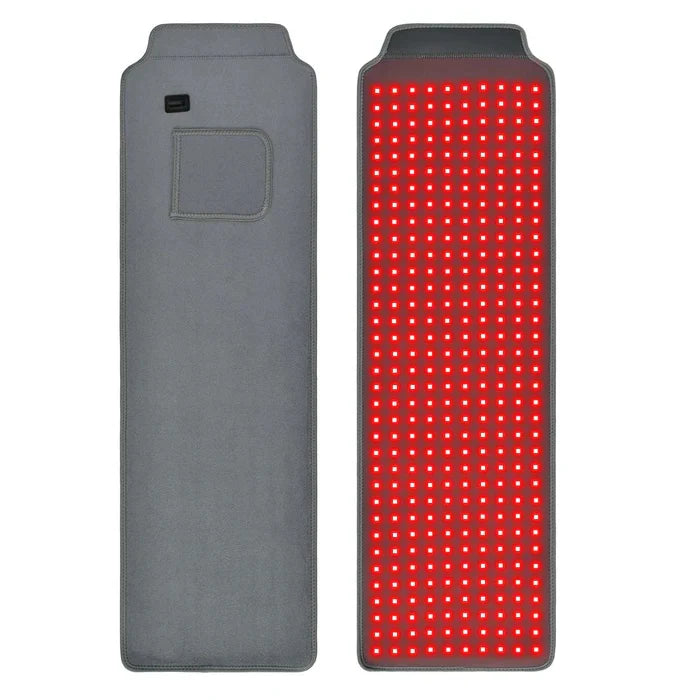
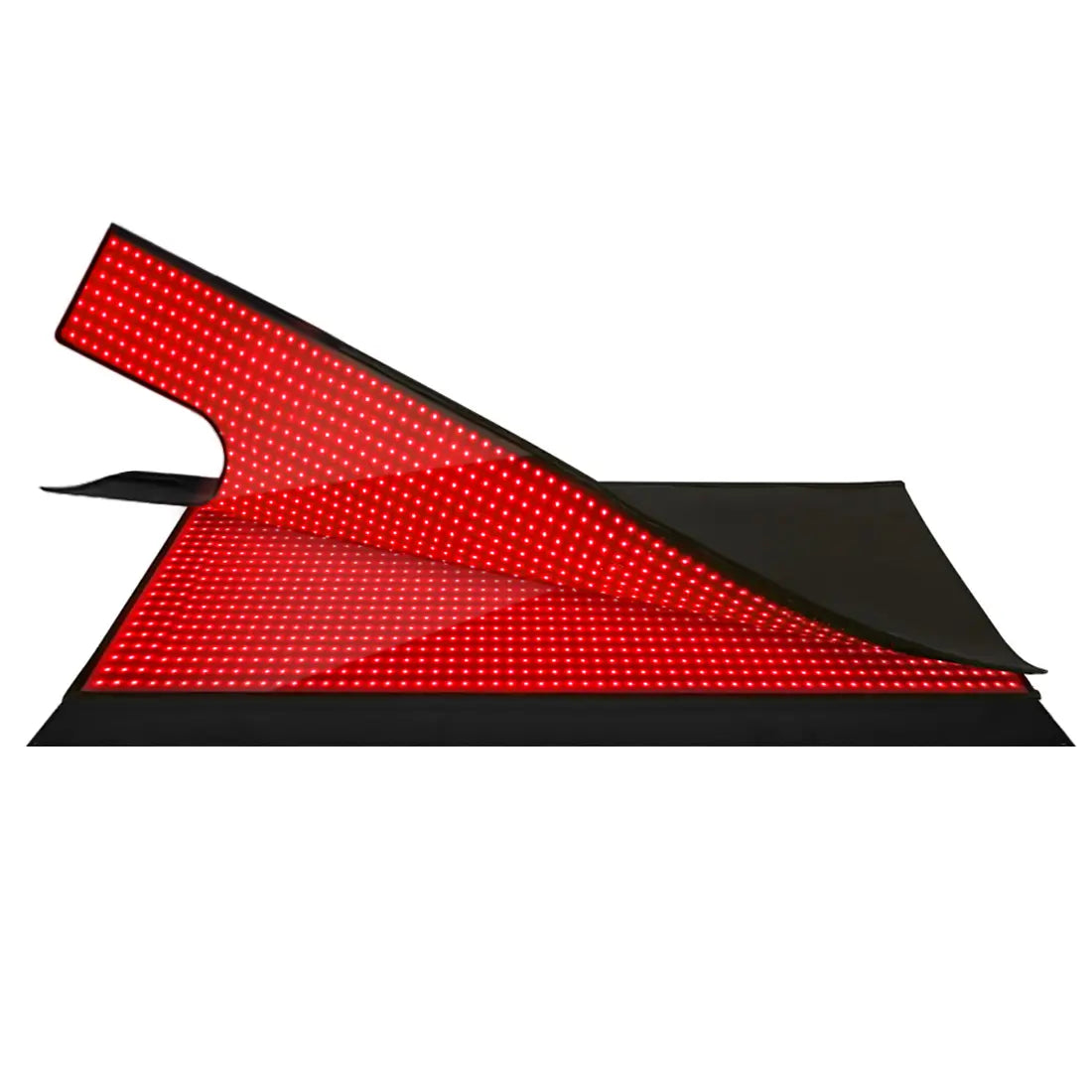
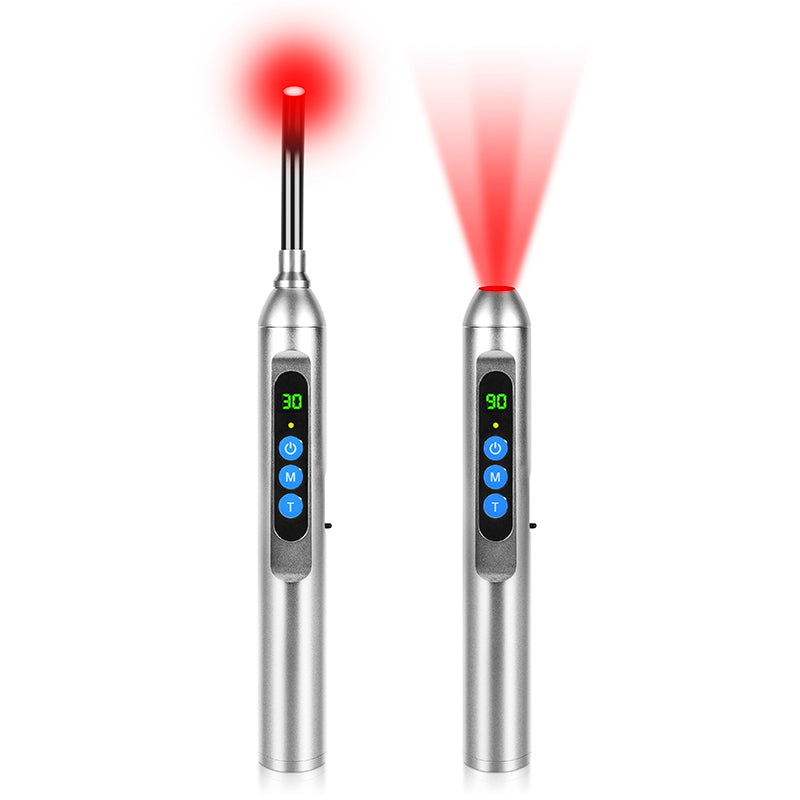
True low‑level red light therapy or photobiomodulation uses non‑thermal LEDs or low‑energy lasers at specific red and near‑infrared wavelengths. Devices range from small wands and masks to full‑body panels and beds. They do not emit ultraviolet light and should not tan or burn your skin when used correctly.
Photodynamic therapy combines a photosensitizing drug with a specific red wavelength to selectively destroy abnormal cells. Stanford Medicine emphasizes that this is how red light helps in precancerous lesions; red light alone does not kill skin cancer.
Intense pulsed light, or IPL, is a different technology that uses broad pulses of light across many wavelengths. An academic center in Ohio describes IPL as targeting blood vessels and pigmentation with enough energy to cauterize overactive capillaries and resurface skin texture. IPL can be powerful for broken capillaries and redness but is not the same low‑level, non‑thermal red light discussed in most wellness contexts.
Consumer devices marketed as red or pink light vary widely in strength and quality. The American Academy of Dermatology and Mayo Clinic both caution that many over‑the‑counter tools are underpowered, poorly tested, or not designed for sensitive, redness‑prone skin. They recommend dermatologist input before investing.
When I talk about red light therapy for mountain facies, I am focusing on low‑level, non‑UV red and near‑infrared light used repetitively over weeks, not one‑off high‑energy IPL or laser resurfacing.

Why Mountain Facies Behaves Like Rosacea And Photoaging
Look at the common elements of mountain facies and you will notice they mirror three better‑studied categories.
Chronic redness and visible capillaries look very similar to erythematotelangiectatic rosacea. Articles from Dr. Müller’s team and CurrentBody describe rosacea as persistent facial redness, flushing, and dilated blood vessels on the cheeks, nose, and chin, made worse by sun, wind, stress, spicy food, and alcohol. That trigger list will sound familiar to mountain athletes warming up in a lodge.
Bumpy, acne‑like lesions on a red background overlap with papulopustular rosacea. Here inflammation is front and center; CurrentBody highlights that treating this subtype like traditional acne, especially with harsh topicals, can backfire and worsen the barrier.
Skin thickening, especially around the nose, lines up with phymatous rosacea. This more severe subtype can follow years of unmanaged inflammation and vascular overload.
At the same time, there is clear photoaging and sun damage. Harvard Health and multiple dermatology sources describe UV‑driven aging as fine lines, coarse wrinkles, rough texture, age spots, and general dullness. That fits long‑term high‑altitude sun exposure without consistent high SPF protection.
Finally, there is barrier disruption and dryness. Studies of red light devices, including the Moscow 618–633 nanometer work and several cosmetic clinic summaries, show improvements in moisture, elasticity, and seborrhea control, which are exactly the knobs you need to turn when cold, dry air has stripped your natural defenses.
So even though “mountain facies” is not a formal label in the literature, the component problems are well within the target zone of red light therapy: rosacea‑like inflammation, vasodilation, photoaging, pigmentation, and barrier compromise.

What The Evidence Really Shows For These Problems
Redness, Flushing, And Rosacea‑Like Changes
Red light therapy’s anti‑inflammatory and vascular effects are particularly relevant to the red, flushed component of mountain facies.
Dr. Müller’s group describes red light therapy as a gentle, non‑invasive option for rosacea, with light penetrating roughly a few tenths of an inch into tissue, where it reduces inflammation and erythema and stimulates collagen production. Their recommended practical protocol for rosacea is about two to three sessions per week, roughly 15 minutes each, for 10 to 12 consecutive weeks, with sessions spaced evenly. They emphasize that dermatologists and skin experts increasingly recognize red light’s anti‑inflammatory potential, but still advise medical guidance.
CurrentBody’s review of LED light for rosacea echoes this. They highlight masks that deliver around 633 nanometer red and 830 nanometer near‑infrared light for about 10 minutes per session. In people with redness‑dominant rosacea, these regimens significantly reduced flushing and background redness. For papulopustular rosacea, combinations of blue light around 415 nanometers and near‑infrared around 830 nanometers, two or three times per week, cut down on bumps, redness, and itchiness.
Major medical organizations are cautiously optimistic. The Cleveland Clinic lists rosacea among conditions under active investigation for red light therapy and emphasizes that most studies are small and short, but do suggest reductions in redness and inflammation. The American Academy of Dermatology frames red light as a possible add‑on for mild redness and photoaging, not a primary treatment for severe disease.
For mountain facies, this means that a well‑designed red light protocol can plausibly help dial down persistent pinkness, calm flare‑prone cheeks, and reduce the sting of windburn‑plus‑sunburn cycles. It will not erase advanced phymatous changes or replace prescription drugs when needed, but it can be part of a strategy to retrain overreactive facial blood vessels and immune signaling.
Fine Lines, Wrinkles, And Texture
The strongest human data for red light therapy live in the anti‑aging realm, which overlaps heavily with the etched lines and roughness seen in outdoor enthusiasts.
A controlled randomized trial from Germany, with 136 volunteers aged roughly 27 to 79, compared red light therapy and a broader “energizing light” band to untreated controls. Participants received about 30 non‑thermal light sessions, twice weekly. Primary outcomes were patient‑rated skin feeling and complexion; secondary outcomes included objective wrinkle depth, skin roughness, and ultrasound‑measured collagen density.
Compared with baseline and controls, treated subjects showed significant improvements in complexion, subjective skin feeling, and measured surface roughness. Ultrasound revealed increased intradermal collagen density, and blinded experts judged standardized photos and found meaningful wrinkle reductions in treated groups. Importantly, a broad‑spectrum device covering 570 to 850 nanometers did not outperform the red‑focused 611 to 650 nanometer device, suggesting that well‑dosed red light alone is sufficient for cosmetic benefit.
A separate clinical report from Moscow, using 618–633 nanometer light in a 30‑session course, found increased skin moisture and elasticity, reduced dark spots and excess oil, and near disappearance of small facial wrinkles by the end of the protocol. The authors rated this narrow red band as one of the most effective non‑invasive options for preventing skin aging, while candidly acknowledging that their dosing choices were empirical and that light intensity data were incomplete.
Cosmetic dermatology practices and device manufacturers, such as those highlighted by Sarah Akram Skincare and Omnilux, cite dozens of peer‑reviewed studies showing reductions in fine lines, improved firmness, and better texture with consistent red light use. Stanford Medicine summarizes this body of work bluntly: hundreds of clinical studies suggest modest but real wrinkle reduction and skin plumpness improvements when dosage is appropriate.
For the mountain face, this evidence translates into a realistic expectation: repeated low‑level red light sessions can make lines look softer, texture feel less sandpapery, and the overall face appear less “etched.” It will not replace a deep resurfacing laser if that is what you are after, but it offers change that is visible in mirrors, not just marketing copy.
Hyperpigmentation And “Sun Map” Freckles
Years of high‑altitude sun leave their signature as dark spots, uneven tone, and mottled patches. Several sources in the literature address red light’s impact on hyperpigmentation.
A review from Greentoes Tucson notes that red light therapy can reduce age spots, melasma, and post‑acne marks by modulating melanocyte activity and speeding up cell turnover so pigmented cells shed more quickly. They cite a study in which more than 90 percent of facial red light participants saw lightening of dark spots and a more even tone after about four weeks.
Solawave’s science summary explains that red light can help regulate pigment‑producing cells and that studies in a photochemistry and photobiology journal found red light effectively reduced hyperpigmentation when used consistently. In combination with near‑infrared wavelengths, improvements in overall tone and brightness were even stronger in one laser medicine study they reference.
Cosmetic and dermatology clinics also report that red light protocols, especially when combined with other treatments, gradually fade UV‑driven spots and create a smoother color gradient across the face.
Again, expectations matter. Red light will not erase deep, sharply defined sun spots as aggressively as IPL or certain lasers, but for diffuse mountain freckling and mild to moderate blotchiness, it offers a gentle, low‑risk way to nudge melanin patterns toward a more even map.
Barrier, Dryness, And Sensitivity
Cold, dry mountain air strips the barrier; add UV and wind, and you get a face that feels tight, burns easily, and reacts to everything.
Several studies and practice reports, including the 618–633 nanometer Moscow trial and reviews collated by Greentoes Tucson and Solawave, found that red light improves hydration and elasticity and normalizes oiliness. Mechanistically, some research suggests red light supports production of hyaluronic acid, a key moisture‑binding molecule, and calms inflammation that disrupts barrier integrity.
People in these protocols often report softer, smoother, more comfortable skin within a month or two of consistent sessions. For the mountain face, this is not purely cosmetic; restoring barrier resilience means less stinging in the wind, fewer flare‑ups when you apply actives, and a better platform for any other therapy you layer in.

Practical Protocols For Mountain‑Worn Faces
Choosing The Right Tool: Home Panel Or Clinic Device?
One of the first decisions is where you get your light. Medical sources like the Cleveland Clinic, Harvard Health, WebMD, and Stanford Medicine all make the same distinction: in‑office devices are usually more powerful and better standardized, while at‑home tools are convenient but weaker.
Here is a simplified comparison grounded in those descriptions and in an Ohio State overview of facial light therapy.
Option |
Typical device and setting |
Strengths for mountain facies |
Limitations |
In‑office red light therapy |
Medical‑grade LED panels, beds, or specialized facial units in dermatology or aesthetics clinics |
Higher and more standardized output, professional dosing, easier to combine with other treatments such as microneedling or peels |
Out‑of‑pocket cost, travel time, and series of frequent visits; results still modest rather than miraculous |
At‑home red light devices |
Masks, panels, or wands cleared by the FDA for wrinkles, acne, or hair loss |
Convenience, ability to maintain gains after clinic series, lower per‑session cost over time, good for routine mountain recovery |
Usually lower power, require strict consistency for months, quality and wavelength vary widely between brands |
IPL and other lasers |
Broad‑spectrum IPL, fractional lasers such as ResurFX in medical spas and ophthalmology‑linked centers |
Strong for broken capillaries, sun spots, and texture when supervised; can target eyelid and orbital redness in specialized centers |
Higher risk, more downtime, may feel uncomfortable, not the same as low‑level red light; usually considered when gentler options are not enough |
If your mountain facies is mild and you are comfortable being disciplined with a routine, an FDA‑cleared at‑home red light mask or panel that targets wrinkles or redness can be a smart starting point. If your redness is severe, you have thickening around the nose, or there are eye symptoms, it is wiser to start with a dermatologist or an academic center that can combine red light with other tools and monitor you.
Dialing In Dose And Frequency
The evidence gives us some guardrails, even though there is no single perfect protocol.
The Cleveland Clinic notes that many at‑home devices recommend sessions of about 10 to 20 minutes, two or three times a week, often for several months. Professional clinic protocols may use similar time spans but with higher light intensity.
Dr. Müller’s rosacea guidance suggests two or three red light sessions per week, about 15 minutes each, over 10 to 12 weeks. The German randomized trial delivered about 30 sessions twice weekly. The Moscow 618–633 nanometer program used 30 sessions of 20 minutes, three times a week.
Taken together, they point toward a pattern that fits mountain facies quite well: moderate‑length sessions, multiple times per week, for at least two to three months, followed by some form of maintenance.
For a typical outdoor athlete with red, sun‑worn skin and no major medical contraindications, a reasonable starting structure, aligned with these sources, might look like this when using an FDA‑cleared at‑home facial device:
Plan for 10 to 15 minute face sessions, two or three times per week, on non‑consecutive days. Commit to at least eight to twelve weeks before judging results. If your device’s instructions differ, the manufacturer’s timing should win, since its design dictates the required dose.
In a clinic, your dermatologist may prescribe a similar cadence, adjust session length based on the device’s power, and then taper once you have achieved a plateau.
What A Session Actually Looks Like
One thing I have learned running thousands of minutes under LEDs is that your process matters as much as your hardware. Here is how a typical mountain‑face‑friendly session flows when adapted from practices described by dermatology clinics, the American Academy of Dermatology, and the Cleveland Clinic.
You start with a gentle cleanse using a non‑stripping cleanser. For rosacea‑like mountain skin, this means avoiding alcohol, fragrance, harsh foaming agents, and coarse physical scrubs. If your dermatologist has you on prescription creams, you ask whether to apply them before or after light; for many, they go on after.
You protect your eyes with opaque goggles or shields. Professional guidelines stress that you should never stare directly into bright LEDs, especially if you are using a panel or mask at close range.
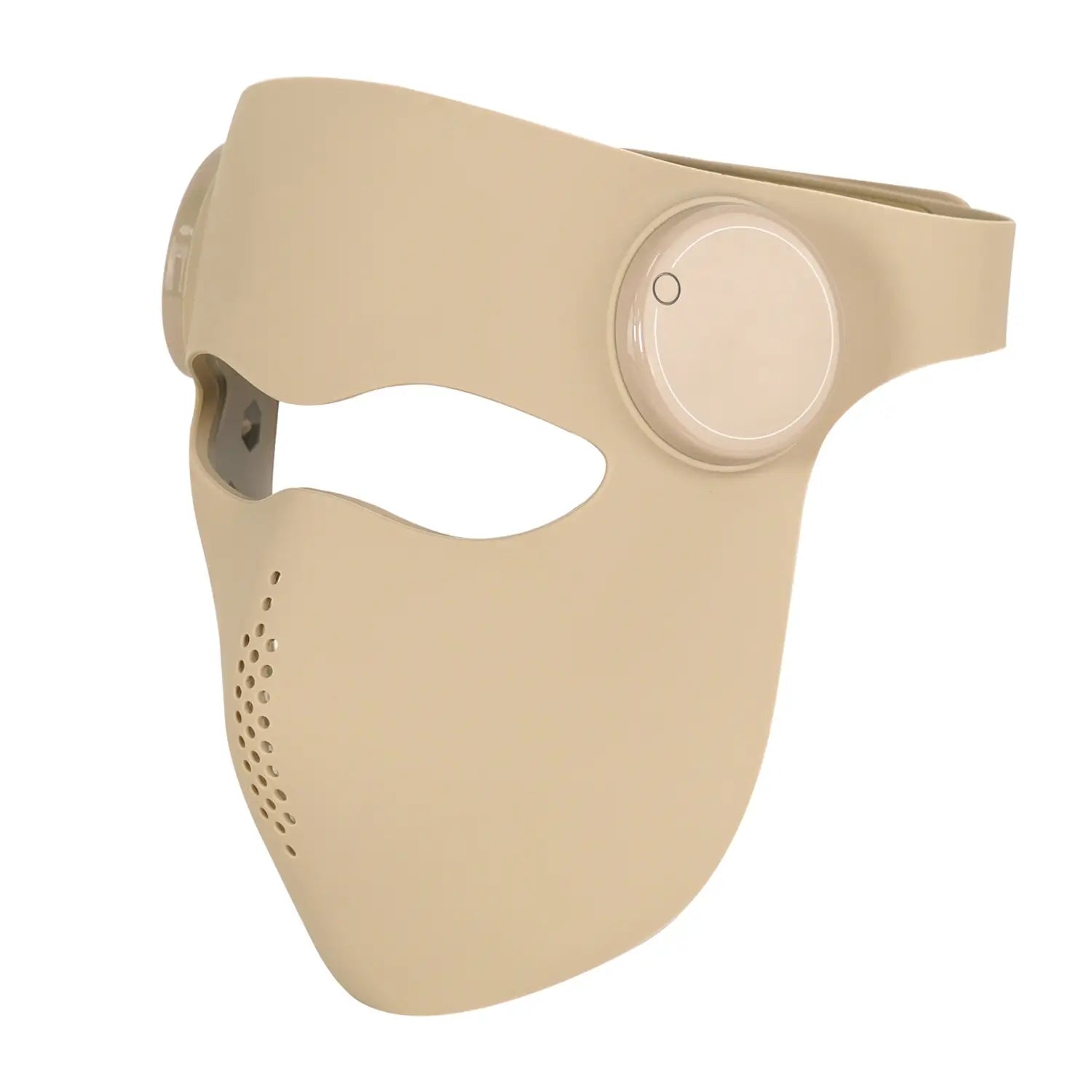
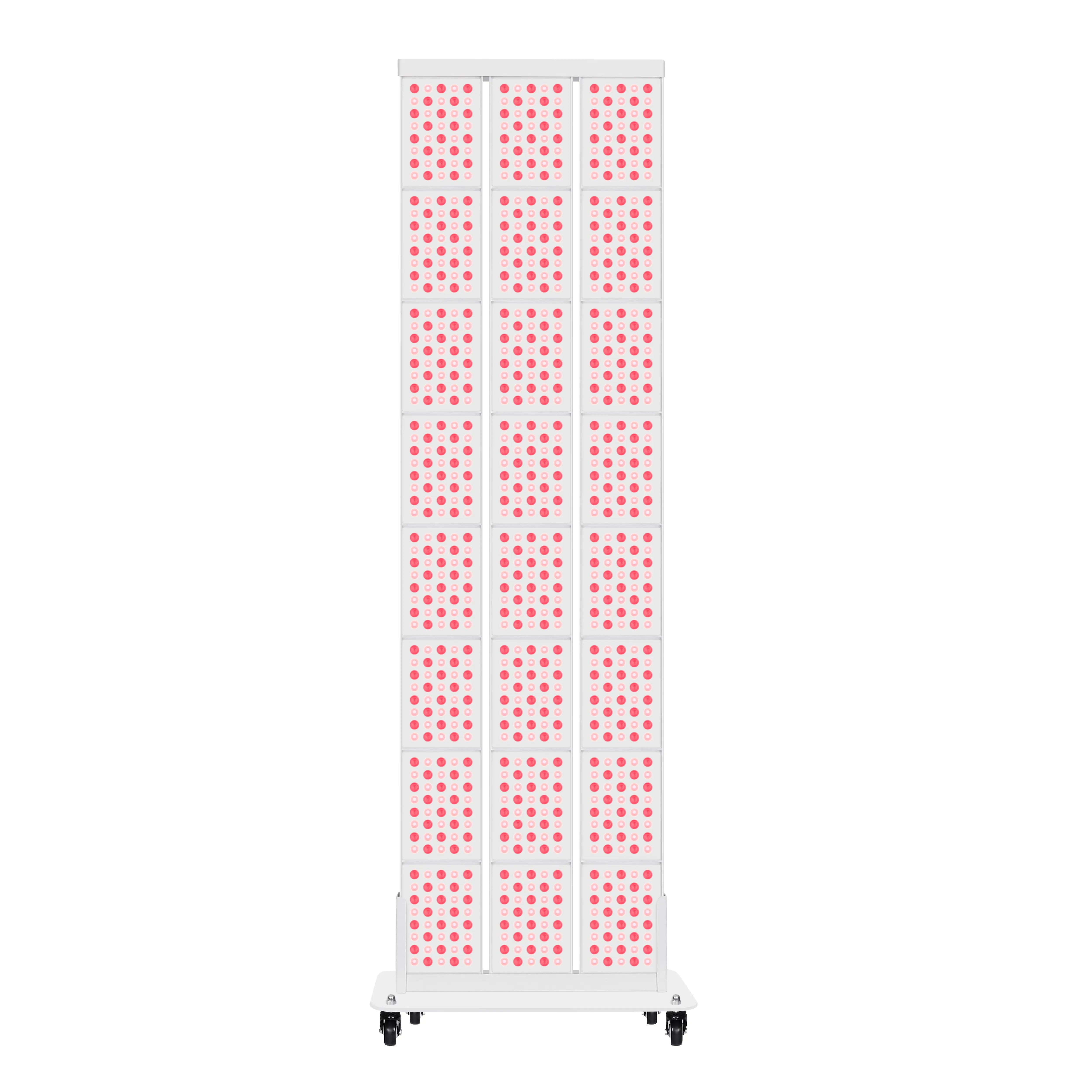
You position the device at the recommended distance. Masks sit directly on the skin; panels often sit several inches away. With full‑face panels you want even coverage over cheeks, nose, and forehead, since mountain damage rarely respects neat boundaries.
You set a timer for the prescribed duration and simply sit. You should feel warmth, maybe a mild prickling, but not pain. Academic centers that use more powerful IPL or fractional lasers will often add numbing cream and cooling air because those treatments approach the threshold of discomfort; low‑level red light should stay on the comfortable side.
When the session ends, you apply a bland moisturizer to lock in hydration and, in the morning, a high‑protection sunscreen, often around SPF 50 as recommended in rosacea care guides. For mountain facies, this last step is non‑negotiable. If you undo the gains with unprotected alpine sun, you are just running in circles.
Combining Red Light With Other Mountain Skin Strategies
Red light does its best work as part of a stack, not as a solo superhero.
For redness and flushing, it pairs well with classic rosacea strategies described by dermatology sources: avoiding known triggers such as very hot drinks, certain alcohols, and aggressive scrubs; using calming ingredients like niacinamide and ceramides; and wearing broad‑spectrum sunscreen daily. Red light can then help quiet the baseline inflammation that keeps capillaries dilated.
For pigmentation and texture, red light layers nicely with gentle chemical exfoliants, antioxidant serums, and, under physician supervision, treatments like IPL or fractional non‑ablative lasers. An Ohio State overview explains how IPL and fractional ResurFX can be combined in photofractional protocols to improve capillaries, sun spots, and fine lines. In practice, I often see dermatologists use red light before or after microneedling or peels to speed recovery and lower post‑procedure redness.
For barrier and dryness, keep your product wardrobe simple. Red light will not rescue a face that is being sandblasted daily by overuse of retinoids or exfoliants. Instead, think in terms of non‑foaming cleansers, fragrance‑free moisturizers heavy on ceramides and glycerin, and targeted actives only where truly needed.
Finally, do not forget the basics that no amount of light can replace: protective clothing, wide‑brimmed hats, and taking breaks from midday mountain sun when possible. Red light can help repair, but it cannot rewrite physics.

Pros, Cons, And Risks For Mountain Facies
Every tool has an upside and a downside. The medical and research sources in your notes are surprisingly aligned on both.
On the positive side, red light therapy is non‑invasive, generally safe, and well tolerated. The randomized German trial, the Moscow 618–633 nanometer study, and multiple reviews from Stanford Medicine, UCLA Health, Brown, and WebMD report minimal adverse effects when protocols are followed. People may notice temporary warmth, mild redness, or tightness that fades quickly. There is no ultraviolet component, so when properly used it does not tan the skin or directly raise skin cancer risk.
It also targets multiple relevant pathways at once: inflammation, collagen synthesis, microcirculation, and barrier function. For a complex, multi‑factorial pattern like mountain facies, that systems‑level action is valuable.
On the negative side, the evidence base still has gaps. The Cleveland Clinic, Harvard Health, Brown, and the American Academy of Dermatology all stress that most studies are small, often without strong placebo controls, and short term, usually eight to twelve weeks. Benefits are modest rather than miraculous, individual responses vary, and long‑term safety data for chronic use are still developing.
Cost and time burden are very real. Professional sessions commonly cost in the range of other cosmetic procedures, often around the same ballpark as a mid‑range facial or more, and they usually are not covered by insurance when used for cosmetic redness or photoaging. At‑home devices range roughly from about one hundred dollars to well over a thousand, and you still have to invest many hours of consistent use.
There are also safety nuances. The American Academy of Dermatology, Cleveland Clinic, Brown, and WebMD advise caution or prior consultation for people who are pregnant, have a history of skin cancer, have many atypical moles, have active cancer, or take medications that increase light sensitivity. Eye protection is non‑negotiable; one major skincare brand even recalled an acne mask over concerns about ocular risk in certain users. Overuse or misuse can cause burns or blistering, especially with higher‑intensity devices.
For mountain facies, the bottom line is straightforward. Red light therapy is a low‑risk adjunct that can meaningfully soften redness, smooth texture, and even tone over months when used wisely. It is not a magic eraser, not a replacement for prescription management of severe rosacea, and certainly not a stand‑in for a full skin cancer screening after decades in high‑altitude sun.
Who Should Not Rely On Red Light Therapy Alone
There are situations where red light is too little, too late, or simply not the right tool.
If you have thick, bulbous changes on the nose or cheeks, suggestive of phymatous rosacea, red light may help inflammation but will not reverse structural overgrowth. That requires early dermatologic intervention and sometimes procedural treatments.
If you notice changing moles, non‑healing sores, or rapidly evolving spots anywhere on your sun‑exposed skin, you need a dermatologist to rule out skin cancer. Harvard Health and the American Academy of Dermatology explicitly warn against masking suspicious lesions with home LED devices.
If your eyes are involved with crusting, recurrent styes, or gritty discomfort, which CurrentBody describes in ocular rosacea, you should see an ophthalmologist or dermatologist. Some centers combine IPL and other light therapies around the eyelids, but that must be done with strict eye protection and medical oversight.
If your redness is part of a bigger systemic pattern, such as autoimmune disease, uncontrolled lupus, or photosensitive rashes, only your physician can safely integrate red light into your care plan.
In all of these scenarios, red light might still play a supporting role, but it cannot be your main strategy.

Short FAQ For The Light‑Obsessed Mountain Athlete
Q: How long before I see changes in mountain‑worn skin with red light therapy?
Most clinical and practice reports cluster around the same timeframe. Some people notice subtle improvements in softness, glow, or comfort within about four weeks. The more robust shifts in redness, fine lines, and pigmentation usually show up after roughly eight to twelve weeks of two or three sessions per week. Studies that pushed to about thirty sessions often saw more pronounced gains. Think in terms of an entire ski season, not a single weekend.
Q: Does altitude itself change how red light therapy works?
None of the clinical sources here specifically study high‑altitude populations, so we cannot claim special altitude‑specific effects. What red light does address are the consequences of that lifestyle: chronic UV damage, wind‑driven barrier disruption, vascular overactivity, and inflammation. Whether you earn those from an office window or a summit ridge, the skin biology is similar, and the same principles apply.
Q: Can I stack red light sessions right after a big day outside for faster recovery?
There are no large trials on “post‑expedition red light sessions,” but the broader literature on wound healing, muscle recovery, and inflammation suggests that using red light around periods of tissue stress can support repair. UCLA Health and WebMD both review data in which joints, tendons, and skin treated regularly with red light show less pain and better function. In my own routine and in many clinics, red light is often used on the same day as procedures or intense exertion to calm inflammation and support circulation, as long as the skin is not acutely burned or blistered.

Closing Thoughts From A Light Therapy Geek
If you wear your time above tree line on your face, red light therapy offers something rare in the wellness world: a tool that feels futuristic, yet is backed by a growing, if imperfect, body of science from institutions like the Cleveland Clinic, Stanford, Harvard, and multiple dermatology groups. Used consistently, with realistic expectations and respect for your skin’s limits, it can soften the story that wind and altitude have carved into your features without erasing the life behind them.
References
- https://www.academia.edu/39754532/Report_of_the_scientific_research_on_impact_of_electromagnetic_emission_with_specter_of_618_633nm_on_skin_aging_prevention
- https://www.avenuefive.edu/what-is-led-light-therapy/
- https://www.health.harvard.edu/diseases-and-conditions/led-lights-are-they-a-cure-for-your-skin-woes
- https://pmc.ncbi.nlm.nih.gov/articles/PMC3926176/
- https://wexnermedical.osu.edu/aesthetics/non-surgical-procedures/laser-treatment/intense-pulsed-light-therapy
- https://dspace.mit.edu/bitstream/handle/1721.1/104348/10103_2013_Article_1319.pdf?sequence=1&isAllowed=y
- https://behrend.psu.edu/student-life/student-services/counseling-center/services-for-students/wellness-offerings/red-light-therapy
- https://med.stanford.edu/news/insights/2025/02/red-light-therapy-skin-hair-medical-clinics.html
- https://www.brownhealth.org/be-well/red-light-therapy-benefits-safety-and-things-know
- https://my.clevelandclinic.org/health/articles/22114-red-light-therapy