
The Light Lab: Red Light Therapy Science & Guides

Impact of Red Light on the Three Key Steps of ATP Synthesis
Red light and ATP synthesis are linked through mitochondrial function. Red/NIR light enhances all three stages of energy production for more efficient glucose and fat burning.
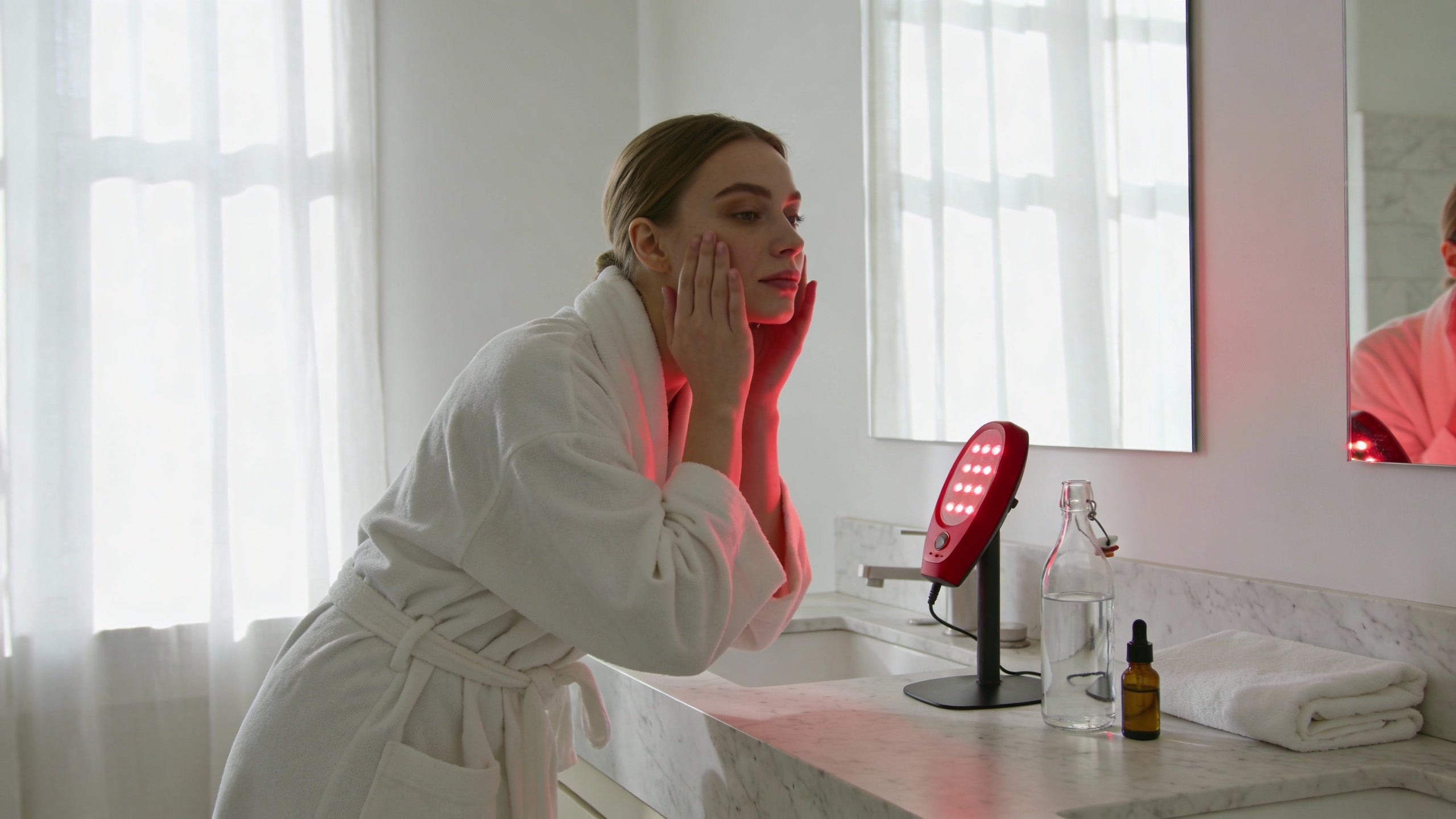
Five Mechanisms of Red Light for Skin Barrier Repair
Red light for skin barrier repair offers a science-backed solution for reactive skin. It goes beyond creams by boosting cellular energy and calming inflammation to rebuild a strong, resilient barrier.
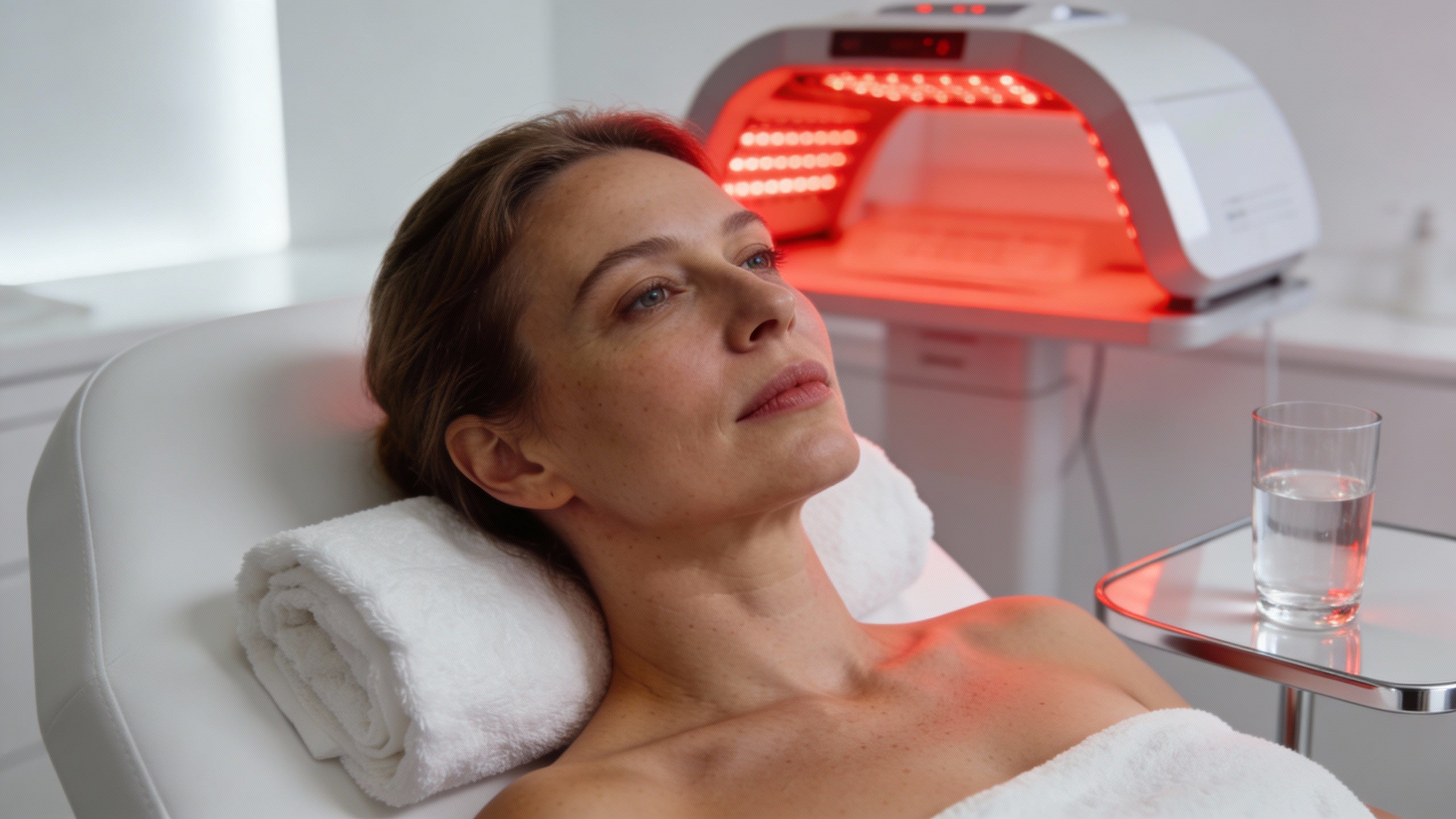
Understanding the Role of Red Light in Microcirculation Benefits
Red light for microcirculation works by boosting nitric oxide and ATP production. This guide details the science of how specific wavelengths improve blood flow and vessel health.

Red Light Therapy For Arthritis And Joint Pain: A Veteran Biohacker’s Deep-Dive
Red light therapy for arthritis offers a non-drug option for managing joint pain and inflammation. This guide explains how photobiomodulation works at a cellular level to support cartilage, reduce ...

How Red Light Therapy Reduces Muscle Soreness Without Strength Loss
Red light therapy for muscle soreness can accelerate recovery without blunting strength gains. This guide explains the science on how photobiomodulation reduces muscle damage.

Understanding Red Light's Impact on Melatonin Secretion Regulation
Red light and melatonin's relationship is more complex than you think. It's not always 'sleep-friendly' and can disrupt your circadian rhythm based on intensity and timing.
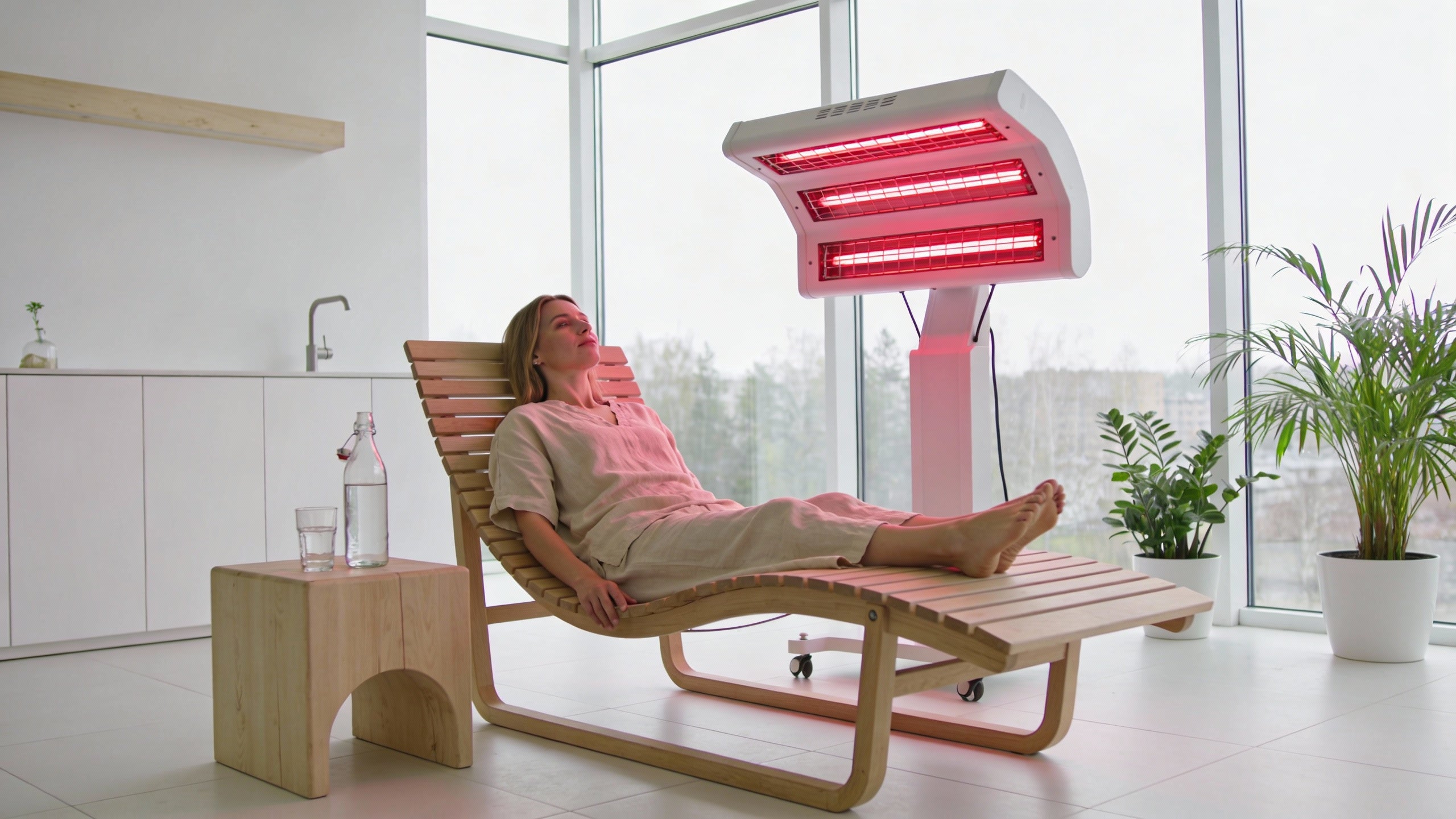
Red Light Therapy and Sleep: What a Light-Obsessed Biohacker Really Trusts
Red light therapy and sleep quality improvements are often claimed. This guide reviews the human studies, its effect on melatonin, and how it compares to bright light therapy.
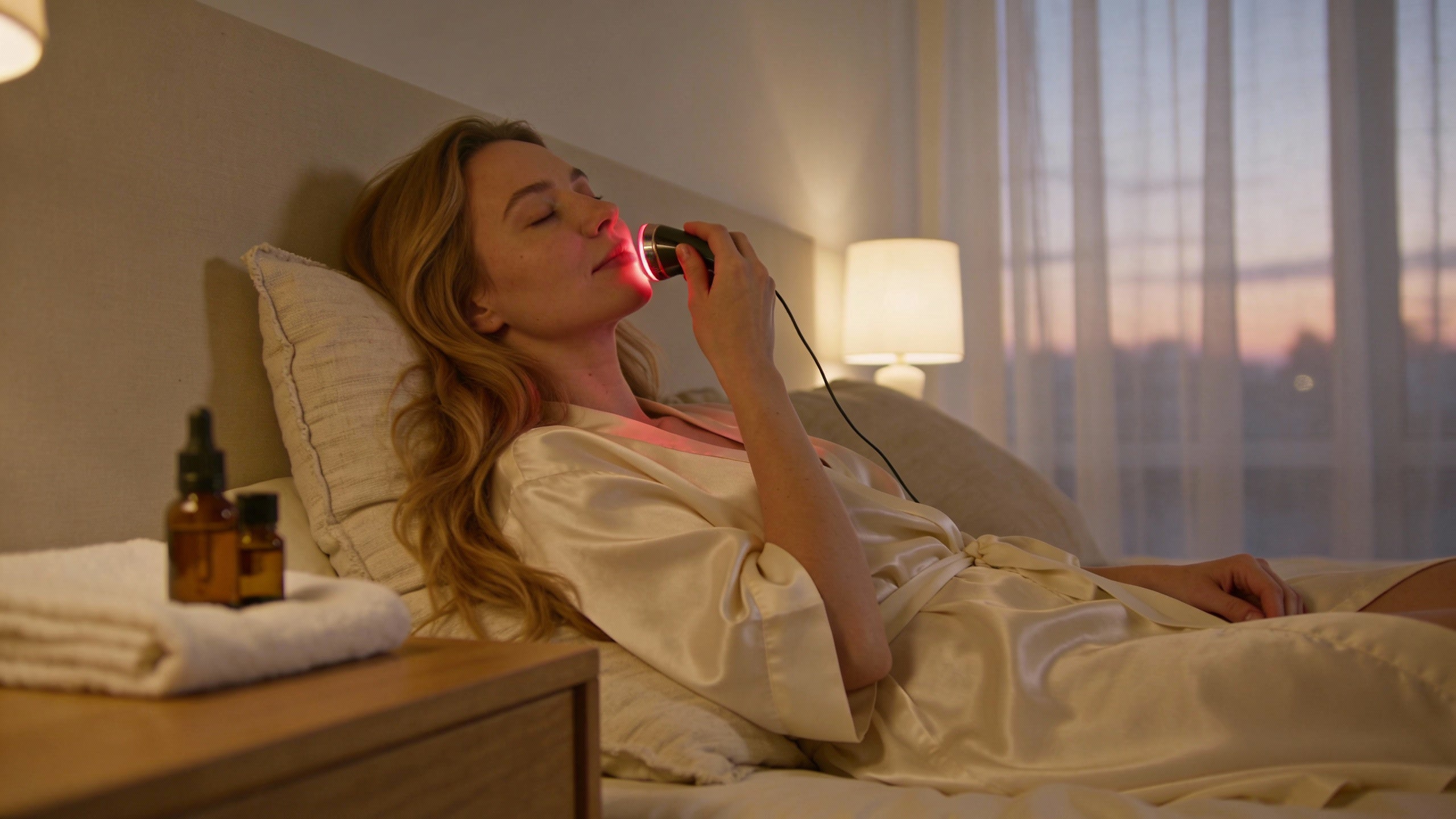
Impact of Red Light Therapy on Skin Cells Across Age Groups
Red light therapy for skin offers real benefits, but its impact changes with age. This guide details how it affects collagen, acne, and wrinkles from your teens to your 40s, based on clinical evide...
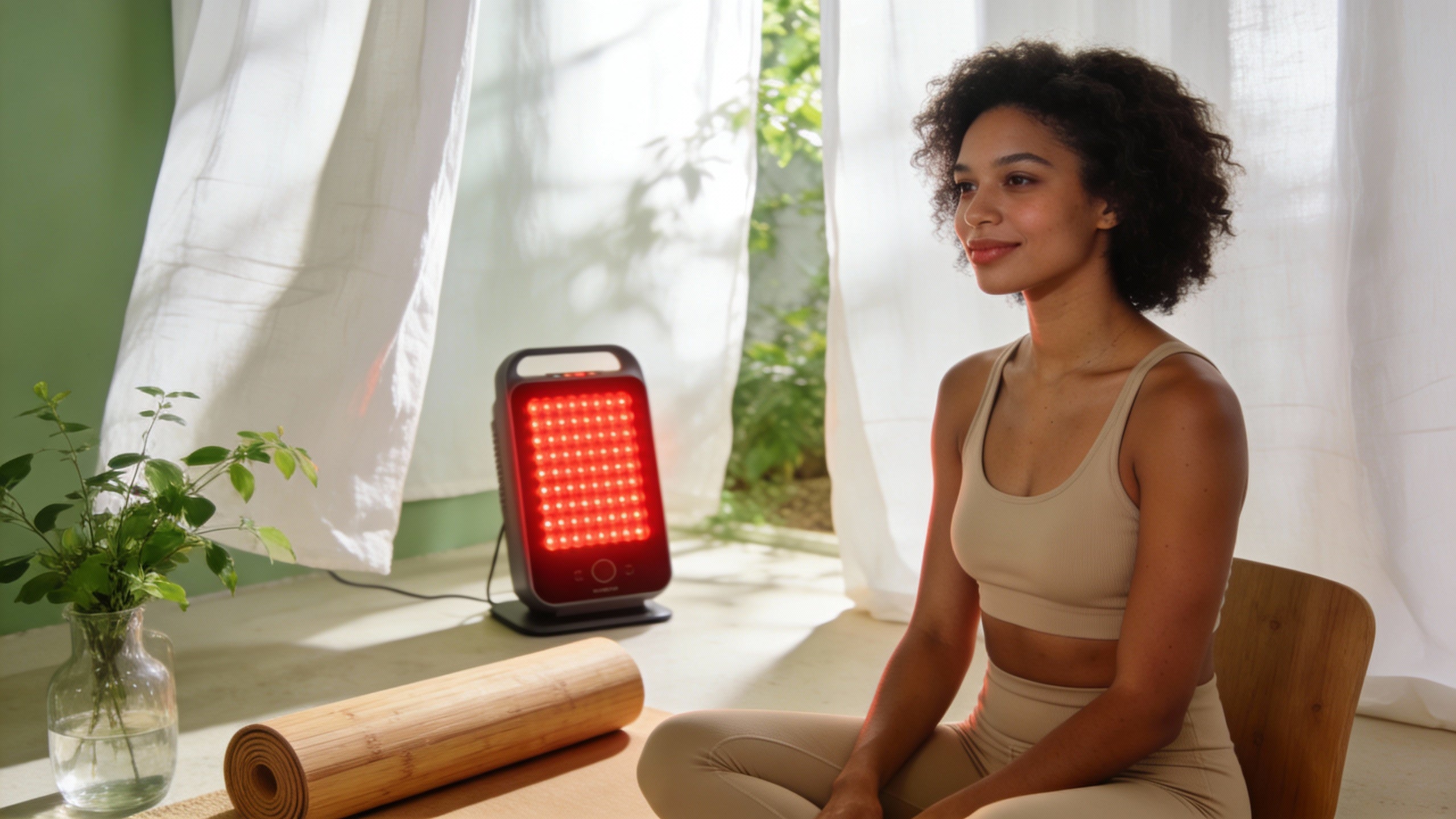
Understanding the Necessity of Continuous Red Light Therapy Treatment
Continuous red light therapy provides meaningful results for skin aging, acne, and hair growth. This guide explains why consistent, repeated exposure is crucial for success.